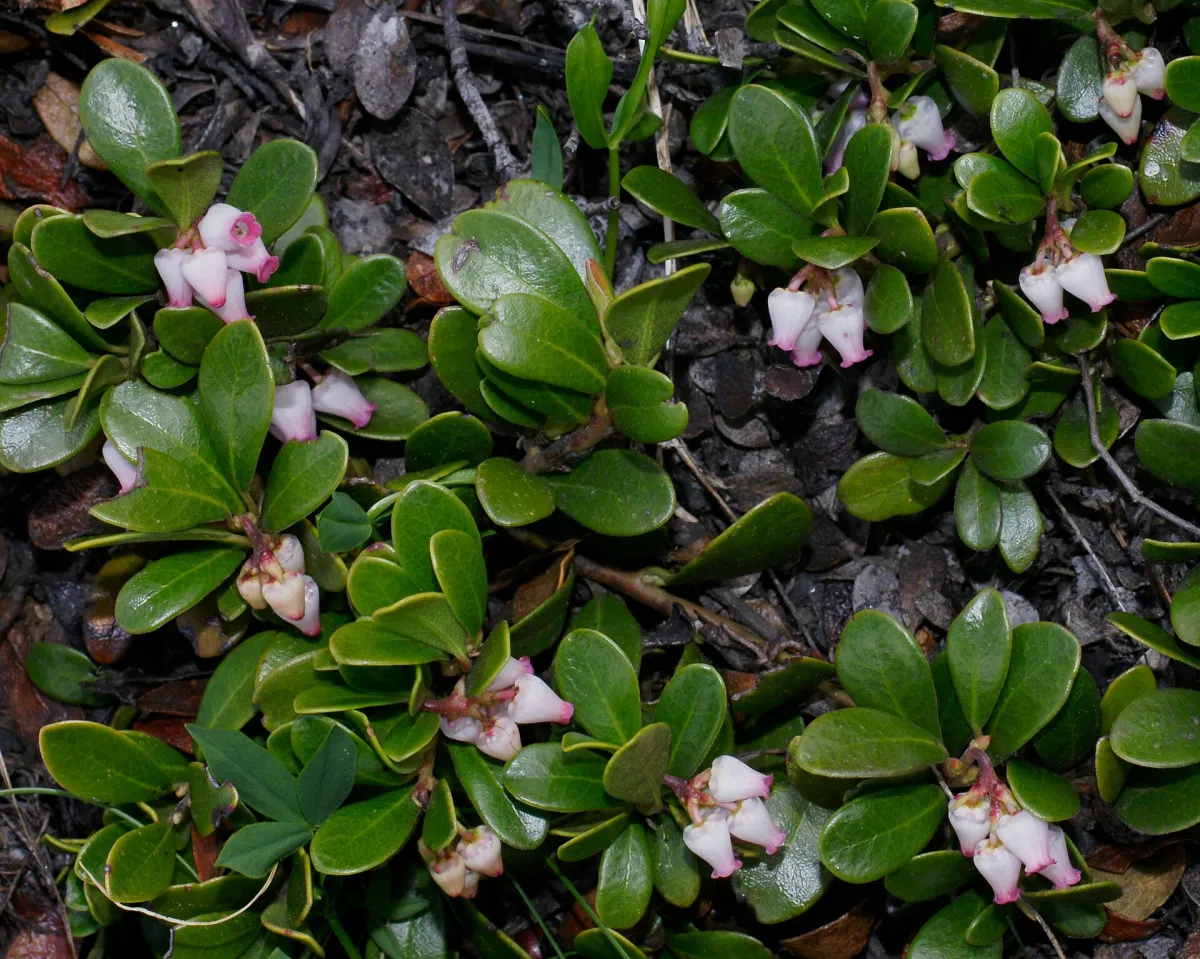
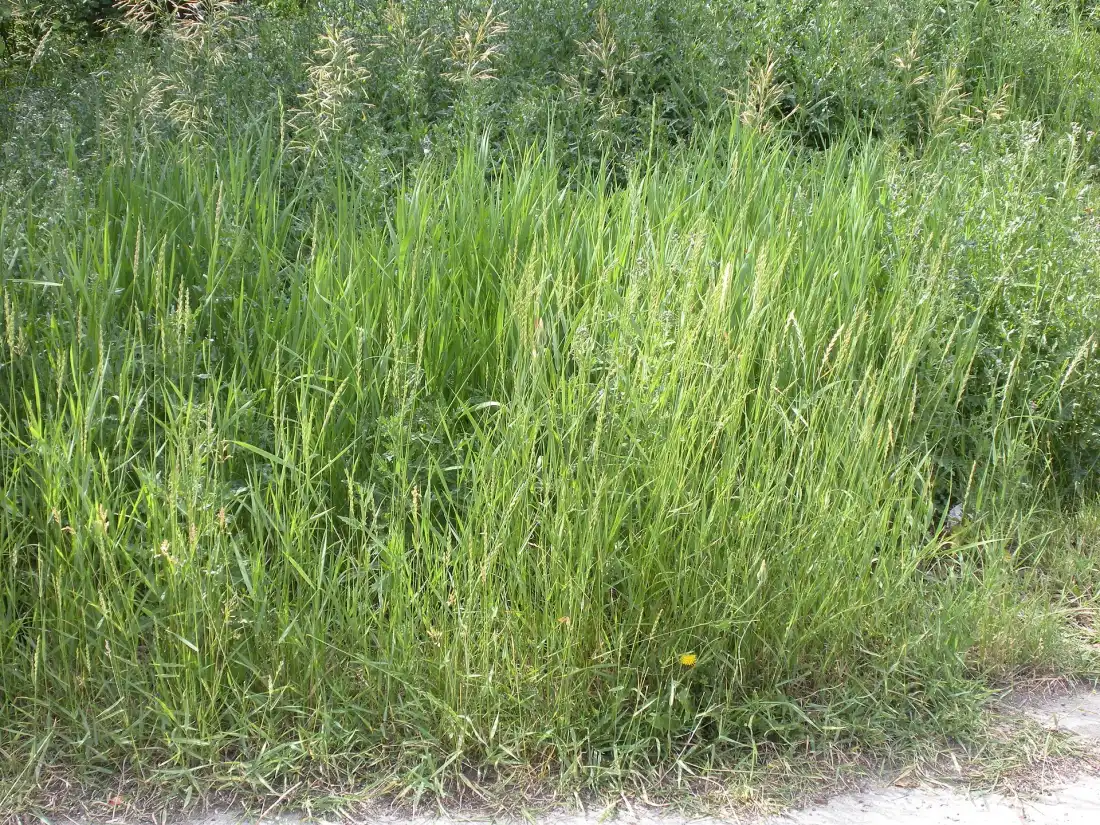
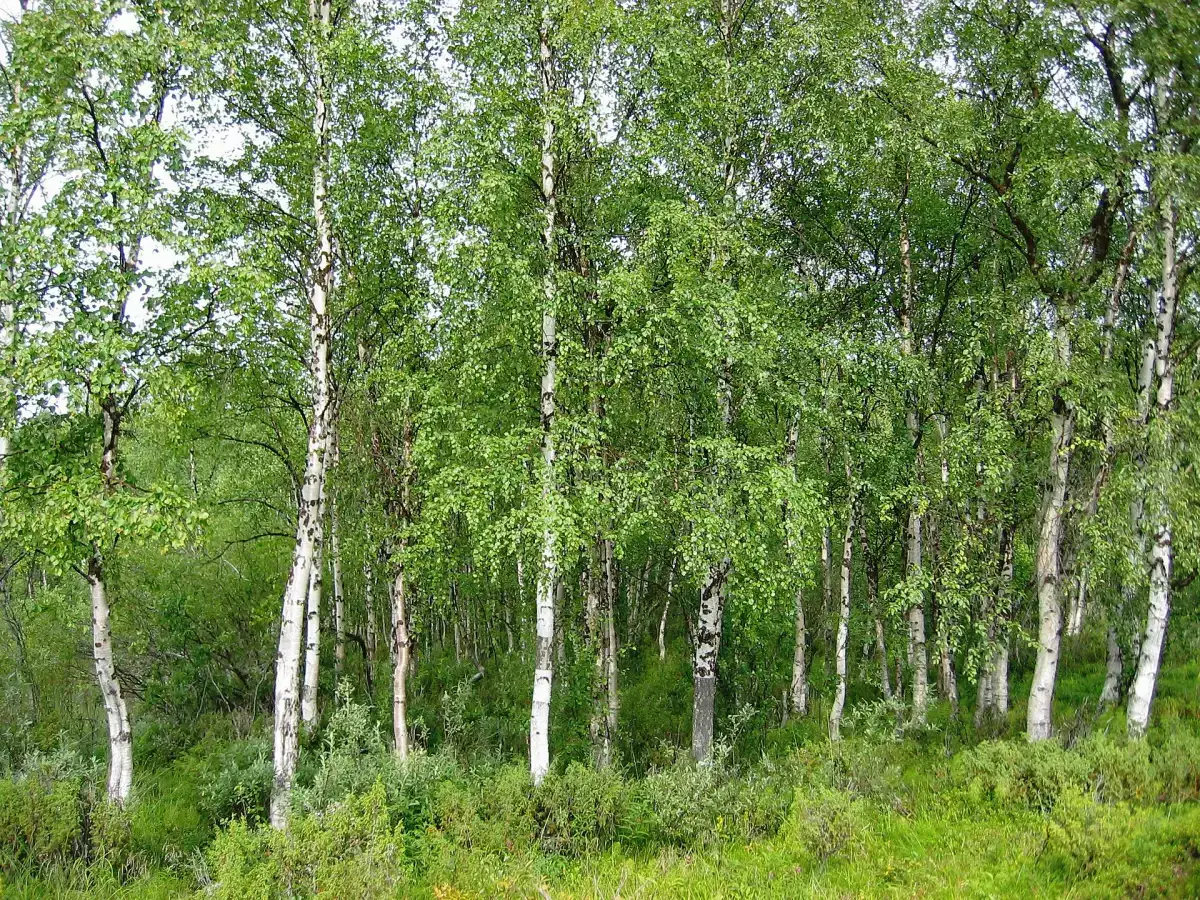
 Photo: Percita at Flickr, CC BY-SA 2.0, via Wikimedia Commons
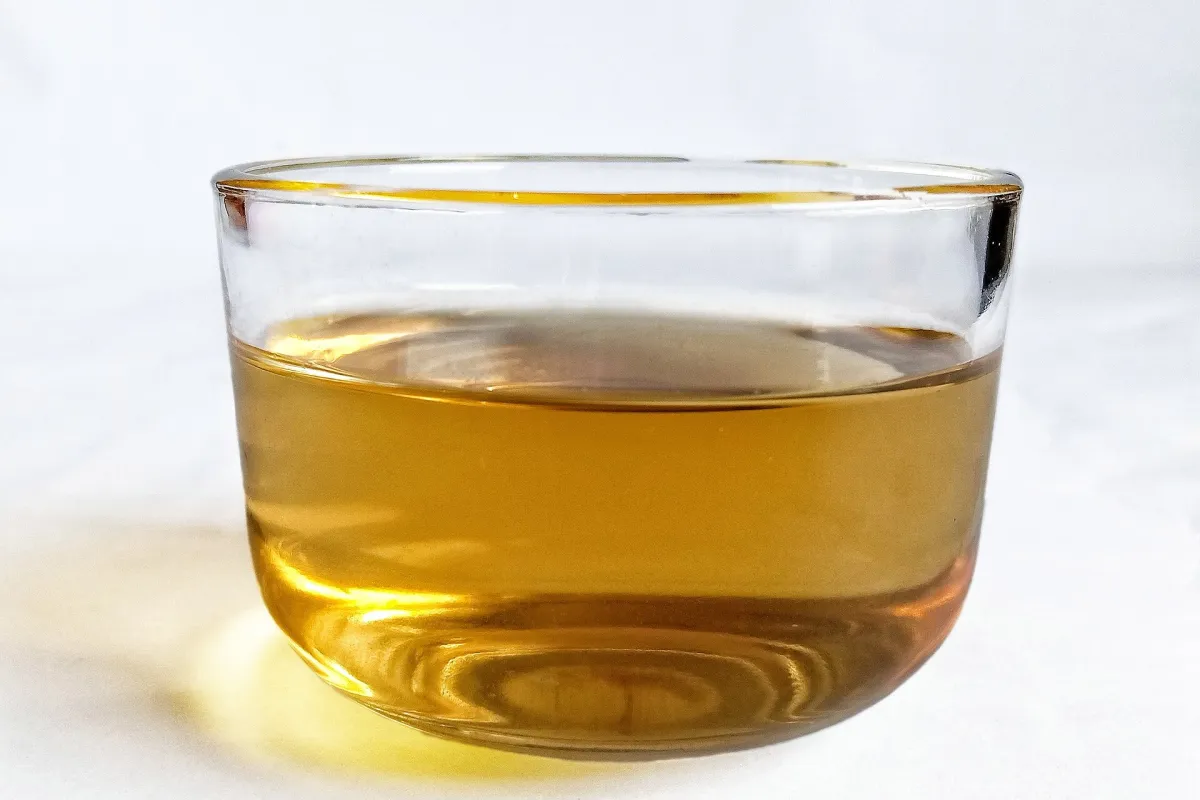
Birch leaf tea is an infusion of the dried leaves of Betula pendula or Betula pubescens, traditionally used to increase urine output and flush the urinary tract in minor urinary complaints. The European Medicines Agency (EMA) recognises it as a traditional herbal medicine at 2-3 g of leaves in 150 ml of boiling water, 3-4 times a day, provided you drink plenty of fluids. It does not cure infections, does not dissolve stones and must not be used when a doctor has told you to limit fluids, for example in heart or kidney failure with swelling.
Key takeaways:
- Birch leaves have a gentle, ‘aquaretic’ diuretic effect: lab data suggest they increase water excretion without major loss of sodium or potassium.
- The use is traditional, backed by long experience and European monographs, not by solid clinical trials in humans.
- EMA dose: 2-3 g in 150 ml boiling water, steeped 10-15 minutes, 3-4 times daily, plus at least 2 litres of fluid a day.
- A course usually lasts 2-4 weeks; not recommended under 12, in pregnancy or while breastfeeding.
- Do not use it with heart or kidney failure or the edema they cause; take care if you are allergic to birch pollen.
- Fever, flank pain, blood in the urine or renal colic mean a doctor, not tea.
What birch leaf tea is
Silver birch (Betula pendula) and downy birch (Betula pubescens) grow across most of Europe, from lowlands to mountain slopes. Herbal medicine uses the leaves (Betulae folium), picked young in late spring and early summer and dried in the shade. The European Pharmacopoeia has an official monograph for birch leaf and sets a minimum flavonoid content, expressed as hyperoside. In other words, this is a standardised medicinal herb, not just folk wisdom.
Do not confuse the leaves with other birch products: birch sap or birch water (tapped from the trunk in spring), the bark (rich in betulin, with different uses) or the buds (used in gemmotherapy). The doses and advice in this article apply only to the leaves.
Active compounds
- Flavonoids: hyperoside and glycosides of quercetin and myricetin, thought to be mainly responsible for the effect on water excretion.
- Phenolic acids, including chlorogenic acid, with antioxidant activity.
- Dammarane-type triterpenes, typical of the leaves.
- Small amounts of tannins, traces of volatile oil, vitamin C and potassium salts.
The exact mechanism is not fully understood. Animal and cell studies suggest the flavonoids increase urine flow without forcing salt loss. That is why birch is described as aquaretic rather than diuretic in the pharmaceutical sense: prescription diuretics push out a lot of sodium and sometimes potassium.
Benefits: what is tradition and what the evidence supports
The use recognised by the EMA
The EMA’s Committee on Herbal Medicinal Products (HMPC) classifies birch leaf as a traditional herbal medicine used to increase the amount of urine to achieve flushing of the urinary tract, as an adjuvant in minor urinary complaints. The wording matters: ’traditional’ means the herb has been used safely for at least 30 years, including 15 in the European Union, and that efficacy is plausible from long-standing experience rather than proven in controlled clinical trials.
What studies show
- In laboratory animals, leaf extracts increased urine volume, with smaller effects than synthetic diuretics.
- In humans, the few studies available are small and lack proper control groups, usually in patients with urinary infections who also received ‘flushing’ therapy with the tea. Results are encouraging but not conclusive.
- Germany’s Commission E approved the leaves for irrigation therapy in inflammatory conditions of the lower urinary tract and for kidney gravel, and as a supportive treatment for rheumatic complaints. The EMA did not adopt the rheumatic indication.
Where it can realistically help
- Mild cystitis or a tendency to bladder infections, alongside good hydration and, when needed, prescribed treatment. See our guide to cystitis and urinary tract infections.
- Kidney gravel (small crystals): more urine means crystals are less concentrated and easier to pass. More in our article on kidney gravel.
- Minor urinary discomfort without fever and without blood in the urine.
Where it does NOT help: it does not dissolve formed stones, does not sterilise urine, does not ‘detox’ the kidneys and does not lower creatinine.
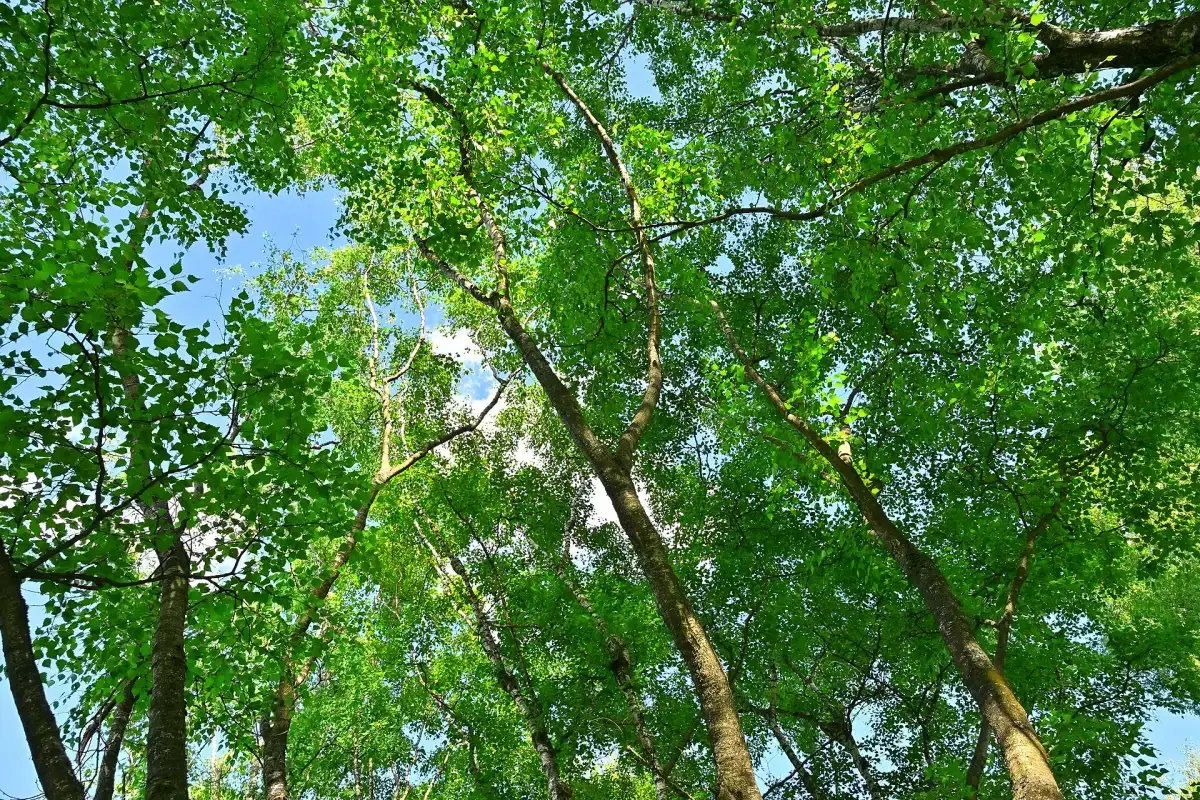 Photo: Юрий Д.К., CC BY 4.0, via Wikimedia Commons
How to make birch leaf tea
Standard infusion (one cup)
- Weigh 2-3 g of dried, cut birch leaves. As a rough guide this is about 2 heaped teaspoons or 1 level tablespoon, but weight varies with how finely the leaves are cut, so weigh them the first time.
- Put the leaves in a mug or teapot and pour over 150 ml of boiling water (around 100°C).
- Cover with a saucer and steep for 10-15 minutes. The lid keeps the volatile compounds in the cup.
- Strain, pressing the leaves gently to get all the liquid out.
- Drink warm or at room temperature, between meals.
The taste is mildly bitter and grassy. You can add a teaspoon of honey once the tea has cooled slightly, or a slice of lemon.
Daily dose and schedule
| Item | Recommendation |
|---|---|
| Who can use it | Adults and adolescents over 12 |
| Amount per cup | 2-3 g dried leaves in 150 ml boiling water |
| Steeping time | 10-15 minutes, covered |
| Frequency | 3-4 cups a day |
| Maximum daily amount | about 12 g of leaves |
| Total fluid intake | at least 2 litres a day, tea included |
| Last cup | 3-4 hours before bed |
| Length of course | usually 2-4 weeks, then a break |
A simple routine: one cup at 8 am, one at noon, one at 4 pm and, if needed, one at 6 pm. Drink water in between so you reach at least 2 litres a day. Without enough fluid there is no flushing effect, and your urine becomes more concentrated, the exact opposite of what you want.
Loose leaf, tea bags or blends
Pharmacies and health shops sell birch leaf loose or in tea bags. Check the label for the Latin name (Betulae folium), origin and expiry date. A tea bag usually holds 1-2 g, so a proper dose may take two bags per cup. Good leaves are green to grey-green, not brown, and have no musty smell.
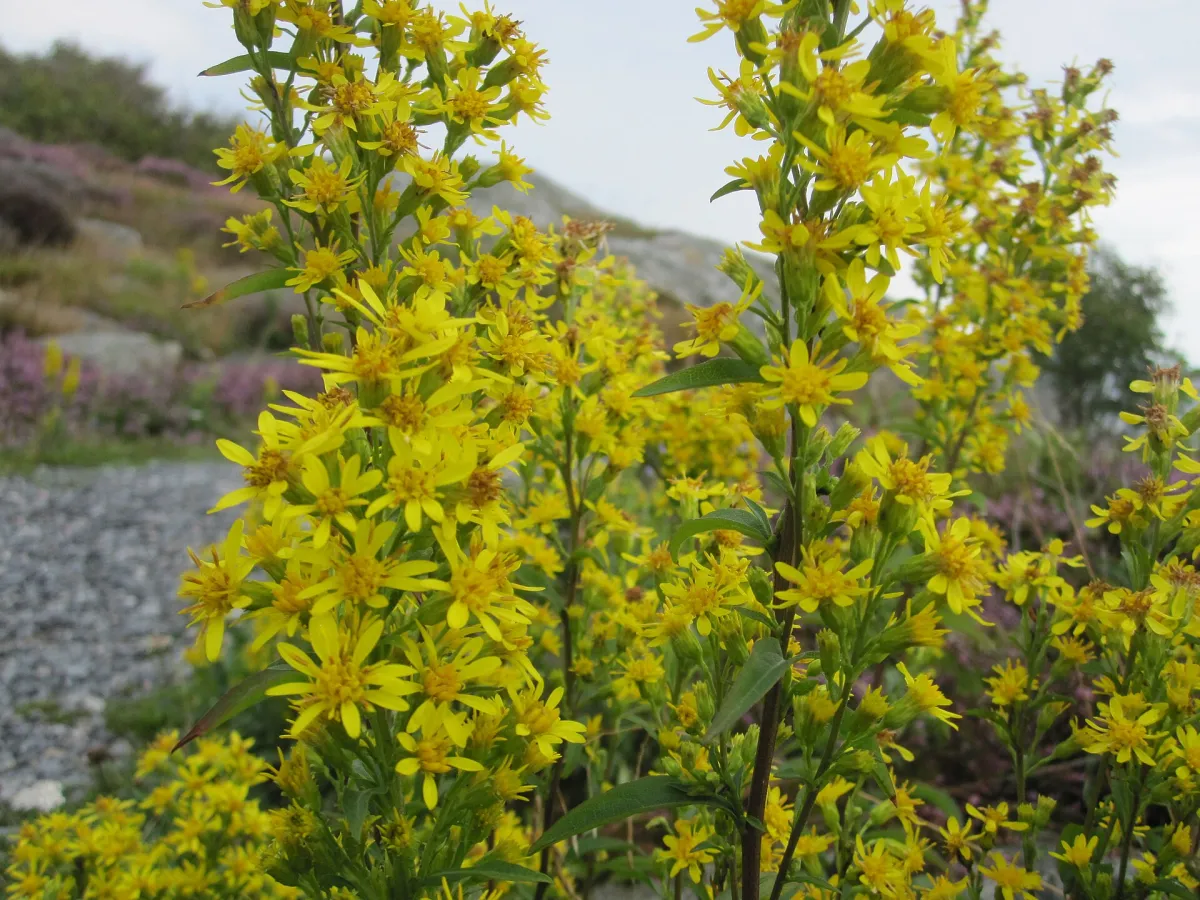
Birch leaf often appears in urinary blends with goldenrod, corn silk, couch grass or horsetail. You will find these herbs compared in our guide to teas for kidney health. If you use a blend, follow the total dose on the pack and do not add a full extra portion of each herb separately.
Harvesting your own
If you want to pick them yourself, choose young, healthy leaves in May or June from trees well away from roads and industrial sites. Dry them in a thin layer in the shade, somewhere airy, then store them in closed jars away from light and moisture for no more than a year.
Contraindications, interactions and who should avoid it
Do not use
- Heart failure or severe kidney disease, especially with edema (swollen legs, fluid on the lungs, breathlessness on exertion or when lying flat). In these cases doctors often restrict fluids, and ‘flushing therapy’ with litres of tea can overload the heart and kidneys. Swelling caused by the heart or kidneys is treated with medication and monitoring, not diuretic teas.
- Any condition where you have been told to limit fluids, including dialysis.
- Allergy to birch leaves or birch pollen. People with spring hay fever triggered by birch may also react to the tea.
Not recommended
- Children under 12: there is not enough safety data.
- Pregnancy and breastfeeding: insufficient data. Urinary infections in pregnancy also need medical treatment because they can progress quickly.
Interactions and precautions
The EMA monograph reports no known interactions. Still, as a matter of pharmacist’s caution:
- if you take diuretics (furosemide, hydrochlorothiazide, indapamide, spironolactone), the effects may add up; talk to your doctor first;
- if you take lithium, any change in urine volume and fluid balance can alter its blood level;
- if you have treated high blood pressure, diabetes, gout or another chronic condition, let your GP know you are taking a course.
Side effects are uncommon: mild stomach upset (nausea, diarrhoea) and allergic reactions (itching, rash, runny nose).
When to see a doctor
Birch leaf tea is only for minor urinary discomfort. See a doctor if:
- you have fever, chills or pain in your side below the ribs, a possible sign of pyelonephritis;
- you see blood in your urine;
- burning when you pee does not improve within 2-3 days, gets worse or keeps coming back;
- you are a man, pregnant, diabetic or immunocompromised: urinary infections are then considered complicated;
- you notice swollen legs, less urine than usual or shortness of breath.
Seek emergency care if you have severe, wave-like kidney pain spreading to the lower abdomen or groin, especially with fever or vomiting, if you cannot pee at all or if urine has almost stopped. A stone blocking an infected kidney is an emergency and can seriously damage the kidney within a short time. A diuretic tea has no place here: it raises the pressure behind the blockage. To tell the different types of pain apart, read our article on kidney pain.
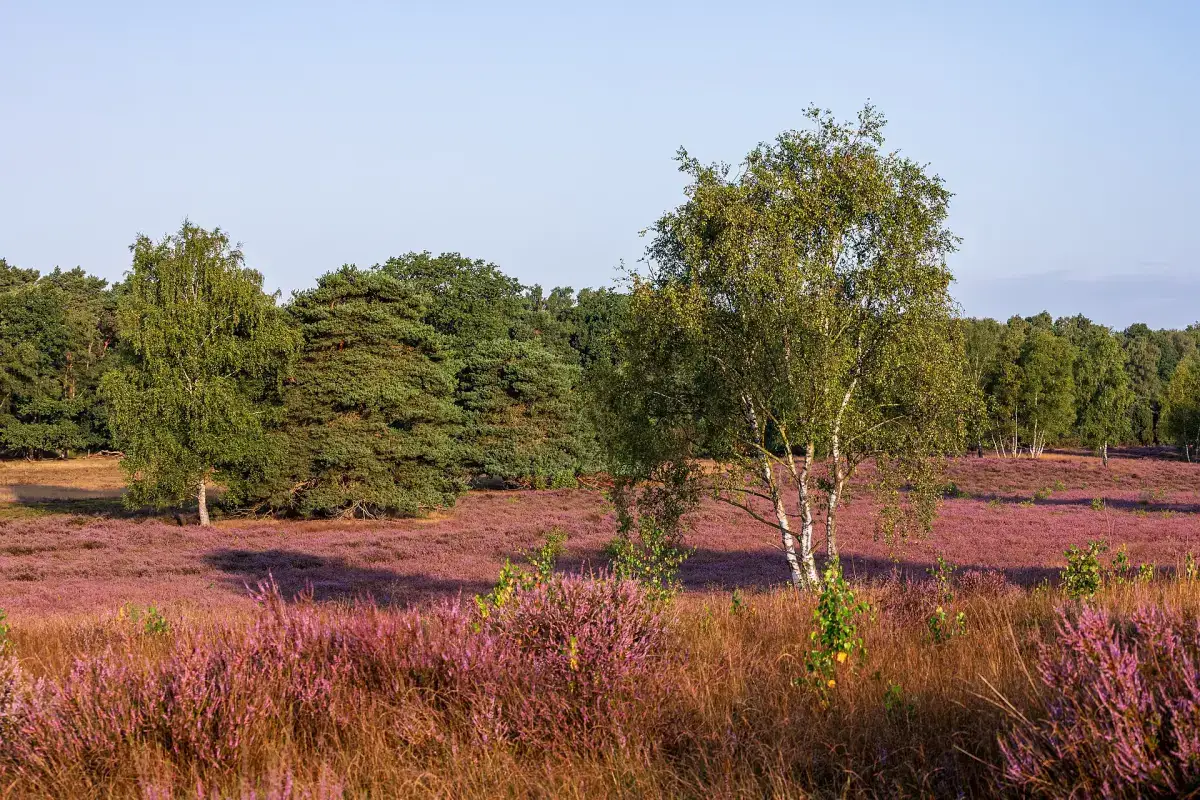 Photo: Dietmar Rabich, CC BY-SA 4.0, via Wikimedia Commons
Common mistakes
Drinking birch tea for swollen legs without knowing the cause. Edema can come from the heart, kidneys, liver, veins or medication. A natural diuretic can mask the problem and delay diagnosis.
Drinking the tea but too little water. Without 2 litres of fluid a day, the flushing effect disappears.
Using it instead of antibiotics. The tea does not kill bacteria, and an infection with fever can spread to the kidneys.
Drinking it in the evening. You will be up at night to pee. Have the last cup in the afternoon at the latest.
Using it for months. The usual course is 2-4 weeks; if the problem persists, the cause needs to be investigated.
Treating it as a ‘detox’. Healthy kidneys clean themselves; the tea only increases urine volume.
Conclusion
Birch leaf tea is a well-documented European herb with a modest, clearly defined role: it increases urine output and helps flush the urinary tract in minor complaints, alongside generous hydration. Used correctly, 2-3 g per cup, 3-4 cups a day, for 2-4 weeks, it is safe for most adults. It is not for people with a weak heart or kidneys and edema, and it does not replace treatment when fever, blood in the urine or renal colic appear.
Frequently asked questions
What is birch leaf tea good for? Traditionally, for increasing urine output and flushing the urinary tract in minor complaints such as mild cystitis or kidney gravel, always together with good hydration. The effect is supported by experience and European monographs, not large clinical trials.
How many cups of birch leaf tea can I drink a day? Adults can drink 3-4 cups a day, each made with 2-3 g of leaves in 150 ml of boiling water, without going above roughly 12 g of leaves a day.
How long can I take a course? Usually 2-4 weeks. If symptoms persist during the course or get worse, see a doctor instead of extending it.
Does birch leaf tea dissolve kidney stones? No. It may help small crystals pass by increasing urine volume, but it does not dissolve formed stones. Large stones or stones causing colic need a urology assessment.
Can I drink birch leaf tea if I have high blood pressure? Generally yes, if you do not have heart or kidney failure. If you take diuretics, check with your doctor, as the effects may add up.
Does it help with water retention? Only for mild swelling with a known, harmless cause, such as a long day on your feet. Edema caused by the heart, kidneys or liver is a contraindication and needs medical assessment.
Is it the same as birch sap or birch water? No. Birch sap is tapped from the trunk in spring, has a different composition and no EMA monograph for urinary use. The doses here apply to the leaf infusion.
Can children drink birch leaf tea? Not under 12. In children, urinary symptoms should be checked by a paediatrician because infections can affect the kidneys quickly.
Sources and further reading
- European Medicines Agency (EMA), HMPC: Community herbal monograph on Betula pendula Roth and/or Betula pubescens Ehrh. as well as hybrids of both species, folium.
- ESCOP Monographs: Betulae folium (Birch Leaf).
- Blumenthal M. (ed.), The Complete German Commission E Monographs: Birch leaf, American Botanical Council.
- European Pharmacopoeia: Birch leaf (Betulae folium).
- NHS: Urinary tract infections (UTIs) and Kidney stones.
Informative content only; it does not replace a consultation with a doctor or pharmacist.