 Photo: Ajay Kumar Chaurasiya, CC BY-SA 4.0, via Wikimedia Commons
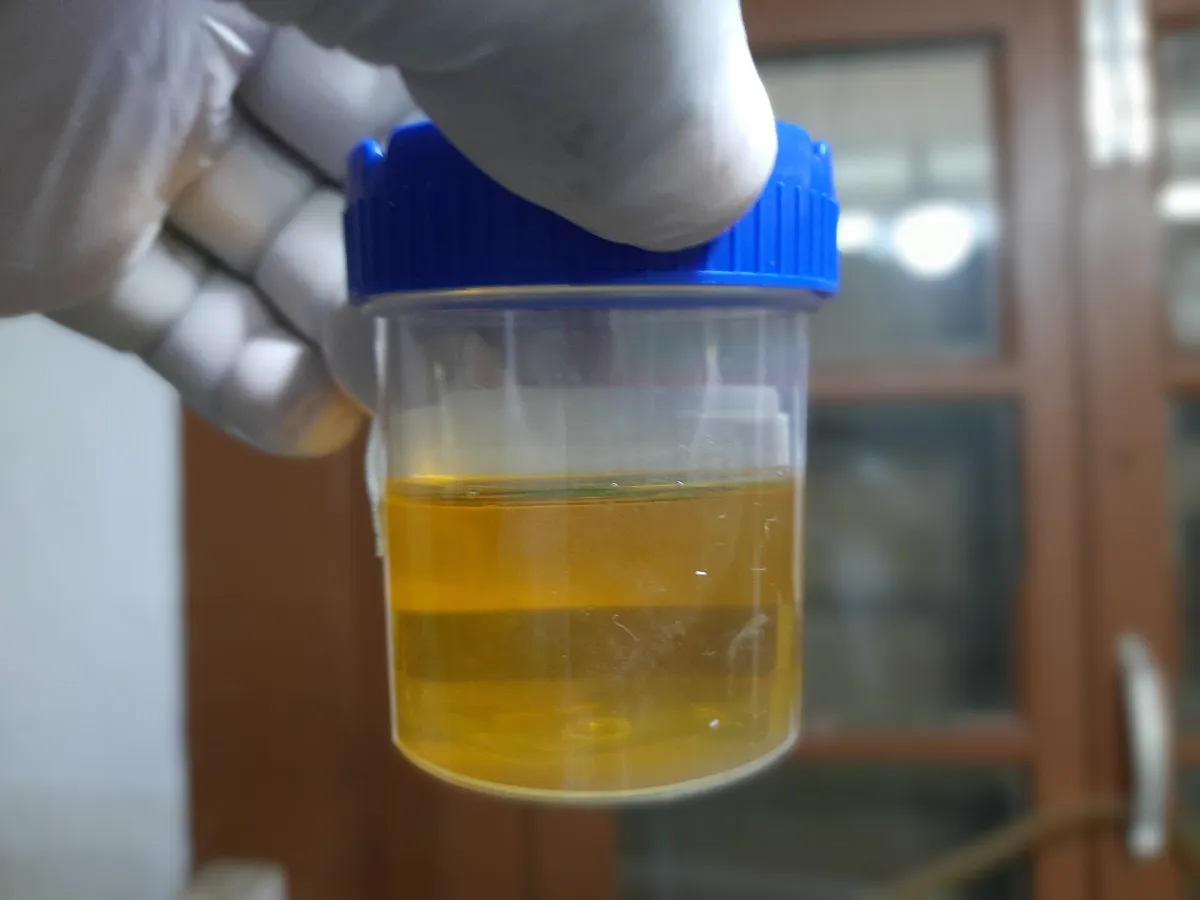
Cloudy urine most often has harmless causes: dehydration, phosphate salts that settle out after dairy- or vegetable-rich meals, or very concentrated morning urine. If your urine is cloudy and smells bad, and you have burning, frequent urination or lower tummy pain, the likely cause is a urinary tract infection, which should be confirmed with a urinalysis and urine culture. Below you will find how to tell these situations apart and what you can safely do.
Key takeaways
- Normal urine is clear, straw-yellow, with a faint smell.
- Cloudiness without other symptoms that clears after drinking water is usually concentration or phosphates.
- Cloudiness with burning, frequent urination and an unpleasant smell suggests a urinary infection.
- An ammonia smell usually means concentrated urine; a sweet, fruity smell may indicate uncontrolled diabetes.
- Fever, flank pain or blood in the urine need a same-day assessment.
What normal urine should look like
Healthy urine is clear or slightly opalescent, pale straw to light yellow, with a mild smell. Colour and odour vary normally with how much you drink, what you eat and which supplements you take. Cloudiness means particles are floating in the urine and scattering light: crystals, cells, bacteria, mucus or discharge.
What can make urine cloudy
| Look / smell | Most likely cause | What to do |
|---|---|---|
| Cloudy in the morning, clear after drinking | Concentrated urine | Drink more, spread through the day |
| Milky after meals, no symptoms | Amorphous phosphates in alkaline urine | Nothing serious; hydrate |
| Cloudy, unpleasant smell, burning, frequent urination | Urinary tract infection (cystitis) | Urinalysis, culture, doctor |
| Cloudy with fever and flank pain | Kidney infection (pyelonephritis) | Doctor the same day |
| Cloudy with a fine, sand-like deposit | Crystals (oxalate, urate) | Hydrate; see kidney gravel |
| Cloudy in women, with vaginal discharge | Contamination, bacterial vaginosis, thrush | Proper sampling, gynaecologist |
| Ammonia smell | Dehydration, urine held a long time | More fluids |
| Sweet, fruity smell | Very high blood sugar (diabetes) | Check glucose, doctor |
| Distinct smell after asparagus, coffee, garlic | Food | Normal, passes within hours |
Dehydration
When you drink little, the kidneys concentrate the urine. It becomes darker, cloudier and smells of ammonia. This is the most common and easiest cause to fix.
Phosphates
After meals rich in dairy or vegetables, or after antacids, urine can turn alkaline and calcium phosphates settle out, giving a milky look, especially as the urine cools. It is harmless and painless.
Urinary tract infection
Bacteria, white cells and pus make urine cloudy and foul-smelling. Typical companions are burning, an urgent and frequent need to pee and pain above the pubic bone. If that sounds like you, read our guide to urinary tract infections, and if episodes keep returning, recurrent cystitis.
Other causes
- Stones and kidney gravel: crystals can cause cloudiness and a fine deposit. See kidney gravel.
- Discharge: in women, vaginal discharge; in men, prostatitis or traces of semen.
- Sexually transmitted infections, which can cause discharge and burning.
- Diabetes: excess glucose favours infections and gives a sweetish smell.
- B-complex vitamins turn urine bright yellow without making it cloudy.
What you can do at home
Drink enough, steadily
A healthy adult needs roughly 1.5-2.5 litres of fluid a day, more in heat or with exercise. If dehydration was the cause, urine should return to clear straw-yellow within 24 hours. Unsweetened herbal teas count towards your fluid intake.
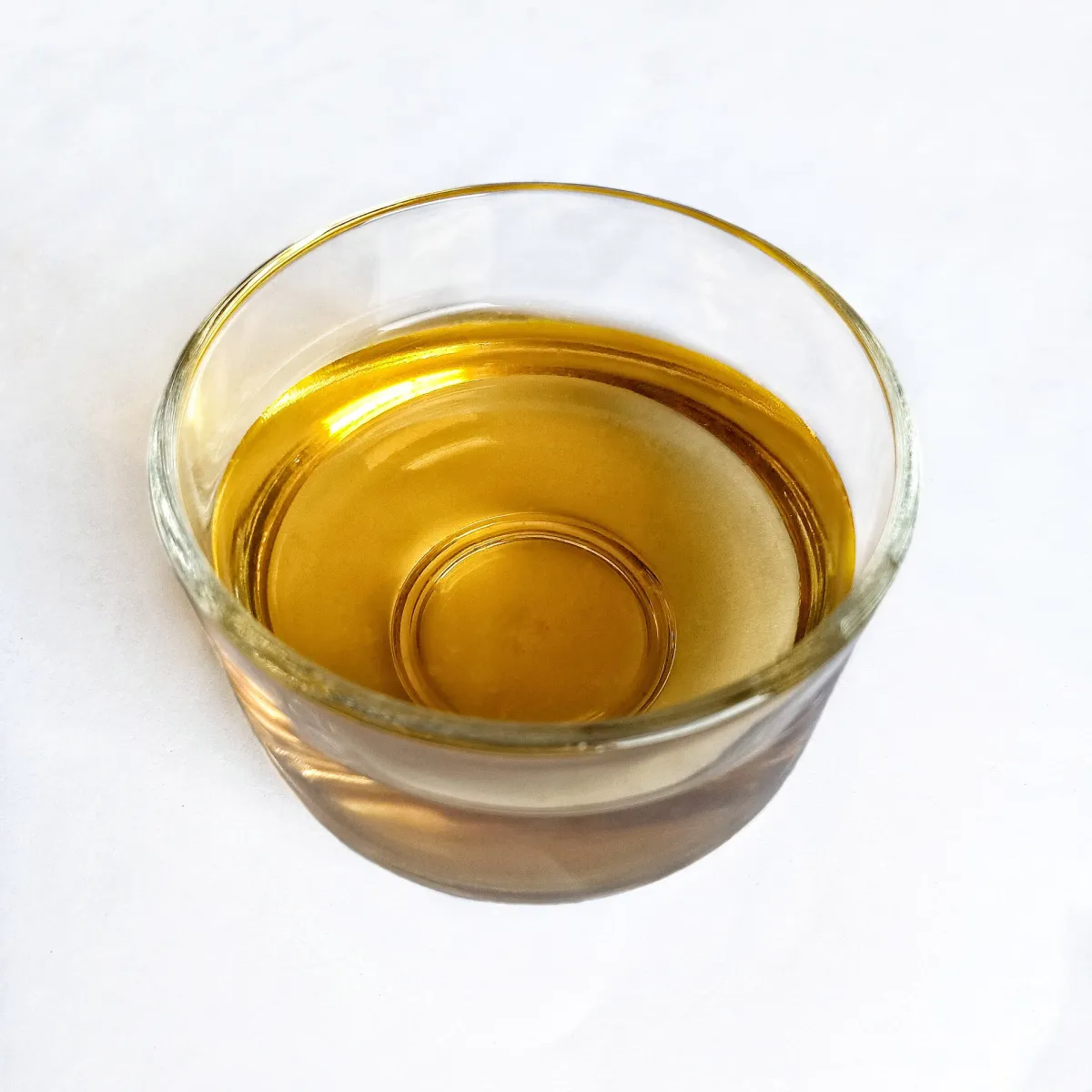 Photo: PagesAndPathsPH, CC0, via Wikimedia Commons
Good hygiene, without overdoing it
- Wash with water and a gentle product, no douching and no intimate fragrances.
- For women, wipe from front to back.
- Pee after sex.
- Cotton underwear, changed daily.
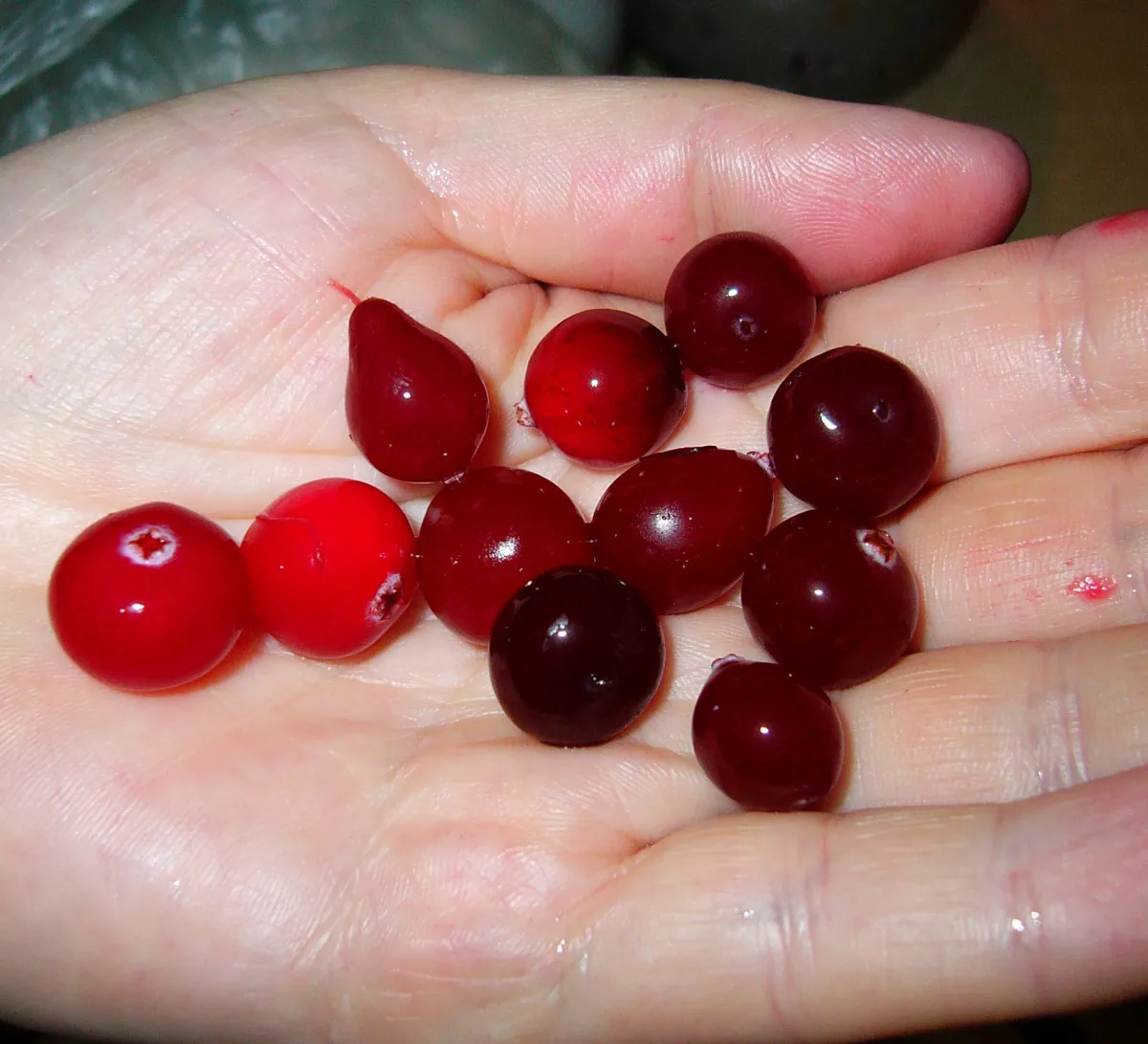
Cranberry, for prevention
A Cochrane review updated in 2023 concluded that cranberry products reduce the risk of repeat symptomatic urinary infections in women with recurrent UTIs, in children and in people after certain urological procedures. It does not treat an active infection. Preparation details are in cranberry tea, and a popular alternative is covered in D-mannose.
What does not help
Baking soda “to alkalinise”, large amounts of apple cider vinegar or drastic “detox” cleanses do not treat any real cause of cloudy urine and can do harm (excess baking soda upsets sodium and blood acidity).
Cloudy urine in children and older adults
In children, cloudy, foul-smelling urine, especially with an unexplained fever, crying when peeing, bedwetting returning after the child was already dry, or tummy ache, may be the only sign of a urinary infection. Young children cannot tell you that it stings, and untreated infections can damage growing kidneys. Any suspicion in a child under 2 means seeing a paediatrician the same day, not herbal teas.
In older adults, the picture is often atypical: instead of burning there may be sudden confusion, falls, weakness or loss of appetite. On the other hand, bacteria in the urine without symptoms are very common in older people and, according to guidelines, are usually not treated with antibiotics just because the urine smells or looks cloudy. That is why the decision belongs to a doctor, who weighs the symptoms rather than the appearance of the urine alone.
In people with a urinary catheter, cloudy urine is almost the rule and does not automatically mean infection; fever, chills and pain are the signals that matter.
How to collect a urine sample properly
- In the morning, the first urine or after at least 4 hours without peeing.
- Wash the genital area with water, without strong antiseptics.
- Let the first part of the stream go into the toilet.
- Collect midstream urine into the sterile container without touching the inside.
- Get the sample to the lab within 1-2 hours or keep it in the fridge.
Poor sampling gives false results, with white cells and bacteria from discharge, and can lead to unnecessary antibiotics.
When to see a doctor
The same day if you have:
- fever, chills, flank pain (see kidney pain);
- blood in the urine (see hematuria);
- vomiting or feel generally unwell;
- pregnancy, diabetes, a weakened immune system, or you are a man with urinary infection symptoms.
Within a few days if urine stays cloudy despite drinking enough, if the smell persists or if episodes keep coming back.
Common mistakes
Self-treating any cloudy urine with leftover antibiotics. You increase bacterial resistance and mask the diagnosis.
Drinking 4-5 litres of water at the first sign. You dilute the symptoms but do not treat an infection.
Using scented intimate products for the smell. They irritate and encourage infections.
Ignoring a sweet smell. It may be the first sign of uncontrolled diabetes.
Collecting the sample any old way. A contaminated sample can lead to needless treatment.
Conclusion
Cloudy, strong-smelling urine is usually a sign that you have drunk too little or eaten something particular, and it clears within hours or a day. When burning, frequent urination, fever, pain or blood appear, however, your urine is telling you about an infection or kidney problem that needs testing and treatment. Proper hydration, gentle hygiene and cranberry for prevention are useful natural support; the diagnosis comes from a urinalysis and, where needed, a urine culture.
Frequently asked questions
Is cloudy urine without pain dangerous? Usually not: it is concentrated urine or phosphates. If the cloudiness persists for several days even though you drink enough, get a urinalysis.
Why does my urine smell of ammonia? Most often because it is concentrated from dehydration, or because it has stayed in the bladder a long time. If the smell persists with good hydration or comes with burning, it may be an infection.
What are amorphous phosphates in urine? Salts that settle out in alkaline urine, especially after the sample cools. They usually have no medical significance.
Can cloudy urine be a sign of pregnancy? Not directly. In pregnancy hormones change and the risk of urinary infection rises, so cloudy urine with symptoms should always be checked.
What should I drink for cloudy urine? Water first, then unsweetened teas. Cranberry helps prevent recurrent infections but does not treat one that is already present.
Can food make urine cloudy? Yes. Meals rich in dairy or vegetables can alkalinise urine and make phosphates settle out. Asparagus, coffee and garlic change the smell for a few hours.
In men, does cloudy urine mean prostate trouble? It can. Prostatitis or traces of semen can cloud the urine. Urinary infections in men are considered complicated and need medical assessment.
Sources and further reading
- Williams G. et al., “Cranberries for preventing urinary tract infections”, Cochrane Database of Systematic Reviews, 2023 update.
- European Association of Urology (EAU), Guidelines on Urological Infections.
- NHS, pages on urinary tract infections and urine colour.
- NIDDK, information on bladder and urinary tract infections in adults.
Informational content only; it does not replace medical advice. If you have fever, pain or blood in the urine, see a doctor.