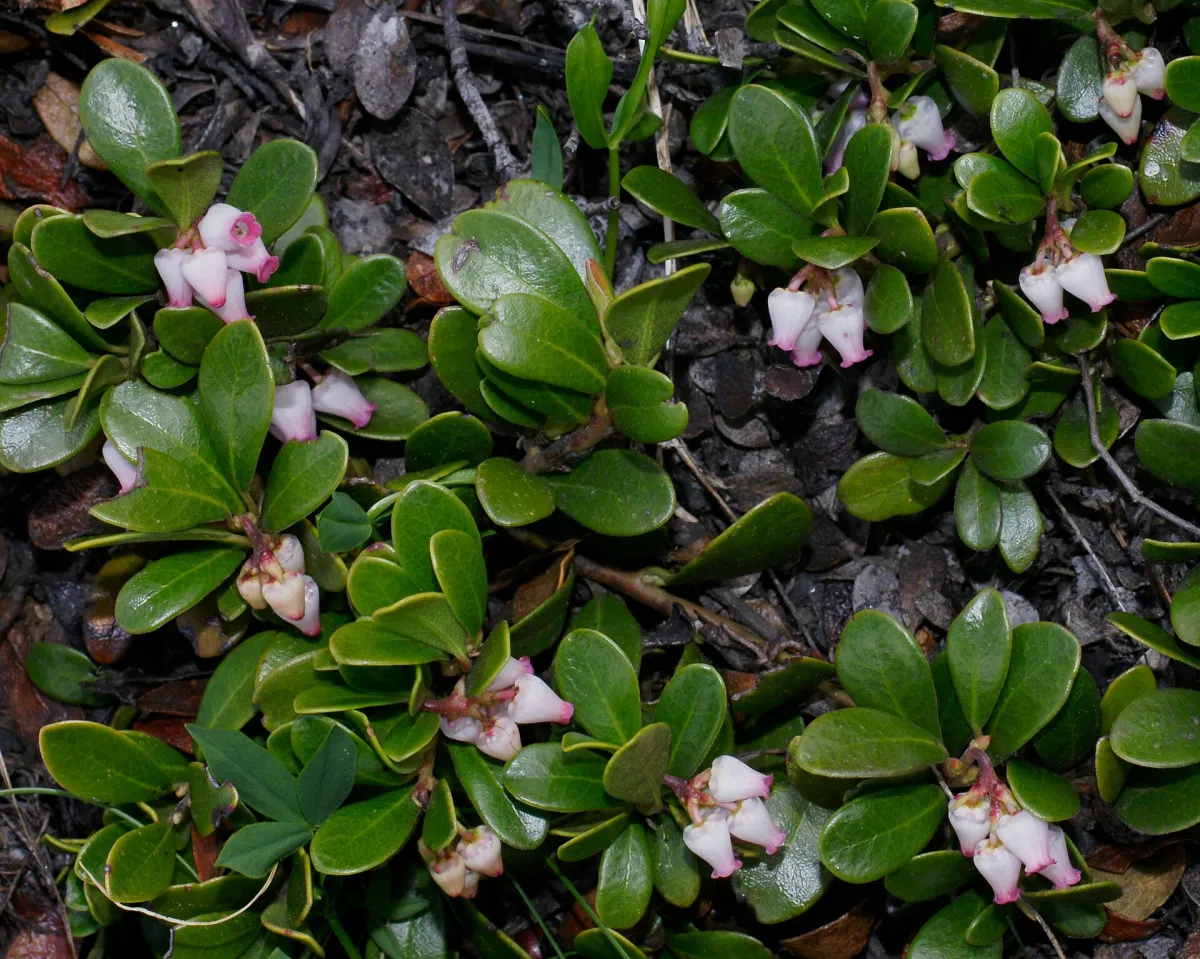
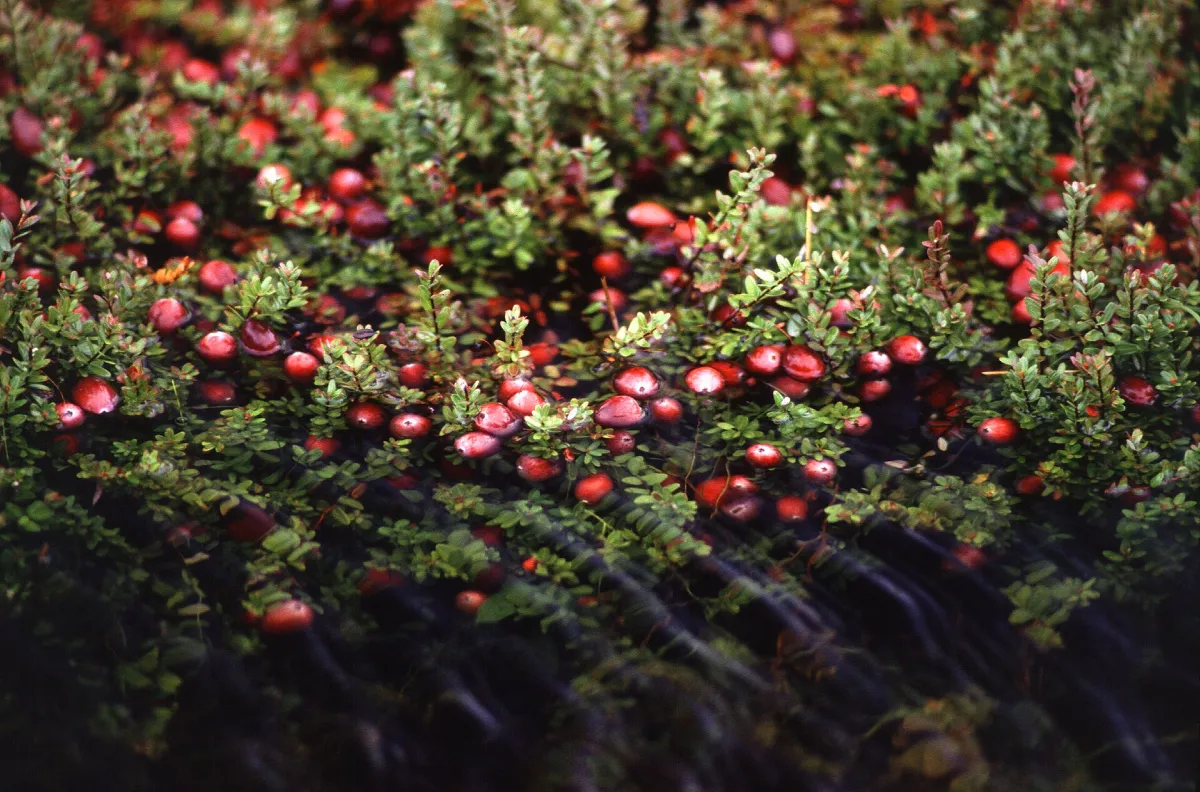
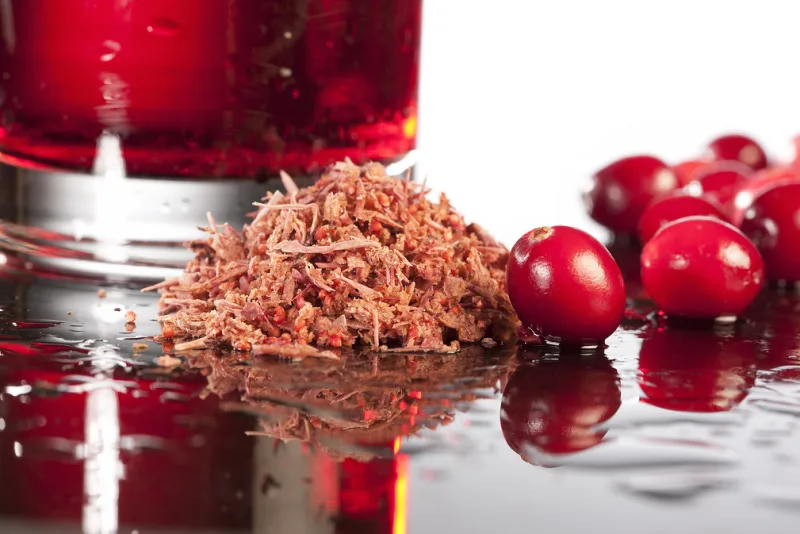
 Photo: Gilles Ayotte, CC BY-SA 4.0, via Wikimedia Commons
D-mannose is a simple sugar, related to glucose, that passes almost unchanged into the urine and can stop E. coli bacteria from clinging to the bladder wall. It is used mainly to prevent recurrent cystitis, typically 2 g a day dissolved in water. The evidence is mixed: some small studies showed benefits comparable to a preventive antibiotic, but a large clinical trial published in 2024 found no difference from placebo. On its own, it does not treat an active urinary infection.
Key takeaways
- D-mannose “decoys” E. coli, which bind to it in the urine instead of to the bladder.
- It only works against E. coli (behind most cystitis), not other bacteria.
- The dose studied for prevention: 2 g once a day in 200 ml of water, usually in the evening.
- It is well tolerated; high doses may cause bloating or loose stools.
- Fever, flank pain or blood in the urine mean a doctor, not a supplement.
What D-mannose is
D-mannose is a monosaccharide found in small amounts in some fruit (cranberries, apples, peaches, currants) and made by the body. Unlike glucose, only a small fraction is used for energy; the rest is filtered by the kidneys and reaches the urine within hours. Supplements are usually produced industrially from birch or beech wood or from corn and sold as powder or capsules.
How it acts on bacteria
The E. coli strains that cause cystitis carry fine hair-like structures (type 1 fimbriae) tipped with a protein called FimH. They use it to latch onto mannose molecules on the cells lining the bladder, resisting being washed away when you pee. When there is plenty of free D-mannose in the urine, the bacteria bind to it instead and are flushed out, rather than colonising the bladder wall.
That mechanism explains two important points: D-mannose does not kill bacteria (so it does not drive antibiotic resistance), and it has no effect on germs that do not use this “key”, such as Klebsiella, Proteus or enterococci.
What the studies show
- A randomised trial from Croatia (2014) in about 300 women with recurrent cystitis compared 2 g of D-mannose daily with nitrofurantoin 50 mg and with no prophylaxis for 6 months. Both active options reduced recurrences compared with no treatment, and D-mannose had fewer side effects.
- A Cochrane review in 2022 concluded that the evidence was insufficient and of low quality to firmly recommend D-mannose for prevention or treatment.
- The MERIT trial (UK), published in 2024 in JAMA Internal Medicine, in more than 500 women in primary care, found no reduction in urinary infections with D-mannose compared with placebo.
The honest conclusion: D-mannose is safe and may help some women, but it is not guaranteed to work. It is worth a time-limited trial with an assessment of results, especially for those who want to avoid preventive antibiotics.
How to use D-mannose
To prevent recurrent cystitis
- Dissolve 2 g of powder (usually a level teaspoon, check the label) in 200 ml of water.
- Drink it in the evening, after your last pee before bed, so it stays in the bladder overnight.
- Continue for 3-6 months, then review the number of episodes with your doctor.
In high-risk situations
Some women take a 2 g dose before or after sex if their infections typically follow intercourse. This is a plausible use, but poorly studied.
At the first symptoms
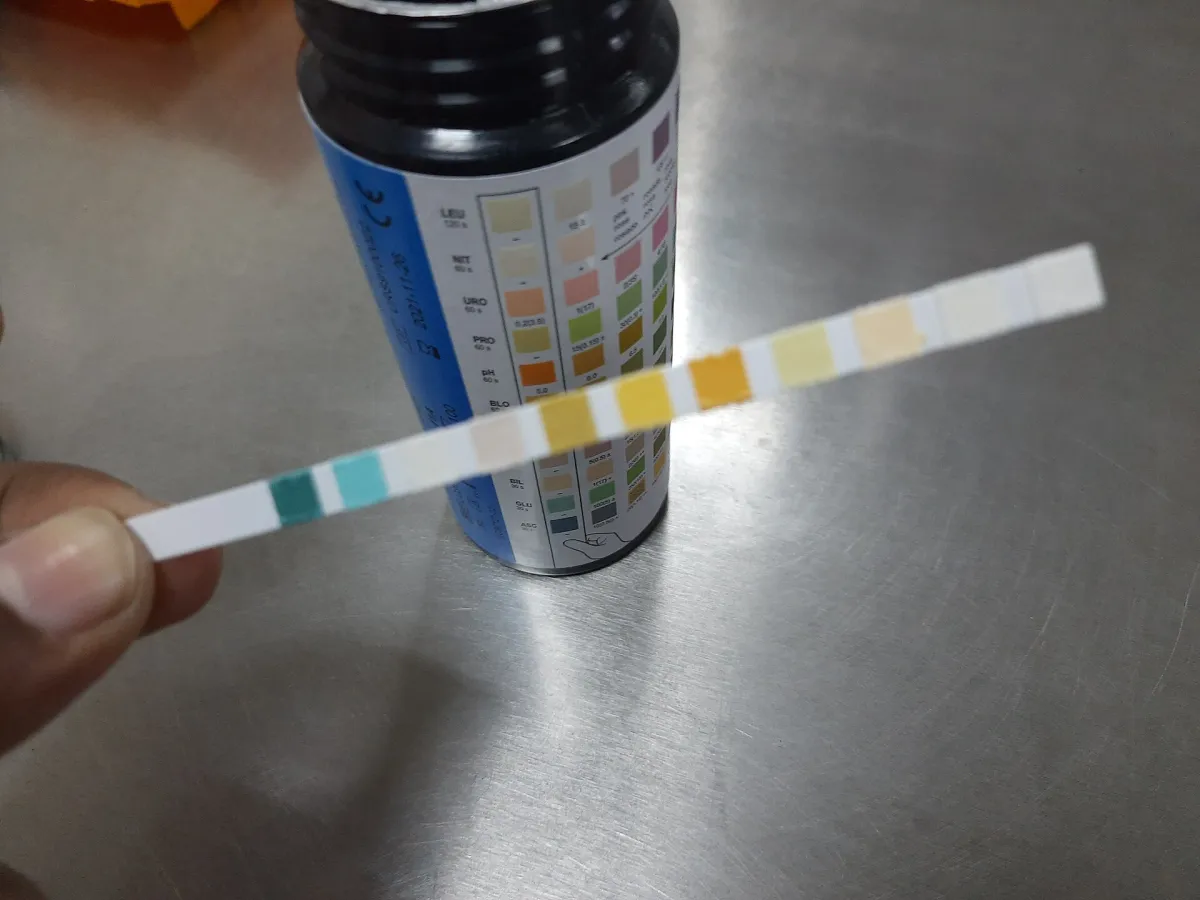
Pilot studies used 1.5-2 g two or three times a day for 3 days, then once a day. Even so, a symptomatic infection should be confirmed with a urinalysis and urine culture, and treatment decided by a doctor. If symptoms do not improve within 24-48 hours or get worse, do not wait.
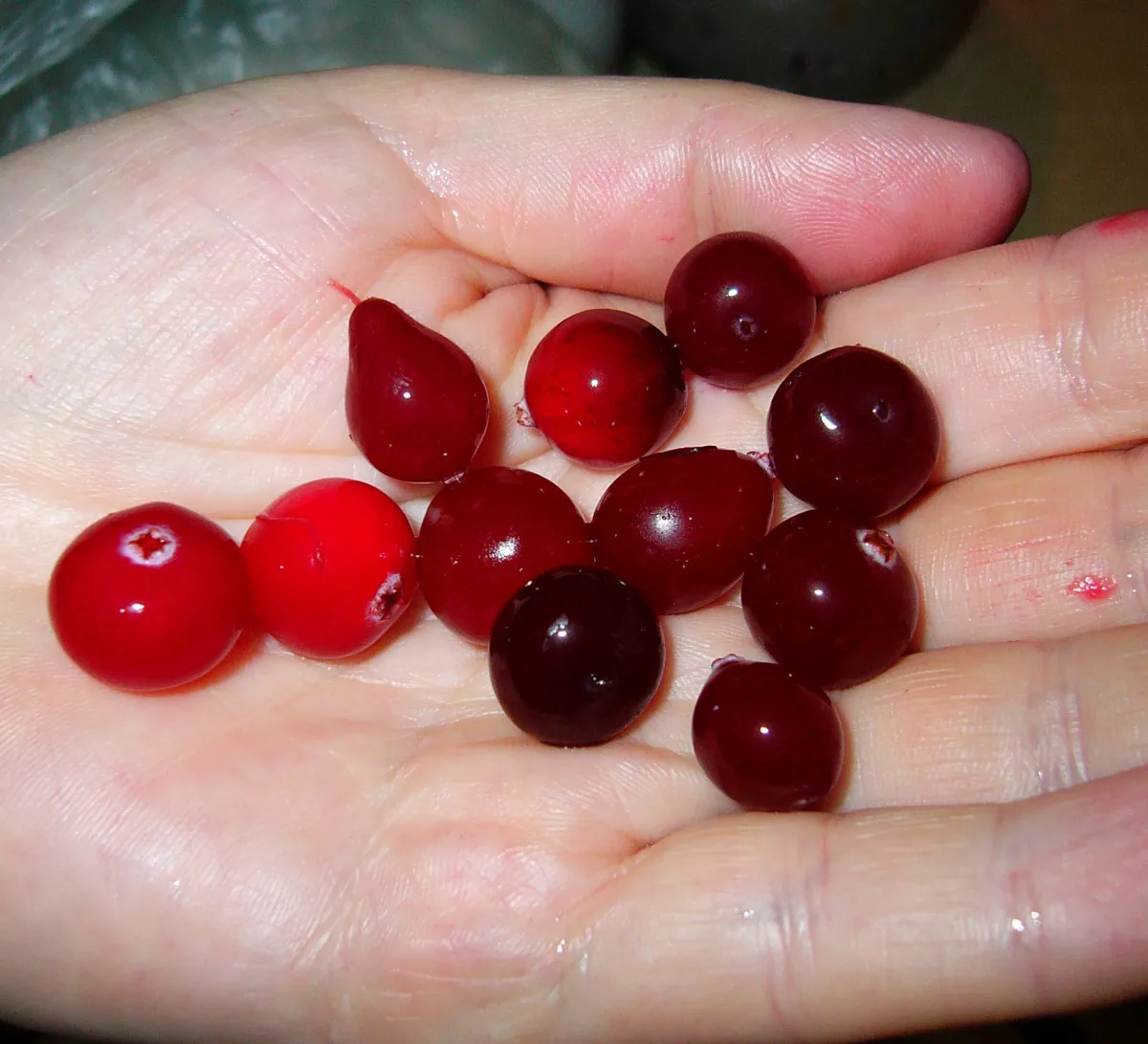
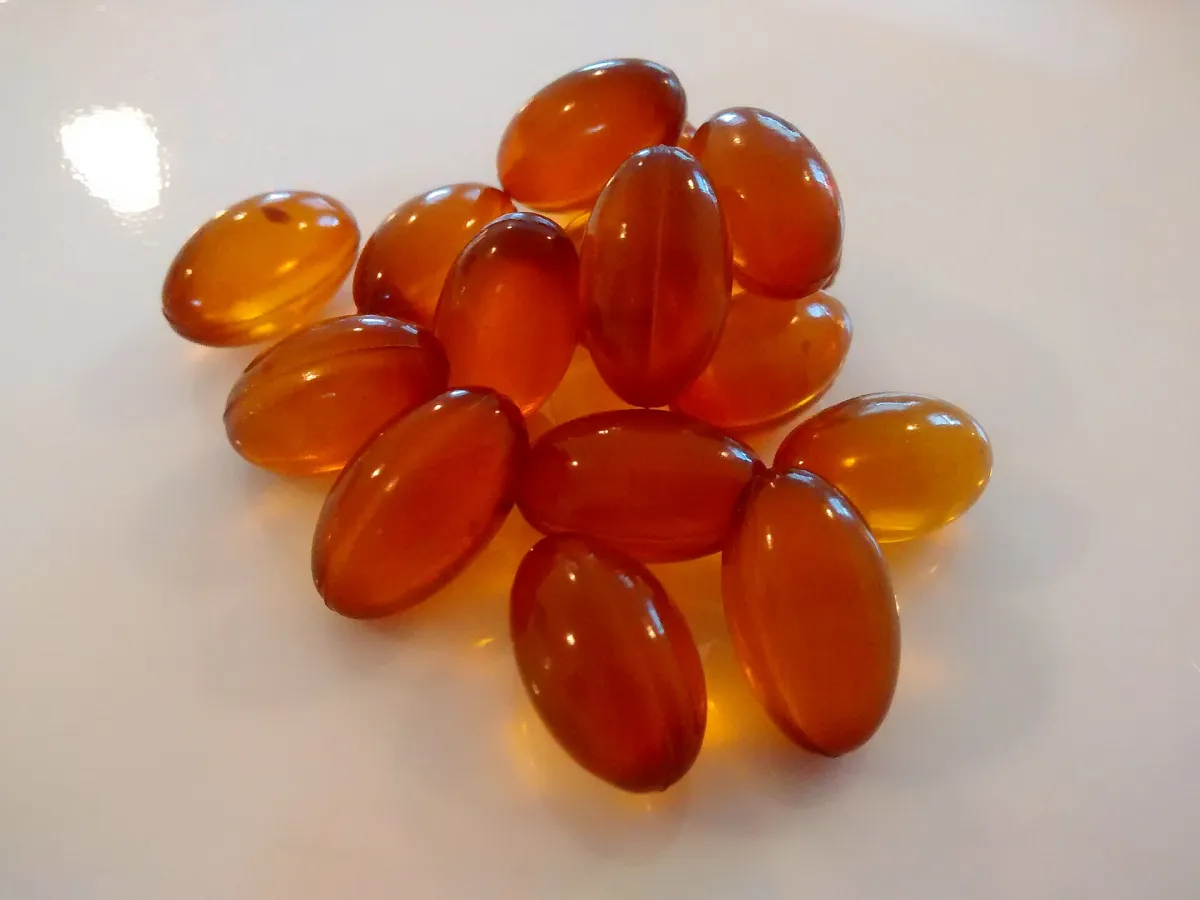 Photo: Mx. Granger, CC0, via Wikimedia Commons
D-mannose, cranberry or a preventive antibiotic?
| Option | How it works | Usual dose | Evidence | Worth knowing |
|---|---|---|---|---|
| D-mannose | Blocks E. coli adhesion (FimH) | 2 g/day in water | Mixed: small positive studies, large 2024 trial negative | Safe, costly long term |
| Cranberry (standardised extract or juice) | Type A proanthocyanidins block adhesion | As per product (proanthocyanidins) | Cochrane 2023: reduces recurrences in women with repeat UTIs | Juice is high in sugar; possible interaction with warfarin |
| Low-dose preventive antibiotic | Kills bacteria | Prescribed by a doctor | Effective while taken | Bacterial resistance, side effects |
| Lifestyle measures | Hydration, peeing after sex | Daily | Hydration has a positive randomised trial | The foundation of any prevention |
For the cranberry option see cranberry tea, and for a full strategy against recurrences, our guide to recurrent cystitis.
Can you get D-mannose from food?
Cranberries, apples, peaches, currants and some vegetables contain D-mannose, but in amounts of milligrams or tens of milligrams per 100 g. To reach the 2 g used in studies you would have to eat kilograms of fruit a day, which is neither realistic nor healthy. Fruit remains an excellent part of a urinary-friendly diet, through water, fibre and antioxidants, but a “therapeutic” dose only comes from a supplement.
What diet can do is create good conditions for the bladder: enough fluid (Hooton’s 2018 trial showed that women with recurrent cystitis who drank an extra 1.5 litres of water a day had almost half as many episodes), fibre to prevent constipation and little added sugar.
Side effects, contraindications and interactions
- Digestive: bloating, loose stools or diarrhoea, especially above 3 g a day.
- Diabetes: a small part of D-mannose is metabolised. The effect on blood sugar is small at usual doses, but people with diabetes should monitor glucose at first.
- Pregnancy and breastfeeding: there are not enough safety data. Urinary infections in pregnancy must be treated by a doctor.
- Kidney disease: talk to your nephrologist before any daily supplement.
- Children: only on a paediatrician’s advice.
- Interactions: no important interactions are known, but tell your doctor which supplements you take.
How to choose a good product
- Look for pure D-mannose, without sweeteners or unnecessary additives.
- Powder is cheaper and allows the exact 2 g dose; capsules often contain 500 mg, so you need four.
- Combinations with cranberry are popular, but check the actual dose of each ingredient.
- Be sceptical of promises of a “permanent cure” or “replaces antibiotics”.
When you need a doctor, not D-mannose
- fever, chills, flank pain (possible pyelonephritis);
- blood in the urine;
- symptoms that do not ease within 48 hours;
- you are pregnant, male, diabetic or immunocompromised;
- you have more than 3 infections a year: you need investigations (ultrasound, urine culture, sometimes a gynaecological or urological assessment).
Common mistakes
Using D-mannose instead of antibiotics for an infection with fever. You risk the infection spreading to the kidneys.
Taking it in the morning and drinking a lot straight after. You dilute it and flush it out quickly; the evening makes more sense for prevention.
Skipping the urine culture. If your infections are not caused by E. coli, D-mannose cannot help.
Taking it indefinitely without review. After 3-6 months, count your episodes; if nothing has changed, look for another strategy.
Neglecting the basics. Hydration, peeing after sex and avoiding constipation remain fundamental.
Conclusion
D-mannose is a biologically logical, safe and well-tolerated supplement that may reduce recurrent E. coli cystitis in some women. Recent studies show, however, that it does not work for everyone, so it is best used as a 3-6 month trial with tracked results, alongside hydration and good habits. For active infections, fever or high-risk groups, a medical consultation remains essential.
Frequently asked questions
How quickly does D-mannose work? It reaches the urine about 30-60 minutes after you take it. Its preventive effect, however, is judged over months, by the number of infections avoided.
Can I take D-mannose daily, long term? Studies have used it for up to 6 months without significant side effects. For longer use, talk to your doctor and review the benefit regularly.
Does D-mannose cause weight gain or raise blood sugar? At 2 g a day the calorie intake is negligible, and most of it is excreted in the urine. People with diabetes can check their glucose at the start.
Is D-mannose better than cranberry? There is no convincing head-to-head comparison. Cranberry has stronger evidence from the 2023 Cochrane review; D-mannose has mixed results. Some people combine them.
Can I take D-mannose during antibiotic treatment? No interactions are known, but the antibiotic is the main treatment. Ask your doctor if you want to continue it afterwards for prevention.
Does D-mannose work for men? The mechanism is the same, but urinary infections in men are considered complicated and always need medical assessment.
Can children use it? Only on the advice of a paediatrician, who sets the dose by age and weight.
Sources and further reading
- Kranjčec B., Papeš D., Altarac S., “D-mannose powder for prophylaxis of recurrent urinary tract infections in women: a randomized clinical trial”, World Journal of Urology, 2014.
- Cooper T.E. et al., “D-mannose for preventing and treating urinary tract infections”, Cochrane Database of Systematic Reviews, 2022.
- Hayward G. et al., the MERIT trial of D-mannose for preventing recurrent urinary tract infection in women, JAMA Internal Medicine, 2024.
- Williams G. et al., “Cranberries for preventing urinary tract infections”, Cochrane Database of Systematic Reviews, 2023.
Informational content only; it does not replace medical advice. Urinary infections with fever, pain or blood in the urine need medical assessment.