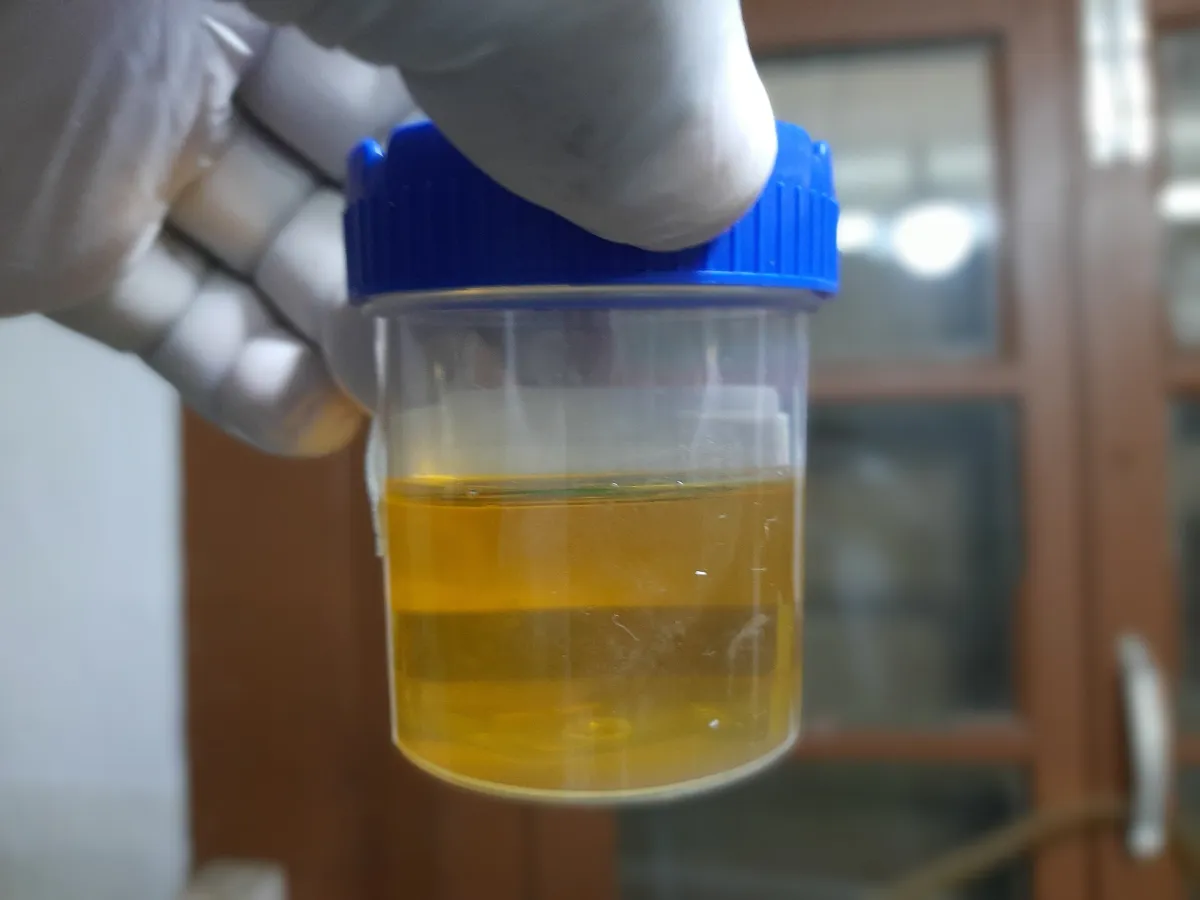
 Photo: Ajay Kumar Chaurasiya, CC BY-SA 4.0, via Wikimedia Commons
Dark urine is usually just concentrated urine: you haven’t drunk enough, you’ve been sweating a lot, or it’s the first pee of the morning. In that case it lightens within 2-4 hours of drinking water. If it stays brown, like strong tea or cola, despite good hydration, or comes with pale stools, yellow eyes, fever or pain, it can point to a liver problem, blood in the urine or muscle damage, and it needs a medical check.
Key takeaways:
- Healthy urine is pale straw yellow, coloured by a pigment called urochrome; the more concentrated it is, the darker it looks.
- Dehydration is by far the most common cause, and the 500 ml water test below checks it at home.
- Beetroot, blackberries, B vitamins, senna laxatives and several medicines change urine colour harmlessly.
- Brown urine that doesn’t lighten after drinking raises the possibility of bilirubin, blood or myoglobin.
- Get urgent care for dark urine with pale, clay-coloured stools and yellow eyes, or cola-coloured urine after hard exercise with muscle pain.
Why urine has a colour
The yellow comes from urochrome, a pigment produced when old red blood cells and their haemoglobin are broken down. Your body clears a fairly steady amount of this pigment every day, so the shade depends mainly on how much water dilutes it. When you drink little, your kidneys conserve water and urine moves from pale straw to dark yellow or amber.
How you look matters too: urine left standing darkens over time, and artificial light or a coloured toilet bowl can fool your eyes. Some pigments from food and medicines pass through the kidneys unchanged and add their own tint to the usual yellow.
Urine colour chart: what each shade can mean
Dark yellow or amber
Almost always concentrated urine: low fluid intake, heat, exercise, fever, vomiting or diarrhoea. First-morning urine is naturally darker. Older adults feel thirst less strongly and can drift into this range without noticing.
Bright neon yellow
Typical after vitamin B2 (riboflavin) from B-complex products, multivitamins or energy drinks. It is harmless and shows up a few hours after the dose. On those days colour tells you nothing about hydration.
Orange
It may be more marked dehydration, a lot of carrot juice, or a medicine: rifampicin (which also tints tears), phenazopyridine used for urinary burning, or sulfasalazine. A deep orange shading into brown, especially with yellowish foam when shaken, can be the first sign of bilirubin in the urine.
Pink or red
The usual harmless culprits are beetroot (called beeturia, and it only happens in some people), blackberries, rhubarb and food dyes. Senna or buckthorn laxatives can give a reddish-brown tint. If you haven’t had any of these in the last 24 hours, treat red urine as blood until proven otherwise. Our guide to hematuria explains the causes in detail.
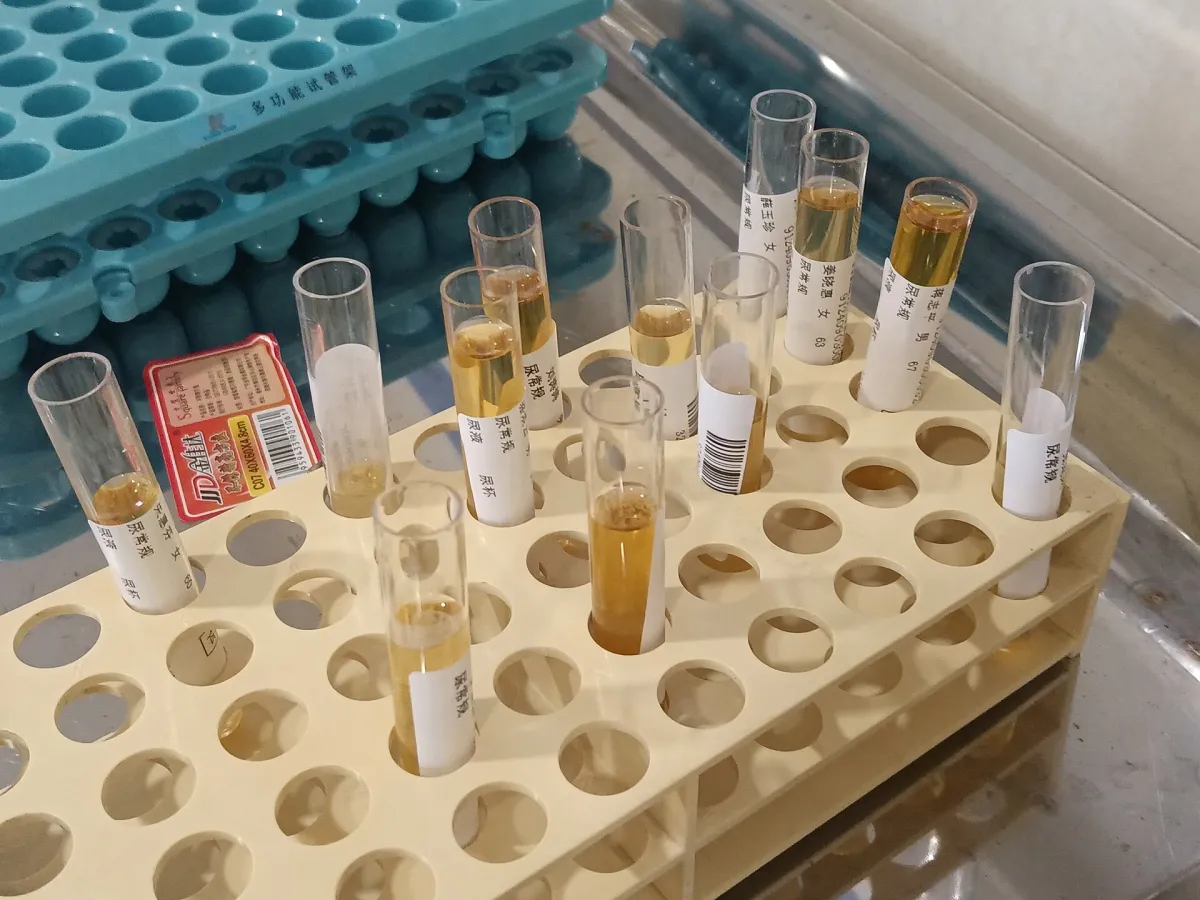 Photo: Fumikas Sagisavas, CC0, via Wikimedia Commons
Brown, tea-coloured or cola-coloured
This is the shade that deserves the most attention. Possible causes:
- severe dehydration, which corrects with fluids;
- conjugated bilirubin, from hepatitis, a blocked bile duct (for example a gallstone stuck in the common bile duct) or liver injury caused by medicines and supplements;
- older blood that has oxidised in the bladder;
- myoglobin, released from damaged muscle after extreme exercise, heat, injury or long immobility;
- glomerulonephritis, sometimes in children 1-3 weeks after strep throat, with facial puffiness and high blood pressure;
- foods and drugs: fava beans in people with G6PD deficiency (favism), rhubarb, aloe, metronidazole, nitrofurantoin, chloroquine.
Green, blue or black
These are rare. Green or blue usually comes from dyes (methylene blue in some urinary products), amitriptyline, propofol or, very occasionally, a Pseudomonas infection. Urine that turns black on standing can follow levodopa or methyldopa, or rare conditions such as alkaptonuria. Unexplained black urine always warrants a talk with your doctor.
Quick reference table
| Colour | Common harmless causes | Causes to investigate | What to do |
|---|---|---|---|
| Dark yellow, amber | Low fluids, heat, exercise, morning urine | Vomiting, diarrhoea, prolonged fever | Hydration test, recheck in 4 hours |
| Neon yellow | Vitamin B2, multivitamins | Practically none | Nothing, it’s harmless |
| Orange | Carrots, rifampicin, phenazopyridine | Bilirubin (especially with yellow foam) | Check the whites of your eyes and your stools |
| Pink, red | Beetroot, blackberries, rhubarb, dyes, senna | Blood: infection, stones, prostate, tumours | If not food-related, get a urine test |
| Brown, tea, cola | Severe dehydration, some medicines | Bilirubin, myoglobin, glomerulonephritis, favism | Same-day doctor if it doesn’t lighten |
| Green, blue | Dyes, methylene blue | Pseudomonas infection (rare) | Ask your pharmacist about your medicines |
| Black | Levodopa, methyldopa | Rare metabolic disease, melanoma | See a doctor |
The home hydration test
It answers the key question: is your urine dark simply because you’re not drinking enough?
- Pick the right moment. Don’t judge by the first morning pee; use the second one or any daytime sample.
- Look properly. Pee into a clear disposable cup, or view it against a white background in daylight.
- Note the shade. Pale straw means you’re well hydrated; dark yellow to amber means you need fluids.
- Drink 500 ml of room-temperature water over 30-60 minutes, not all at once.
- Watch the next 2-3 urinations over 2-4 hours. If the colour clearly lightens, concentration was the cause.
- If it stays brown or reddish after a day of drinking around 2 litres and peeing 4-7 times, dehydration isn’t the explanation.
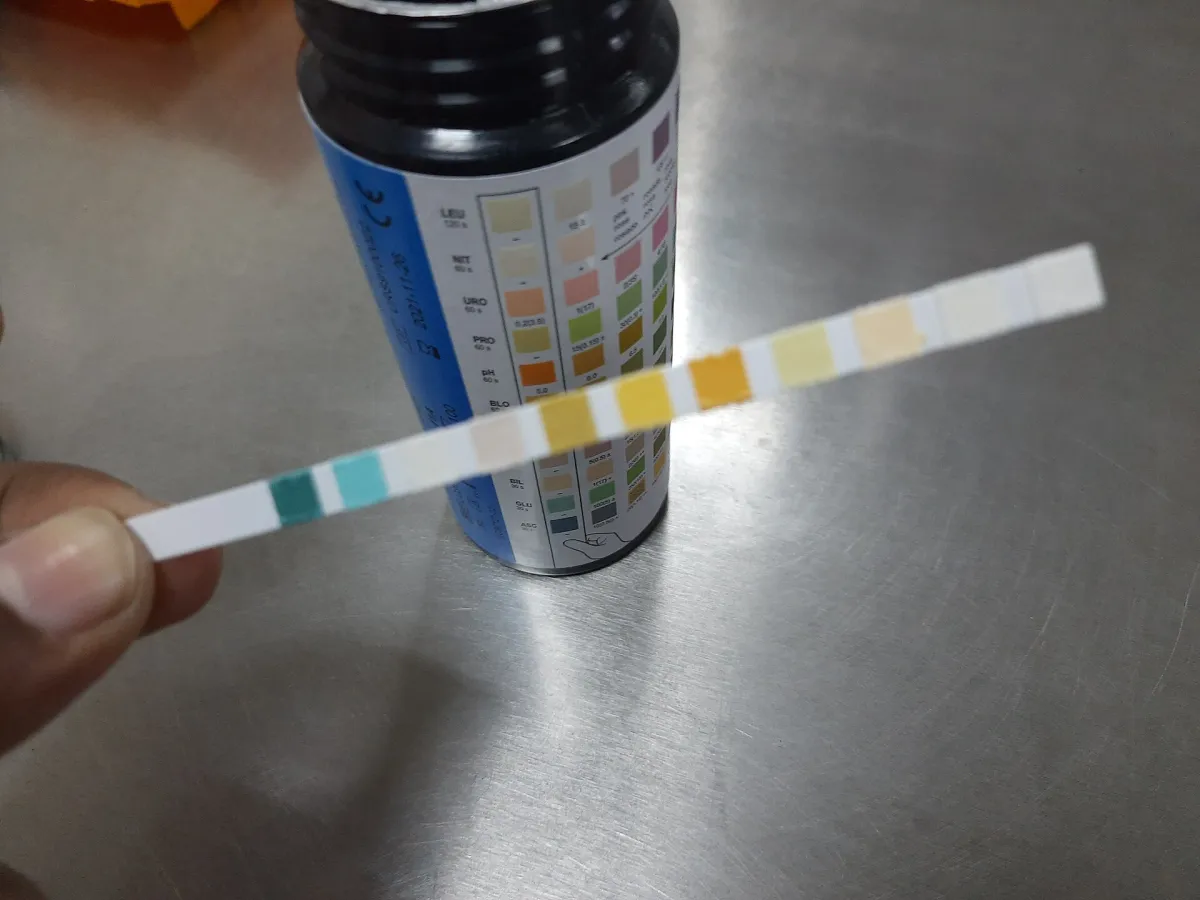
A useful extra step: pharmacies sell multi-parameter urine dipsticks that give a rough reading for blood, bilirubin, urobilinogen and specific gravity. A positive result for blood or bilirubin means booking a doctor’s appointment; a negative one doesn’t rule out a problem if symptoms persist. The test is unreliable if you take B vitamins, diuretics or medicines that colour urine.
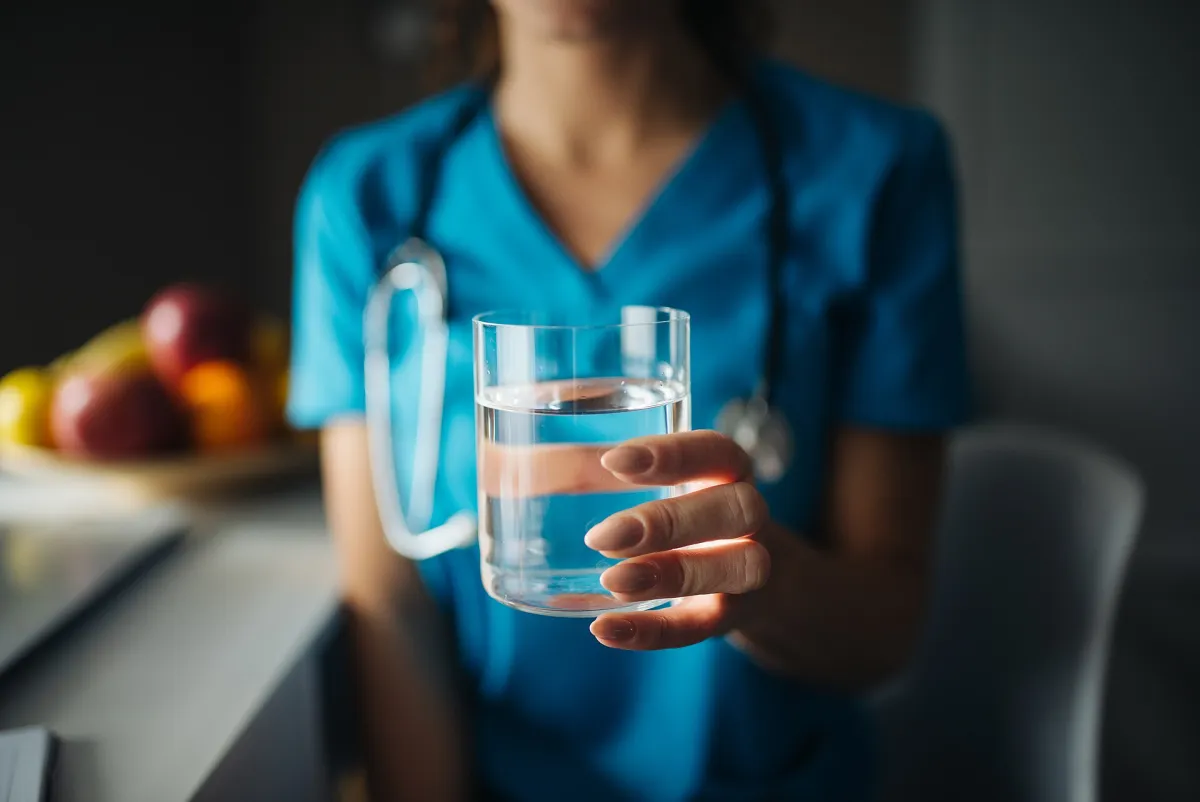 Photo: Shixart1985, CC BY 2.0, via Wikimedia Commons
How much to drink
The European Food Safety Authority (EFSA) sets adequate total water intake at about 2 litres a day for women and 2.5 litres for men from all sources, with roughly 70-80% coming from drinks. You need more in hot weather, with exercise, fever or diarrhoea.
- a glass of water when you wake up and one with every meal;
- a bottle in sight that you finish by lunchtime and refill;
- weak unsweetened herbal teas (linden, chamomile, peppermint), soups and broths all count;
- moderate coffee counts too; alcohol doesn’t;
- don’t drink litres within an hour: a sudden water overload can drop blood sodium dangerously.
When dark urine comes from the liver: bilirubin
Bilirubin is the yellow pigment also made from haemoglobin. The liver ‘conjugates’ it, making it water-soluble, and sends it into bile and then the gut, where it gives stools their brown colour. When the liver is inflamed or bile can’t drain, conjugated bilirubin spills into the blood and is excreted by the kidneys. The classic picture is a triad:
- dark urine, like stout or strong tea, with yellowish foam;
- pale stools, grey-white or clay-coloured, because the pigment no longer reaches the gut;
- yellowing of the whites of the eyes and skin, often with itching.
Possible causes include viral hepatitis (A, B, C, E), alcohol, gallstones blocking the common bile duct, and liver injury from medicines (including too much paracetamol) or supplements. Among herbs, greater celandine taken internally has documented hepatitis reports, and concentrated green tea extracts, kava and some high-dose curcumin supplements have been linked to liver injury.
Gilbert’s syndrome, common and harmless, raises unconjugated bilirubin, which does not pass into urine, so it doesn’t darken it. For help reading the blood tests, see our article on high bilirubin.
Blood or myoglobin
Blood can turn urine pink, red or brown, sometimes with clots. It appears with urinary infections, kidney stones, prostate problems, after very intense exercise and, less often, with bladder or kidney tumours. Painless bleeding in a smoker over 40 should be investigated even if it happened only once.
Myoglobin is a muscle protein. After marathons, extreme workouts in the heat, accidents or a night lying immobile after heavy drinking, muscle can break down (rhabdomyolysis) and urine turns cola-coloured. With muscle pain and weakness this is an emergency, because myoglobin can block the kidneys.
Who should be careful with ‘just drink more water’
- people with heart failure, advanced kidney disease, dialysis or cirrhosis with ascites, who have a fluid limit set by their doctor;
- anyone with low blood sodium (hyponatraemia);
- babies and toddlers: dark urine and fewer wet nappies need a paediatric check, not just water;
- pregnant women with repeated vomiting who can’t keep fluids down.
Warning signs: when to see a doctor
Urgently, the same day:
- dark urine together with yellow eyes or skin and pale stools;
- cola-coloured urine after intense exercise, with muscle pain or weakness;
- fever, chills and pain in your side or back (see also kidney pain);
- clots in the urine or being unable to pee;
- very little urine for 8-12 hours, with dizziness, confusion or a racing pulse;
- dark urine after eating fava beans or starting a new medicine, with pallor, fatigue and breathlessness.
Book an appointment within a few days if you have:
- dark urine lasting more than 24-48 hours despite drinking enough;
- repeated episodes of red urine, even without pain;
- tiredness, itching or loss of appetite.
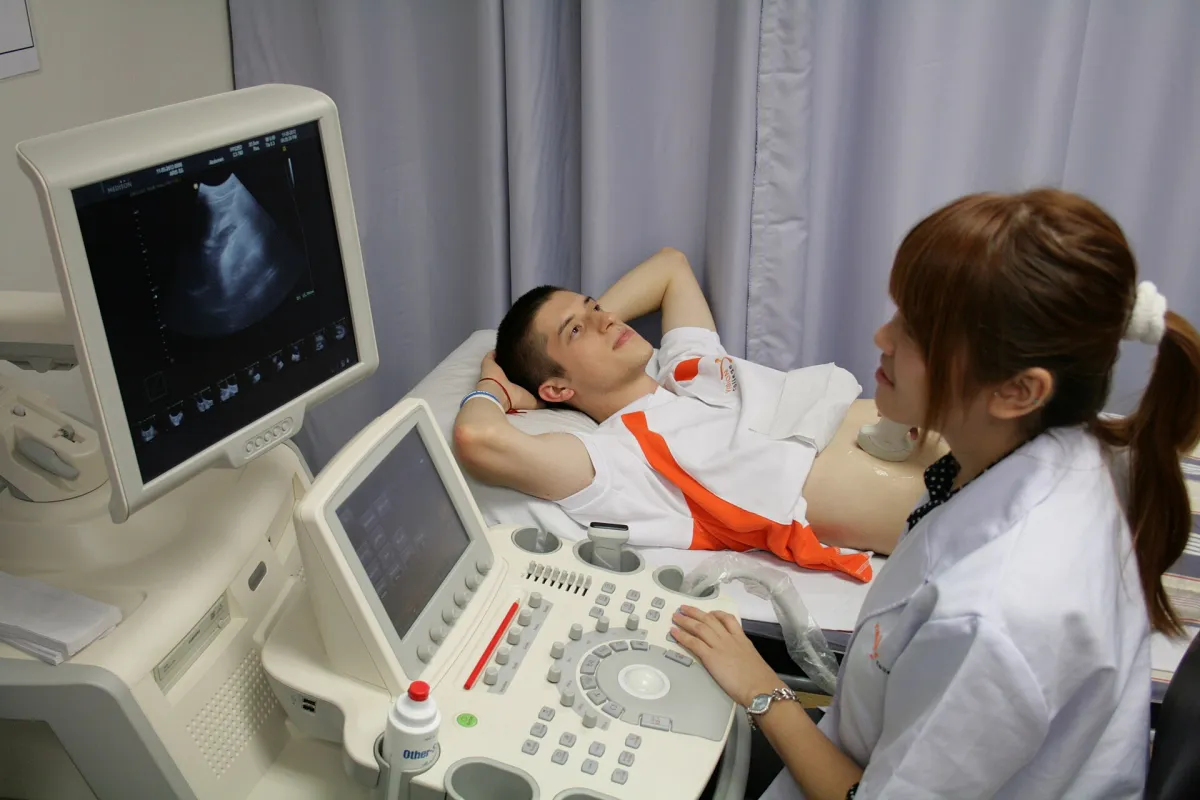
Usual tests: urinalysis with microscopy, urine culture, total and direct bilirubin, ALT, AST, GGT, alkaline phosphatase, full blood count, creatinine, creatine kinase (CK) and an abdominal ultrasound. If your urine is also persistently frothy, read about foamy urine.
Common mistakes
Trying to flush brown urine with litres of water when your eyes look yellow. Water won’t fix a liver or bile problem and only delays the diagnosis.
Judging by first-morning urine. It is naturally more concentrated.
Not checking your stools. Dark urine plus pale stools matters more than either sign alone.
Blaming every red tinge on beetroot. If it happens again without beetroot on the menu, get a urine test.
Stopping a prescribed medicine on your own because it changed your urine colour. Ask your doctor or pharmacist first; many tints are harmless.
Running endless ‘detox’ courses with senna or concentrated supplements. They can darken urine and burden the liver.
Bottom line
Most of the time, dark urine is simply telling you to drink more, and the 500 ml test settles it within a few hours. Beetroot, vitamins and certain medicines explain other surprising shades. Brown urine that won’t lighten, especially with yellow eyes, pale stools, fever, pain or after extreme exercise, is a signal you shouldn’t manage at home.
Frequently asked questions
Is it normal for morning urine to be dark? Yes. You don’t drink overnight and your kidneys concentrate urine. What matters is the colour of your daytime urine.
How long does it take for urine to lighten after drinking water? Usually 1-4 hours, depending on how dehydrated you were. If it is still brown after a day of adequate fluids, something else is going on.
Does dark urine mean kidney problems? Rarely. Dehydration is the usual cause, and among serious causes the liver and bile ducts matter as much as the kidneys. Blood and urine tests tell them apart.
Can vitamins change urine colour? Yes. Vitamin B2 gives a harmless neon yellow, because the excess is simply excreted in urine.
Do coffee or alcohol darken urine? Moderate coffee doesn’t dehydrate you meaningfully. Alcohol increases water loss, so urine can be darker the next morning.
Why is my urine brown after the gym? It may be dehydration, which corrects quickly with fluids. If it looks like cola and you have severe muscle pain or weakness, go to A&E for a CK blood test.
How can I tell blood from beetroot colour? Beetroot colour appears a few hours after the meal and fades within a day or two. A dipstick or urinalysis shows whether blood is present.
Sources and further reading
- MedlinePlus (U.S. National Library of Medicine): Urine - abnormal color.
- NHS: Dehydration; Jaundice; Blood in urine.
- EFSA Panel on Dietetic Products, Nutrition and Allergies: Scientific Opinion on Dietary Reference Values for water, EFSA Journal, 2010.
- European Medicines Agency, HMPC: European Union herbal monograph on Cassia senna L. (senna leaf).
- Armstrong L.E. et al., Urinary indices of hydration status, International Journal of Sport Nutrition, 1994.
Informational content only, not a substitute for advice from a doctor or pharmacist. Dark urine with jaundice, pale stools, fever or pain needs medical assessment.