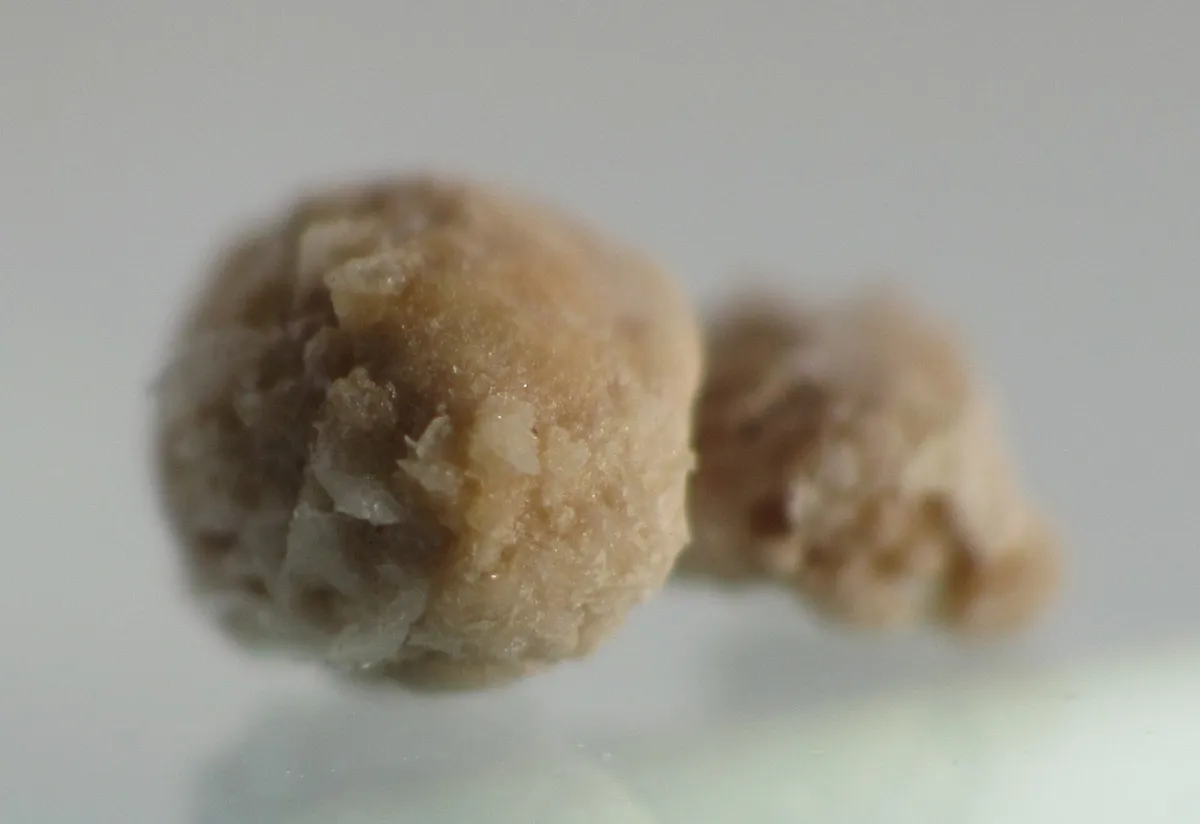
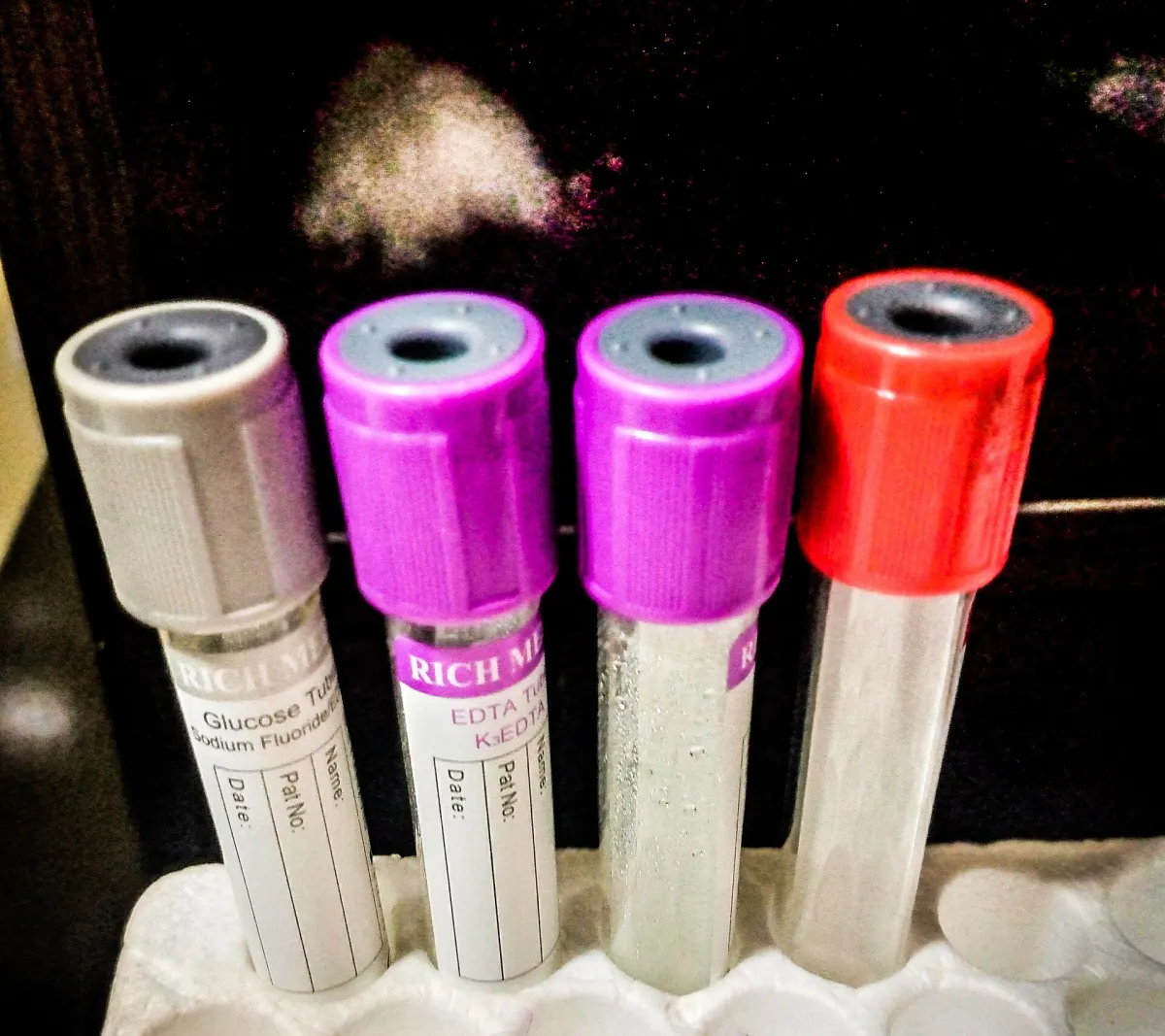
 Photo: Frankincense Diala, CC0, via Wikimedia Commons
High creatinine usually means your kidneys are filtering blood more slowly than they should, but a single, mildly raised result can also follow dehydration, hard exercise, a meat-heavy meal or creatine supplements. The first step is not a herbal tea: it is repeating the test under proper conditions and looking at your estimated glomerular filtration rate (eGFR). If the value stays high, the habits below support your kidneys while your doctor finds the cause.
Key takeaways
- Creatinine is a waste product from muscle, cleared almost entirely by the kidneys; when filtration drops, blood levels rise.
- Typical adult reference ranges: roughly 0.7-1.3 mg/dL for men and 0.6-1.1 mg/dL for women (every lab sets its own).
- Dehydration, cooked meat, creatine, intense exercise and some medicines can raise it temporarily without kidney disease.
- No herb has been proven to “lower creatinine”; hydration, blood pressure, blood sugar, salt and avoiding painkillers like ibuprofen matter far more.
- Creatinine that climbs quickly, with little urine or new swelling, is a medical emergency.
What creatinine is and why it matters
Creatinine comes from the breakdown of creatine, a compound your muscles use as an energy reserve. The body produces it at a fairly steady rate, proportional to muscle mass, and the kidneys filter it out into the urine. That steadiness is what makes it useful: if production is stable and the blood level rises, clearance has usually slowed.
It is also its weakness. A muscular bodybuilder can sit at the top of the range with perfectly healthy kidneys, while a slim elderly woman can have a “normal” creatinine even though her kidneys already filter less. That is why doctors rely on eGFR, calculated from creatinine, age and sex, rather than on the raw number.
Creatinine, urea and eGFR: reading them together
| Test | What it shows | Typical adult values | What can raise it without kidney disease |
|---|---|---|---|
| Serum creatinine | How well kidneys clear a muscle waste product | 0.7-1.3 mg/dL (M), 0.6-1.1 mg/dL (F) | High muscle mass, cooked meat, creatine, dehydration |
| Urea (or BUN) | Waste from protein metabolism | BUN about 7-20 mg/dL | Very high protein diet, dehydration, gut bleeding |
| eGFR | Estimated filtration, mL/min/1.73 m² | above 90 normal; 60-89 mildly reduced | Unusual muscle mass |
| Urine albumin/creatinine ratio (ACR) | Whether kidneys leak protein | below 30 mg/g | Hard exercise, fever, urinary infection |
An eGFR below 60 for more than three months, or repeatedly raised urine albumin, defines chronic kidney disease. For stages and long-term care, see our guide to chronic kidney disease.
Causes of high creatinine
Temporary causes that do not mean disease
- Dehydration: hot weather, diarrhoea, vomiting, not drinking enough. Blood becomes concentrated and kidney blood flow drops.
- Cooked meat eaten the day before: cooking converts some of the creatine in meat into creatinine, which goes straight into your blood.
- Creatine supplements: hugely popular in gyms, they raise creatinine without necessarily harming the kidneys. Tell your doctor you take them.
- Strenuous exercise in the 24-48 hours before the test.
- Certain medicines that block creatinine secretion (for example trimethoprim or cimetidine) raise the blood value without reducing true filtration.
Causes that genuinely affect the kidneys
- Diabetes and high blood pressure, the leading causes of chronic kidney disease.
- Non-steroidal anti-inflammatory drugs (ibuprofen, diclofenac, naproxen) taken often or in high doses, especially in older or dehydrated people.
- Kidney infections such as pyelonephritis, or blockages (stones, an enlarged prostate).
- Heart failure, which reduces blood flow to the kidneys.
- Autoimmune disease and glomerulonephritis.
What you can do naturally (and what the evidence says)
Be sceptical of any product that promises to “lower creatinine in 7 days”. Creatinine reflects kidney function; pushing the number down artificially cures nothing. What research supports is protecting the kidneys from the things that wear them out.
1. Drink enough, not too much
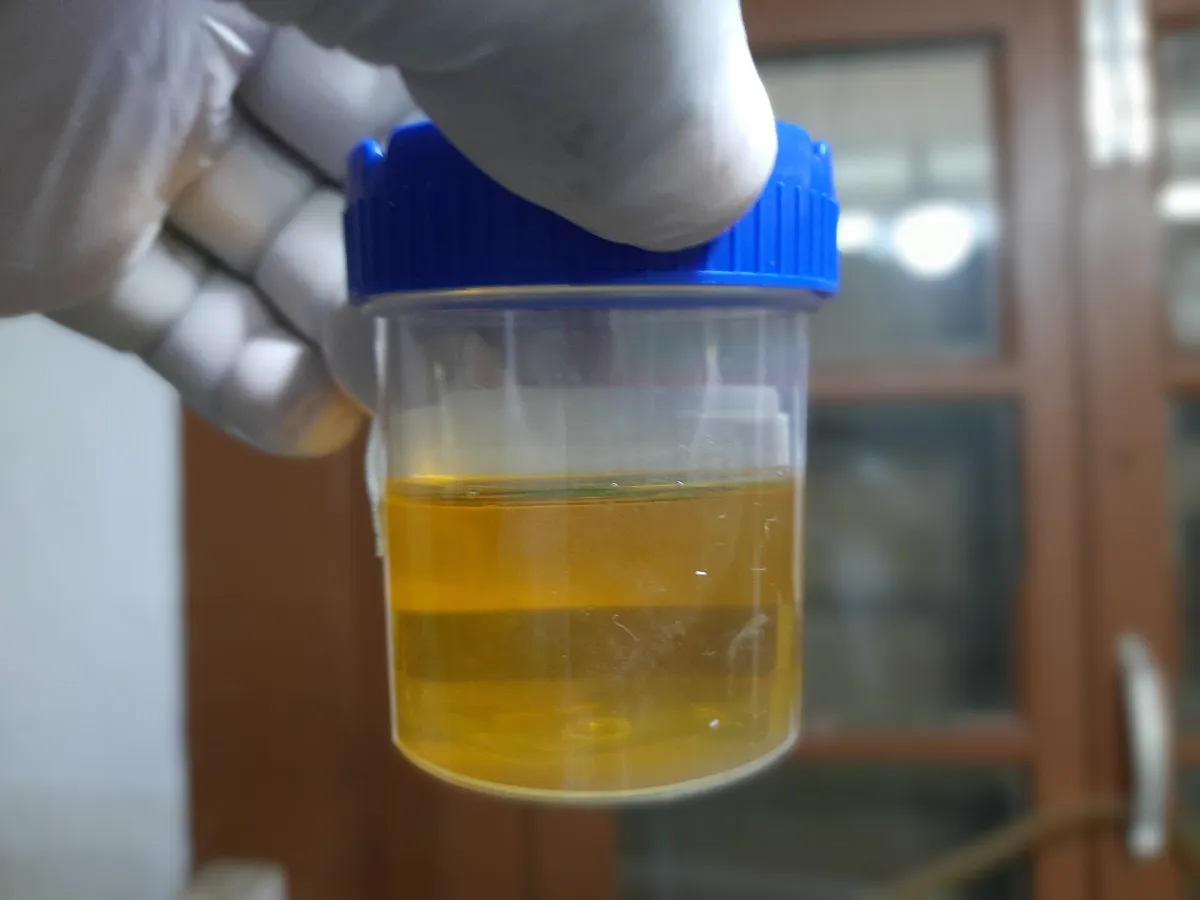
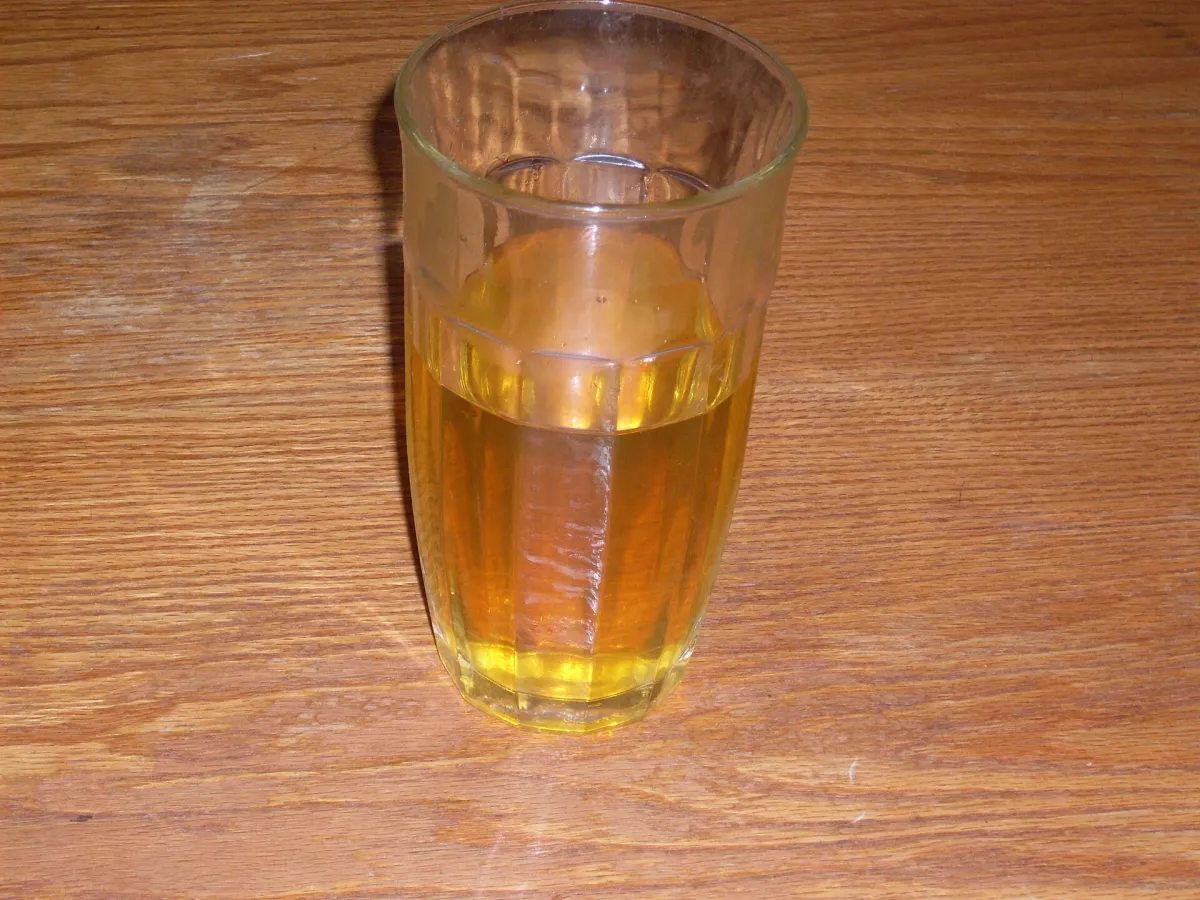
For a healthy adult, about 1.5-2.5 litres of fluid a day, adjusted for body size, heat and activity, is usually enough. Urine should be pale straw-coloured. Drinking 5 litres a day does not “flush” creatinine and can be dangerous if you already have kidney or heart disease, when your doctor may restrict fluids.
2. The right amount of protein
Large amounts of red meat and protein shakes increase the kidneys’ workload. Guidelines for chronic kidney disease usually suggest around 0.8 g of protein per kilogram of body weight per day, tailored by a nephrologist. Replacing some meat with legumes, whole grains and vegetables is linked, in observational studies, to better kidney outcomes.
3. Less salt, controlled blood pressure
Salt raises blood pressure, and high blood pressure slowly damages the tiny vessels in the kidneys. The usual target is under 5 g of salt a day (a level teaspoon, including what is hidden in bread, cured meats and cheese). Measure your blood pressure at home; if it is consistently above 130/80 mmHg, talk to your doctor.
4. Blood sugar
If you have diabetes, keeping HbA1c on the target agreed with your doctor is the most powerful “natural therapy” for your kidneys. Daily movement and less refined sugar help directly.
5. Fibre
Some small studies in people with chronic kidney disease found modest drops in urea and creatinine when fibre intake increased, probably through effects on gut bacteria, which handle part of the nitrogen waste. Oats, vegetables and suitable fruit are ideal sources. The full list is in our guide to kidney-friendly foods.
 Photo: Kurt Kaiser, CC0, via Wikimedia Commons
Herbal teas and plants: proceed with care
Gentle diuretic herbs (nettle, dandelion, corn silk) increase urine volume, but they do not raise filtration and have not been shown to lower creatinine. For a healthy person, a cup of nettle tea or corn silk can be part of a hydration routine. For someone whose creatinine is already high, herbs can cause harm:
- Many diuretic herbs are rich in potassium, which becomes dangerous when the kidneys no longer excrete it well.
- Liquorice root raises blood pressure and lowers potassium.
- Star fruit (carambola) is toxic to diseased kidneys.
- Imported “traditional” products may contain aristolochic acid, a known kidney toxin.
The simple rule: if your eGFR is below 60, do not start any herb or supplement without your nephrologist’s approval. For a side-by-side look at the traditional options, see teas for kidney health.
How to prepare for an accurate test
- Drink normally the day before and on the morning of the test (do not dehydrate yourself “for the blood test”).
- Avoid a large portion of cooked meat the evening before.
- Skip hard workouts for 48 hours.
- Stop creatine supplements about a week before, if your doctor agrees, or tell them you take it.
- Ask for a urinalysis and a urine albumin/creatinine ratio too; together they say far more than creatinine alone.
When to see a doctor straight away
- Creatinine has jumped compared with previous results (for example by more than 50% in a few days).
- You pass very little urine or none at all, even though you drink.
- You have new swelling of the legs or around the eyes, or you are short of breath.
- You have persistent nausea, widespread itching, confusion or extreme tiredness.
- You see blood in your urine (see hematuria) or have fever with flank pain.
Common mistakes
Drinking litres of water to “bring creatinine down” before a test. You get a misleading number and risk sodium imbalance.
Treating the number instead of the cause. Creatinine is a signal. Blood pressure, blood sugar and medicines are usually the real issue.
Taking ibuprofen every day for aches. Anti-inflammatory painkillers are among the most common avoidable causes of kidney injury. Ask your doctor about alternatives.
Cutting out protein completely. Malnutrition weakens muscles and immunity. The goal is balance, not starvation.
Ignoring a “slightly high” result. One value is not an alarm, but it should be rechecked within 1-3 months and tracked over time.
Conclusion
High creatinine is an indicator, not a diagnosis. Sometimes the explanation is trivial: too little water, a steak dinner or gym creatine. Sometimes it is the first sign of kidney disease that, caught early, can be slowed considerably. Repeat the test properly, ask for eGFR and urine albumin, control blood pressure and blood sugar, cut back on salt and painkillers, eat more plants and stay sensibly hydrated. Herbs can offer gentle support only for healthy kidneys, and only with medical approval once function is already reduced.
Frequently asked questions
What creatinine level is dangerous? There is no single cut-off, because it depends on age, sex and muscle mass. eGFR matters more: below 60 mL/min for three months indicates chronic kidney disease, and below 30 is a severe reduction. A sudden rise from your own previous values is more worrying than a stable, slightly high one.
Can drinking lots of water lower creatinine? If you were dehydrated, rehydrating brings creatinine back to your true baseline. Beyond normal hydration, extra water does not improve filtration, and in advanced kidney disease excess fluid can even be harmful.
Does gym creatine damage the kidneys? In healthy people at usual doses (3-5 g a day), studies have not shown kidney damage, but creatine does raise creatinine on blood tests. If you already have kidney disease, do not take it without your doctor’s approval.
Is there a tea that lowers creatinine? There is no solid evidence for any tea. Some diuretic herbs increase urine volume, which is not the same as better filtration. With high creatinine, some herbs are risky because of their potassium content.
What do high creatinine and high urea together mean? Usually either dehydration (urea rises proportionally more) or a genuine drop in kidney function. Your doctor interprets the ratio between them alongside your other results.
Can high blood pressure raise creatinine? Yes. Untreated hypertension damages kidney blood vessels over time, and some blood pressure medicines (ACE inhibitors, ARBs) can raise creatinine slightly at first, which doctors monitor and often accept.
How often should the test be repeated? After a mildly raised result, usually within 1-3 months. In chronic kidney disease, your nephrologist sets the schedule, typically one to four times a year.
Sources and further reading
- KDIGO (Kidney Disease: Improving Global Outcomes), clinical practice guidelines for the evaluation and management of chronic kidney disease.
- National Kidney Foundation, patient information on creatinine, eGFR and the albumin/creatinine ratio.
- NIDDK (National Institute of Diabetes and Digestive and Kidney Diseases), kidney function tests.
- World Health Organization, recommendations on salt intake (under 5 g a day).
Informational content only; it does not replace medical advice. If your test results are abnormal, see your family doctor or a nephrologist.