 Photo: George Chernilevsky, Public domain, via Wikimedia Commons
The best foods for your kidneys are those that keep blood pressure, blood sugar and weight under control: plenty of vegetables and fruit, whole grains, legumes, fish, olive oil and water, with very little salt and few ultra-processed foods. There is no “superfood” that cleans the kidneys; the everyday pattern is what counts. Be aware, though: if you already have chronic kidney disease the rules change (potassium, phosphorus, protein), and your diet should be set with your doctor.
Key takeaways
- Salt is enemy number one: under 5 g a day, including what is hidden in bread, cured meats and cheese.
- Mediterranean and DASH-style eating patterns are linked in studies with a lower risk of kidney disease.
- Plant proteins (legumes, grains) burden the kidneys less than excess red and processed meat.
- Cola drinks and foods with phosphate additives are best avoided.
- In advanced kidney disease, even some “healthy” foods (bananas, potatoes, nuts) are restricted.
Why diet matters for your kidneys
Every day the kidneys filter around 180 litres of blood and regulate the body’s salt, water, potassium, phosphorus and acidity. The most common causes of kidney disease, diabetes and high blood pressure, are closely tied to what we eat. Large observational studies show that people who eat more vegetables, fruit, whole grains and legumes and fewer processed foods and sugary drinks have a lower risk of developing chronic kidney disease and a slower decline in kidney function.
Good foods for healthy kidneys
Vegetables
- Red bell pepper: vitamin C, vitamin A, fibre, and relatively little potassium compared with other vegetables.
- Cabbage and cauliflower: fibre, vitamin C and antioxidant compounds; suitable even for people who need to limit potassium.
- Onion and garlic: they add flavour without salt, which makes them valuable allies.
- Courgettes, cucumber, lettuce, green beans: light and hydrating.
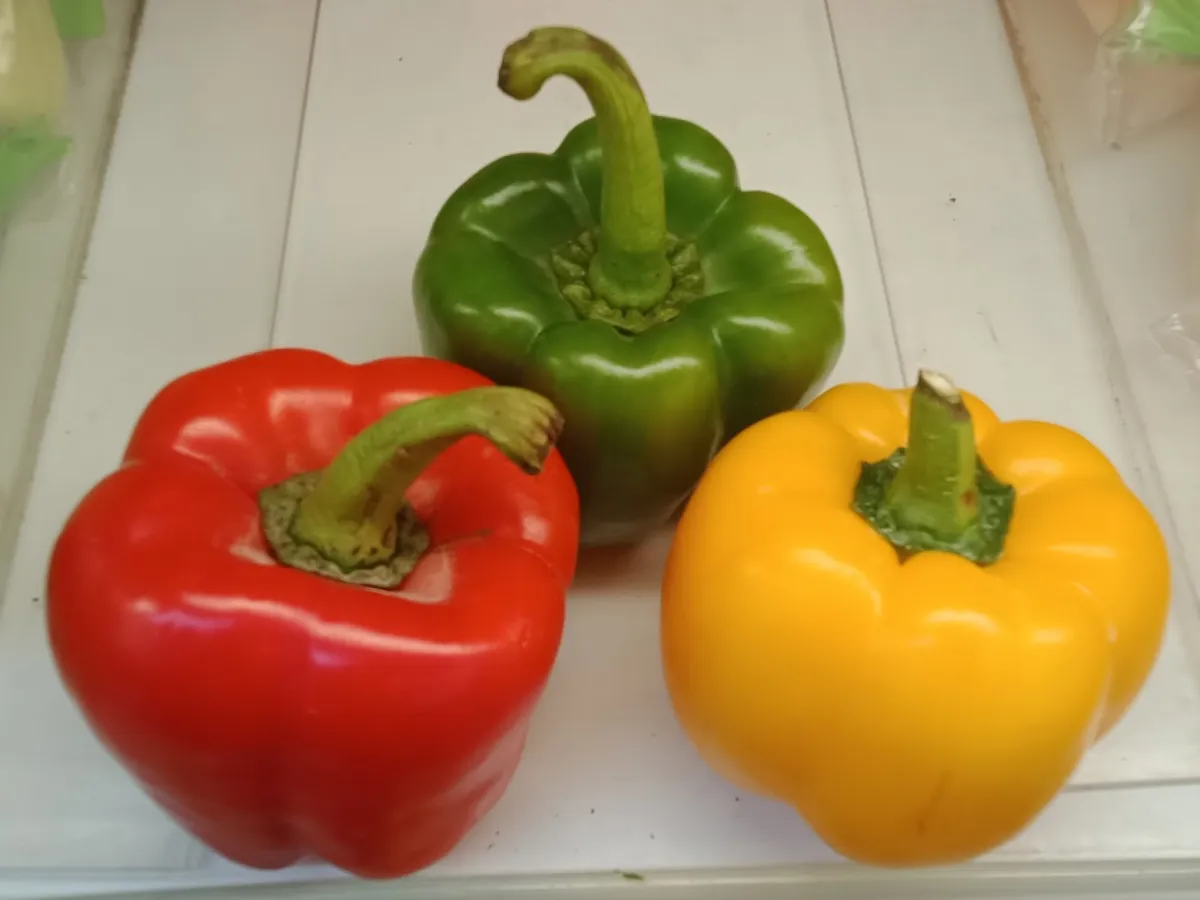 Photo: Jiafei Slay Queen, CC0, via Wikimedia Commons
Fruit
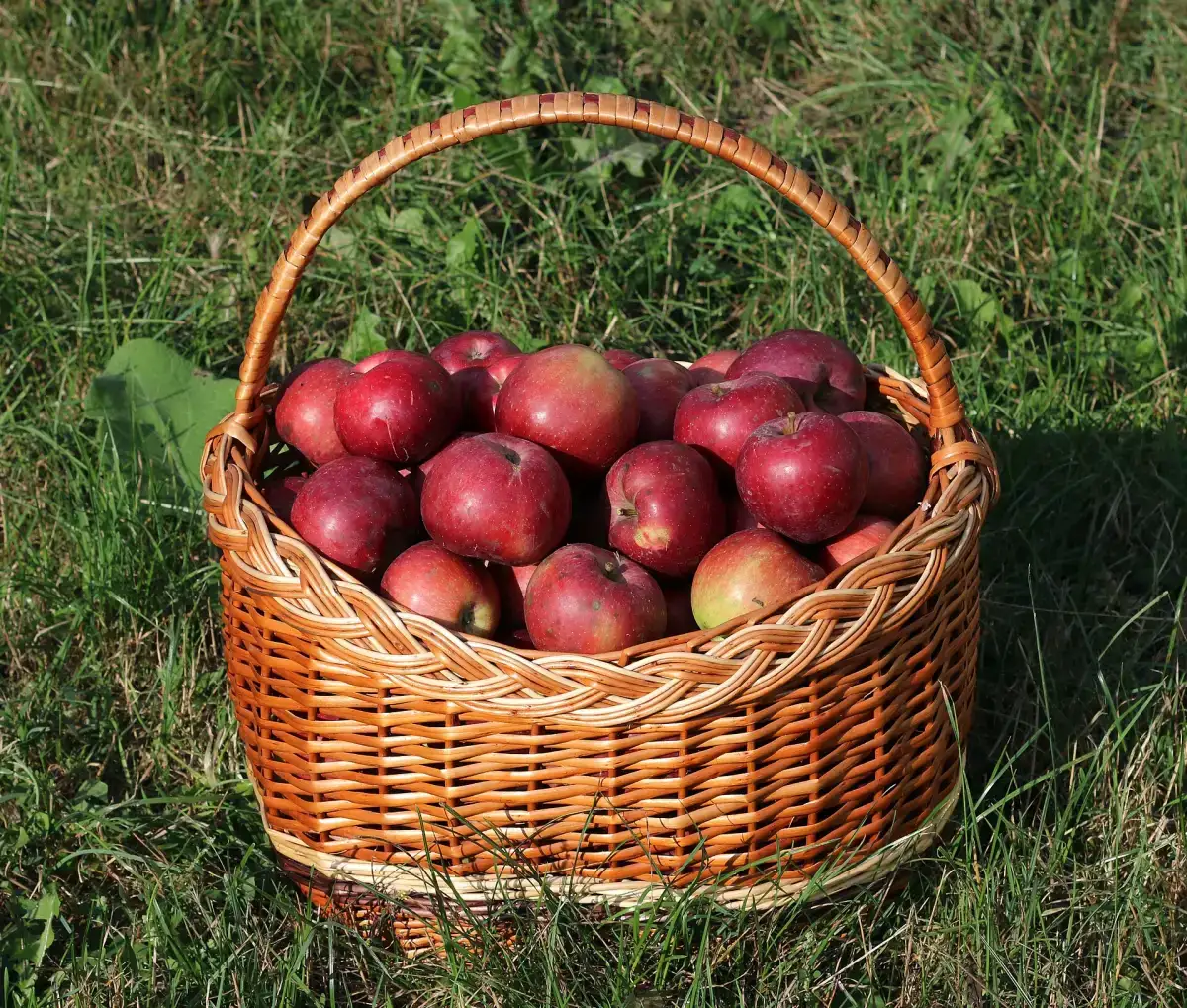
- Apples: soluble fibre (pectin), little potassium; an apple a day is an excellent snack.
- Berries (blueberries, strawberries, raspberries): rich in antioxidants. See also blueberries.
- Cranberries: useful in preventing recurrent urinary infections.
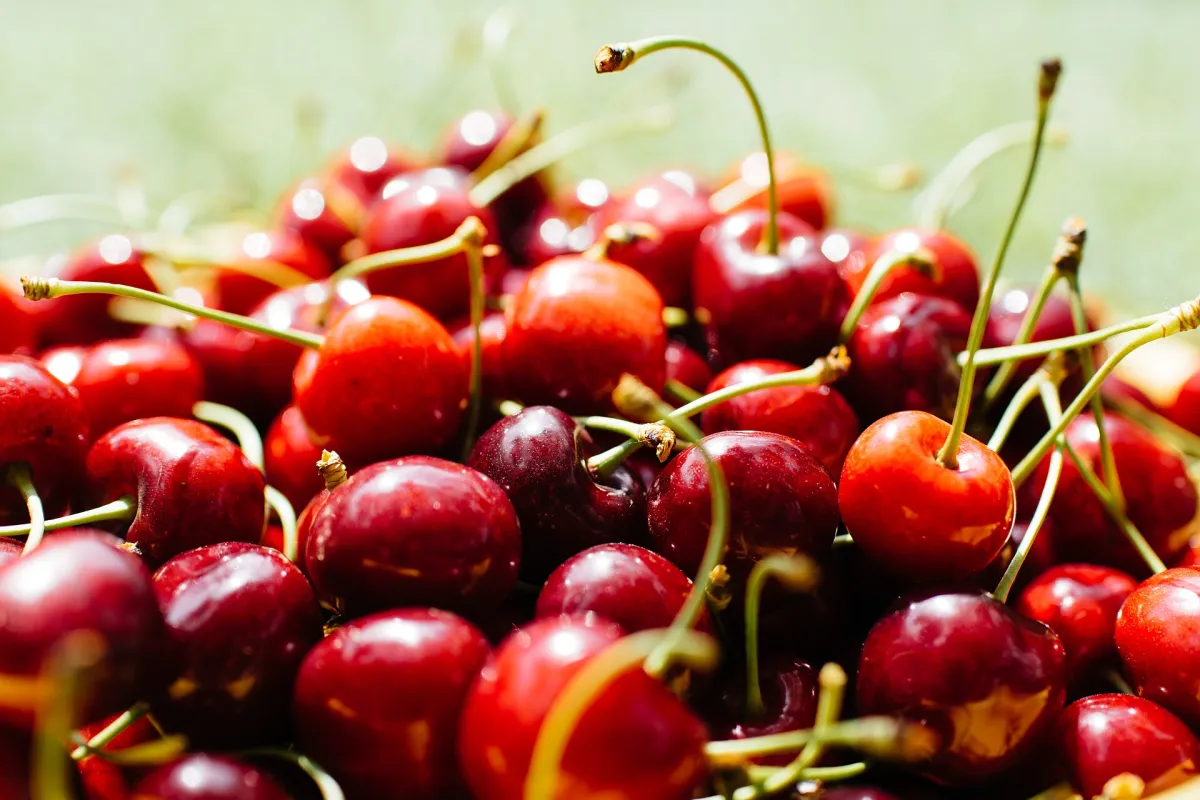
- Grapes, cherries, watermelon: hydrating; in moderation if your blood sugar is high.
- Lemons: citrate in the juice helps prevent stones (see kidney gravel).
Quality protein
- Oily fish (salmon, mackerel, sardines) twice a week: omega-3 fatty acids, good for the heart and blood vessels.
- Egg whites: high-quality protein with little phosphorus.
- Legumes (lentils, chickpeas, beans): protein and fibre; studies link plant protein with better kidney outcomes.
- Skinless poultry, in moderate portions.
Fats and grains
- Extra virgin olive oil, for cooking and salads.
- Oats, barley, buckwheat, wholemeal bread: fibre that helps blood sugar and weight.
Drinks
- Water remains the basic drink; 1.5-2.5 litres a day for most healthy adults.
- Unsweetened herbal teas count towards fluid intake (see teas for kidney health).
- Coffee in moderation (2-3 cups a day) does not appear to harm the kidneys in healthy people.
What to cut back on or avoid
| Food | Why it harms | Alternative |
|---|---|---|
| Salt, cured meats, pickles, salty cheese | Raise blood pressure and calcium loss in urine | Herbs, garlic, lemon, fresh low-salt cheese |
| Cola drinks | Phosphoric acid and sugar are linked to stones and kidney disease | Water, lemon water, unsweetened iced tea |
| Ultra-processed foods (processed meats, processed cheese, ready meals) | Phosphate additives that are almost fully absorbed | Home cooking from simple ingredients |
| Excess red meat and offal | Burden the kidneys, raise uric acid | Fish, legumes, poultry |
| Sugary drinks and sweets | Obesity, diabetes, high uric acid | Whole fruit |
| Excess alcohol | Blood pressure, uric acid, dehydration | Only occasionally, in small amounts |
| Too many protein supplements | Raise filtration pressure | Protein from food |
If you have high uric acid or gout, see also hyperuricemia for purine-rich foods.
How to read the label
Look for words containing “phosphate” in the ingredients list (for example E338-E341, E450-E452). Phosphorus from additives is absorbed far more completely than natural phosphorus in food. For salt, check the value per 100 g: more than 1.5 g of salt per 100 g means a very salty product.
Practical tricks for less salt
Cutting salt is the most effective change for your kidneys, but also the hardest to stick to. A few methods that work:
- Take the salt shaker off the table and taste food before adding anything.
- Cook with sourness: lemon juice, wine vinegar, yoghurt, ripe tomatoes; acidity makes up for the missing salt.
- Use herbs: lovage, dill, parsley, thyme, basil, garlic, roasted onion, sweet paprika.
- Desalt cheese by soaking it for a few hours in cold water, changed 2-3 times.
- Cut down gradually: taste buds adapt in 2-4 weeks, after which very salty food starts to taste unpleasant.
- Watch the bread: 3-4 slices of white bread can supply 2 g of salt on their own.
A sample one-day menu
- Breakfast: porridge with berries and a spoonful of seeds; unsweetened tea.
- Snack: an apple.
- Lunch: vegetable soup without stock cubes; oven-baked chicken breast with herbs, cabbage salad with olive oil and lemon.
- Snack: plain yoghurt.
- Dinner: baked mackerel, roasted cauliflower and peppers, a slice of wholemeal bread.
- Drinks: water throughout the day, perhaps a cup of nettle or corn silk tea.
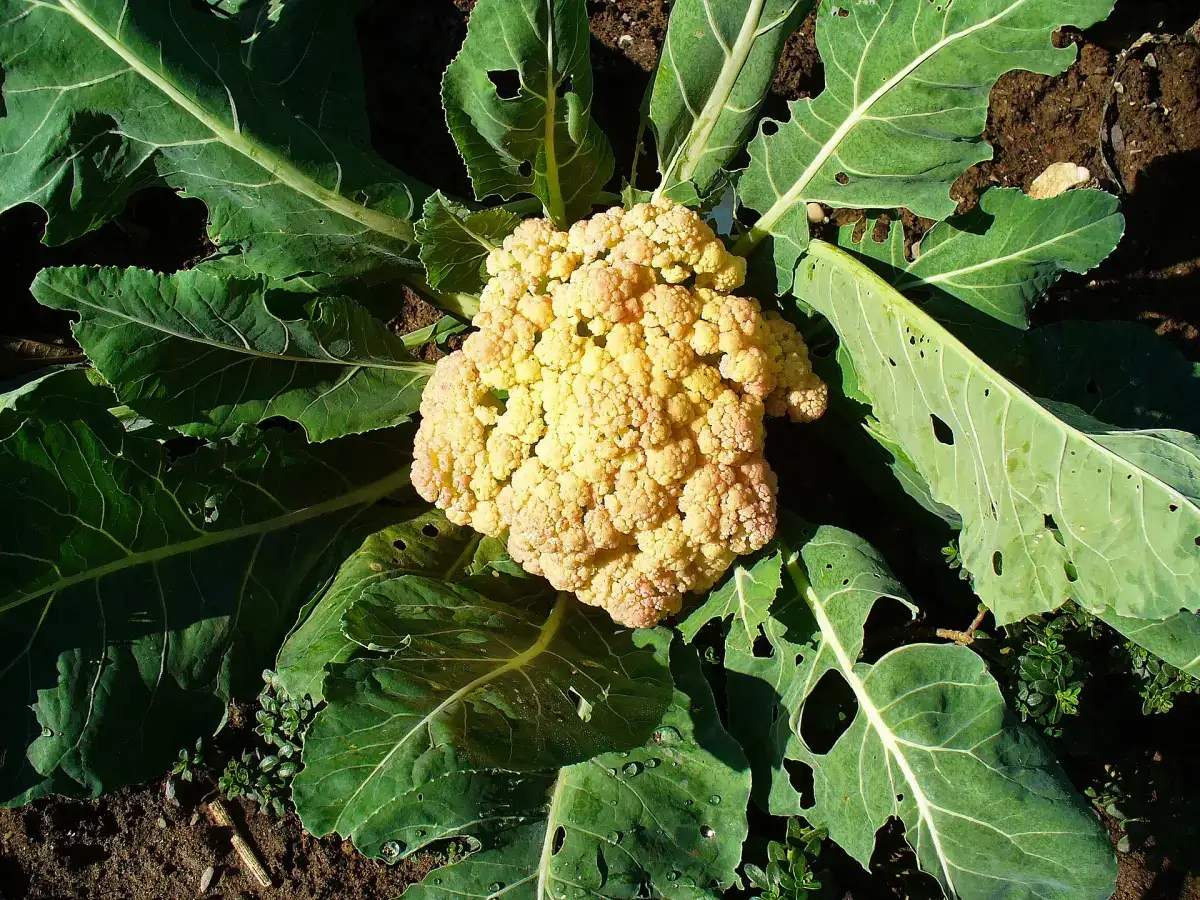 Photo: H. Zell, CC BY-SA 3.0, via Wikimedia Commons
When the rules change: chronic kidney disease
If your doctor has told you that you have chronic kidney disease, especially stages 3-5, some of the advice above needs adapting:
- Potassium: bananas, potatoes, tomatoes, oranges, dried fruit and some herbal teas can become dangerous if blood potassium rises.
- Phosphorus: dairy, nuts, whole grains and especially additives are restricted.
- Protein: the amount is set individually.
- Fluids: may be limited in advanced stages.
Read our guide to chronic kidney disease and ask for a dietitian consultation. To understand the tests behind these restrictions, see high creatinine.
Common mistakes
Believing “sea salt” or “pink salt” is healthy. It contains practically the same amount of sodium.
Using salt substitutes without asking your doctor. Many contain potassium chloride, which is dangerous in kidney disease.
Doing juice “detox” cleanses. They can deliver a lot of potassium and sugar and do not clean the kidneys.
Cutting out protein completely. You need it for muscle and immunity.
Drinking a lot only when you remember. Steady hydration across the day matters more than large amounts at once.
Conclusion
Your kidneys do not need miracle foods, but a consistent pattern: lots of plants, little salt, moderate and varied protein, water as your main drink and as few ultra-processed products as possible. This way of eating simultaneously helps blood pressure, blood sugar, weight and the heart, exactly the factors that protect the kidneys in the long run. Once kidney disease is present, the rules become personal, and your doctor and dietitian are the ones who set them.
Frequently asked questions
What are the best fruits for the kidneys? Apples, berries, cranberries, grapes and cherries are good choices with moderate potassium. For healthy kidneys, almost all whole fruit is beneficial.
Which vegetables are good for the kidneys? Red bell pepper, cabbage, cauliflower, onion, garlic, courgettes and lettuce. In kidney disease with high potassium, potatoes and tomatoes are limited.
Is coffee bad for the kidneys? In healthy people, moderate coffee does not appear to affect the kidneys. People with stones should drink extra water as well.
Are milk and cheese good for the kidneys? For healthy kidneys, dairy provides calcium that lowers the risk of oxalate stones. In advanced kidney disease, it is limited because of phosphorus.
Are eggs good for the kidneys? Egg white is an excellent protein with little phosphorus. Whole eggs are fine in moderation for healthy people.
Mineral water or still water? Both are fine. People with high blood pressure should choose low-sodium waters, and people with stones may prefer ordinary still water.
Are there foods that cleanse the kidneys? Not in the “detox” sense. The kidneys clean themselves; a good diet simply protects them from the things that wear them out.
Sources and further reading
- National Kidney Foundation, eating guidance for kidney health.
- NIDDK, “Eating Right for Chronic Kidney Disease”.
- World Health Organization, recommendations on salt reduction (under 5 g a day).
- KDIGO, chronic kidney disease guideline, chapter on diet and lifestyle.
Informational content only; it does not replace advice from your doctor or dietitian. If you have kidney disease, your diet should be tailored to you.