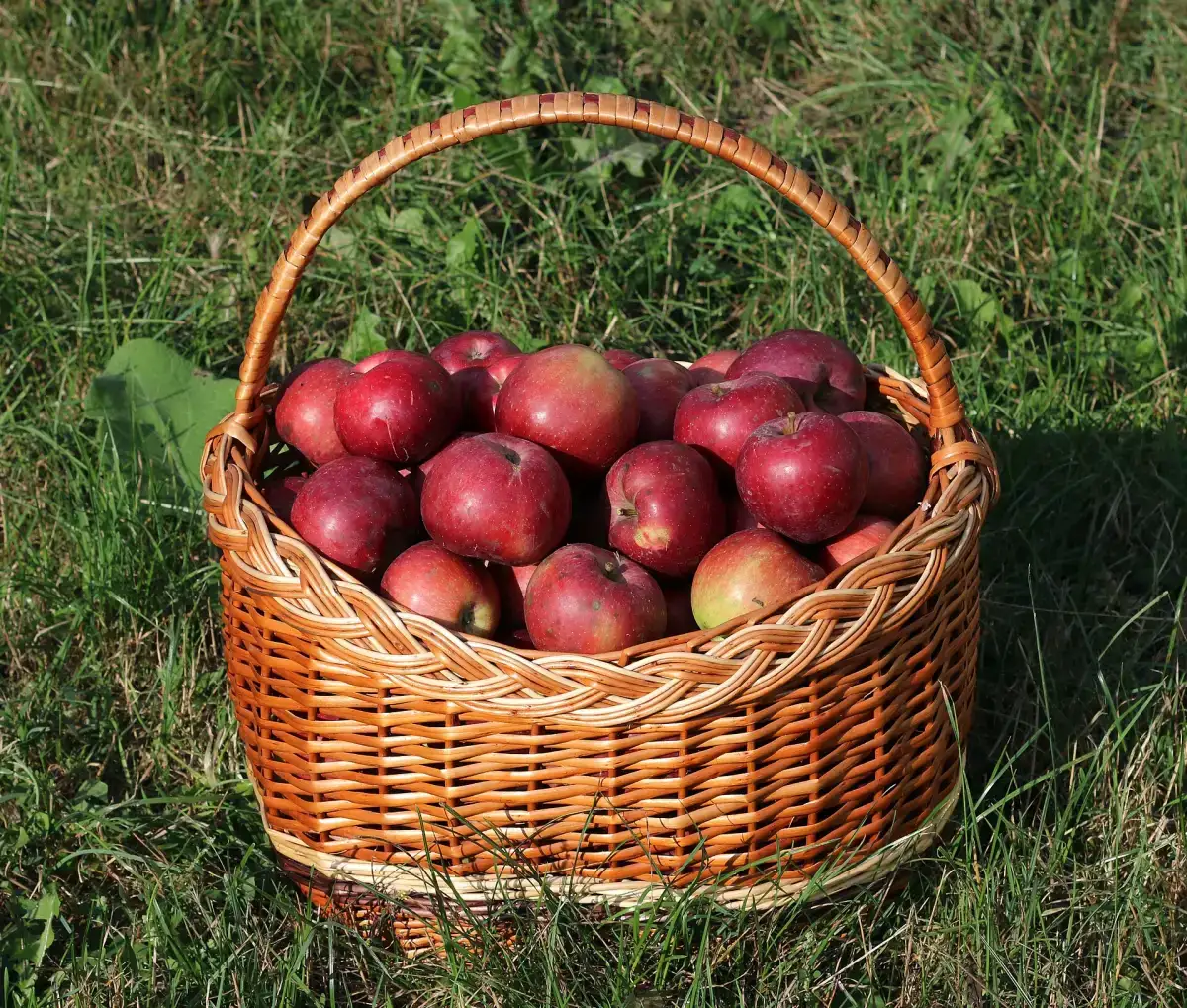
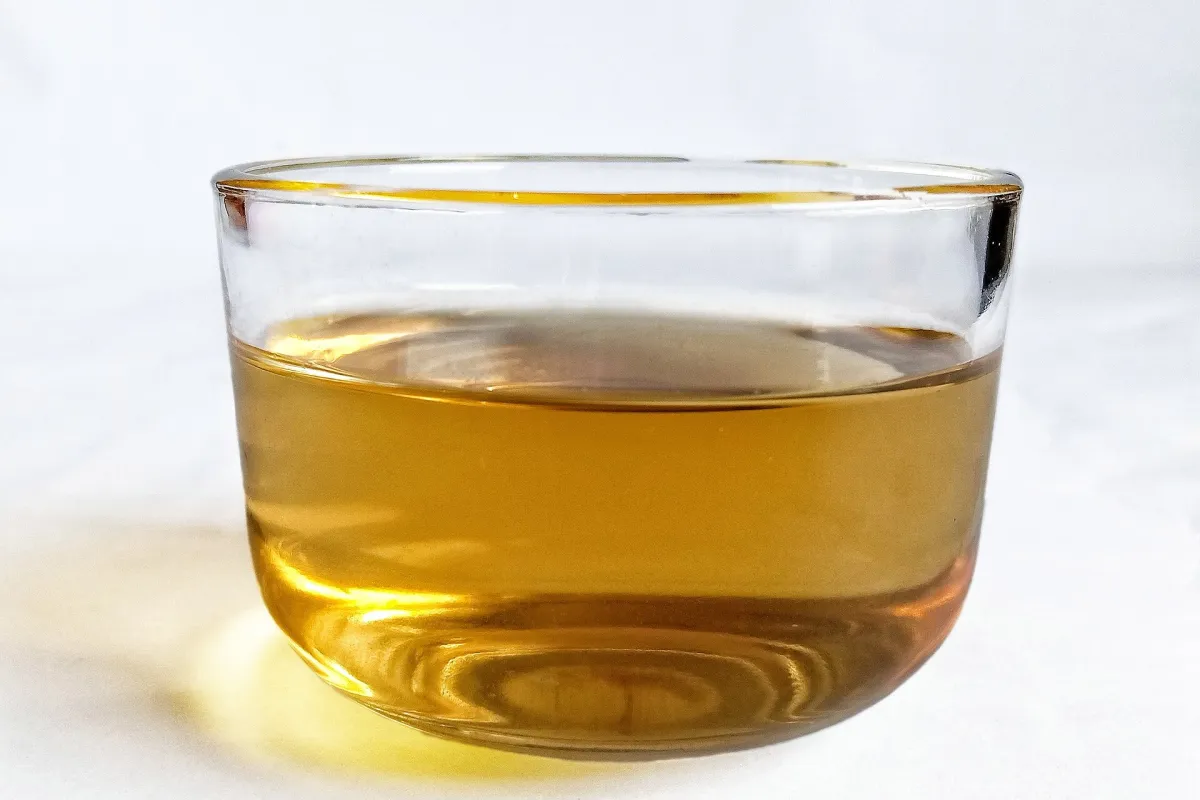
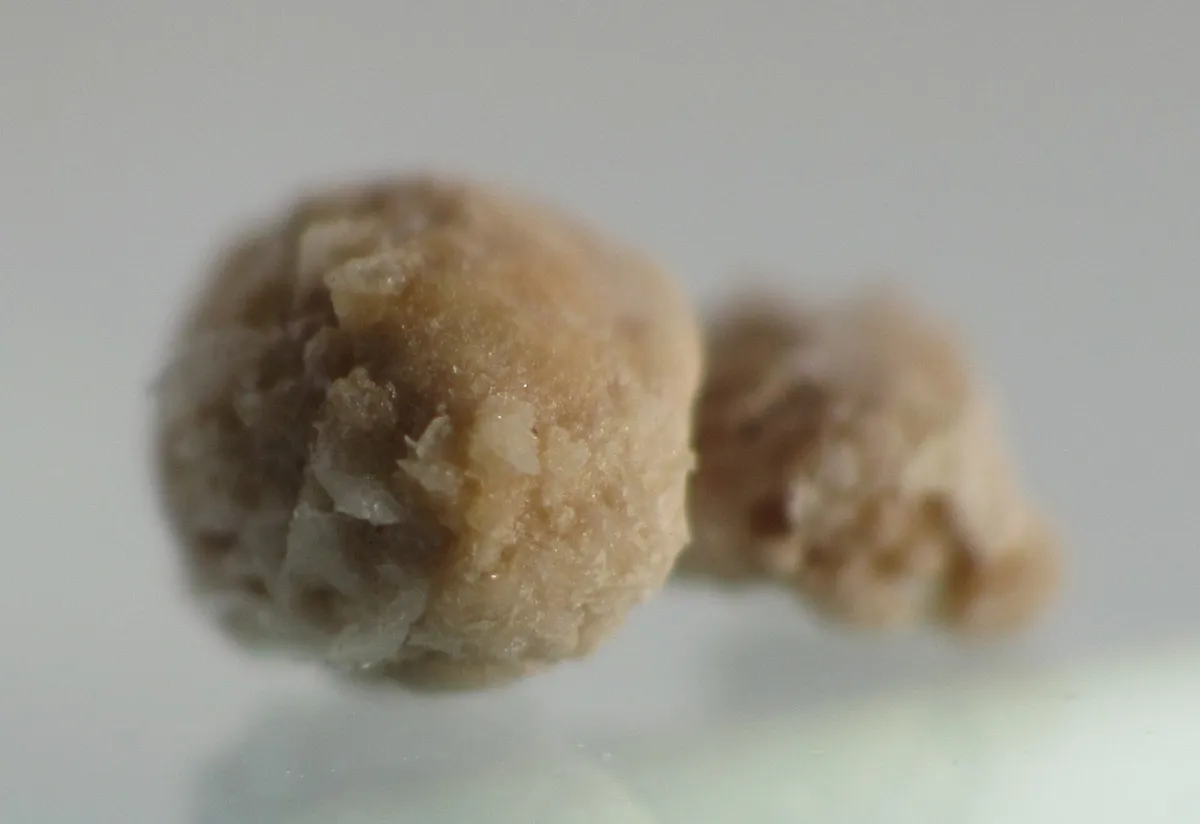
 Photo: Jacek Proszyk, CC0, via Wikimedia Commons
“Kidney gravel” (or kidney sand) means very fine mineral crystals, usually calcium oxalate or uric acid, that form in over-concentrated urine and are often passed without you noticing. It is not a disease in itself but a signal that your urine offers good conditions for stones. The good news: with more water, citrate from lemons, less salt and a diet adjusted to the crystal type, gravel can be kept in check before it grows into a stone.
Key takeaways
- Kidney gravel (microlithiasis) forms when urine is supersaturated with salts; occasional crystals on a urine test can also be incidental.
- The most common are calcium oxalate, followed by urates (uric acid) and phosphates.
- The main target: at least 2-2.5 litres of urine a day, which means roughly 2.5-3 litres of fluid.
- Dietary calcium should not be cut; salt, too much meat and sugary drinks raise the risk.
- Flank pain, blood in the urine or fever call for a doctor and an ultrasound.
What kidney gravel is
Urine normally carries dissolved salts: calcium, oxalate, uric acid, phosphate. When there is too much of them in too little fluid, they crystallise. Tiny crystals leave with the urine and form what doctors call crystalluria and patients call “gravel”. If they stick together and stay in the kidney, they grow slowly into stones. So the difference between gravel and kidney stones is one of size and time, not of nature.
An important detail: crystals found once on a urinalysis do not automatically mean kidney gravel. Urine that cooled in the container, a day of drinking too little or a spinach-heavy meal can all produce temporary crystals. Doctors look at repetition, quantity and symptoms.
Crystal types and what they mean
| Crystal (on urinalysis) | How common | What favours it | What helps |
|---|---|---|---|
| Calcium oxalate | Most common (about 3 in 4 stones) | Low fluid, high salt, excess oxalate, too little dietary calcium | Water, citrate, calcium with meals, less salt |
| Uric acid (amorphous urates) | Common | Acidic urine, meat and offal, alcohol, fructose, gout | Water, urine alkalinisation (citrate), fewer purines |
| Calcium phosphate | Less common | Alkaline urine, some metabolic disorders | Metabolic work-up with a doctor |
| Struvite (magnesium ammonium phosphate) | Rare | Urinary infections with certain bacteria | Treating the infection, not home remedies |
| Cystine | Very rare | Genetic condition | Specialist follow-up |
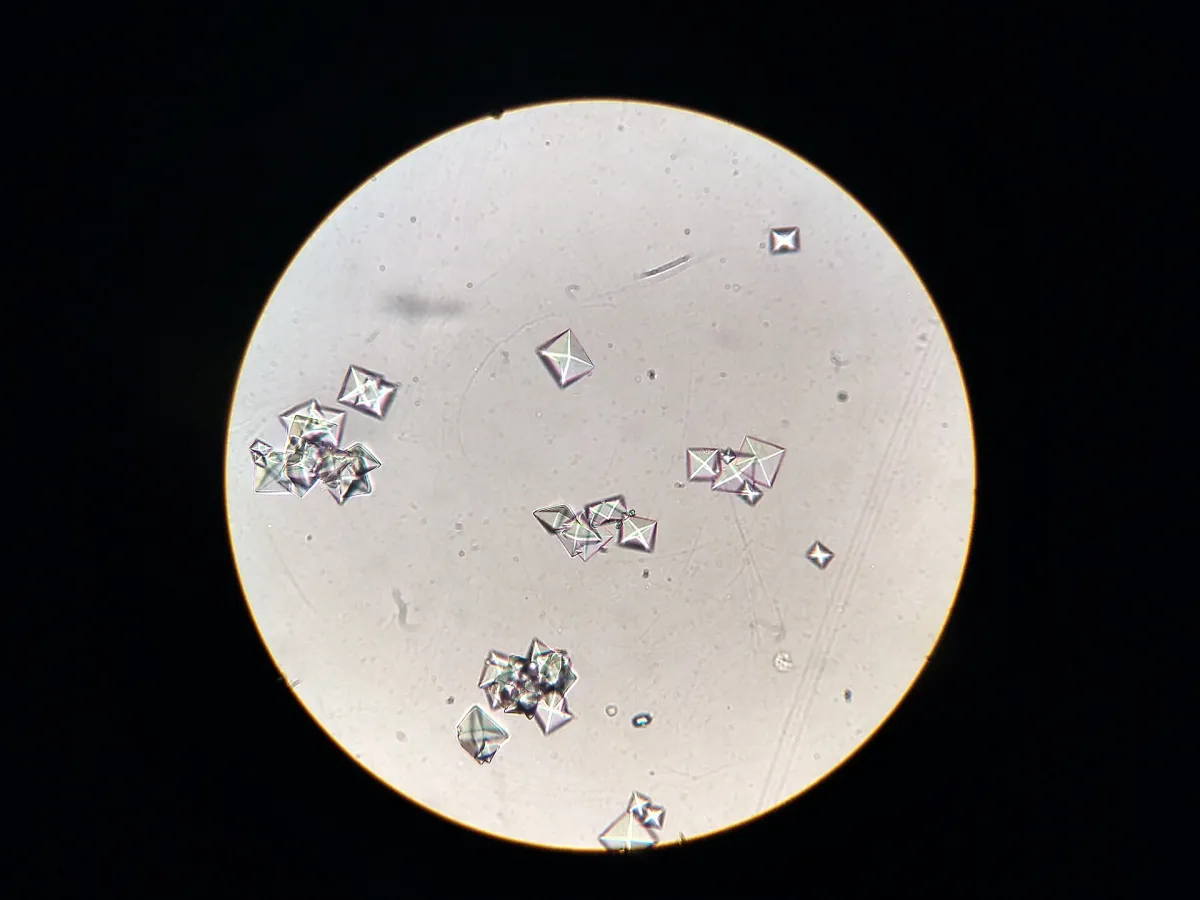 Photo: J3D3, CC BY-SA 4.0, via Wikimedia Commons
Symptoms
Many people with kidney gravel have no symptoms at all and find out by chance from a test. When symptoms do appear, they include:
- burning or stinging at the end of urination;
- cloudy urine or a fine, sand-like deposit at the bottom of the bowl (see also cloudy urine);
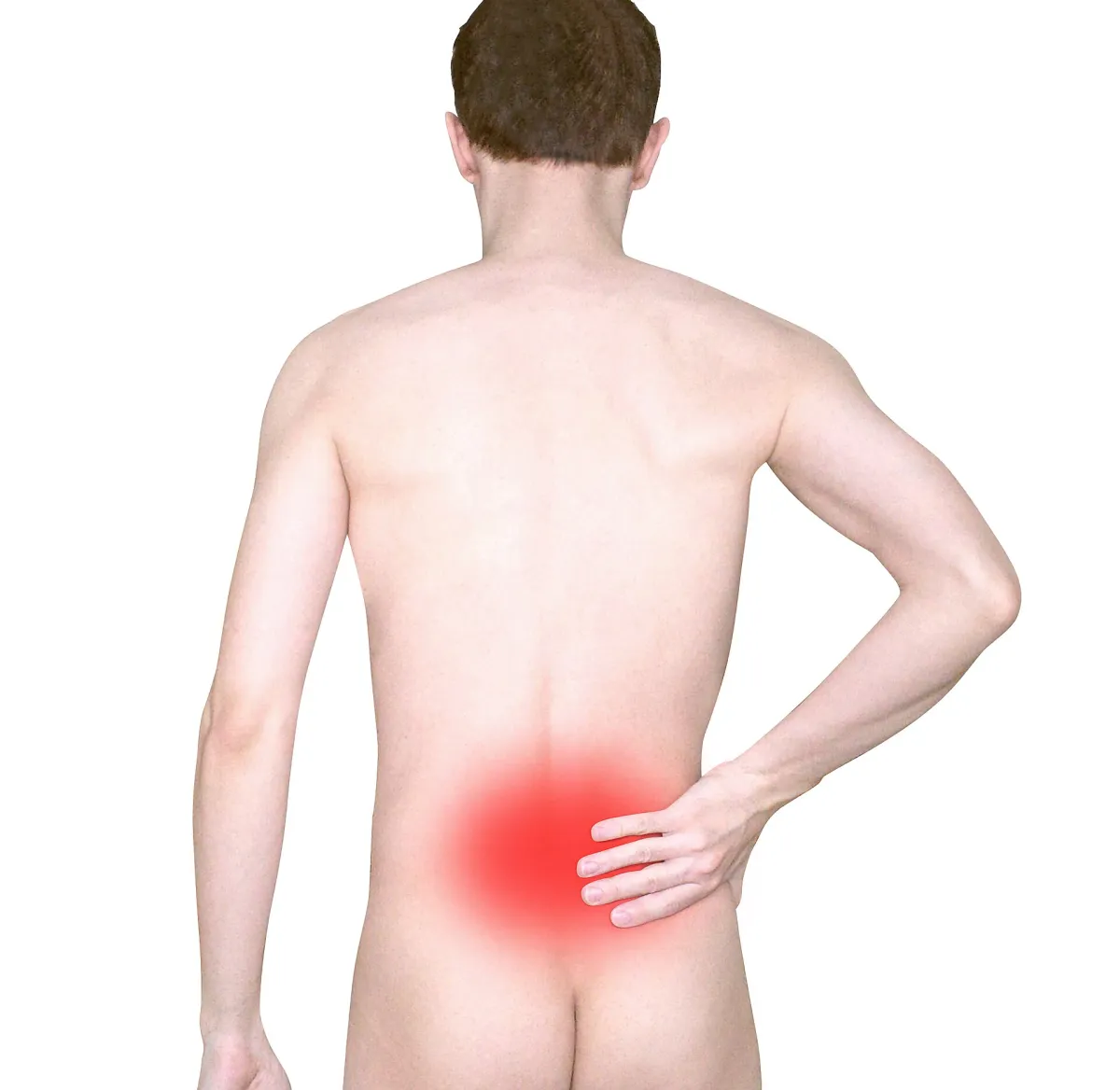
- a dull ache in the flank or lower back;
- slightly pinkish urine after exercise or after passing larger crystals;
- short bouts of colicky pain when a bigger “grain” passes.
To tell a kidney ache from back pain, see our guide to kidney pain.
Causes and risk factors
- Not drinking enough, by far the main cause: working in heat, professional drivers, people who simply “forget” to drink.
- Too much salt: sodium increases calcium loss in the urine.
- Lots of animal protein: it acidifies urine, raises uric acid and lowers citrate.
- Fructose-sweetened drinks and cola-type sodas.
- High-dose vitamin C supplements (over 1 g a day), part of which is converted to oxalate.
- Obesity, diabetes, gout and a family history. If your uric acid is high, see also hyperuricemia.
How to clear and prevent kidney gravel naturally
1. Water: the remedy with the strongest evidence
Studies and urology guidelines show that producing more than 2-2.5 litres of urine a day substantially lowers stone risk. In practice that means 2.5-3 litres of fluid spread across the day, including a glass in the evening. Urine should be almost colourless. Ordinary still water is enough; very calcium-rich mineral waters are not necessary.
2. Citrate from lemons
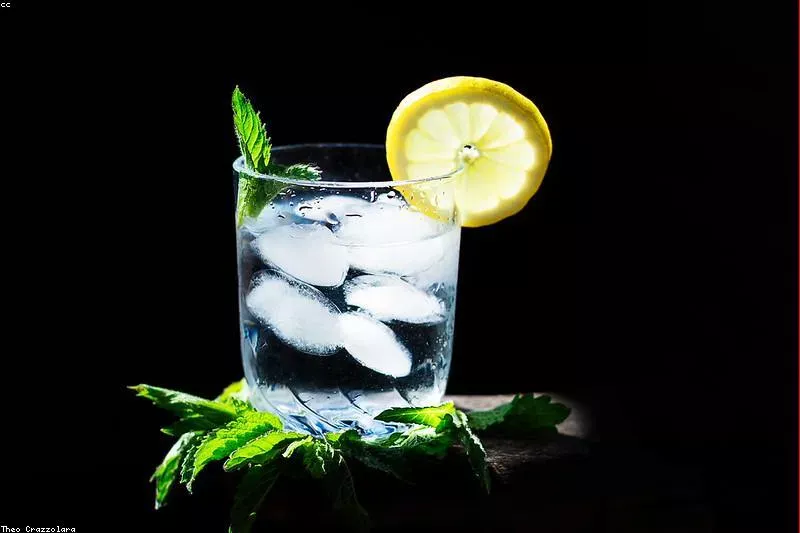
Citrate binds calcium and blocks crystal formation, and it also slightly alkalinises urine, which helps with uric acid gravel. Lemon juice is the richest natural source. A recipe based on the “lemonade therapy” studies:
- Squeeze 2 lemons (about 100-120 ml of juice).
- Dilute the juice in 2 litres of water and drink it over the day.
- No sugar; if it is too sour, add a few mint leaves.
- Rinse your mouth with plain water afterwards to protect tooth enamel.
The effect is smaller than that of pharmacy potassium citrate, but it is safe and cheap for most people.
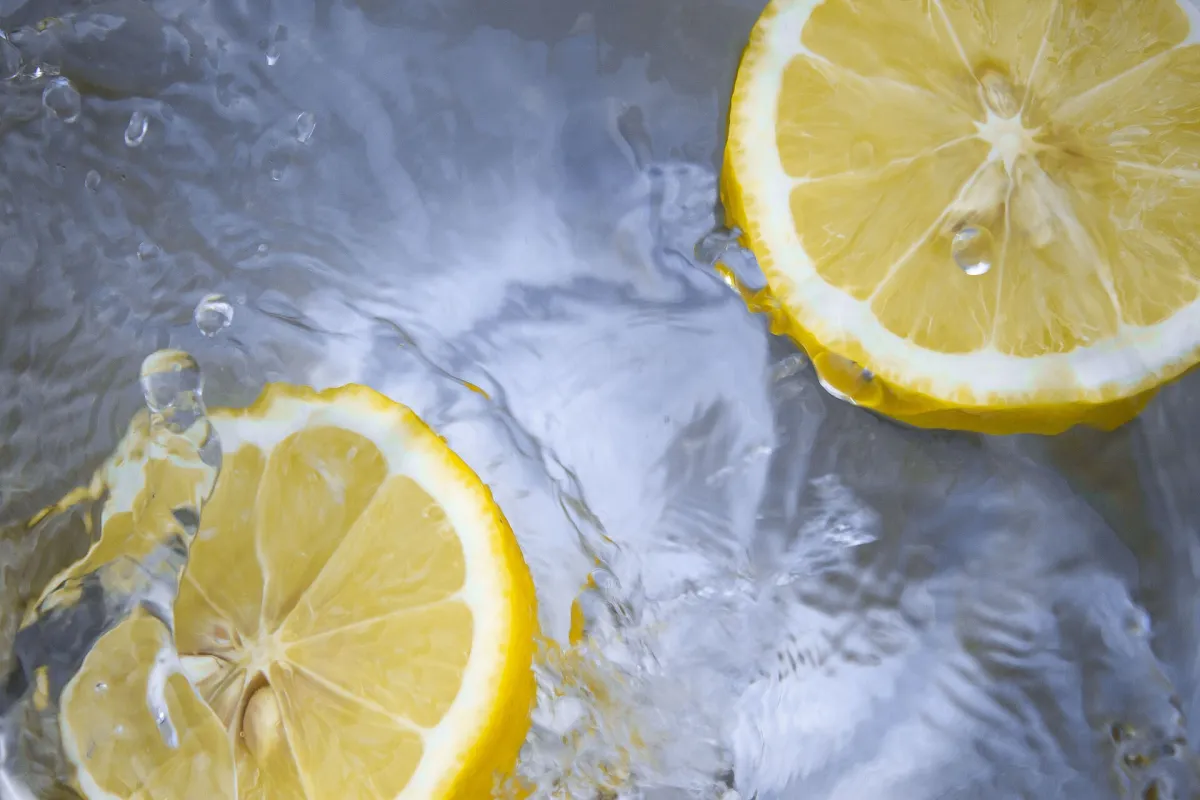 Photo: Tirza van Dijk, CC0, via Wikimedia Commons
3. Calcium from food, not less calcium
It sounds counter-intuitive, but a low-calcium diet increases calcium oxalate risk: calcium in the gut binds oxalate from food and carries it out in the stool. Aim for 1,000-1,200 mg of calcium a day from dairy, cheese and yoghurt, eaten at the same meal as oxalate-rich foods.
4. Oxalates: moderation, not prohibition
If you have oxalate crystals, limit large, frequent servings of spinach, rhubarb, sorrel, beetroot, almonds, cocoa and very strong black tea. There is no need to cut them out completely; above all, do not combine them with low fluid intake.
5. Less salt and meat
Under 5 g of salt a day and a moderate portion of meat, not at every meal. Vegetables, fruit, whole grains and legumes raise urinary citrate. The detailed list is in kidney-friendly foods.
6. Diuretic teas
Corn silk and cherry stem tea are the classic Romanian remedies for “washing out the gravel”. They increase urine volume, but their anti-crystal effect has not been shown in large studies; use them as part of your fluid intake, in courses of 2-3 weeks.
Contraindications and precautions
- Citrate and lemon: be careful with acid reflux and tooth enamel.
- High fluid intake is not suitable in heart failure or advanced kidney disease, where doctors restrict fluids.
- Diuretic teas should be avoided in pregnancy without medical advice and by people with high potassium.
- Potassium citrate from the pharmacy should only be taken on a doctor’s recommendation.
When to see a doctor
- flank pain, especially colicky or spreading to the groin;
- visible blood in the urine (see hematuria);
- fever, chills or severe burning;
- crystals on several tests or recurrent stones.
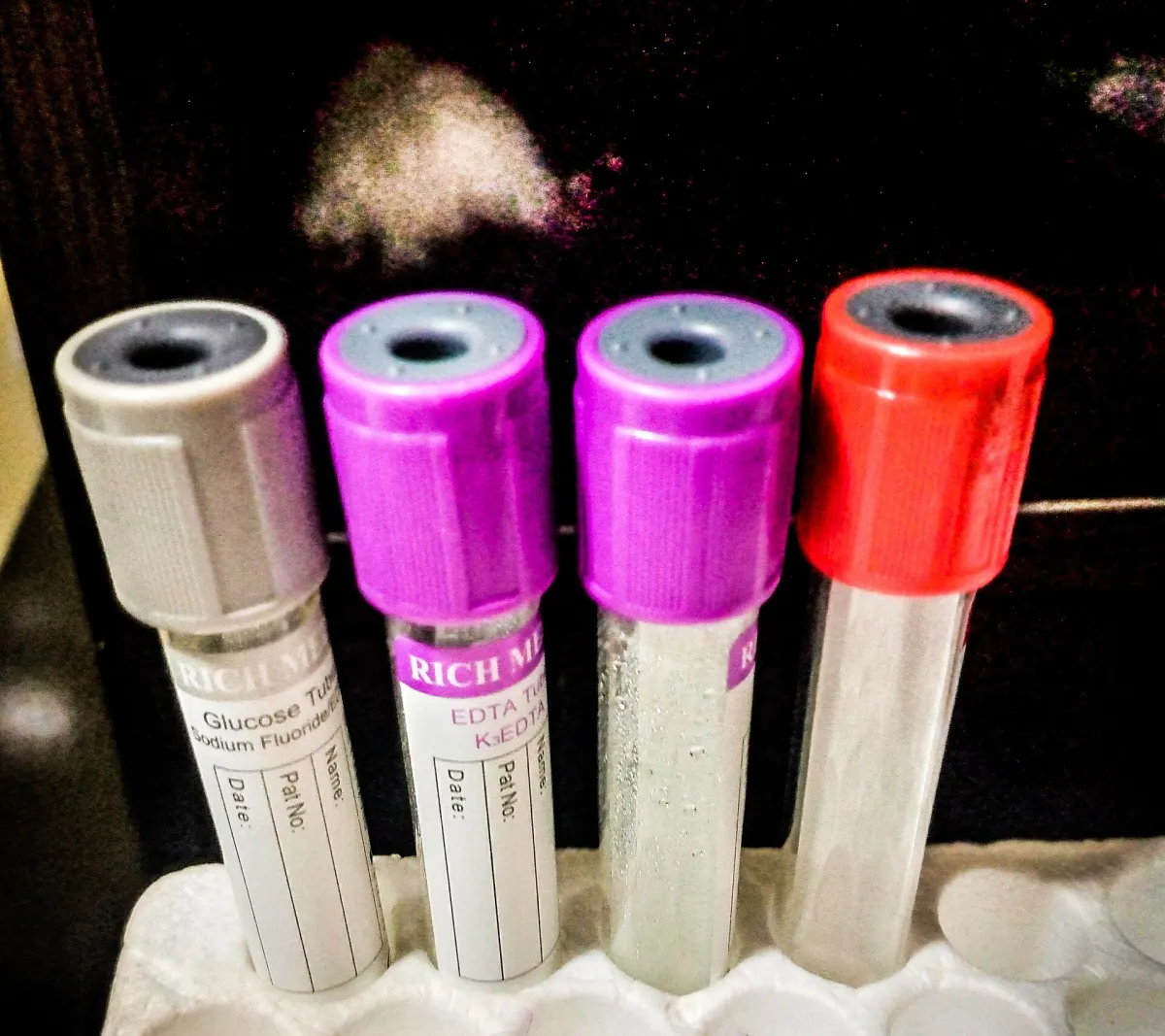
Your doctor may order an ultrasound and, for recurrences, a 24-hour urine metabolic test (calcium, oxalate, citrate, uric acid), which shows exactly what needs correcting.
Common mistakes
Giving up dairy “so you don’t make stones”. It increases oxalate absorption and the real risk.
Drinking a lot only in the morning. Urine concentrates overnight; a glass of water in the evening and one if you wake up help.
Taking high-dose vitamin C every day. More than 1 g a day raises urinary oxalate.
Treating struvite crystals with teas. They come from infection and need antibiotics.
Ignoring repeated crystals. They are a cheap warning; a stone is an expensive and painful problem.
Conclusion
Kidney gravel is the stage at which you can still prevent stones with simple tools. More water throughout the day, citrate from lemons, dietary calcium with meals, less salt and meat and moderation with oxalate-rich foods all reduce risk substantially. Traditional teas are a pleasant extra, not the main treatment. And if pain, blood or fever appear, an ultrasound and a medical consultation are the right next step.
Frequently asked questions
Does kidney gravel pass on its own? Fine crystals usually pass with the urine. The problem is that without changes in hydration and diet they keep forming and can grow into stones.
What do “few calcium oxalate crystals” on a urinalysis mean? A small amount, often of no clinical significance, especially if it appears only once. If it recurs or you have symptoms, talk to your doctor and increase your fluid intake.
Are amorphous urates in urine dangerous? They usually appear in concentrated, acidic urine and are not dangerous on their own. If they recur, especially with high blood uric acid, pay attention to diet and hydration.
What should I avoid eating with kidney gravel? It depends on the crystal type. For oxalate: large servings of spinach, rhubarb, beetroot, cocoa. For uric acid: offal, lots of red meat, beer. In both cases: salt and sugary drinks.
Does lemon water help? Yes, lemon juice provides citrate, a natural crystallisation inhibitor. It does not replace drinking plenty of water, but it complements it well.
Does beer flush out kidney gravel? Beer is diuretic, but it contains purines that raise uric acid, and alcohol dehydrates. It is not a recommended remedy.
How long does it take for gravel to clear? Crystals can decrease within a few weeks of proper hydration, but prevention has to be kept up permanently because the tendency remains.
Sources and further reading
- European Association of Urology (EAU), Guidelines on Urolithiasis: fluid and dietary recommendations.
- American Urological Association (AUA), guideline on the medical management of kidney stones.
- NIDDK, eating, diet and nutrition for kidney stones.
- National Kidney Foundation, information on oxalate, calcium and citrate.
Informational content only; it does not replace medical advice. For pain, blood in the urine or fever, see a doctor.