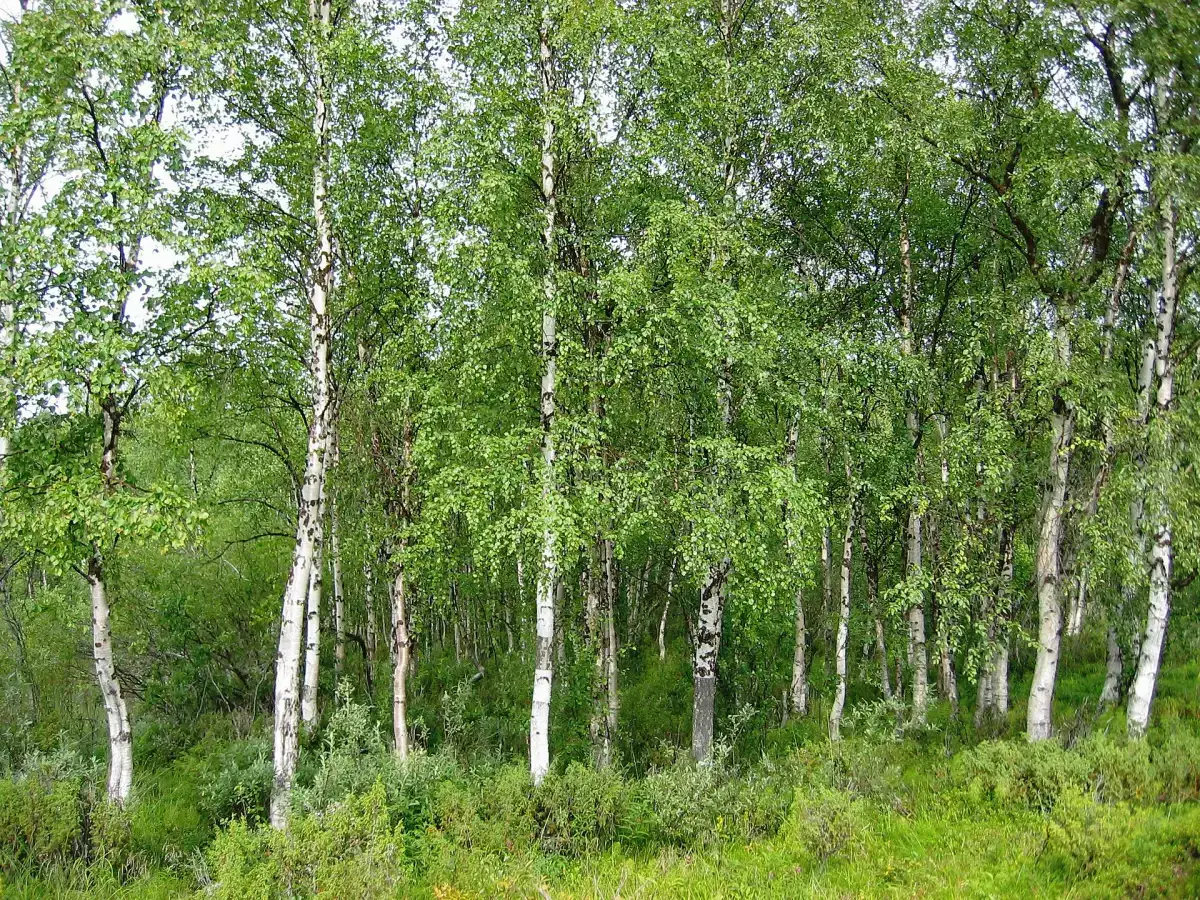
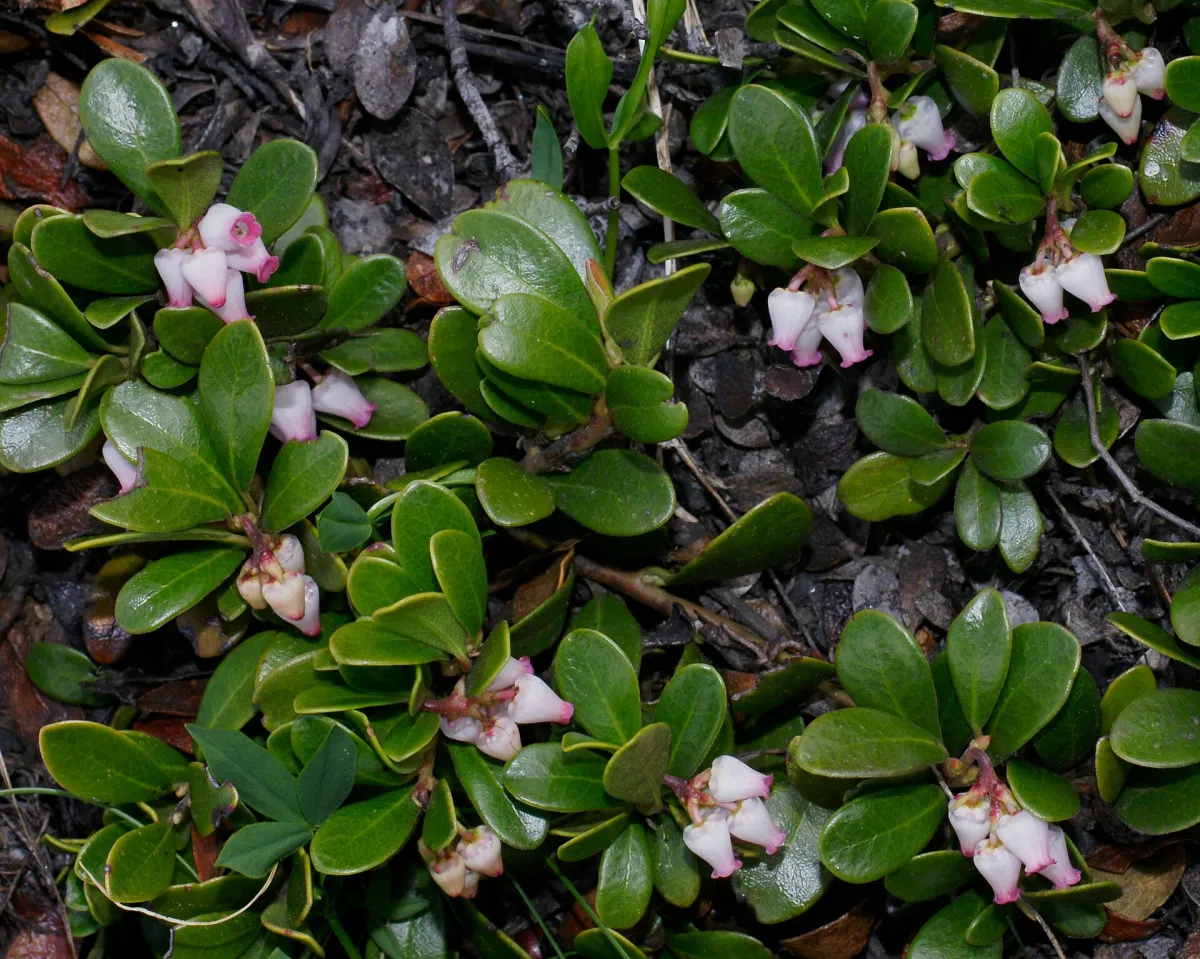
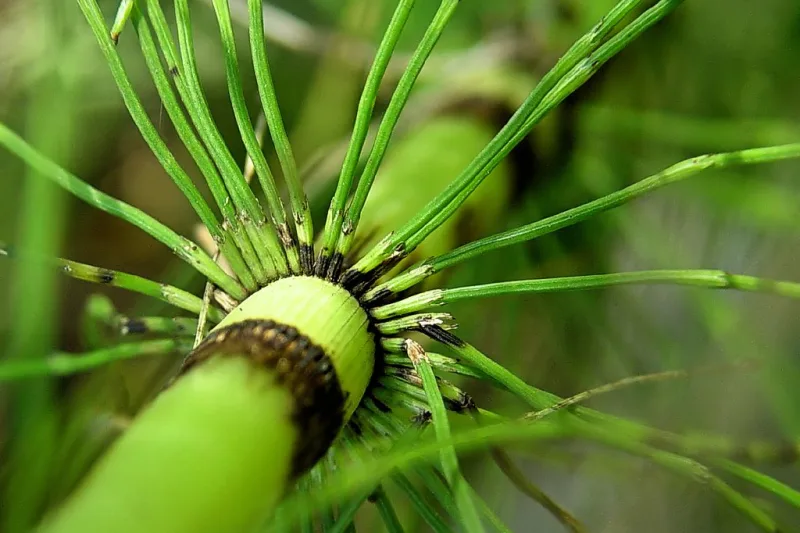
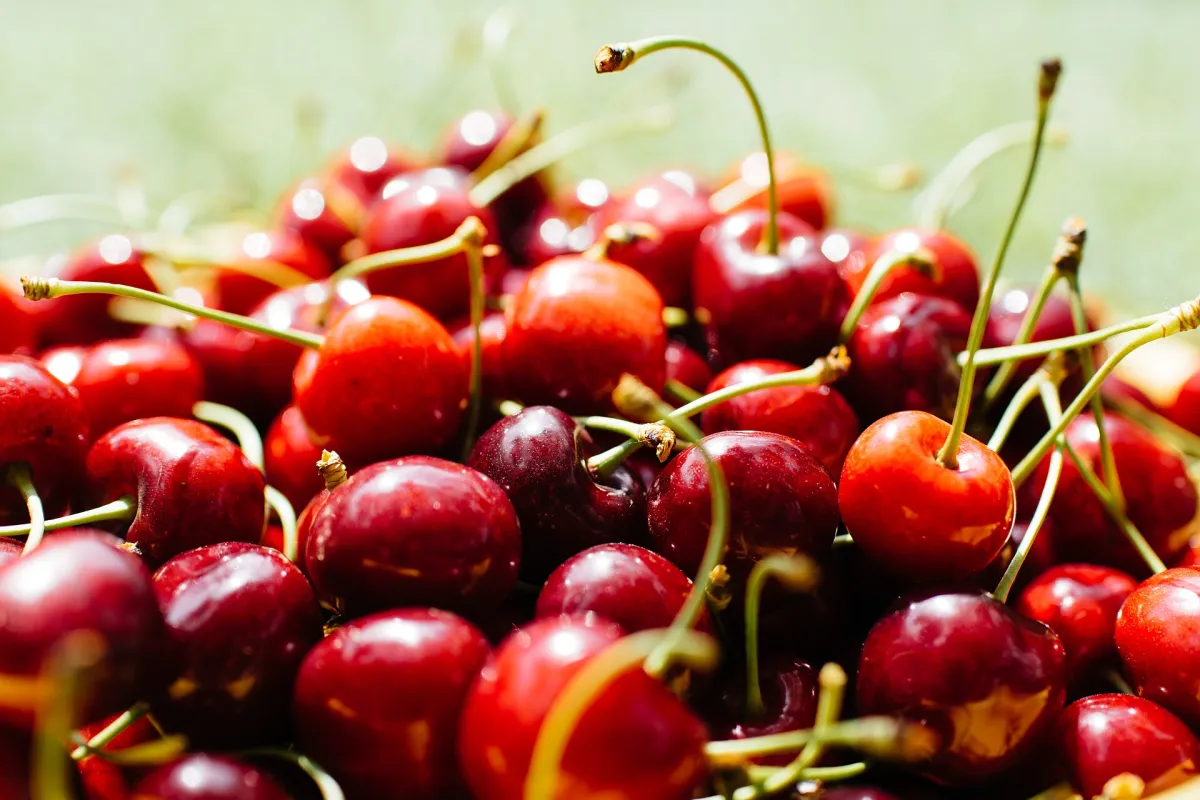
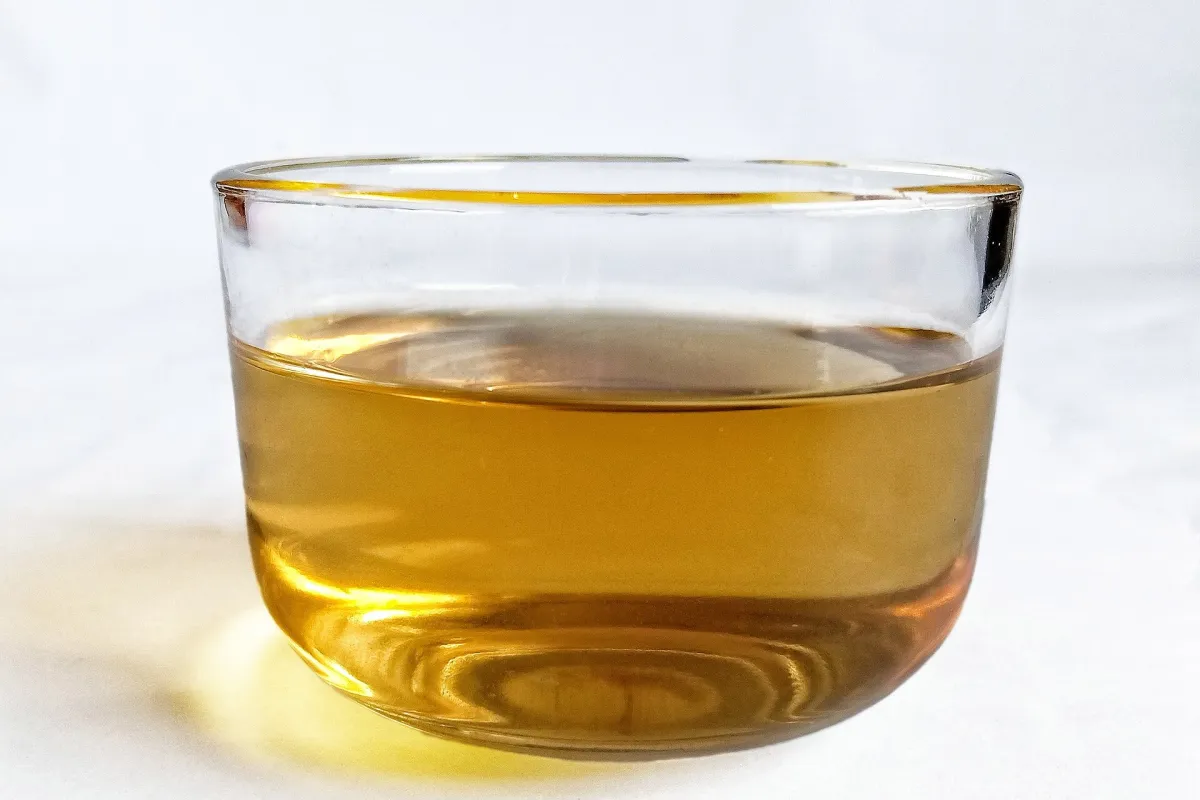
 Photo: PagesAndPathsPH, CC0, via Wikimedia Commons
The most widely used teas for the kidneys are nettle, corn silk, horsetail, birch leaf, dandelion, restharrow root and cherry stems. The European Medicines Agency recognises them as traditional remedies to increase the amount of urine, in order to “flush” the urinary tract in minor complaints, always alongside plenty of water. None of them treats an infection with fever or dissolves large stones. The right choice depends on the problem: a gentle diuretic, a urinary antiseptic or prevention.
Key takeaways
- Most “kidney teas” are aquaretics: they increase water excretion, not salt, and help flush the urinary tract.
- For preventing recurrent infections, cranberry has the best evidence; for mild cystitis, bearberry, 7 days at most.
- The basic rule in European monographs: at least 2 litres of fluid a day during a course.
- Do not use them for swelling caused by heart or kidney disease, nor in advanced kidney disease.
- Courses last 2-4 weeks, followed by a break.
How kidney teas work
Herbs in this category fall into three groups:
- Aquaretics (gentle diuretics): nettle, corn silk, horsetail, birch leaf, dandelion, restharrow, cherry stems. They increase urine volume, mainly through flavonoids and potassium salts. The aim is “flushing therapy”, useful in mild cystitis and for preventing gravel.
- Urinary antiseptics: bearberry (uva-ursi), through arbutin. Short-term use, in mild acute episodes.
- Anti-adhesives: cranberry, whose proanthocyanidins stop bacteria clinging to the bladder. Suitable for long-term prevention.
Comparison: which herb for which problem
| Herb | Part used | Main action | EMA status | Best suited for | Special caution |
|---|---|---|---|---|---|
| Nettle | Leaves | Gentle diuretic | Traditional | Urinary flushing, mild retention | Cardiac/renal swelling |
| Corn silk | Flower stigmas | Gentle diuretic, soothing | Traditional | Mild cystitis, fine gravel | Potassium in kidney disease |
| Horsetail | Sterile stems | Diuretic | Traditional | Urinary flushing | Not for swelling; not long term |
| Birch leaf | Leaves | Gentle diuretic | Traditional | Mild cystitis, gravel | Birch pollen allergy |
| Dandelion | Leaves and root | Diuretic, bitter | Traditional | Retention, sluggish digestion | Gallstones, Asteraceae allergy |
| Restharrow | Root | Diuretic | Traditional | Urinary flushing | Cardiac/renal swelling |
| Cherry stems | Stalks | Gentle diuretic | Folk use | Retention, gravel | Prescribed diuretics |
| Bearberry | Leaves | Urinary antiseptic | Traditional | Mild cystitis in women | Max. 7 days; not in pregnancy |
| Cranberry | Fruit | Anti-adhesive | Cochrane evidence | Preventing recurrent cystitis | Warfarin |
Each herb has its own detailed guide: nettle, corn silk, horsetail, dandelion, cherry stems, bearberry and cranberry.
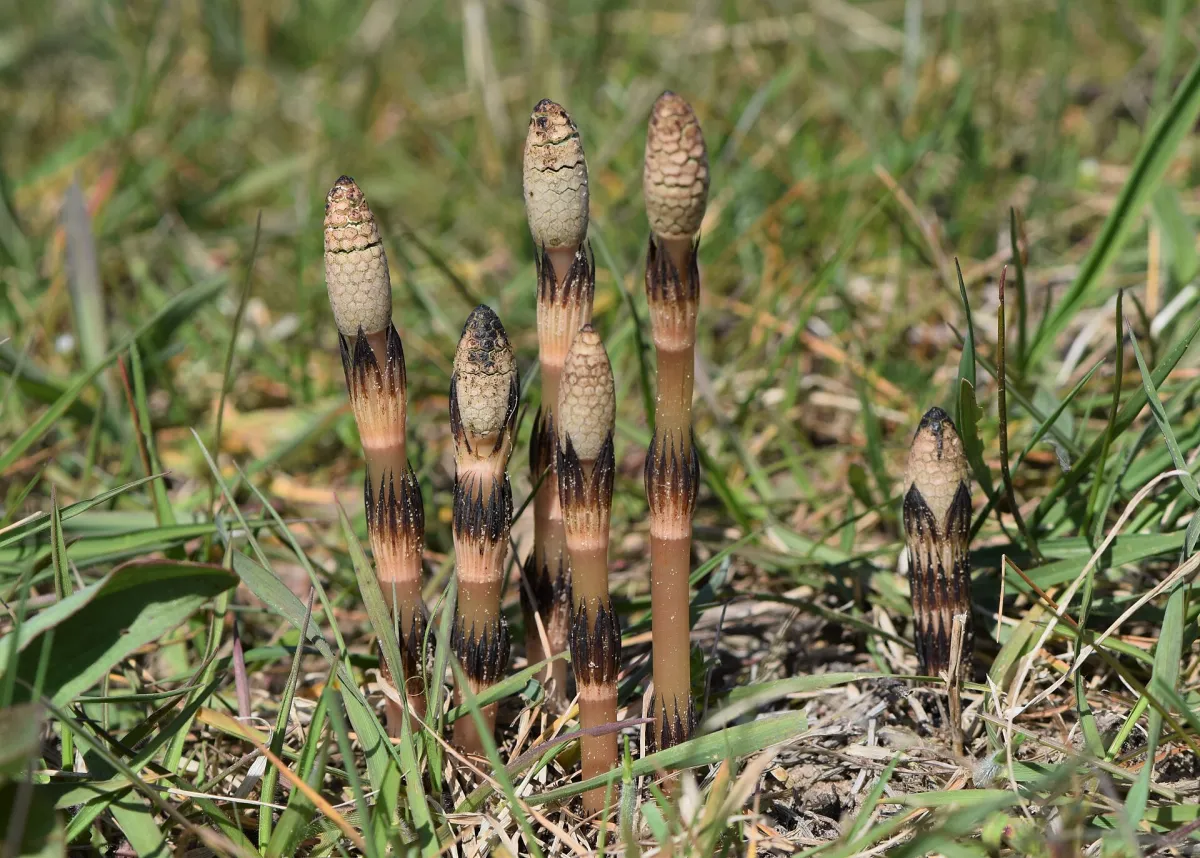 Photo: Krzysztof Ziarnek, Kenraiz, CC BY-SA 4.0, via Wikimedia Commons
How to choose a tea by problem
For “flushing” the kidneys and preventing gravel
Choose a gentle aquaretic: corn silk, birch leaf or nettle, 2-3 cups a day, plus water, so that your total fluid intake exceeds 2-2.5 litres. For more on crystals, see kidney gravel.
For mild cystitis without fever
A blend of bearberry (antiseptic) with corn silk (diuretic and soothing), for 5-7 days at most. If symptoms do not improve within 2-3 days, see a doctor. Full guide: urinary tract infections.
For preventing recurrent cystitis
Cranberry or D-mannose, taken for months, are better suited than diuretic teas.
For occasional water retention
Nettle, dandelion or cherry stems, in short courses of 5-7 days, in the morning and at midday.
Recipes
Urinary flushing blend
- 2 parts corn silk
- 1 part birch leaf
- 1 part nettle leaf
Preparation: one tablespoon of the blend (about 3-4 g) to 250 ml of boiling water, covered for 10-15 minutes, then strained. Dose: 3 cups a day between meals for 2-3 weeks, then a week off.
Root and stem decoction
Horsetail and restharrow root are tough and extract better by simmering:
- One teaspoon of horsetail and one teaspoon of restharrow root in 300 ml of cold water.
- Simmer gently for 5-10 minutes.
- Leave covered for 10 minutes, then strain.
- 2 cups a day, for 2-3 weeks at most.
Typical dosage per herb (adults)
| Herb | Amount per cup (250 ml) | Method | Cups a day | Duration |
|---|---|---|---|---|
| Nettle (leaf) | 2-4 g | Infusion 10 min | 3 | 2-4 weeks |
| Corn silk | 2-4 g | Infusion 10-15 min | 3 | 2-4 weeks |
| Horsetail | 2-4 g | Infusion or short decoction | 2-3 | 2-4 weeks |
| Birch leaf | 2-3 g | Infusion 10-15 min | 3-4 | 2-4 weeks |
| Dandelion (leaf) | 4-10 g | Infusion 10 min | 2-3 | 2-4 weeks |
| Restharrow (root) | 2-3 g | Decoction 10 min | 3 | 2-4 weeks |
| Cherry stems | 5-10 g | Decoction 10-15 min | 2-3 | 1-2 weeks |
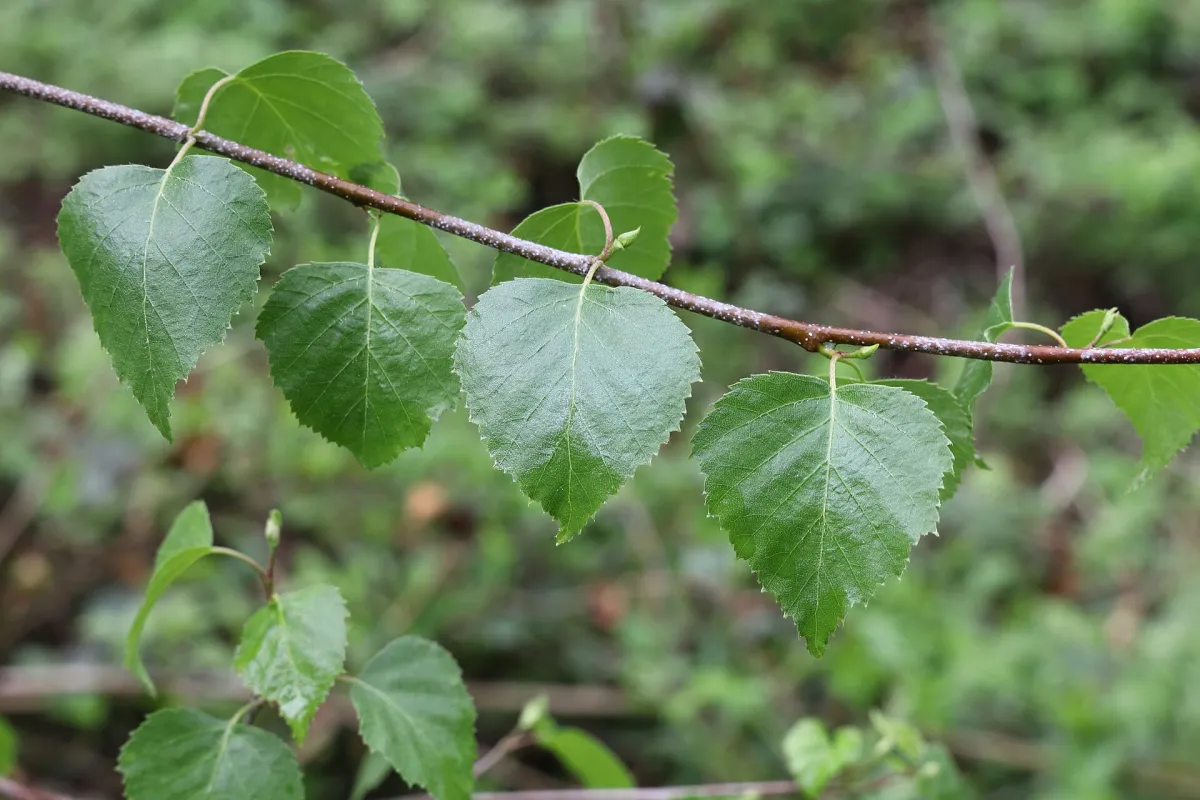 Photo: T. Kebert, CC BY-SA 4.0, via Wikimedia Commons
How to buy and store herbs
- Buy from pharmacies or herbal shops, with the scientific name, plant part and expiry date on the pack.
- Good dried herbs keep their colour (green for leaves, golden for corn silk) and characteristic smell.
- Store them in closed jars, in a dark, dry place, for up to a year.
- Avoid “miracle” blends with no declared composition or promises to “dissolve stones”.
General contraindications
- Swelling caused by heart or kidney disease: European monographs explicitly exclude flushing therapy in these situations.
- Advanced chronic kidney disease or high potassium: many herbs supply potassium. See high creatinine.
- Prescribed diuretics, lithium, anticoagulants: talk to your doctor.
- Pregnancy, breastfeeding, children under 12: most of these herbs lack sufficient safety data.
- Allergies: dandelion and other Asteraceae; birch for people allergic to its pollen.
- Juniper, found in some “kidney” blends, can irritate the kidneys and is not recommended in kidney disease.
When teas are not enough
- fever, chills, flank pain (see kidney pain);
- blood in the urine;
- urinary symptoms in men, children or pregnant women;
- persistent swelling or breathlessness;
- cystitis returning more than 3 times a year.
Common mistakes
Drinking diuretic teas without extra water. Flushing therapy requires at least 2 litres of fluid a day.
Mixing many “strong” herbs at once. A simple blend of 2-3 herbs is easier to dose and tolerate.
Keeping a course going for months. Use 2-4 week courses with breaks.
Believing tea “cleans” diseased kidneys. Damaged kidneys need treatment and often restrictions, not extra diuretics.
Buying blends with an unclear composition. Choose products with declared herbs and amounts.
Conclusion
Kidney teas are valuable traditional support for healthy kidneys and minor urinary complaints: they increase urine volume, help flush the urinary tract and make hydration more pleasant. Corn silk, nettle and birch leaf are the gentlest choices; bearberry is for short episodes of cystitis; cranberry is for prevention. Used in courses, with enough water and with the contraindications respected, they do their job well. Fever, pain and blood in the urine, however, remain the doctor’s territory.
Frequently asked questions
What is the best tea for the kidneys? There is no single one. For gentle flushing, corn silk and birch leaf; for mild cystitis, bearberry short term; for preventing recurrent infections, cranberry.
Can I drink kidney tea every day? In courses of 2-4 weeks followed by a break. Unsweetened teas without a marked diuretic effect can be drunk daily as part of hydration.
Do kidney teas lower creatinine? No. They increase urine volume, not filtration rate. With high creatinine, some herbs can even be harmful.
Which tea is good for a urinary infection? For mild cystitis in women: bearberry with corn silk, for a week at most. An infection with fever or flank pain needs antibiotics.
Can I combine teas with medication? With care. Prescribed diuretics, lithium and anticoagulants can interact. Ask your doctor or pharmacist.
Do teas help pass kidney stones? They can help clear very small stones by increasing urine volume, but they do not dissolve large ones. See kidney stones.
When is the best time to drink a diuretic tea? In the morning and at midday. After 5 pm, the diuretic effect can disturb your sleep.
Sources and further reading
- European Medicines Agency (EMA), HMPC monographs on Urticae folium, Maydis stigma, Equiseti herba, Betulae folium, Taraxaci folium, Ononidis radix and Uvae ursi folium.
- ESCOP, monographs on herbs used for urinary complaints.
- Williams G. et al., “Cranberries for preventing urinary tract infections”, Cochrane Database of Systematic Reviews, 2023.
- NCCIH, information on the safety and interactions of herbal supplements.
Informational content only; it does not replace medical advice. If you have heart or kidney disease, talk to your doctor before any course of diuretic teas.