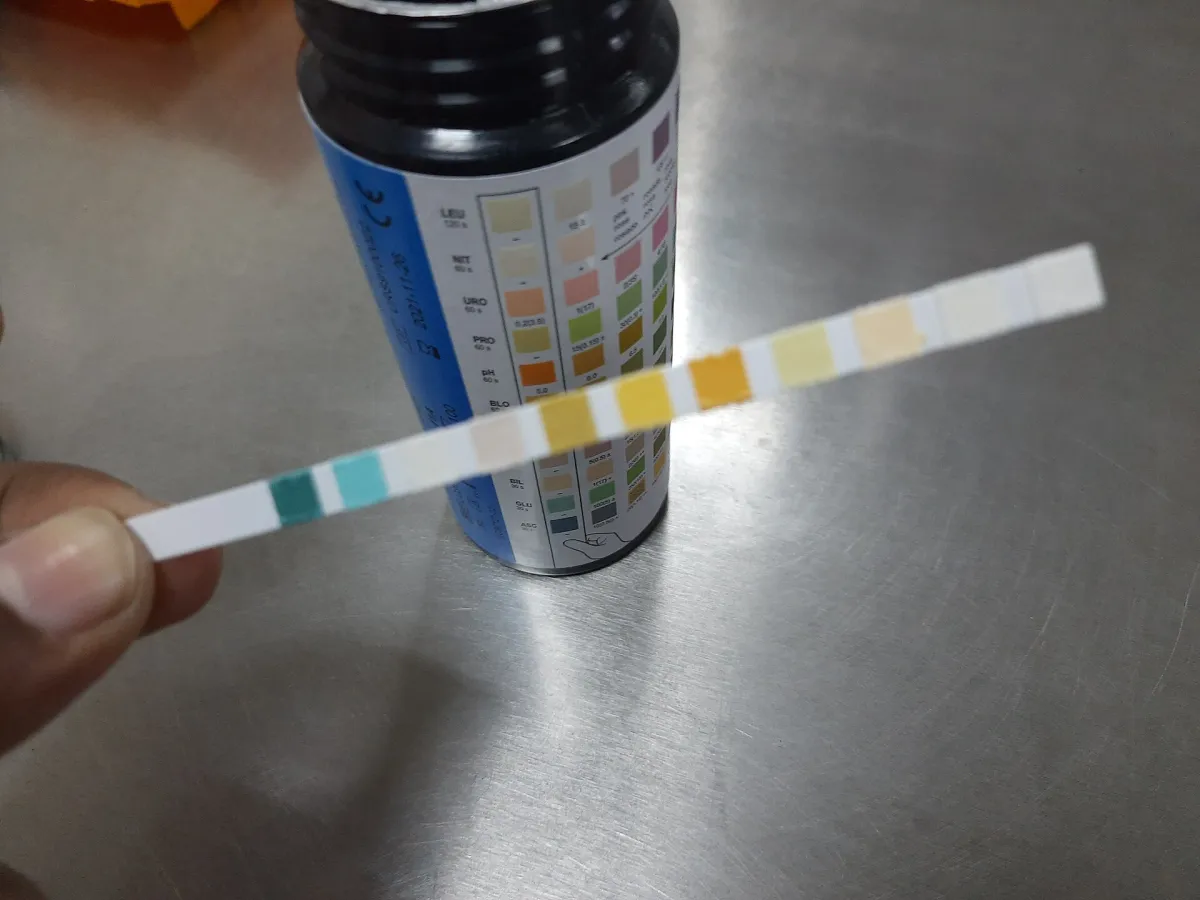
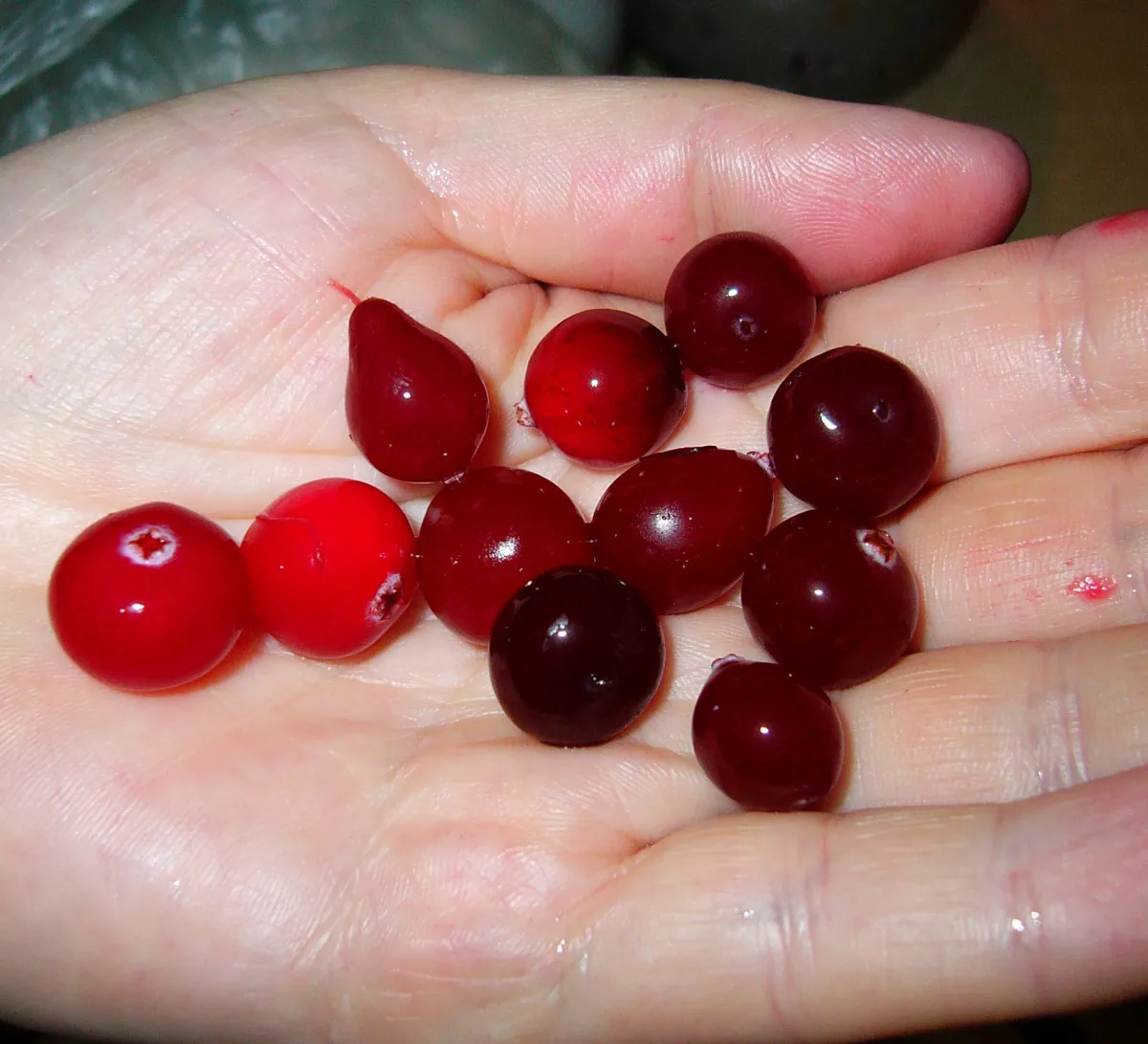
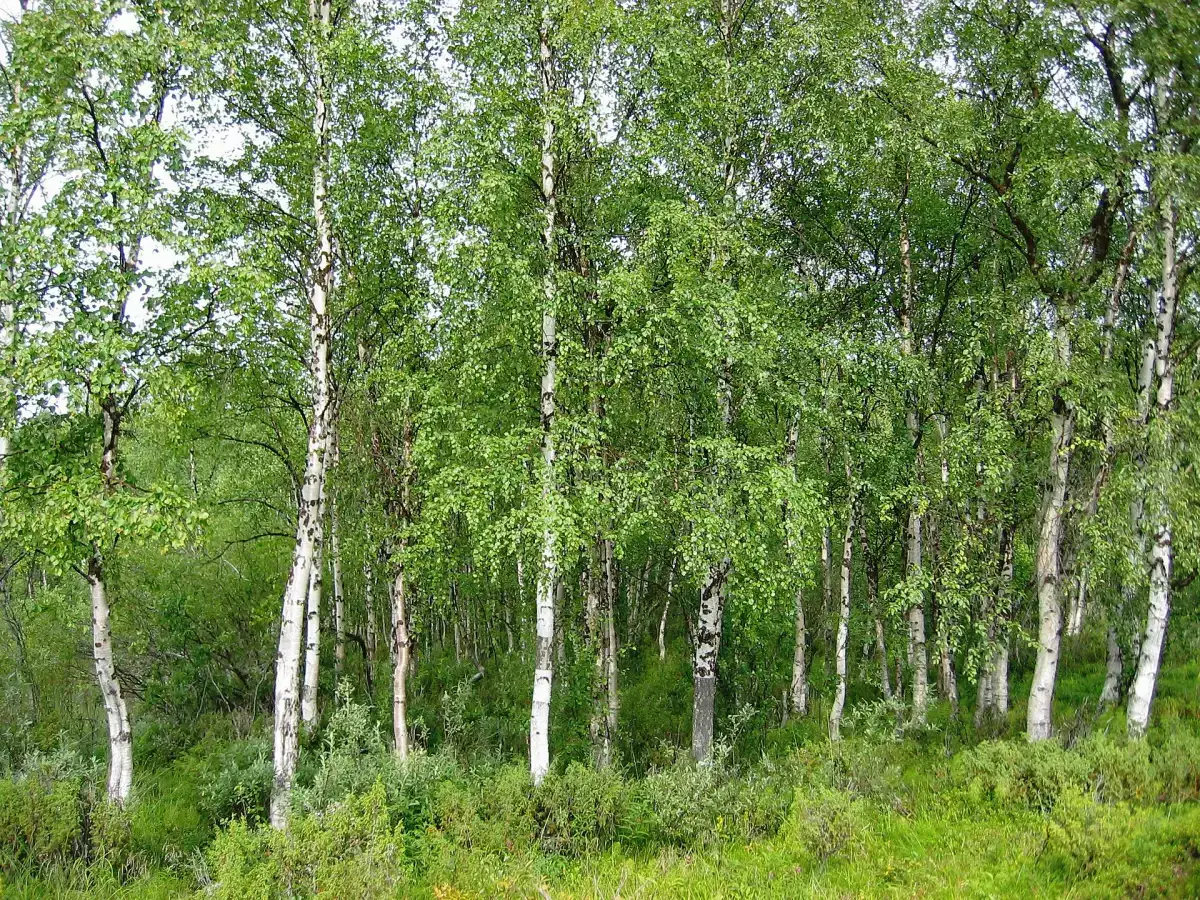
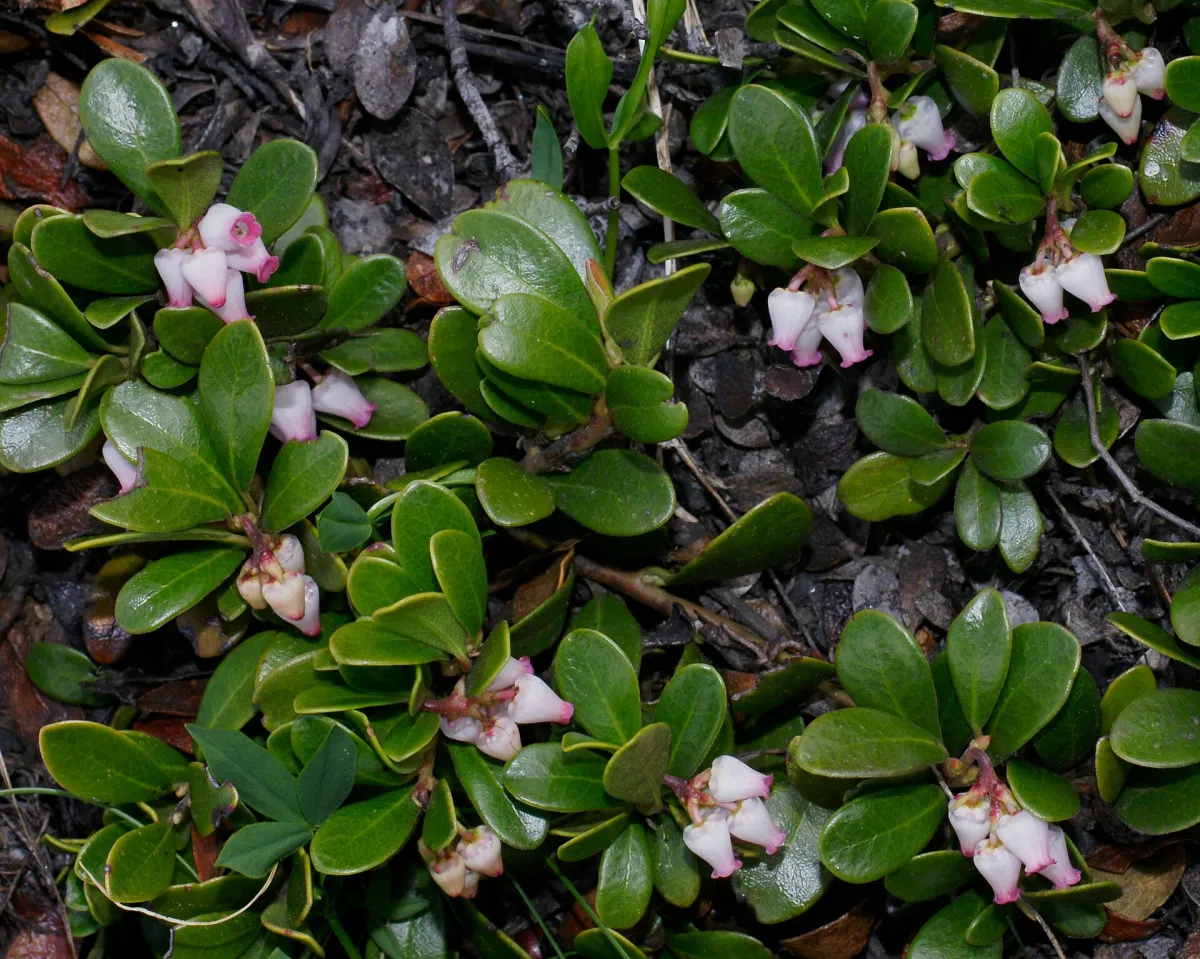
 Photo: Robert Flogaus-Faust, CC BY 4.0, via Wikimedia Commons
Bearberry or uva-ursi (Arctostaphylos uva-ursi) is a small mountain shrub whose leaves have been used for centuries as a urinary antiseptic. The European Medicines Agency (EMA) recognises the leaf as a traditional remedy for relieving symptoms of mild, recurrent lower urinary tract infections in women (burning, frequent urination), once a doctor has ruled out anything serious. It is used for one week at most, and it is not for children, pregnant women or people with kidney disease.
Key takeaways
- The main active compound is arbutin, converted in the body into antibacterial compounds that leave through the urine.
- Traditional indication (EMA): symptoms of mild cystitis in adult women, short term.
- Maximum duration: 7 days, no more than a few times a year.
- A cold macerate contains fewer tannins and is gentler on the stomach.
- Contraindicated in pregnancy, breastfeeding, kidney disease and under 18.
What bearberry is
Bearberry is a creeping evergreen shrub in the Ericaceae family (the same as blueberry and lingonberry). It has small, leathery, glossy leaves rounded at the tip, white-pink bell-shaped flowers and mealy red berries that bears love, hence the name. In Romania it grows only rarely, on rocky slopes and mountain meadows in the Carpathians, so the leaves used in herbal medicine almost always come from imports, via pharmacies and herbal shops.
Beware of look-alikes
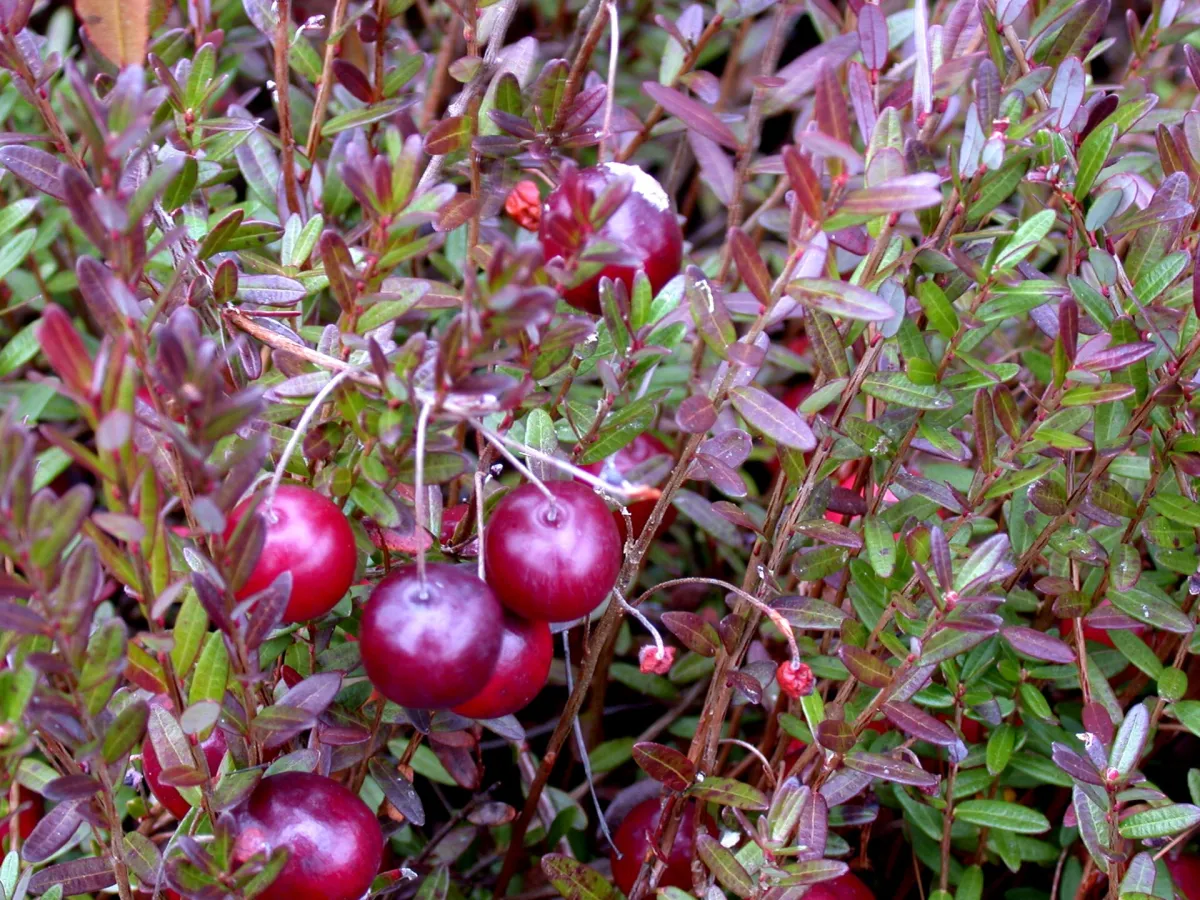
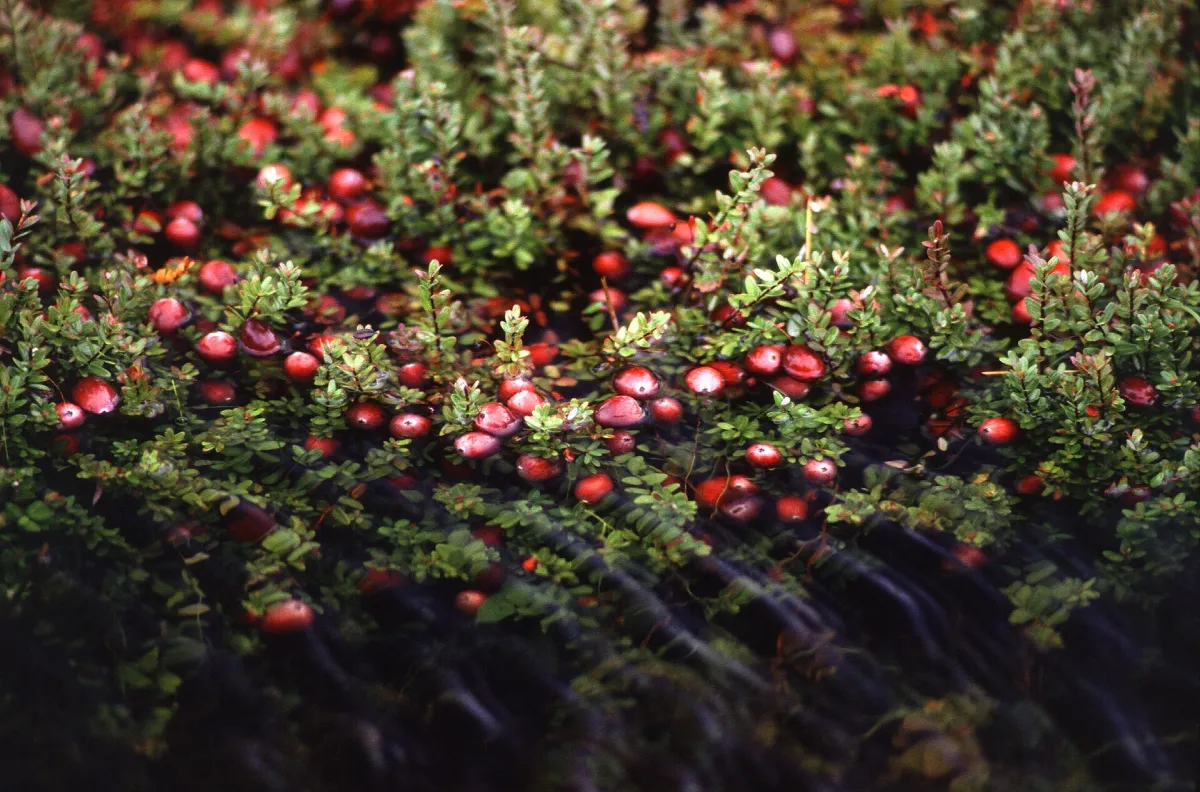
Bearberry is sometimes confused with lingonberry (Vaccinium vitis-idaea), which has similar leaves. The practical difference: lingonberry leaves have tiny dark dots on the underside, while bearberry leaves show a visible net of veins and no dots. Lingonberry also contains arbutin, but less. Do not confuse either with American cranberry (Vaccinium macrocarpon), the source of cranberry juice.
History and traditional uses
Bearberry leaves appear in European herbals from the Middle Ages, and by the 18th century they were already listed in official pharmacopoeias as a remedy for “bladder catarrh” and stones. Until antibiotics arrived, they were one of the few urinary antiseptics available, which is why many observations accumulated about their effects and about their toxicity with long-term use. Northern peoples and Native Americans smoked or consumed the leaves in blends, and in Central Europe “Bärentraube” tea remained a household remedy for cystitis.
In Romanian folk medicine, where the plant is rare, the leaves were bought from pharmacies and usually combined with corn silk and horsetail in a “bladder tea”. The pairing makes sense: bearberry provides the antiseptic effect, while the diuretic herbs increase urine volume and soothe irritation.
Composition and active compounds
- Arbutin (5-15% of the dried leaf; the European Pharmacopoeia requires at least 7%): a glycoside of hydroquinone.
- Methylarbutin, with a similar action.
- Tannins in large amounts (15-20%): they give the astringent taste and can upset the stomach.
- Flavonoids (hyperoside, quercetin), triterpenes (ursolic acid) and phenolic acids.
After you swallow it, arbutin is absorbed and converted in the liver into hydroquinone derivatives, which are excreted in the urine. In the bladder, released hydroquinone has an antibacterial effect against the usual cystitis germs. Older textbooks advised alkalinising the urine for a stronger effect; newer research suggests hydroquinone is released under other conditions too, so baking soda is not needed.
What the evidence says
- The EMA/HMPC monograph classifies bearberry leaf as a “traditional herbal medicinal product”, meaning plausible, documented use for at least 30 years, without enough modern clinical trials for a “well-established use” indication.
- A randomised clinical trial from Germany, published in 2021, compared a uva-ursi extract with the antibiotic fosfomycin in uncomplicated cystitis in women: the herbal group used fewer antibiotics overall but had somewhat more symptoms and a few cases of pyelonephritis, which shows the limits of an antibiotic-free approach.
Bottom line: bearberry can ease mild cystitis in healthy women, but it is not a reliable substitute for medical treatment and is not for “routine” use.
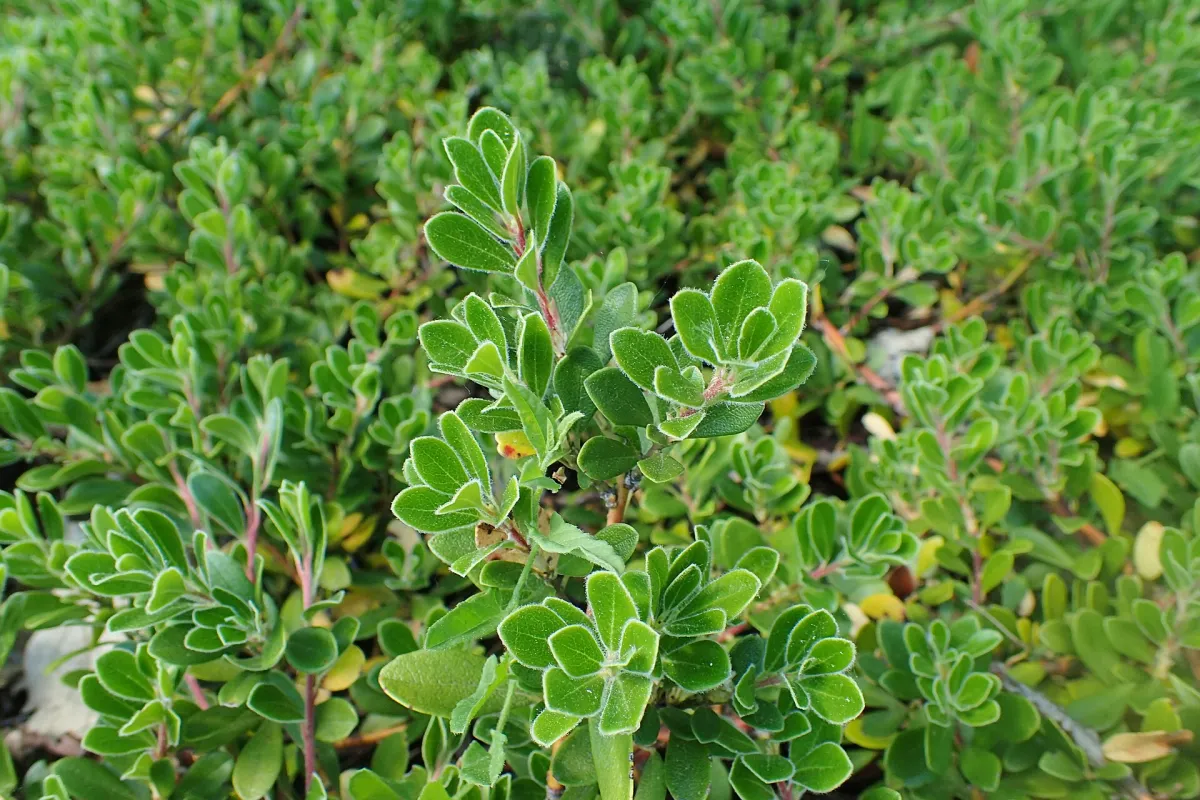 Photo: Krzysztof Ziarnek, Kenraiz, CC BY-SA 4.0, via Wikimedia Commons
How to prepare it
Cold macerate (the preferred method)
A macerate extracts arbutin well and fewer tannins, so it is gentler on the stomach.
- Put 3 g of chopped leaves (about a heaped teaspoon) into a mug.
- Pour over 150 ml of cold water at room temperature.
- Leave to steep, covered, for 6-12 hours (overnight).
- Strain, warm gently if you like (do not boil) and drink.
Infusion
- 1.5-3 g of leaves to 150 ml of boiling water.
- Cover and steep for 10-15 minutes.
- Strain and drink after a meal to reduce stomach irritation.
Dosage (adults)
| Form | Amount per dose | Frequency | Maximum duration |
|---|---|---|---|
| Cold macerate | 3 g leaves in 150 ml water | 2-3 times a day | 7 days |
| Infusion | 1.5-3 g leaves in 150 ml water | 2-4 times a day | 7 days |
| Standardised extract (tablets) | per leaflet, based on arbutin | usually 2-3 times a day | 7 days |
The total daily dose given in the European monograph corresponds to roughly 400-840 mg of hydroquinone derivatives (calculated as arbutin). Drink enough water alongside. Do not repeat the course more than a few times a year.
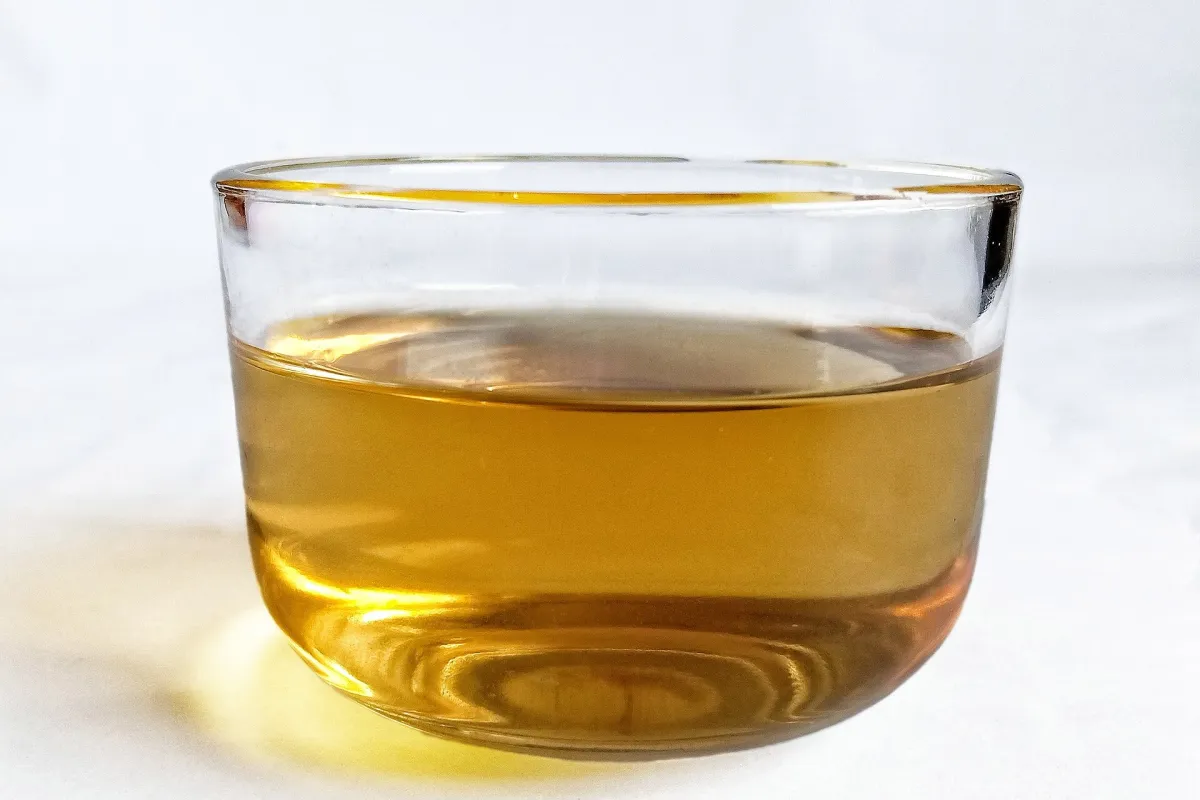
It is normal for urine to turn greenish-brown during treatment, because of hydroquinone oxidation products.
Contraindications, side effects and interactions
- Pregnancy and breastfeeding: contraindicated.
- Children and adolescents under 18: not to be used.
- Kidney disease: contraindicated.
- Sensitive stomach, gastritis, ulcers: tannins can cause nausea, vomiting and stomach pain. Take after food or use the macerate.
- Prolonged use: hydroquinone is potentially toxic with repeated exposure, hence the one-week limit.
- Interactions: do not combine with products that strongly acidify urine (high-dose vitamin C) without advice; tell your doctor about other medicines you take.
When NOT to treat yourself with bearberry
- you have fever, chills or flank pain (see pyelonephritis);
- you have blood in your urine;
- you are male (urinary infections in men are complicated);
- symptoms do not improve within 2-3 days or get worse;
- you have more than 3 episodes a year: you need investigations, not repeated courses.
For a full picture of cystitis and other remedies, see urinary tract infections. For long-term prevention, D-mannose and cranberry are better suited, as they can be taken for months.
Common mistakes
Drinking the tea for weeks “so cystitis won’t come back”. Bearberry is for short episodes, not prevention.
Boiling the leaves for a long time. You extract more tannins and irritate the stomach more.
Giving it to a child or a pregnant woman. Both are contraindicated.
Adding baking soda to every cup. It is unnecessary and can upset your body’s balance.
Picking the plant in the mountains. It is rare, easy to confuse and protected in many areas.
Conclusion
Bearberry is one of the best-documented plant-based urinary antiseptics in European tradition. Used correctly, as a cold macerate or infusion for no more than a week, it can ease the symptoms of mild cystitis in adult women. Its strength comes with clear limits: not in pregnancy, not for children, not with kidney disease, not long term and not in place of antibiotics when the infection is serious.
Frequently asked questions
How long can I drink uva-ursi tea? No more than 7 days in a row, a few times a year. If symptoms persist, see a doctor.
Why does my urine turn greenish-brown? Hydroquinone excreted in the urine oxidises and changes the colour. It is harmless and fades once you stop.
Which is better: macerate or infusion? The cold macerate is gentler on the stomach because it extracts fewer tannins. The infusion is quicker. Both are accepted by the European monograph.
Can I use bearberry in pregnancy? No. The plant is contraindicated in pregnancy and breastfeeding. Urinary infections in pregnancy must be treated by a doctor.
Does uva-ursi replace antibiotics? Not reliably. It can ease mild cystitis, but infections with fever, in men or in high-risk people need prescribed antibiotics.
Can I combine bearberry with other teas? Yes, it is traditionally combined with gentle diuretic herbs such as corn silk, which help flush urine. See the comparison in teas for kidney health.
Where can I find bearberry leaves? In pharmacies and herbal shops, as dried leaves or standardised preparations. Choose products with a declared arbutin content.
Sources and further reading
- European Medicines Agency (EMA), Committee on Herbal Medicinal Products (HMPC), community herbal monograph on Arctostaphylos uva-ursi (L.) Spreng., folium.
- ESCOP, monograph on Uvae ursi folium.
- European Pharmacopoeia, monograph on bearberry leaf (minimum arbutin content).
- Gágyor I. et al., randomised trial of uva-ursi versus fosfomycin in uncomplicated cystitis in women, Clinical Microbiology and Infection (2021).
Informational content only; it does not replace medical advice. For urinary infections with fever, pain or blood in the urine, see a doctor.