 Photo: Ajay Kumar Chaurasiya, CC BY-SA 4.0, via Wikimedia Commons
White blood cells in urine (leukocytes, called pyuria when there are many) mean there is inflammation somewhere in the urinary tract or right next to it. The most common cause is a urinary tract infection, especially when nitrites are also positive and you have burning or frequent urination, but white cells also appear in samples contaminated by vaginal discharge, after hard exercise, with kidney stones or with sexually transmitted infections. An isolated result with no symptoms does not automatically mean antibiotics: symptoms, nitrites and, when needed, a urine culture decide.
Key takeaways:
- Normal urine contains very few white blood cells, usually reported as ‘rare’ or a handful per microscope field; exact reference ranges vary between labs.
- Leukocytes plus positive nitrites plus burning or frequency strongly suggest a urinary tract infection.
- Leukocytes without nitrites or bacteria can mean a contaminated sample, germs that do not make nitrites, an STI, stones or non-infectious inflammation.
- Without symptoms, white cells or bacteria in urine are usually not treated with antibiotics, except in pregnancy and before certain urological procedures.
- Hydration, cranberry and D-mannose mainly help prevent recurrences; they do not treat an infection with fever.
- Fever, flank pain, blood in urine, pregnancy and symptoms in men or children mean seeing a doctor.
What white blood cells in urine mean
White blood cells are the body’s defence cells. When the lining of the bladder, urethra, prostate or kidney is irritated or infected, they move into the area and some end up in the urine. Doctors call this leukocyturia, or pyuria when the count is high. Leukocytes are a sign of inflammation, not a diagnosis, so they are always read together with nitrites, bacteria and your symptoms.
How they appear on your lab report
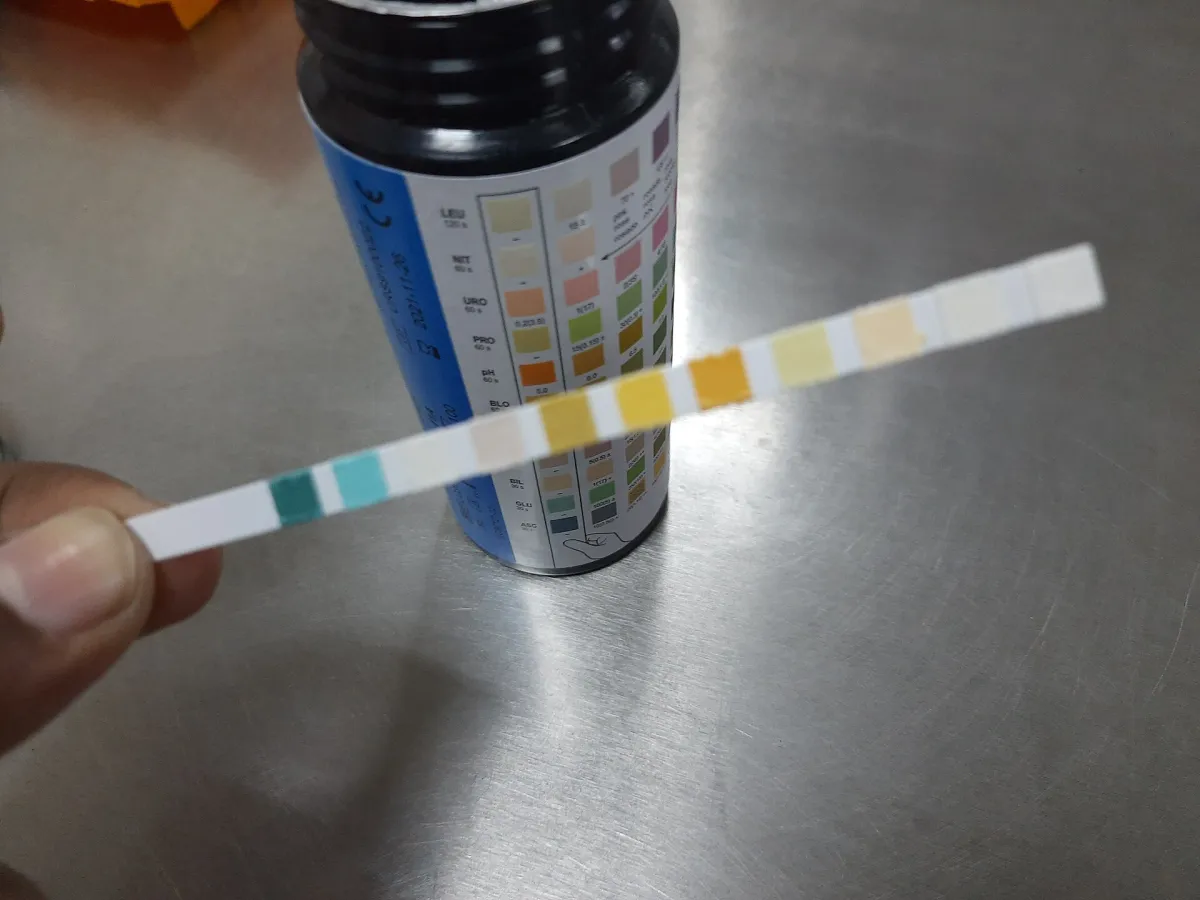
- The dipstick (urinalysis) detects an enzyme released by white cells, leukocyte esterase. The result is ’negative’, ’trace’ or graded in pluses (+, ++, +++), sometimes with an approximate value in leukocytes/µL.
- Urine microscopy (sediment) counts the cells under a microscope or with an automated analyser: ‘rare’, ‘occasional’, ‘many’, a number per high-power field or cells/µL.
As a rough guide, a few white cells per field (usually under 5) or ‘rare’ is considered normal. Always use the reference range printed on your own report, because methods and units differ. A ’trace’ or ‘+’ result with no symptoms is often meaningless, particularly in women.
Nitrites: the clue that changes everything
Many gut bacteria (E. coli, Klebsiella, Proteus) convert nitrates in urine into nitrites. Positive nitrites together with leukocytes make an infection much more likely. A negative nitrite test does not rule it out, though:
- some bacteria do not produce nitrites (enterococci, Staphylococcus saprophyticus);
- urine needs to sit in the bladder for at least 4 hours, and cystitis makes you urinate often;
- very dilute urine or high-dose vitamin C can cause false negatives.
The other lines matter too: many squamous epithelial cells usually mean a contaminated sample, red blood cells can accompany cystitis but also stones, and persistent protein needs a kidney check.
Causes of white blood cells in urine
Urinary tract infections
Cystitis is by far the most common cause in women: burning when you pee, an urgent and frequent need to go, pain above the pubic bone, sometimes cloudy or strong-smelling urine. Pyelonephritis (kidney infection) adds fever, chills and flank pain. In men, white cells may also come from prostatitis or urethritis.
A contaminated sample
This is the ordinary explanation for many ‘slightly raised’ results: no cleansing beforehand, the first stream collected, a non-sterile pot, a sample left for hours in the warmth or taken during a period. The culture typically reports ‘mixed growth’. The fix is a properly repeated test, not antibiotics.
Sterile pyuria
Sometimes white cells are present but the culture grows nothing. Possible causes:
- antibiotics taken before the sample or a recently treated infection;
- sexually transmitted infections: chlamydia, gonorrhoea, Mycoplasma, Trichomonas;
- vaginitis and prostatitis;
- kidney or ureteral stones;
- medicines that can inflame the kidney (interstitial nephritis), such as some anti-inflammatories, proton pump inhibitors or antibiotics;
- a urinary catheter, interstitial cystitis;
- urinary tuberculosis, rare but worth considering when pyuria persists for months;
- small, temporary rises after intense exercise, fever or dehydration;
- less often, urinary tract tumours or nearby inflammation such as appendicitis.
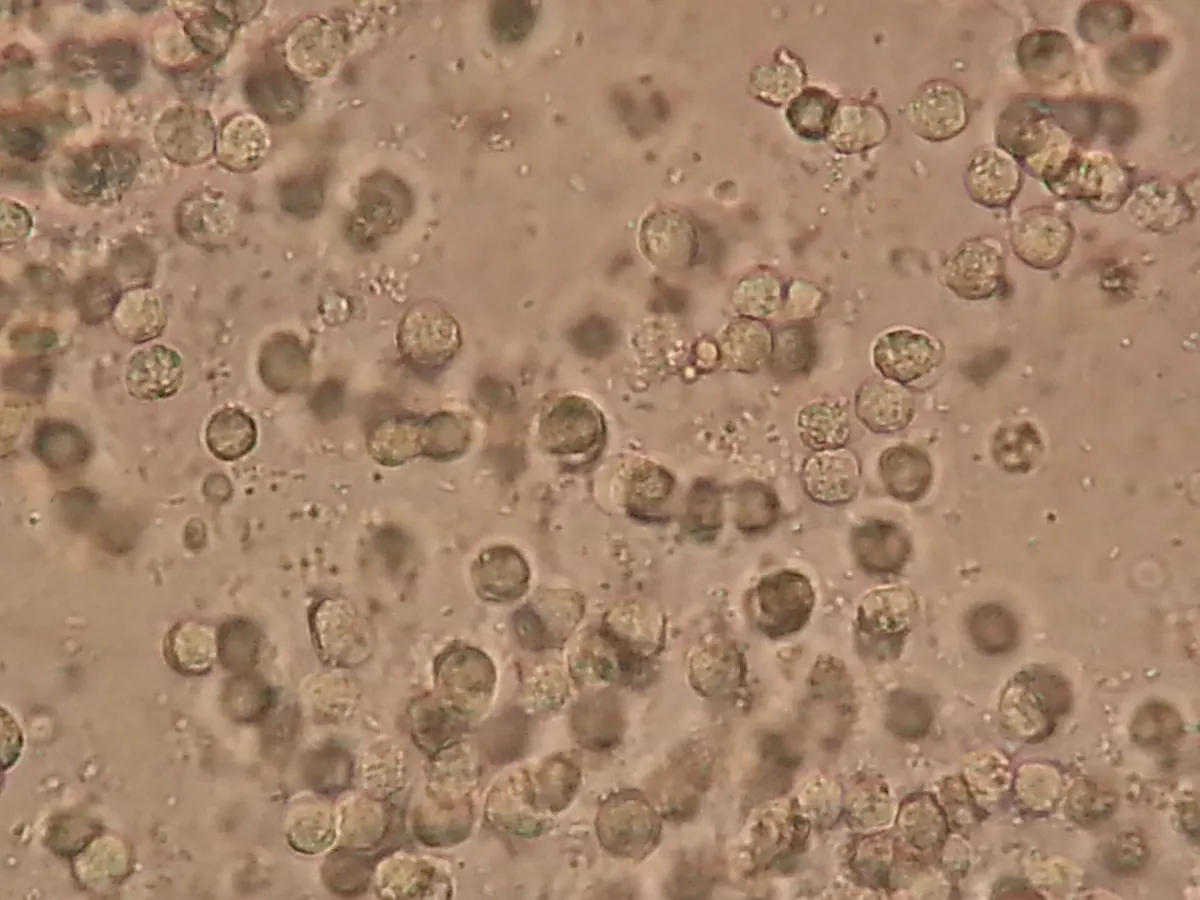 Photo: Ajay Kumar Chaurasiya, CC BY-SA 4.0, via Wikimedia Commons
How to read your result: a practical table
| Leukocytes | Nitrites | Symptoms | What it may mean | What to do |
|---|---|---|---|---|
| Negative or rare | Negative | None | Normal | Nothing |
| Trace or + | Negative | None | Contamination, exercise, dehydration | Repeat properly only if your doctor asks |
| + to +++ | Positive | Burning, frequency | Cystitis very likely | See your GP, usually antibiotics |
| + to +++ | Negative | Burning, frequency | Non-nitrite germs, urethritis, vaginitis | Doctor, urine culture, possibly STI testing |
| Any | Any | Fever, flank pain | Possible kidney infection | Same-day medical care |
| Persistent | Negative | None, on 2 clean samples | Sterile pyuria | Culture, ultrasound, further tests |
| Positive with bacteria | Positive | None | Asymptomatic bacteriuria | Usually no antibiotics; pregnancy is the exception |
Asymptomatic bacteriuria is common in older adults, people with diabetes and those with catheters. European guidelines advise against treating it, because antibiotics bring no benefit and drive resistance.
How to collect a clean urine sample
- Use the first morning urine, or wait at least 4 hours since you last urinated.
- Do not drink large amounts of water beforehand, so the sample is not diluted.
- Wash your hands, then the genital area with plain soap and water, no antiseptics, and rinse well.
- Women spread the labia and wipe front to back; men pull back the foreskin.
- Pass the first stream into the toilet, then catch the midstream in the sterile pot without touching the inside.
- Get it to the lab within 2 hours; if you cannot, keep it in the fridge and ask the lab how long they accept it.
- During your period, postpone a non-urgent test or use a tampon and tell the lab.
When you need a urine culture and antibiotics
A urine culture identifies the bacterium and, through sensitivity testing, which antibiotics will work. For a young woman who is not pregnant and has typical symptoms of simple cystitis, a doctor may prescribe without a culture. A culture is recommended when:
- you are a man, or the patient is a child;
- you are pregnant;
- you have fever, chills or flank pain;
- infections keep coming back: at least 2 in 6 months or 3 in a year;
- symptoms do not clear with treatment or return within weeks;
- you have diabetes, a weakened immune system, a catheter or recent antibiotic use.
The sample must be taken before the first antibiotic dose. Your doctor chooses the drug, dose and duration; leftover pills from past courses may be wrong for your bacteria and fuel resistance.
What you can do naturally
Natural measures support the bladder, lower the risk of recurrence and make a mild cystitis more bearable. They do not ‘clean’ white cells out of a test result and they do not treat an infection with fever.
Hydration, the foundation
A randomised trial published in JAMA Internal Medicine in 2018, in women with recurrent cystitis who drank little, found that adding 1.5 litres of water a day clearly reduced the number of episodes. In practice:
- aim for 1.5-2 litres of fluid a day, spread out;
- your urine should be pale straw-coloured;
- in the first days of cystitis, a 250 ml glass every 1-2 hours while awake helps flush the bladder;
- with heart or kidney failure, your doctor sets the fluid limit.
Cranberry
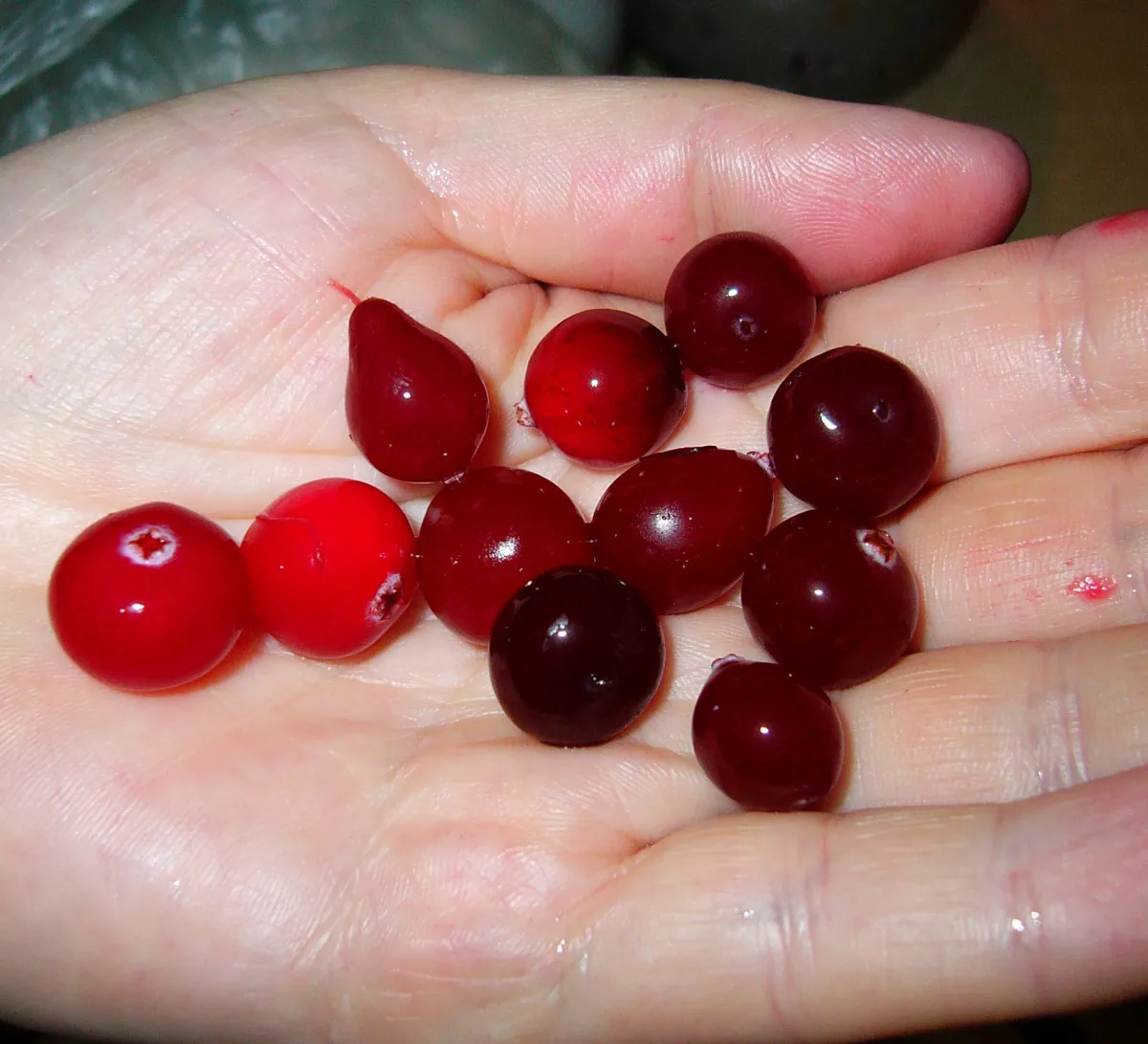
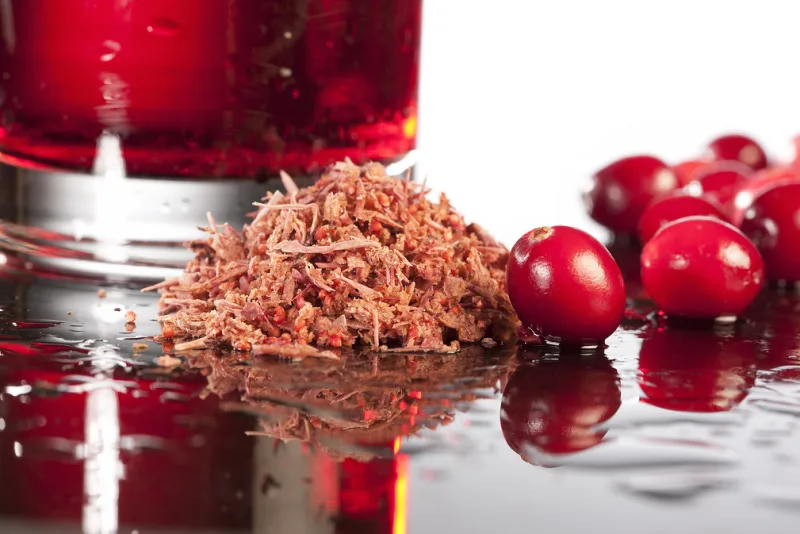
The 2023 Cochrane review concluded that cranberry products reduce the risk of symptomatic UTIs in women with recurrent infections, in children and in people susceptible after some medical procedures. The benefit is unclear in older adults in care homes, in pregnancy and in people with bladder-emptying problems. Its proanthocyanidins stop bacteria sticking to the bladder wall, so the effect is preventive.
Choose capsules that state their proanthocyanidin content (many studies used around 36 mg a day) or 200-250 ml of unsweetened juice once or twice daily. For the herbal option, see cranberry tea.
D-mannose
D-mannose stops E. coli latching onto the bladder lining. It is used for prevention: 2 g dissolved in 200 ml of water in the evening. The evidence is mixed, with small positive studies and a large 2024 UK trial showing no difference from placebo. More in our D-mannose guide.
Herbal teas that flush the urinary tract
European Medicines Agency monographs recognise the traditional use of herbs such as goldenrod, birch leaf and nettle to increase urine flow as an adjunct in minor urinary complaints. Goldenrod tea:
- Put 3-5 g of dried herb (about 1-2 tablespoons) in a mug.
- Pour over 250 ml of boiling water and cover.
- Steep for 10-15 minutes, then strain.
- Drink 2-4 cups a day between meals, for no more than 2-4 weeks.
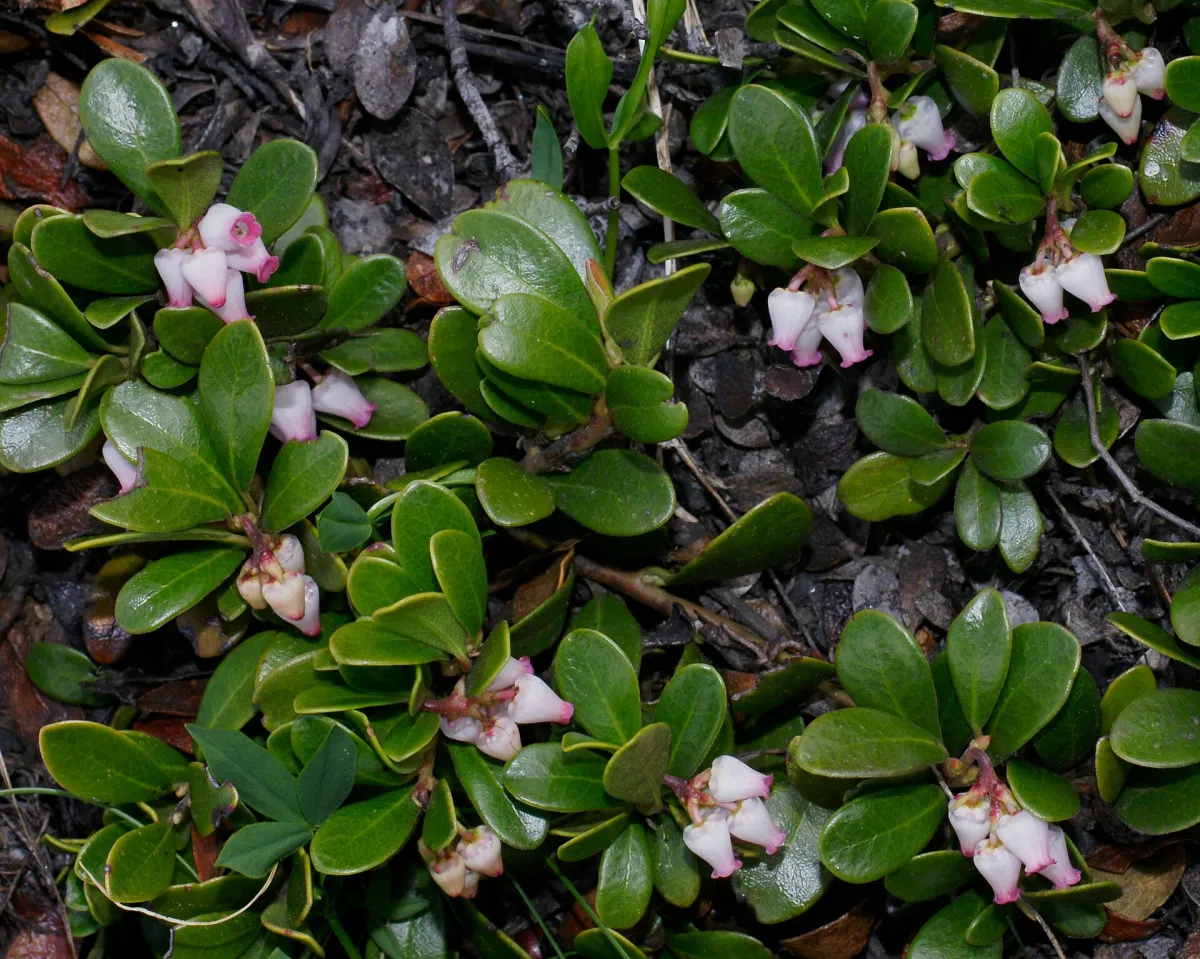
Uva-ursi (bearberry) has a long tradition in cystitis, but only for adults, for a maximum of one week and a few times a year, because of its hydroquinone content.
 Photo: Photo by Keith Weller, Public domain, via Wikimedia Commons
Natural options compared
| Option | Role | How to use | Evidence | Caution |
|---|---|---|---|---|
| Water | Dilutes urine, more frequent voiding | 1.5-2 L/day, spread out | Positive randomised trial | Limit in heart and kidney disease |
| Cranberry | Blocks bacterial adhesion | Standardised capsules or 200-250 ml unsweetened juice/day | Cochrane 2023: fewer recurrences | Warfarin, stones, sugar |
| D-mannose | Blocks E. coli | 2 g in the evening, in 200 ml water | Mixed | Only for E. coli |
| Goldenrod, birch, nettle | Increase urine volume | 2-4 cups/day, max 2-4 weeks | Traditional use (EMA) | Cardiac or renal oedema, allergies |
| Uva-ursi | Traditional urinary antiseptic | Adults only, max 7 days | Traditional use (EMA) | Pregnancy, children, kidney disease |
Habits that make a difference
- pee after sex and do not hold on for long;
- wipe front to back;
- avoid spermicides and vaginal douching, which disturb protective flora;
- treat constipation;
- after menopause, ask your gynaecologist about local vaginal oestrogen, one of the best-documented prevention methods.
For a full plan, read our article on recurrent cystitis.
Contraindications and interactions
- Cranberry: possible interaction with warfarin (check your INR); concentrated extracts may raise oxalate in stone formers; sweetened juice is a poor choice with diabetes.
- D-mannose: bloating and loose stools at high doses; people with diabetes should check blood sugar at first.
- Diuretic teas: avoid with oedema from heart or kidney failure; goldenrod can trigger allergy in people sensitive to the daisy family (chamomile, ragweed); take care if you use diuretics or lithium.
- Uva-ursi: not in pregnancy, breastfeeding, under 18 or with kidney disease.
- Pregnancy: discuss any white cells in urine with your doctor; do not start herbs or supplements on your own.
When to see a doctor
Get same-day care or go to A&E if:
- you have a fever above 38°C, chills, flank pain, nausea or vomiting (possible pyelonephritis);
- you see blood in your urine;
- you are pregnant, you are a man, or the patient is a child;
- an older person suddenly becomes confused, weak or falls;
- you have diabetes, low immunity or a catheter.
Book a GP appointment if symptoms do not improve within 48 hours, come back after treatment, or if white cells persist on two properly collected samples even without symptoms.
Common mistakes
Taking antibiotics just because the report shows leukocytes. Without symptoms, it is usually unnecessary.
Rushed sample collection. First-stream urine without cleansing leads to false results and pointless repeat tests.
Doing the culture after starting antibiotics. It may come back negative even though the infection was real.
Using cranberry juice as treatment. It is prevention, not a substitute for antibiotics in a confirmed infection.
Overdoing water. Beyond your needs it adds nothing and can be risky with heart or kidney disease.
Forgetting the partner. If white cells come from an STI, both partners need treatment.
Conclusion
White blood cells in urine are a sign of inflammation, not a diagnosis. Read together with nitrites, symptoms and, when needed, a urine culture, they show whether you are dealing with an infection, a contaminated sample or another cause worth investigating. Hydration, cranberry, D-mannose and gentle diuretic teas help with prevention and comfort, but fever, flank pain and pregnancy call for a doctor.
Frequently asked questions
What is a normal level of white blood cells in urine? Usually ‘rare’ or a few per microscope field, and ’negative’ on the dipstick. The exact range varies between labs, so go by the one printed on your report.
Can you have white blood cells in urine without an infection? Yes. A contaminated sample, intense exercise, kidney stones, some medicines, vaginitis or sexually transmitted infections can raise white cells while the culture finds no bacteria.
Leukocytes positive but nitrites negative: do I have a UTI? Possibly. Some germs do not produce nitrites, and in cystitis urine stays in the bladder too briefly for the test to turn positive. Symptoms and a culture decide.
Are white blood cells in urine dangerous in pregnancy? Not necessarily, but in pregnancy even bacteria without symptoms are treated because they raise the risk of kidney infection. Your doctor will usually order a culture.
Can I lower white blood cells in urine naturally? After a mild cystitis, hydration and time can help, and cranberry or D-mannose lower the risk of recurrence. Persistent white cells need an explanation, not just a way to bring the number down.
Do I need a repeat test after treatment? For simple cystitis that has resolved, usually not. In pregnancy, in men, in children, after a kidney infection or if symptoms persist, your doctor may request a follow-up culture.
Can cranberry tea replace antibiotics? No. Cranberry is preventive; a confirmed infection, especially with fever, is treated as your doctor advises.
Sources and further reading
- European Association of Urology (EAU), Guidelines on Urological Infections, current edition.
- NICE guidelines NG109 (Urinary tract infection, lower: antimicrobial prescribing) and NG112 (Urinary tract infection, recurrent).
- Williams G. et al., ‘Cranberries for preventing urinary tract infections’, Cochrane Database of Systematic Reviews, 2023.
- Hooton T.M. et al., trial of increased daily water intake in women with recurrent cystitis, JAMA Internal Medicine, 2018.
- EMA/HMPC, community herbal monographs on Solidaginis virgaureae herba and Uvae ursi folium.
- NHS, ‘Urinary tract infections (UTIs)’.
This content is for information only and does not replace a consultation with a doctor or pharmacist. Urinary infections with fever, pain or blood in the urine need medical assessment.