 Photo: Jean-Jacques Houdré, CC BY-SA 2.0 fr, via Wikimedia Commons
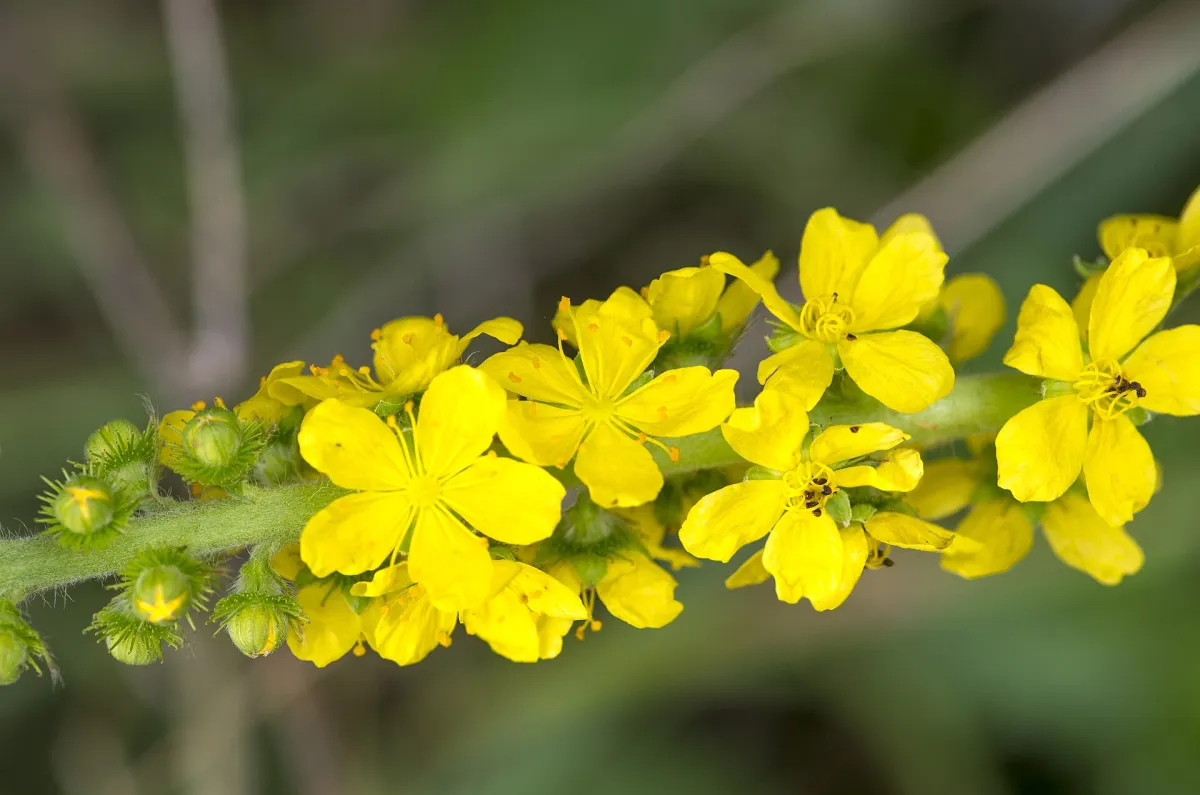
Agrimony (Agrimonia eupatoria), called turiță-mare in Romanian and “church steeples” in old English folk names, is a plant with long spikes of yellow flowers used as a gentle astringent: for mild diarrhoea, as a gargle for throat and mouth inflammation and in compresses for irritated skin and superficial wounds. The European Medicines Agency (EMA) recognises it as a traditional herbal medicine for all three uses. It is taken as an infusion, 1-2 teaspoons per cup, 2-3 times a day, or used as a stronger infusion for gargling.
It is one of the safest and most versatile plants in Romania’s flora, and its reputation as the “singers’ and speakers’ herb” comes precisely from its effect on a hoarse throat. Below is everything you need to know.
Key takeaways
- The flowering tops are used, gathered in June-August.
- It contains 4-10% tannins (mainly agrimoniin, an ellagitannin), flavonoids, triterpenes and silicic acid.
- EMA, as traditional use: mild diarrhoea, minor inflammation of the mouth and throat, minor skin inflammation and superficial wounds.
- Usual internal dose: 2-4 g (1-2 teaspoons) per cup, 2-3 times a day; for gargling, double.
- Watch the interaction with iron and a sensitive stomach; use short term.
What agrimony is and how to recognise it
Agrimony is a perennial in the rose family (Rosaceae), 30-100 cm tall, with upright, hairy stems. The leaves are pinnate, with large toothed leaflets alternating with very small ones, slightly hairy and aromatic when rubbed. The small, five-petalled yellow flowers sit on a long, slender spike that opens gradually from the bottom up. After flowering, small conical fruits form with hooks that cling to clothes and animal fur.
It grows on dry meadows, roadsides, woodland edges and sunny slopes from lowlands to hills, and is common throughout Romania and Europe.
Beware of name confusion
In Romanian, the folk name “turiță” is also used for cleavers (Galium aparine), a clinging plant with whorled leaves that sticks to clothes, related to lady’s bedstraw. They are completely different plants. When buying, check the Latin name: Agrimonia eupatoria (or Agrimonia procera, a related species used the same way).
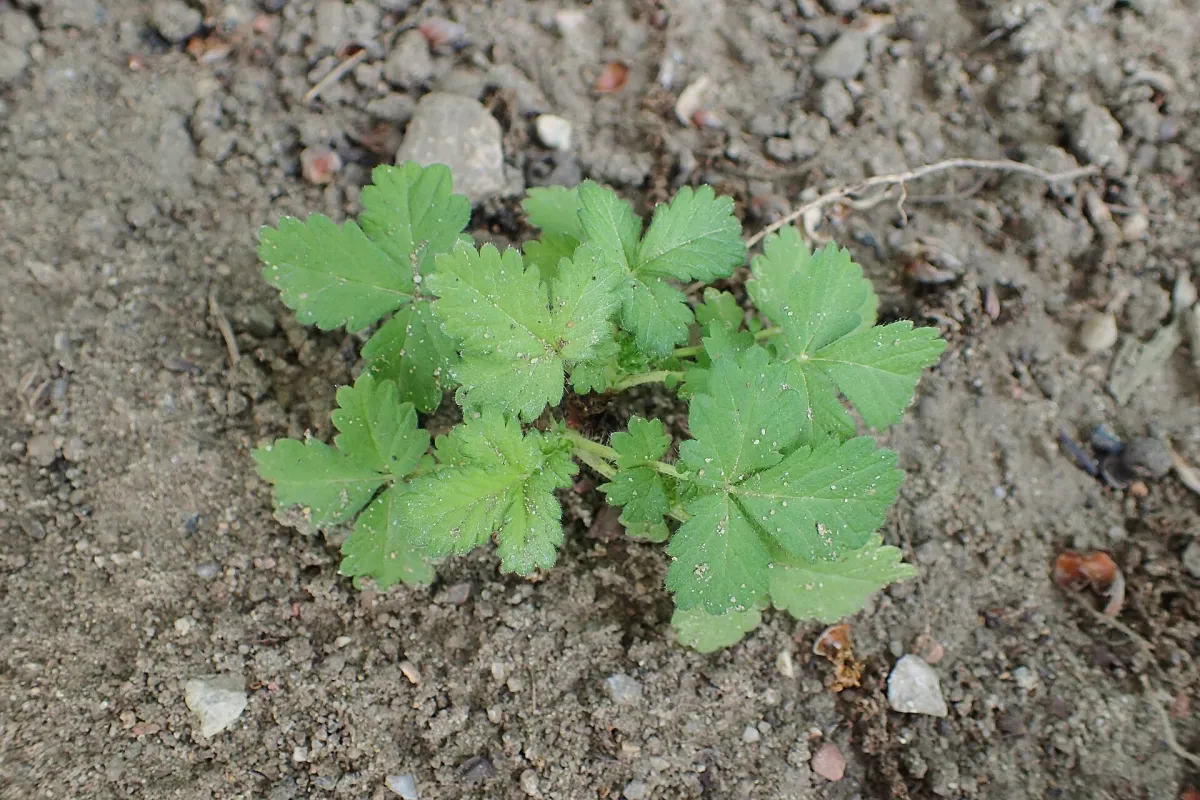 Photo: Krzysztof Ziarnek, Kenraiz, CC BY-SA 4.0, via Wikimedia Commons
Harvesting and drying
Cut the flowering stem tops, roughly the upper third of the plant, at the start of flowering. Dry in the shade in small bunches or a thin layer. The dried herb has a pleasant, slightly aromatic, apricot-like scent and a bitter, astringent taste.
Composition and active compounds
- Tannins (4-10%), especially agrimoniin: responsible for the astringent effect that tightens mucous membranes and forms a protective layer.
- Flavonoids (luteolin, apigenin, quercetin, kaempferol and their glycosides): antioxidant and anti-inflammatory.
- Triterpenes (ursolic and euscaphic acid): anti-inflammatory in the lab.
- Silicic acid, traces of volatile oil (giving the aroma), phenolic acids.
Benefits: what tradition says and what studies show
Sore throat, hoarseness, gums and mouth ulcers
This is the use that made it famous. Gargling with agrimony infusion tightens the inflamed lining and eases the scratchy feeling and hoarseness, which is why singers and priests used it after vocal strain. The EMA monograph includes it as a traditional use for symptomatic relief of minor inflammations of the mouth and throat. For bleeding gums and mouth ulcers, use it as a mouthwash. See also our articles on sore throat, gingivitis and mouth ulcers.
Mild diarrhoea
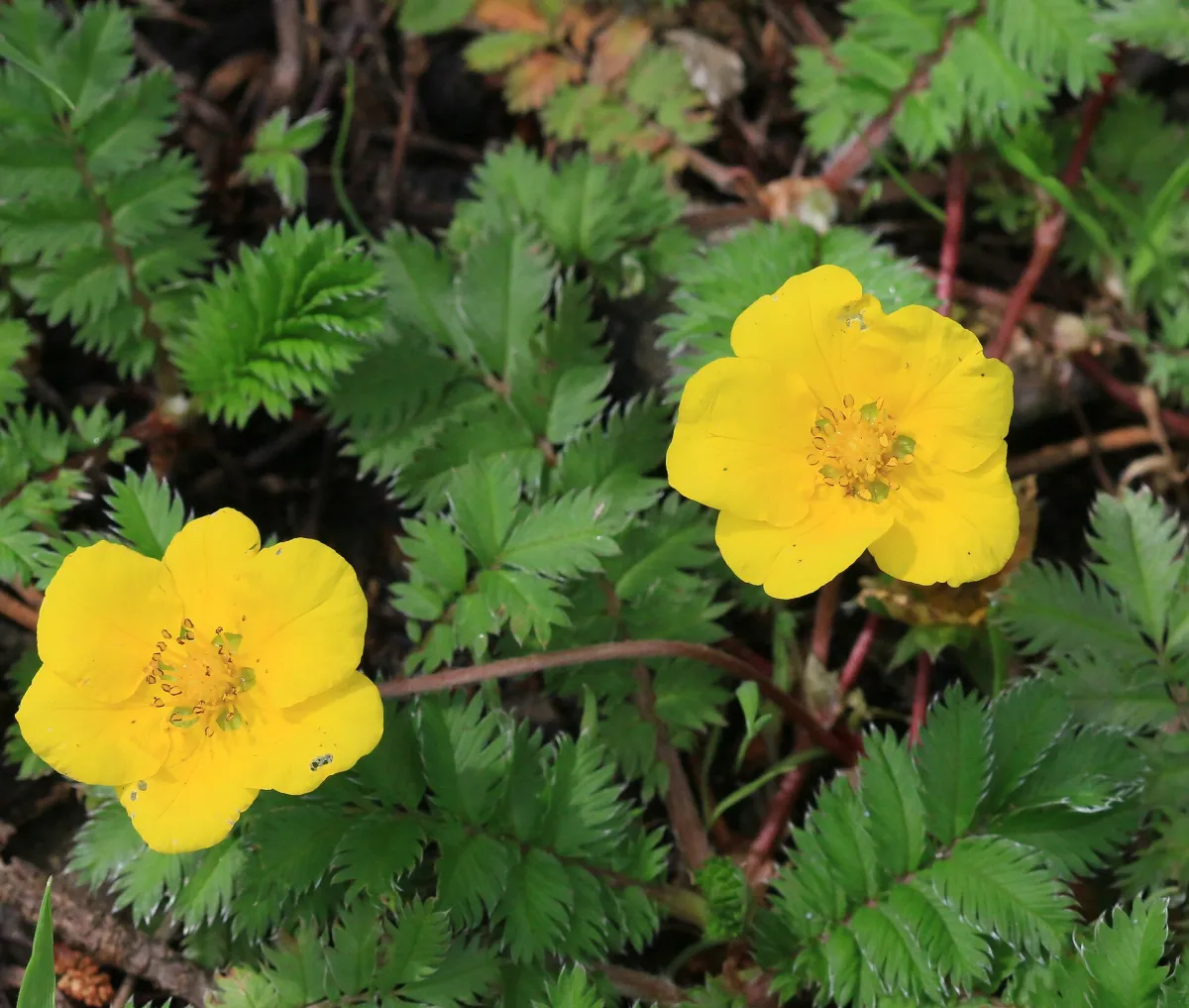
Tannins bind to proteins in the gut lining, reduce fluid secretion and calm irritation. The EMA recognises traditional use for mild, non-specific diarrhoea in adults. Agrimony is gentler on the stomach than many other astringent herbs, including silverweed. For rehydration and warning signs, read our article on diarrhea.
Skin: irritation, minor wounds, weeping eczema
Agrimony compresses and baths dry and soothe irritated skin, and the tannins help form a protective crust on scratches and superficial wounds. This is the third traditional use recognised by the EMA.
Liver, bile and “yellow eyes”
In Romanian folk medicine and in Maria Treben’s books, agrimony was a herb “for the liver and spleen”. Animal studies have observed antioxidant and liver-protective effects of extracts, but there is no human evidence. For liver support there are much better-studied herbs, such as milk thistle.
Blood sugar
Some animal studies have shown a blood-sugar-lowering effect. There are not enough clinical data; it is not used as a diabetes treatment.
How to prepare agrimony
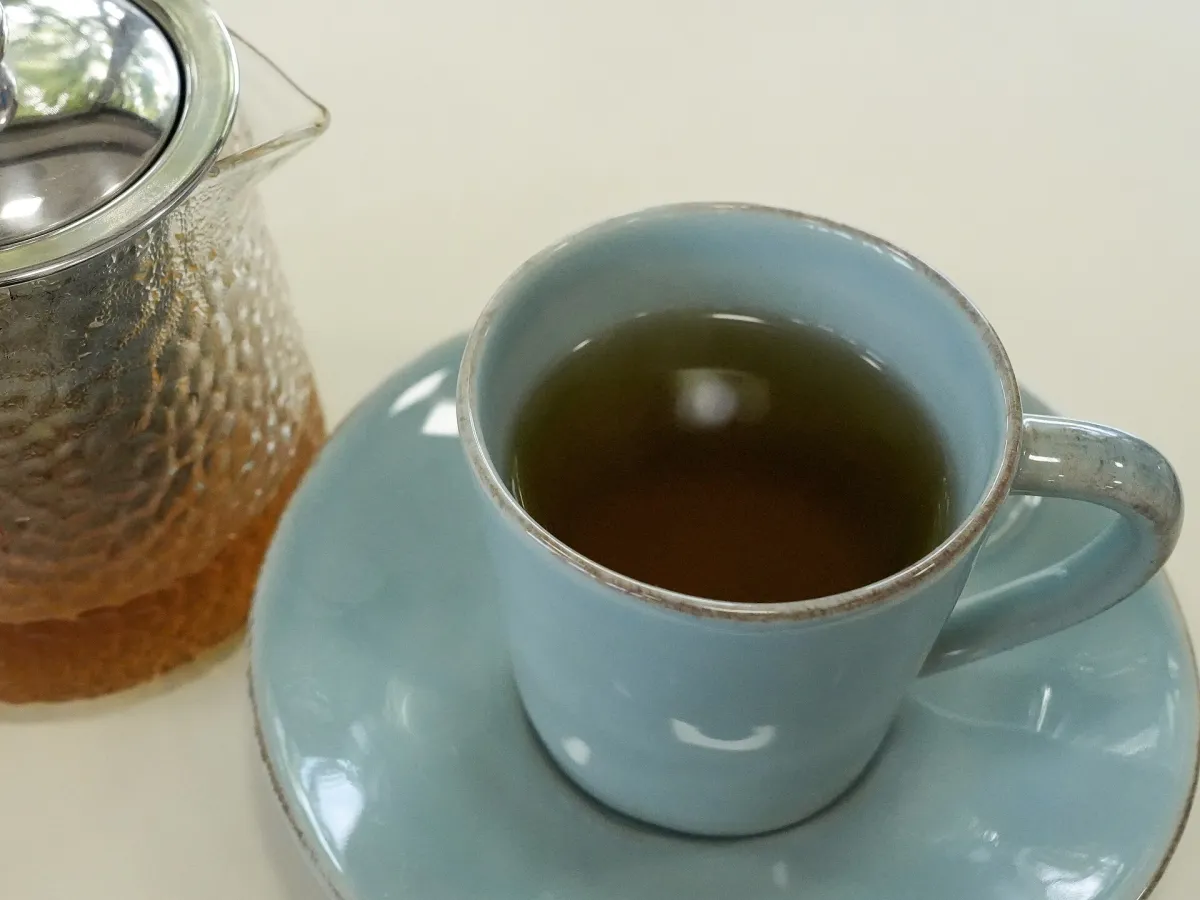
Infusion for internal use
- Put 1-2 teaspoons (2-4 g) of dried herb into a cup.
- Pour over 250 ml of boiling water.
- Cover and steep for 10 minutes.
- Strain and drink warm, between meals.
Drink 2-3 cups a day. For diarrhoea, no more than 3-4 days; if it does not improve, see a doctor.
The “singer’s gargle”
- Put 2 tablespoons (about 5-6 g) of herb into 250 ml of boiling water.
- Cover for 15 minutes, then strain.
- Use it lukewarm to gargle or rinse the mouth 3-5 times a day, without swallowing.
A teaspoon of honey stirred in (once cooled below 40°C) makes the gargle more pleasant and also soothes the throat.
Compress and local bath
For skin: an infusion of 2 tablespoons per 250 ml, cooled, on clean gauze for 15-20 minutes, 2-3 times a day. For a foot bath or sitz bath: 50 g of herb per litre of water, simmered for 5 minutes, then diluted in the bath water.
Useful combinations
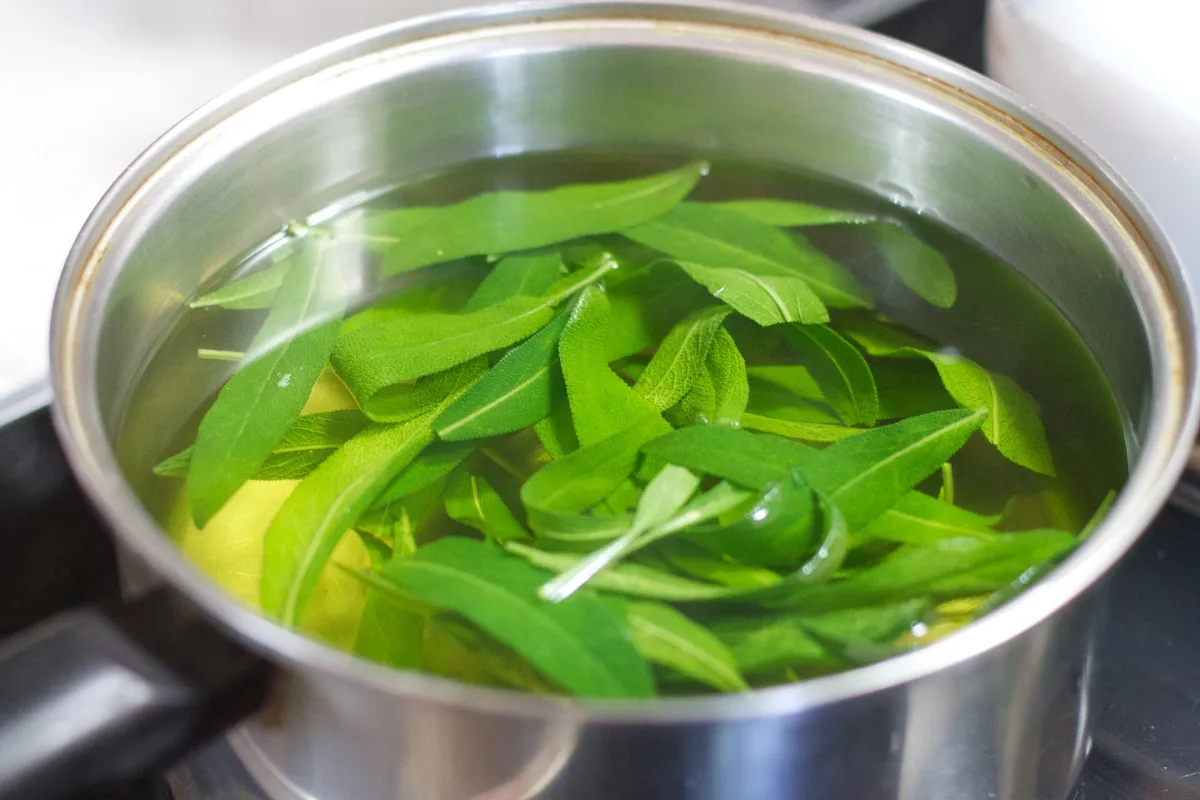
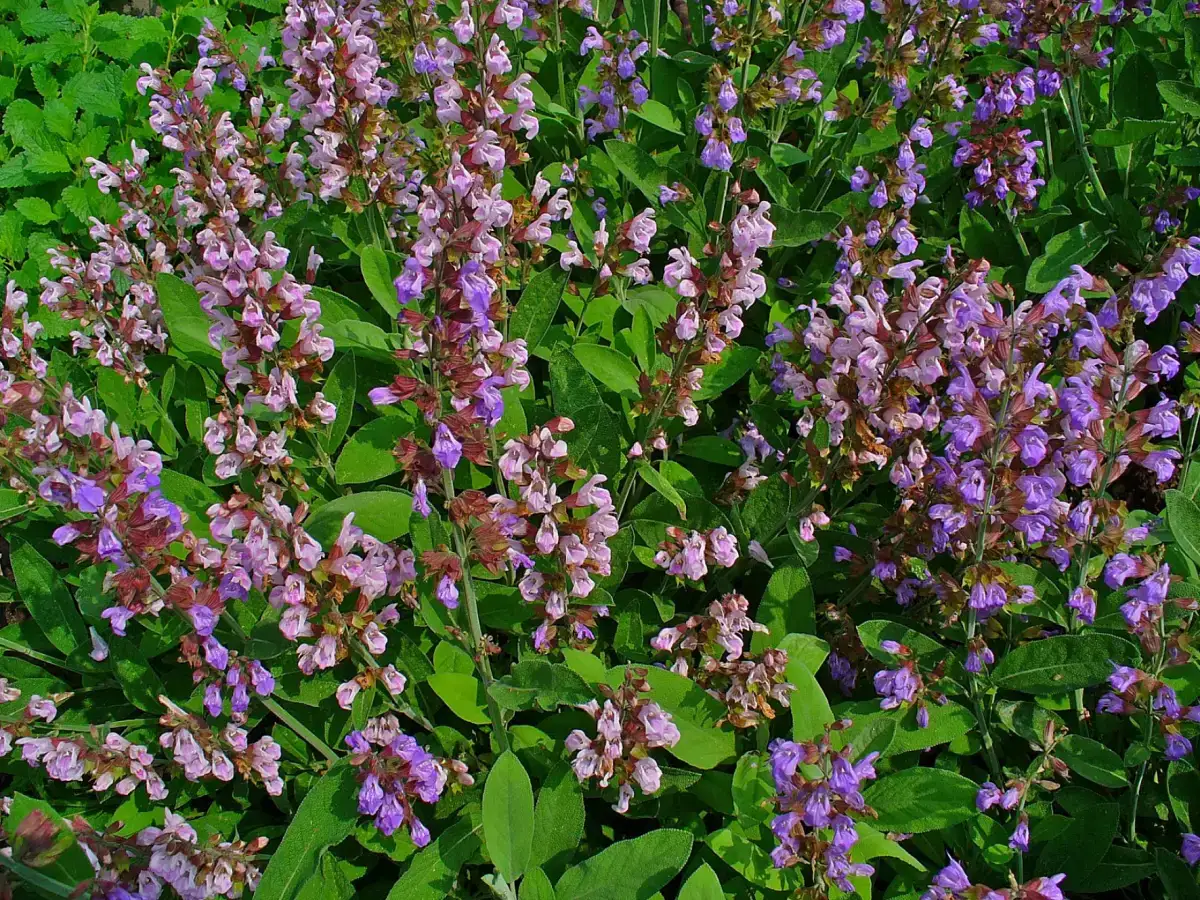
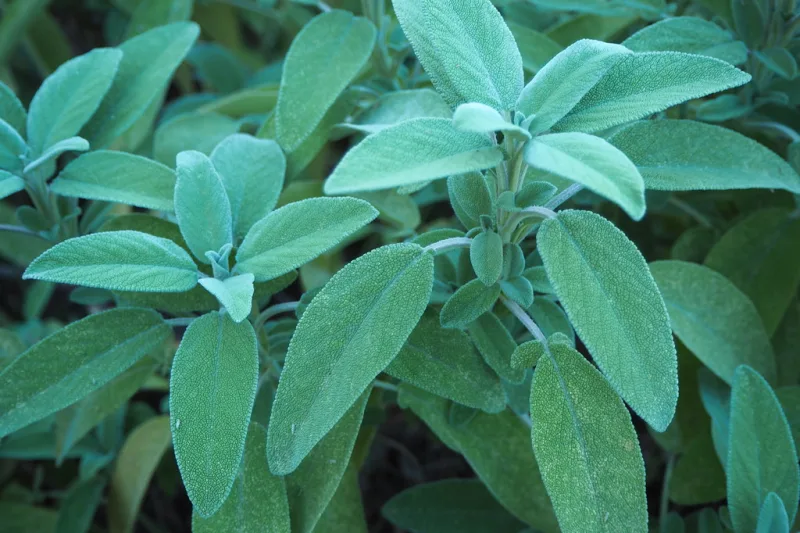
- Agrimony + sage: a gargle for throat and gums.
- Agrimony + chamomile: a tea for an irritated stomach and mild diarrhoea.
Dosage guide
| Use | Preparation | Dose | Duration |
|---|---|---|---|
| Mild diarrhoea (adults) | infusion 2-4 g per 250 ml, 10 min | 2-3 cups/day | max 3-4 days |
| Throat, hoarseness, gums | infusion 5-6 g per 250 ml, 15 min | gargle 3-5 times/day | max one week |
| Irritated skin, minor wounds | infusion 2 tbsp per 250 ml | compresses 2-3 times/day | max one week |
| Local bath | 50 g per 1 l, simmered 5 min | once a day | a few days |
Daily intake for internal use should not exceed 6-8 g of herb.
Contraindications and precautions
- Iron, medicines, supplements: tannins reduce the absorption of iron and some drugs; keep 1-2 hours apart.
- Constipation: the astringent effect can make it worse.
- Sensitive stomach: usually well tolerated, but some people get nausea; drink after meals.
- Pregnancy and breastfeeding: insufficient data; internal use is not recommended without a doctor. Gargling (without swallowing) is considered acceptable by many authors, but ask your doctor.
- Children under 12: internal use only with medical advice; diarrhoea in children calls for rehydration first.
- Long-term medication (anticoagulants, diabetes drugs, heart medication): interaction data are scarce; tell your doctor if you plan to use the herb for more than a few days.
When to see a doctor
- Severe sore throat with high fever, difficulty swallowing or breathing, or being unable to open your mouth.
- Hoarseness lasting more than 3 weeks, especially in smokers.
- Mouth ulcers that do not heal within 2 weeks or keep coming back.
- Bloody diarrhoea, fever, dehydration or diarrhoea lasting more than 3 days.
- Deep or dirty wounds, bites, signs of infection (spreading redness, pus, fever).
Common mistakes
Confusing it with cleavers (Galium aparine). Check the Latin name.
Swallowing the strong gargle. The gargle is for the throat, not the stomach; use the normal infusion for internal use.
Using it for too long. Tannin herbs are for short-term use, a few days.
Drinking the tea with your iron tablet. It cancels out part of the supplement’s effect.
Expecting liver benefits based on popular books. The evidence is only experimental.
Conclusion
Agrimony is a discreet but remarkably useful plant: a gentle astringent recognised by the EMA for mild diarrhoea, mouth and throat inflammation and skin irritation. As a gargle for hoarseness, an infusion for an upset stomach or a compress for a scratch, it deserves a place in every home medicine cabinet. Used short term, with care around iron and medication and without confusing it with cleavers, it is one of the safest plants in Romanian tradition.
Frequently asked questions
What is agrimony good for? The EMA recognises it as a traditional remedy for mild diarrhoea, minor inflammation of the mouth and throat (as a gargle) and minor skin inflammation and superficial wounds.
Are turiță-mare and agrimony the same plant? Yes. Agrimonia eupatoria is called turiță-mare, turiță or agrimonie in Romanian.
How do I gargle with agrimony for hoarseness? Steep 2 tablespoons of herb in 250 ml of boiling water for 15 minutes, strain and gargle with the lukewarm liquid 3-5 times a day without swallowing.
Can I give agrimony tea to children with diarrhoea? In children, rehydration and a paediatric check come first. Internal use of the herb under 12 should only be with medical advice.
Does agrimony help the liver? It is a folk use supported only by animal studies. For the liver there are much better-documented herbs, such as milk thistle.
Can I drink agrimony if I take iron? Yes, but at least 1-2 hours apart, because tannins reduce iron absorption.
How long can I use agrimony? For diarrhoea, 3-4 days. For throat and skin, up to a week. If the problem persists, see a doctor.
Sources and further reading
- EMA / HMPC: European Union herbal monograph on Agrimonia eupatoria L., herba.
- German Commission E: monograph on Agrimoniae herba.
- PubMed reviews on the phytochemistry and pharmacology of Agrimonia eupatoria.
This article is for information only and does not replace medical advice. Talk to your doctor or pharmacist before using medicinal plants, especially if you take medication or have a chronic condition.