
Corn Silk: Benefits for the Kidneys, Uses and How to Prepare It
IMPORTANT: Corn silk is a gentle natural diuretic, but precisely because it increases urine output it must be used carefully by certain people. If you are taking pharmaceutical diuretics (furosemide, hydrochlorothiazide, spironolactone) or blood-pressure medication, talk to your doctor first, since the effects can add up and lead to an excessive drop in potassium or blood pressure. People on diabetes medication should monitor their blood sugar, because corn silk may have a mild glucose-lowering effect. It is not recommended during pregnancy without medical advice (folk tradition suggests it may stimulate the uterus), and it never replaces proper treatment for a serious urinary infection, painful kidney stones or any diagnosed kidney disease. If you have a fever, severe lower-back pain, blood in your urine or chills, see a doctor urgently — these are warning signs that call for medical evaluation, not a cup of tea.
Grandma Veta, from the villages along the Mureș valley, never threw away the silk from her ears of corn. In the heart of summer, while she was cleaning corn for boiling, she gathered those silky threads — golden turning brown — laid them on a wicker sieve in the shade, and dried them until they were as fragile as strands of hair. “This is the poor man’s gold of the house,” she would say, “it costs nothing and does more than people think.” In winter, when a granddaughter complained that “it stings when I go to the bathroom” or that “her ankles had swollen,” Grandma would pull a handful out of the paper bag and put the kettle on the stove.
And it wasn’t just an old woman’s superstition. Corn silk — the long, fine threads that emerge from the tip of the ear, known scientifically as stigmas — is one of the most valued diuretic plants in Romanian folk medicine, as well as in many other traditions, from Chinese to South American. In this article you will learn what corn silk actually is, why it helps the kidneys and bladder, how to brew the tea correctly, and which mistakes to avoid.
Table of Contents
- What corn silk is and where it comes from
- Composition and active principles
- Health benefits
- Traditional uses in the Romanian village
- How to prepare it: hot tea, cold infusion, decoction and tincture
- Dosage and how to take it
- How to harvest and store it properly
- Lifestyle and practical tips for kidney health
- Practical Tips and Common Mistakes
- Conclusion
- Frequently Asked Questions
What corn silk is and where it comes from
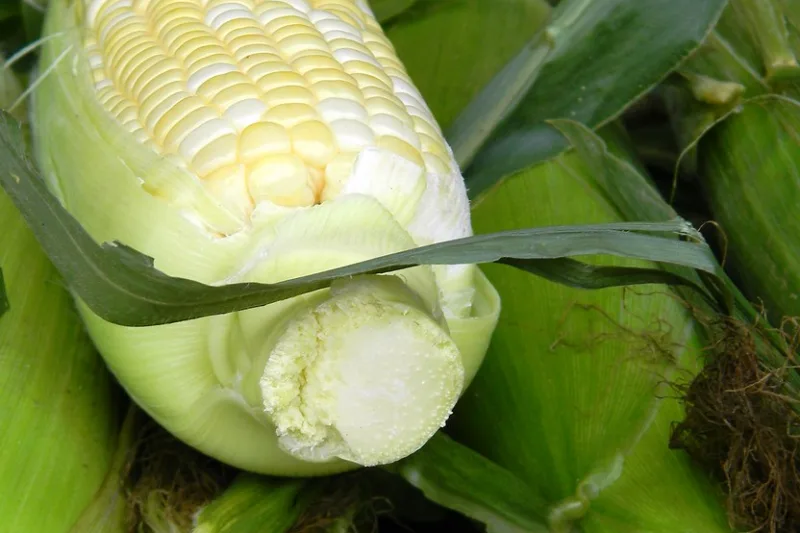
Corn silk is the bundle of long, silky threads that emerges from the tip of every ear of corn (Zea mays). Botanically, each thread is an elongated style — the receptive tip of the female flower: pollen lands on it and travels down the strand to the kernel it fertilizes. In other words, each silk thread corresponds to a single kernel on the cob. That is why a well-filled ear has dense, abundant silk.
At first the silk is pale green to golden, soft and glossy; as the corn ripens it dries out and takes on a reddish-brown hue. For medicinal use, silk harvested while still fresh — before it dries completely in the field — is preferred, although the naturally dried form is used too.
Corn is native to Central America, where it was cultivated for thousands of years by pre-Columbian peoples who already understood the properties of its silk. Once it reached Europe in the 16th century, corn became, within a few generations, a staple food in rural Romania — cornmeal, polenta and boiled cobs were everyday fare. And the housewives, attentive to everything the land offered, quickly discovered that the corn’s “beard,” far from being waste, was a remedy of great value for the kidneys.
Composition and active principles
Although it looks like an ordinary thread, corn silk contains a surprisingly rich range of active substances. Studies suggest that among its most important components are:
- Flavonoids (including maysin and its derivatives), antioxidant compounds that help the body neutralize free radicals.
- Potassium salts, in appreciable amounts, which contribute to the diuretic effect by regulating the water–salt balance.
- Mucilages and polysaccharides, with a soothing, emollient action on the mucous membranes of the urinary tract.
- Saponins and tannins, which give it a mildly astringent, anti-inflammatory action.
- B-complex vitamins and vitamin K, alongside traces of vitamin C.
- Plant sterols and small amounts of volatile oils.
- Allantoin, a substance known for soothing and regenerating tissues.
The combination of potassium, flavonoids and mucilages explains why corn silk is especially valued for the urinary tract: on one hand it gently stimulates diuresis, and on the other it “coats” and soothes irritated mucous membranes.
Health benefits
Support for the kidneys and urinary tract
Corn silk’s best-known benefit is its gentle diuretic effect. Unlike synthetic diuretics, which force the kidney, corn silk gradually increases the volume of urine eliminated, helping to “flush” the urinary tract. Folk tradition uses it to support the elimination of fine kidney sand and to ease discomfort in mild cystitis. The mucilages also have a soothing effect on the irritated lining of the bladder, which is why many people feel a reduction in the stinging sensation when urinating.
Combating water retention
Through its diuretic action, corn silk is traditionally used against fluid retention — the swollen ankles and fingers that sometimes appear in summer heat, or before menstruation in women. Studies suggest that easier elimination of excess water and sodium can reduce bloating and that heavy feeling in the legs. Caution, however: persistent water retention may signal a heart or kidney problem that needs medical investigation.
Support for blood pressure
Through its diuretic effect and potassium content, corn silk is considered in folk medicine a gentle aid for people with slightly elevated blood pressure. Eliminating excess sodium can help relax the circulatory system. This is not, however, a substitute for prescribed antihypertensive medication.
Anti-inflammatory and antioxidant effect
The flavonoids and allantoin give corn silk anti-inflammatory properties. Studies suggest that the antioxidants in the plant may help protect cells against oxidative stress. In traditional medicine, corn silk tea has also been used as an adjuvant in conditions where inflammation plays a role, from mild prostatitis to the urinary discomfort of autumn and winter.
Support in regulating blood sugar
Several herbal traditions attribute a mild blood-sugar-lowering effect to corn silk. Studies suggest that certain components may influence carbohydrate metabolism. For people with diabetes, corn silk may serve as an adjuvant, but only under supervision and without abandoning prescribed treatment.
Soothing irritation and supporting the liver and bile
Thanks to its mucilages, corn silk tea is gentle on the digestive lining. In some traditions, the plant has been used to aid easier digestion of fats and to gently stimulate bile secretion. These uses are less documented than the renal effect, but they are part of folk wisdom.
Traditional uses in the Romanian village
In the peasant household, corn silk had a well-established place. Besides the tea for the kidneys, it was used in the following ways:
- For a spring “kidney flush,” as a gentle detox cure after a winter of heavy food.
- Mixed with yarrow and horsetail, for a stronger diuretic tea.
- As an infusion for boys who “wet the bed” — grandmothers believed it strengthened the bladder, although here the effect is more one of soothing irritation.
- In poultices, the boiled, softened silk was applied to small wounds and skin irritations, thanks to its soothing mucilages.
The silk was never thrown away; it was dried in the shade and kept in paper bags or cloth pouches, as a “house remedy” always within reach.
How to prepare it: hot tea, cold infusion, decoction and tincture
The tea (hot infusion) — the classic recipe
This is the most commonly used form.
- Place one heaping teaspoon of dried corn silk (about 2–3 g), or two teaspoons of fresh silk, in a cup.
- Pour 250 ml of boiling water over it.
- Cover the cup with a saucer (very important, so the volatile oils are not lost) and let it steep for 10–15 minutes.
- Strain through a fine sieve or cheesecloth — the silk has thin threads that would otherwise end up in your cup.
- Drink the tea warm, unsweetened or with a little honey if needed.
The cold infusion — gentler on the mucous membranes
For an even more soothing effect on an irritated bladder, many prefer the cold infusion:
- Place two teaspoons of silk in a jar with 300 ml of cold water.
- Let it macerate for 6–8 hours (overnight) at room temperature.
- Strain in the morning and sip throughout the day.
This method better preserves the mucilages, which can partially degrade in hot water.
The decoction — for a more concentrated effect
When a stronger diuretic action is desired:
- Place one tablespoon of silk in 500 ml of cold water in a pot.
- Bring to a boil and simmer over low heat for 5 minutes.
- Turn off the heat, cover and leave for another 10 minutes.
- Strain and drink in 2–3 portions over the day.
The tincture — for long-term storage
- Place 20 g of chopped silk in a jar.
- Pour in 100 ml of food-grade alcohol at 40–50%.
- Close the jar and leave it for 2–3 weeks in the dark, shaking daily.
- Strain and store the tincture in a dark glass bottle.
- Take 20–30 drops in a little water, 2–3 times a day.
Dosage and how to take it
For ordinary tea, the traditional dose is 2–3 cups a day, drunk between meals, for 1–2 weeks, followed by a break. Longer courses should be done only with medical advice, because continuous diuretic action can throw off your potassium levels.
Very important: when you take corn silk for its diuretic effect, drink plenty of water throughout the day. It sounds paradoxical, but a diuretic not accompanied by good hydration can concentrate the urine and worsen discomfort instead of easing it. The goal is to “flush” the urinary tract, not to dry it out.
The tea is best drunk in the first half of the day and up to mid-afternoon; taken late in the evening, it can wake you at night to go to the bathroom.
How to harvest and store it properly
If you have access to fresh corn, preferably grown without pesticides, you can harvest the silk yourself:
- Choose soft, golden-green silk from young ears, before it turns black.
- Pull the threads from the base of the cob, avoiding the brown, dried parts at the tip, which can be moldy.
- Spread the silk in a thin layer on a sieve or clean paper, in the shade, in an airy place. Direct sun destroys the active principles.
- Stir it from time to time until it is completely dry and brittle (2–4 days).
- Store it in paper bags or glass jars, in a dry, dark place, and use it within a year.
Properly dried silk has a golden to light-brown color and a pleasant, slightly sweet smell. If it smells of mold or has black spots, throw it away.
Lifestyle and practical tips for kidney health
Corn silk works all the better when it is built into a kidney-friendly lifestyle:
- Hydrate consistently. Water is the number-one “medicine” for the urinary tract. Aim for 1.5–2 liters a day, unless your doctor advises otherwise.
- Cut back on salt. Excess sodium overworks the kidneys and promotes water retention — exactly the problem you want to avoid.
- Limit sugary drinks and excess caffeine, which can irritate the bladder.
- Don’t delay going to the bathroom. Holding urine for long periods encourages infections.
- Move every day. Light walks help circulation and reduce fluid retention in the legs.
- Combine corn silk with other gentle herbs — horsetail for silica, birch for drainage, cranberry for bladder protection.
Practical Tips and Common Mistakes
Mistake no. 1: Using silk from heavily pesticide-treated corn. The silk is fine and easily absorbs substances from the field. Harvest only from trustworthy corn, preferably from your own garden or organic sources.
Mistake no. 2: Drying it in the sun. Direct light and high heat destroy the flavonoids and volatile oils. Always dry in the shade, in an airy spot.
Mistake no. 3: Drinking the tea without extra hydration. A diuretic without enough water concentrates the urine and can worsen the stinging. Drink still water alongside the tea.
Mistake no. 4: Doing endless courses. Continuous diuretic action, week after week, can lower potassium and unbalance your minerals. Stick to the 1–2 week schedule with breaks.
Mistake no. 5: Drinking it late in the evening. You’ll wake several times in the night. Schedule your last cup no later than mid-afternoon.
Mistake no. 6: Self-treating a serious urinary infection. Corn silk helps with mild discomfort, but fever, severe lower-back pain or blood in the urine absolutely require medical consultation and, possibly, antibiotics.
Mistake no. 7: Not straining the tea well. Fine silk threads, if swallowed, can irritate the throat. Use a fine sieve or cheesecloth.
Conclusion
Corn silk is a perfect example of a humble yet valuable remedy: what looks like a simple summer byproduct turns out to be a gentle natural diuretic, friendly to the kidneys and bladder. Rich in flavonoids, potassium salts and soothing mucilages, it supports the elimination of excess water, “flushes” the urinary tract and calms mild irritations. Used wisely — in short courses, with adequate hydration, and without replacing a medical consultation when one is needed — corn silk deserves a place in any natural home pharmacy. As Grandma Veta used to say, it really is the “poor man’s gold” that does more than people think.
Frequently Asked Questions
How long can I drink corn silk tea? The usual course lasts 1–2 weeks, followed by a break of a few days. Longer courses should be done only with medical advice, to avoid excessive potassium loss through the diuretic effect.
Does corn silk really help with kidney stones? Folk tradition uses it to support the elimination of fine sand and to soothe irritation. Large stones, however, or ones that cause severe pain, require medical evaluation and treatment; corn silk cannot dissolve them.
Can I use fresh silk straight from the cob? Yes. Use about two teaspoons of fresh silk per cup of water. Choose golden-green silk from corn that has not been contaminated with pesticides.
Is it safe during pregnancy? It is not recommended without medical advice. Folk tradition holds that it may stimulate the uterus, so caution is essential during pregnancy.
Will it help with swollen ankles? Thanks to its diuretic effect, corn silk is traditionally used for mild water retention. If the swelling is persistent, accompanied by shortness of breath, or comes on suddenly, see a doctor — these can be signs of a heart or kidney problem.
Can I combine it with my blood-pressure medication? Only after talking to your doctor. Both corn silk and some blood-pressure medications have a diuretic effect, and combining them may lower your blood pressure or potassium too much.
Does the tea taste good? It has a mild, slightly grassy and sweet taste that most people find pleasant. It can be sweetened with a little honey or combined with mint for a more agreeable aroma.
How can I tell if my dried silk is still good? Quality silk has a golden to light-brown color, is brittle and has a pleasant, sweet smell. If it has black spots, smells of mold or is damp, stop using it.