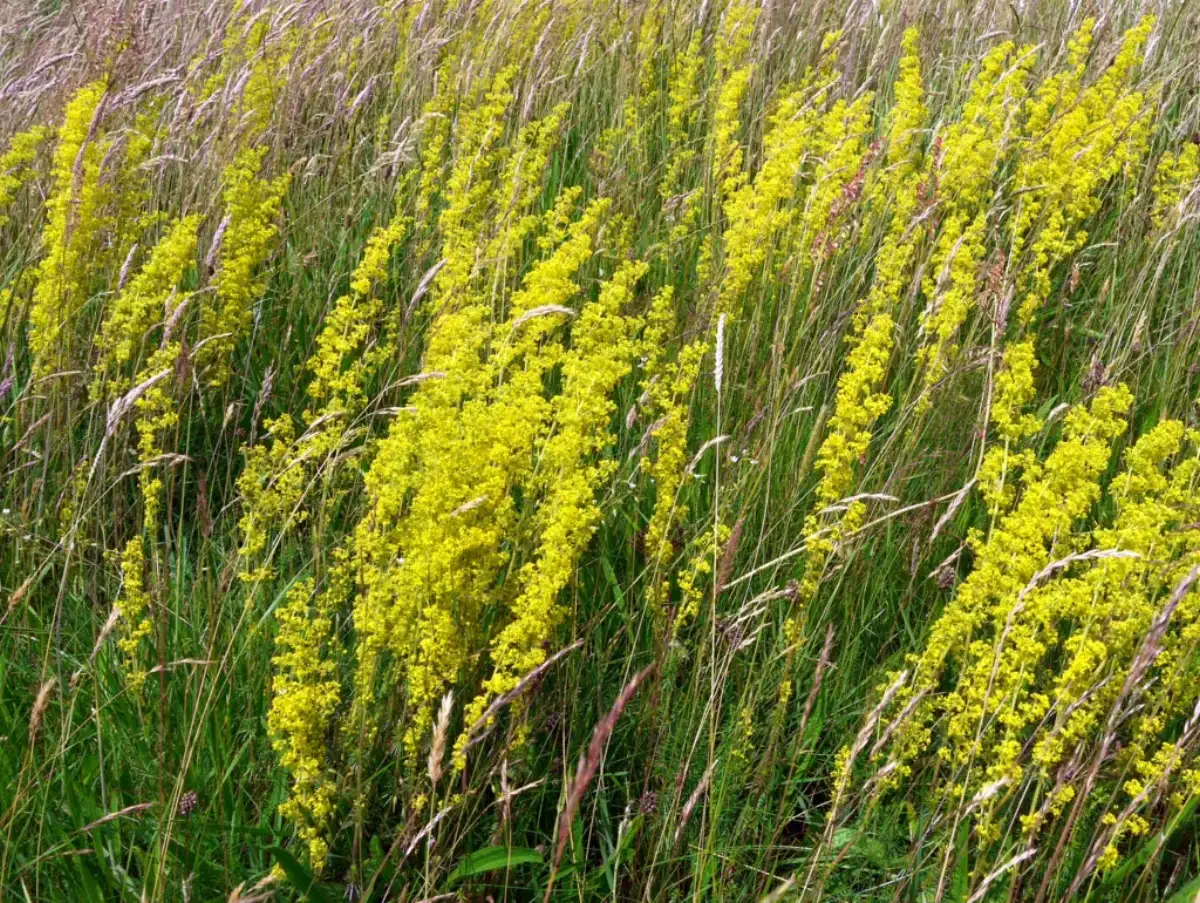
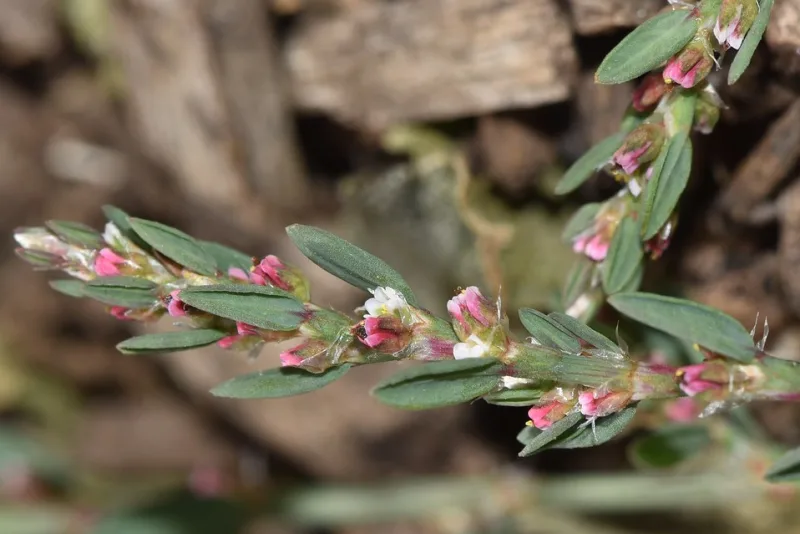
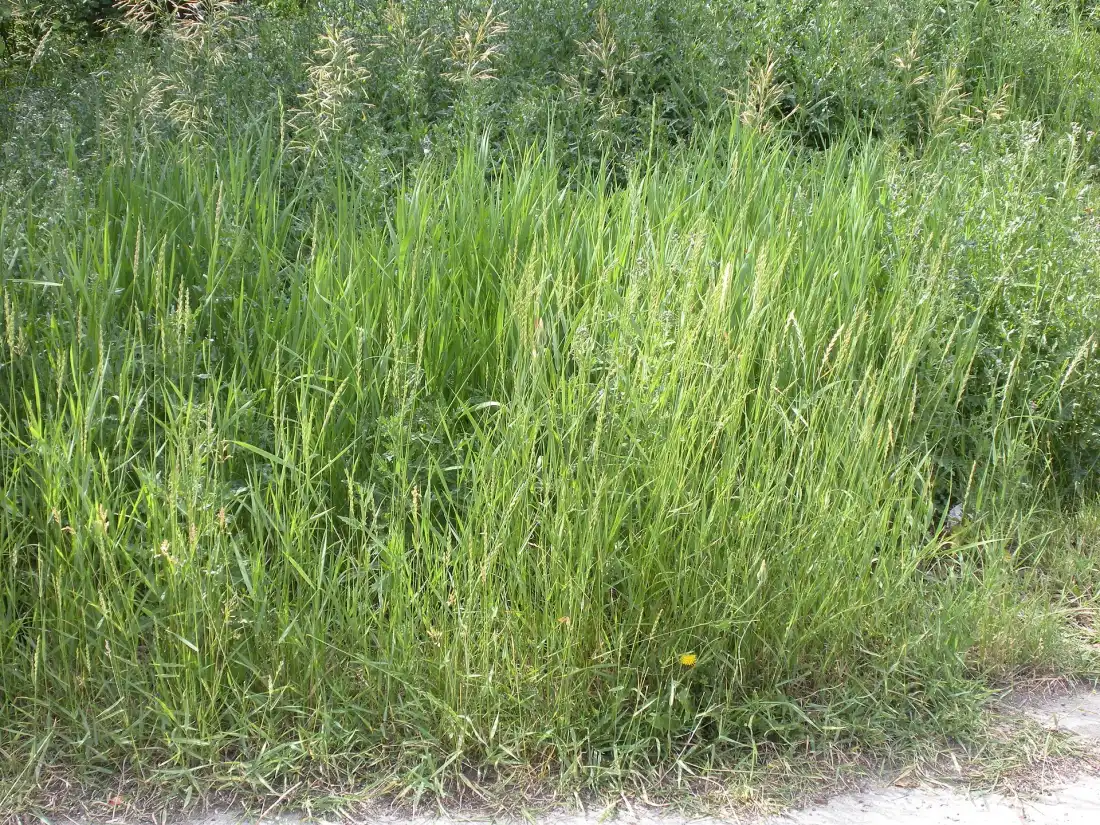
 Photo: Matt Lavin from Bozeman, Montana, USA, CC BY-SA 2.0, via Wikimedia Commons
Couch grass (Elymus repens, also known as Agropyron repens or quackgrass) is the weed every gardener hates and every herbalist values: its rhizome is a gentle diuretic used to flush the urinary tract in mild cystitis, bladder irritation and kidney “gravel”. It is taken as a decoction or infusion, 2-3 cups a day, together with plenty of water. The European Medicines Agency (EMA) recognises it as a traditional herbal medicine to increase urine flow, as an add-on in minor urinary complaints.
It is one of the safest urinary herbs, but it cannot cure a bacterial infection on its own and it does not dissolve kidney stones. Below you will learn exactly what it can and cannot do.
Key takeaways
- The medicinal part is the rhizome (the white, jointed underground stem), not the leaves.
- Its main action is diuretic (more urine) and soothing for the urinary lining.
- The EMA has published a monograph on couch grass rhizome as a traditional herbal medicinal product for flushing the urinary tract.
- Usual dose: 1-2 teaspoons of chopped rhizome per cup, 2-3 times a day, plus at least 2 litres of fluid.
- Not for fluid retention caused by heart or kidney failure, and it does not replace antibiotics in a confirmed infection.
What couch grass is and how to recognise it
Couch grass is a perennial grass found across Romania and most of Europe: along roadsides, in orchards, fields and gardens. Flowering stems reach 40-100 cm and carry a long, slender spike resembling wheat, only sparser. The leaves are flat, grey-green and slightly rough.
Its secret lies underground: a long, jointed, whitish-yellow rhizome that spreads horizontally and sprouts new plants at every node. That is why couch grass is so hard to eradicate: any fragment left in the soil starts growing again. In Romania it is also called “dog grass”, because dogs and cats with an upset stomach chew precisely its leaves.
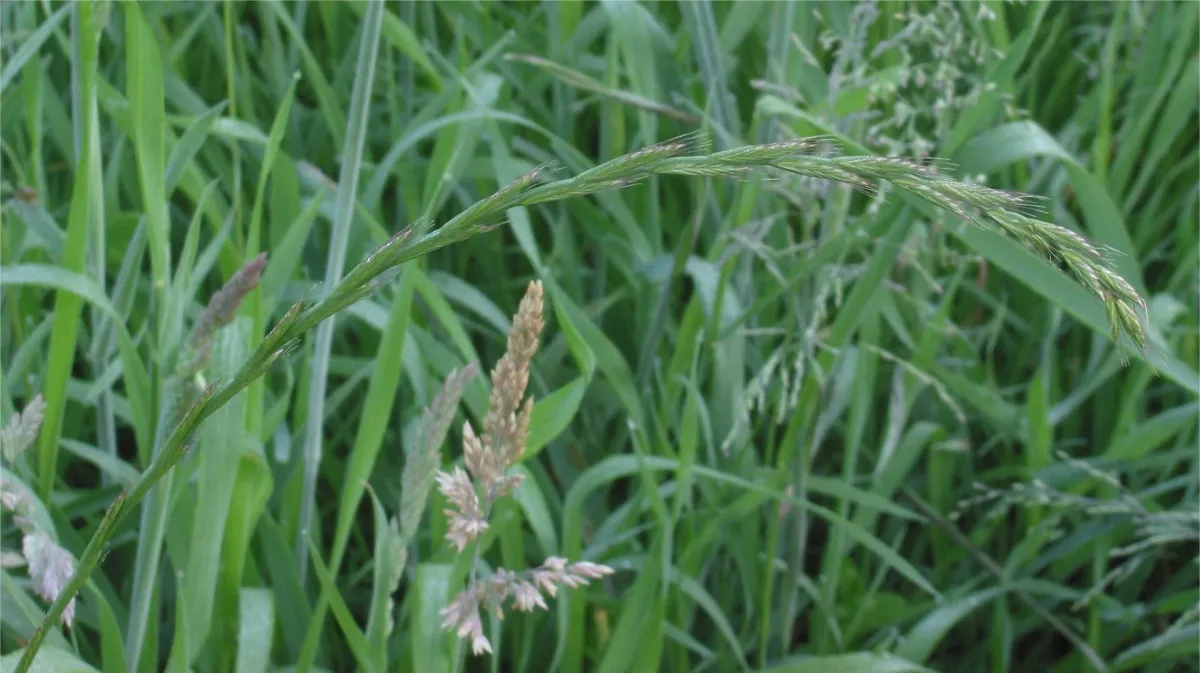 Photo: Rasbak, CC BY-SA 3.0, via Wikimedia Commons
Harvesting and drying
Dig up the rhizomes in early spring (March-April) or autumn (September-October), when they are rich in stored nutrients. Wash them well, remove the fine roots and leaf remains, cut them into 1-2 cm pieces and dry them in the shade or in a dehydrator at no more than 40°C. Properly dried rhizome is straw-yellow, glossy and sweetish. Never harvest along busy roads or in fields treated with herbicides.
Composition and active compounds
- Triticin (an inulin-like fructan, 3-8%): gives the sweet taste and has a mild prebiotic effect.
- Mucilage: protects and soothes the irritated lining of the bladder and urethra.
- Mannitol and inositol: sugar alcohols contributing to an osmotic diuretic effect.
- Volatile oil with polyacetylenes (agropyrene, capillene) in small amounts, with antimicrobial activity observed in the lab.
- Silicic acid, potassium salts and traces of saponins.
Couch grass works not through one “miracle” compound but through this combination: more urine, a better-protected lining and a mild local antimicrobial action.
Benefits: what tradition says and what studies show
Flushing the urinary tract in mild cystitis
This is the officially recognised use. The EMA (HMPC) monograph classifies couch grass rhizome as a traditional product to increase the amount of urine to achieve flushing of the urinary tract, as an adjuvant in minor urinary complaints. “Traditional” means the use rests on long-standing experience and plausibility rather than large clinical trials. The logic is simple: more urine flow shortens the time bacteria have to cling to the bladder wall. For a mild, early cystitis couch grass can help, alongside the measures in our article on urinary tract infections.
Bladder irritation and burning
The mucilage has a soothing effect. Many people notice less burning on urination when they drink couch grass tea with plenty of water. This is symptom relief, not treatment of the cause.
Kidney “gravel” and stone prevention
Romanian tradition recommends couch grass for “sand” and small stones. The plausible mechanism is increased urine output, which dilutes urine and helps flush fine particles. Couch grass does not dissolve stones and is not appropriate for large stones or renal colic. Prevention tips are in our article on kidney stones.
Prostate and urinary discomfort in men
In European herbal practice couch grass appears in blends for urinary symptoms in men with an enlarged prostate, usually alongside willowherb. There is no evidence that it acts on the prostate itself; it may only ease urinary discomfort.
Gout, rheumatism, “blood cleansing”
In folk medicine couch grass was part of spring “cleansing” cures and gout teas. The idea of flushing uric acid through the urine is plausible but has not been demonstrated clinically.
How to prepare couch grass
Decoction (the classic form)
The rhizome is tough and fibrous, so a short simmer is preferred.
- Put 1-2 teaspoons (3-6 g) of dried, chopped rhizome into a pan.
- Add 250 ml of cold water.
- Bring to the boil and simmer gently for 5-10 minutes.
- Cover, leave for another 10 minutes, then strain.
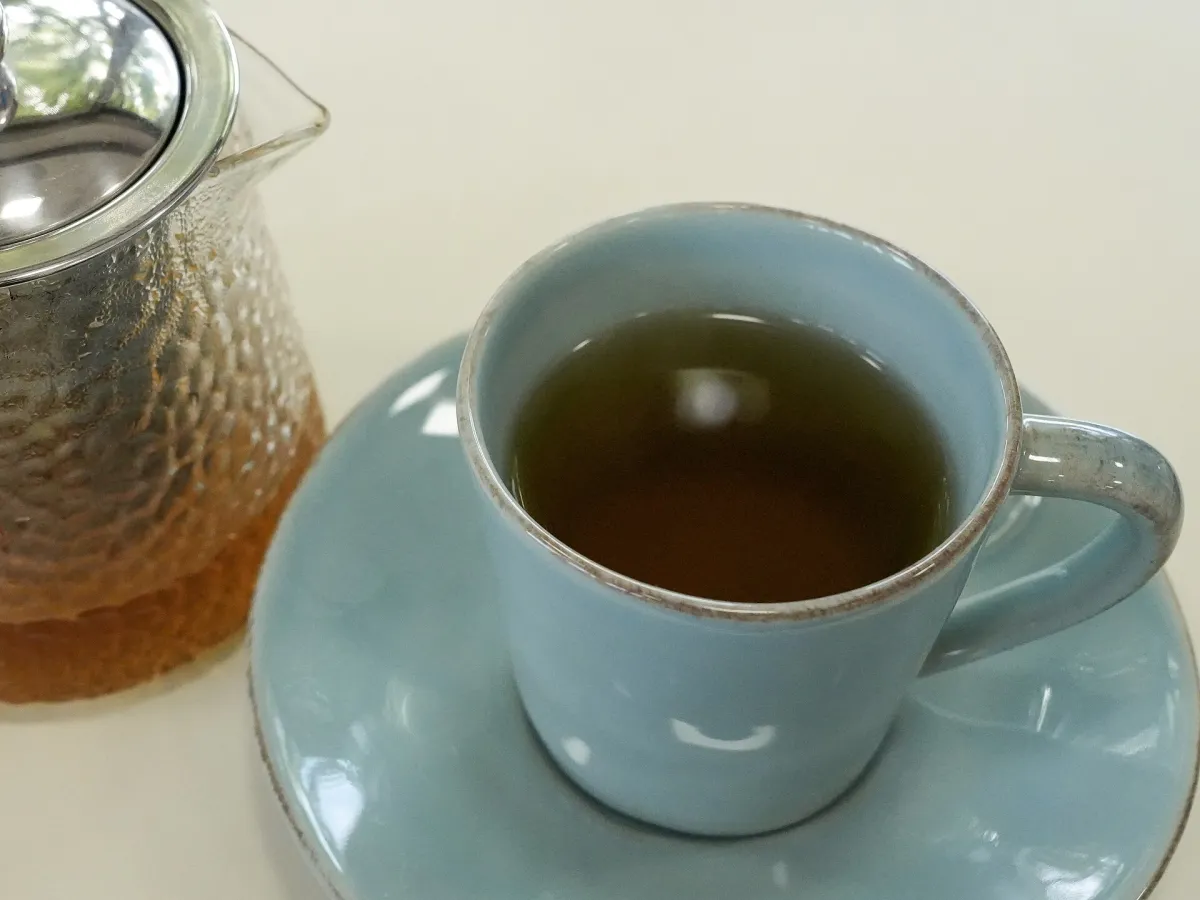
Drink 2-3 cups a day between meals. The taste is pleasant and slightly sweet, with no need for sweetener.
Infusion
For very finely cut rhizome: 1-2 teaspoons in 250 ml of boiling water, covered, for 10-15 minutes. Quicker, but it extracts slightly less.
Combined cold-then-hot extraction
A traditional method that captures both the mucilage and the other compounds: soak the rhizome in 250 ml of cold water for 6-8 hours, strain and keep the liquid, then simmer the remaining herb for 5 minutes in another 150 ml of water. Combine the two extracts and drink through the day.
Useful combinations
- Couch grass + goldenrod: a classic diuretic blend for flushing the urinary tract.
- Couch grass + corn silk: for an irritated bladder, with a double soothing effect.
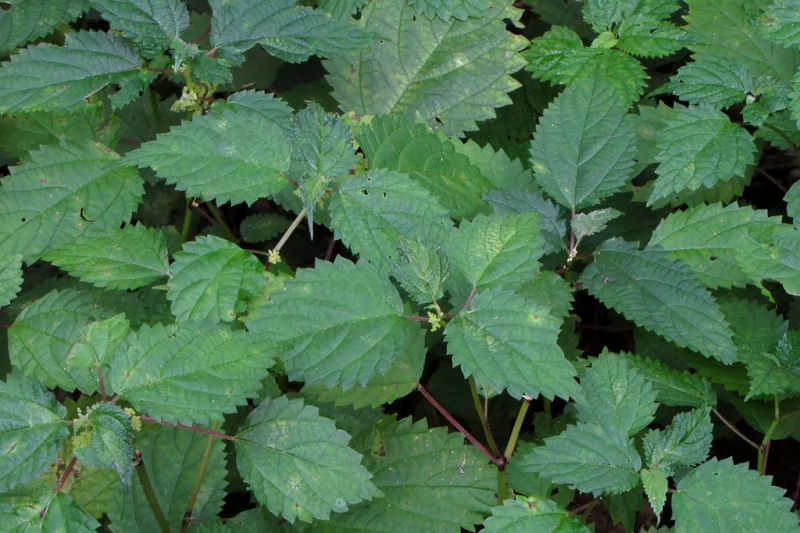
- Couch grass + nettle: in spring cures, with plenty of water.
Dosage guide
| Form | Amount | Frequency | Notes |
|---|---|---|---|
| Decoction | 3-6 g rhizome per 250 ml, simmer 5-10 min | 2-3 cups/day | preferred form |
| Infusion | 3-6 g finely cut rhizome per 250 ml, 10-15 min | 2-3 cups/day | rhizome must be very fine |
| Commercial tincture | as per label | 2-3 times/day | with plenty of water |
| Total fluids | at least 2 litres/day | throughout the course | essential for the effect |
Typical duration: 7-14 days for a minor urinary episode. If symptoms last more than 5-7 days or get worse, stop self-treatment and see a doctor.
Contraindications and precautions
Couch grass is well tolerated, but:
- Do not use it when a doctor has advised fluid restriction, for example in heart or kidney failure, nor for swelling caused by these conditions.
- Pregnancy and breastfeeding: safety data are lacking, so avoid it unless your doctor agrees.
- Children under 12: the EMA monograph does not recommend it due to lack of data.
- Diabetes: triticin is a carbohydrate; the amount in a cup is small but worth considering.
- Diuretic drugs and lithium: diuretic effects can add up; lithium needs particular caution with any change in fluid balance.
- Grass allergy: rare, but possible.
When to see a doctor
- Fever, chills, back or flank pain (possible kidney infection).
- Blood in the urine.
- Cystitis symptoms in men, children or during pregnancy (these need medical assessment from the start).
- Severe colicky pain, vomiting or inability to pass urine.
- Repeated urinary infections (more than 2-3 a year); see also our article on recurrent cystitis.
Common mistakes
Drinking couch grass tea without extra water. The flushing effect depends on total fluid intake; one cup of tea alone is not enough.
Using the leaves instead of the rhizome. The medicinal part is the rhizome; the leaves do not have the same content.
Harvesting from sprayed fields. Couch grass is a prime target for herbicides. Only gather from clean places or buy it from a pharmacy.
Delaying antibiotics in confirmed cystitis. Couch grass is an add-on, not an antibacterial treatment.
Expecting couch grass to “melt” stones. It does not dissolve them; it only increases urine volume.
Conclusion
Couch grass is the perfect example of a “healing weed”: hard to remove from the garden, but valuable in the cup. Its sweetish rhizome gently increases urine output and soothes an irritated lining, which is why the EMA recognises it as a traditional remedy for flushing the urinary tract. Used correctly, as a decoction with plenty of water and for short periods, it is one of the safest urinary herbs. Fever, blood in the urine or kidney pain, however, are clear signs that you need a doctor, not another cup of tea.
Frequently asked questions
Is couch grass tea good for cystitis? It can help in mild cystitis as an add-on, by increasing urine output and soothing the lining. If symptoms do not improve within a few days, or you develop fever and back pain, you need a doctor and usually antibiotics.
Which part of couch grass is used? The rhizome, the white, jointed underground stem. It is harvested in early spring or autumn, washed, chopped and dried in the shade.
Does couch grass dissolve kidney stones? No. It increases urine flow and may help flush fine gravel, but it does not dissolve formed stones. Large stones and renal colic need medical evaluation.
How long can I drink couch grass tea? For a minor urinary episode, usually 7-14 days. For longer periods, talk to your doctor, especially if you have other conditions or take medication.
Can children drink couch grass tea? It is not recommended under 12 without medical advice. Urinary infections in children should always be assessed by a paediatrician.
Is couch grass dangerous for dogs or cats? No. Pets often chew couch grass leaves, especially when their stomach is upset. Just watch out for grass sprayed with herbicides.
What does couch grass tea taste like? It tastes pleasant, sweetish and slightly grassy thanks to triticin and mannitol. It usually needs no sweetener.
Sources and further reading
- EMA / HMPC: Community herbal monograph on Agropyron repens (L.) P. Beauv., rhizoma.
- ESCOP Monographs: Graminis rhizoma.
- German Commission E: monograph on Graminis rhizoma.
This article is for information only and does not replace medical advice. Talk to your doctor or pharmacist before using medicinal plants, especially if you take medication or have a chronic condition.