
Cowslip: Benefits, Uses and How to Prepare It
IMPORTANT: Cowslip contains saponins in high concentration, especially in the root, and consuming it in excessive amounts can cause nausea, vomiting and stomach upset. People allergic to plants in the Primulaceae family may develop contact dermatitis when touching the fresh leaves. The plant is not recommended for pregnant or breastfeeding women, for people with gastritis or ulcers, or for those undergoing anticoagulant treatment. If a cough persists for more than a week, is accompanied by high fever, blood in the sputum, or difficulty breathing, consult a doctor. This article is for informational purposes only and does not replace the advice of a medical professional.
Grandmother Veronica, from a village in the Bistrița valley, had a habit she never broke: every spring, as soon as the snow melted from the hillsides, she took her wicker basket and set off to gather “little boots.” That is what she called those small yellow flowers that hung like tiny bells on a slender green stem. “When the cuckoo sings, the cowslip blooms,” she would say, “a sign that good weather is coming.” She laid them out to dry in the attic, spread on sheets of paper, and through the winter, whenever one of her grandchildren caught a cold and began to cough hoarsely, she brewed a cup of fragrant tea from those golden flowers. The sweet, honeyed smell filled the kitchen, and the dry, exhausting cough slowly turned into a gentler one that “brought up” everything that needed clearing from the chest.
Aunt Veronica had never studied herbalism, but she had inherited from her mother and grandmother an old knowledge, passed down by word of mouth: cowslip is one of the most precious healing plants for chest complaints. Today, when we open a modern treatise on medicinal plants, we find the same wisdom confirmed — Primula veris is officially recognized as a natural expectorant, and its root and flowers are used in many cough syrups and teas sold in pharmacies.
Cowslip, known scientifically as Primula veris (sometimes also Primula officinalis), is a perennial plant in the Primulaceae family, one of the first flowers to herald spring in meadows and at the edges of woodlands across much of Europe. Its common name in many languages refers to the shape of the flowers, while the link to the cuckoo points to its flowering period, which coincides with the bird’s first song in the forests. Beyond its value as a remedy, it is also a symbol of renewal, celebrated in folklore and used in cooking, in spring salads. In this article we will learn where it comes from, what it contains, how it acts on the body and, above all, how to prepare it correctly at home.
Table of Contents
- What cowslip is and where it grows
- Composition and active principles
- Health benefits
- Traditional uses in folk medicine
- How to prepare it: tea, tincture, syrup and decoction
- Dosage and administration
- Harvesting, drying and storage
- Cowslip in the kitchen
- Practical tips and common mistakes
- Precautions and contraindications
- Conclusion
- Frequently Asked Questions
What cowslip is and where it grows
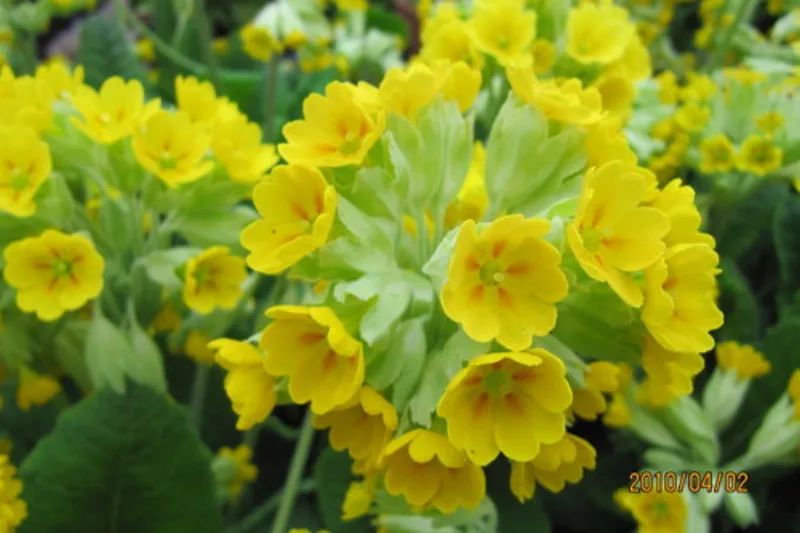
Cowslip is a short, perennial herbaceous plant, usually between 10 and 30 centimetres tall. It has a rosette of oval leaves, slightly wrinkled and covered with fine hairs, from the centre of which rises a leafless flowering stem. At its top cluster the golden-yellow, funnel-shaped flowers, drooping to one side like little bells, each with five orange spots at the throat. It blooms from April to June, depending on altitude and weather, and gives off a sweet, faintly honeyed, very pleasant fragrance.
The plant prefers sunny meadows, woodland edges, glades and calcareous slopes. It is found throughout Europe, from the lowlands to the mountains, and is common in traditional hay meadows that are unpolluted and untreated with chemical fertilizers. Precisely because it is sensitive to changes in habitat, it has become rarer in some regions, which is why harvesting should be done in moderation, always leaving enough plants to propagate.
Two parts of the plant are used for medicinal purposes: the flowers (together with the calyx) and the root (the rhizome with its rootlets). The flowers are harvested in spring, in full bloom, and the root in autumn or early spring, when it contains the highest amount of active principles. Folk tradition says that “the flower clears the chest, and the root breaks up the phlegm” — a surprisingly accurate empirical observation, since the root is richer in expectorant substances.
Composition and active principles
The effectiveness of cowslip in respiratory complaints is due to a combination of natural compounds. Here are the most important groups:
- Triterpene saponins — concentrated mainly in the root (up to 5-10%), these are chiefly responsible for the expectorant effect. Saponins mildly irritate the stomach lining, which reflexively stimulates bronchial secretion, helping to thin and remove mucus.
- Flavonoids — especially in the flowers, with antioxidant and mild anti-inflammatory roles.
- Phenolic glycosides (such as primulaverin and primverin) — which contribute to the characteristic smell and to the action on the airways.
- Volatile oils — in small amounts, but responsible for the pleasant fragrance of the flowers.
- Mineral salts and vitamin C — in the young leaves, which explains their use in spring salads as a tonic after winter.
This composition makes cowslip a “gentle but effective” remedy, as the old folk used to say — strong enough to help clear the bronchi, yet without the harsh effects of some synthetic expectorants.
Health benefits
Helps with productive cough and bronchitis
The best-known benefit of cowslip is its expectorant effect. Studies suggest that the saponins in the root reflexively stimulate the bronchial glands to produce a more fluid secretion, which replaces thick, hard-to-clear mucus. In practice, the plant “melts” the phlegm and helps the body expel it through a productive cough. This is why it is traditionally used in acute and chronic bronchitis, in post-cold coughs and in cases where the chest “wheezes” and feels congested.
Soothes dry, irritating cough
Besides thinning mucus, the flower infusion also has a mild soothing effect on the irritated lining of the throat. Many people drink it in the evening, before bed, precisely to calm the coughing fits that prevent them from sleeping.
Supports restful sleep and calms the nerves
Folk tradition also attributes a mild sedative effect to cowslip. The flowers were used in evening teas to calm restlessness, reduce nervous tension and promote more restful sleep. This gentle effect makes it particularly suitable during periods of overwork, when fatigue is combined with a persistent cough.
Mild diuretic and “cleansing” effect
Thanks to its saponin and flavonoid content, the plant also has a slight diuretic action, supporting the elimination of excess water and the “cleansing” of the body. In the spring cure, it was included alongside other depurative plants such as dandelion or nettle.
Anti-inflammatory and antioxidant action
The flavonoids and phenolic compounds give the plant antioxidant properties, which help neutralize free radicals, and mild anti-inflammatory effects, useful in calming irritations of the throat and airways.
Support for headaches and migraines
In some areas, cowslip tea was traditionally recommended for tension-type headaches, probably due to its general relaxing effect. It is not a specific remedy, but many considered it helpful.
Traditional uses in folk medicine
In the country household, cowslip held a place of honour in the “attic pharmacy.” Here is how the old folk used it:
- Tea for cough and colds — the most widespread use, made from flowers or from a mixture of flowers and root.
- Spring syrup — flowers boiled with sugar or honey, given to children spoonful by spoonful at the first signs of a cough.
- Gargle for sore throats — the cooled infusion, used for rinsing the mouth and throat.
- Poultices — more rarely, crushed leaves were applied to bruises and bumps.
- Medicinal wine — in some old recipes, the flowers were macerated in white wine to produce a tonic drink, consumed in small amounts.
- Spring salad — the young leaves, rich in vitamin C, were added to salads as a “reviving” remedy after the winter months.
How to prepare it: tea, tincture, syrup and decoction
Tea (infusion) from the flowers
This is the gentlest preparation, suitable for an irritating cough and for the calming evening effect.
- Put 1-2 teaspoons of dried flowers into a cup (about 200-250 ml).
- Pour boiling water over them.
- Cover the cup and let it steep for 10-15 minutes.
- Strain and drink the tea warm, optionally sweetened with a teaspoon of honey (which strengthens the soothing effect on the throat).
You can drink 2-3 cups a day, between meals.
Decoction from the root
The root, being harder and richer in saponins, is prepared by boiling (decoction), not by simple steeping. This is the preparation with the strongest expectorant effect.
- Put 1/2 - 1 teaspoon of chopped root into a pot with 250 ml of cold water.
- Bring to a boil and simmer over low heat for 5-10 minutes.
- Let it rest, covered, for another 10 minutes, then strain.
- Drink half a cup twice a day, after meals (to reduce stomach irritation).
Cowslip syrup
Syrup is preferred by children and easy to take.
- Put a layer of fresh flowers in a clean jar.
- Cover with a layer of sugar or honey.
- Repeat the layers until the jar is full.
- Let it macerate for 2-3 weeks in a cool, dark place, then strain.
- Take 1 teaspoon three times a day as needed.
Tincture
- Put 20 g of chopped root (or flowers) into a jar.
- Pour in 100 ml of food-grade alcohol at 60-70% strength.
- Let it macerate for 2 weeks, shaking daily.
- Strain and store in dark glass bottles.
- Take 10-15 drops diluted in a little water, 2-3 times a day.
Dosage and administration
As a general rule, cowslip is used for short periods, during episodes of cough and bronchitis, not as a permanent treatment. For the flower tea, 2-3 cups a day is a reasonable dose for an adult. For the stronger root decoction, caution is advised: half a cup twice a day is sufficient, and exceeding this amount can cause nausea.
For children, the dose is reduced by half or even a quarter, depending on age, and the gentler syrup is preferred. For small children and infants, the plant should not be given without a doctor’s advice. A typical course lasts 7-10 days; if symptoms do not improve, medical consultation is needed.
Harvesting, drying and storage
If you want to make your own supply, like Grandmother Veronica, here are a few guidelines:
- The flowers are picked in spring, in dry weather, in full bloom, preferably in the morning after the dew has lifted. Choose clean places, away from roads and treated crops.
- The root is dug up in autumn (September-October) or very early spring, washed well of soil and cut into small pieces.
- Drying is done in the shade, in a thin layer, in a well-ventilated place. The flowers dry quickly, in a few days; the root needs more time.
- Storage: in paper bags or glass jars, protected from light and moisture. Dried flowers keep their properties for about a year, the root somewhat longer.
Note: harvest responsibly, always leaving some plants in place so the meadow can recover the following year.
Cowslip in the kitchen
Beyond its role as a remedy, cowslip is also an edible plant prized in spring cooking. The young leaves, picked before flowering, are added raw to salads, alongside other seasonal greens such as nettle, lesser celandine or wild garlic. They have a slightly sweet taste and are a good source of vitamin C, being considered a natural tonic after winter. The brightly coloured flowers can be used decoratively to brighten salads, desserts or cakes, or to flavour a syrup or lemonade. As with any culinary use, moderation is key, given the plant’s saponin content.
Practical tips and common mistakes
Mistake no. 1: Using water that is too hot for the flowers. The flowers are delicate, and water that boils aggressively for too long can destroy some of the volatile compounds. Pour boiling water over the flowers and cover immediately, letting them steep rather than boil.
Mistake no. 2: Confusing the flowers with the root during preparation. The flowers are infused, the root is boiled (decoction). If you treat the root as a simple infusion, you will not extract enough saponins and the expectorant effect will be weak.
Mistake no. 3: Consuming too much. “More” does not mean “better.” An excess of saponins irritates the stomach and can cause nausea and vomiting. Stick to the recommended doses.
Mistake no. 4: Harvesting from polluted places. Plants gathered along roadsides, near chemically treated fields or in industrial areas accumulate toxic substances. Always choose clean meadows.
Mistake no. 5: Using it as the sole treatment for serious conditions. Cowslip is a valuable aid for mild cough and bronchitis, but it does not replace medical treatment for pneumonia, severe asthma or other serious lung diseases.
Mistake no. 6: Ignoring allergies. People sensitive to primulas may develop skin irritation on contact with the fresh leaves. Wear gloves when harvesting if you have sensitive skin.
Precautions and contraindications
Although it is a gentle plant, cowslip has a few important limits. It is not recommended during pregnancy and breastfeeding, due to the lack of safety data and its saponin content. People with gastritis, gastric or duodenal ulcers, or stomach sensitivity should especially avoid the root decoction, which irritates the stomach lining. Those allergic to plants in the Primulaceae family may have skin reactions. The plant may also interact with anticoagulant medications and other treatments; if you are on chronic medication, talk to your doctor or pharmacist before using it. Do not exceed the doses and do not continue the course beyond 2-3 weeks without a break.
Conclusion
Cowslip is a true treasure of spring meadows — a delicate, sweetly scented flower that hides in its petals and root an old remedy, verified over generations, against cough and respiratory complaints. From the warm evening tea to the sweet syrup for children, it combines expectorant effectiveness with a gentle calming effect, making it a reliable support in the cold months. As with any healing plant, the key lies in correct use, reasonable doses and respect for precautions. Carefully gathered from clean meadows, patiently dried and prepared according to old recipes, cowslip can become a dependable ally in your home too, just as it was for Grandmother Veronica and for so many generations before us.
Frequently Asked Questions
What is cowslip good for? It is used mainly as a natural expectorant, helping to thin and remove mucus in productive cough and bronchitis. It also has a soothing effect on an irritated throat, promotes more restful sleep and has a mild diuretic and anti-inflammatory action.
How do you prepare cowslip tea? Put 1-2 teaspoons of dried flowers in a cup, pour boiling water over them, cover and let steep for 10-15 minutes, then strain. You can drink 2-3 cups a day, optionally sweetened with honey.
Which part of the plant is stronger, the flowers or the root? The root contains a much higher amount of saponins and has the strongest expectorant effect, which is why it is prepared by boiling (decoction). The flowers are gentler and are used for infusion, with an additional calming effect.
Can I drink cowslip tea during pregnancy? It is not recommended during pregnancy and breastfeeding, due to the lack of safety data and its saponin content. Always consult your doctor before using medicinal plants during this period.
Can I give cowslip to children? For children, the gentler syrup is preferred, in reduced doses adapted to age. For small children and infants, the plant should not be given without a doctor’s advice.
How long can I follow a course with this plant? A typical course lasts 7-10 days, up to a maximum of 2-3 weeks. Prolonged use without a break is not recommended. If symptoms persist, medical consultation is needed.
Does it have side effects? In large doses, saponins can cause nausea, vomiting and stomach irritation. People allergic to primulas may have skin reactions on contact with the leaves. Respecting the doses significantly reduces these risks.
Can cowslip be eaten? Yes, the young leaves are eaten in spring salads, being rich in vitamin C, and the flowers are used decoratively. Here too, moderation is recommended because of the saponin content.