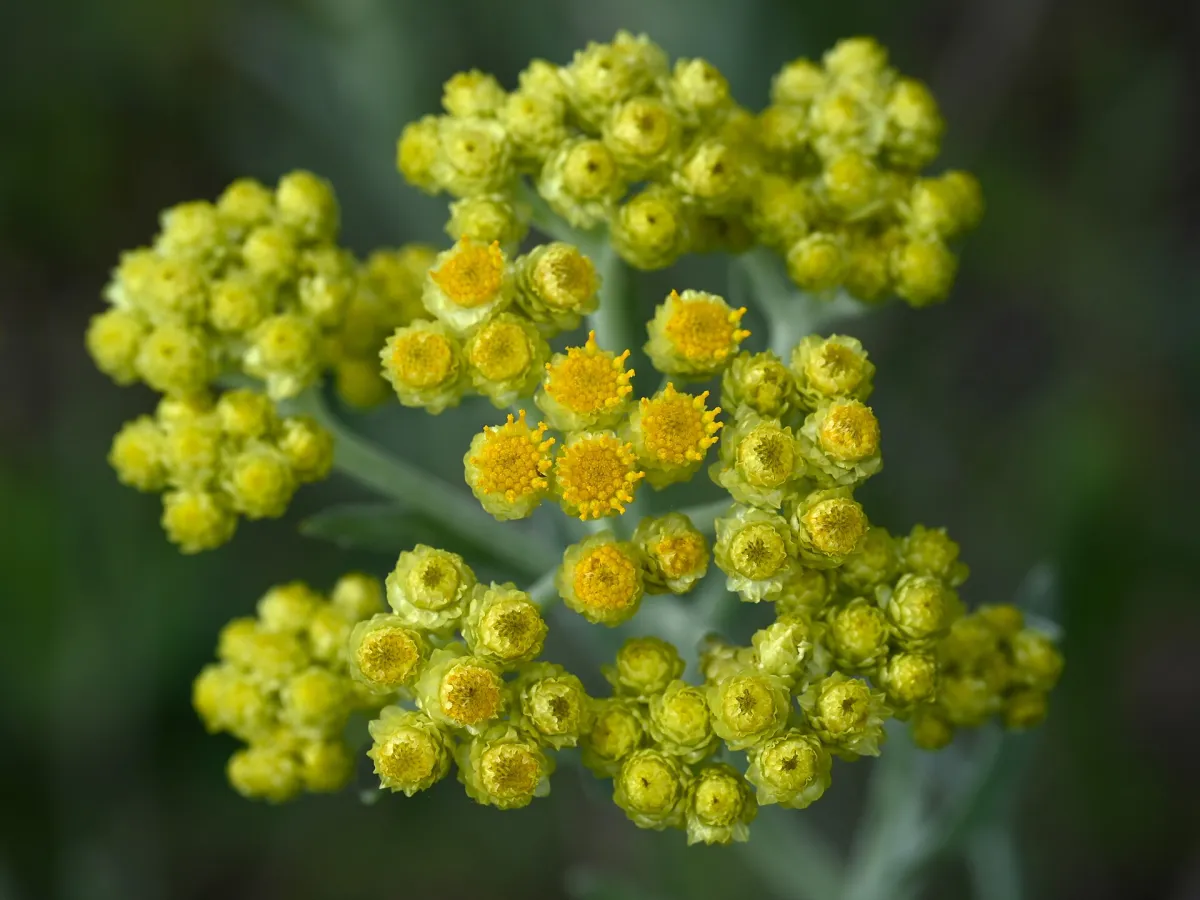
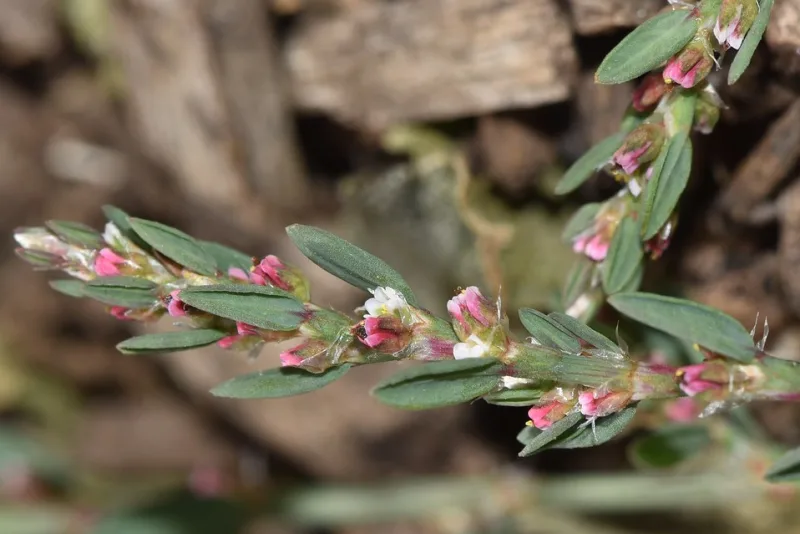
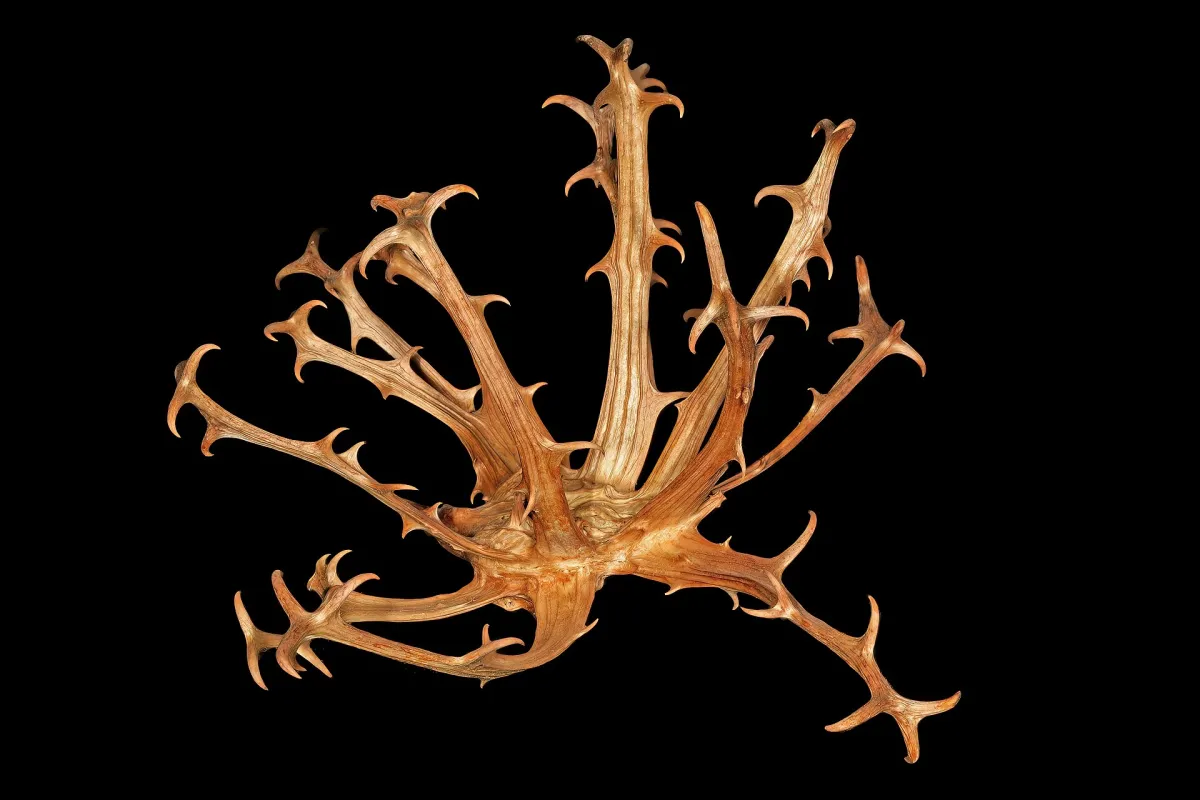
 Photo: SAplants, CC BY-SA 4.0, via Wikimedia Commons
Devil’s claw (Harpagophytum procumbens) is a Kalahari desert plant whose dried root is used for mild joint pain, low back pain and osteoarthritis. Clinical trials show a modest but measurable pain-relieving effect for extracts that deliver 50-100 mg of harpagoside per day, usually after 2-4 weeks. The key contraindications are stomach or duodenal ulcer, gallstones and pregnancy, and it should not be combined with blood thinners, diabetes medication or daily NSAIDs without medical advice.
Key takeaways:
- The medicinal part is the secondary storage root; the marker compound is harpagoside, an intensely bitter iridoid.
- The European Medicines Agency (EMA) recognises it as a traditional herbal medicine for minor joint pain and mild digestive complaints.
- The best clinical data cover flare-ups of chronic low back pain and knee or hip osteoarthritis, in the short term.
- What matters is milligrams of harpagoside per day, not the milligrams of extract printed on the front of the bottle.
- It increases stomach acid: avoid it with an ulcer and be careful if you already take ibuprofen or diclofenac every day.
- It may interact with warfarin, diabetes drugs and some heart and blood pressure medicines.
What is devil’s claw?
Devil’s claw is a creeping plant in the sesame family (Pedaliaceae), native to the sandy savannahs of Namibia, Botswana and South Africa. The name comes from its woody fruit, armed with sharp hooks that latch onto the hooves of grazing animals. The flowers are large, pinkish purple and trumpet shaped.
The part used in medicine is the secondary tuberous roots, which are sliced and dried. They can be harvested while leaving the main taproot in place so the plant regrows, which is why it is worth choosing brands that state sustainable sourcing. The European Pharmacopoeia accepts two species, H. procumbens and H. zeyheri, and requires at least 1.2% harpagoside in the dried root.
A common mix-up in shops: devil’s claw is not cat’s claw (Uncaria tomentosa), an Amazonian vine with different compounds, uses and risks.
Active compounds and how it works
- Iridoid glycosides: harpagoside (the quality marker), harpagide and procumbide, which give the bitter taste.
- Phenylethanoid glycosides: acteoside (verbascoside), an antioxidant.
- Phytosterols, flavonoids and sugars, mainly stachyose.
In laboratory studies, devil’s claw extracts reduce several inflammatory signals (prostaglandins, TNF-alpha, interleukin 1, nitric oxide) and inhibit enzymes that break down cartilage. Isolated harpagoside seems weaker than the whole extract, so the effect depends on the full mix of compounds. The bitterness stimulates digestive secretions, which explains both its traditional use for appetite and the stomach irritation some people get.
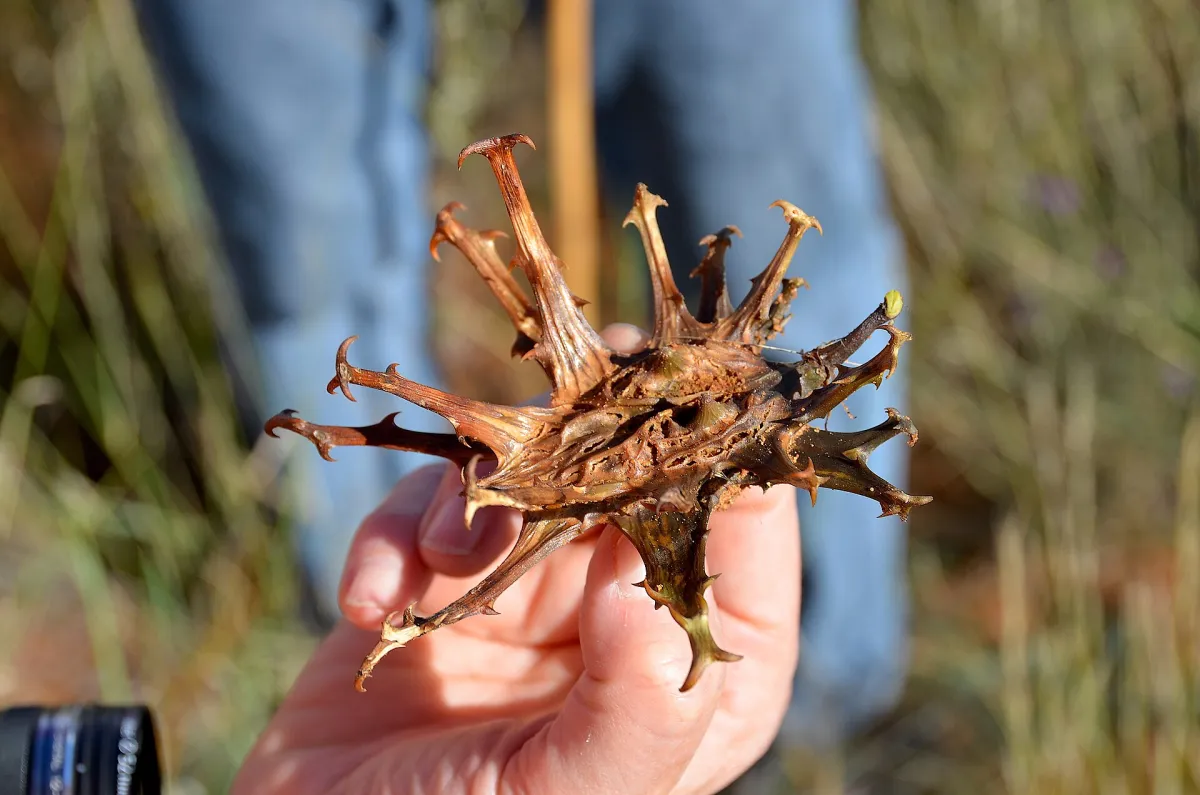 Photo: Olga Ernst & Hp.Baumeler, CC BY-SA 4.0, via Wikimedia Commons
What the evidence says, graded
Traditional use
The San and Khoi peoples used the root for pain, fever and digestive problems, and applied it to wounds. It reached Europe in the early twentieth century as a remedy for rheumatism. The EMA classifies it as traditional use: considered plausible and safe on the basis of long experience, but without enough trials to establish a well-proven indication. The accepted uses are relief of minor joint pain, mild digestive complaints such as bloating and wind, and temporary loss of appetite, in adults only.
Low back pain: moderate evidence, short term
The strongest trials come from the Chrubasik group in Germany: randomised, double-blind, placebo-controlled studies in people with flare-ups of chronic low back pain. An aqueous extract providing 100 mg of harpagoside daily left more patients pain-free than placebo after 4 weeks, while 50 mg had a smaller effect. A pilot study compared it with rofecoxib, a COX-2 painkiller later withdrawn from the market, and found similar results.
The Cochrane review of herbal medicine for low back pain rated this evidence as low to moderate quality: it points to a short-term benefit, but the trials are few and mostly from the same team. There is no good evidence for acute back strain or for sciatica with leg weakness. For the basics that matter more than any supplement, see our guide to back pain.
Osteoarthritis: limited to moderate evidence
A French trial in people with hip and knee osteoarthritis compared powdered root (about 57 mg harpagoside a day) with diacerein, a prescription osteoarthritis drug, over 4 months. Pain and function improved to a similar degree, and the devil’s claw group had fewer side effects and needed fewer rescue painkillers. Open studies without placebo report improvement after 8-12 weeks. Systematic reviews call the findings encouraging but note the lack of large, independent trials. Devil’s claw can be one part of an osteoarthritis plan alongside exercise and weight management, not a replacement for them.
Rheumatoid arthritis, gout, fibromyalgia: insufficient evidence
There is no convincing clinical evidence in rheumatoid arthritis or other autoimmune conditions, and it does not replace disease-modifying treatment. For gout there are only lab data and folk use.
How to use devil’s claw: forms and dosage
The golden rule: look for the harpagoside content. Many supplements just say 500 mg extract with no standardisation. An extract standardised to 5% harpagoside gives 25 mg per capsule, so 2-4 capsules a day reach the studied range of 50-100 mg. If the label does not mention harpagoside at all, you cannot know your dose.
Cold-steeped tea (Commission E method)
- Measure 4.5 g of finely cut root (roughly one heaped teaspoon).
- Pour 300 ml of boiling water over it.
- Cover and leave to steep for 8 hours, for example overnight.
- Strain and divide into 3 portions to drink over the day.
For joint pain, drink each portion with or right after a meal to limit stomach upset. For poor appetite, Commission E lists only 1.5 g of root per day, prepared the same way and taken 30 minutes before meals. The tea is very bitter and harpagoside dissolves incompletely in water, so the dose is approximate.
Capsules and tablets
Choose a standardised dry extract supplying 50-100 mg harpagoside per day, split into 2-3 doses with food. Most people notice a first effect after 2-3 weeks. If there is no change after 4 weeks, the EMA advises seeing a doctor. Osteoarthritis trials used courses of 2-4 months; after that, take a break and reassess.
Topical use
Devil’s claw gels and creams are applied thinly 2-3 times a day to unbroken skin. Evidence for topical use is very weak.
| Form | Daily amount | Approximate harpagoside | How to take | Notes |
|---|---|---|---|---|
| Cut root, cold-steeped tea | 4.5 g | up to about 50 mg in the root, less in the tea | 300 ml, 8 hours, 3 portions | Bitter, imprecise dose |
| Appetite tea | 1.5 g | low | Before meals | Traditional use |
| Root powder capsules | 2-4.5 g | varies by batch | 2-3 doses with food | Ask for standardisation |
| Standardised dry extract | depends on strength | 50-100 mg | 2-3 doses with food | The form used in trials |
| Gel or cream | thin layer, 2-3 times | not applicable | Unbroken skin | Weak evidence |
If you want an anti-inflammatory herb with a different safety profile, compare it with turmeric, which has its own interactions.
Side effects and who should avoid it
The most common side effects are digestive: diarrhoea, nausea, vomiting, abdominal pain and heartburn. Less often people report headache, dizziness or skin allergy. These are usually mild and settle when you stop.
Do not use it if you:
- have a stomach or duodenal ulcer (a contraindication in the EMA monograph); see our guide to gastric ulcer;
- are allergic to the plant;
- are pregnant or breastfeeding (not enough safety data);
- are under 18.
Only with your doctor’s approval if you have gallstones (Commission E notes that it stimulates bile flow), active gastritis or reflux, heart disease or unstable blood pressure, diabetes treated with medication, or planned surgery (tell your surgeon and stop 1-2 weeks beforehand).
Interactions most supplement pages skip
The typical osteoarthritis patient is over 60 and often takes a blood thinner, metformin, a blood pressure pill and the occasional ibuprofen. That is exactly the group that needs the most care.
| Medicine | What may happen | Level of evidence | What to do |
|---|---|---|---|
| Warfarin, acenocoumarol | Bleeding, bruising; possible CYP2C9 inhibition | Case report and lab studies | Avoid, or check INR more often with your doctor |
| Apixaban, rivaroxaban, aspirin, clopidogrel | Added bleeding risk, especially in the gut | Theoretical | Only with medical approval |
| Metformin, sulfonylureas, insulin | Extra drop in blood sugar | Animal studies | Check blood glucose more often |
| Ibuprofen, diclofenac, other NSAIDs | Cumulative stomach irritation | Plausible | Avoid daily combined use without advice |
| Omeprazole, pantoprazole, antacids | The herb raises acid and works against them | Theoretical | Talk to your doctor |
| Blood pressure drugs, antiarrhythmics, digoxin | Changes in heart rate and blood pressure | Animal studies | Monitor pulse and blood pressure |
| Drugs metabolised by CYP3A4, 2C9, 2C19 | Higher blood levels | Lab studies | Caution with narrow-margin drugs |
If you have diabetes, read our guide to type 2 diabetes before adding supplements.
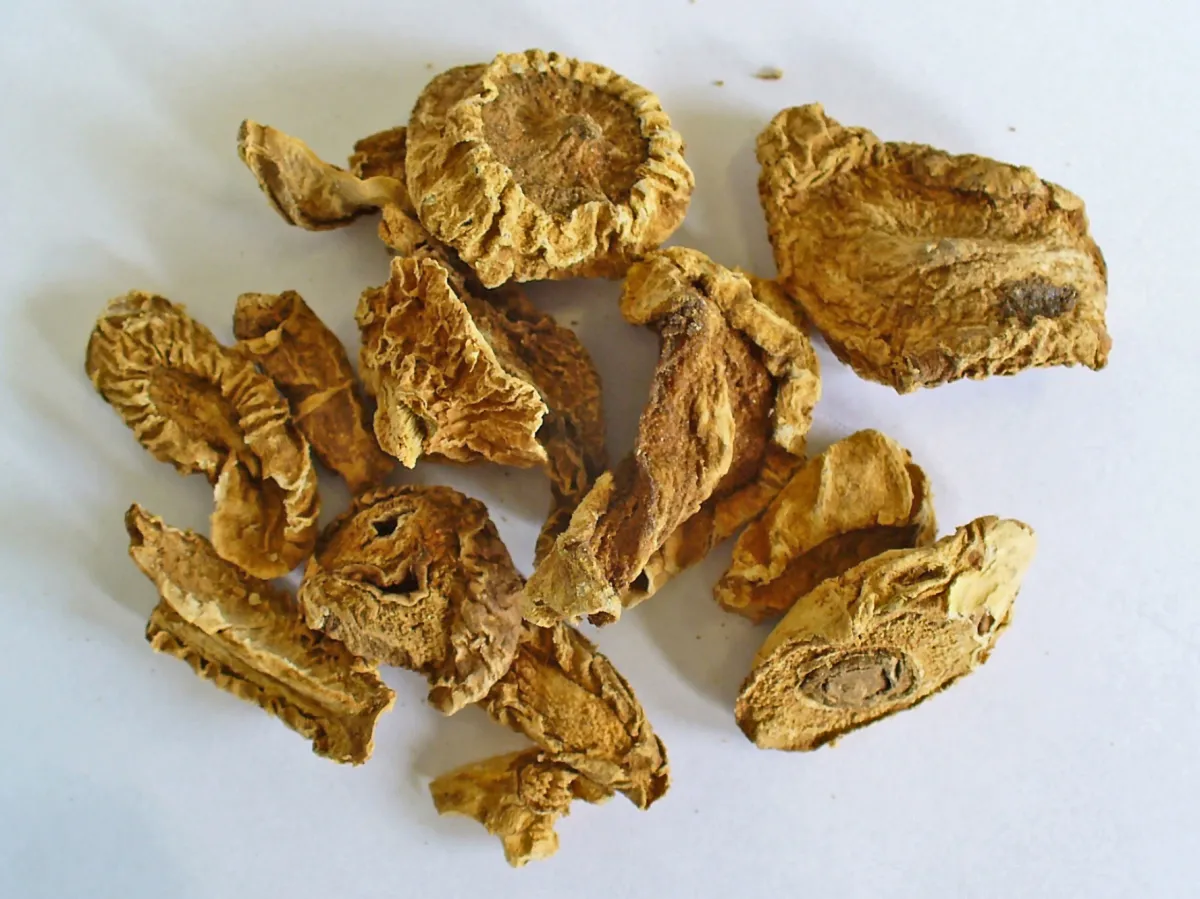 Photo: H. Zell, CC BY-SA 3.0, via Wikimedia Commons
When to see a doctor
Stop devil’s claw and seek medical help if you notice:
- numbness around the buttocks or genitals, or loss of bladder or bowel control (emergency);
- weakness in a leg or pain spreading below the knee;
- back pain with fever, unexplained weight loss or a history of cancer;
- pain that wakes you at night and does not ease with a change of position;
- a joint that suddenly becomes red, hot and swollen (possible gout or infection);
- black stools, vomiting blood or severe upper abdominal pain while taking it;
- no improvement after 4 weeks.
Common mistakes
Choosing a product by milligrams of extract. Without stated harpagoside, the dose is a lottery.
Expecting relief within hours. Devil’s claw is not a rescue painkiller; the effect builds over weeks.
Taking it on an empty stomach alongside daily ibuprofen. Stomach irritation adds up and raises ulcer risk.
Confusing it with cat’s claw. They are unrelated plants with different uses.
Assuming natural means no interactions. Blood thinners and diabetes drugs are the most serious examples.
Taking it indefinitely. After 2-4 months, judge honestly whether pain and mobility have changed.
Conclusion
Devil’s claw is one of the few joint herbs backed by controlled trials, and its modest effect can reduce the need for painkillers in some people with osteoarthritis or chronic low back pain. It only works at real harpagoside doses and after several weeks. People with ulcers, those on blood thinners or diabetes medication, and pregnant women should avoid it or use it only under medical supervision.
Frequently asked questions
How long does devil’s claw take to work? Usually 2-3 weeks of daily use. Trials assessed results at 4 weeks for low back pain and at 2-4 months for osteoarthritis.
Can I take devil’s claw with ibuprofen? Occasional use together has no known dangerous interaction, but daily combined use increases stomach irritation. If you need both long term, ask your doctor about stomach protection.
Is devil’s claw safe long term? Most trials lasted up to 4 months, with mainly mild digestive side effects. Data beyond that are scarce, so take breaks and reassess the benefit.
Can I take devil’s claw if I have diabetes? Animal studies suggest it can lower blood sugar. If you take diabetes medication, use it only with your doctor’s approval and check your glucose more often in the first weeks.
Does devil’s claw help gout? There are no clinical trials supporting it for gout. A gout attack needs diagnosis and medical treatment, and the herb can irritate a stomach already stressed by anti-inflammatories.
Is devil’s claw the same as cat’s claw? No. Devil’s claw is Harpagophytum procumbens from southern Africa; cat’s claw is Uncaria tomentosa from South America. They differ in compounds, uses and risks.
Can I use devil’s claw in pregnancy or while breastfeeding? No. Safety data are lacking, and the EMA does not recommend it during these periods.
Sources and further reading
- European Medicines Agency, HMPC: European Union herbal monograph on Harpagophytum procumbens DC. and/or Harpagophytum zeyheri Decne., radix.
- ESCOP Monographs: Harpagophyti radix (Devil’s claw root).
- Blumenthal M. (ed.), The Complete German Commission E Monographs, American Botanical Council, 1998: Devil’s Claw Root.
- World Health Organization, WHO Monographs on Selected Medicinal Plants, vol. 3: Radix Harpagophyti.
- Oltean H. et al., Herbal medicine for low back pain, Cochrane Database of Systematic Reviews, 2014.
- National Center for Complementary and Integrative Health (NCCIH): Devil’s Claw.
Informative content only; it does not replace a consultation with your doctor or pharmacist, especially if you take blood thinners or diabetes medication or have stomach problems.