 Photo: Natthager, CC BY-SA 4.0, via Wikimedia Commons
Elecampane (Inula helenium) is a tall plant with large yellow flowers whose aromatic root has been used for centuries as an expectorant for chesty cough, bronchitis and lingering colds. It is prepared as a decoction (1 teaspoon of root per cup, simmered for 10 minutes), as a honey syrup or as “elecampane wine”. It is rich in inulin and bitter sesquiterpene lactones with antimicrobial activity seen in the lab; clinical trials in humans, however, are lacking.
It is a strong herb, not an everyday tea: in large doses it irritates the stomach, and people allergic to chamomile or arnica may react to it. Below you will learn how to use it correctly.
Key takeaways
- The root (the thick, aromatic rhizome) is used, harvested in autumn from plants 2-3 years old.
- Main constituents: inulin (up to about 40%), alantolactone and isoalantolactone, volatile oil.
- Traditional use: productive cough, bronchitis, respiratory catarrh, sluggish digestion.
- Usual dose: 1-2 g of root (a level teaspoon) per cup, 2-3 times a day, for no more than 2-3 weeks.
- Contraindicated in pregnancy, breastfeeding, for young children and for people allergic to the daisy family (Asteraceae).
What elecampane is and how to recognise it
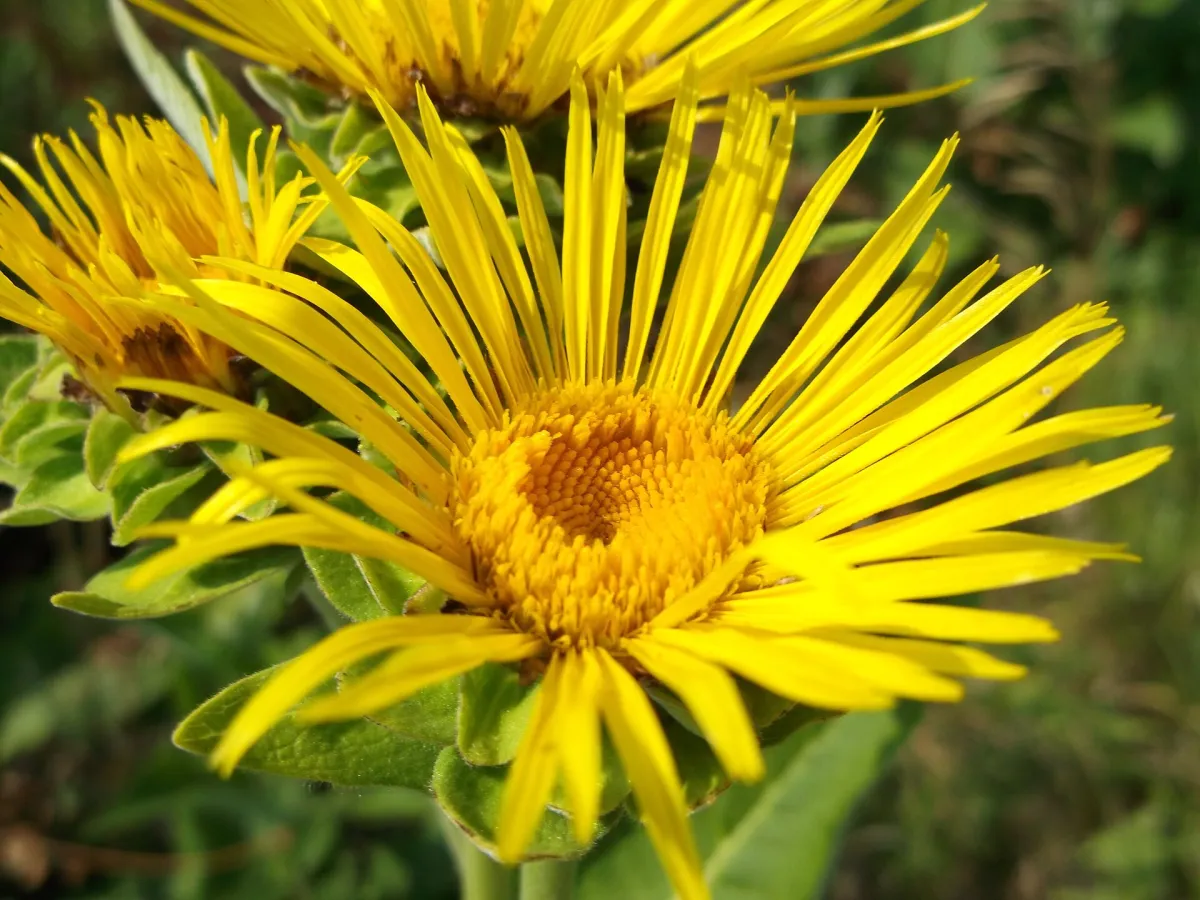
Elecampane is a perennial in the Asteraceae family, impressive for its height: 1.5-2 metres. The basal leaves are huge (up to 50-60 cm), oval, velvety and grey underneath. The flowers are yellow heads 6-8 cm across with many very thin ray petals, like small suns. It blooms from July to September.
It grows wild in damp places, at woodland edges, in orchards and near villages, but above all it was cultivated in traditional Romanian gardens, where it was never missing. The Latin name “helenium” is said to come from Helen of Troy, who was holding the plant when she was abducted. Its Romanian name, “iarbă-mare” (“big herb”), says it all: it is the largest of the garden’s healing plants.
Harvesting and drying
Dig up the roots in autumn (September-October) from plants 2-3 years old, when they are richest in inulin. Wash them, split them lengthwise and then slice them 1-2 cm thick; dry in the shade or in a dehydrator at 35-40°C. The dried root has an aromatic, camphor-like smell faintly reminiscent of violets and a bitter, pungent taste. Store it in a closed jar away from moisture (inulin attracts water).
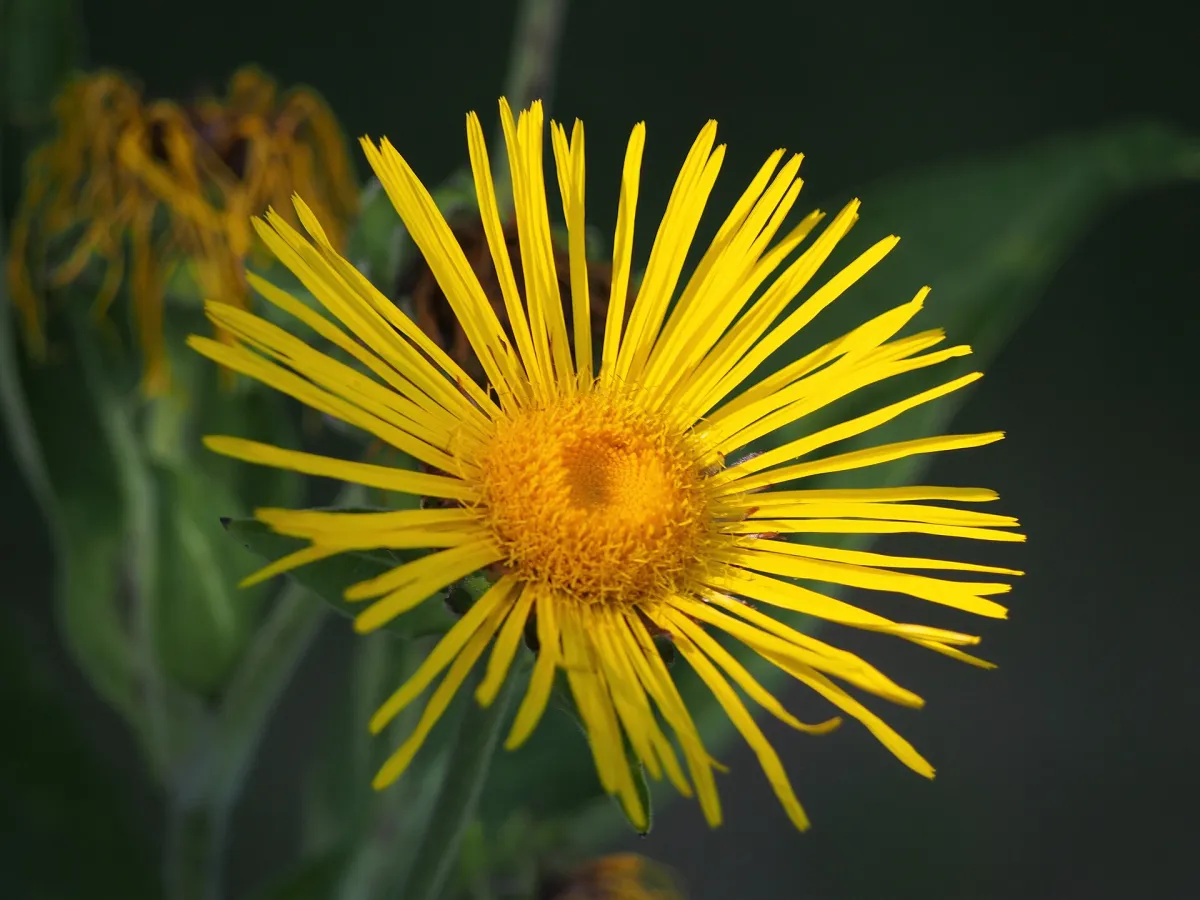 Photo: Agnieszka Kwiecień, Nova, CC BY-SA 4.0, via Wikimedia Commons
Composition and active compounds
- Inulin (up to about 40% of the dried root): a prebiotic fibre; it thickens the decoction and has a soothing effect.
- Sesquiterpene lactones: alantolactone and isoalantolactone (the crystalline mixture was historically called “helenin”); they give the bitter taste, the antimicrobial effect in the lab and the allergenic potential.
- Volatile oil (1-3%): aromatic, contributing to the expectorant effect.
- Triterpenes, phytosterols, mucilage.
Benefits: what tradition says and what studies show
Productive cough and bronchitis
This is the classic use. European tradition, from Dioscorides to Romanian village herbalists, used elecampane root for a “heavy chest”: cough with thick phlegm, bronchitis, colds that “go down to the chest”. The proposed mechanism is twofold: the volatile oil and bitter compounds stimulate bronchial secretion and clearance of mucus (expectorant effect), while inulin and mucilage soothe irritation. Animal studies have shown antitussive and anti-inflammatory effects, but there are no rigorous human clinical trials. For the basics in bronchitis (fluids, rest, when to see a doctor), see our article on bronchitis and the one on productive cough.
Antimicrobial activity
Root extracts and isolated lactones have shown lab activity against some bacteria (including methicillin-resistant Staphylococcus aureus strains), fungi and certain intestinal parasites. These are interesting results, but obtained in test tubes: they do not mean the tea treats an infection in humans. Pneumonia or bacterial bronchitis needs a doctor.
Digestion and appetite
Like all bitter herbs, elecampane stimulates gastric juice and bile. Tradition used it for poor appetite and slow digestion, and “elecampane wine” was a tonic aperitif. Inulin feeds beneficial gut bacteria.
Intestinal worms
An old folk use, supported by some laboratory observations. Confirmed parasites need medical treatment.
How to prepare elecampane
Root decoction
- Put 1 level teaspoon (1-2 g) of dried, chopped root into 250 ml of cold water.
- Leave to soak for 1-2 hours (optional, improves extraction).
- Bring to the boil and simmer gently for 10 minutes.
- Cover, leave for 10 minutes, then strain.
Drink 2-3 cups a day, warm, sweetened with a teaspoon of honey (which also soothes a sore throat). The taste is bitter and aromatic.
Elecampane honey syrup
- Simmer 20 g of dried root in 500 ml of water over low heat until reduced by half (about 20-25 minutes).
- Strain and let it cool below 40°C.
- Stir in 250 g of honey.
- Keep in the fridge for up to 2 weeks.
Dose: 1 teaspoon 3-4 times a day for adults. The syrup can be combined with other cough herbs; for ideas see our article on homemade cough syrups.
Elecampane wine (traditional recipe)
Put 30 g of dried root in a bottle with 750 ml of dry white wine, leave for 8-10 days, shaking daily, then strain. Drink a small glass (30 ml) before meals, twice a day, as a tonic and for digestion. Not suitable for anyone who must avoid alcohol, drivers, pregnant women or children.
Tincture
Dried, chopped root in 50-60% alcohol, ratio 1:5, macerated for 2 weeks. Usual dose: 20-30 drops 2-3 times a day in water. General principles are in our guide to herbal tinctures.
Traditional combinations
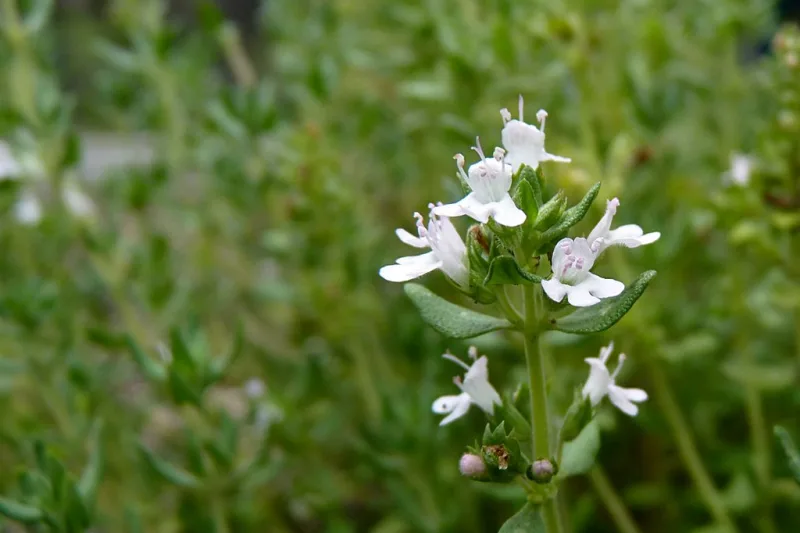
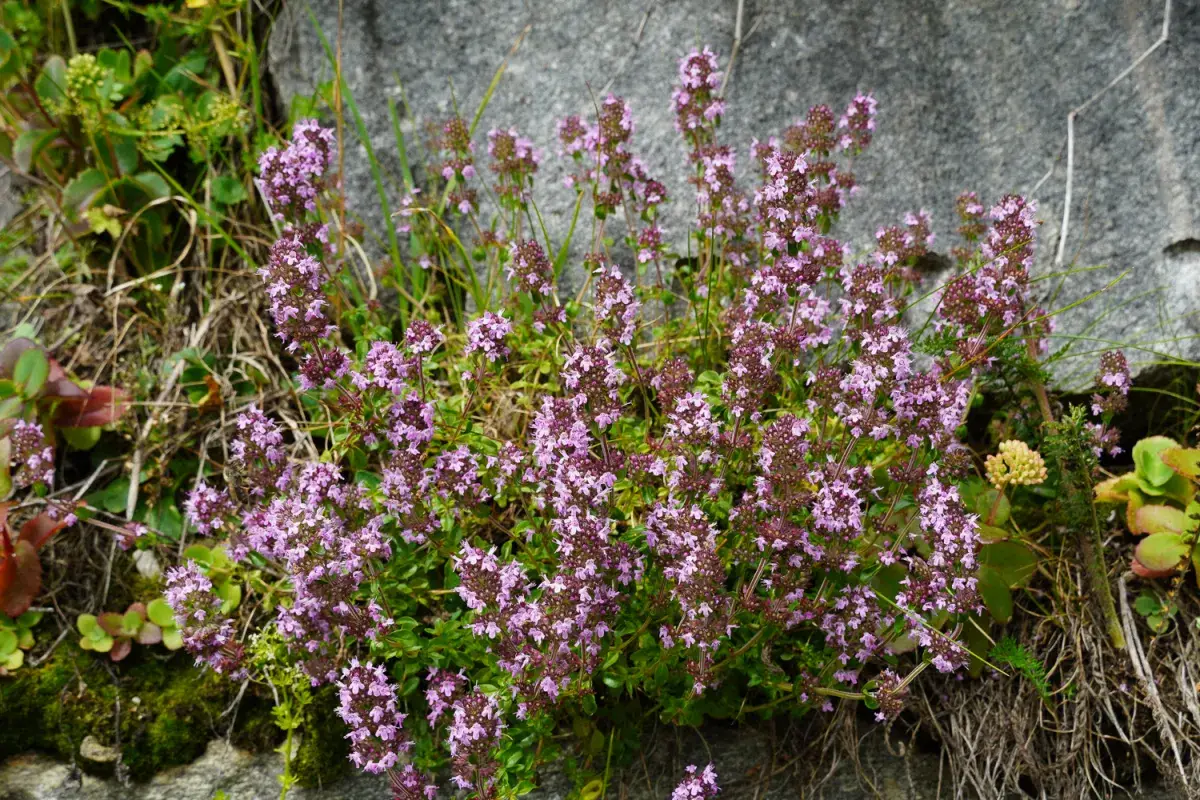
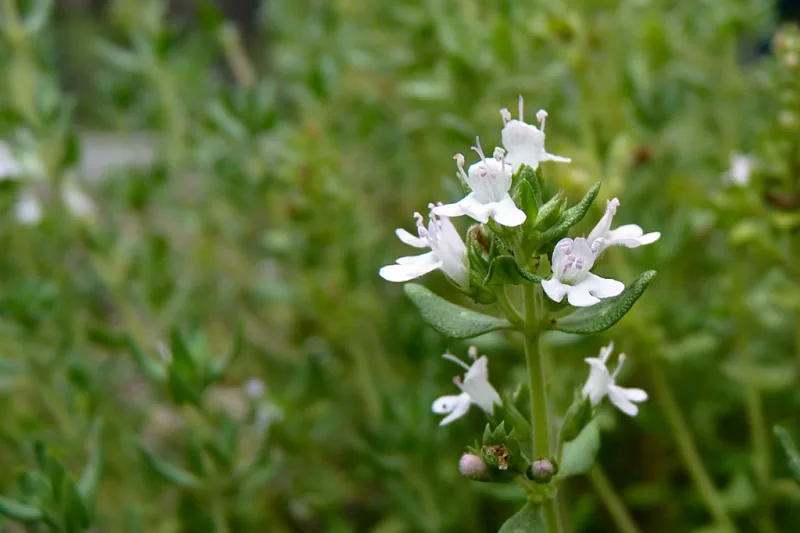
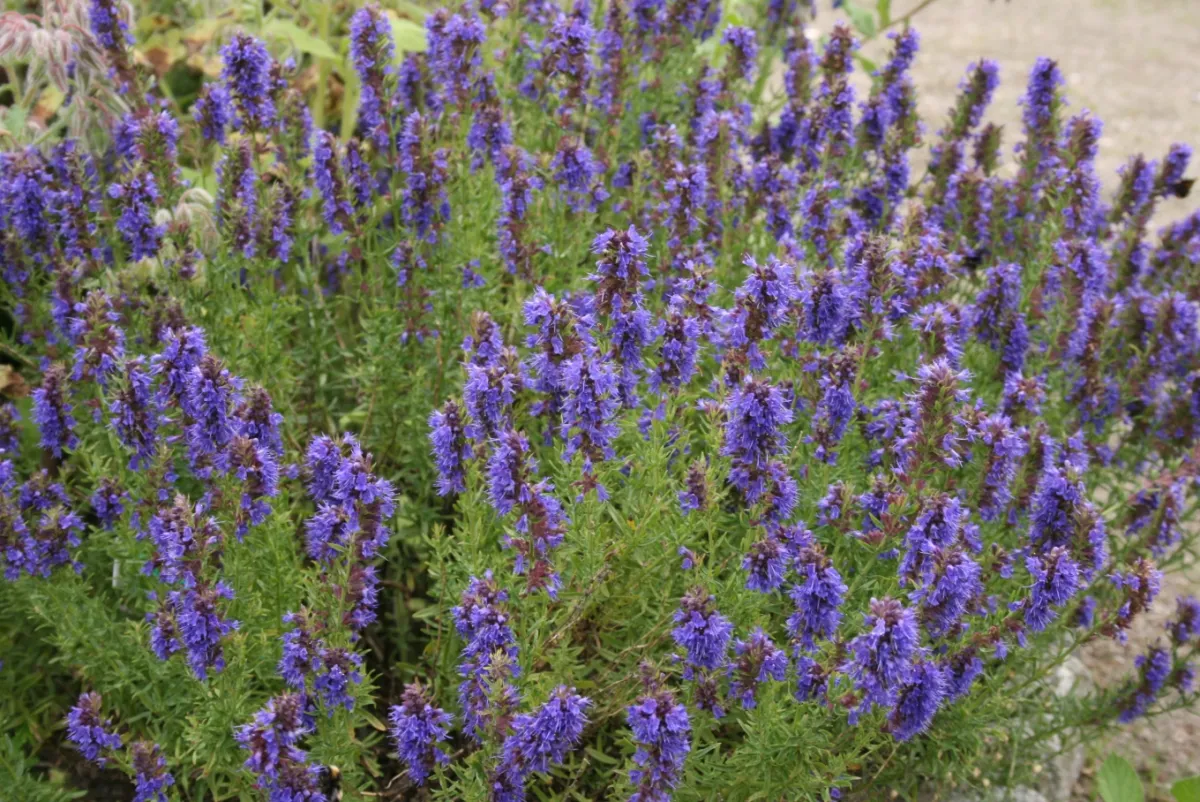
For cough, elecampane is often combined with plantain (soothing), thyme (antiseptic, antispasmodic) and hyssop.
Dosage guide
| Form | Amount | Frequency | Maximum duration |
|---|---|---|---|
| Decoction | 1-2 g root per 250 ml, 10 min | 2-3 cups/day | 2-3 weeks |
| Honey syrup | 1 teaspoon | 3-4 times/day | 2 weeks |
| Tincture 1:5 | 20-30 drops | 2-3 times/day | 2-3 weeks |
| Elecampane wine | 30 ml | twice a day, before meals | 2-3 weeks |
Do not exceed these doses. Large amounts of elecampane can cause vomiting, diarrhoea, cramps and, very rarely, paralysis-like symptoms described in older literature.
Contraindications and precautions
- Pregnancy and breastfeeding: contraindicated (sesquiterpene lactones and lack of safety data).
- Children under 12: not recommended without a doctor.
- Allergy to Asteraceae (chamomile, arnica, calendula, ragweed, sunflower): risk of allergic reactions; alantolactone is a known contact allergen, so even handling the fresh root can cause dermatitis.
- Gastritis, ulcer, irritable bowel: the bitterness and lactones may irritate.
- Diabetes: some sources mention a possible effect on blood sugar; monitor.
- Sedatives and blood pressure medication: possible potentiation reported in specialist sources; talk to your doctor.
- Surgery: stop 2 weeks before.
When to see a doctor
- Fever above 38.5°C for more than 3 days, or fever that returns after improvement.
- Laboured or wheezy breathing, chest pain when breathing.
- Blood-streaked, dark green or rust-coloured sputum.
- A cough lasting more than 3 weeks (a serious cause must be ruled out).
- Cough in infants, frail older adults, people with asthma or heart disease.
Common mistakes
Using the flowers or leaves. The medicinal part is the root.
Doubling the dose “to get better faster”. Elecampane becomes irritating to the gut at high doses.
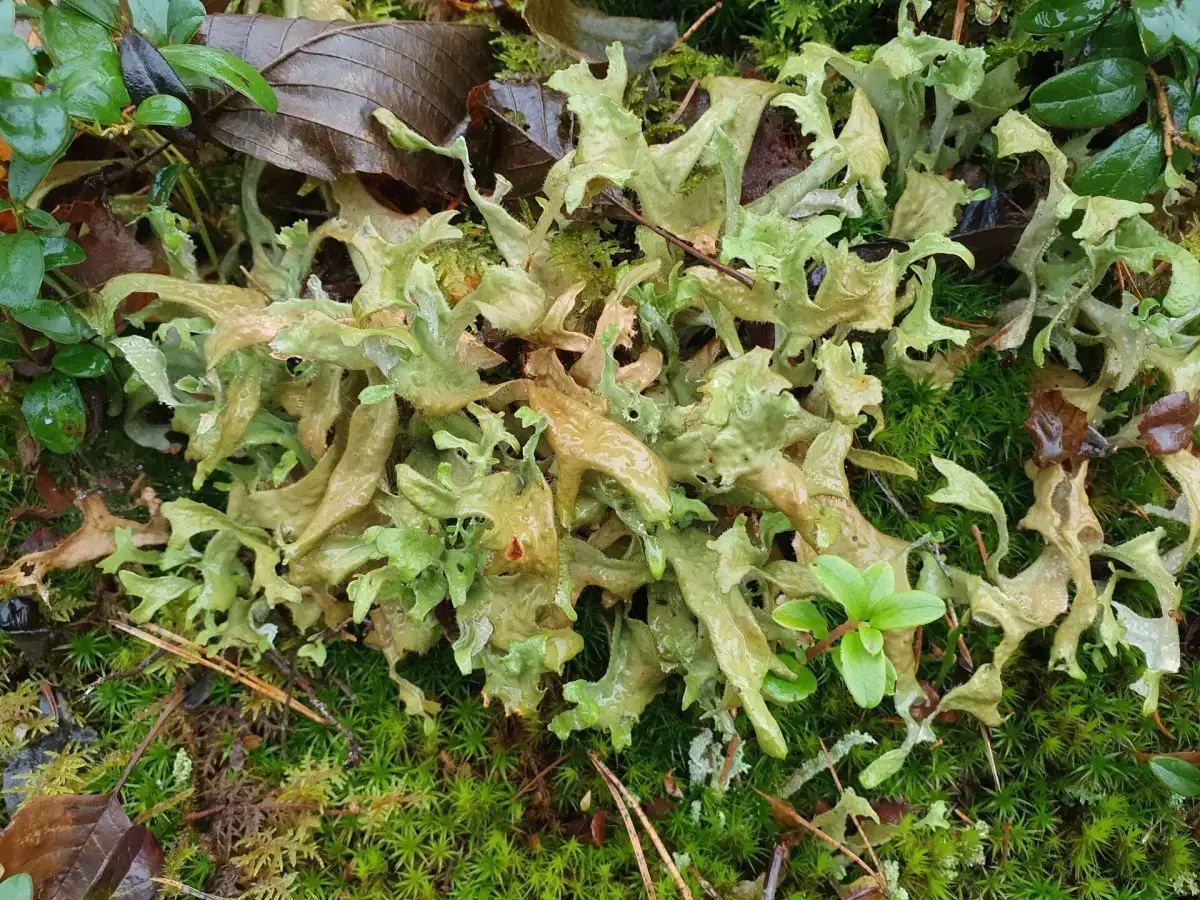
Using it for a dry, tickly cough. It is an expectorant, suited to a productive cough; for dry cough, soothing herbs such as mallow or Iceland moss are preferred.
Ignoring a chamomile allergy. The shared botanical family matters.
Replacing antibiotics in a confirmed bacterial infection.
Conclusion
Elecampane is one of Europe’s oldest lung herbs, and its bitter, aromatic root still earns a place in the home medicine cabinet for chesty cough and uncomplicated bronchitis. Laboratory work confirms it has interesting active compounds, but clinical trials are missing, so it remains a traditional remedy to be used with restraint. Respect the doses, avoid it in pregnancy and if you are allergic to the daisy family, and see a doctor if your cough worsens or you develop fever and breathlessness.
Frequently asked questions
What is elecampane good for? Traditionally for productive cough, bronchitis and colds that settle on the chest, as well as digestion and appetite. Its effects are supported by tradition and lab studies, not large clinical trials.
Which part of elecampane is used? The root, harvested in autumn from plants 2-3 years old, sliced and dried in the shade.
Is elecampane good for a dry cough? It is not the first choice. It is an expectorant for a cough with phlegm. For dry cough, soothing herbs such as mallow or plantain are preferred.
Can I give elecampane syrup to children? It is not recommended under 12 without medical advice. In children, cough should be assessed by a paediatrician.
What is elecampane wine? A traditional preparation: elecampane root steeped in white wine for 8-10 days and taken in small amounts before meals as a tonic and digestive.
Are elecampane and “oman” the same plant? Yes. Inula helenium is known in Romania both as iarbă-mare and as oman; both names refer to the same species.
How long can I use elecampane? Usually no more than 2-3 weeks. If your cough continues beyond that, see a doctor.
Sources and further reading
- German Commission E: assessment of elecampane root (Helenii radix), not approved for therapeutic use due to lack of proven efficacy and allergy risk.
- PubMed reviews on the phytochemistry and pharmacology of Inula helenium (alantolactone, isoalantolactone).
- Laboratory studies on the antibacterial activity of Inula helenium extracts against Staphylococcus aureus.
This article is for information only and does not replace medical advice. Talk to your doctor or pharmacist before using medicinal plants, especially if you take medication or have a chronic condition.