
Hawthorn: Heart Benefits, Uses and How to Prepare It
IMPORTANT: Hawthorn (Crataegus monogyna and Crataegus laevigata) acts directly on the cardiovascular system, which is why it should never be used carelessly, especially if you have a diagnosed heart condition. If you take heart medication (digoxin, beta-blockers, blood-pressure drugs), anticoagulants, or medication for erectile dysfunction, hawthorn may amplify or alter their effect. Always consult your doctor or pharmacist before starting a course. Pregnant and breastfeeding women should avoid concentrated preparations (tinctures, standardized extracts) without medical advice. Hawthorn does not replace any cardiac treatment and is not a remedy for emergencies — chest pain, severe palpitations, or difficulty breathing require calling emergency services immediately.
A story from the edge of the forest
Grandma Veta had a huge hawthorn bush right at the bottom of the garden, next to the wicker fence. In autumn, when the berries turned as red as beads, she would gather them in her apron and lay them out to dry on a clean cloth spread across the attic. “This is the old folks’ remedy,” she used to say, “it keeps our hearts where they belong.” Grandfather, a man who had worked hard in the fields all his life and who tired quickly climbing the hill toward the house, drank a cup of warm tea made from hawthorn flowers and leaves every evening. Grandma swore that ever since she put him on “the heart tea,” her man slept more peacefully and no longer complained of “pounding” in his chest when he got upset.
Years later I learned this was not just an old wives’ tale. Hawthorn is one of the few medicinal plants recognized even by modern herbal medicine for the support it offers the heart and blood vessels. Romanian folk tradition has always used it as a “friend of the tired heart,” and herbalists in mountain villages recommended it to those past a certain age, to people with strong emotions, and to those who “felt their heart fluttering.”
What hawthorn is
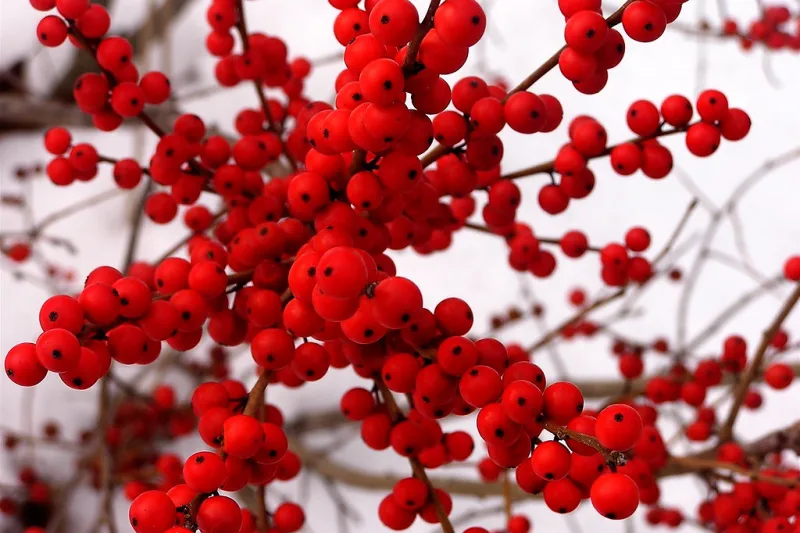
Hawthorn is a thorny shrub or small tree from the Rosaceae family — the same botanical clan as the rose, the apple, and the rosehip. It grows wild at the edges of forests, on sunny slopes, in thickets, and along country roads, being extremely widespread throughout Europe. In spring it is covered with white or faintly pink flowers with a distinctive fragrance, and in autumn it produces small red fruits, popularly called “haws.”
For medicinal purposes, three parts of the plant are used: the flowers, the young leaves, and the ripe fruits. Each has its own active compounds, but they all “work” in the same direction — supporting the heart, calming the nervous system, and promoting good circulation. This is exactly why many herbalists consider hawthorn “nature’s cardiac remedy.”
Table of Contents
- Where it grows and how to recognize it
- Composition and active compounds
- Health benefits
- Traditional uses
- How to prepare it: tea, tincture, cold infusion
- Dosage and how to take it
- A lifestyle for a healthy heart
- Practical Tips and Common Mistakes
- Conclusion
- Frequently Asked Questions
Where it grows and how to recognize it
Hawthorn prefers sunny spots and well-drained soils. We find it on hills, at the edge of deciduous forests, in clearings, but also in hedgerows planted around households. The bush can reach 4–6 meters in height, has branches covered with sharp thorns, and a grayish bark.
The leaves are small, lobed, and deep green, while the flowers, which appear in May, are grouped in white clusters that perfume the air all around. The fruits ripen toward the end of summer and into autumn, turning bright red, with a mealy pulp and a hard stone (or two, depending on the species). Flowers are harvested in spring, in dry weather, just as they open, while fruits are picked in autumn when fully ripe. It is important to harvest away from roads and from areas treated with pesticides.
Composition and active compounds
The therapeutic value of hawthorn comes from a complex of substances that act together, not from a single “miracle” compound. Studies suggest that among the most important active compounds are:
- Flavonoids (hyperoside, vitexin, rutin, quercetin) — compounds with antioxidant action that support the elasticity of blood vessels.
- Oligomeric proanthocyanidins (OPCs) — substances that protect the capillaries and contribute to better circulation.
- Triterpene acids (crataegolic acid, ursolic acid, oleanolic acid).
- Amines and other compounds that influence vascular tone.
- Vitamin C and organic acids, especially in the fruits.
The synergy between flavonoids and proanthocyanidins is, in the opinion of herbalists, the “secret” of hawthorn: they work together to support the heart and circulatory system in a gentle but steady way. This is precisely why hawthorn’s effects are not felt immediately, but rather after several weeks of regular use.
Health benefits
Support for the heart and circulation
The best-known benefit of hawthorn is linked to heart health. Folk tradition and modern herbal medicine recommend it for supporting normal cardiac activity, especially in elderly people or in those who feel their heart is “tired.” Studies suggest that hawthorn extracts may help improve circulation in the heart muscle and support its capacity to cope with effort.
Help in regulating blood pressure
Hawthorn is valued for its gentle blood-pressure-balancing effect. It does not act abruptly but mildly, which is why it is considered a “background” support during periods of slightly elevated pressure — always alongside the doctor’s recommendations, never instead of them.
A nervous-system calmative and sleep support
In folk medicine, hawthorn was used for the “heart troubled by worries.” It has a mild calming effect, which is why it is recommended for anxious people, for those who get angry quickly, and for those who have palpitations on a nervous basis. A cup of hawthorn flower tea in the evening can help toward a more peaceful sleep.
Antioxidant and vascular protector
The richness in flavonoids and proanthocyanidins makes hawthorn a good antioxidant. These substances help neutralize free radicals and protect the walls of blood vessels, thus contributing to maintaining their elasticity over time.
Digestive support
Hawthorn fruits have also been used traditionally as a mild digestive tonic, especially in the form of a decoction, to soothe the stomach and support sluggish digestion.
Traditional uses
In households of old, hawthorn was never missing from the “pharmacy” on the shelf. Dried flowers were kept in cloth pouches and used for teas for the “calming of the heart.” The fruits were dried and ground, then added to tea blends or even to bread and cakes during years of famine. Hawthorn tincture, prepared with brandy or spirit, was the “evening drop” of many old folk.
In some regions, hawthorn was combined with motherwort and valerian for a stronger calming effect, or with mistletoe to support blood pressure. These traditional blends still form the basis of many commercial “heart teas” today.
How to prepare it: tea, tincture, cold infusion
Hawthorn flower and leaf tea (infusion)
- Put one teaspoon of dried hawthorn flowers and leaves in a cup.
- Pour 200–250 ml of boiling water over them.
- Cover the cup and let it steep for 10–15 minutes.
- Strain and drink the tea warm, optionally sweetened with a little honey (once it has cooled a bit).
This is the gentlest preparation and the most suitable for the calming effect and for everyday support.
Decoction from hawthorn fruits
The fruits, being harder, need light boiling to release their active compounds:
- Put one tablespoon of dried, lightly crushed fruits in a pot with 250 ml of cold water.
- Bring to a boil and let it simmer gently for 5–10 minutes.
- Remove from heat, cover, and let it “rest” for another 10 minutes.
- Strain and consume.
Hawthorn tincture
The tincture is the concentrated form, suitable for longer courses (only with medical advice):
- Half-fill a clean jar with chopped hawthorn flowers, leaves, and fruits.
- Pour food-grade alcohol of 40–50% over them until the plant is well covered.
- Close the jar and leave it to macerate for 2–3 weeks at room temperature, away from light, shaking daily.
- Strain through cheesecloth, squeeze well, and store the tincture in dark glass bottles.
It is taken diluted in a little water, in the doses recommended by a specialist.
Cold infusion
For a milder preparation, the flowers can be left overnight in water at room temperature, then strained in the morning. A cold infusion better preserves the heat-sensitive substances.
Dosage and how to take it
For tea, the usual dose is 1–2 cups per day, drunk regularly for several weeks. Hawthorn does not produce results “overnight” — its effects build up over time through consistent use. For this reason, a typical course lasts 4–6 weeks, followed by a break.
The tincture is generally used in doses of a few drops up to a teaspoon diluted in water, two to three times a day, but the exact dosage must be established together with your doctor, especially if you are already on a cardiac treatment. For standardized commercial extracts, always follow the instructions on the packaging.
Patience is the key word with hawthorn: it is a “background” plant, not a “rescue” one.
A lifestyle for a healthy heart
Hawthorn delivers the best results when it is part of a heart-friendly lifestyle. A few simple habits can amplify its effects:
- Gentle, regular movement — daily walks, strolling, light exercise that “gets the blood moving.”
- A balanced diet — more vegetables, fruit, fish, olive oil, and less salt, sugar, and fried fats.
- Stress management — deep breathing, moments of quiet, sufficient sleep. The heart “feels” emotions, and hawthorn has always been the plant of the restless.
- Quitting smoking and moderation with alcohol — two essential factors for the health of the blood vessels.
- Periodic medical check-ups — measuring blood pressure and pulse helps to track progress.
Combined with these habits, hawthorn becomes a valuable natural support, but never a substitute for medical care.
Practical Tips and Common Mistakes
Mistake no. 1: Expecting immediate results. Hawthorn is not a fast-acting calmative. Many people give up after a few days without feeling any effect. In reality, the benefits appear after 3–6 weeks of consistent use.
Mistake no. 2: Using it without medical advice in the presence of heart disease. If you take medication for the heart or for blood pressure, hawthorn can amplify it. Never reduce or stop a prescribed treatment in order to replace it with hawthorn tea.
Mistake no. 3: Harvesting near roads. Plants growing at the edge of roads accumulate heavy metals and pollutants. Harvest only from clean areas, away from traffic and from crops treated with chemicals.
Mistake no. 4: Confusing it with other red-berried bushes. There are similar-looking but toxic plants. If you are not sure about identifying the plant, buy hawthorn from pharmacies or herbal shops, where it is verified.
Mistake no. 5: Preparing the fruits incorrectly. The hard fruits do not release their active compounds in a simple infusion. For them, use a decoction (gentle boiling), not just steeping.
Mistake no. 6: Excessive doses. “More” does not mean “better.” Large doses can cause dizziness, drops in blood pressure, or rhythm disturbances. Stick to the recommended amounts.
Conclusion
Hawthorn is, rightly, considered “the herb of the heart.” Gentle but steady, it supports cardiac activity, calms the nervous system, and protects the blood vessels through its richness in flavonoids and proanthocyanidins. Romanian folk tradition has always used it for the “tired” or “troubled” heart, and modern herbal medicine confirms part of these uses. The key lies in patience, in correct use, and — most importantly — in collaboration with your doctor, especially for those with heart conditions. Used wisely, alongside a healthy lifestyle, hawthorn remains one of nature’s most valuable remedies for a peaceful heart.
Frequently Asked Questions
How long does it take to feel the effects of hawthorn? Unlike other plants, hawthorn works slowly. The benefits for the heart and for a state of calm usually appear after 3–6 weeks of daily use, which is why it is a “background” plant, not a quick remedy.
Can I drink hawthorn tea if I take heart medication? Only with medical advice. Hawthorn can amplify the effect of cardiac medications and blood-pressure drugs, which can be dangerous. Always discuss it with your doctor or pharmacist first.
Which part of the plant is best? The flowers and leaves are the most suitable for the calming effect and for everyday teas, while the fruits are more concentrated and are often used as a decoction or tincture. Many traditional blends combine all three.
Is hawthorn safe for pregnant women? Concentrated preparations (tinctures, extracts) should be avoided during pregnancy and breastfeeding without medical advice. Its action on the cardiovascular system calls for caution.
Can I use hawthorn for anxiety and insomnia? Yes, it is traditionally used to “calm the heart” and for better sleep, especially when restlessness has a nervous component. A cup of flower tea in the evening can help, but serious sleep disorders require medical consultation.
How do I store dried hawthorn correctly? In closed containers, away from light and moisture, in cool places. Flowers and leaves keep their quality for about a year, while dried fruits a little longer.
Can I take hawthorn all the time, without a break? The traditional recommendation is to take courses of 4–6 weeks, followed by breaks of a few weeks. Very long-term use should be discussed with your doctor.
Does hawthorn lower or raise blood pressure? It is generally valued for a gentle balancing effect on blood pressure, acting more as support than as a sudden reducer. For this very reason, those with low blood pressure or taking antihypertensive medication should be cautious and consult their doctor.