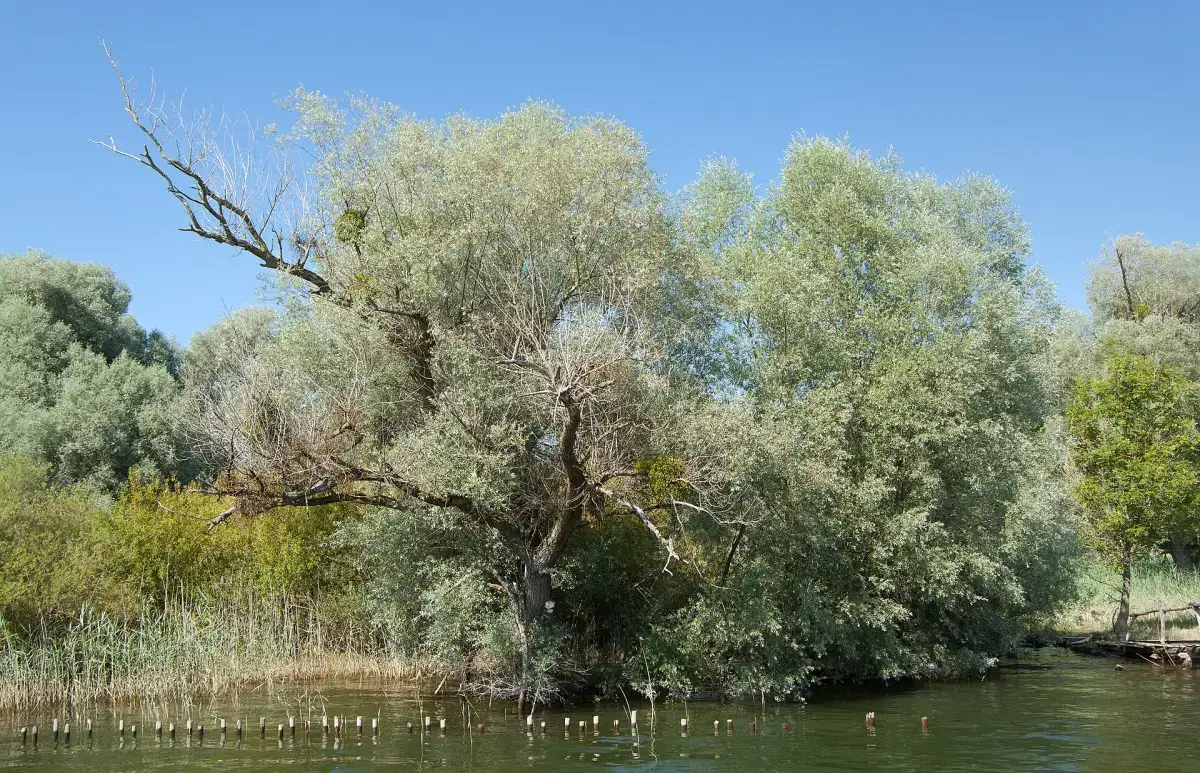
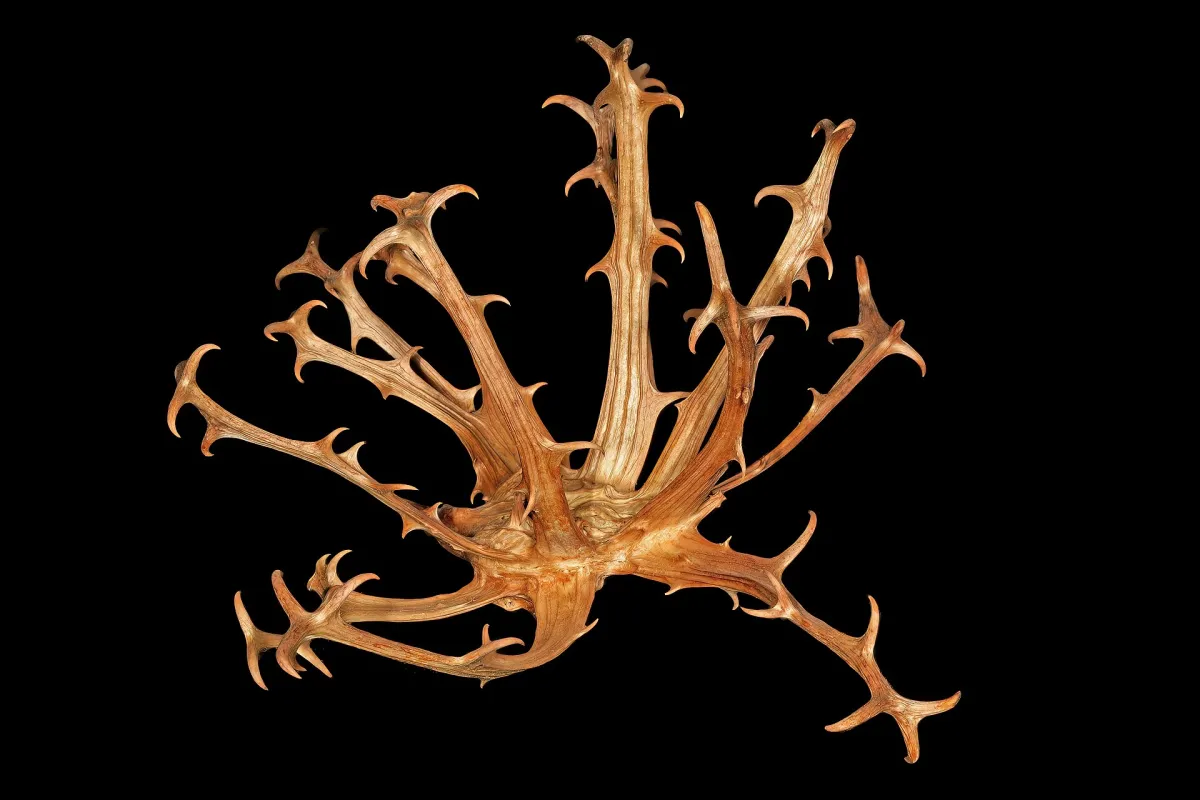
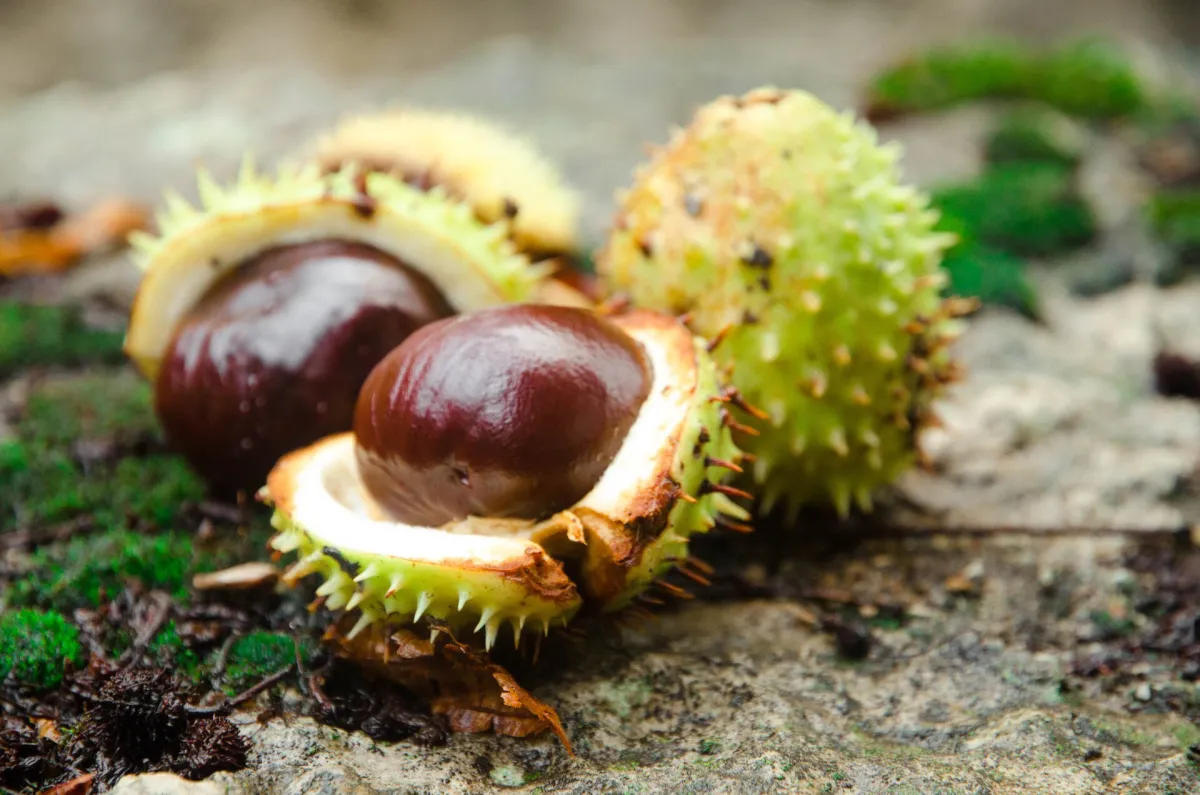
 Photo: Valerio Carnevali, CC BY-SA 3.0, via Wikimedia Commons
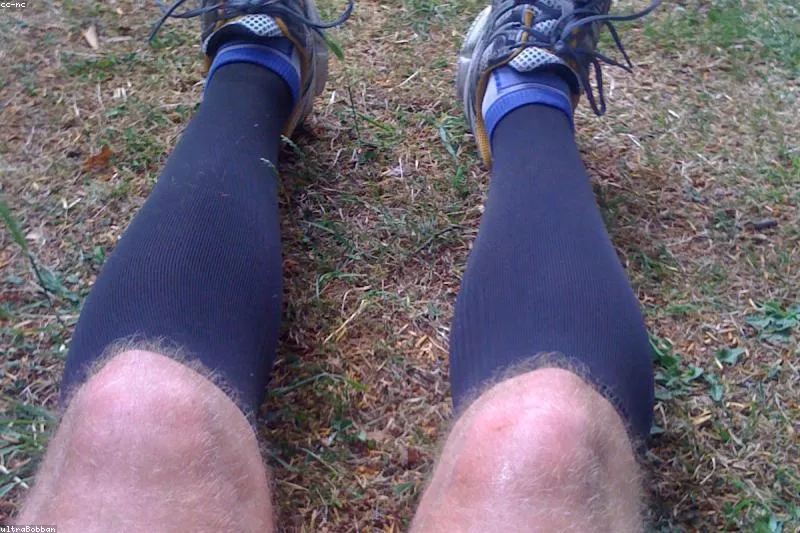
Horse chestnut (Aesculus hippocastanum) is one of the few herbal remedies backed by solid clinical evidence: standardized horse chestnut seed extract, rich in aescin (also called escin), reduces leg pain, heaviness, itching and swelling in chronic venous insufficiency. It is taken as an oral extract standardized to aescin (usually 100 mg aescin a day) or applied to the skin as a gel. Raw conkers and homemade preparations, however, are poisonous and should never be swallowed.
Key takeaways:
- Aescin, the main saponin in the seeds, makes leaky capillaries less permeable and limits fluid seeping into tissues, which explains its anti-swelling effect.
- A Cochrane review found that standardized horse chestnut seed extract improves leg pain, edema and itching in chronic venous insufficiency in the short term.
- The studied oral dose is 50 mg aescin twice daily with food, from standardized pharmacy products.
- Raw seeds, husks, leaves and bark contain esculin and irritant saponins: do not eat them or brew teas or drinkable tinctures from them.
- Take extra care with blood thinners, kidney or liver disease, pregnancy and children.
- The extract does not replace compression stockings and does not treat blood clots.
What is horse chestnut?
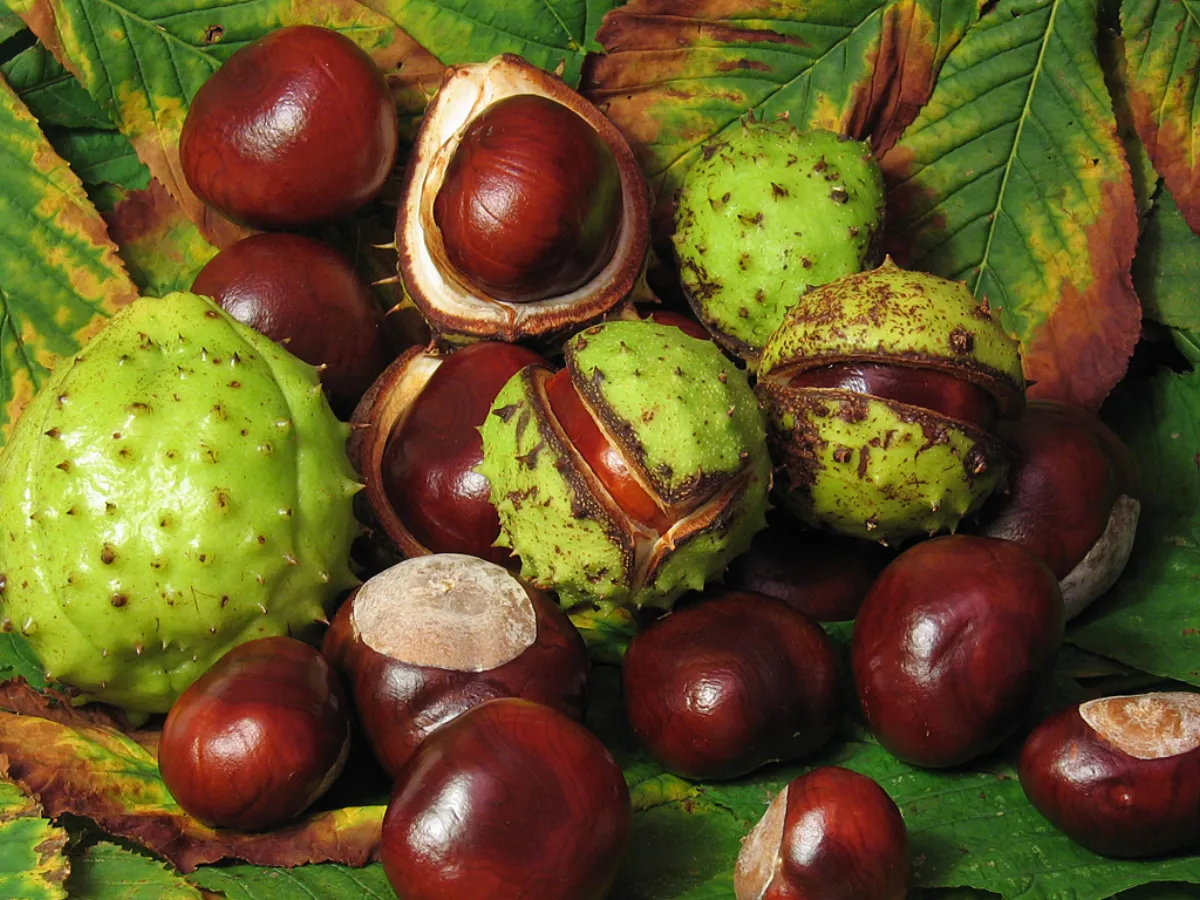
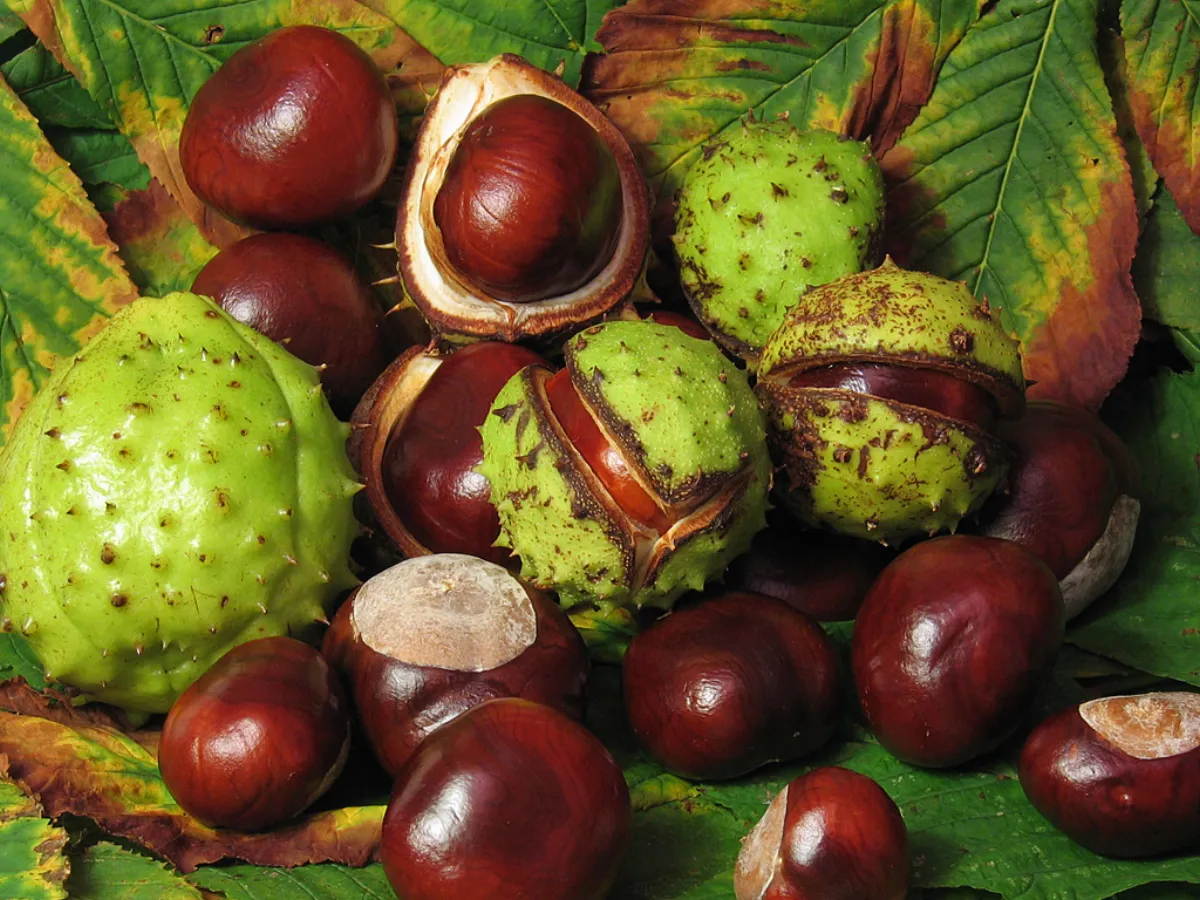
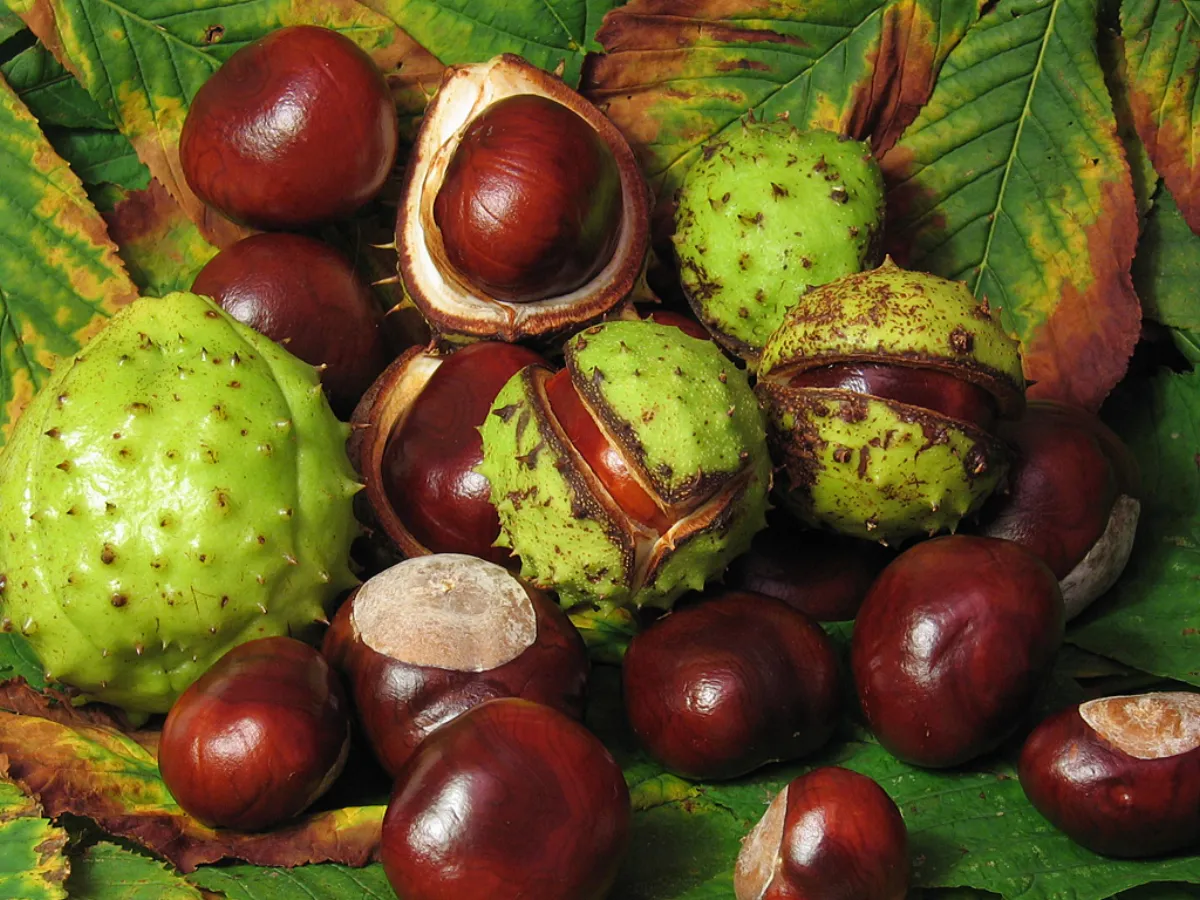
Horse chestnut is the ornamental tree that lines parks and city avenues, with large palmate leaves made of 5-7 leaflets and upright white flower ‘candles’ that bloom in April and May. In autumn it produces green husks with a few blunt spines, each holding 1-3 glossy brown seeds with a pale scar: the conkers children collect.
It should not be confused with the sweet chestnut (Castanea sativa), the one roasted on street corners in winter. Sweet chestnuts sit in husks covered in dense, fine spines like a hedgehog, and each nut has a pointed tip with a small tuft. The two trees are not even related, and mixing them up can lead to poisoning.
Herbal medicine uses the seed (Hippocastani semen), from which standardized extracts are made. The bark and leaves have traditional uses, but there is no good evidence for them and they are not recommended internally.
Active compounds and how they work
- Aescin (escin): a mixture of triterpene saponins, mainly β-aescin. This is the marker extracts are standardized to.
- Flavonoids (quercetin and kaempferol derivatives) with antioxidant activity.
- Coumarins, especially esculin and fraxin, found in the seeds, bark and leaves. Pharmaceutical extracts have most of the esculin removed, because it contributes to toxicity.
- Proanthocyanidins in the seed coat.
Pharmacological research shows that aescin reduces capillary permeability, inhibits enzymes that break down the supporting tissue of vessel walls (elastase and hyaluronidase) and increases venous tone. In practical terms, less fluid escapes into the tissues, ankles swell less and the heavy-leg feeling eases.
Benefits: what is proven and what is tradition
Chronic venous insufficiency: good evidence
This is the best-supported use. The Cochrane review by Pittler and Ernst, which pooled randomized controlled trials, concluded that standardized horse chestnut seed extract improves leg pain, edema and itching compared with placebo in the short term and is well tolerated. A trial published in The Lancet found a reduction in lower leg volume comparable to that achieved with compression stockings.
The European Medicines Agency (through its HMPC committee) classifies the standardized dry extract as ‘well-established use’ for chronic venous insufficiency, and the German Commission E approved it for the same indication. For the bigger picture, read our guide to chronic venous insufficiency.
Varicose veins: symptom relief, not disappearance
The extract will not make bulging veins vanish. What it helps with is symptoms: heaviness, night cramps, tingling and evening swelling. For visible varicose veins, the real options remain compression, movement and, where needed, sclerotherapy or surgery. See also our natural remedies for varicose veins.
Hemorrhoids, bruises, post-injury swelling: limited evidence
Aescin gels are used for bruises and swelling after minor knocks, and a few small studies are encouraging, but not enough for firm conclusions. For hemorrhoids, use is mostly traditional, although the logic (dilated veins, local edema) is the same.
Folk habits without support
Carrying conkers in your pocket ‘against rheumatism’ or rubbing homemade conker tincture on sore joints are old customs. There is no evidence for the first, and the strength of a homemade tincture is unknown. If you want a topical effect, a pharmacy gel with a declared aescin content is the dosed, safe choice.
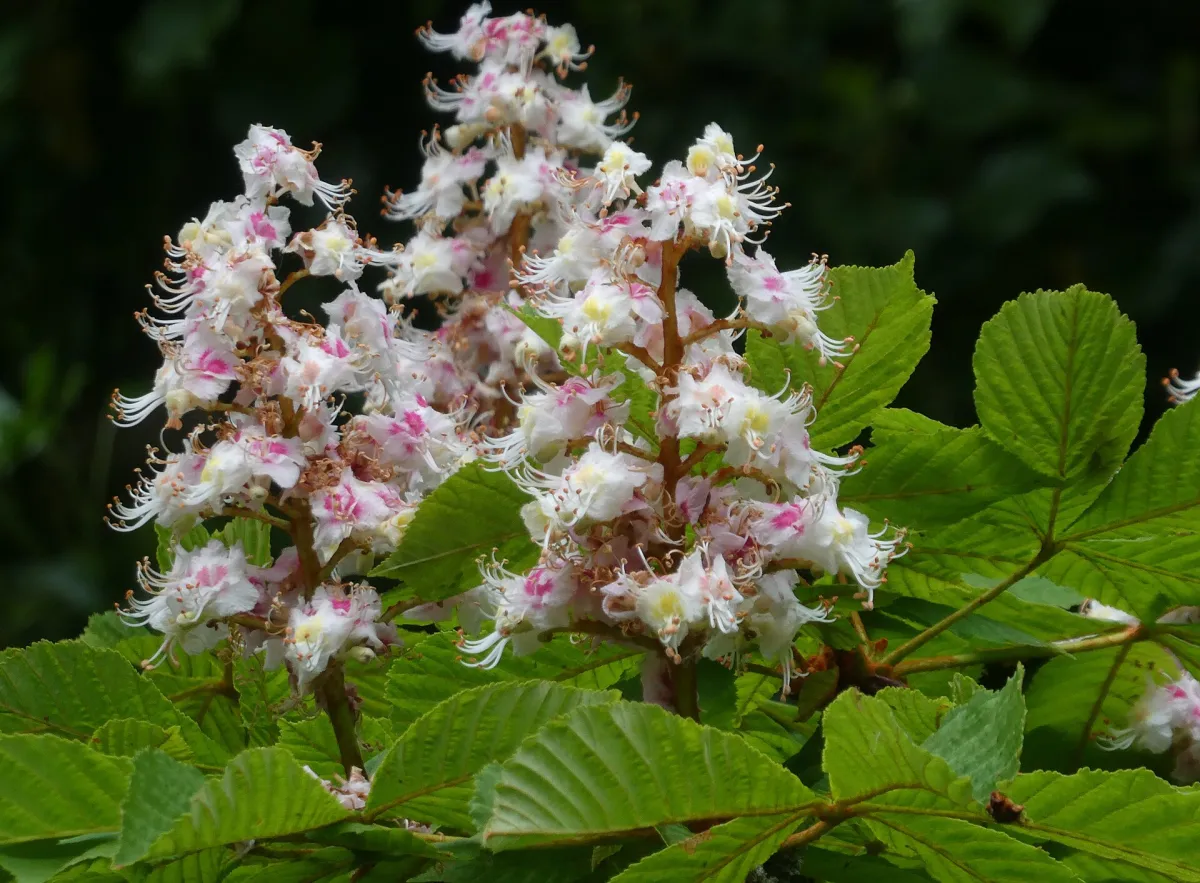 Photo: pam fray, CC BY-SA 2.0, via Wikimedia Commons
How to use horse chestnut correctly
Standardized oral extract
- Choose a pharmacy product (licensed herbal medicine or supplement) with a declared aescin content. The label should state milligrams of aescin, or ‘triterpene glycosides calculated as aescin’, per tablet or capsule.
- Usual dose: 50 mg aescin twice a day, i.e. 100 mg a day. Many products contain 250-300 mg dry extract per tablet, corresponding to about 50 mg aescin.
- Take it with a meal or straight after, with a glass of water, to limit stomach irritation. Delayed-release forms are better tolerated.
- The first effects usually appear after 2-4 weeks. Clinical trials generally lasted between 2 and 16 weeks.
- If nothing has changed after 4-8 weeks, do not increase the dose: talk to your doctor.
Aescin gel or cream
- Wash and dry the skin. Apply a thin layer, roughly 2-3 cm of gel for one lower leg.
- Massage gently from ankle towards knee, following the direction of venous return, without pressing hard on varicose veins.
- Apply 2-3 times a day, ideally in the evening, followed by 10-15 minutes with your legs raised.
- Do not apply to wounds, ulcers, irritated skin, mucous membranes or around the eyes. Wash your hands afterwards.
Many gels combine aescin with heparin, diethylamine salicylate or menthol. If you are allergic to aspirin, check the ingredient list carefully.
What boosts the effect
The extract works best alongside compression stockings recommended by your doctor, a daily 30-minute walk, calf exercises (heel raises, 3 sets of 15), raising your legs in the evening, weight control and moving every hour if you stand or sit for long periods. For evening swelling, see also our guide to swollen legs.
Forms and dosage: comparison table
| Form | Content / dose | How to use | Safety | Verdict |
|---|---|---|---|---|
| Standardized oral extract | 50 mg aescin x 2/day (100 mg/day) | With food, at least 4 weeks | Good in adults, mild digestive effects | First choice for venous insufficiency symptoms |
| Aescin gel or cream | Usually 1-2% aescin | Thin layer, 2-3 times/day, intact skin only | Very good, occasional irritation | Heavy legs, bruises, local swelling |
| Homemade conker tincture | Unknown | External only, if used at all | Variable, can irritate skin | Never drink it; prefer a pharmacy gel |
| Tea or decoction from seeds, husks, leaves | Unknown, contains esculin | Do not drink | Risk of poisoning | Avoid completely |
| Raw, boiled or roasted conkers | Toxic | Do not eat | Poisoning, especially in children | Avoid completely |
Why raw conkers and homemade preparations are dangerous
The unprocessed seed contains esculin and saponins in large, unstandardized amounts. Eating it can cause nausea, vomiting, diarrhea and abdominal pain, and with larger amounts or in children: restlessness, trembling, muscle weakness, poor coordination, dilated pupils and, rarely, coma. Boiling or roasting does not make horse chestnuts edible, and the bitter taste does not always stop a curious child.
Neither husk tea nor tincture taken by the drop is equivalent to a pharmaceutical extract. The difference is not just dose: industrial processing removes most of the esculin and guarantees a consistent amount of aescin in every tablet.
If a child has eaten horse chestnuts, call emergency services or a poison control centre, even if there are no symptoms yet. Do not induce vomiting unless a medical professional tells you to.
Contraindications, interactions and who should avoid it
Do not take the oral extract if you:
- are allergic to horse chestnut;
- have kidney or liver disease: aescin has been linked to kidney damage (mainly when given by injection) and there are isolated reports of liver injury;
- are pregnant or breastfeeding: the EMA does not recommend it because safety data are lacking;
- are under 18.
Interactions:
- Anticoagulants and antiplatelet drugs (warfarin, apixaban, rivaroxaban, dabigatran, clopidogrel, aspirin): horse chestnut may theoretically increase bleeding risk. The plant’s coumarins do not act like warfarin, but caution is justified. Speak to your doctor before combining them and watch for unusual bruising, bleeding gums or black stools.
- Diabetes medicines: some data suggest a mild blood-sugar-lowering effect, so check your glucose more often at first.
- Highly protein-bound drugs: aescin binds strongly to plasma proteins and could, in theory, alter levels of other medicines.
- Drugs that can harm the kidneys (high-dose anti-inflammatories, some antibiotics): avoid the combination without medical advice.
- Stop the extract at least 2 weeks before planned surgery.
Possible side effects: stomach upset, nausea, itching, headache, dizziness and, rarely, allergic reactions. The gel can cause local irritation.
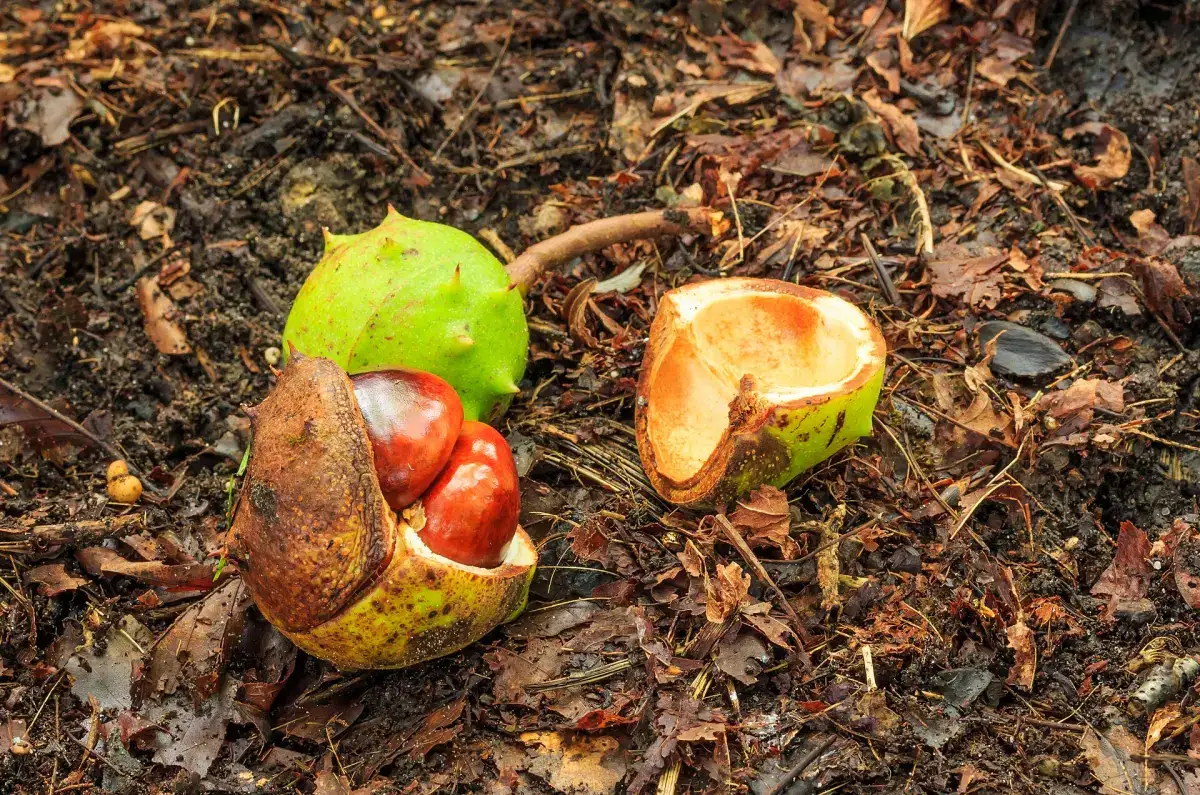 Photo: Agnes Monkelbaan, CC BY-SA 4.0, via Wikimedia Commons
When to see a doctor
Vein symptoms can hide serious problems. Seek urgent care if:
- one leg suddenly swells and becomes painful, warm or red (possible deep vein thrombosis);
- you develop shortness of breath, chest pain or cough up blood;
- a vein turns into a red, hard, tender cord (see superficial thrombophlebitis);
- the skin on your lower leg darkens, hardens or develops a sore that will not heal;
- a varicose vein bleeds.
Book an appointment with your GP or a vascular specialist if both legs swell without a clear reason: the cause may be heart, kidney, liver or thyroid related rather than venous.
Common mistakes
Confusing horse chestnut with sweet chestnut. Check the tree, the leaves and the husk before picking anything.
Making a drinkable tea or tincture from conkers. The dose is unpredictable and esculin stays in the preparation.
Buying products without a declared aescin content. A ‘chestnut extract’ with no standardization guarantees nothing.
Dropping compression stockings. The extract is an add-on; compression and movement remain the foundation.
Expecting results within days. Judge it fairly after at least 4 weeks.
Combining it with blood thinners on your own. Always tell your doctor and pharmacist which supplements you take.
Conclusion
Horse chestnut is a rare example of a traditional herb confirmed by research: standardized aescin extract eases pain, heaviness and swelling in chronic venous insufficiency, with few side effects in adults. The benefit comes only from dosed products, taken correctly and combined with movement and compression. Raw conkers and homemade remedies remain toxic, and people on blood thinners, those with kidney or liver disease and pregnant women need medical advice first.
Frequently asked questions
Can I eat roasted or boiled horse chestnuts? No. Heat does not remove the toxic compounds. Only sweet chestnuts (Castanea sativa) are edible.
How do I tell horse chestnut from sweet chestnut? Horse chestnut has palmate leaves like an open hand, upright flower clusters and husks with a few blunt spines. Sweet chestnut has long, single, saw-toothed leaves and husks packed with fine, dense spines holding 2-3 flattened nuts with pointed tips.
How long does horse chestnut seed extract take to work? Usually 2-4 weeks of regular use. If you feel no improvement after 4-8 weeks, discuss other options with your doctor.
Can I take horse chestnut with aspirin or a blood thinner? Only with your doctor’s approval. Bleeding risk may increase, and your doctor can decide whether extra monitoring is needed.
Does horse chestnut gel help bruises? It may reduce tenderness and swelling, according to a few small studies. Apply it to intact skin 2-3 times a day. For more options, see our guide to bruises.
Is horse chestnut safe in pregnancy for swollen legs? The oral extract is not recommended in pregnancy. Ask your doctor before using a gel. Compression stockings, walking and raising your legs are the safe options.
Is homemade conker tincture fine for rubbing on legs? On intact skin the risk is low, but the strength is unknown and it can irritate. Never drink it, and keep it out of children’s reach.
How long can I take the extract? Studies followed people for up to several months. Longer use should come with regular medical review.
Sources and further reading
- European Medicines Agency, Committee on Herbal Medicinal Products (HMPC): European Union herbal monograph on Aesculus hippocastanum L., semen.
- Pittler M.H., Ernst E., ‘Horse chestnut seed extract for chronic venous insufficiency’, Cochrane Database of Systematic Reviews.
- National Center for Complementary and Integrative Health (NCCIH): Horse Chestnut fact sheet.
- ESCOP Monographs: Hippocastani semen.
- Blumenthal M. (ed.), The Complete German Commission E Monographs, American Botanical Council.
- NICE, Varicose veins: diagnosis and management (CG168).
This content is for information only and does not replace a consultation with a doctor or pharmacist. Sudden swelling of one leg, chest pain or shortness of breath needs urgent medical assessment.