
Maca: Benefits, Uses and How to Prepare It for Energy and Hormonal Balance
IMPORTANT: Maca is generally well tolerated, but it is not suitable for everyone without thought. People with thyroid conditions (especially goiter or hypothyroidism) should be cautious, because maca belongs to the cruciferous family and contains glucosinolates which, in large amounts and when eaten raw, may affect thyroid function. Pregnant or breastfeeding women should not use it without first consulting a doctor, since its effects on hormonal balance are not sufficiently studied during these periods. People with hormone-dependent conditions (certain breast, ovarian or prostate cancers), uncontrolled high blood pressure, or those undergoing hormonal treatment should speak with their physician before starting. Maca does not replace medical treatment and is not a cure for serious illness. If you have persistent symptoms — chronic fatigue, cycle disturbances, fertility problems or low libido — see a doctor for a proper diagnosis. Use maca as a supportive dietary supplement, not as a single solution.
A root from the roof of the Andes
Aunt Ileana, a woman past sixty who spent her summers at a mountain sheepfold, always used to say that “a person needs something to keep them on their feet when their strength runs out.” For her, that something had long been a spoonful of honey with pollen in the morning. When her granddaughter, back from a trip, brought her a jar of yellowish powder that smelled of hazelnuts and caramel, Ileana was skeptical. “What’s this, mountain flour?” she asked, laughing. She was told it was maca, a root that grows above four thousand meters in the Peruvian Andes, where almost no other plant survives the frost, the wind and the merciless sun.
Ileana tried it with half a teaspoon in her morning porridge. After a few weeks she said she “didn’t feel so wrung out by midday” and that she slept better. It wasn’t a miracle, simply a plant that, through tradition and the way it has been used for thousands of years by mountain people, seems to give the body a gentle support when it is overworked. Her story resembles that of many families in Peru, where maca was food, medicine and the trading currency of isolated communities all at once.
What maca is
Maca (Lepidium meyenii) is a plant in the cruciferous family, related to the radish, cabbage and turnip. It grows exclusively at high altitudes, on the Junín plateau and the highlands of Peru and Bolivia, under extreme conditions: temperatures that drop below freezing at night, intense solar radiation and poor soils. It is precisely this remarkable hardiness that has turned it, in popular perception, into a symbol of vitality — a plant that thrives where others die.
The part used is the root, a fleshy hypocotyl resembling a small turnip, a few centimeters across. After harvesting, the roots are traditionally sun-dried for weeks, then ground into a fine powder. Maca is known as an adaptogenic plant, meaning a plant that, through tradition and modern observation, appears to help the body cope better with physical and mental stress without forcing it in any particular direction. Unlike coffee, maca is not a sudden stimulant but a gradual support of energy and balance.
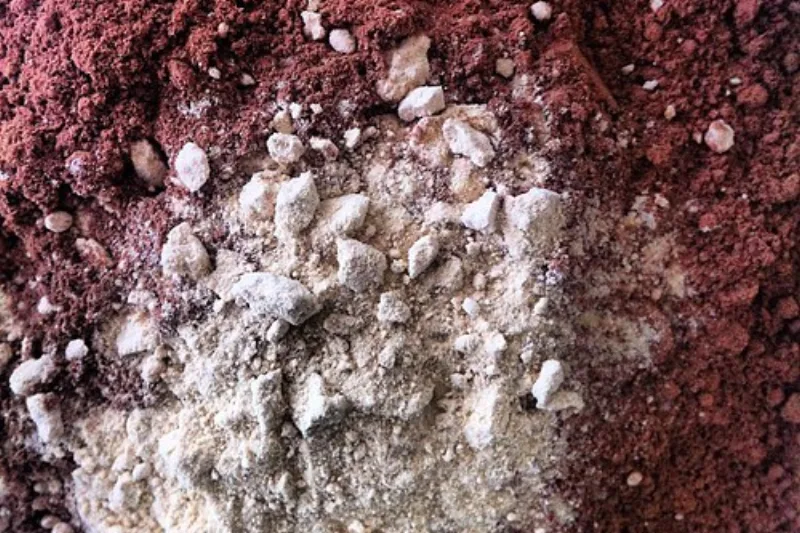
There are several varieties, distinguished mainly by root color: yellow maca (the most common, for general use), red maca (valued for prostate health and female balance) and black maca (considered in tradition the “strongest” for energy, stamina and libido). All three share a similar nutritional profile, but Andean tradition assigns them different nuances of action.
Table of Contents
- What maca is and where it grows
- Composition and active compounds
- Health benefits
- Traditional uses
- How to prepare and consume maca
- Dosage and administration
- Types of maca: yellow, red, black
- Lifestyle: how to integrate maca into a healthy routine
- Practical tips and common mistakes
- Conclusion
- Frequently asked questions
Composition and active compounds
Maca is, first and foremost, a nutritious food, not just a medicinal plant. The dried root contains a notable amount of complex carbohydrates, fiber, protein with a good amino acid profile, and a broad range of vitamins and minerals.
Among its important nutrients are the B-complex vitamins (especially B1, B2 and niacin), vitamin C, iron, calcium, potassium, copper, manganese and zinc. These minerals support numerous bodily functions, from cellular energy production to bone health and the immune system.
What sets maca apart from other edible roots, however, are its specific compounds: macamides and macaenes, unique fatty acids found almost exclusively in this plant and thought to be responsible for part of its effects on energy and mood. To these are added glucosinolates (compounds typical of crucifers, with antioxidant roles), plant sterols, alkaloids and antioxidant polyphenols.
Folk tradition and modern research suggest that maca does not act by supplying hormones (it contains no hormones and is not a classic phytoestrogen), but rather through a supportive effect on the glands that regulate hormones — the so-called hypothalamic-pituitary axis. This is why it is described as a hormonal “balancer” rather than a source of hormones.
Health benefits
Supporting energy and physical stamina
Maca’s best-known use is energy support. Unlike powerful stimulants, maca seems to act gradually, helping the body maintain a more steady energy level throughout the day. Many people who use it describe a feeling of having “more in the tank” and less pronounced tiredness by the end of the day. Studies suggest that maca may help improve exercise endurance, which is why it is also valued by active people and athletes.
Hormonal balance and well-being in women
Maca is highly valued as natural support during periods of hormonal imbalance, especially during menopause and perimenopause. Tradition and some modern observations suggest it may help ease discomforts such as hot flashes, irritability, sleep disturbances and mood swings. For women of childbearing age, maca is sometimes used to support a more regular menstrual cycle, but always as support, never as treatment.
Libido and sexual health
One of maca’s oldest reputations is as a natural aphrodisiac, for both men and women. Studies suggest that regular maca intake may help increase libido, independently of direct hormonal changes. In men, black maca in particular is traditionally associated with supporting reproductive health.
Mood, mental clarity and stress
As an adaptogen, maca is used to help the body cope better with stress. Many people report a more stable mood, better concentration and a reduction in mental exhaustion. These effects are attributed to its support of hormonal balance and its supply of nutrients that nourish the nervous system.
Bone and immune health
Through its content of calcium, iron and other minerals, maca contributes to a diet that supports bones and immunity. The antioxidants it contains help protect cells against oxidative stress, a process involved in premature aging.
Fertility support
In traditional Andean medicine, maca was given to both people and animals to increase prolificacy. Tradition recommends it to couples wishing to conceive, as general support for reproductive vitality — though, of course, never as a substitute for specialist investigations and treatments.
Traditional uses
In the Andes, maca was a staple food for millennia, not just a remedy. Locals ate it boiled, baked in earth pits, fermented into a mildly alcoholic drink called maca chicha, or dried and stored for the long winters. It was food for warriors before battle, support for new mothers and the elderly, and a precious gift offered to loved ones.
Unlike the way we use it today — often raw, as a powder added to drinks — Andean tradition preferred maca cooked. This detail matters: cooking reduces the glucosinolates that may affect the thyroid and makes the root easier to digest. The modern “gelatinized” version (see below) mimics this thermal preparation.
How to prepare and consume maca
Maca is most commonly found as a powder, but also as capsules, tablets or extract. The powder is the most versatile and the closest to the traditional form.
Raw powder vs. gelatinized powder
- Raw maca retains all the original compounds, but is harder to digest for some people and has a higher glucosinolate content.
- Gelatinized maca is obtained through a gentle heating process that removes the starch, making it much easier to digest and absorb. For beginners or people with sensitive stomachs, the gelatinized version is usually the first choice.
Basic recipe: maca in your morning drink
- Start with half a teaspoon of maca powder (about 1.5 g).
- Add it to a smoothie, a glass of warm plant milk, oatmeal or yogurt.
- Stir well, as the powder tends to settle.
- Consume it in the morning or at midday — not in the evening, since the energizing effect can disturb sleep.
Maca latte
- Warm 250 ml of milk (dairy or plant-based) without boiling it.
- Add a teaspoon of maca, a pinch of cinnamon and, optionally, a little cocoa powder.
- Sweeten with honey or dates to taste.
- Whisk vigorously or blend with a hand blender for a frothy texture.
Maca energy balls
- Blend 100 g of pitted dates with 50 g of rolled oats.
- Add 2 tablespoons of maca, 2 tablespoons of peanut butter and a tablespoon of cocoa.
- Form small balls and roll them in shredded coconut.
- Keep them in the fridge — they make a perfect pre-workout snack.
Maca in desserts and batters
Maca powder can be added to cakes, pancakes, cereal bars or creams. Cooking at heat does not destroy its essential nutrients and brings it closer to the traditional way of consuming it.
Dosage and administration
The usual dose used in tradition and in modern supplements typically ranges between 1.5 g and 3 g per day for maintenance, and can reach 5 g for more intensive use. The golden rule is: start with a small dose and increase it gradually.
- Weeks 1–2: half a teaspoon a day, so the body can adjust.
- Then: gradually increase to 1–2 teaspoons a day if you feel well.
- Timing: morning or midday, never late in the evening.
- With or without food: it is better tolerated when consumed together with food.
Many practitioners recommend cyclical use: 3–4 weeks of consumption followed by a one-week break. This approach mimics natural rhythms and helps maintain the body’s sensitivity to the plant’s effects. Maca’s effects are not instant — they usually become noticeable after 2–6 weeks of consistent use.
Types of maca: yellow, red, black
- Yellow maca makes up the bulk of harvests and is the balanced, “everyday” choice for energy and general well-being.
- Red maca is sweeter and gentler, traditionally valued for prostate health in men and for supporting hormonal balance in women.
- Black maca is considered the most energizing, associated in tradition with physical stamina, concentration and libido, especially in men.
If you don’t know where to start, gelatinized yellow maca is the safest first choice.
Lifestyle: how to integrate maca into a healthy routine
Maca is not a cure-all and does not compensate for an unbalanced lifestyle. It works best as part of a healthy whole. Pair it with enough sleep (7–8 hours), regular meals rich in vegetables and quality protein, proper hydration and daily movement. If you struggle with chronic fatigue, maca can be a support, but the deeper causes — stress, poor diet, lack of sleep, deficiencies — must be addressed at the root.
A useful habit is to introduce maca in the first part of the day, when the body needs energy, and to combine it with sources of healthy fats (avocado, seeds, nut butters), which aid its absorption. Store the powder in a well-sealed container, in a cool place away from light, to protect its active compounds.
Practical tips and common mistakes
Mistake no. 1: Starting straight away with high doses. Many people, eager for fast results, take 2–3 teaspoons from the start and then complain of bloating, agitation or headaches. The body needs time to adapt. Start with half a teaspoon.
Mistake no. 2: Taking it in the evening. Maca supports energy, so taken at night it can disrupt sleep. Its place is in the morning or at midday.
Mistake no. 3: Expecting immediate effects. Maca is not coffee. Its effects are cumulative and usually appear after a few weeks. Patience and consistency matter more than the dose.
Mistake no. 4: Ignoring the gelatinized version when you have a sensitive stomach. If raw maca causes you digestive discomfort, switch to the much gentler gelatinized version.
Mistake no. 5: Using it without breaks. Continuous use, without rest periods, can reduce the body’s sensitivity over time. Cycle it: a few weeks of use, then a break.
Mistake no. 6: Buying products of dubious origin. Quality matters enormously. Look for authentic Peruvian maca, preferably organic, from trustworthy producers, and avoid cheap powders with no clear origin.
Mistake no. 7: Using it instead of medical treatment. Maca is a supportive supplement. If you have serious symptoms, see a doctor first.
Conclusion
Maca is one of those plants that unite food and medicine, Andean tradition and the modern interest in functional foods. Grown in extreme conditions, at the very edge of what life can endure, it seems to carry within it a resilience that it offers, gently and gradually, to those who consume it. For steadier energy, for support during periods of hormonal imbalance, for libido and for general well-being, maca is a reliable ally — provided it is used in moderation, with patience and with respect for your own body’s signals. Start with small doses, choose a quality source, integrate it into a healthy lifestyle, and when in doubt, ask your doctor for advice.
Frequently Asked Questions
How long does it take to feel maca’s effects? Usually after 2 to 6 weeks of consistent use. Maca works cumulatively, not immediately, so patience and consistency are essential.
Can I take maca if I have thyroid problems? With caution, and preferably after consulting a doctor. Maca belongs to the cruciferous family and contains glucosinolates which, in large amounts and eaten raw, may affect the thyroid. The gelatinized version is more suitable in this case.
Does maca cause weight gain? Not on its own. The usual doses (1–3 g) provide very few calories. It may, however, stimulate appetite in some people, which is easily managed through a balanced diet.
Which maca is best for energy? Black maca is traditionally considered the most energizing, but gelatinized yellow maca remains the best starting choice, being balanced and easy to digest.
Can I take maca during pregnancy or breastfeeding? It is not recommended during these periods without medical advice, since its effects on hormonal balance are not sufficiently studied in pregnant or breastfeeding women.
How long can I take maca without a break? Many practitioners recommend cycles of 3–4 weeks followed by a one-week break. This maintains the body’s sensitivity to the plant’s effects.
Does maca have side effects? At usual doses it is generally well tolerated. At high doses or in sensitive people, bloating, agitation, insomnia (if taken in the evening) or mild headaches may occur. Starting with small doses prevents most of these discomforts.
Can I give maca to children? It is not recommended for children without a doctor’s advice. Maca is intended as a supplement for adults.