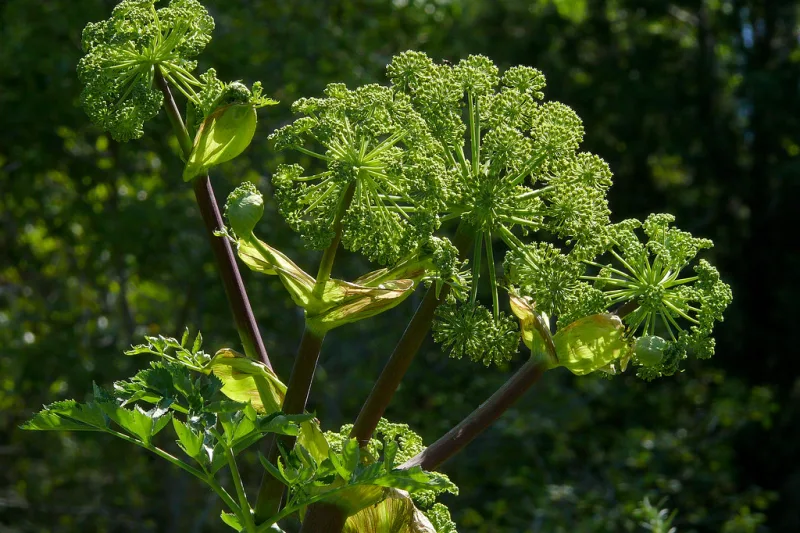
Angelica plant with green flowering umbels and sturdy stems

Angelica: Benefits, Uses and How to Prepare It

Angelica: Benefits, Uses and How to Prepare It IMPORTANT: Angelica (Angelica archangelica) is a powerful plant, and using it requires caution. The root and the fresh plant contain furanocoumarins that can cause photosensitization — avoid intense sun exposure after taking it. Angelica is contraindicated during pregnancy (it has an emmenagogue effect and may stimulate the uterus) and while breastfeeding. People taking anticoagulants or diabetes medication, or who have an active ulcer, should consult a doctor before use. Never confuse cultivated angelica with poisonous wild umbellifers (hemlock, for example) — foraging should ONLY be done with solid botanical knowledge. This information is educational and does not replace medical advice. ...
September 14, 2025 · 13 min · Leacuri.ro
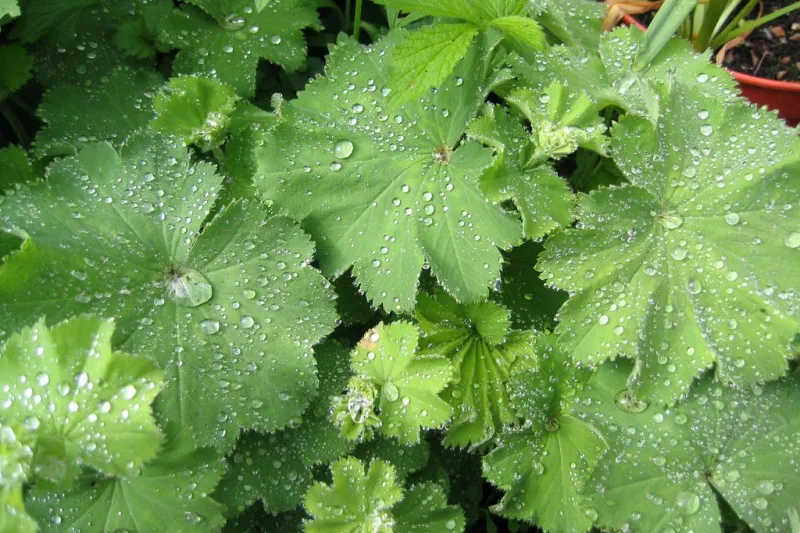
Pleated lady's mantle leaves holding dew drops in the center

Lady's Mantle: Benefits, Uses and How to Prepare It

Lady’s Mantle: Benefits, Uses and How to Prepare It IMPORTANT: Lady’s mantle has a long history in folk herbalism, but its high tannin content makes it unsuitable for some people. Pregnant women should avoid it, because through its action on the uterus the plant was traditionally used to influence contractions, and its safety in pregnancy is not established. People with liver conditions, those taking anticoagulants or medication processed by the liver, and anyone prone to constipation should consult a doctor before using lady’s mantle over long periods. This plant does not replace medical advice and should never delay the diagnosis of a gynecological problem, abnormal bleeding, or any condition that requires professional care. ...

August 25, 2025 · 16 min · Leacuri.ro
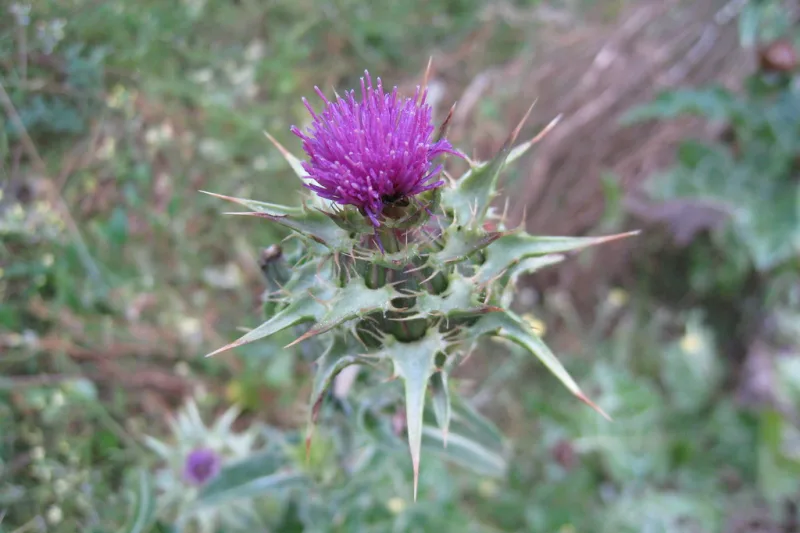
Violet milk thistle flower (Silybum marianum) with spiny green bracts

Milk Thistle: Liver Benefits, Uses and How to Prepare It

Milk Thistle: Liver Benefits, Uses and How to Prepare It IMPORTANT: Milk thistle is considered safe for most adults, but it is not without cautions. People allergic to plants in the Asteraceae family (daisies, marigolds, ragweed, chamomile) may also react to milk thistle. Anyone taking medication metabolized by the liver should talk to their doctor, because silymarin can influence how the body processes certain substances. Pregnant or breastfeeding women, people with serious liver disease, bile duct obstruction, or hormone-sensitive conditions should use milk thistle only with medical advice. Milk thistle does NOT replace medical treatment for liver disease and is not an excuse for drinking alcohol. If you have jaundice, persistent abdominal pain, dark urine, or unexplained fatigue, see a doctor. ...

August 5, 2025 · 14 min · Leacuri.ro
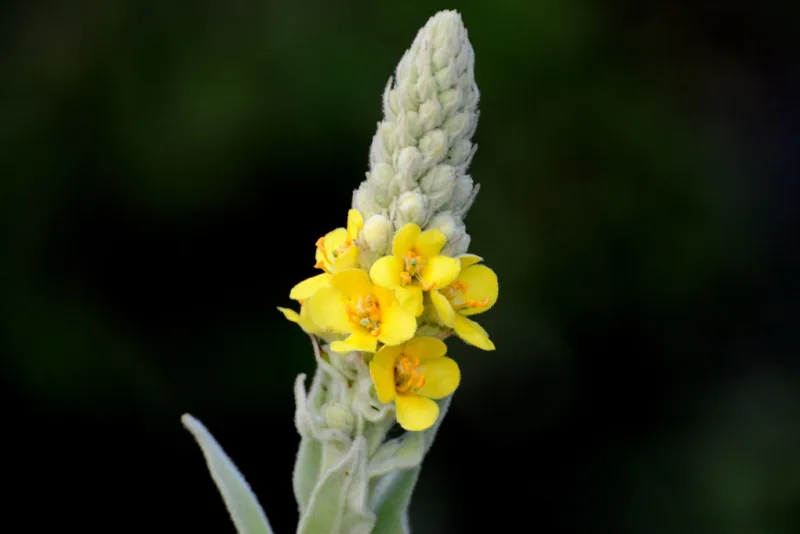
Flowering spike of mullein (Verbascum) with soft yellow blossoms

Mullein: Benefits, Uses and How to Prepare It

Mullein: Benefits, Uses and How to Prepare It IMPORTANT: Mullein is generally well tolerated, but a few precautions are essential. The flowers and leaves are covered in fine hairs that can irritate the throat and mucous membranes, which is why mullein tea MUST always be strained twice, through a double layer of cheesecloth or a fine coffee filter, to remove these hairs. Mullein seeds are toxic and must never be consumed in any form. People with chronic illnesses, pregnant or breastfeeding women, young children, and anyone on medication should consult a doctor or pharmacist before using the plant. Mullein is a support for the body, not a substitute for medical care — a cough lasting more than two to three weeks, persistent fever, blood in the sputum, or severe difficulty breathing REQUIRE medical evaluation. ...

August 5, 2025 · 13 min · Leacuri.ro
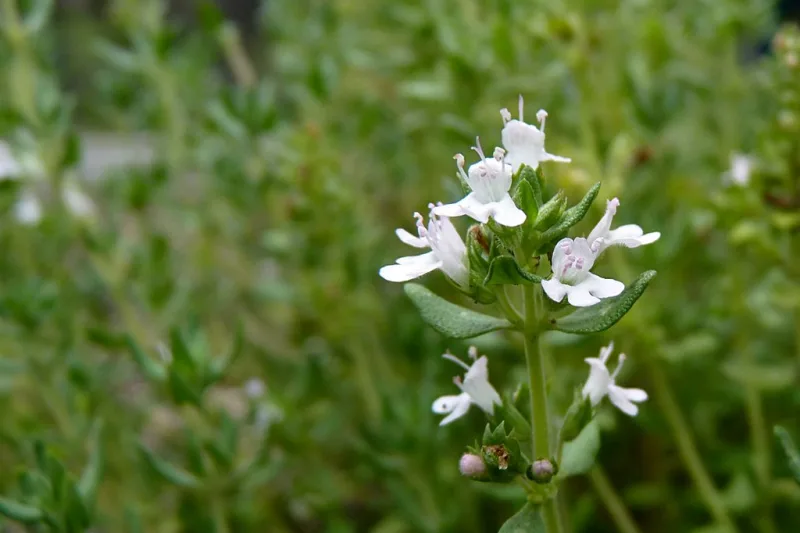
Flowering thyme plant with small white blossoms and tiny green leaves

Thyme: Benefits, Uses and How to Prepare a Time-Honored Healing Herb

Thyme: Benefits, Uses and How to Prepare a Time-Honored Healing Herb IMPORTANT: Thyme (Thymus vulgaris) is generally well tolerated as a food and seasoning, but its essential oil and concentrated preparations call for caution. Pregnant women should avoid medicinal amounts and thyme essential oil, since folk tradition attributes uterine-stimulating effects to it. People allergic to plants in the Lamiaceae family (mint, oregano, sage), those with thyroid conditions, high blood pressure, or who take blood thinners should consult a doctor before using thyme as a remedy. Essential oil is never ingested undiluted and never applied neat to the skin. Thyme is not a substitute for medical treatment: if a cough, fever, or respiratory infection lasts more than a few days or gets worse, see a doctor. ...

July 29, 2025 · 15 min · Leacuri.ro
Hyssop (Hyssopus officinalis) with blue-violet flowers on upright stems

Hyssop: Benefits, Uses, How to Prepare It and Side Effects

Hyssop: Benefits, Uses, How to Prepare It and Side Effects IMPORTANT: Hyssop (Hyssopus officinalis) is a safe aromatic plant when used in ordinary culinary amounts, but its concentrated essential oil and large doses of infusion can be dangerous. Hyssop essential oil contains ketones (especially pinocamphone) which, in large quantities, can trigger convulsions. For this reason, hyssop in strong medicinal concentrations is contraindicated for people with epilepsy or a predisposition to seizures, pregnant women (the plant has an emmenagogue effect and may stimulate the uterus), and breastfeeding mothers. It should not be given to young children in the form of essential oil. People with high blood pressure should be cautious, as folk tradition attributes a mild blood-pressure-raising effect to hyssop. If you are following any drug treatment, especially with anticonvulsants or antihypertensives, talk to your doctor before using hyssop as a remedy. Hyssop is not a substitute for treating a serious respiratory infection — if a cough lasts more than two weeks, or if you develop high fever or difficulty breathing, see a doctor. ...

July 7, 2025 · 14 min · Leacuri.ro
Flowering clumps of speedwell (Veronica) with spikes of bluish-lilac blossoms

Speedwell: Benefits, Uses and How to Prepare It

Speedwell: Benefits, Uses and How to Prepare It IMPORTANT: Speedwell (Veronica officinalis) is regarded as a gentle plant in folk medicine, but it is not without precautions. Pregnant and breastfeeding women should avoid it unless advised by a doctor, because its effects during pregnancy are not sufficiently studied. People with chronic liver or kidney conditions, those undergoing drug treatments (especially anticoagulants, antidiabetic medication, or blood-pressure medicine), and young children should not use speedwell without first speaking to a doctor or pharmacist. Speedwell does NOT replace prescribed treatment and is not a remedy for serious illness; a persistent cough, prolonged fever, blood in the sputum, or breathing difficulties require urgent medical attention. Use only correctly identified plants, gathered from clean, unpolluted areas, well away from roadsides. ...

July 7, 2025 · 14 min · Leacuri.ro
Bright orange calendula (pot marigold) flower in full bloom

Calendula: Benefits, Uses and How to Prepare It

Calendula: Benefits, Uses and How to Prepare It IMPORTANT: Calendula is generally considered a gentle and safe plant for external use, but people allergic to plants in the Asteraceae family (daisies, chamomile, ragweed, chrysanthemums) may develop skin reactions. Taken internally, calendula is not recommended during pregnancy and breastfeeding, as folk tradition attributes to it effects that may stimulate the uterus. If you are taking sedatives, blood pressure medication or anticoagulants, talk to your doctor before drinking calendula tea or tincture. Never apply calendula to deep, infected wounds or wounds requiring medical care without a specialist’s advice. This article is for informational purposes only and does not replace medical advice. ...
June 27, 2025 · 12 min · Leacuri.ro
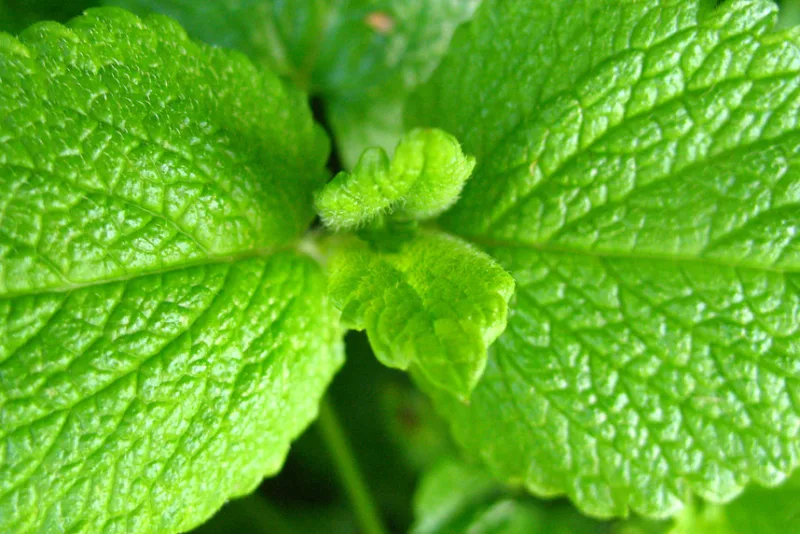
Fresh green lemon balm leaves, Melissa officinalis

Lemon Balm: Benefits, Uses and How to Prepare It

Lemon Balm: Benefits, Uses and How to Prepare It IMPORTANT: Lemon balm is considered a gentle, safe herb for most people, but it is not entirely without precautions. People with hypothyroidism should be cautious, as studies suggest that lemon balm may influence thyroid function. Those taking sedatives, sleeping pills or thyroid medication should talk to their doctor before using lemon balm regularly, because of possible interactions. During pregnancy and breastfeeding, it is recommended to consult your doctor or midwife. Lemon balm is not a substitute for medical treatment of severe anxiety, depression or chronic sleep disorders — if symptoms persist, please see a specialist. ...

June 22, 2025 · 13 min · Leacuri.ro
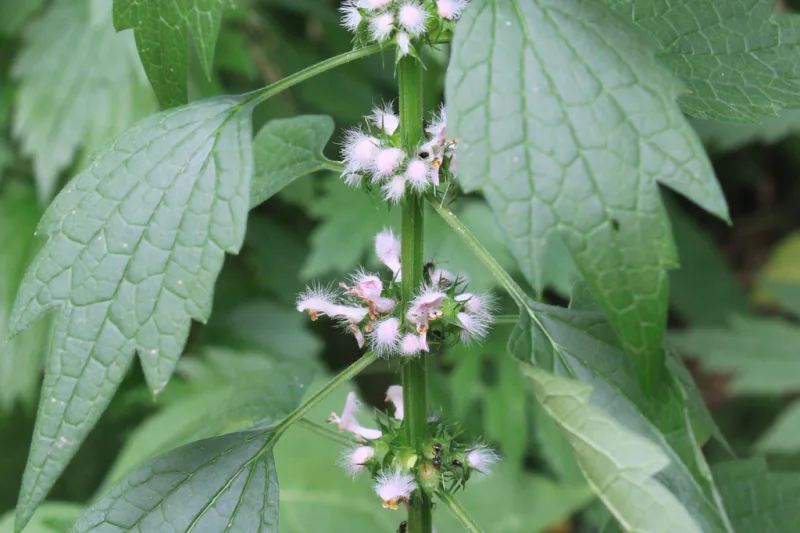
Motherwort plant (Leonurus cardiaca) with pink-white flowers on a square stem

Motherwort: Heart Benefits, Uses and How to Prepare It

Motherwort: Heart Benefits, Uses and How to Prepare It IMPORTANT: Motherwort (Leonurus cardiaca) is a herb that acts on the heart and nervous system, which means it should never be used carelessly. It is contraindicated during pregnancy (it can stimulate uterine contractions) and while breastfeeding. Anyone taking heart medication, blood-pressure drugs, anticoagulants, sedatives or thyroid medication must speak to a doctor before using it, as motherwort may amplify the effects of these drugs. It is not a replacement for prescribed treatment of arrhythmias, high blood pressure or other heart conditions. If you experience frequent palpitations, chest pain, dizziness or shortness of breath, see a doctor — these can be signs of serious problems requiring professional evaluation. Use the plant as a supportive aid only, in moderate doses and for limited periods. ...

May 25, 2025 · 13 min · Leacuri.ro