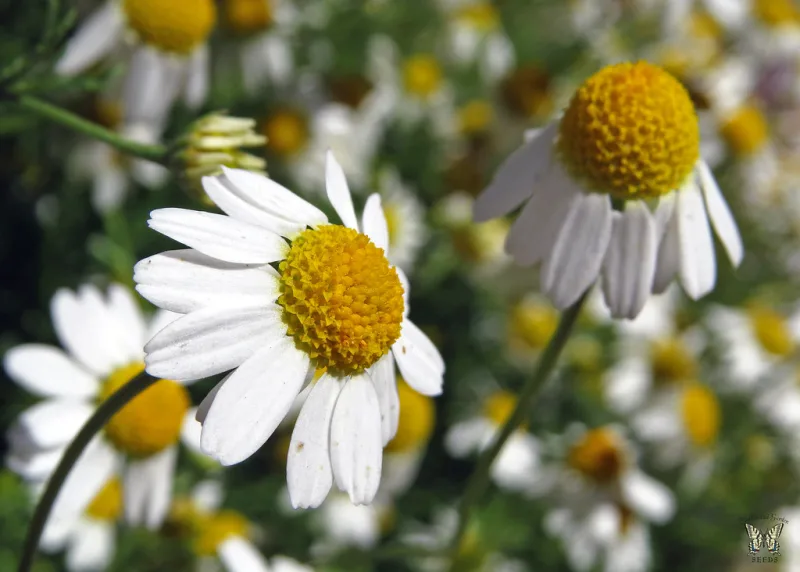
Chamomile flowers with white petals and yellow centers in a sunny field

Chamomile: Benefits, Uses and How to Prepare It

Chamomile: Benefits, Uses and How to Prepare It IMPORTANT: Although chamomile is one of the gentlest and safest medicinal plants, it is not without precautions. People allergic to plants in the Asteraceae family (daisies, ragweed, marigolds, chrysanthemums) may develop allergic reactions, sometimes serious. Chamomile can potentiate the effect of anticoagulant medications and sedatives, which is why it should not be combined with them without medical advice. During pregnancy it should be used with caution and only with a doctor’s approval, since large amounts could stimulate the uterus. Chamomile is not a substitute for medical treatment: if you have persistent symptoms, high fever, severe abdominal pain or any other worrying sign, consult a doctor. ...
May 21, 2025 · 12 min · Leacuri.ro
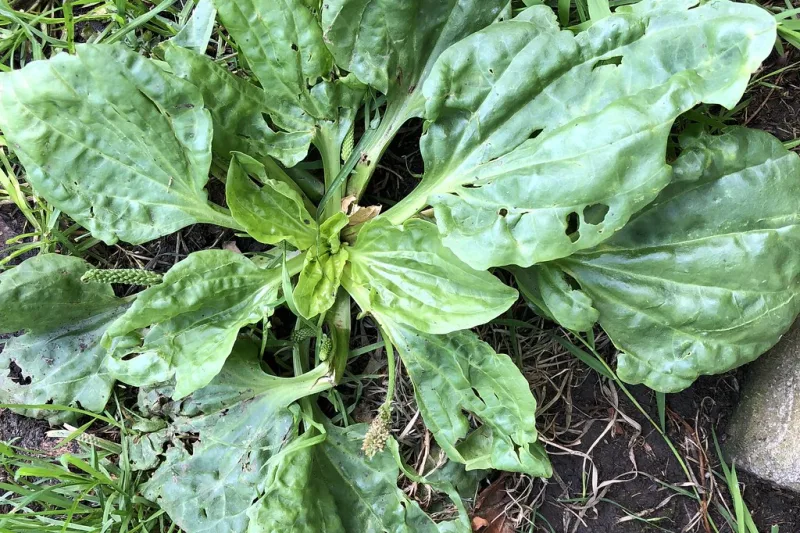
Plantain plant with broad, prominently veined leaves growing at ground level

Plantain Herb: Benefits, Uses and How to Prepare It Step by Step

Plantain Herb: Benefits, Uses and How to Prepare It Step by Step IMPORTANT: Plantain is generally a gentle, well-tolerated herb, but there are situations in which it should be used with caution. People with known allergies to plants in the Plantaginaceae family or with pollen sensitivity may react to plantain, especially to leaves harvested during the flowering period. Pregnant or breastfeeding women should use plantain only after consulting their doctor, particularly in the form of concentrated preparations. Because plantain may have a mild blood-sugar-lowering and blood-thinning effect, people with diabetes and those taking anticoagulant medication should be attentive and check with their physician. Plantain does not replace medical treatment: in the case of a cough lasting more than two or three weeks, persistent fever, or a deep, infected, or non-healing wound, see a doctor. Applying leaves to the skin should always be done with well-washed leaves, to avoid contaminating the wound. ...

May 16, 2025 · 14 min · Leacuri.ro
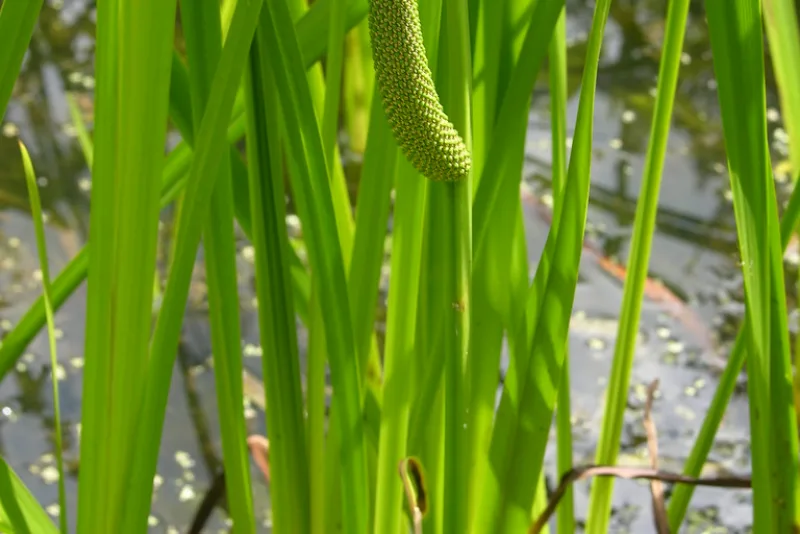
Calamus plant (Acorus calamus) with green spadix and sword-shaped leaves growing in a marsh

Calamus (Acorus calamus): Benefits, Uses and How to Prepare It

Calamus (Acorus calamus): Benefits, Uses and How to Prepare It IMPORTANT: Calamus contains a substance called beta-asarone, found in large amounts especially in the Asian (tetraploid) variety of the plant. Beta-asarone is considered potentially toxic and possibly carcinogenic in high doses and prolonged use. For this reason, calamus should NOT be used over long periods, in large doses, or by pregnant or breastfeeding women, children, or people with liver or kidney conditions. Whenever possible, choose the European variety (Acorus calamus var. calamus), which is lower in beta-asarone, and use the plant only in short courses. Before starting any course, especially if you are on medication or have a chronic illness, consult your doctor or pharmacist. This article is for informational purposes only and does not replace medical advice. ...

May 1, 2025 · 14 min · Leacuri.ro
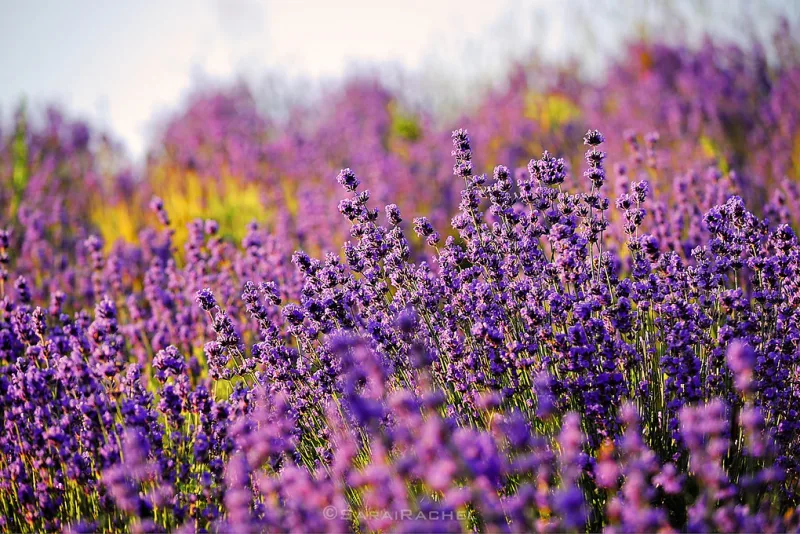
Field of lavender with purple flowers in full bloom

Lavender: Benefits, Uses and How to Prepare It

Lavender: Benefits, Uses and How to Prepare It IMPORTANT: Lavender is generally well tolerated, but it is not without precautions. Lavender essential oil should NOT be swallowed except under the guidance of a specialist, and it should never be applied undiluted to the skin, especially in children. People taking sedatives, anti-anxiety medication or sleeping pills should talk to their doctor, since lavender may add to their effect. Pregnant and breastfeeding women should use lavender cautiously and only after consulting a doctor. Cases of contact allergy have been reported, and there is ongoing discussion about a possible hormonal action of the essential oil when applied repeatedly to the skin of pre-pubertal boys. Lavender does not replace treatment for depression, an anxiety disorder or chronic insomnia — for these, please see a doctor. ...

April 27, 2025 · 13 min · Leacuri.ro
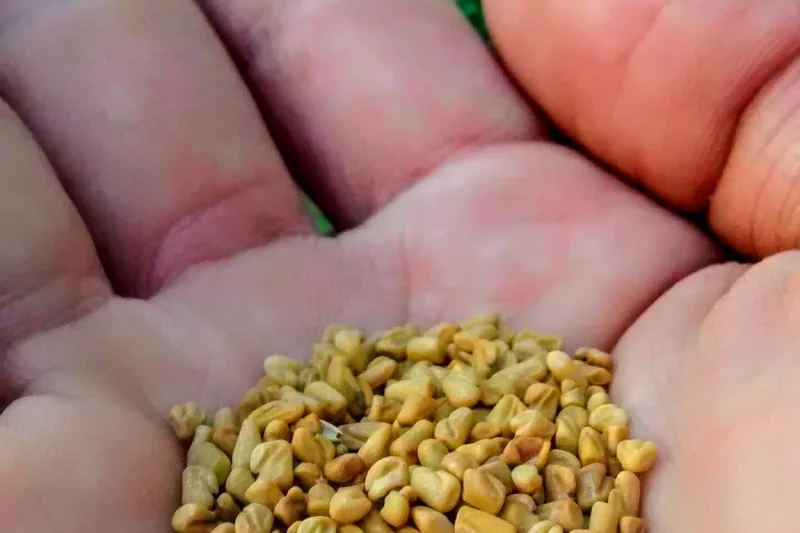
Golden fenugreek seeds held in cupped hands against a green plant background

Fenugreek: Benefits, Uses and How to Prepare It

Fenugreek: Benefits, Uses and How to Prepare It IMPORTANT: Fenugreek (Trigonella foenum-graecum) is a plant with genuine effects on the body, which is why it should not be used carelessly. Pregnant women should avoid medicinal doses, since folk tradition and studies suggest it may stimulate uterine contractions; in controlled amounts, however, it is used to support lactation after birth. Anyone taking diabetes medication or blood thinners must speak with their doctor first, because fenugreek can lower blood sugar and may influence clotting. People allergic to peanuts, chickpeas or other legumes may also react to fenugreek. This plant is a support, not a replacement for medical treatment: for diabetes, hormonal or liver conditions, always consult your doctor. ...

April 26, 2025 · 13 min · Leacuri.ro
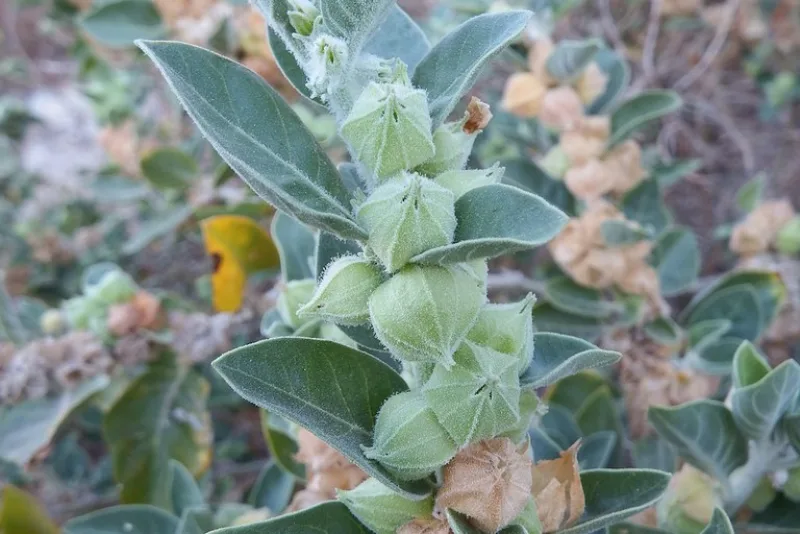
Ashwagandha plant (Withania somnifera) with silvery leaves and husk-covered fruit

Ashwagandha: Benefits, Uses and How to Prepare the Adaptogenic Root

Ashwagandha: Benefits, Uses and How to Prepare the Adaptogenic Root IMPORTANT: Ashwagandha is a plant with genuine effects on the body, not merely a “trendy powder.” It is not recommended during pregnancy (Ayurvedic tradition considers it potentially abortifacient in large doses) and should be used cautiously while breastfeeding. People with autoimmune diseases (lupus, Hashimoto’s thyroiditis, rheumatoid arthritis, multiple sclerosis) should avoid it or use it only under supervision, because it may stimulate the immune system. It can interact with thyroid medication (it raises thyroid hormones), with sedatives, with blood pressure and blood sugar drugs, and with immunosuppressants. If you are on long-term treatment, have hyperthyroidism, or have surgery scheduled, consult your doctor before starting. It is not a substitute for prescribed treatment. ...

April 23, 2025 · 13 min · Leacuri.ro
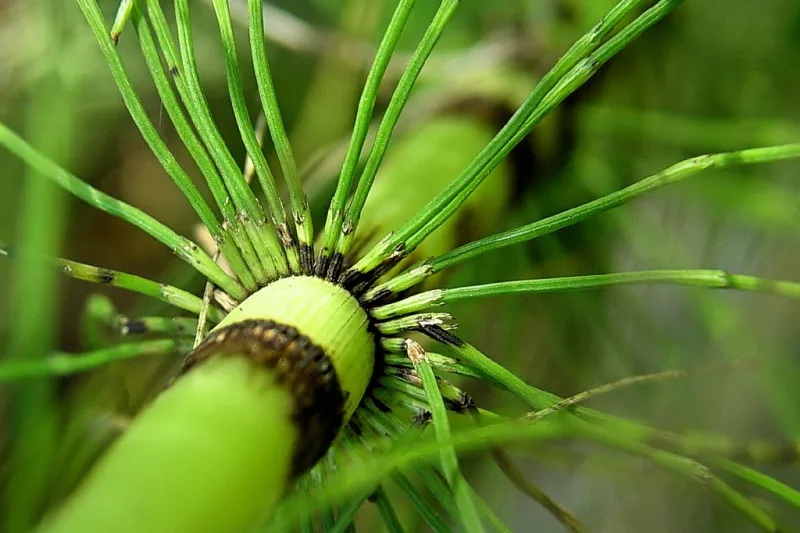
Horsetail (Equisetum arvense), a green plant with segmented stems

Horsetail: Benefits, Uses and How to Prepare It

Horsetail: Benefits, Uses and How to Prepare It IMPORTANT: Horsetail (Equisetum arvense) is a valued plant, but it is not without precautions. It should be used for limited periods (usually courses of 2-4 weeks with breaks in between), because it contains an enzyme, thiaminase, that can break down vitamin B1 (thiamine) with prolonged use in large amounts. It is contraindicated during pregnancy and breastfeeding, in young children, in people with severe kidney or heart conditions, in those with edema caused by heart or kidney failure, and in people sensitive to nicotine (the plant contains traces). Be very careful not to confuse it with toxic Equisetum species, especially marsh horsetail (Equisetum palustre), which contains dangerous alkaloids. If you take diuretics, blood-pressure medication, lithium, or other drugs, talk to your doctor before using the plant. It does not replace a medical consultation or prescribed treatment. ...

April 22, 2025 · 12 min · Leacuri.ro
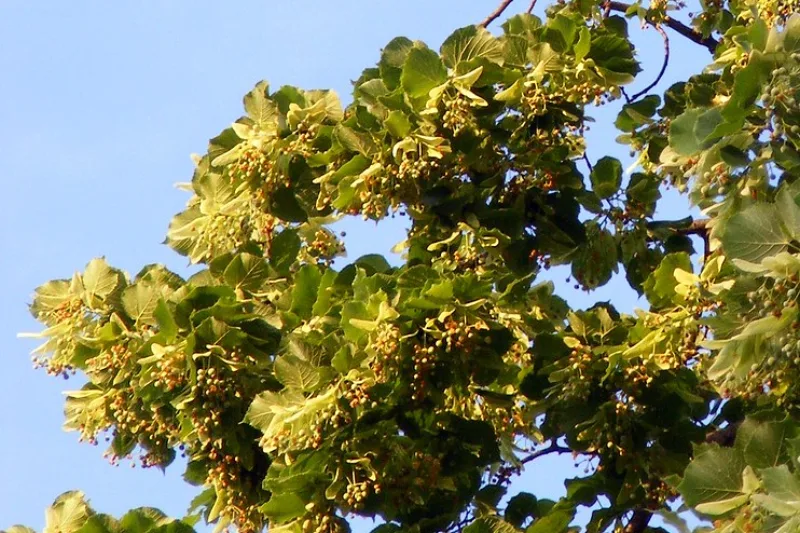
Branches of a flowering linden tree with heart-shaped leaves and clusters of yellow-green flowers

Linden: Benefits, Uses and How to Prepare the Flowers

Linden: Benefits, Uses and How to Prepare the Flowers IMPORTANT: Linden flowers are considered among the gentlest of medicinal plants, yet gentleness does not mean there are no precautions to observe. People with known heart conditions should use linden in moderation and under supervision, because very heavy and prolonged consumption has been associated in folk tradition with an over-stimulating effect on the heart. Linden can have a strong diaphoretic effect (it promotes sweating), so anyone who is dehydrated, running a high fever, or has kidney problems should pay attention to staying well hydrated. If you are taking sedatives, anti-anxiety medication, or blood pressure drugs, talk to your doctor before drinking linden tea regularly, as the effects may overlap. During pregnancy and breastfeeding, occasional consumption of a weak tea is generally well tolerated in tradition, but a doctor’s advice is recommended. This article is for informational purposes and does not replace medical consultation. ...

April 12, 2025 · 14 min · Leacuri.ro
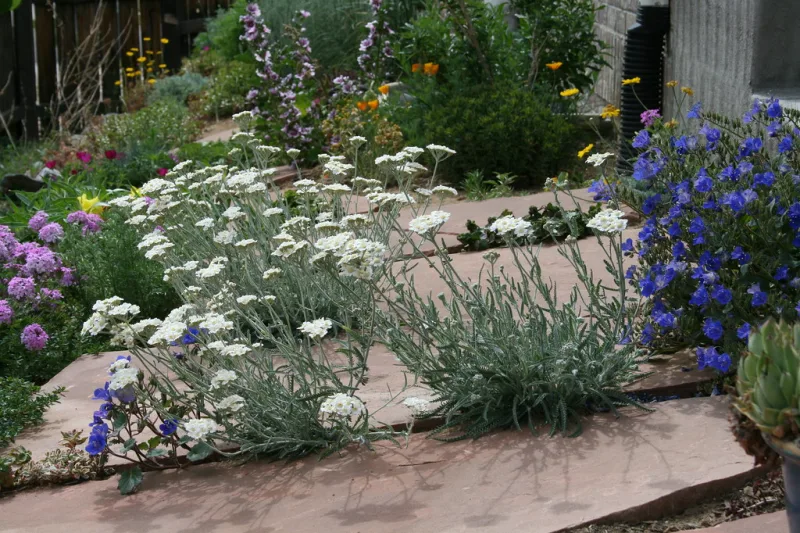
White yarrow flowers (Achillea millefolium) in a garden

Yarrow: Benefits, Uses and How to Prepare It

Yarrow: Benefits, Uses and How to Prepare It IMPORTANT: Yarrow is a plant with real effects on the body, which is why it should not be used carelessly. It is contraindicated during pregnancy (it may stimulate uterine contractions) and should be used with caution while breastfeeding. People allergic to plants in the Asteraceae family (daisy, chamomile, wormwood, ragweed) may develop allergic reactions, including contact dermatitis. The plant can increase the skin’s sensitivity to sunlight (a photosensitizing effect) and may interact with anticoagulant medication, blood-pressure drugs and sedatives. Do not give it to small children without medical advice and do not use it in prolonged, uninterrupted courses. If you are on any medication, pregnant, suffer from a chronic condition or are about to undergo surgery, consult your doctor or pharmacist before using yarrow. This information is for educational purposes and does not replace medical advice. ...

March 1, 2025 · 14 min · Leacuri.ro
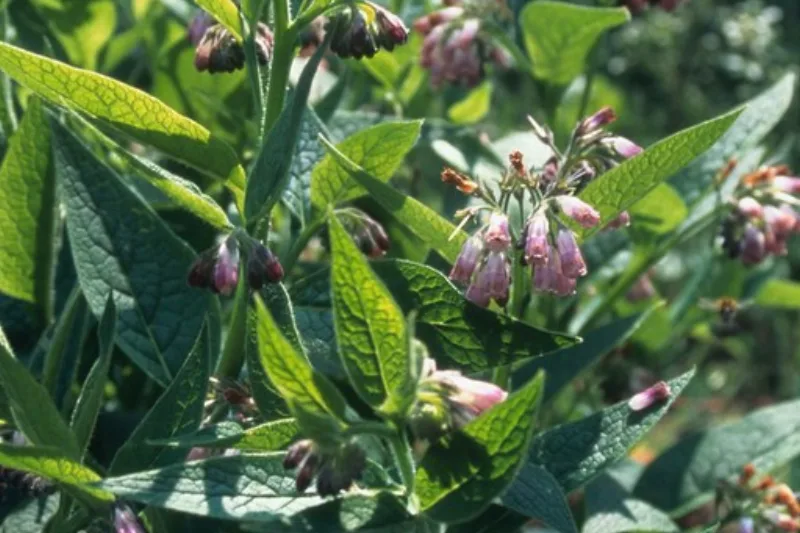
Comfrey (Symphytum officinale) with pink-purple bell-shaped flowers and large, rough leaves

Comfrey: Benefits, External Uses for Bones and Skin, and How to Prepare It

Comfrey: Benefits, External Uses for Bones and Skin, and How to Prepare It IMPORTANT: Comfrey (Symphytum officinale) contains pyrrolizidine alkaloids, substances that can be toxic to the liver if swallowed in significant amounts or over a long period. For this reason, the firm recommendation of modern herbalism is that comfrey be used EXCLUSIVELY EXTERNALLY, on intact skin, for short periods. Do not drink the tea, take the tincture, or eat the leaves internally; do not apply it to deep open wounds; and do not use it on young children, pregnant or breastfeeding women. People with liver conditions should avoid the plant entirely. Comfrey is not a substitute for medical care: a fracture, a serious sprain, or a wound that will not heal must be evaluated by a doctor. ...

February 23, 2025 · 14 min · Leacuri.ro