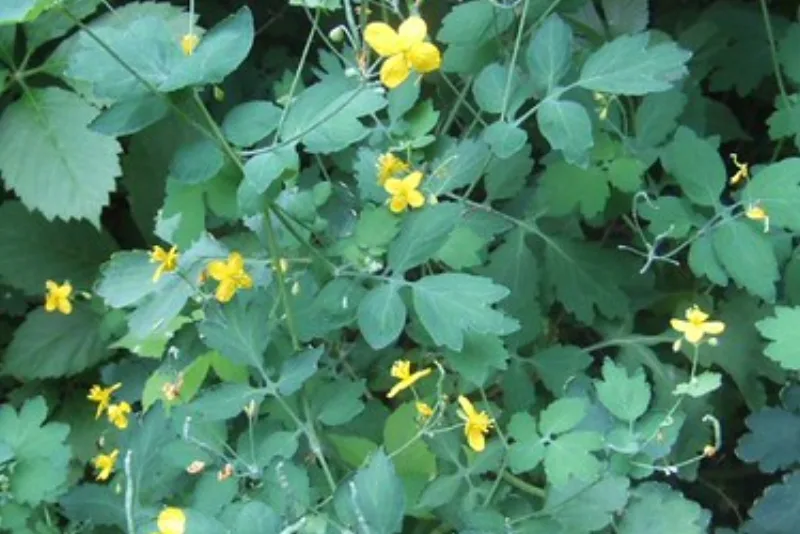
Patch of greater celandine (Chelidonium majus) with small yellow flowers and lobed green leaves

Greater Celandine: Benefits, Uses, Preparation and Precautions

Greater Celandine: Benefits, Uses, Preparation and Precautions IMPORTANT: Greater celandine is a powerful plant, considered toxic in large doses. It contains alkaloids that, if used improperly, can damage the liver. Internal use (teas, tinctures) should only be undertaken under the guidance of a doctor or an experienced herbalist, in short courses and small doses. It is STRICTLY contraindicated during pregnancy and breastfeeding, in children, and in people with liver conditions, glaucoma, or who take medications metabolized by the liver. The fresh yellow latex can irritate the eyes and sensitive skin. This article is for informational purposes only and does not replace medical advice. At the first sign of nausea, dark urine, or yellowing of the skin, stop use immediately and consult a doctor. ...

January 24, 2025 · 12 min · Leacuri.ro
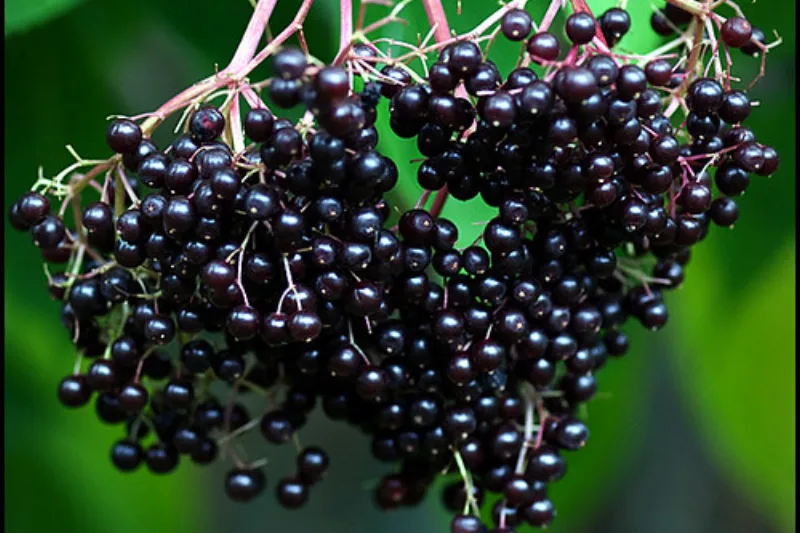
Cluster of ripe black elderberries on the branch with green leaves

Elderberry Plant: Benefits of Flowers and Berries, Uses and How to Prepare It

Elderberry Plant: Benefits of Flowers and Berries, Uses and How to Prepare It IMPORTANT: Raw (unripe) and green elderberries, as well as the bark, leaves and seeds, contain cyanogenic compounds and lectins that can cause nausea, vomiting and diarrhea. For this reason, elderberries are always eaten cooked/processed, never raw. The flowers are gentler, but should also be used in moderation. People with autoimmune conditions should be cautious, since elderberry stimulates the immune system. During pregnancy and breastfeeding, and in young children, use elderberry only with your doctor’s approval. If you take medications (diuretics, diabetes drugs, immunosuppressants) or have a chronic condition, consult your doctor before using elderberry preparations. This article is for informational purposes and does not replace medical advice. ...

January 15, 2025 · 12 min · Leacuri.ro
Hawthorn branches loaded with glossy red berries

Hawthorn: Heart Benefits, Uses and How to Prepare It

Hawthorn: Heart Benefits, Uses and How to Prepare It IMPORTANT: Hawthorn (Crataegus monogyna and Crataegus laevigata) acts directly on the cardiovascular system, which is why it should never be used carelessly, especially if you have a diagnosed heart condition. If you take heart medication (digoxin, beta-blockers, blood-pressure drugs), anticoagulants, or medication for erectile dysfunction, hawthorn may amplify or alter their effect. Always consult your doctor or pharmacist before starting a course. Pregnant and breastfeeding women should avoid concentrated preparations (tinctures, standardized extracts) without medical advice. Hawthorn does not replace any cardiac treatment and is not a remedy for emergencies — chest pain, severe palpitations, or difficulty breathing require calling emergency services immediately. ...

December 4, 2024 · 11 min · Leacuri.ro
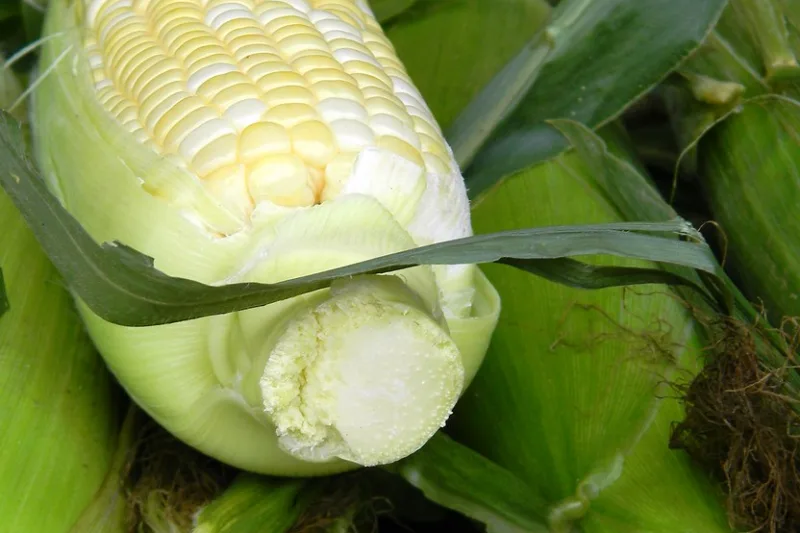
Fresh ear of corn with the fine, silky corn silk visible among the husks

Corn Silk: Benefits for the Kidneys, Uses and How to Prepare It

Corn Silk: Benefits for the Kidneys, Uses and How to Prepare It IMPORTANT: Corn silk is a gentle natural diuretic, but precisely because it increases urine output it must be used carefully by certain people. If you are taking pharmaceutical diuretics (furosemide, hydrochlorothiazide, spironolactone) or blood-pressure medication, talk to your doctor first, since the effects can add up and lead to an excessive drop in potassium or blood pressure. People on diabetes medication should monitor their blood sugar, because corn silk may have a mild glucose-lowering effect. It is not recommended during pregnancy without medical advice (folk tradition suggests it may stimulate the uterus), and it never replaces proper treatment for a serious urinary infection, painful kidney stones or any diagnosed kidney disease. If you have a fever, severe lower-back pain, blood in your urine or chills, see a doctor urgently — these are warning signs that call for medical evaluation, not a cup of tea. ...

November 21, 2024 · 13 min · Leacuri.ro
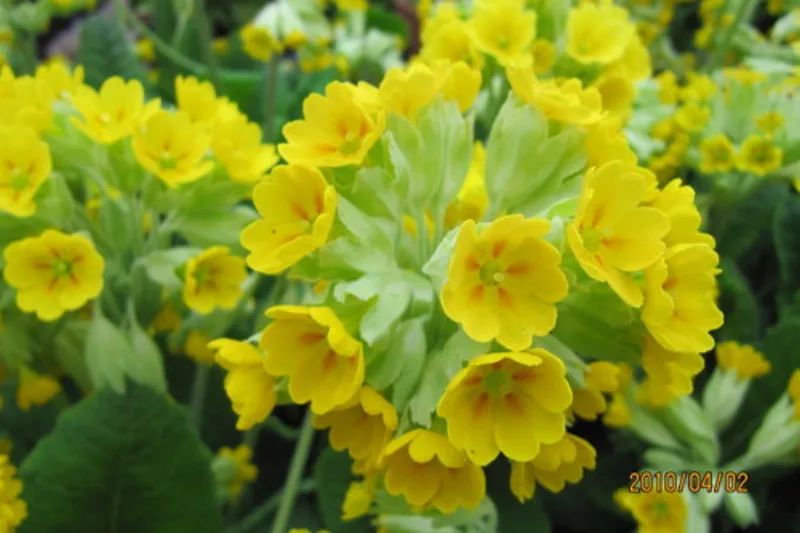
Yellow cowslip flowers (Primula veris) in bloom in a meadow

Cowslip: Benefits, Uses and How to Prepare It

Cowslip: Benefits, Uses and How to Prepare It IMPORTANT: Cowslip contains saponins in high concentration, especially in the root, and consuming it in excessive amounts can cause nausea, vomiting and stomach upset. People allergic to plants in the Primulaceae family may develop contact dermatitis when touching the fresh leaves. The plant is not recommended for pregnant or breastfeeding women, for people with gastritis or ulcers, or for those undergoing anticoagulant treatment. If a cough persists for more than a week, is accompanied by high fever, blood in the sputum, or difficulty breathing, consult a doctor. This article is for informational purposes only and does not replace the advice of a medical professional. ...

November 14, 2024 · 13 min · Leacuri.ro
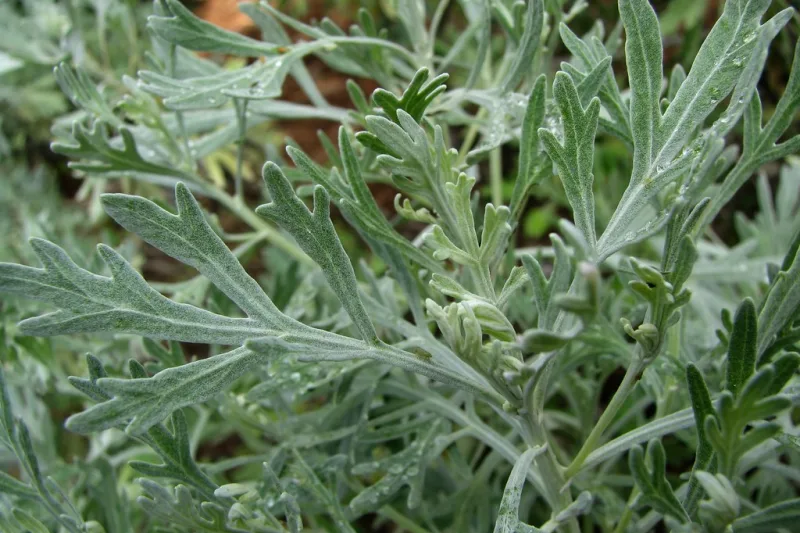
Close-up of the silvery leaves of wormwood (Artemisia absinthium)

Wormwood: Digestive Benefits, Traditional Uses and How to Prepare It

Wormwood: Digestive Benefits, Traditional Uses and How to Prepare It IMPORTANT: Wormwood is one of the most powerful bitter herbs in nature’s pharmacy, but also one of the most delicate when it comes to dosage. It contains thujone, a compound that in large amounts can be neurotoxic and may trigger seizures. It must NOT be used during pregnancy or breastfeeding (it can stimulate uterine contractions), should not be given to small children, or used by people with epilepsy or serious kidney or liver disease. Never use it for more than 2-3 weeks in a row, and never exceed the recommended dose. If you take medication or have a chronic condition, consult your doctor or a pharmacist before using wormwood. This article is for informational purposes only and does not replace medical advice. ...

November 10, 2024 · 14 min · Leacuri.ro
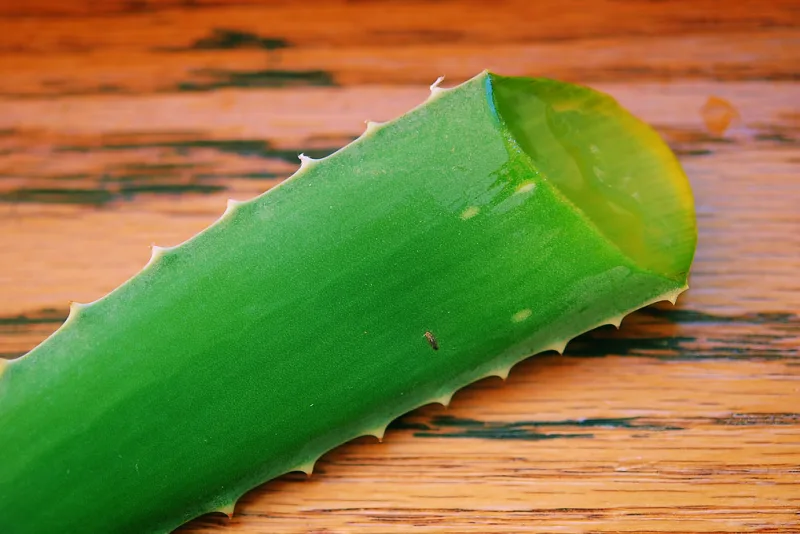
A cut aloe vera leaf revealing the clear gel inside, on a wooden table

Aloe Vera: Benefits, Gel for Skin and Internal Uses

Aloe Vera: Benefits, Gel for Skin and Internal Uses IMPORTANT: The clear gel inside the aloe vera leaf is generally safe for external use, but the yellow layer just beneath the rind (the latex, rich in aloin) is a strong laxative and can be irritating. For internal use, rely only on standardized, decolorized products (aloin-free) and do not exceed the recommended amounts. Taken internally, aloe vera is contraindicated during pregnancy and breastfeeding, in young children, and in cases of inflammatory bowel disease, intestinal obstruction, severe kidney disease, and acute hemorrhoids. The latex can interact with diuretics, heart medications (digoxin), and antidiabetic drugs. Before applying the gel to large areas of skin, do a patch test on a small spot. Aloe vera is not a substitute for medical treatment; for severe burns, deep wounds, or persistent digestive problems, consult a doctor. ...

October 29, 2024 · 12 min · Leacuri.ro
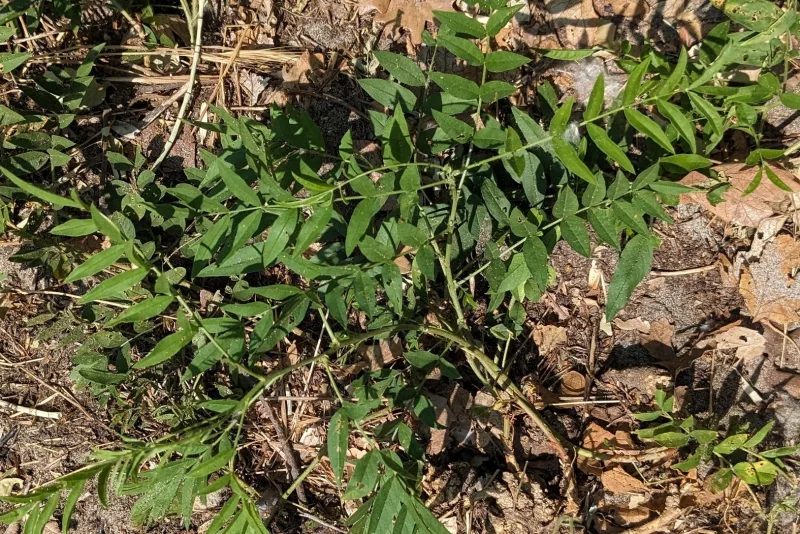
Licorice plant (Glycyrrhiza glabra) with green pinnate leaves

Licorice Root: Benefits for Throat and Stomach, Uses and How to Prepare It

Licorice Root: Benefits for Throat and Stomach, Uses and How to Prepare It IMPORTANT: Licorice root is not a gentle herb you can drink daily, for months on end, without limits. It contains glycyrrhizin, a compound that, in large amounts or over long periods, can raise blood pressure, lower potassium levels in the blood, and cause water retention and swollen legs. It is contraindicated for people with high blood pressure, kidney disease, heart disease, pregnant or breastfeeding women, and anyone taking diuretics, corticosteroids, digoxin, or blood-pressure medication. If you follow a long-term treatment or have a chronic condition, talk to your doctor or pharmacist before using licorice. Do not give it to young children without medical advice. Used short term and in reasonable doses, however, licorice root remains one of the most treasured remedies of folk tradition. ...

October 26, 2024 · 13 min · Leacuri.ro
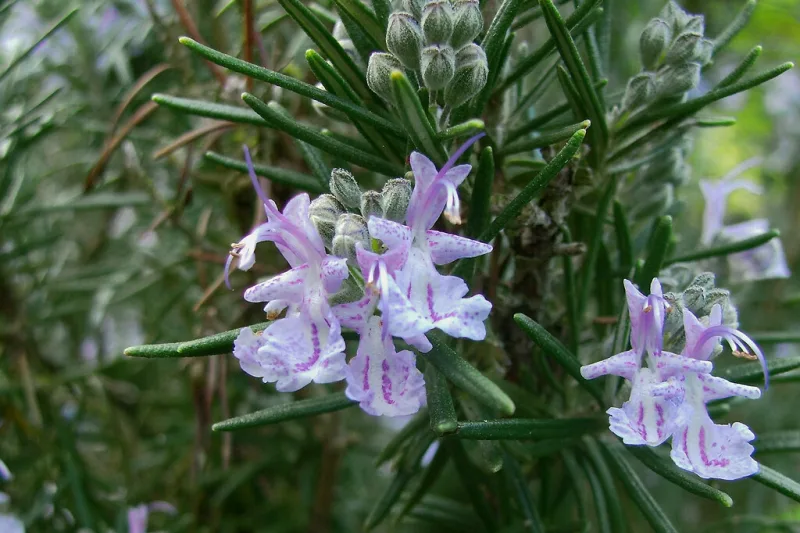
Rosemary shrub with green needle-like leaves and lilac flowers

Rosemary: Benefits, Uses, Preparation and Precautions

Rosemary: Benefits, Uses, Preparation and Precautions IMPORTANT: Rosemary used as a culinary seasoning is safe for almost everyone. However, in large doses, in the form of concentrated essential oil or tincture taken in unmeasured amounts, rosemary can become problematic. Pregnant women should avoid medicinal doses (strong teas, tinctures, internal essential oil), because folk tradition and medical caution associate it with uterine stimulation. People with epilepsy, with very high blood pressure, or who are taking anticoagulant medication (such as warfarin) should talk to their doctor before using rosemary therapeutically. Rosemary essential oil should never be applied undiluted to the skin and should not be taken internally without the guidance of a specialist. In young children, rosemary essential oil should be avoided entirely around the face. ...

October 20, 2024 · 12 min · Leacuri.ro
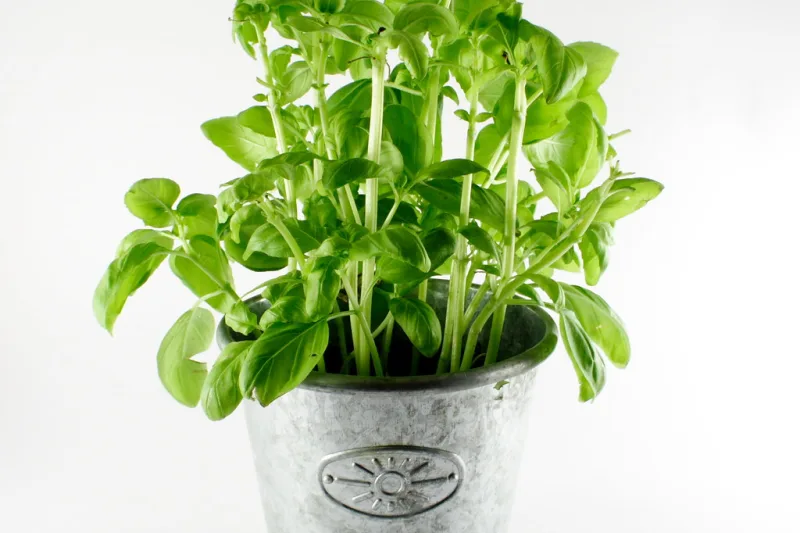
Fresh green basil plant in a metal pot

Basil: Benefits, Uses and How to Prepare It Correctly

Basil: Benefits, Uses and How to Prepare It Correctly IMPORTANT: Basil is generally safe when used as a food or seasoning. However, basil essential oil and concentrated extracts must be used with great caution. Pregnant women should avoid large medicinal amounts, as folk tradition attributes uterine-stimulating effects to basil. People taking anticoagulant medications (such as warfarin) should be careful, since basil may influence blood clotting. Essential oil should never be applied undiluted to the skin or taken internally without the advice of a specialist. Consult your doctor if you are undergoing chronic treatment or if symptoms persist. ...

October 14, 2024 · 12 min · Leacuri.ro