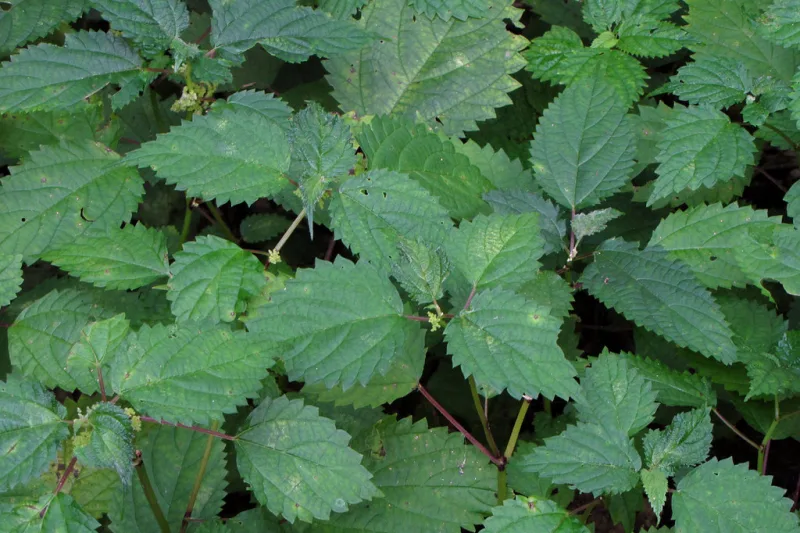
Fresh green nettle leaves in nature

Nettle: Benefits, Uses and How to Prepare It

Nettle: Benefits, Uses and How to Prepare It IMPORTANT: Although nettle is one of the gentlest and most cherished medicinal plants in Romanian tradition, it is not entirely free of precautions. People taking diuretics, blood pressure medication, anticoagulants (such as warfarin) or diabetes medication should talk to their doctor before consuming large amounts of nettle, as the plant can enhance or alter the effect of these drugs. Pregnant women should avoid the therapeutic use of nettle, since folk tradition attributes to it effects that may stimulate the uterus. People with severe kidney disease or with fluid retention caused by heart problems should also be cautious. Nettle never replaces a prescribed medical treatment — it is a support, not a substitute. At the first sign of an allergic reaction, stop consuming it and consult a specialist. ...
October 8, 2024 · 13 min · Leacuri.ro
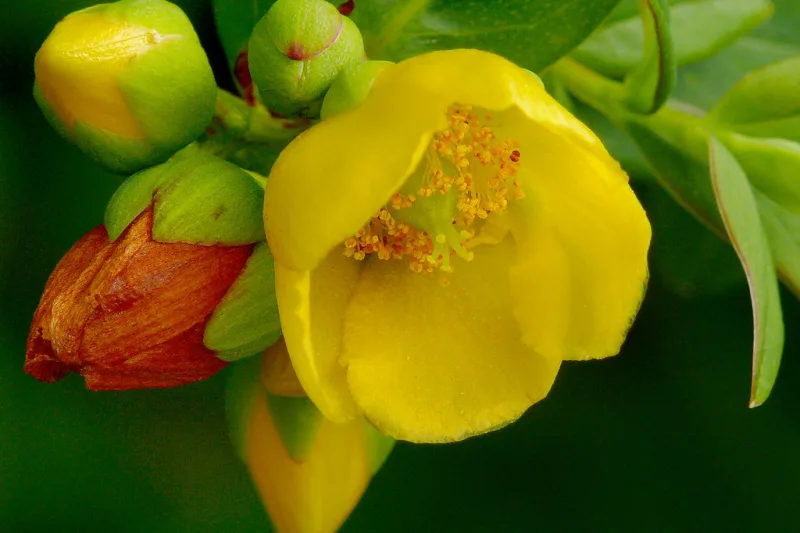
Bright yellow St. John's Wort flower (Hypericum perforatum) with its characteristic stamens and buds

St. John's Wort: Benefits, Uses and How to Prepare It

St. John’s Wort: Benefits, Uses and How to Prepare It IMPORTANT: St. John’s Wort is one of the most pharmacologically active medicinal plants, which is precisely why it interacts with a remarkably large number of medications. It significantly reduces the effectiveness of oral contraceptives, anticoagulants (warfarin), certain heart medications (digoxin), immunosuppressants (ciclosporin), some antiretrovirals, and many synthetic antidepressants. Combining it with antidepressants in the SSRI class can trigger a dangerous “serotonin syndrome.” The plant also increases the skin’s sensitivity to sunlight (photosensitization). It should not be taken during pregnancy or breastfeeding without medical advice, and anyone on chronic medication must consult a doctor or pharmacist before using it. St. John’s Wort is not a substitute for the treatment of moderate or severe depression. ...

October 3, 2024 · 12 min · Leacuri.ro
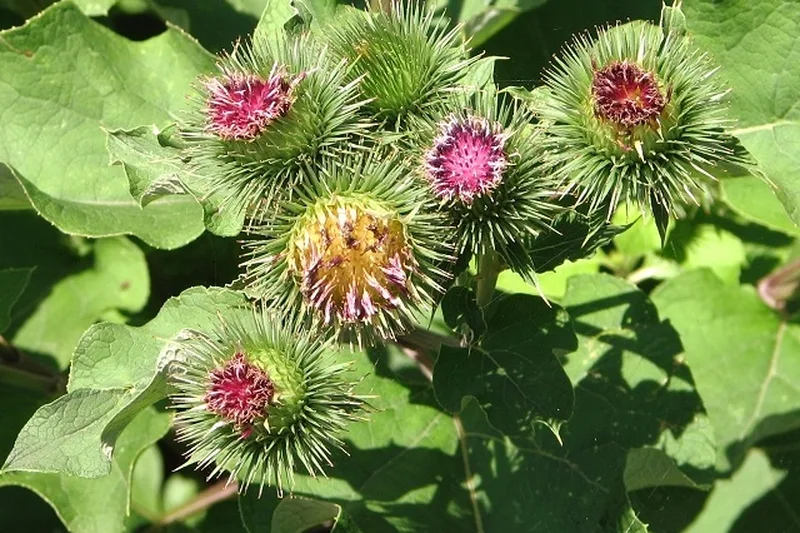
Burdock plant with spiny pink-purple flower heads and large green leaves

Burdock: Benefits for Skin and Hair, Uses and How to Prepare It

Burdock: Benefits for Skin and Hair, Uses and How to Prepare It IMPORTANT: Burdock (Arctium lappa) is generally well tolerated, but it is not without precautions. People allergic to plants in the Asteraceae family (daisies, calendula, chamomile, wormwood, ragweed) may develop cross-reactions. Burdock can lower blood sugar, so diabetics taking glucose-lowering medication should monitor their blood sugar carefully. It has a diuretic effect, so it should be used with caution by those taking diuretics or with serious kidney problems. It is not recommended during pregnancy and breastfeeding, as it has traditionally been considered a uterine stimulant. When foraging, be careful not to confuse it with deadly nightshade (Atropa belladonna), which is toxic. Burdock does NOT replace medical treatment: for persistent skin conditions, hormonal imbalances or chronic illness, always consult your doctor or a qualified herbalist. ...

September 29, 2024 · 12 min · Leacuri.ro
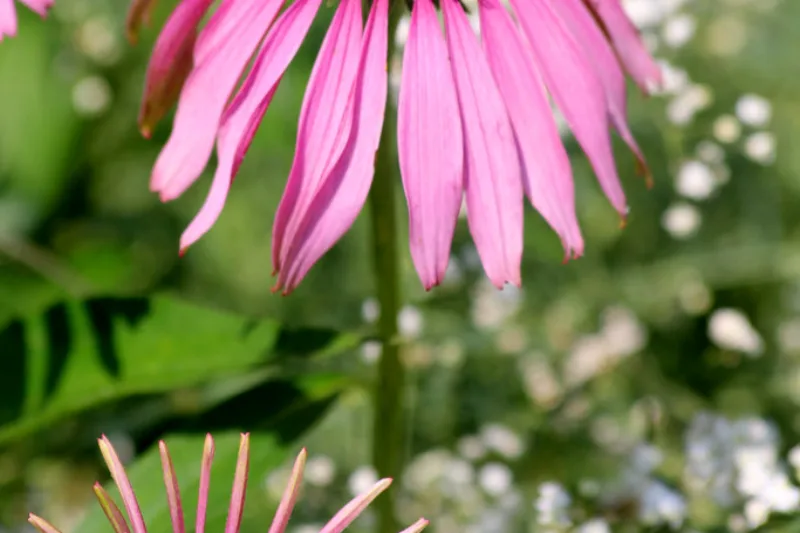
Purple echinacea coneflower with a spiky cone center, a medicinal plant for immunity

Echinacea: Benefits, Uses and How to Prepare It

Echinacea: Benefits, Uses and How to Prepare It IMPORTANT: Echinacea is generally well tolerated, but it is not suitable for everyone. People with autoimmune diseases (lupus, multiple sclerosis, rheumatoid arthritis), those taking immunosuppressants after a transplant, and anyone allergic to plants in the Asteraceae family (daisies, marigolds, ragweed, chrysanthemums) should avoid it or use it only on a doctor’s advice. Continuous use beyond 8-10 weeks without a break is not recommended. During pregnancy and breastfeeding, use it only after consulting your doctor. Echinacea does not replace medical treatment: if fever, pain, or cough persists for more than a few days, see a physician. ...

September 28, 2024 · 13 min · Leacuri.ro
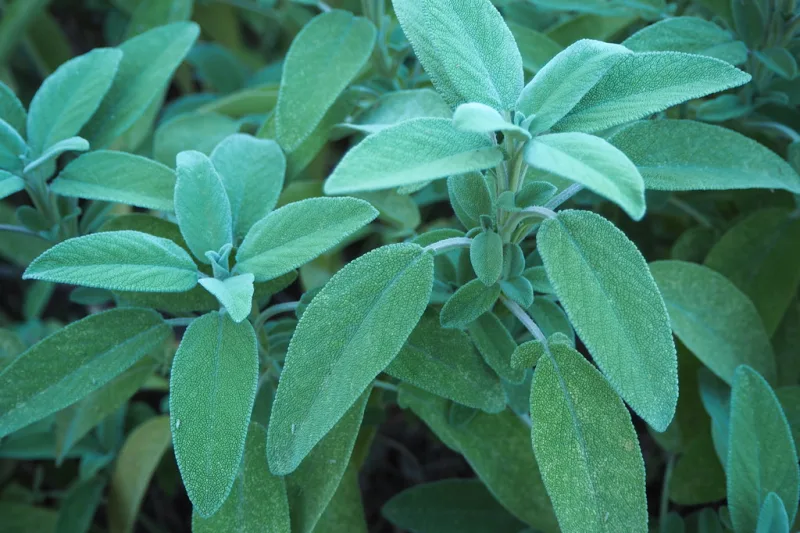
Fresh sage leaves with a velvety, silvery-green texture growing in a garden

Sage: Benefits, Uses and How to Prepare It

Sage: Benefits, Uses and How to Prepare It IMPORTANT: Sage (Salvia officinalis) contains thujone, a compound that can be toxic to the nervous system in large amounts and over long periods. For this reason, sage should not be taken during pregnancy or breastfeeding (it may reduce milk supply and has a mild stimulating effect on the uterus), should not be given to young children without medical advice, and should not be used in prolonged, uninterrupted courses. People with epilepsy, those taking sedatives, anticoagulants or antidiabetic medication, as well as those with hormone-dependent tumors, should speak to a doctor before using sage internally. Sage essential oil must never be swallowed. This article is for informational purposes only and does not replace medical advice. ...

August 17, 2024 · 13 min · Leacuri.ro
Maca roots and maca powder on a wooden table

Maca: Benefits, Uses and How to Prepare It for Energy and Hormonal Balance

Maca: Benefits, Uses and How to Prepare It for Energy and Hormonal Balance IMPORTANT: Maca is generally well tolerated, but it is not suitable for everyone without thought. People with thyroid conditions (especially goiter or hypothyroidism) should be cautious, because maca belongs to the cruciferous family and contains glucosinolates which, in large amounts and when eaten raw, may affect thyroid function. Pregnant or breastfeeding women should not use it without first consulting a doctor, since its effects on hormonal balance are not sufficiently studied during these periods. People with hormone-dependent conditions (certain breast, ovarian or prostate cancers), uncontrolled high blood pressure, or those undergoing hormonal treatment should speak with their physician before starting. Maca does not replace medical treatment and is not a cure for serious illness. If you have persistent symptoms — chronic fatigue, cycle disturbances, fertility problems or low libido — see a doctor for a proper diagnosis. Use maca as a supportive dietary supplement, not as a single solution. ...

August 13, 2024 · 12 min · Leacuri.ro
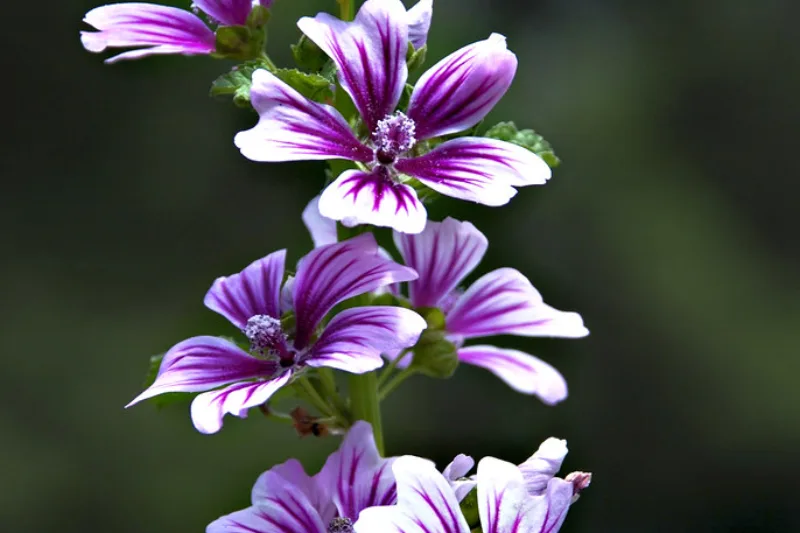
Purple mallow (Malva) flowers in a garden, an emollient medicinal plant

Mallow: Benefits, Uses and How to Prepare It

Mallow: Benefits, Uses and How to Prepare It IMPORTANT: Mallow is generally regarded as one of the gentlest medicinal plants, but its high mucilage content can slow the absorption of other medications taken at the same time. Allow at least one hour between mallow tea and any medication. People with diabetes should talk to their doctor, since sweetened mallow preparations may affect blood sugar. Pregnant and breastfeeding women, as well as young children, can usually use mallow without problems, but it is wise to ask a doctor or pharmacist before taking it regularly. Mallow is not a substitute for medical treatment in severe infections, pneumonia or other serious conditions; consult a doctor if symptoms persist for more than a few days or worsen. ...

July 15, 2024 · 14 min · Leacuri.ro
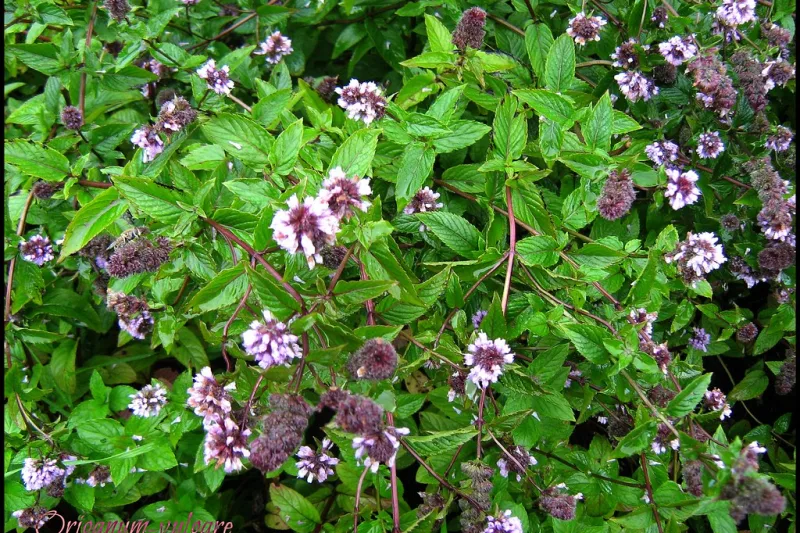
Flowering oregano plant (Origanum vulgare) with purple-pink blossoms and green leaves

Oregano Herb (Origanum vulgare): Benefits, Uses and How to Prepare It

Oregano Herb (Origanum vulgare): Benefits, Uses and How to Prepare It IMPORTANT: Oregano is generally safe when used as a spice or as a tea in everyday amounts. However, oregano essential oil is highly concentrated and should never be used undiluted, whether internally or on the skin. Pregnant women should avoid consuming oregano in medicinal quantities, as folk tradition regards it as a herb that stimulates uterine contractions. People who are allergic to plants in the Lamiaceae family (basil, mint, thyme, sage), those taking blood-thinning medication, or those undergoing treatment for diabetes should talk to a doctor before using oregano therapeutically. This article is for informational purposes and does not replace medical advice. ...

July 11, 2024 · 14 min · Leacuri.ro