 Photo: Tatiana, CC BY 4.0, via Wikimedia Commons
Shepherd’s purse (Capsella bursa-pastoris) is a small weed with heart-shaped seed pods that has been used for centuries as a styptic herb, meaning one that helps stop bleeding. Its main use is heavy menstrual bleeding in women with regular cycles, once a doctor has ruled out a serious cause: for this purpose the European Medicines Agency (EMA) recognises it as a traditional herbal medicinal product. It is taken as an infusion, 1-2 teaspoons per cup, 2-3 times a day, starting a few days before your period.
It is a useful herb, but heavy bleeding is never “just” a tea problem: it can hide fibroids, polyps, hormonal or clotting disorders, and can lead to anaemia. Below is how to use it correctly.
Key takeaways
- The whole flowering plant without the root is used, ideally recently dried (it loses potency quickly).
- EMA: a traditional product for reducing heavy menstrual bleeding in women with regular cycles, after serious conditions have been excluded.
- Usual dose: 2-4 g of herb (1-2 teaspoons) per cup, 2-3 times a day.
- Start 2-3 days before your period and continue through the heavy days.
- Contraindicated in pregnancy (it stimulates uterine contractions); caution with thyroid disorders and heart medication.
What shepherd’s purse is and how to recognise it
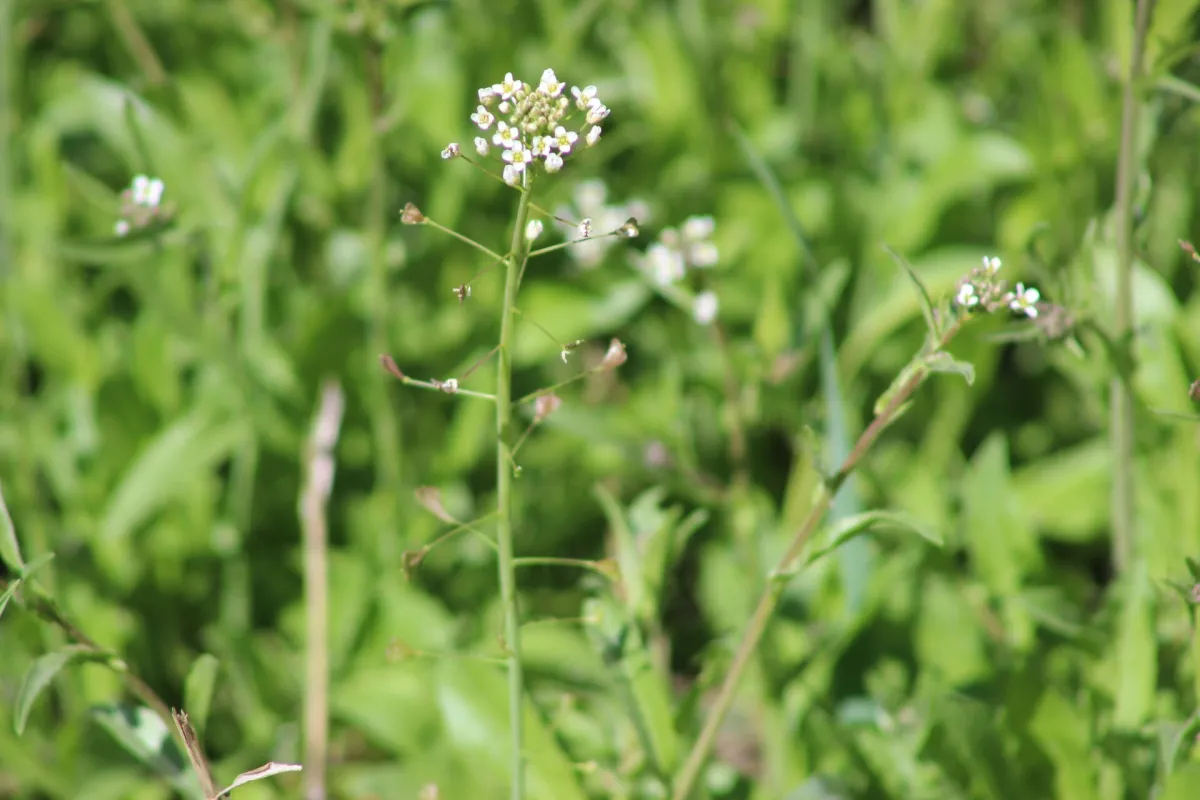
Shepherd’s purse is an annual in the Brassicaceae family (cabbage and mustard), 10-50 cm tall. It has a basal rosette of deeply lobed leaves resembling dandelion leaves, from which rises a thin stem bearing tiny white four-petalled flowers. Its unmistakable feature is the triangular, heart- or purse-shaped seed pods on long stalks along the stem. That is where its name comes from in almost every European language, including Romanian “traista-ciobanului” (“the shepherd’s bag”).
It is one of the most widespread plants in the world. It grows everywhere: gardens, roadsides, pavement cracks, fields, and flowers almost all year, from March to November. Young leaves are edible, with a peppery mustard taste, and are used in Asian cooking.
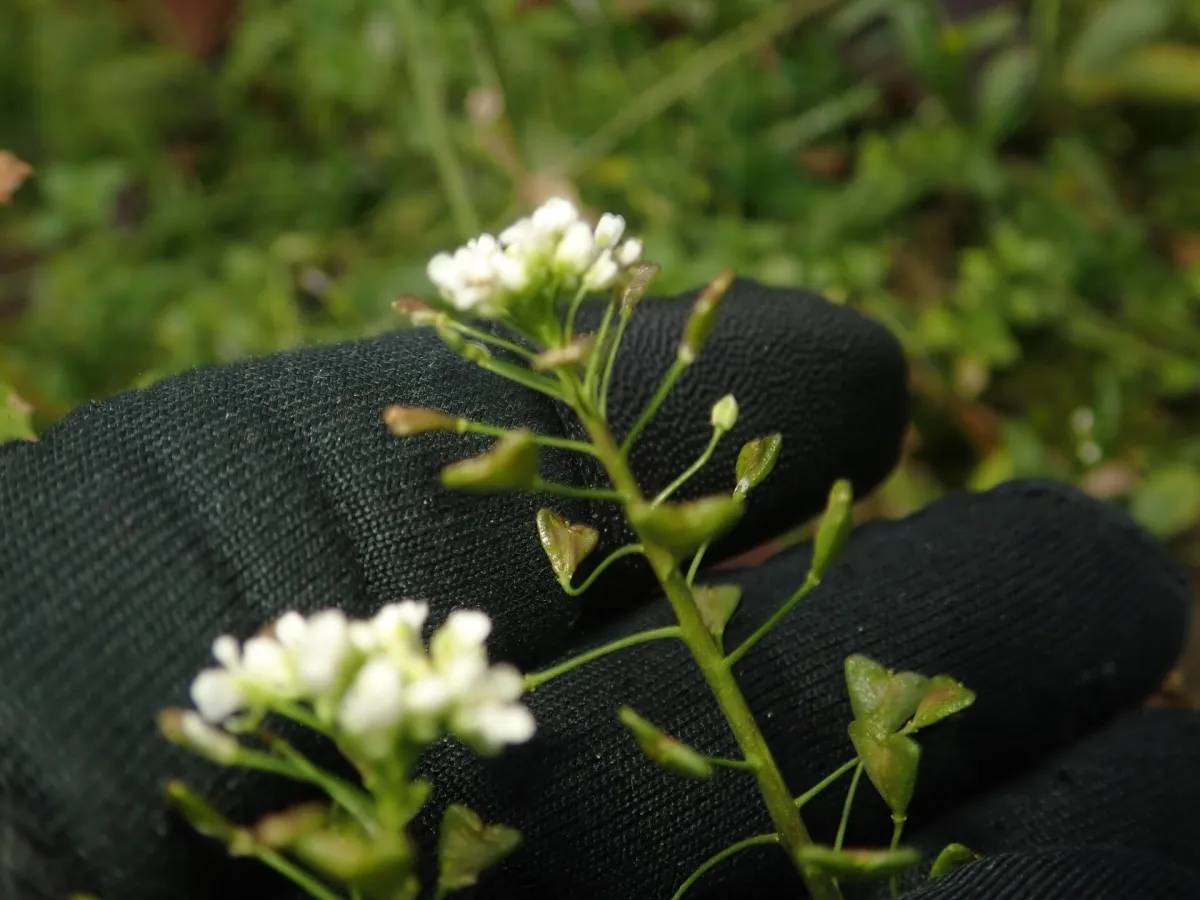 Photo: Alexis, CC BY 4.0, via Wikimedia Commons
Harvesting and storage
Gather the flowering plant with its first pods formed, from clean places. Dry it quickly in the shade in a thin layer. A peculiarity of shepherd’s purse is that it loses its activity fairly fast in storage: herbalists recommend herb from the current year’s harvest and, ideally, tincture or juice from the fresh plant. Discard yellowed or musty herb; plants can be attacked by a white fungus (white rust), in which case they should not be used.
Composition and active compounds
The chemistry of shepherd’s purse is not fully understood, which partly explains variable study results:
- Flavonoids (diosmin, luteolin, quercetin and derivatives): may influence the permeability of small blood vessels.
- Biogenic amines: choline, acetylcholine, tyramine, histamine; some of them act on uterine muscle.
- Peptides with a haemostatic action described in older studies.
- Glucosinolates (sinigrin), typical of the cabbage family.
- Potassium salts, vitamin K and vitamin C in the fresh plant.
The styptic effect appears to come from a combination: contraction of the uterine muscle, which compresses blood vessels, and a possible effect on the vessel wall.
Benefits: what tradition says and what studies show
Heavy periods (menorrhagia)
This is the recognised use. The EMA (HMPC) monograph classifies the herb as a traditional medicinal product for reducing heavy menstrual bleeding in women with regular cycles, after serious conditions have been ruled out. Animal studies have shown uterine-contracting and haemostatic effects, and a small clinical trial in which the extract was added to anti-inflammatory treatment reported a greater reduction in bleeding than the drug alone. Evidence remains limited. Using it makes sense only for regular cycles with somewhat heavier bleeding than usual, after a gynaecological check-up. For associated pain, see also our article on menstrual cramps.
Minor nosebleeds
Traditionally, juice or infusion on a cotton pad was placed in the nostril for minor nosebleeds. Correct first aid, however, remains pinching the soft part of the nose for 10 minutes with the head tilted forward; see our article on nosebleeds.
Superficial wounds
Crushed herb or compresses soaked in the infusion were placed on scratches and small cuts. For small, clean wounds this can be an acceptable traditional remedy; deep or dirty wounds need medical care.
Other folk uses
Bleeding haemorrhoids, diarrhoea, “blood pressure” and digestive bleeding. Digestive and haemorrhoidal bleeding must be investigated by a doctor; they are not treated with tea.
How to prepare shepherd’s purse
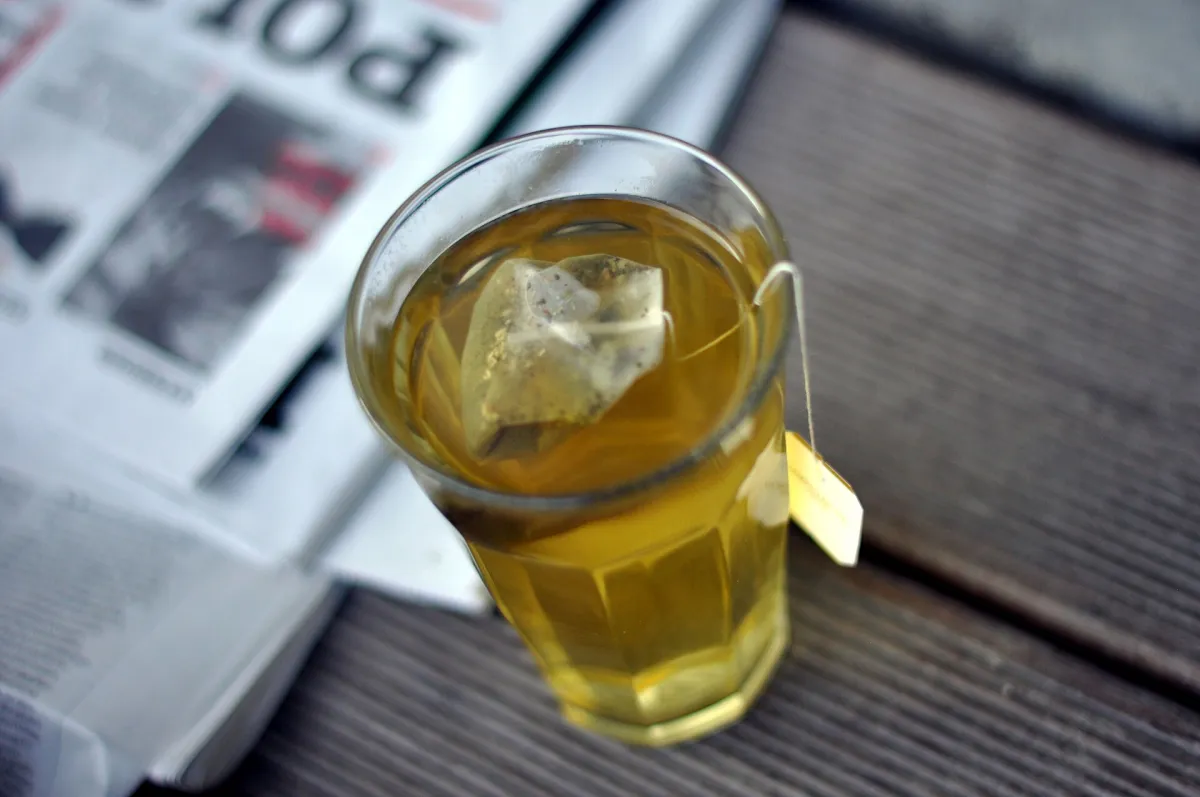
Infusion
- Put 1-2 teaspoons (2-4 g) of dried herb into a cup.
- Pour over 150-250 ml of boiling water.
- Cover and steep for 10-15 minutes.
- Strain and drink warm.
Drink 2-3 cups a day, starting 2-3 days before your expected period and continuing through the heavy days (usually the first 2-4). The taste is grassy and slightly peppery.
Fresh-plant tincture
Considered the most active form. Use a commercial tincture as directed; as a guide, 20-30 drops 3 times a day, diluted in water, on the same cycle days. For general principles, see our guide to herbal tinctures.
Traditional blends for heavy cycles
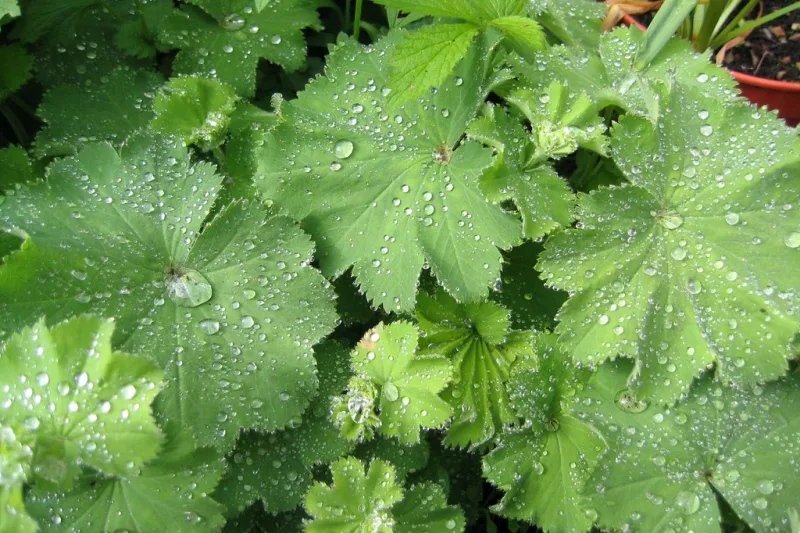
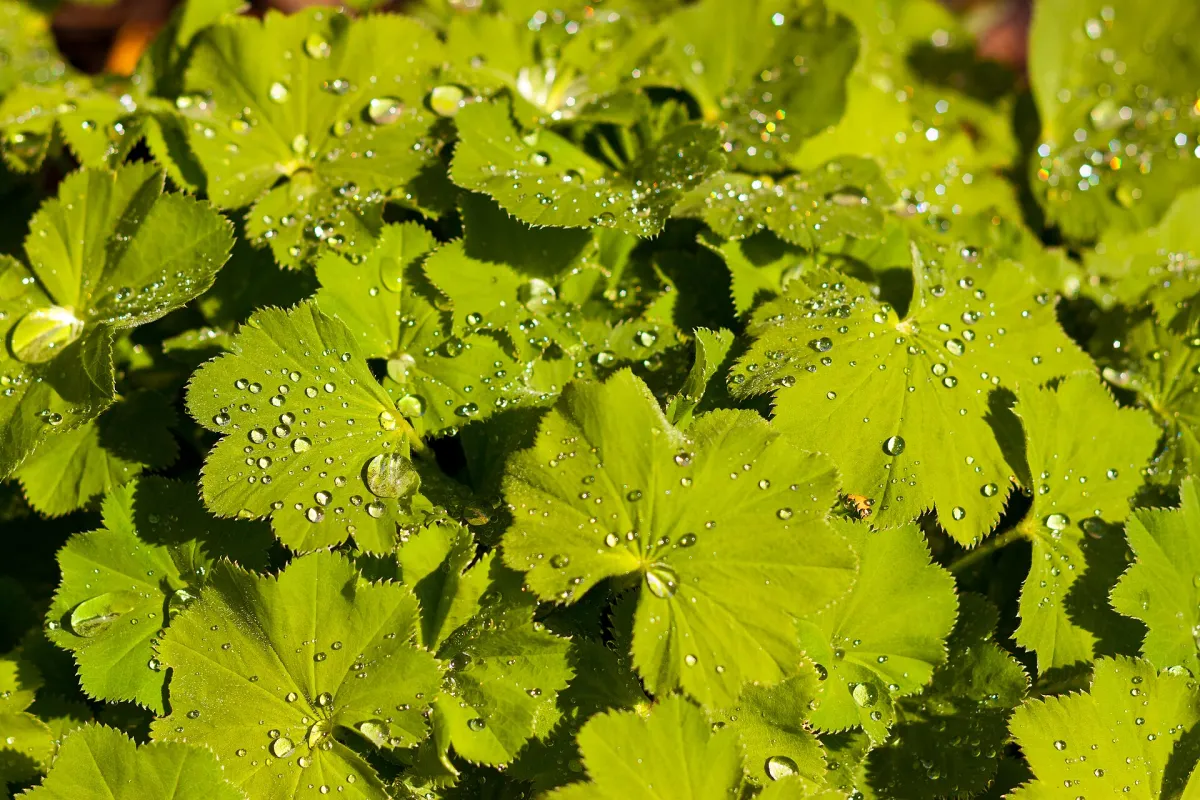
- Shepherd’s purse + lady’s mantle: a classic Central European blend in equal parts.
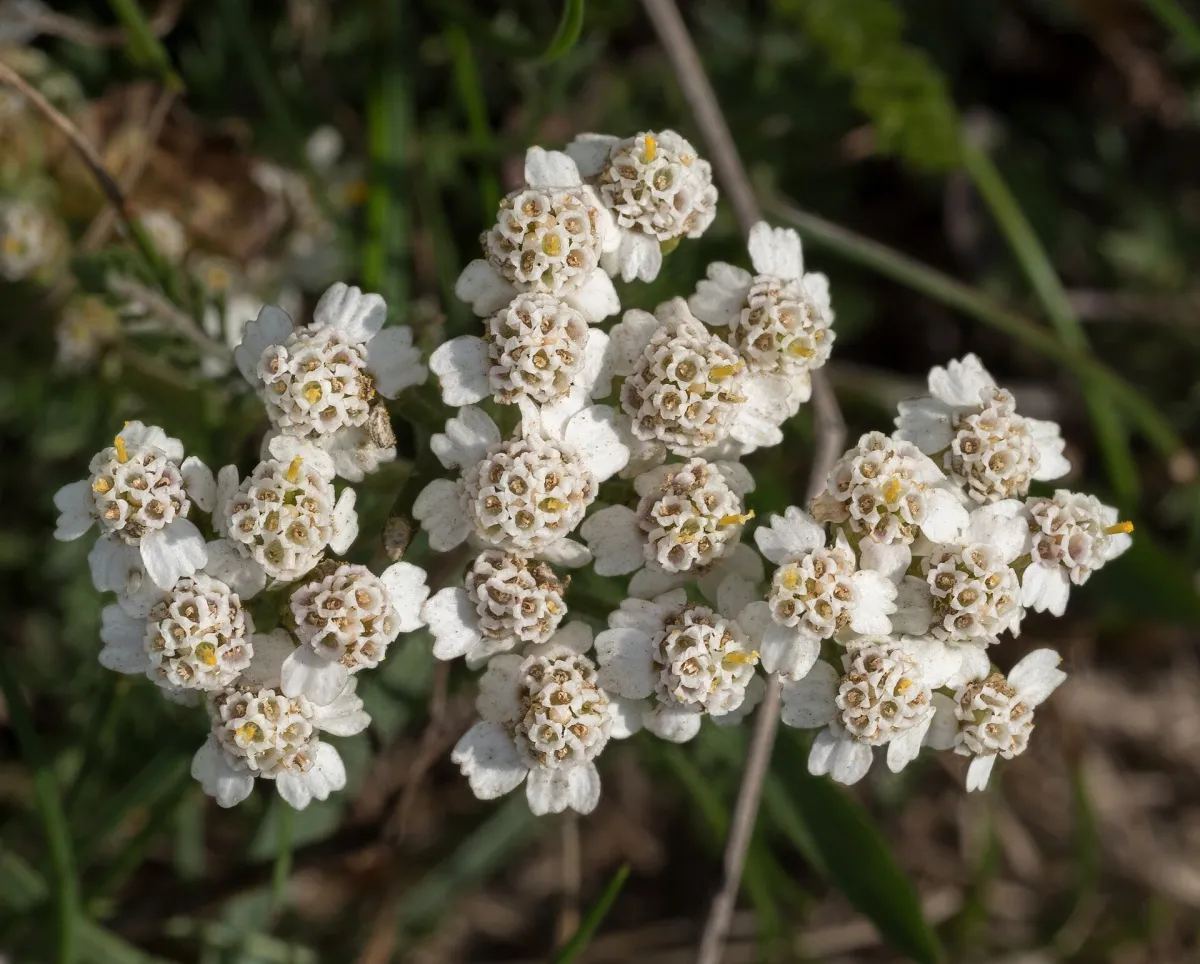
- Shepherd’s purse + yarrow: for heavy bleeding with cramps.
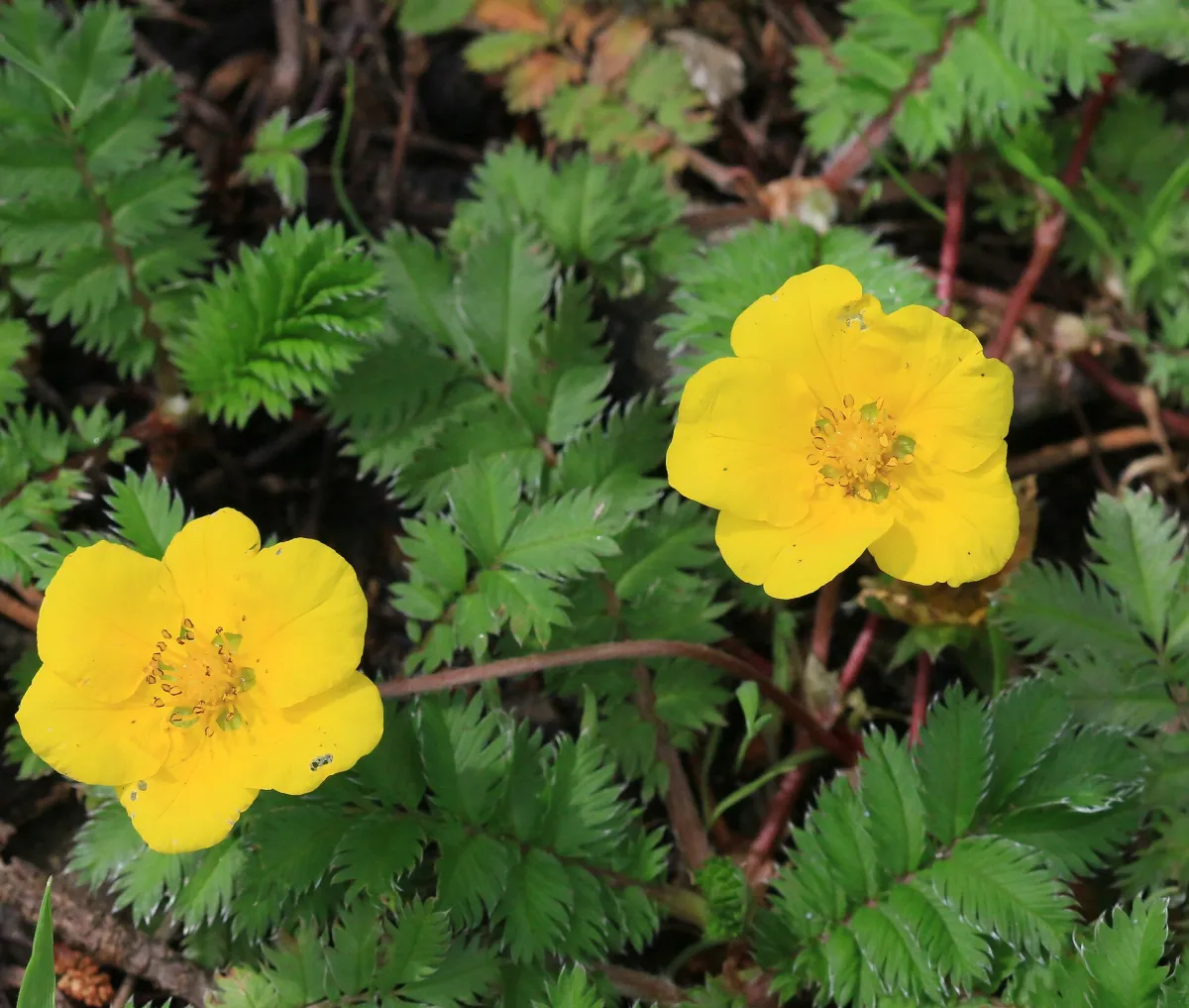
- With silverweed when cramps dominate.
Dosage guide
| Form | Amount | Frequency | When |
|---|---|---|---|
| Infusion | 2-4 g per 150-250 ml, 10-15 min | 2-3 cups/day | from day -3 to the end of heavy days |
| Commercial tincture | as directed (often 20-30 drops) | 3 times/day | same days |
| Blend with lady’s mantle | 2 tsp per 250 ml | 2-3 cups/day | same days |
| Nasal pad | cooled infusion or fresh juice | occasionally | minor bleeds, after pressure |
Judge the effect over 2-3 cycles, counting the pads used per day. If there is no improvement, stop and go back to your doctor.
Contraindications and precautions
- Pregnancy: contraindicated, it can stimulate uterine contractions.
- Breastfeeding: no data, not recommended.
- Under 18: the EMA monograph does not recommend it due to lack of data; heavy periods in teenagers need medical evaluation (including for clotting disorders).
- Thyroid disorders: some sources mention a possible effect on thyroid function; talk to your endocrinologist.
- Heart, blood pressure and sedative medication: possible interactions are reported in specialist sources; inform your doctor.
- Anticoagulants: if you take blood thinners and have heavy periods, talk to your doctor rather than trying to “balance” things with herbs.
- Kidney stones: caution because of oxalate content.
When to see a doctor
- Soaking a pad or tampon in less than an hour, for several hours in a row.
- Clots larger than a coin, frequently.
- Periods lasting more than 7 days.
- Bleeding between periods, after sex or after menopause (any post-menopausal bleeding must be investigated).
- Tiredness, pallor, dizziness or palpitations (possible anaemia; see our article on anemia).
- Heavy bleeding in pregnancy or suspected pregnancy: an emergency.
Common mistakes
Tea instead of investigation. Periods that suddenly become heavier need a gynaecologist: fibroids, polyps, hormonal or clotting disorders.
Old herb kept for years. Shepherd’s purse loses its activity; use the current year’s harvest.
Starting the tea only on day two. It works better when started a few days before.
Using it in pregnancy for bleeding. This is dangerous; any bleeding in pregnancy needs urgent medical care.
Ignoring anaemia. Heavy blood loss drains iron stores; check haemoglobin and ferritin.
Conclusion
Shepherd’s purse, the weed with heart-shaped pods, is one of Europe’s oldest styptic remedies and the only plant in our native flora that the EMA recognises traditionally for heavy periods. Used correctly, as fresh herb or tincture, started before the period and judged over a few months, it can genuinely help women with regular cycles and somewhat heavier bleeding. But first a serious cause must be ruled out, and warning signs, from large clots to bleeding after menopause, mean a doctor, not tea.
Frequently asked questions
Does shepherd’s purse tea stop your period? It does not stop it, but it can reduce blood loss in women with regular cycles and heavy bleeding. The EMA recognises it as a traditional remedy for this purpose, after serious conditions have been ruled out.
When should I start drinking the tea? 2-3 days before your expected period, 2-3 cups a day, continuing through the heavy days.
Can I take shepherd’s purse while pregnant? No. It can stimulate uterine contractions. Any bleeding in pregnancy must be assessed by a doctor immediately.
Why does my two-year-old herb no longer work? Shepherd’s purse loses its activity fairly quickly in storage. Use herb from the current harvest or a fresh-plant tincture.
Can I use shepherd’s purse for nosebleeds? Traditionally yes, as a pad soaked in infusion for minor bleeds. The first step, however, is pinching the nose for 10 minutes. Repeated or heavy nosebleeds need an ENT check.
Can it be combined with lady’s mantle? Yes, this is a traditional Central European blend for heavy cycles, in equal parts.
What if I see no improvement? If there is no improvement after 2-3 cycles, stop the tea and talk to your gynaecologist. Persistent heavy bleeding must be investigated.
Sources and further reading
- EMA / HMPC: European Union herbal monograph on Capsella bursa-pastoris (L.) Medikus, herba.
- German Commission E: monograph on Bursae pastoris herba.
- MedlinePlus (NIH): “Heavy Menstrual Bleeding”, patient information.
This article is for information only and does not replace medical advice. Talk to your doctor or pharmacist before using medicinal plants, especially if you take medication or have a chronic condition.