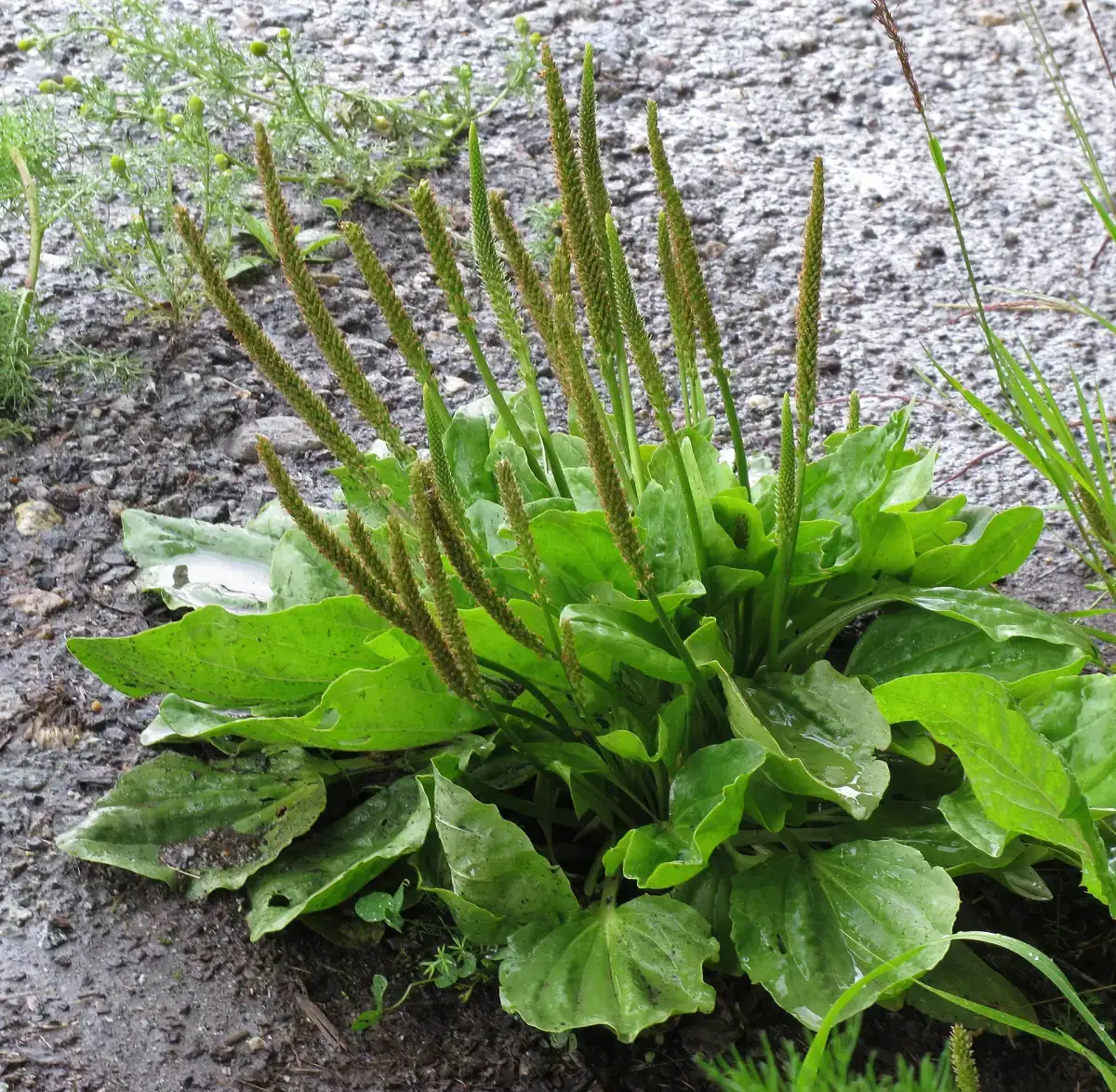
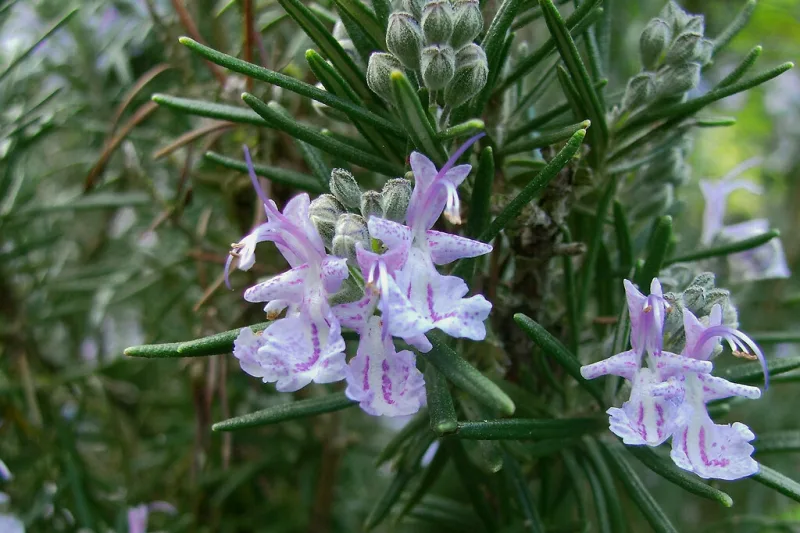
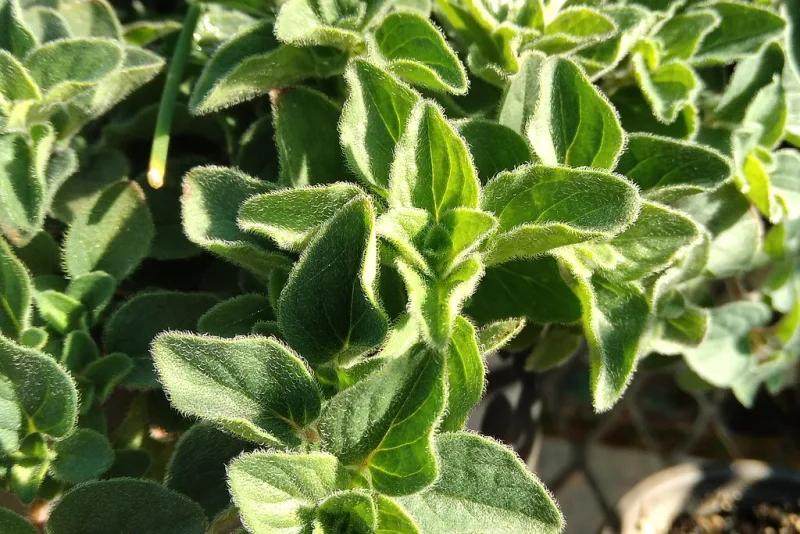
 Photo: James Steakley, CC BY-SA 3.0, via Wikimedia Commons
Citronella essential oil does repel mosquitoes, but protection is short: on the skin the effect usually fades within 30-60 minutes, because the oil evaporates quickly. It suits an evening on the patio or in the garden, reapplied often. For areas with mosquito- or tick-borne disease, long forest hikes or young children, choose a tested repellent (DEET, icaridin, IR3535 or PMD).
For many people the smell of citronella is the smell of summer: candles on the balcony, colourful wristbands, “natural” sprays. The obvious question is whether it actually works. The honest answer: yes, but less and for a shorter time than packaging suggests. Below you will learn how to get the most out of it without irritating your skin.
Key takeaways
- Citronella is an essential oil distilled from the leaves of Cymbopogon nardus (Ceylon type) or Cymbopogon winterianus (Java type).
- It repels mosquitoes, but on skin the effect usually lasts under an hour, so you must reapply.
- Body use, adults: 2-5% (about 4-10 drops per 10 ml); not on the face, not on irritated skin.
- Citronella candles only slightly reduce bites, especially outdoors.
- Not on the skin of children under 2; never on cats; take care with sensitive skin.
What citronella is
Citronella is a tall tropical grass, a close relative of lemongrass. The long, narrow leaves are steam-distilled, giving an oil with a fresh, lemony, grassy scent.
Two types of oil
| Type | Species | Main compounds | Scent |
|---|---|---|---|
| Ceylon (Sri Lanka) | Cymbopogon nardus | geraniol, citronellal, limonene, methyl isoeugenol | woodier, harsher |
| Java | Cymbopogon winterianus | citronellal (30-45%), geraniol, citronellol | more lemony, sweeter |
The Java type is the most used in repellents and aromatherapy, thanks to its higher citronellal content.
Watch out for mix-ups
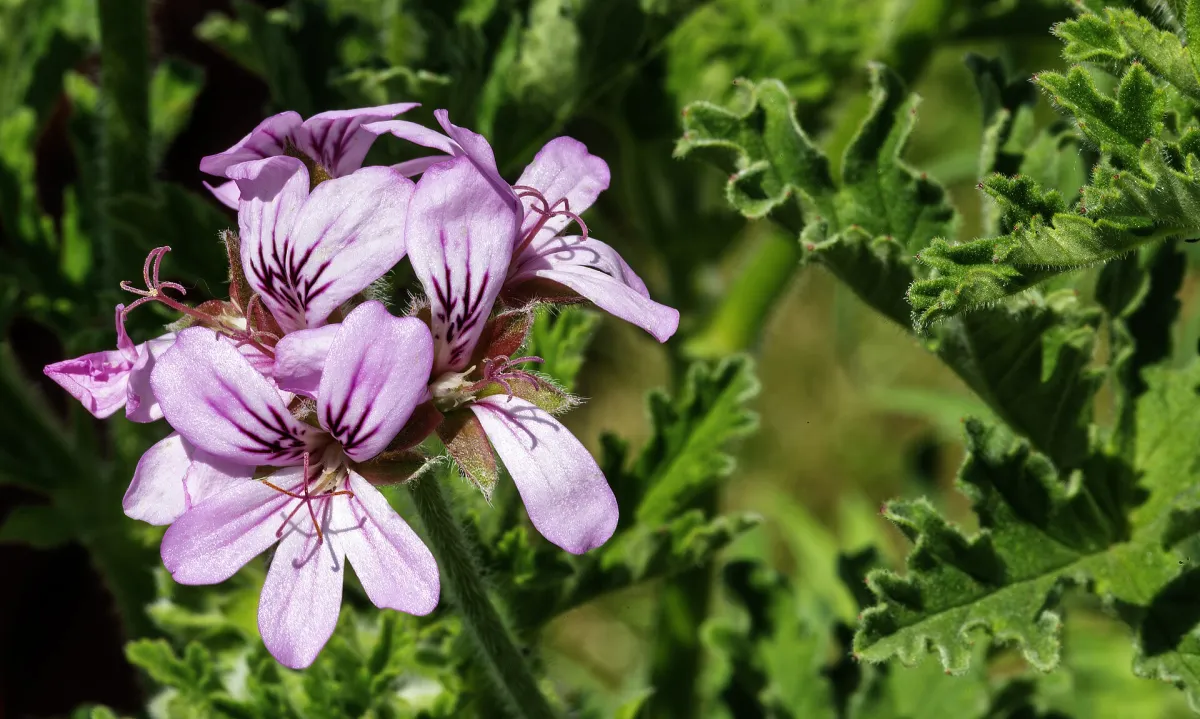
- The “mosquito plant” geranium (Pelargonium “citrosum”) sold in pots is not citronella. Its leaves smell of citronella when rubbed, but the plant itself repels very few mosquitoes.
- Lemon eucalyptus oil (Corymbia citriodora) is different; its refined extract (PMD) is one of the few plant-based repellents comparable to low-strength DEET.
- Lemon oil is not an effective repellent and is phototoxic.
What studies say about mosquitoes
On the skin
Several comparative studies found that citronella oil reduces bites, but complete protection time is short, usually under an hour, versus several hours for DEET or icaridin at usual strengths. Some formulas combining citronella with vanillin (which slows evaporation) lasted longer. In short: citronella works, but it needs frequent reapplication.
Candles and diffusers
Studies on citronella candles found a modest reduction in bites, not very different from an ordinary candle, because smoke and heat also bother mosquitoes. Ultrasonic diffusers outdoors have a negligible effect as moving air disperses the oil.
Citronella wristbands
At best, wristbands protect the area around the wrist. Independent tests found no useful protection for the rest of the body.
Ticks
Data for ticks are even weaker. If you walk in forests or tall grass, use repellents tested against ticks and check yourself in the evening. See also our article on Lyme disease.
Other traditional uses
Citronella is traditionally used as a natural home deodoriser, in detergents and soaps for its fresh smell, and sometimes in massage for tiredness. Lab studies show antifungal activity, but there is no clinical evidence to justify using it as a treatment.
 Photo: Mokkie, CC BY-SA 4.0, via Wikimedia Commons
Practical recipes
Adult mosquito spray (about 3%)
- 50 ml distilled water
- 40 ml hydrosol or 40-70% food-grade alcohol (helps dispersion)
- 10 ml vegetable glycerine
- 60 drops (3 ml) Java citronella oil
Shake very well before every use: the oil does not dissolve in water. Spray on arms and legs, not the face (put a little in your palms and pat the neck, avoiding the eyes). Reapply every 30-60 minutes and after sweating or swimming.
Longer-lasting oil lotion (4%)
- 30 ml fractionated coconut oil or jojoba oil
- 24 drops citronella
- a pinch of natural vanilla powder (optional, slows evaporation)
Oil stays on the skin better than a water-based spray.
Patio blend
Put 5-8 drops of citronella into a bowl of warm water or an outdoor diffuser close to where you sit. Add a fan: moving air is one of the most effective tools against mosquitoes, which are weak fliers in a breeze.
Fabric spray
10 drops of citronella in 100 ml of 70% alcohol. Spray on curtains, tent fabric or clothing (test on a hidden spot first; it may mark delicate fabrics).
Dilution table
| Use | Strength | Drops per 10 ml | Drops per 30 ml |
|---|---|---|---|
| Children 2-6 (clothes only, not skin) | - | 2 drops on clothing | - |
| Children 6-12, skin | 1% | 2 | 6 |
| Adults, body | 2-5% | 4-10 | 12-30 |
| Adults, sensitive skin | 1-2% | 2-4 | 6-12 |
| Fabric (alcohol) | 0.5-1% | - | 10 drops per 100 ml |
| Outdoor diffuser | - | - | 5-8 drops |
Rule of thumb: 1 ml of essential oil is about 20 drops; 1% in 10 ml of carrier is 2 drops. Do not exceed 5% on skin: citronella contains geraniol and citronellal, which can sensitise the skin.
Patch test
- Prepare the blend at the strength you will use.
- Apply a drop to a 2 x 2 cm area on the inner forearm.
- Wait 24 hours, even if you are in a rush to leave on holiday: test a few days ahead.
- If redness, itching or stinging appear, do not use it on skin; you can still spray it on clothes.
Contraindications and safety
Irritation and allergy
Citronella can irritate the skin and cause contact dermatitis, especially undiluted or when the oil has oxidised. Buy small bottles, keep them cool and tightly closed, and discard oil older than 1-2 years.
Children
- Under 2: no skin use; for babies the best protection is a mosquito net over the cot and pram.
- 2-6 years: clothes or nets only, not skin.
- 6-12 years: 1% maximum on skin, not on the hands (children put their hands in their mouth and eyes).
Keep the bottle out of reach: swallowing essential oils can cause vomiting, drowsiness and breathing problems.
Pregnancy and breastfeeding
There are no clear toxicity signals from diluted external use, but data are limited. In pregnancy, favour physical methods (nets, long clothing) and repellents your doctor recommends. For areas with malaria or Zika, citronella is not an acceptable option.
Pets
Citronella appears in some dog collars, but constant inhalation and application to fur can irritate. Do not use it on cats at all: ingestion through grooming can cause drooling, vomiting and weakness. Citronella plants and “mosquito” geraniums can be toxic if chewed by pets.
Eyes and mucous membranes
Do not spray on the face. If it gets into the eyes, rinse with plenty of vegetable oil, then water, and seek help if stinging persists.
Photosensitivity
Citronella is not considered phototoxic, unlike cold-pressed lemon oil.
When to see a doctor
- After a bite you get a large, spreading swelling, fever or red streaks on the skin (possible infection). More in our article on insect bites.
- After a tick bite a red patch grows in a ring, or you develop fever or joint pain.
- Swelling of the face or lips or difficulty breathing after a bite or after using the spray: emergency, call for help.
- You have travelled to a tropical area and develop a fever in the following weeks.
Common mistakes
Trusting candles completely. One candle on the table does not protect a group of people outdoors.
One application for the whole evening. Citronella evaporates; reapply.
High strengths “so it lasts longer”. Above 5% raises the risk of irritation without proportionally extending protection.
Using it on babies. For them, a net is the answer.
Mixing with sunscreen. Apply sunscreen first, wait 15-20 minutes, then the repellent. Combined products are not recommended, because repellent is reapplied more often than sunscreen.
Citronella compared with other repellents
| Repellent | Origin | Approximate protection | Children |
|---|---|---|---|
| Citronella 3-5% | plant | under 1 hour | over 6 on skin |
| Lemon eucalyptus (PMD) | plant, refined | several hours | not under 3 |
| Icaridin | synthetic | several hours | per label |
| DEET | synthetic | several hours | per label |
| Peppermint, lavender | plant | very short | - |
Conclusion
Citronella oil is a real natural repellent, but a weak and short-lived one. Used properly, diluted to 2-5%, reapplied often and combined with a fan, long clothing and nets, it can make a summer evening far more pleasant. For young children, hikes in tick country and trips to the tropics, choose tested repellents. And keep cats away from all essential oils.
Frequently asked questions
How long does citronella oil protect? On skin, usually 30 to 60 minutes. It depends on strength, sweating, wind and the product type.
Can I put citronella straight on my skin? Not undiluted. Use 2-5% in a carrier oil or spray, after a patch test.
Do citronella plants from the garden centre work? Very little. The scent is released only when you rub the leaves, and the effect on nearby mosquitoes is negligible.
Can I use citronella for ticks? Do not rely on it. For ticks, use tested repellents, long clothing and a body check after your walk.
Is citronella good for dogs? Some dog products contain it, but never apply neat oil to fur. Ask your vet about effective parasite control.
What blends well with citronella in a spray? Lavender and geranium make the scent more pleasant. Neem adds a modest effect but smells strong.
Can I use citronella indoors as a room scent? Yes, 3-4 drops in a diffuser, with the room ventilated and no cats inside.
Is citronella safe in pregnancy? Data are limited. Favour physical methods and repellents recommended by your doctor, especially in areas with mosquito-borne disease.
Sources
- World Health Organization (WHO): guidance on personal protection against disease vectors (mosquitoes, ticks).
- CDC (Centers for Disease Control and Prevention): guidance on choosing insect repellents.
- Tisserand R., Young R. Essential Oil Safety, 2nd edition, Churchill Livingstone, 2014.
- Comparative studies indexed in PubMed on the efficacy of essential-oil repellents versus DEET.
Informational content. It does not replace advice from your doctor, pharmacist or veterinarian.