
Flaxseed Oil: Benefits, Uses and How to Use It Properly
IMPORTANT: Flaxseed oil is a valuable food, but it is not suitable for everyone and it cannot be used in just any way. It must never be fried or cooked at high temperatures, because it oxidizes and becomes harmful. People taking anticoagulants (such as acenocoumarol or warfarin) or any blood-thinning medication should talk to their doctor first, since omega-3 can affect blood clotting. Pregnant or breastfeeding women, as well as people with hormone-sensitive conditions (breast cancer, hormone-sensitive prostate cancer, endometriosis), should seek medical advice because of the phytoestrogenic lignans. Those with clotting disorders, anyone scheduled for surgery, or people with bowel problems (obstruction, acute diverticulitis) should be cautious. Flaxseed oil is not a substitute for medical treatment and it is not a cure-all — it is a support within a balanced diet.
A spoonful of liquid gold from grandmother’s pantry
Grandmother Veta from northern Moldavia kept a dark little bottle of flaxseed oil on the lowest shelf of her pantry, where it was cool and dark. “Light steals its strength,” she would say every time she caught us curious children with the bottle in our hands. Every winter morning she took a spoonful on an empty stomach, then prepared a simple sauerkraut salad for everyone, drizzled with that same golden-green oil with its faint flavor of walnuts and fresh hay. She said that ever since she started taking it regularly “her belly no longer troubled her,” and that the skin on her hands, cracked from washing laundry in cold water, had healed.
Aunt Veta had never read a word about essential fatty acids or about lignans. She had inherited the habit from her own mother, who in turn had learned it from an old woman in the village who pressed flax in a wooden press. This knowledge was passed from mouth to mouth, from one generation to the next, long before laboratories confirmed what folk intuition had known for ages: that flax is a medicinal plant, and that its oil, when treated with respect, is a precious gift for our health.
Flax (Linum usitatissimum) is one of the oldest plants cultivated by humans, used for thousands of years both for the fibers from which linen was woven and for its oil-rich seeds. Flaxseed oil is the pressing of these small, glossy seeds, and its value lies in its exceptional content of plant-based omega-3 fatty acids — a rarity among everyday oils.
Table of Contents
- What flaxseed oil is and how it is made
- The composition of flaxseed oil
- The health benefits of flaxseed oil
- Traditional uses of flax oil and seeds
- How to use flaxseed oil (internally and externally)
- Recipes and ways of taking it
- Dosage and how to take it
- How to choose and store flaxseed oil
- Flaxseed oil for hair and skin
- Practical Tips and Common Mistakes
- Conclusion
- Frequently Asked Questions
What flaxseed oil is and how it is made
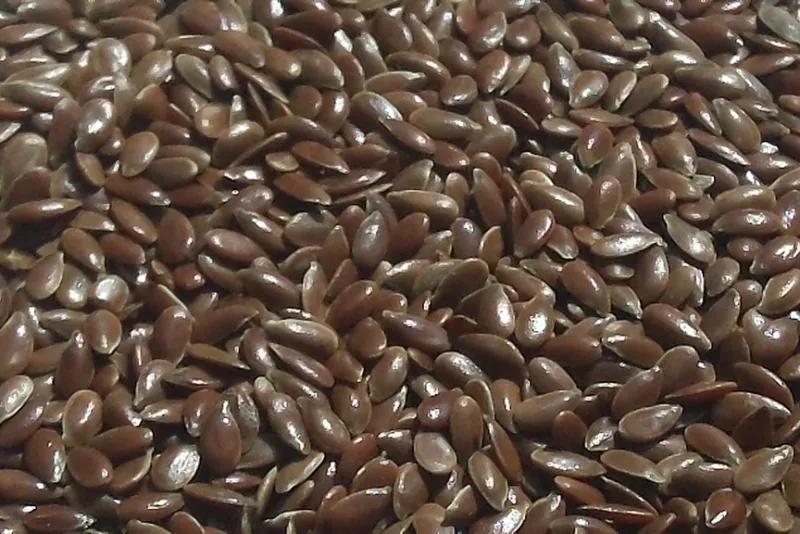
Flaxseed oil (also called linseed oil in its culinary form) is made by pressing flax seeds — small, smooth, glossy oval grains that are reddish-brown or golden in color. There are two main types of flax: brown flax (the classic kind) and golden flax (milder in taste), both yielding an oil that is nutritionally very similar.
The quality of the oil depends enormously on the extraction method. The most valuable is cold-pressed flaxseed oil (extra virgin), obtained by mechanical pressing, without heat and without chemical solvents. This process keeps the delicate fatty acids and beneficial compounds intact. The resulting oil has a golden-green color, a nutty taste with a faint note of fresh grass, and a discreet aroma.
Unlike culinary flaxseed oil, there is also a “technical linseed oil” used in industry (for varnishes, paints, putty, and treating wood). That oil is NOT edible — it often contains additives and is not intended for consumption. For health, you use exclusively food-grade flaxseed oil, cold-pressed and meant for human consumption.
Flax grows well in temperate climates, a hardy plant with delicate blue or white flowers that open in the morning and close toward midday. Fields of flax in bloom are an unforgettable sight, a blue wave swaying in the wind.
The composition of flaxseed oil
What makes flaxseed oil so special is its fatty acid profile, dominated by a compound that is rare in the modern diet.
Alpha-linolenic acid (ALA) — the omega-3 star
Flaxseed oil is one of the richest plant sources of alpha-linolenic acid (ALA), an essential omega-3 fatty acid. “Essential” means the body cannot produce it on its own and must obtain it from food. ALA makes up more than half of the total fatty acids in flaxseed oil, which is remarkable. In the body, part of the ALA is converted into the fatty acids EPA and DHA — the same ones found in fish oil — although the conversion rate is modest.
Linoleic acid and oleic acid
Besides omega-3, flaxseed oil also contains linoleic acid (omega-6) and oleic acid (omega-9, the same one found in olive oil). What sets flaxseed oil apart is its favorable ratio of omega-3 to omega-6 — the opposite of most modern vegetable oils, which are heavy in omega-6. This balance is valued in nutritional tradition for helping to reduce inflammation.
Lignans
Flax seeds (and, to a lesser extent, unfiltered oil) contain lignans, polyphenol-type compounds with antioxidant and phytoestrogenic activity. Lignans are studied for their potential role in hormonal balance and as antioxidants. Worth remembering: most of the lignans stay in the seeds, not in the pressed and filtered oil, which is why some people prefer flaxseed oil with seed particles, or combine the oil with ground seeds.
Vitamins and other components
Flaxseed oil also provides a measure of vitamin E (tocopherols), a natural antioxidant that also helps the oil resist oxidation. It contains traces of minerals and other phytonutrients, but its main value remains its profile of healthy fats.
The health benefits of flaxseed oil
Folk tradition and modern scientific interest converge on several areas where flaxseed oil may be helpful. It is important to underline: the benefits described below reflect traditional uses and the directions that studies suggest, not promises of a cure.
Support for heart health
Omega-3 fatty acids are traditionally associated with cardiovascular health. Studies suggest that ALA may help maintain healthy blood lipid levels and support the elasticity of blood vessels. Grandmothers used flaxseed oil precisely to “cleanse the blood” and keep “the heart strong” — a folk intuition that aligns with the current interest in the role of omega-3.
Support for digestion and intestinal transit
Both the seeds and the oil of flax are known in folk tradition as a gentle remedy for constipation and for soothing irritated digestive membranes. The mucilage in the seeds forms a gel that softens the stool, while the oil lubricates transit. Aunt Veta was right when she said that “her belly no longer troubled her.”
Anti-inflammatory action
The omega-3/omega-6 balance is valued for its potential to moderate inflammatory processes in the body. Tradition used flaxseed oil to support joint discomfort and skin irritations, precisely on the basis of this soothing effect.
Skin and hair health
Essential fatty acids are the building blocks of cell membranes and help maintain skin hydration. Many households used flaxseed oil for dry, cracked, or irritated skin, as well as to add shine to the hair. Vitamin E contributes to the skin’s antioxidant protection.
Hormonal balance
Thanks to the phytoestrogenic lignans, flax (especially the seeds) is studied for its potential role in easing some hormonal discomforts, particularly in women during periods of hormonal transition. Here, however, caution and medical advice are needed, especially for people with hormone-sensitive conditions.
Satiety and weight management support
Healthy fats and fiber (in the case of the seeds) provide a feeling of fullness and may help moderate appetite. Added to salads or smoothies, flaxseed oil makes a meal more substantial and balanced.
Traditional uses of flax oil and seeds
In the peasant household, nothing of the flax plant went to waste. Here are some of the uses passed down from the elders:
- Soothing poultices: boiled or soaked flax seeds were applied warm to the chest (during colds, to “draw out the cold”) or onto painful spots, wrapped in a clean linen cloth.
- A remedy for the stomach: a spoonful of flaxseed oil taken in the morning on an empty stomach to “grease the gut.”
- Care for cracked skin: the oil was rubbed onto cracked hands, elbows, and heels.
- Shine for the hair: a few drops rubbed into the ends of the hair.
- Fasting food: on fasting days, flaxseed oil drizzled over salads and vegetables provided the needed fats and a distinctive flavor.
How to use flaxseed oil (internally and externally)
Internal use
The golden rule of flaxseed oil is: never with heat. Omega-3 fatty acids are extremely sensitive and oxidize rapidly at high temperatures, forming undesirable compounds. Therefore:
- Use it raw, added after cooking, over food that is already prepared and cooled.
- Put it in salads, over boiled potatoes, over warm (not hot) polenta, in yogurt, cottage cheese, or smoothies.
- It can be taken plain, one spoonful a day, on an empty stomach or before a meal.
External use
- Apply directly to dry or cracked skin in a thin layer.
- Massage it into the scalp and the ends of the hair, then wash out after 30-60 minutes.
- Use it in homemade cosmetic blends alongside other oils.
Recipes and ways of taking it
Simple salad dressing
Mix 2 tablespoons of flaxseed oil with one tablespoon of lemon juice or apple cider vinegar, a pinch of salt, freshly ground pepper, and, if you like, a teaspoon of mustard and a little honey. Whisk well with a fork and pour over green salad or sauerkraut. This is, in fact, Grandmother Veta’s dressing.
Budwig-style mixture (a traditional adaptation)
A popular blend in the naturopathic tradition: combine 3-4 tablespoons of fresh cottage cheese (or full-fat yogurt) with one or two tablespoons of flaxseed oil, mixed thoroughly until smooth. Add ground flax seeds, berries, and, optionally, honey. Eat it immediately. Pairing the oil with a protein-rich food is valued in tradition for better integration of the fats.
Green smoothie with flaxseed oil
Blend a banana, a handful of fresh spinach, one tablespoon of flaxseed oil, a little yogurt or plant-based milk, and water. The result is a creamy, nourishing drink in which the nutty taste of the oil comes through pleasantly.
Flaxseed poultice
For external use, put 3-4 tablespoons of ground flax seeds in a bowl, pour in hot water, and stir until a thick paste forms. Let it cool until lukewarm, spread it on a cotton cloth, and apply to the desired area (chest, joints), then wrap with a warm towel.
Dosage and how to take it
Tradition and common sense recommend moderation. For a healthy adult, a usual amount is 1-2 tablespoons of flaxseed oil per day (roughly 10-20 ml). Start with smaller amounts (a teaspoon) so the body — especially digestion — gets used to it.
Flaxseed oil is preferably taken in the morning on an empty stomach, or spread throughout the day’s meals in salads and cold dishes. For flax seeds (the source of lignans and fiber), 1-2 tablespoons of ground seeds per day is a usual amount, always accompanied by plenty of water, since fiber needs liquid to work properly.
There is no benefit in excessive consumption — on the contrary, large amounts can cause digestive discomfort and, through their effect on clotting, can be problematic for certain people.
How to choose and store flaxseed oil
Flaxseed oil is one of the most delicate oils and spoils easily if not handled correctly. Here are the essential rules:
- Choose cold-pressed oil, extra virgin, preferably organic, packaged in a dark glass bottle.
- Check the date: flaxseed oil has a short shelf life; buy it fresh and in small quantities.
- Keep it in the refrigerator, in its dark bottle, tightly closed, away from light and heat. Grandmother Veta kept it in the cool pantry for exactly this reason.
- Smell and taste it: fresh oil tastes of walnuts and hay. If it smells of paint or rancid fat, or tastes bitter and harsh, it has oxidized and should no longer be consumed.
- Use it quickly after opening, within a few weeks.
Flaxseed oil for hair and skin
Flaxseed oil has a lovely tradition in homemade cosmetics.
For hair: a few drops rubbed between the palms and applied to dry or split ends add shine and tame unruly hair. As a more intensive treatment, massage the oil into the scalp and along the length of the hair, leave it on for 30-60 minutes (or overnight, under a towel), then wash thoroughly. The fatty acids nourish the hair shaft and a dry scalp.
For skin: applied in a thin layer to dry, cracked skin or to rough elbows and heels, flaxseed oil helps restore the skin barrier. For the face, use it with caution and always on well-cleansed skin, possibly mixed with lighter oils. Before the first use on skin, do a patch test on a small area to check for any allergies.
Practical Tips and Common Mistakes
Mistake no. 1: Cooking or frying with flaxseed oil. This is the most serious mistake. Heat destroys omega-3 and forms undesirable compounds. Flaxseed oil is used exclusively raw, over cooled food.
Mistake no. 2: Storing the oil in light and heat. Flaxseed oil oxidizes quickly. Its place is in the refrigerator, in a dark bottle. Left on the kitchen counter next to the stove, it spoils within a few days.
Mistake no. 3: Buying large quantities. Being perishable, it is better to buy small bottles and consume them fresh than to keep a large bottle that goes rancid.
Mistake no. 4: Consuming oxidized oil. If the taste has turned bitter and harsh or it smells of paint, the oil has become harmful. It is better to throw out a bottle than to consume spoiled oil.
Mistake no. 5: Confusing technical oil with food-grade oil. Linseed oil for wood and paints is NOT edible. Buy only food-grade, cold-pressed oil labeled for human consumption.
Mistake no. 6: Starting with large doses. Digestion needs to adjust gradually. Start with a teaspoon and build up to a tablespoon.
Mistake no. 7: Ignoring drug interactions. Those taking anticoagulants should talk to their doctor, since omega-3 can affect blood clotting.
Mistake no. 8: Expecting miracles overnight. Flaxseed oil is a long-term support within a balanced diet, not a miracle treatment.
Conclusion
Flaxseed oil is a true “liquid gold” of traditional eating, a precious plant source of omega-3 fatty acids and beneficial compounds, passed down with wisdom from one generation to the next. Grandmother Veta was not wrong at all when she kept her dark little bottle in the cool and took her morning spoonful of oil: folk intuition long preceded modern confirmation. Used correctly — raw, fresh, kept cold, and in moderate amounts — flaxseed oil can be a dependable ally for the heart, digestion, skin, and the overall balance of the body. Used wrongly — fried, oxidized, or in excess — it loses not only its value but can even become harmful. As with all natural remedies, the secret lies in knowledge, in measure, and in respect for nature’s gifts. And whenever we have a doubt or a serious condition, a doctor’s advice remains our compass.
Frequently Asked Questions
Can I cook with flaxseed oil? No. Flaxseed oil should not be fried or used in cooking with heat, because omega-3 oxidizes and forms harmful compounds. Use it exclusively raw, added over food that is already cooked and cooled, or in salads, yogurt, and smoothies.
How much flaxseed oil should I take per day? For a healthy adult, the usual amount is 1-2 tablespoons per day (roughly 10-20 ml). Start with a teaspoon to let digestion adjust and increase gradually. More does not mean better.
Why does it need to be kept in the refrigerator? Because flaxseed oil is very sensitive to light, heat, and oxygen. Kept in the refrigerator, in a dark, tightly closed bottle, it stays fresh longer. At room temperature it goes rancid quickly.
What is the difference between flaxseed oil and flax seeds? The oil contains the concentration of omega-3 fatty acids but loses the fiber and most of the lignans during pressing and filtering. Flax seeds (preferably ground) provide fiber and lignans in addition to fatty acids. Many people combine the two to benefit from both.
Is flaxseed oil fattening? Like any oil, it is calorie-dense, so use it in moderation. Still, in the recommended amounts, the healthy fats it provides contribute to satiety and a balanced diet, even supporting appetite control.
Can I take flaxseed oil if I am on medication? If you take anticoagulants, blood-thinning medication, or are undergoing hormonal treatment, talk to your doctor first, because omega-3 can affect blood clotting and the lignans have a phytoestrogenic effect.
How can I tell if flaxseed oil has gone bad? Fresh oil tastes of walnuts and fresh hay. If it smells of paint or rancid fat and has a bitter, harsh taste that scratches the throat, it has oxidized and should no longer be consumed.
Is flaxseed oil good for hair and skin? Yes, in the tradition of homemade cosmetics, flaxseed oil is used to nourish dry, cracked skin and to add shine to the hair. Apply it externally in a thin layer, after a prior patch test on a small area of skin, to rule out allergies.