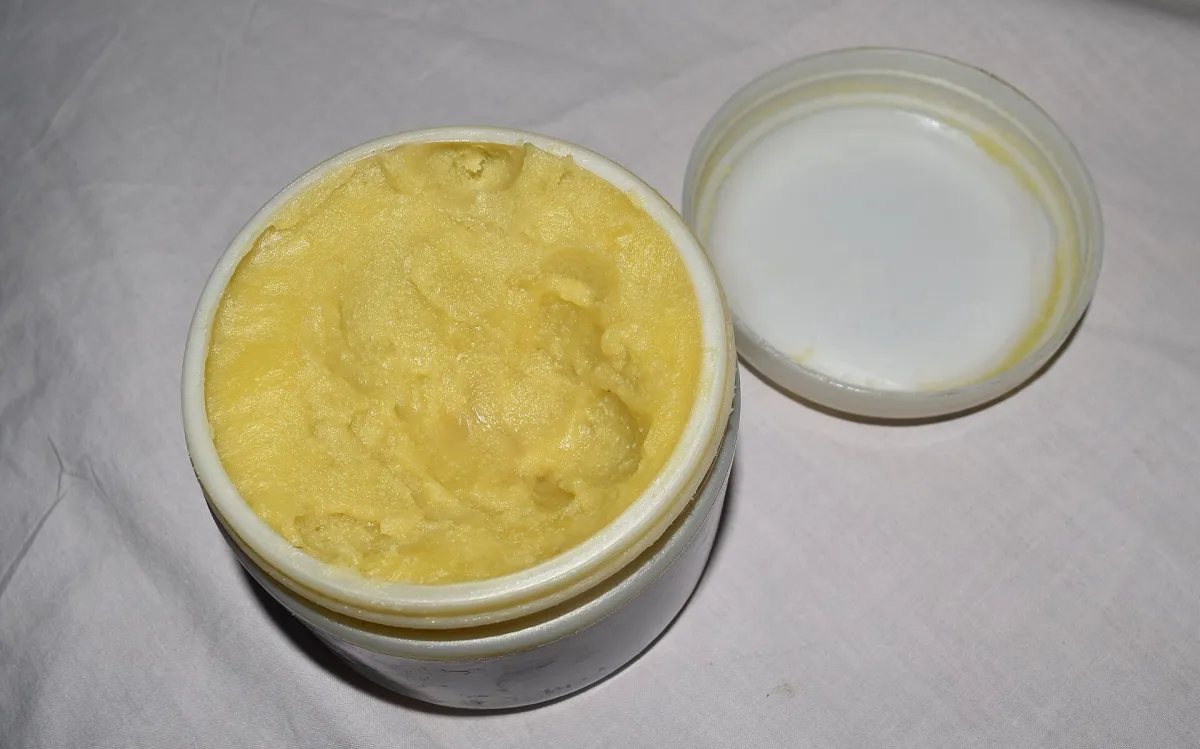
 Photo: Anna.Massini, CC BY 4.0, via Wikimedia Commons
Grapeseed oil is a fine, almost odourless vegetable oil pressed from the seeds left over after winemaking. It is rich in linoleic acid (omega-6) and vitamin E, absorbs quickly without leaving skin shiny and is considered well suited to oily and combination skin. It is also one of the best carrier oils for diluting essential oils.
In the kitchen, the refined version tolerates fairly high temperatures, but because it is very rich in polyunsaturated fat it is not ideal for prolonged frying. Below you will find what it can do for skin and hair, what studies say, concrete recipes and a dilution table you can use with any essential oil.
Key takeaways
- It is a light oil with about 65-75% linoleic acid, considered to have low comedogenic potential.
- Acne-prone skin often has sebum low in linoleic acid; applying it topically may help the skin barrier.
- The famous grape antioxidants (proanthocyanidins, OPCs) are mostly in grape seed extract, not in the oil.
- It is an excellent base for essential oils: 2 drops in 10 ml = a 1% dilution.
- Choose cold-pressed for salads and refined for quick cooking; avoid repeated frying.
- Patch test and keep it in the fridge: it goes rancid quickly.
What grapeseed oil is
Each grape contains 2-4 seeds, and the seeds hold 8-20% oil. After grapes are pressed for wine, the leftover pomace is dried, the seeds are separated and pressed. Grapeseed oil is therefore a by-product of winemaking, known in France and Italy for centuries. Romania, with its long wine tradition, produces little of it locally, but it is easy to find in shops.
There are two very different types:
- Cold-pressed: low yield, greenish colour, slightly grassy taste, keeps more vitamin E and phenolic compounds. Best for skin and raw use. More expensive.
- Refined (usually solvent-extracted and then purified): pale yellow, neutral, cheap. Used in the kitchen and in industrial cosmetics.
Composition
- Linoleic acid (omega-6): 65-75%, one of the highest levels among vegetable oils.
- Oleic acid (omega-9): 15-20%.
- Saturated fatty acids: about 10%.
- Vitamin E, including tocotrienols, in moderate amounts.
- Phenolic compounds and phytosterols, more of them in cold-pressed oil.
An important clarification: grape seed supplements for circulation or antioxidants are dry extracts rich in proanthocyanidins. The oil contains very little of these compounds. Do not swap an extract for the oil, or the other way round.
Benefits: what we know and what we do not
For oily and acne-prone skin
Dermatology research has shown that people with acne often have low levels of linoleic acid in their sebum, which makes pores more prone to clogging. Linoleic-rich oils applied topically have been linked in small studies to smaller microcomedones. Grapeseed oil belongs to this group, alongside hemp oil. It is not a treatment for moderate or severe acne, but it is a smarter choice than heavy oils for oily skin.
Hydration and skin barrier
Linoleic acid is a precursor of ceramides in the outer layer of the skin. Applied to skin, the oil reduces water loss and leaves a velvety finish without a heavy film. It works well for body massage and as a cleansing oil.
Hair
Because it is light, it does not weigh down fine hair. Use it on the ends for shine or in pre-wash masks. There is no evidence that it stops hair loss.
Circulation and veins
This is where the most common confusion arises: the evidence for varicose veins and leg swelling concerns grape seed extract taken by mouth, not the oil. Oil applied to the legs is simply a good massage oil.
Heart and diet
As an oil rich in unsaturated fat, it can replace saturated fat in the diet. However, modern diets already contain too much omega-6 and too little omega-3. Use it in moderation and pair it with omega-3 sources (oily fish, flaxseed oil, walnuts).
Recipes for skin and hair
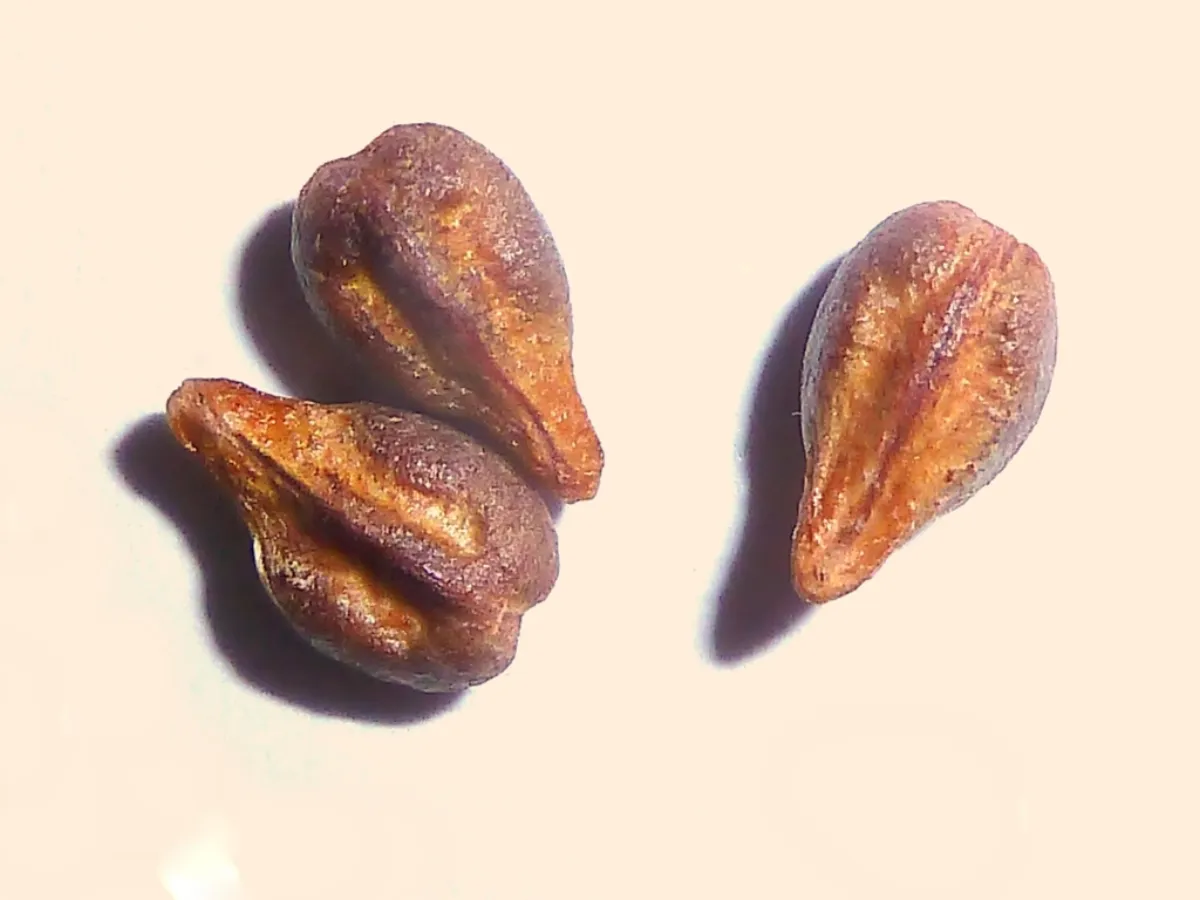 Photo: Philmarin, CC BY-SA 3.0, via Wikimedia Commons
Evening serum for oily skin
- 10 ml cold-pressed grapeseed oil
- 2 drops tea tree essential oil (1% dilution)
Mix in a dropper bottle. Apply 2-3 drops to clean, slightly damp skin in the evening. For tea tree and other blemish-fighting essential oils, see our guide to tea tree oil.
Cleansing oil (oil cleansing method)
- Massage 1 teaspoon of grapeseed oil onto dry skin for 60 seconds, including over make-up.
- Lay a small towel soaked in warm water over your face for 20 seconds.
- Wipe gently and rinse. Follow with your usual gel cleanser if your skin is very oily.
Relaxing massage oil
30 ml grapeseed oil + 6 drops lavender essential oil (1% dilution). Suitable for adults with sensitive skin too. For more on lavender, read our lavender oil guide.
Mask for dry ends
Warm 1 teaspoon of oil between your palms and apply to the last 5-10 cm of damp hair after washing. Do not rinse. For very dry hair, use it as a 30-minute pre-wash mask.
Patch test
Apply 2-3 drops of the blend to the inside of your forearm, cover and wait 48 hours. Any redness or itching means you should not use the product on your face.
Table: grapeseed oil as a carrier for essential oils
Rule of thumb: 1 ml of essential oil is roughly 20 drops (it varies with the dropper and the oil).
| Dilution | Drops of essential oil per 10 ml grapeseed oil | Use |
|---|---|---|
| 0.5% | 1 drop | Sensitive skin, elderly, children over 6 (safe oils only) |
| 1% | 2 drops | Face, daily use |
| 2% | 4 drops | Body, regular massage |
| 3% | 6 drops | Small areas, short term (muscle aches) |
| 5% | 10 drops | Local, very short term only, never on the face |
For phototoxic oils (bergamot, cold-pressed lemon), respect each oil’s specific limits and avoid sun exposure. Grapeseed oil itself is not photosensitising.
In the kitchen
- Cold-pressed: salads, homemade mayonnaise, cold sauces, drizzled on vegetables.
- Refined: quick sautéing over medium heat, or baking.
- Avoid: deep-frying and reusing the oil. Polyunsaturated fats oxidise with prolonged heating, even when the smoke point is high. For frying, refined olive oil or high-oleic sunflower oil are more stable. For olive oil, read our olive oil guide.
Choosing and storing it
- For skin: “cold-pressed”, “virgin”, ideally organic, in a dark glass bottle.
- For cooking: refined, from a trusted producer. In the past, batches of grapeseed oil in the EU were found to contain polycyclic aromatic hydrocarbons from drying the seeds with combustion gases; limits are now regulated, but brand and traceability still matter.
- Smell it: good oil has no paint-like or stale-nut smell.
- After opening, keep it in the fridge and use it within 2-3 months. Make face serums in small batches.
Contraindications and precautions
- Grape allergy or allergy to the seeds: rare but possible. Avoid the oil if you have reacted to grapes or wine.
- Pregnancy and breastfeeding: cosmetic and culinary use is safe. Only the essential oils you add need care.
- Children: the plain oil is gentle and fine for children’s massage after a patch test. Do not add essential oils for babies under 3 months, and up to age 6 use only safe oils at 0.5%.
- Pets: the vegetable oil is not toxic to dogs or cats, but blends with essential oils can be dangerous, especially for cats. Do not apply blends to pets’ fur.
- Very dry or eczema-prone skin: the oil is too “light” on its own; combine it with butters (shea) or almond oil.
When to see a doctor
See a dermatologist if acne leaves scars, if you have painful nodules, if your skin does not improve after 2-3 months of proper care, or if you react to products. Swelling of the face or lips or difficulty breathing after applying a product is an emergency.
Common mistakes
- Buying refined oil for your face. It works, but you lose some of the vitamins and phenolic compounds.
- Assuming the oil does what the extract does. For veins, antioxidants or blood pressure, studies are about the extract, not the oil.
- Repeated frying. Oxidised omega-6-rich oil is not healthy.
- Too many drops of essential oil. A 1% dilution is enough for the face.
- Keeping it in a warm, bright bathroom. It goes rancid quickly.
If you want a soothing oil for sensitive skin, try blending in wheat germ oil, and for marks and scars read about rosehip oil.
Conclusion
Grapeseed oil is not a miracle oil, but it is a very practical one: light, nearly odourless, kind to oily skin and ideal as a base for essential oils. Choose cold-pressed for skin and refined for quick cooking, keep it in the fridge and use it sensibly, and it does its job well. Do not confuse it with grape seed extract or expect effects that only the extract has shown in studies.
Frequently asked questions
Does grapeseed oil clog pores? It is considered low in comedogenic potential thanks to its linoleic acid. Still, every skin reacts differently; use 2-3 drops and watch your skin for 2 weeks.
Can I use grapeseed oil around my eyes? Yes, in a very small amount, patted on, without essential oils. Keep it out of your eyes.
Is it good for frying? For short frying over medium heat, the refined version is fine. For deep-frying or reusing oil, choose more stable, oleic-rich oils.
Does grapeseed oil help with wrinkles? It hydrates and temporarily smooths skin, and vitamin E acts as an antioxidant. There is no evidence that it removes wrinkles; daily sun protection remains the most effective step.
How is it different from jojoba oil? Jojoba is actually a liquid wax, very stable and similar to sebum. Grapeseed oil is cheaper, lighter and richer in linoleic acid, but goes rancid sooner.
Can I take grapeseed oil by the spoonful? You can, as a food, but it has no special benefits taken “as a remedy”. For omega-3s choose flaxseed oil or oily fish.
How long does it keep? Unopened, until the date on the label. Opened, 2-3 months in the fridge. If it smells like paint, throw it away.
Sources and further reading
- Letawe C. et al., study on topical linoleic acid and microcomedones, Clinical and Experimental Dermatology, 1998.
- Tisserand R., Young R., Essential Oil Safety, 2nd edition, 2014: dilution and safety principles for essential oils.
- Lin T.K., Zhong L., Santiago J.L., “Anti-inflammatory and skin barrier repair effects of topical application of some plant oils”, International Journal of Molecular Sciences, 2018 (review).
- PubMed reviews on the composition of grapeseed oil (search: “grape seed oil composition review”).
Informational content: this article does not replace advice from a dermatologist. Always patch test before using a new product on your face.