
Hemp Oil: Benefits, Uses and How to Use It Correctly
IMPORTANT: Culinary hemp oil, made from hemp seeds (Cannabis sativa, industrial varieties), contains no psychoactive THC and produces none of the effects associated with the drug — it is simply a nutritious vegetable oil. That said, if you take blood-thinning medication, have a clotting disorder, are pregnant or breastfeeding, or have a chronic condition, talk to your doctor before consuming it in large amounts. Hemp oil must never be used for frying or high-heat cooking, because its delicate fatty acids degrade. People with seed allergies should test it cautiously. This article is for informational purposes and does not replace medical advice.
A story from the edge of the village
Aunt Veta from Maramureș kept, on a shaded shelf in her pantry, a dark green little bottle she guarded like the apple of her eye. “Seed oil,” she called it, though everyone in the village knew it was hemp oil, pressed at an old mill down by the riverside. She used it sparingly: a few drops over warm polenta, a teaspoon in the pickled cabbage salad in winter and, when the grandchildren came back from playing with hands chapped by the frost, she rubbed it into their skin in the evening, beside the stove.
Our grandparents never talked about “omega-3” or “essential fatty acids” — they simply noticed that the people who used this oil had smoother skin, better digestion and a particular vitality. Hemp was one of the oldest cultivated plants in our lands, used for fiber, for seeds and for oil. Today, modern science confirms many of the old folk’s intuitions, and hemp oil has once again become a sought-after product in healthy eating and natural cosmetics.
What is hemp oil
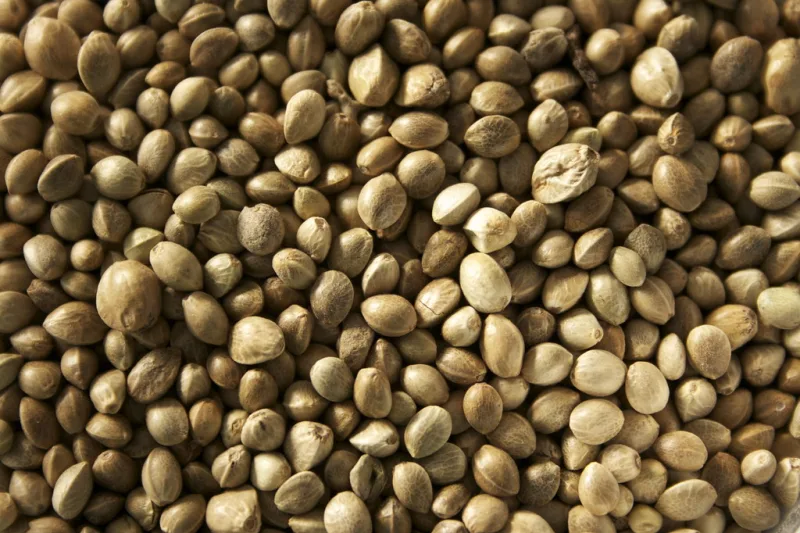
Hemp oil is the vegetable oil obtained by cold-pressing the seeds of industrial hemp. Its color ranges from golden green to dark green, depending on the degree of refining, and it has a characteristic taste — mildly nutty, grassy and pleasant. Unlike CBD oil (extracted from the flowers and leaves of the plant and rich in cannabinoids), culinary hemp oil comes exclusively from the seeds and is valued for its remarkable nutritional profile, not for any psychoactive compounds.
It is one of the few vegetable oils that offers a nearly ideal ratio between omega-6 and omega-3 fatty acids — a balance that the modern diet, overloaded with omega-6 from refined oils, often loses. This is precisely why hemp oil has rightly been called “an oil of balance.”
Table of Contents
- How hemp oil is made
- Composition and active principles
- Health benefits
- Benefits for skin and hair
- Traditional and modern uses
- How to use it: recipes and dosing
- Recommended dosage and amounts
- How to choose and store it
- Lifestyle and practical tips
- Practical Tips and Common Mistakes
- Conclusion
- Frequently Asked Questions
How hemp oil is made
The quality of hemp oil depends directly on the extraction method. The most valuable is cold-pressed oil, obtained by mechanically pressing the seeds at low temperatures, usually below 40-45°C. This method keeps intact the sensitive fatty acids, vitamins and antioxidants that would be destroyed by high heat.
The traditional process used a screw press or an oil mill, where the cleaned seeds were crushed and slowly pressed. Today modern presses are used, but the principle is the same: the lower the temperature and the gentler the processing, the better the oil retains its properties. Refined or solvent-extracted oils lose some of their nutrients and aroma, which is why choosing the cold-pressed, unfiltered or lightly filtered version is recommended.
A kilogram of hemp seeds yields a relatively modest amount of oil, which also explains the slightly higher price of a quality product. An authentic oil has a natural green color (from chlorophyll), a fresh nutty aroma and a taste that is neither rancid nor strongly bitter.
Composition and active principles
The richness of hemp oil lies in its fatty-acid profile and in the micronutrients it contains. The main components are:
- Linoleic acid (omega-6) — the dominant fatty acid, essential for the health of the skin and cell membranes.
- Alpha-linolenic acid (omega-3, ALA) — important for the cardiovascular system and for reducing inflammation.
- Gamma-linolenic acid (GLA) — a rare and valuable omega-6 with an anti-inflammatory role, found in few oils (evening primrose, borage, hemp).
- Stearidonic acid (SDA) — an omega-3 that the body converts more easily into active forms.
The omega-6 to omega-3 ratio in hemp oil is roughly 3:1, considered nearly optimal for human nutrition. Beyond fatty acids, the oil contains vitamin E (tocopherols, with an antioxidant role), traces of B-group vitamins, minerals such as magnesium, phosphorus, potassium and iron, as well as phytosterols, carotenoids and chlorophyll, which give it its green color.
Studies suggest that this combination of essential fatty acids and antioxidants contributes to the benefits observed for the skin, the cardiovascular system and the body’s inflammatory balance.
Health benefits
Support for the cardiovascular system
The omega-3 and omega-6 fatty acids in hemp oil, consumed in a balanced ratio, are traditionally associated with a healthy heart. Studies suggest that an intake of essential fatty acids may help maintain normal cholesterol levels and the elasticity of blood vessels. Alpha-linolenic acid in particular is recognized for its role in supporting cardiovascular function.
Anti-inflammatory effect
The presence of gamma-linolenic acid (GLA) makes hemp oil especially interesting. GLA is a precursor of molecules that help modulate the body’s inflammatory processes. Folk tradition and modern observation suggest that a regular, moderate intake of GLA can be useful for joint discomfort and inflammatory skin conditions.
Support for hormonal balance
The GLA in hemp oil is valued by many women for the support it may offer during the premenstrual period. The tradition of using GLA-rich oils for menstrual-cycle comfort is old, and hemp oil belongs to this category of gentle remedies.
Energy and basic nutrition
Like any quality vegetable oil, hemp oil is a concentrated source of energy and of fatty acids the body cannot produce on its own. Added to a balanced diet, it contributes to the absorption of fat-soluble vitamins (A, D, E, K) and to a feeling of satiety.
Support for the nervous system
Essential fatty acids are important components of cell membranes, including those of nerve cells. Traditionally, omega-3-rich oils are associated with support for cognitive function and overall well-being.
Benefits for skin and hair
This is where hemp oil truly shines, being a favorite of natural cosmetics.
Moisture without a greasy feel
Hemp oil has a low comedogenic rating, which means it does not clog pores and absorbs relatively quickly. That is why it is suitable even for oily or acne-prone skin. Linoleic acid helps restore the skin barrier and maintain hydration, leaving the skin supple and soft.
Soothing irritated skin
Thanks to its anti-inflammatory profile (GLA), hemp oil is traditionally used to soothe dry, flaky or irritated skin. Many people with eczema or sensitive dermatitis prefer this oil precisely for its gentleness.
Anti-aging
Vitamin E and antioxidants help fight free radicals, while the fatty acids support skin elasticity. Applied regularly, the oil can soften the appearance of fine lines and give the skin a more radiant look.
Hair and scalp care
Gently massaged into the scalp, hemp oil nourishes the roots, soothes a dry or flaky scalp and adds shine to the hair. A few drops applied to the ends help reduce a dry appearance and split ends.
Traditional and modern uses
In traditional households, hemp oil was used as an everyday food — over polenta, in salads, in fasting dishes. Besides being eaten, it was applied to the skin for protection against frost and wind, on the chapped hands of those who worked outdoors and on superficial wounds, for relief.
Today, the uses have diversified:
- In the kitchen: dressings, cold sauces, smoothies, drizzled over cooked dishes.
- In natural cosmetics: facial serums, hair masks, lip balms, moisturizing creams.
- In body care: massage oils, treatments for dry skin.
- As a dietary supplement: a daily teaspoon for essential fatty acid intake.
How to use it: recipes and dosing
Simple salad dressing
Mix 2 tablespoons of hemp oil with 1 tablespoon of lemon juice, a pinch of salt, a little pepper and, optionally, a teaspoon of honey. Whisk well with a fork and pour over green leaf salad or raw vegetables. Hemp oil is never heated — always add it cold.
Daily “tonic” teaspoon
For essential fatty acid intake, take a teaspoon of hemp oil in the morning, plain or stirred into a smoothie. The nutty taste pairs well with fruit, yogurt or leafy greens.
Evening facial serum
Apply 3-5 drops of hemp oil to clean, slightly damp facial skin in the evening, massaging with gentle circular motions. For an enhanced effect, you can mix it with a few drops of jojoba oil.
Nourishing hair mask
Gently warm (to body temperature) 2-3 tablespoons of hemp oil and massage it into the scalp and along the length of the hair. Let it work for 30-60 minutes under a warm towel, then wash with a mild shampoo. This can be done once a week.
Balm for chapped hands
Mix hemp oil with a little melted beeswax (about 1 part wax to 4 parts oil) and let it solidify. Apply to dry hands in the evening, exactly like Aunt Veta’s recipe.
Recommended dosage and amounts
For dietary use, a common amount is 1-2 tablespoons per day (about 15-30 ml), incorporated into cold foods. This provides a good intake of essential fatty acids without exceeding caloric needs. For children, the amount is reduced proportionally and introduced gradually.
For cosmetic use there is no strict “dosage” — a few drops for the face, a tablespoon or two for hair or body, depending on need. The important thing is consistency: results on skin and hair appear after weeks of regular use.
How to choose and store it
A quality hemp oil has these characteristics:
- Cold-pressed, explicitly stated on the label.
- A dark-colored bottle (green or brown) that protects from light.
- A natural green color and a fresh nutty aroma, with no rancid smell.
- Ideally organic, without solvents and without excessive refining.
Hemp oil is sensitive to heat, light and oxygen. Store it in the refrigerator, tightly closed, and use it generally within 2-3 months of opening. If the oil develops a sour, rancid smell or taste, it has oxidized and should no longer be used. Buy small amounts that you can use fresh.
Lifestyle and practical tips
Hemp oil gives its best results when it is part of a balanced lifestyle. To fully benefit from the essential fatty acids, combine it with a diet rich in vegetables, fruit, whole grains and varied sources of good fats (avocado, nuts, fatty fish). Proper hydration, sufficient sleep and regular movement enhance the effects on skin and overall well-being.
If you use it for your skin, apply it to slightly damp skin to “lock in” moisture, and don’t forget sun protection during the day. For hair, alternate oil treatments with a gentle washing routine, avoiding harsh shampoos.
Practical Tips and Common Mistakes
Mistake no. 1: Cooking at high temperatures. Many people try to fry or cook with hemp oil. Heat destroys the delicate fatty acids and can generate undesirable compounds. Use it cold only.
Mistake no. 2: Storing at room temperature. Left on the counter, in light and heat, the oil oxidizes quickly. Its place is in the refrigerator, in a dark-colored bottle.
Mistake no. 3: Buying in large quantities. Because it spoils quickly, it is better to buy small bottles and use them fresh than to buy a liter that will turn rancid.
Mistake no. 4: Confusing it with CBD oil. Culinary hemp oil (from seeds) is not the same thing as CBD oil. Read the label and know what you are buying.
Mistake no. 5: Unrealistic skin expectations. Cosmetic results do not appear overnight. Used consistently over weeks, the oil reveals its true potential.
Mistake no. 6: Skipping the allergy test. Before the first application on the face or body, test a drop on the forearm and wait 24 hours.
Conclusion
Hemp oil is one of those gifts of nature that folk wisdom used long before science could explain them. With its balanced ratio of omega-3 and omega-6 fatty acids, the rare presence of GLA and its wealth of vitamin E and antioxidants, it deserves a place both in the kitchen and in the natural-care kit. Used correctly — cold, in moderate amounts, stored in the fridge — hemp oil supports heart health, soothes and nourishes the skin, adds shine to the hair and rounds out a balanced diet beautifully. As with everything in natural remedies, the key lies in consistency, in quality and in common sense.
Frequently Asked Questions
Does hemp oil contain THC or make you “high”? No. Culinary hemp oil, made from industrial hemp seeds, contains no psychoactive THC and produces none of the effects associated with the drug. It is simply a nutritious vegetable oil.
Can I cook with hemp oil? It is not recommended for high-heat cooking or frying. The sensitive fatty acids degrade with heat. Use it cold only, drizzled over cooked dishes, in salads or smoothies.
How much hemp oil can I consume per day? For an adult, 1-2 tablespoons per day (about 15-30 ml) is a common and healthy amount, incorporated into cold foods.
Is it good for oily and acne-prone skin? Yes, it is one of the oils with a low comedogenic rating, meaning it does not clog pores. Linoleic acid helps balance oily skin.
How do I store hemp oil? In the refrigerator, in a dark-colored bottle, tightly closed. It is usually used within 2-3 months of opening, before it oxidizes.
What is the difference between hemp oil and CBD oil? Hemp oil comes from the seeds and is valued for its nutritional profile. CBD oil is extracted from the flowers and leaves and contains cannabinoids. They are different products with different uses.
Can I use hemp oil during pregnancy? As a food, in normal amounts, it is generally considered safe, but it is recommended to talk to your doctor, especially if you take medication or have chronic conditions.
How quickly do results show on skin and hair? For immediate hydration, the effect is felt from the first application. For visible improvements in texture and appearance, consistent use over several weeks is needed.