 Photo: Rajib Ghosh, CC BY-SA 4.0, via Wikimedia Commons
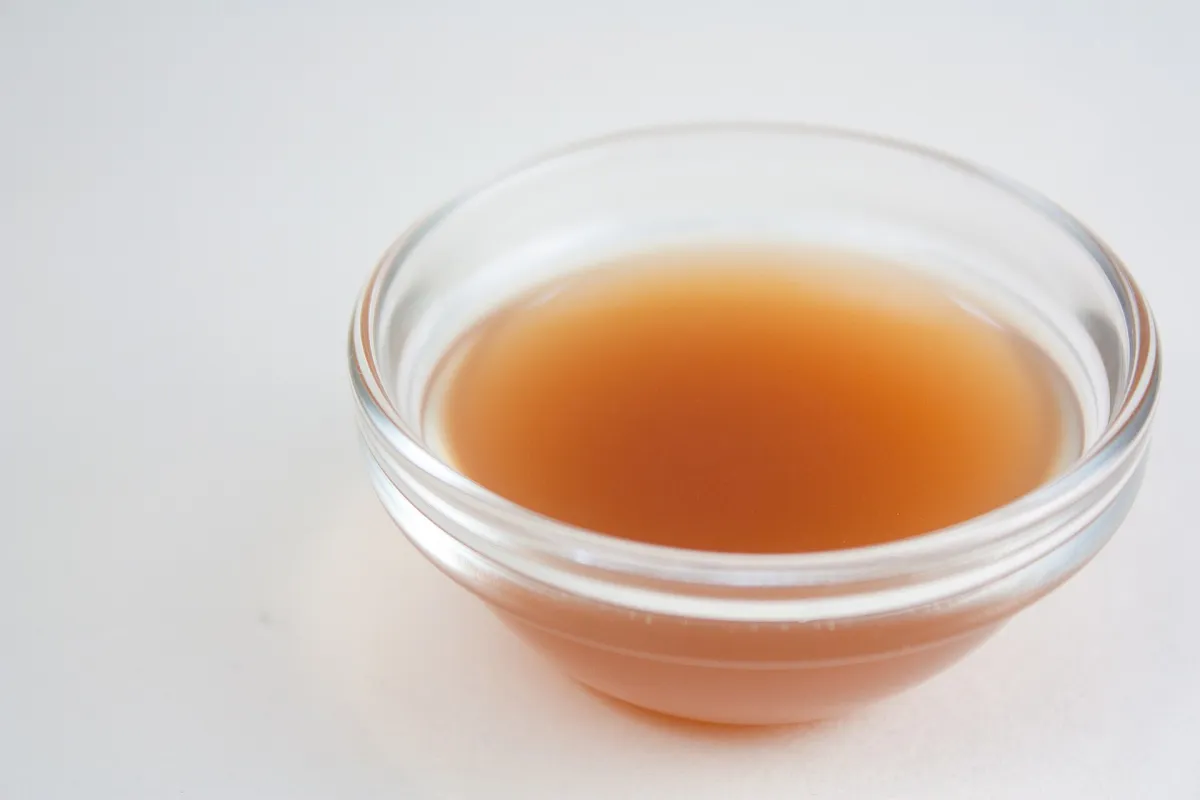
Neem oil is a vegetable oil pressed from the seeds of the neem tree (Azadirachta indica) and it is meant for external use only: diluted in another oil or in shampoo, it helps acne-prone skin, flaky, dandruff-prone scalps and dry, itchy skin. It is bitter, smells strongly of garlic and roasted peanuts, and turns solid in the cold. Never swallow it: ingestion has caused serious poisoning, especially in young children.
In India the neem tree is called “the village pharmacy”, and its twigs were used as toothbrushes for centuries. In Europe the oil became known first among gardeners as a natural insecticide, but more and more people now look for it for skin and scalp care. Below you will find what it can really do, what is only tradition, and how to use it without irritating your skin.
Key takeaways
- Neem oil is a fixed (carrier-type) oil, not an essential oil. It is cold-pressed from seeds and rich in fatty acids and bitter compounds called limonoids (azadirachtin, nimbin).
- Use it on skin diluted: 5-10% in a carrier oil, or 1 teaspoon per 100 ml of shampoo.
- Lab studies show antibacterial, antifungal and anti-inflammatory activity; human studies are few and small.
- Never take it internally, and keep it away from young children, pregnancy and pets’ fur unless a vet advises otherwise.
- The smell is normal: an odourless neem oil is usually refined or diluted.
What neem oil is
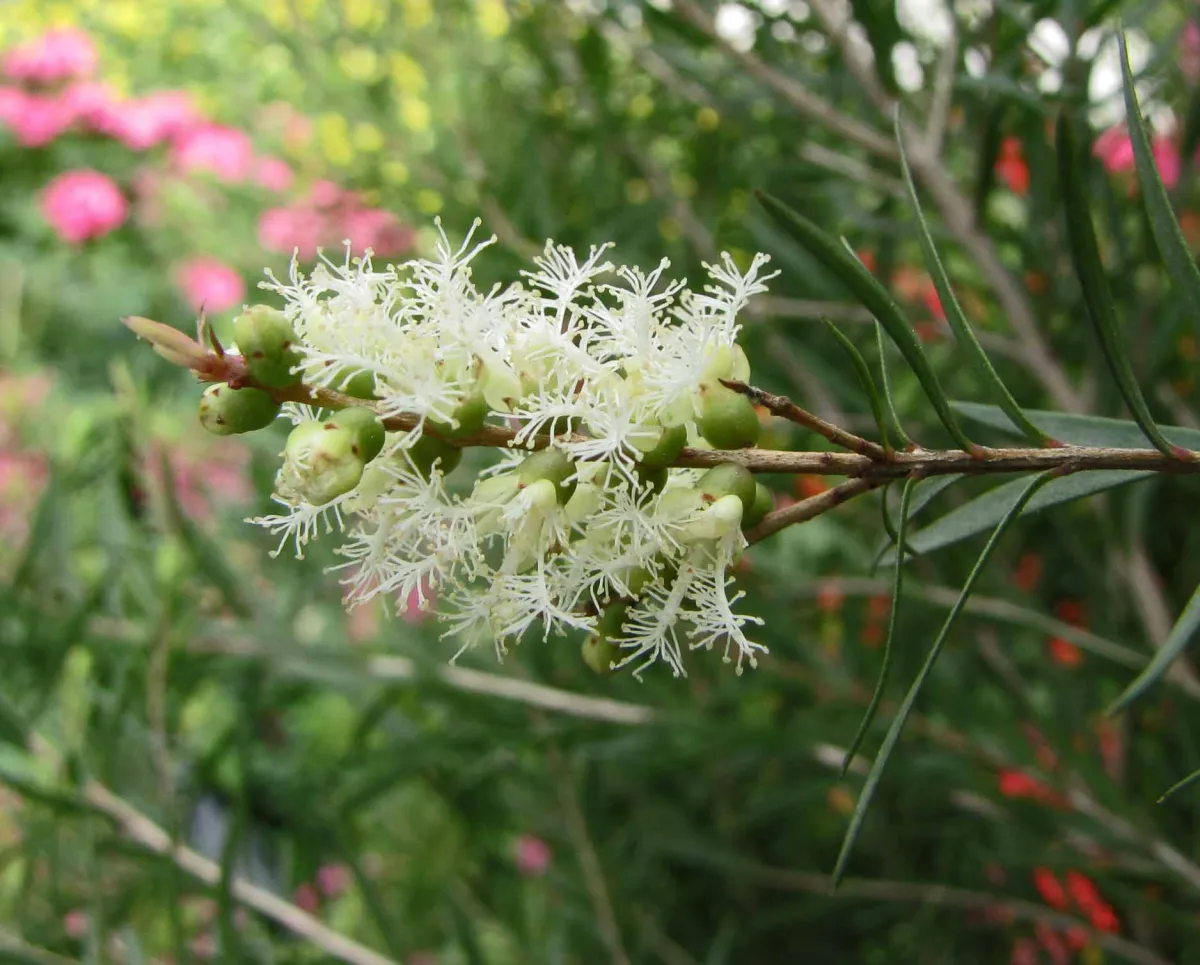
The neem tree belongs to the Meliaceae (mahogany) family and grows in India, Pakistan, Southeast Asia and Africa. Its fruits look like small olives that turn yellow when ripe. Pressing the kernels gives a thick, yellow-brown to greenish oil.
Unlike essential oils such as tea tree oil, neem oil is a fixed oil, structurally similar to olive or almond oil. It does not evaporate and is not dosed in drops the way essential oils are, but in higher percentages. Even so, it contains active compounds strong enough that it should not be applied neat over large areas or on sensitive skin.
Active compounds
- Fatty acids: oleic (roughly 40-50%), linoleic, stearic and palmitic. They explain the softening, emollient effect.
- Limonoids (tetranortriterpenoids): azadirachtin, nimbin, nimbidin, salannin. They give the bitter taste, the insecticidal action and part of the antimicrobial effects studied.
- Sulphur compounds: responsible for the garlic-like smell.
- Phytosterols and vitamin E: small amounts, antioxidant role.
Cold-pressed oil retains more azadirachtin. Refined or “deodorised” versions smell less but are also poorer in active compounds.
Benefits: tradition versus evidence
It is worth separating the two clearly. Ayurvedic medicine uses neem for dozens of conditions, but modern research has confirmed only some of them, and mostly in the lab.
Acne-prone skin
Lab studies show neem extracts slow the growth of Cutibacterium acnes, the bacterium involved in spots, and reduce some inflammation markers. The fixed oil is not completely non-comedogenic, though: on very oily skin it can clog pores. That is why spot application, diluted, is better than using it as an all-over face serum. For a broader approach see our article on acne.
Dandruff and itchy scalp
This is probably the most practical use. Dandruff is linked to a scalp yeast (Malassezia), and neem has documented antifungal activity in the lab. A few small studies of neem-based shampoos reported less flaking and itching. More on the causes in our guide to dandruff.
Head lice
A frequently cited German clinical study tested a shampoo containing neem seed extract and found good efficacy against head lice. It is a promising result, but the product was a standardised formula, not raw neem oil poured on the head. For children, stick to approved products and ask your paediatrician.
Dry skin, mild eczema, bites
Thanks to its fatty acids, diluted neem oil soothes dry, rough skin. Traditionally it is dabbed on insect bites and itchy patches. Clinical evidence is weak, and people with atopic dermatitis should test very carefully, because their skin reacts easily to strong-smelling oils.
Insect repellent
Neem has a modest repellent effect on mosquitoes, weaker and shorter-lived than tested products such as DEET or icaridin. For a more effective natural repellent, read our guide to citronella oil.
In the garden
This is where the effect is best documented: azadirachtin disrupts feeding and development in many insects (aphids, whitefly, mites). Neem oil diluted in water with a little soap is sprayed on leaves. It is gentler than many synthetic insecticides, but it is not harmless to bees if sprayed directly on open flowers.
 Photo: Suglo20, CC BY-SA 4.0, via Wikimedia Commons
How to use neem oil: practical recipes
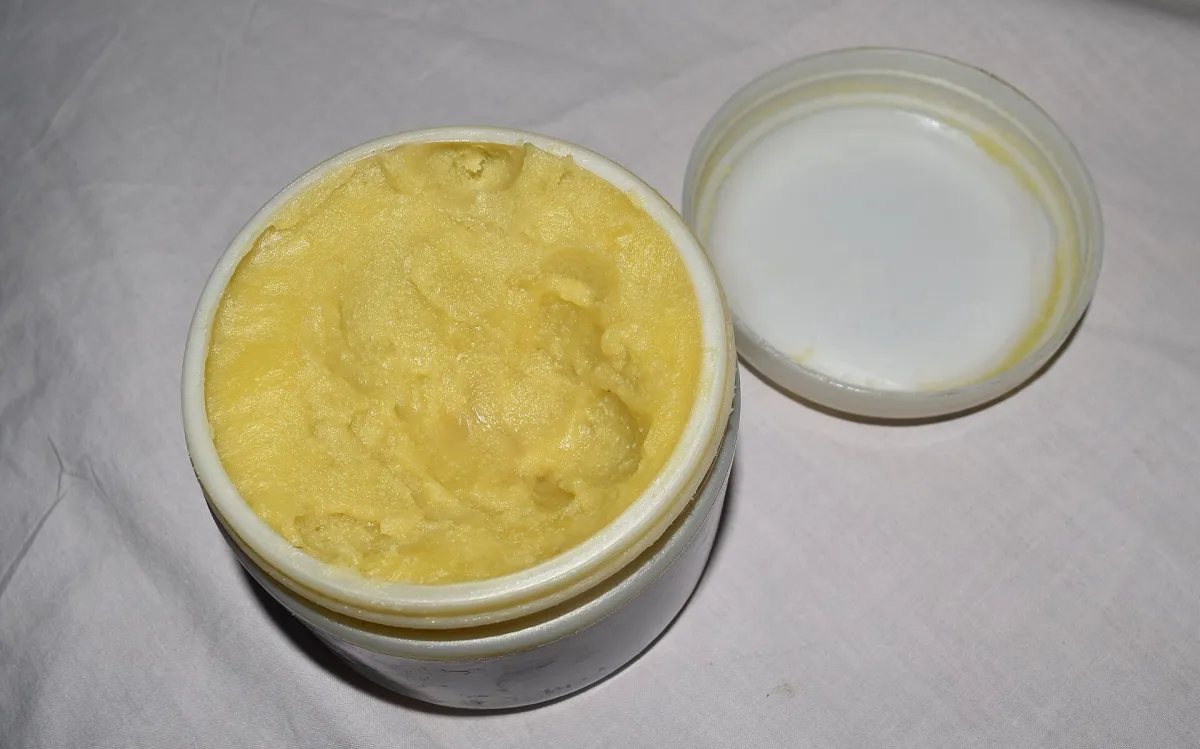
Neem oil solidifies below about 25 °C. Before use, stand the bottle for 5-10 minutes in a bowl of warm (not hot) water until it turns liquid.
Spot serum for blemishes
- 1 ml neem oil (about 20 drops)
- 9 ml jojoba oil
Mix in a dropper bottle. In the evening, on clean skin, apply one drop only on the spots with a cotton bud. That is a 10% blend. Use for 2-3 weeks and watch how your skin responds.
Pre-wash scalp treatment for dandruff
- Warm 2 tablespoons (30 ml) of coconut or olive oil.
- Add 1 teaspoon (5 ml) of liquefied neem oil, giving roughly a 15% blend.
- Massage into the scalp with your fingertips, not your nails, for 3-5 minutes.
- Leave for 30-60 minutes under a shower cap.
- Wash twice with a mild shampoo.
Repeat 1-2 times a week for 4 weeks. Most of the smell is gone after the second wash.
Enriched shampoo
Add 1 teaspoon (5 ml) of neem oil to 100 ml of a neutral, fragrance-free shampoo. Shake before each use, leave the lather on the scalp for 3 minutes, then rinse.
Plant spray
1 litre of lukewarm water, 5 ml cold-pressed neem oil, 1-2 ml natural liquid soap as emulsifier. Shake well and spray in the evening on both sides of the leaves, once every 7 days. Use the mixture the same day and avoid open flowers to protect bees.
Dilution table
| Use | Strength | Neem oil | Carrier |
|---|---|---|---|
| Face, sensitive skin | 2-5% | 4-10 drops | 10 ml |
| Spot treatment | 10% | 20 drops (1 ml) | 9 ml |
| Body, dry skin | 5-10% | 10-20 drops | 10 ml |
| Scalp, pre-wash mask | 10-15% | 5 ml | 30 ml |
| Shampoo | about 5% | 5 ml | 100 ml shampoo |
| Plants (spray) | 0.5% | 5 ml | 1 litre water + soap |
Note: one drop of a dense fixed oil is about 0.05 ml; small pipette differences matter far less than with essential oils.
Patch test
Before the first use on your face or scalp:
- Prepare the blend at exactly the strength you plan to use.
- Apply one drop to a 2 x 2 cm area on the inner forearm.
- Cover with a plaster and leave for 24-48 hours without washing.
- If redness, itching, stinging or tiny blisters appear, wash with soap and water and do not use the product.
Neem has caused contact dermatitis in some people, especially when applied neat. The test is mandatory, not optional.
Contraindications and safety
Never internally
Swallowing neem oil has led to documented cases of severe poisoning in infants and toddlers (vomiting, seizures, liver damage, metabolic acidosis, encephalopathy). In some traditions the oil was given to children “for worms” or colds, and case reports from India and Malaysia describe the consequences. Do not swallow neem oil and do not give it to children, not even “a few drops”.
Pregnancy and breastfeeding
Neem extracts have been studied as anti-fertility agents and affect pregnancy in animal studies. Do not use it during pregnancy or while trying to conceive. When breastfeeding, avoid the breast area.
Children
Do not use on children under 3. Above that age, only diluted (under 5%), on small areas and with your doctor’s approval. Keep the bottle out of reach.
Pets
There are veterinary neem products for dogs, but dosing is a job for the vet. Avoid it completely on cats: they groom themselves and their liver handles many plant compounds poorly. Do not spray neem indoors near pets or aquariums (it is toxic to fish).
Other situations
- Broken skin, burns, open wounds: no.
- Known allergy to Meliaceae plants: avoid.
- Medicines: applied externally to small areas, interactions are unlikely. If you take immunosuppressants or diabetes medication and are considering oral neem products (capsules, leaf tea), talk to your doctor first.
- Photosensitivity: fixed neem oil is not considered phototoxic.
When to see a doctor
- Dandruff does not improve after 4-6 weeks, or thick red plaques appear on the scalp (possible psoriasis or seborrhoeic dermatitis).
- Acne leaves scars, forms painful nodules or appears suddenly in adulthood.
- The skin becomes red, swollen or blistered after application.
- A child has swallowed neem oil, even a little: call emergency services or go to A&E immediately, without waiting for symptoms.
Common mistakes
Using it neat on the face. Undiluted oil can irritate and clog pores. Always dilute.
Forcing solid oil to melt. Heating over a flame or in the microwave degrades its compounds. Use a warm water bath.
Confusing it with garden products. Some “neem” products for plants are clarified, hydrophobic extracts or mixed with solvents. For skin, buy cold-pressed cosmetic oil labelled INCI Melia azadirachta seed oil.
Expecting a cure-all. Neem does not treat serious infections, extensive nail fungus or autoimmune skin disease.
Storing it warm and bright. Keep it tightly closed in the dark and use it within 12-18 months.
Neem compared with other skin and scalp oils
| Oil | Type | Strength | Caution |
|---|---|---|---|
| Neem | fixed oil | dandruff, spots, insects | strong smell, never swallow |
| Tea tree | essential | spots, fungal skin | dilute to 1-5% |
| Jojoba | liquid wax | sebum balance | very well tolerated |
| Ylang-ylang | essential | fragrance, dry scalp | sensitising at high doses |
Conclusion
Neem oil is a useful, inexpensive ingredient for flaky scalps, occasional spots and the garden. Its power comes from bitter compounds, and those same compounds make it dangerous if swallowed. Used diluted, after a patch test, away from young children, pregnancy and cats, it is a practical ally. For persistent skin problems, a dermatologist is still the first step.
Frequently asked questions
Can I leave neem oil in my hair overnight? You can, diluted to 10-15%, but the smell transfers to the pillow and the scalp may get irritated. For most people, 30-60 minutes is enough.
Why does neem oil smell like garlic? Because of natural sulphur compounds. The smell usually signals an unrefined oil rich in active substances. You can partly mask it with a few drops of lavender essential oil.
Does neem oil make hair grow? There is no evidence that it stimulates hair growth. It may improve scalp condition, which indirectly helps hair look better. For shedding, see the causes in our article on hair loss.
Can I use neem on my face every day? Only as a diluted spot treatment. On the whole face, 2-3 times a week is safer, and very oily skin may get more blackheads.
Is neem oil good for dogs against fleas? There are veterinary neem products, but they do not replace the parasite treatments your vet recommends. Never apply neat oil to fur, and never use it on cats.
Can I mix neem with essential oils? Yes, for example with lavender or tea tree, following each oil’s limits. Do not push the total strength beyond what your skin tolerates.
How long does neem oil keep? Usually 12-24 months from production, in the dark at room temperature. If it smells rancid or sour, throw it away.
Sources
- NCCIH (National Center for Complementary and Integrative Health): fact sheets on herbal products and their safety.
- Tisserand R., Young R. Essential Oil Safety, 2nd edition, Churchill Livingstone, 2014.
- Review articles indexed in PubMed on Azadirachta indica: antimicrobial and antifungal activity, and toxicity of neem oil in children (case reports).
- Published case reports of toxic encephalopathy after neem oil ingestion in infants.
Informational content. It does not replace advice from your doctor, pharmacist or veterinarian.