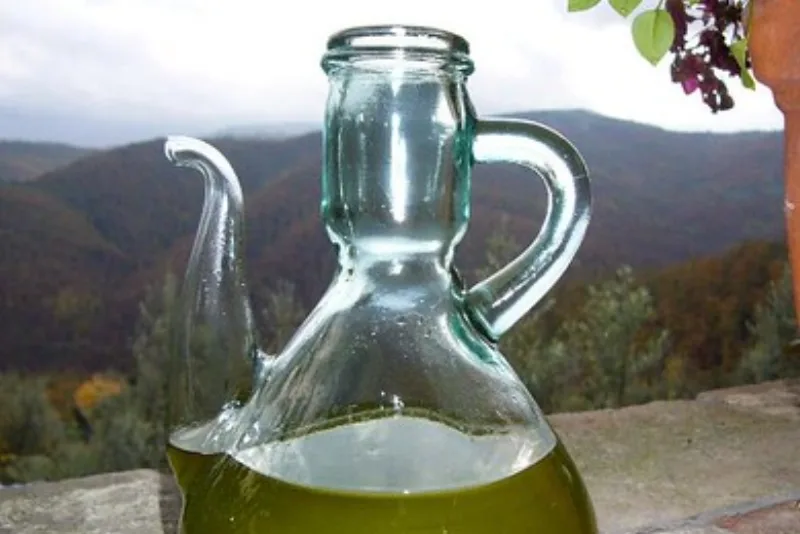
Glass cruet of golden-green olive oil on a stone parapet

Olive Oil: Benefits for Heart and Skin, Uses and How to Use It

Olive Oil: Benefits for Heart and Skin, Uses and How to Use It IMPORTANT: Olive oil is a safe food for most people, but it remains energy-dense (about 9 kcal per gram, like all fats). Consumed in large amounts without regard to the rest of your diet, it can contribute to weight gain. People with gallstones or gallbladder problems should introduce fats gradually and talk to their doctor, since fats stimulate gallbladder contraction. Applied to the skin, olive oil is generally well tolerated, but in people with acne-prone skin or atopic dermatitis it can sometimes worsen irritation; test first on a small patch. Never replace prescribed medical treatment with oil-based “remedies,” and consult your doctor if you have high cholesterol, high blood pressure or any chronic condition. ...
August 5, 2025 · 14 min · Leacuri.ro
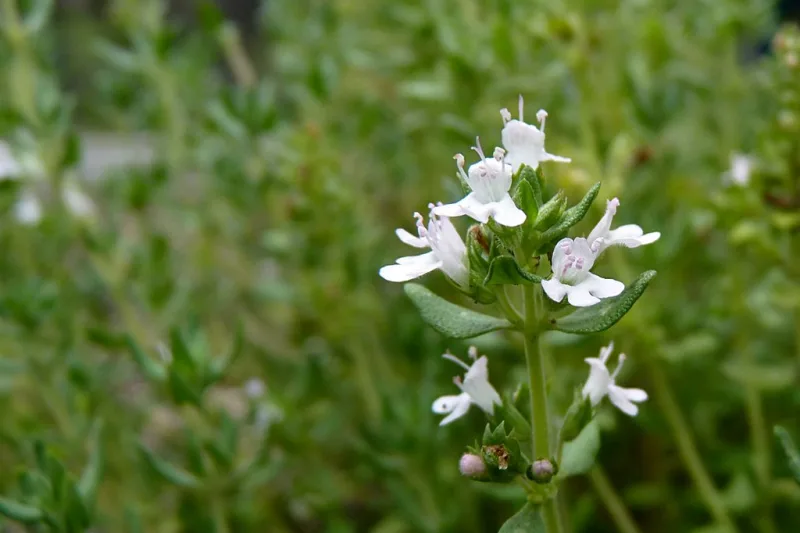
Bottle of thyme essential oil next to fresh sprigs of thyme

Thyme Essential Oil: Benefits, Uses and How to Use It

Thyme Essential Oil: Benefits, Uses and How to Use It IMPORTANT: Thyme essential oil is one of the most powerful antimicrobial oils, but also one of the most irritating to skin and mucous membranes. NEVER apply it undiluted to the skin and NEVER ingest it without the guidance of a specialist. It is contraindicated for pregnant and breastfeeding women, children under 6, people with high blood pressure, and those with blood-clotting issues or who take anticoagulants. It may interact with certain medications. Always do a patch test before use and consult your doctor if you are on any treatment. ...

May 26, 2025 · 12 min · Leacuri.ro
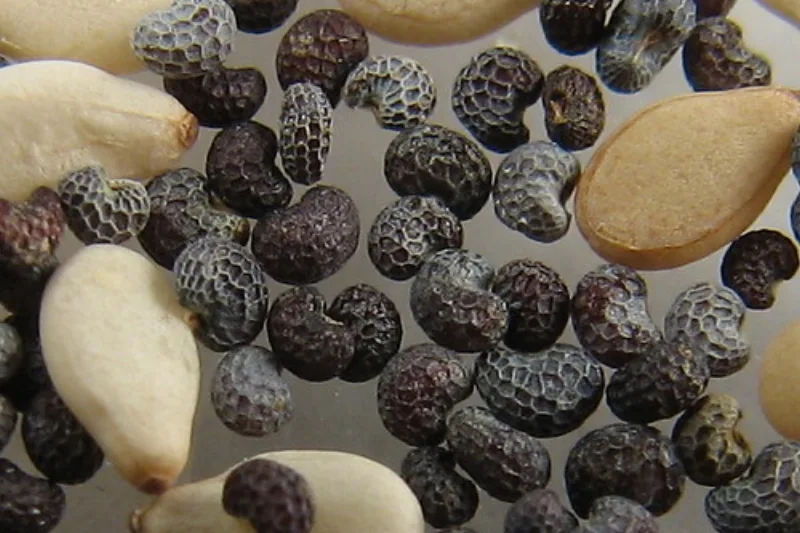
Sesame seeds, the raw material from which sesame oil is pressed

Sesame Oil: Benefits for Skin, Hair and Health, Plus How to Use It in Cooking

Sesame Oil: Benefits for Skin, Hair and Health, Plus How to Use It in Cooking IMPORTANT: Sesame oil is generally safe for most people, but sesame is one of the most common food allergens in the world. If you have ever reacted to sesame seeds, tahini, halva or any product containing sesame, avoid sesame oil completely, both internally and on your skin. Before any cosmetic use, always do a patch test on a small area of skin (the inner forearm) and wait 24 hours. People with very low blood pressure, those on diabetes or blood-thinning medication, and women who are pregnant or breastfeeding should talk to a doctor before using large therapeutic amounts. Sesame oil is not a substitute for medical treatment; it is a food and a skincare product, not a medicine. ...

May 25, 2025 · 14 min · Leacuri.ro
Ripe red rosehip fruit on a branch, the source of rosehip oil

Rosehip Oil: Benefits for Wrinkles, Scars and How to Apply It

Rosehip Oil: Benefits for Wrinkles, Scars and How to Apply It IMPORTANT: Rosehip oil is generally well tolerated by most skin types, but it is not without precautions. People with severe acne, very oily or breakout-prone skin should use it carefully, since in some individuals it can accentuate clogged pores. Always do a patch test on a small area of skin (the inner forearm) 24-48 hours before applying it to your face for the first time. Avoid applying it on open wounds, fresh burns or infected lesions. During pregnancy and breastfeeding, cosmetic external use is generally considered safe, but consult your doctor before any internal use. Rosehip oil does NOT replace sun protection and does NOT cure serious dermatological conditions — for large scars, deep stretch marks, suspicious pigmented spots or persistent skin problems, see a dermatologist. ...

May 15, 2025 · 13 min · Leacuri.ro
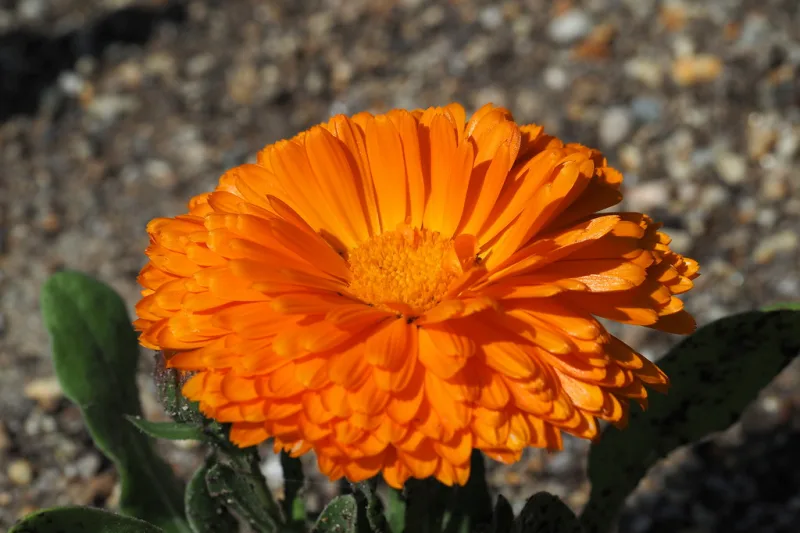
Small bottle of calendula oil with fresh marigold flowers

Calendula Oil: Benefits, Uses and How to Apply It for Irritated Skin

Calendula Oil: Benefits, Uses and How to Apply It for Irritated Skin IMPORTANT: Calendula oil is generally well tolerated and safe for topical use, but people allergic to plants in the Asteraceae family (daisies, chamomile, arnica, ragweed, chrysanthemums) should first do a patch test on a small area of skin and avoid the product if redness, itching or a rash appears. Do not apply it to deep, infected or heavily bleeding wounds without medical advice. Pregnant or breastfeeding women should consult a doctor before using calendula preparations internally. Calendula oil is a care and support remedy, not a substitute for medical treatment of infections, serious burns or diagnosed chronic skin diseases. If an irritation does not improve within a few days, worsens, or is accompanied by fever or pus, see a doctor. ...

April 27, 2025 · 14 min · Leacuri.ro
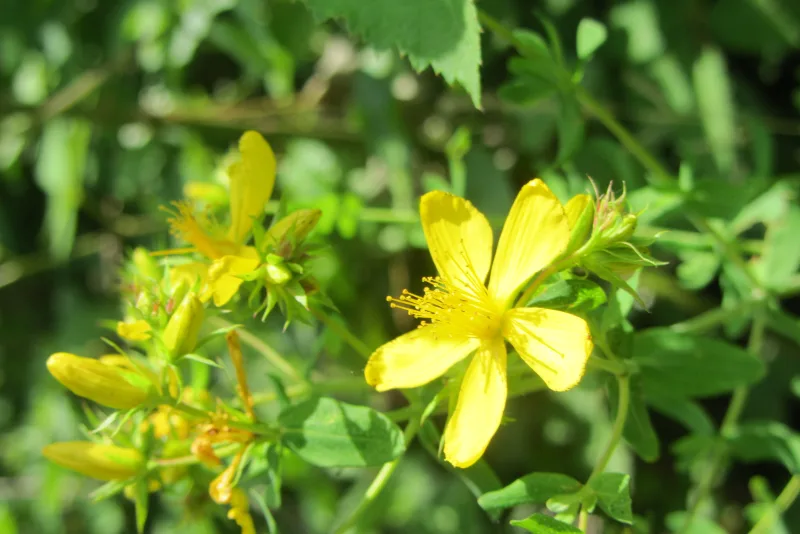
Yellow St. John's wort flowers (Hypericum perforatum) used to make red infused oil

St. John's Wort Oil: Benefits, Uses and How to Apply It for Skin and Burns

St. John’s Wort Oil: Benefits, Uses and How to Apply It for Skin and Burns IMPORTANT: St. John’s wort oil applied to the skin is generally well tolerated, but St. John’s wort contains hypericin, a photosensitizing compound. After applying it to your skin, avoid exposing the area to strong sunlight or tanning beds for at least 12 hours, to prevent redness, exaggerated sunburn or pigment spots. Taken internally (as tea, tincture or capsules), St. John’s wort interacts strongly with many medications: oral contraceptives (it can reduce their effectiveness), antidepressants, anticoagulants, immunosuppressants, certain heart medications and antiretrovirals. If you take any long-term medication, do NOT use St. John’s wort internally without your doctor’s approval. Pregnant or breastfeeding women should avoid the oil internally and be cautious about applying it to large skin areas. Do NOT apply oil to deep wounds, serious burns (second- or third-degree), extensive or infected burns — these require urgent medical care. ...

April 27, 2025 · 14 min · Leacuri.ro
Bottle of bergamot essential oil next to fresh bergamot fruit

Bergamot Essential Oil: Benefits, Uses and How to Use It Safely

Bergamot Essential Oil: Benefits, Uses and How to Use It Safely IMPORTANT: Bergamot essential oil obtained by cold pressing contains bergapten (5-MOP), a strongly phototoxic compound. This means that if applied to the skin and then exposed to sunlight or a tanning bed, it can cause serious burns, persistent pigment spots and irritation. Never apply bergamot oil to skin that will be exposed to sunlight within the next 12 to 18 hours. Always use it diluted in a carrier oil, never neat on the skin. Essential oils should not be ingested without the guidance of a qualified professional. During pregnancy, breastfeeding, in young children, and in people with epilepsy, low blood pressure or those taking photosensitizing medication, use should be discussed in advance with a doctor. This article is informational and does not replace medical advice. ...

April 19, 2025 · 12 min · Leacuri.ro
Bottle of frankincense essential oil next to pieces of boswellia resin

Frankincense Essential Oil: Benefits for Skin, Relaxation and How to Use It

Frankincense Essential Oil: Benefits for Skin, Relaxation and How to Use It IMPORTANT: Frankincense essential oil is highly concentrated and should never be applied neat (undiluted) to the skin, nor swallowed without the guidance of a qualified professional. Always dilute it in a carrier oil (almond, jojoba, coconut) before applying it to the skin. Pregnant or breastfeeding women, young children, people taking blood thinners or undergoing ongoing medical treatment should ask their doctor before using it. Always do a patch test on a small area of skin first. Frankincense oil does not replace medical treatment for any condition — it is a support for relaxation and skincare, not a medicine. ...

April 5, 2025 · 13 min · Leacuri.ro
Eucalyptus branch with leaves, buds and flowers, the source of eucalyptus essential oil

Eucalyptus Essential Oil: Benefits, Uses and How to Use It

Eucalyptus Essential Oil: Benefits, Uses and How to Use It IMPORTANT: Eucalyptus essential oil is highly concentrated and must NEVER be swallowed undiluted — even a few ingested drops can be toxic, especially for children. Do not apply it to the skin or under the nose of babies and children under 2-3 years old, because eucalyptol (cineole) can trigger laryngeal spasm and serious breathing problems in young children. Always use it diluted in a carrier oil on the skin, and avoid it during pregnancy and breastfeeding, in people with unstable asthma, epilepsy, or known allergies to plants in the myrtle family. If you have a chronic respiratory illness, high fever, or symptoms lasting more than a few days, see a doctor. This article is for informational purposes and does not replace medical advice. ...

March 21, 2025 · 14 min · Leacuri.ro
Red spiky castor seed capsules (Ricinus communis), the plant that castor oil is pressed from

Castor Oil: Benefits for Hair, Lashes and Skin, Uses and How to Apply It

Castor Oil: Benefits for Hair, Lashes and Skin, Uses and How to Apply It IMPORTANT: Castor oil is safe for external use for most people, but it must be used with care. For internal use (as a laxative) it should NOT be given to young children, pregnant women (it may trigger contractions), people with unexplained abdominal pain, intestinal obstruction, appendicitis or inflammatory bowel disease. Raw castor seeds contain ricin, a powerful toxin — but properly pressed and refined castor oil does NOT contain it, because ricin stays in the pressing cake. Use only castor oil intended for consumption or cosmetics, never raw seeds. Always do a patch test on a small area of skin before first use, and consult your doctor if you take medication, are pregnant or breastfeeding. ...

March 4, 2025 · 13 min · Leacuri.ro