
Sesame Oil: Benefits for Skin, Hair and Health, Plus How to Use It in Cooking
IMPORTANT: Sesame oil is generally safe for most people, but sesame is one of the most common food allergens in the world. If you have ever reacted to sesame seeds, tahini, halva or any product containing sesame, avoid sesame oil completely, both internally and on your skin. Before any cosmetic use, always do a patch test on a small area of skin (the inner forearm) and wait 24 hours. People with very low blood pressure, those on diabetes or blood-thinning medication, and women who are pregnant or breastfeeding should talk to a doctor before using large therapeutic amounts. Sesame oil is not a substitute for medical treatment; it is a food and a skincare product, not a medicine.
In my grandparents’ village, old Aunt Veta kept a dark little bottle of sesame oil on the shelf by the stove, which she bought once a year at the big town market. She used to say that “this oil is food, medicine, and face cream, all in one bottle.” In winter she would rub a few drops into her hands, cracked from washing laundry; in summer she drizzled it over a salad of tomatoes and onions; and when her ear ached, she would warm a little oil in her palm and massage the area behind her ear. Back then I thought she exaggerated, but over the years I discovered that the tradition she had inherited, without knowing it, was in fact a practice thousands of years old, found from India to the Near East and from China to the Mediterranean.
Later, an aunt who had worked for a few years in a restaurant with an Asian kitchen showed me the other face of sesame oil: the toasted kind, the color of dark amber, with an intense aroma of nuts and toasted bread, which she would drizzle over food at the very end, never during cooking. “You don’t put this one over high heat,” she told me, “or it loses all its soul.” These two faces of the same oil, the cold-pressed one that is mild and light in color, and the one made from toasted seeds that is intense and aromatic, are the essence of a product worth getting to know better.
Sesame oil is extracted from the seeds of the Sesamum indicum plant, one of the oldest oilseed crops cultivated by humans, used for thousands of years in Africa, Asia and the Middle East. It is prized equally in the kitchen, in natural cosmetics and in traditional Indian medicine (Ayurveda), where it holds a central place among massage oils. In this article we will look at what it contains, what benefits are attributed to it, how to use it correctly in cooking and on the skin, what mistakes to avoid, and who should be cautious.
Table of Contents
- What sesame oil is and how it is made
- Composition and active compounds
- Health benefits
- Benefits and uses for the skin
- Benefits and uses for the hair
- How to use it in the kitchen
- Practical recipes and preparations
- Dosage and how to use
- How to choose and store it
- Practical tips and common mistakes
- Conclusion
- Frequently asked questions
What sesame oil is and how it is made
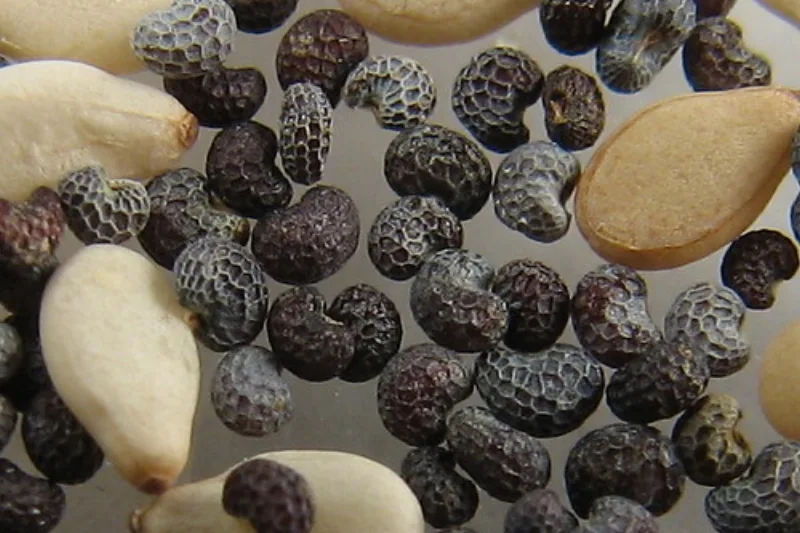
Sesame oil is a vegetable oil extracted from sesame seeds, the small, flat, teardrop-shaped seeds that may be white, golden, brown or black. The sesame plant grows in warm, dry climates and is one of the first plants cultivated specifically for oil, mentioned in documents thousands of years old.
There are, broadly speaking, two types of sesame oil, very different in taste, color and use:
Cold-pressed sesame oil (light in color). It is obtained from unroasted seeds, pressed mechanically, without excessive heat. It has a straw-yellow color, a delicate, slightly nutty taste, and a relatively high smoke point. This is the version preferred for cooking, for salads and for cosmetic use, because the aroma does not overpower other ingredients.
Toasted sesame oil (dark in color). It is made from seeds that have been roasted beforehand, which gives it an amber-to-brown color and a powerful, intense aroma of nuts and caramel. This is a finishing oil, used in small amounts at the end, never as the main frying oil.
The traditional method involves cold pressing, which better preserves the heat-sensitive compounds. Industrially, the oil can also be extracted using heat pressing or solvents and then refined, but for therapeutic and cosmetic use the cold-pressed, unrefined version is preferred.
Composition and active compounds
Sesame oil is valued for its balanced fat profile and for some specific antioxidants. Here is, in broad terms, what it contains:
- Unsaturated fatty acids. It is rich in oleic acid (a monounsaturated fatty acid, like the one in olive oil) and in linoleic acid (an essential fatty acid from the omega-6 family). These fats are more stable and more body-friendly than excess saturated fats.
- Sesamol, sesamin and sesamolin. These are compounds specific to sesame, called lignans, with recognized antioxidant properties. It is precisely these compounds that help sesame oil resist oxidation (going rancid) better than other vegetable oils.
- Vitamin E (tocopherols). An antioxidant that protects both the oil and the skin against oxidative stress.
- Vitamin K and trace minerals such as calcium, magnesium, zinc and copper, especially in unrefined oil.
- Phytosterols. Plant compounds studied for their role in balancing cholesterol.
Studies suggest that it is precisely the combination of unsaturated fatty acids and antioxidant lignans (sesamol and sesamin) that makes sesame oil a special product. Unlike many other cold-pressed oils, which spoil quickly, sesame oil has a naturally better stability against oxidation, a fact noticed since ancient times by those who stored it for months at a time.
Health benefits
Folk tradition and some modern observations attribute a range of benefits to sesame oil. We present them with moderation, without exaggerated promises.
Supporting heart health
Being rich in unsaturated fats and low in saturated fats, sesame oil falls into the category of heart-friendly oils. Studies suggest that replacing saturated fats with unsaturated fats, such as those in sesame oil, may help maintain a balanced lipid profile. Lignans and phytosterols are studied precisely for their possible role in balancing cholesterol.
A source of antioxidants
Sesamol, sesamin and vitamin E act as antioxidants, meaning they help neutralize free radicals, those unstable molecules associated with cellular aging and oxidative stress. A regular, moderate intake of dietary antioxidants is generally considered beneficial for the body.
Blood sugar balance
Some observations suggest that sesame oil, consumed as part of a balanced diet, may have a favorable effect on how the body manages blood sugar. This is exactly why people taking diabetes medication should be careful and talk to their doctor, so that the effects do not overlap.
Supporting digestion
In traditional medicine, sesame oil was used to “lubricate” and soothe the digestive tract. A spoonful of cold-pressed sesame oil taken in the morning is a traditional practice said to help intestinal transit. Like any fat, it needs to be consumed in moderation.
Bone and joint health
Thanks to its trace minerals (calcium, magnesium, zinc, copper) and its external application as a massage oil, sesame oil is valued in the Ayurvedic tradition for supporting the joints and for the warming, relaxing sensation it gives tired muscles.
Supporting the nervous system and sleep
In the same Ayurvedic tradition, a massage with warm sesame oil, especially in the evening, on the soles of the feet and the scalp, is considered calming for the nervous system and beneficial for restful sleep. Many people describe a feeling of deep relaxation after such a ritual, regardless of the scientific explanations.
Benefits and uses for the skin
This is where sesame oil truly shines. It is a “medium” oil in texture: not as heavy as coconut oil, but richer than jojoba oil, which makes it suitable for a wide range of skin types.
Hydration and softening
Sesame oil forms a thin film that helps the skin retain water. It is traditionally used for dry skin, for rough elbows and heels, for hands cracked from work or cold, and for mature skin that is losing its elasticity.
Protection and soothing
Thanks to vitamin E and the antioxidant lignans, sesame oil is valued for its soothing effect on irritated skin. Folk tradition recommends it for skin exposed to wind and cold. Some observations even suggest a slight protective effect against solar radiation, but be careful: sesame oil does NOT replace a sunscreen with a proper protection factor.
Body massage
In Ayurveda, massage with warm sesame oil (called abhyanga) is a daily self-care ritual. The oil is gently warmed (to a pleasant, not hot, temperature) and massaged over the whole body, with long strokes on the limbs and circular ones on the joints. It is left on for 10-20 minutes, then followed by a warm shower.
Benefits and uses for the hair
Sesame oil is a classic ingredient in hair care in Asian traditions.
Nourishing the scalp
A scalp massage with warm sesame oil is considered nourishing for the hair root and soothing for the skin. Many people use it to combat the feeling of a dry, itchy scalp.
Shine and protection for the lengths
Applied to the lengths and ends, sesame oil helps smooth the hair shaft, reduce the appearance of dry, damaged hair, and give a natural shine. It is used as a pre-wash treatment (an oil mask left on for 30-60 minutes).
The look of healthy hair
Tradition holds that regular use of sesame oil keeps the hair thick, shiny and well nourished. As with any oil, the key is not to overdo the amount, so as not to weigh the hair down.
How to use it in the kitchen
Here we must make a clear distinction between the two types of oil.
The cold-pressed, light-colored oil has a higher smoke point and can be used for sauteing, for cooking at moderate temperatures, and in salads. Its delicate aroma complements many dishes without dominating them.
The dark, toasted-seed oil is a flavoring oil, NOT a cooking oil. It is added at the end of preparation, drizzled over food, or into sauces and dressings. If you put it over high heat, the aroma is destroyed and it can take on a bitter taste.
Ideas for use:
- A few drops of toasted oil over a cream soup or stir-fried vegetables, at the end.
- In dressings for Asian salads, alongside soy sauce, rice vinegar and a little honey.
- Over hot rice, together with toasted sesame seeds.
- In marinades for meat or tofu.
- The cold-pressed oil, to saute vegetables or for delicate mayonnaises and sauces.
Practical recipes and preparations
Quick Asian dressing
Mix 2 tablespoons of toasted sesame oil, 3 tablespoons of soy sauce, 1 tablespoon of rice vinegar (or apple cider vinegar), 1 teaspoon of honey and a pinch of grated ginger. Whisk with a fork until smooth. It works well over cabbage, cucumber or cold noodle salads.
Warmed massage oil (Ayurvedic tradition)
Place a few tablespoons of cold-pressed sesame oil in a small container set inside a bowl of warm water, until it warms gently. Check the temperature on your wrist. Massage the body with long strokes, focusing on the joints and the soles of the feet. Leave for 15 minutes, then take a warm shower.
Sesame oil hair mask
Gently warm 2-3 tablespoons of sesame oil, massage the scalp with your fingertips for a few minutes, then spread the oil along the lengths. Cover the hair with a warm towel and leave for 30-60 minutes. Wash with a mild shampoo (two washes may be needed to remove the oil completely).
Treatment for cracked heels
In the evening, after a bath, massage the heels with cold-pressed sesame oil, then put on cotton socks overnight. Repeated for a few evenings in a row, it helps rough skin become softer.
Dosage and how to use
Internally (dietary): 1-2 tablespoons a day are more than enough to benefit from the oil’s qualities without adding too many calories. Sesame oil is an energy-dense fat, so moderation is key.
On the skin: a few drops to a teaspoon, depending on the area treated. For a full body massage, 2-4 tablespoons.
On the hair: 1-3 tablespoons, depending on length and thickness.
Always start with small amounts and observe how your body and skin react.
How to choose and store it
- Choose cold-pressed, unrefined oil if you want to benefit from the antioxidants and the aroma. Check the label: “cold pressed” and, ideally, “unrefined.”
- For cooking at higher temperatures, you can use the light-colored version; for flavor, keep a small bottle of toasted oil at home too.
- A dark glass bottle protects the oil from light. Avoid clear bottles displayed on lit shelves.
- Store in a cool, dark place, and after opening, ideally in the fridge, especially the highly aromatic toasted oil.
- Smell the oil before use: if it has developed a sharp, unpleasant, paint-like or rancid smell, throw it out.
Thanks to its lignans, sesame oil resists oxidation better than many other oils, but it is not immortal: use it within a reasonable window of a few months after opening.
Practical tips and common mistakes
Mistake no. 1: Using toasted oil for frying over high heat. Toasted sesame oil is a finishing oil. Put over high heat, it becomes bitter and loses its aroma. Use it at the end, drizzled on.
Mistake no. 2: Confusing the two types. Many people buy the dark, intensely aromatic oil and then complain that it “dominates” every dish. For everyday cooking and delicate salads, choose the light, cold-pressed version.
Mistake no. 3: Applying it to the skin without a patch test. Sesame is a strong allergen. Never apply the oil to a large area of skin without a test on a small patch, followed by 24 hours of waiting.
Mistake no. 4: Storing it in light and heat. Light and heat speed up oxidation. Keep the oil in a dark bottle, in a cool place.
Mistake no. 5: Using too much on the hair. Too much oil leaves the hair heavy and hard to wash. Use a little and focus on the scalp and lengths, not on overloading the roots.
Mistake no. 6: Treating the oil as a medicine. Sesame oil is a food and a care product, not a universal cure. For serious conditions, see a doctor.
Mistake no. 7: Ignoring the calories. A tablespoon of oil has roughly 120 calories. Even if it is healthy, consumed in excess it still adds weight. Moderation remains the golden rule.
Conclusion
Sesame oil is one of those rare products that performs equally well on the plate, on the skin and on the hair. Rich in unsaturated fats and in specific antioxidants such as sesamol and sesamin, it has been valued for thousands of years from India to the Middle East. The secret to using it correctly lies in understanding the difference between the cold-pressed oil, mild and versatile, and the toasted-seed oil, intense and meant only for finishing. Used in moderation, stored correctly and chosen with care, sesame oil can become, as in Aunt Veta’s little bottle, “food, medicine, and face cream” all at once, as long as we remember that it is, above all, a food and a natural care product, not a substitute for medical treatment.
Frequently Asked Questions
What is the difference between light and dark sesame oil? The light-colored oil is pressed from unroasted seeds, has a delicate taste and can be used for cooking and in salads. The dark oil comes from toasted seeds, has an intense aroma and is used only as a finishing touch, at the end, drizzled over food.
Can I fry with sesame oil? With the light-colored, cold-pressed version, you can cook at moderate temperatures. The dark, toasted-seed version is NOT suitable for high-heat frying, because it becomes bitter and loses its aroma.
Is sesame oil good for dry skin? Yes, it is traditionally valued for hydrating dry skin, rough elbows and heels, and cracked hands. Always do a patch test on a small area of skin before first use.
Does sesame oil help hair growth? Tradition holds that a scalp massage with sesame oil nourishes the roots and keeps the hair shiny and healthy. However, there are no guarantees regarding actual growth; the main effect is hydration and protection.
How much sesame oil can I consume daily? In general, 1-2 tablespoons a day are enough. Being a calorie-dense fat, consumption in excess is not recommended.
Can sesame oil cause allergies? Yes. Sesame is one of the most common food allergens. People allergic to sesame must avoid the oil completely, both internally and on the skin.
How do I store sesame oil so it doesn’t spoil? Keep it in a dark glass bottle, in a cool, dark place, and after opening, ideally in the fridge, especially the toasted oil. Smell it before use; if it has a rancid smell, throw it out.
Can I use sesame oil for massage on children or pregnant women? In the Ayurvedic tradition, sesame oil is used for massage even on babies, but because of the risk of sesame allergy and individual sensitivities, it is prudent to talk to a doctor first, especially during pregnancy or with young children.