 Photo: Evan-Amos, CC BY-SA 3.0, via Wikimedia Commons
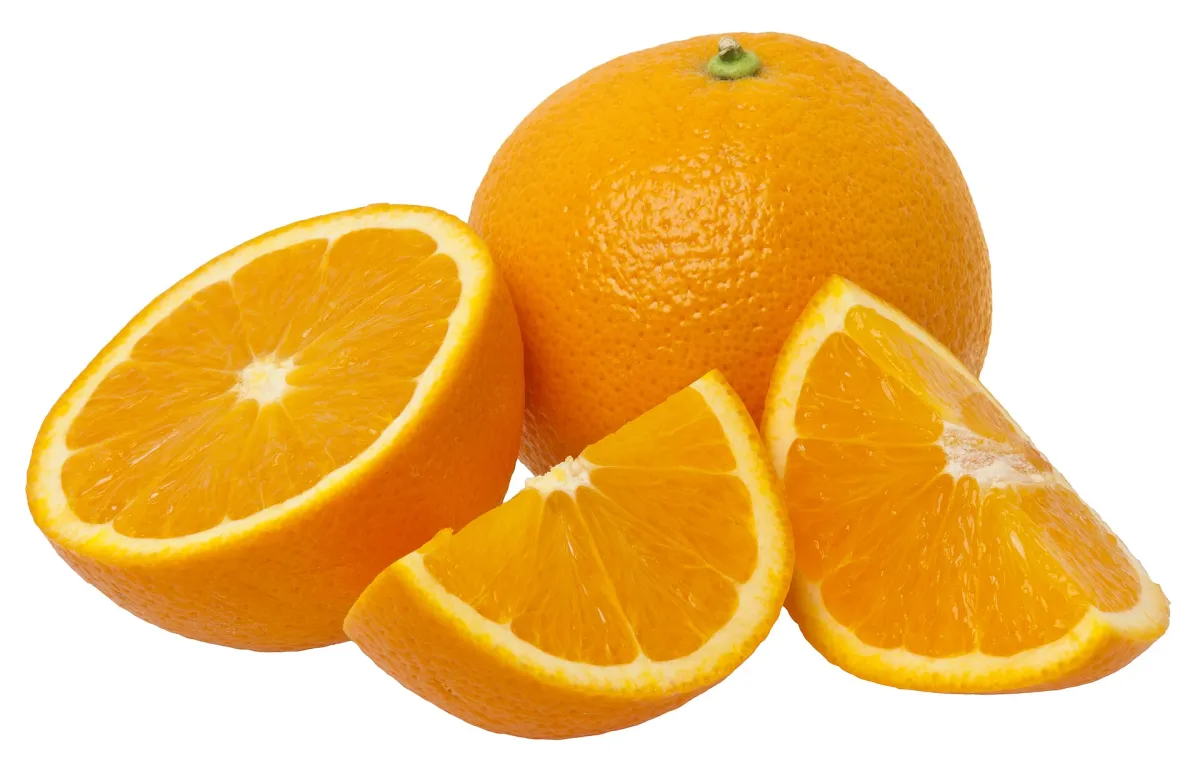
Sweet orange essential oil is cold-pressed from the peel of Citrus sinensis and is used mostly in a diffuser for a calm, cheerful mood, in massage oils and in natural cleaning products. Several studies, including some in dental waiting rooms, have shown reduced anxiety. Unlike bergamot or lemon, sweet orange is not phototoxic, but it oxidises quickly and old oil can irritate the skin.
The smell of orange is probably the “friendliest” of all essential oils: children recognise it, and even people who dislike heavy florals accept it. It is cheap, versatile and relatively gentle. Still, “gentle” does not mean “no rules”. Here is everything you need to know.
Key takeaways
- It is cold-pressed from sweet orange peel and contains 90-95% limonene.
- Small studies show reduced anxiety on inhalation, for example before dental procedures.
- Sweet orange is not phototoxic; cold-pressed bitter orange is.
- On skin: 1-2% (2-4 drops per 10 ml of carrier oil); use fresh oil, within a year of opening.
- Toxic to cats; not for swallowing; never neat on the skin.
What sweet orange oil is
The sweet orange tree (Citrus sinensis) belongs to the Rutaceae family. The essential oil is stored in tiny glands in the coloured outer peel (flavedo). Mechanical cold pressing ruptures these glands and the oil separates from the juice and water in the peel. The result is a golden-orange liquid that smells exactly like a freshly peeled orange.
There is also distilled orange oil, cheaper and flatter in scent. For aromatherapy, cold-pressed is preferred.
Sweet orange, bitter orange, petitgrain and neroli
| Oil | Source | Phototoxic | Profile |
|---|---|---|---|
| Sweet orange | Citrus sinensis peel, pressed | no | sweet, cheerful |
| Bitter orange | Citrus aurantium peel, pressed | yes | tangier, more complex |
| Neroli | bitter orange blossom, distilled | no | floral, very expensive |
| Petitgrain | bitter orange leaves and twigs | no | green, woody |
Always check the Latin name on the label: “orange oil” may mean either of the first two.
Composition
- d-Limonene: 90-95%. Responsible for the scent, the degreasing action and the oxidation risk.
- Myrcene, alpha-pinene, sabinene: small amounts.
- Aldehydes (decanal, octanal) and linalool: minor, but they shape the fragrance.
- Coumarins and furanocoumarins: only traces in sweet orange, which is why it is not phototoxic.
Benefits: what the studies show
Anxiety and stress
The best-known study was carried out in an Austrian dental clinic: women waiting in a room scented with orange oil reported less anxiety and a better mood than those in an unscented room. A later study by the same team, using orange and lavender, confirmed the effect. Other small studies in children before dental treatment and in women in labour pointed in the same direction. The effect is modest but consistent. See also our articles on anxiety and stress.
Mood and focus
Citrus scents are linked in several studies with feelings of energy and good humour. It is not an antidepressant, but it is a pleasant way to change the atmosphere of a room on short winter days.
Nausea
Citrus oils are used traditionally for mild nausea. The stronger evidence is for peppermint and ginger; orange can be a pleasant alternative for people who dislike mint. For causes, see our article on nausea.
Cellulite
Orange oil appears in almost every “anti-cellulite” recipe. There is no evidence that the oil itself breaks down cellulite; the visible effect comes from massage, which temporarily boosts circulation. Enjoy it as a massage oil, without high expectations.
Antimicrobial properties
In the lab, limonene and orange oil are active against some bacteria and fungi. That explains their use in cleaning products; it does not justify treating infections with them.
Cleaning
Limonene dissolves grease, adhesives and label residue, which is why orange oil is in many “eco” detergents.
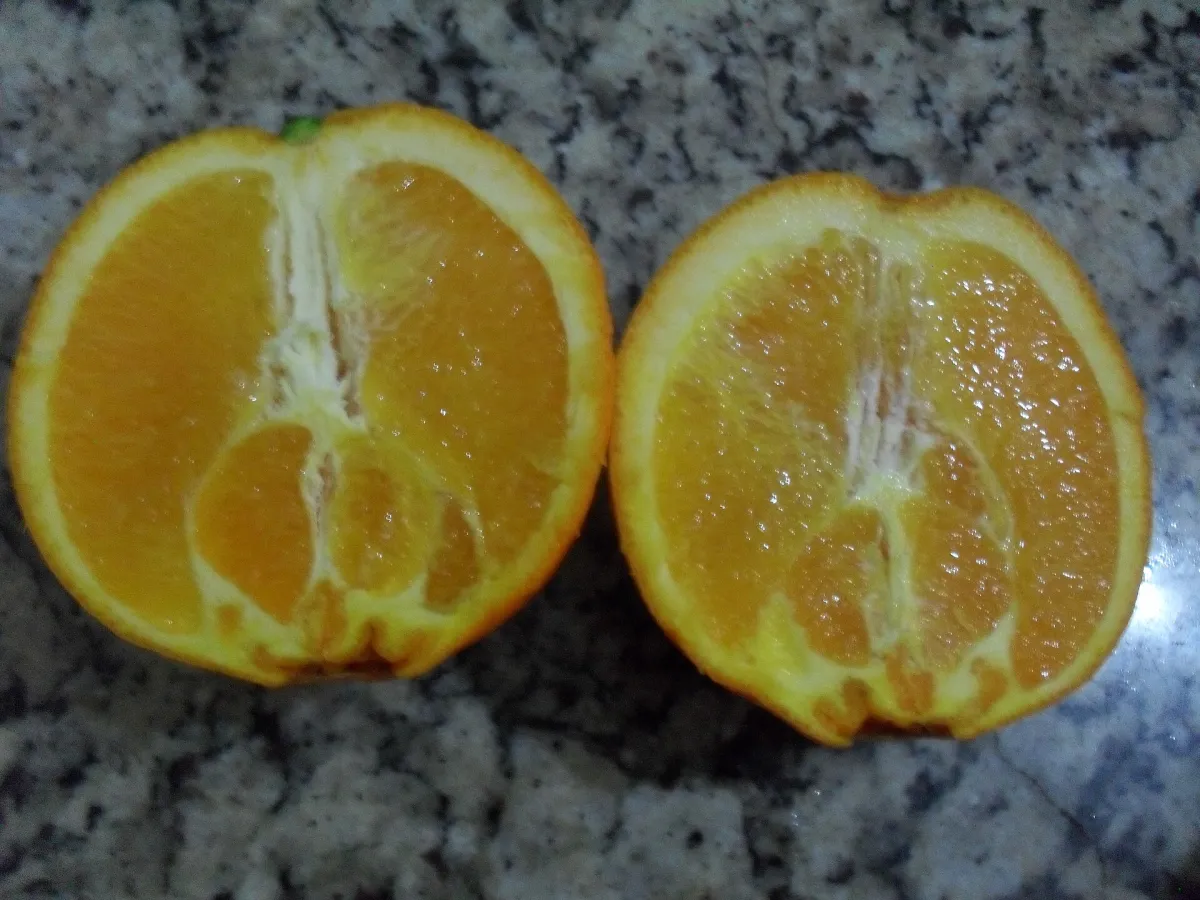 Photo: Brandizzi, CC BY-SA 3.0, via Wikimedia Commons
Practical recipes
Calming diffuser blend
- 4 drops sweet orange + 2 drops lavender
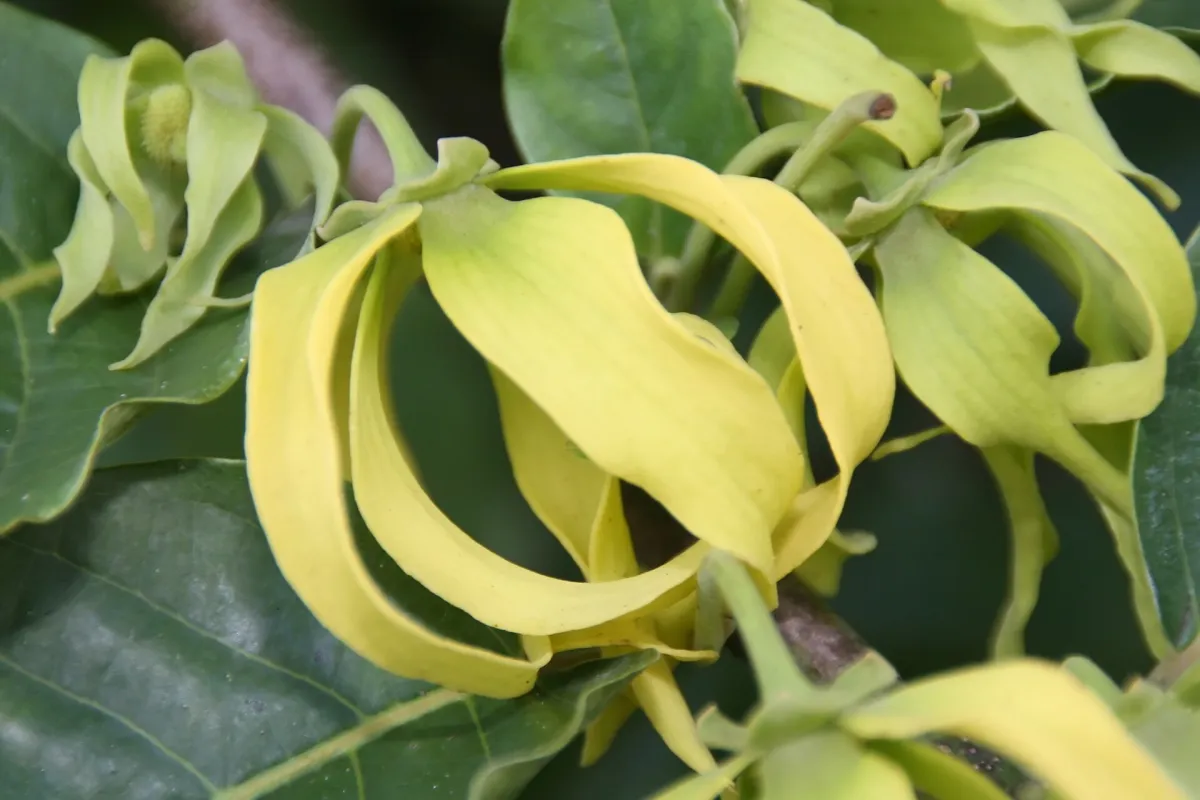
- or 4 drops orange + 1 drop ylang-ylang
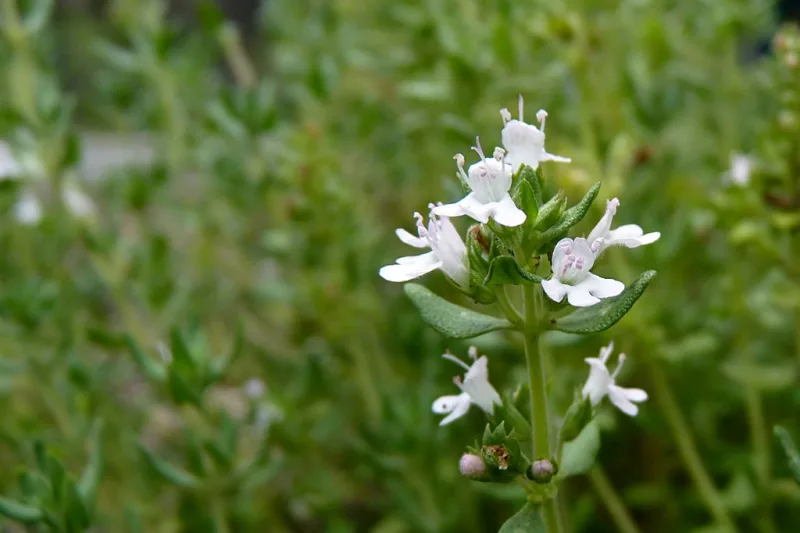
Run for 30-60 minutes with breaks. For a home office, orange with rosemary is more invigorating.
Evening massage oil (2%)
- 30 ml sweet almond oil
- 10 drops sweet orange
- 2 drops lavender
Massage the neck, shoulders and soles of the feet. Used on legs and thighs with firm, circular, upward strokes for 5-10 minutes, it also leaves the skin feeling smoother.
Personal inhaler
Put 10-15 drops on the wick of an empty inhaler stick (sold in pharmacies). Take 2-3 breaths when you feel tense, for example before a medical appointment.
Room spray
- 100 ml distilled water
- 10 ml 70% alcohol (or vodka)
- 20 drops sweet orange
Shake before use and spray into the air, not onto varnished furniture.
Kitchen degreaser
- 500 ml white vinegar
- 500 ml water
- 20 drops sweet orange
Good for worktops (not marble or natural stone, because of the vinegar) and induction hobs. For label residue, put one drop of neat oil on a paper towel, then wipe with soapy water.
Dilution table
| Use | Strength | Drops per 10 ml | Drops per 30 ml |
|---|---|---|---|
| Face | 0.5-1% | 1-2 | 3-6 |
| Body, daily massage | 1-2% | 2-4 | 6-12 |
| Occasional massage, small areas | 3% | 6 | 18 |
| Children 2-6 (body) | 0.5% | 1 | 3 |
| Children 6-12 (body) | 1% | 2 | 6 |
| Bath (in an emulsifier) | - | - | 4-6 drops |
| Diffuser | - | - | 3-5 drops |
Rule of thumb: 1 ml of essential oil is about 20 drops. Tisserand and Young recommend using limonene-rich oils fresh, ideally with an added antioxidant such as vitamin E, precisely to limit sensitisation.
Patch test
- Dilute the oil to your intended strength.
- Apply to a 2 x 2 cm area on the inner forearm.
- Leave for 24-48 hours.
- If redness, itching or stinging appear, stop. If you used an old bottle, try again (once your skin has calmed down) with fresh oil at a lower strength.
Oxidation: the hidden issue with citrus oils
Fresh limonene is a weak irritant. But once the bottle is opened, limonene reacts with oxygen to form hydroperoxides, compounds that can cause contact allergy. The older, warmer and more frequently opened the oil, the more advanced the oxidation.
Simple rules:
- Buy small bottles (10 ml).
- Store in the fridge or somewhere cool and dark, tightly closed.
- Use within 6-12 months of opening.
- Oil that smells like turpentine, sharp or sour, is oxidised: use it for cleaning, not on skin.
Contraindications and safety
Photosensitivity
Cold-pressed sweet orange is not considered phototoxic, so you can go into the sun after applying it. The exception is cold-pressed bitter orange, which is phototoxic and should be limited to 1.25% on skin exposed to sunlight within 12 hours of application. If the label does not state the species, treat the oil as phototoxic. For comparison, see bergamot oil and lemon oil.
Pregnancy and breastfeeding
Sweet orange is one of the oils generally considered suitable in pregnancy, in a diffuser and in 1% massage blends after the first trimester. Some studies have used citrus oils to reduce anxiety in labour. Still, check with your doctor.
Children
It is one of the gentlest oils for children, but not for infants. Under 2, only very brief diffusion in a large, ventilated room, never in a sleeping child’s room. Over 2, 0.5-1% on skin. The orange smell tempts children to drink from the bottle: store it high up with a child-resistant cap.
Pets
Citrus oils are toxic to cats (their liver struggles to process limonene) and can irritate dogs. Do not apply to fur, do not diffuse in the cat’s room, and wipe up any spill immediately. Signs of toxicity include drooling, trembling, wobbly walking and vomiting: see a vet.
Ingestion
Orange oil is used by the food industry as a flavouring in tiny amounts. That does not mean you can add it to water or tea at home: drops do not dissolve and can irritate mucous membranes. Do not swallow essential oil.
Flammable
Like all citrus oils, it is flammable. Keep it away from lit candles and hot bulbs.
When to see a doctor
- Anxiety or low mood lasts more than 2 weeks or disturbs your sleep or appetite.
- Nausea comes with severe abdominal pain, fever, repeated vomiting, or occurs in pregnancy with an inability to keep fluids down.
- A widespread rash or facial swelling appears after use.
- A child has drunk essential oil: call emergency services at once.
Common mistakes
Keeping an opened bottle for years. Oxidised oil irritates. Write the opening date on the bottle.
Using it neat on skin “for cellulite”. It raises the risk of irritation with no added benefit.
Confusing it with bitter orange. One is safe in the sun, the other is not.
Drops in drinking water. The oil floats on top and reaches mucous membranes undiluted.
Diffusing non-stop. After 30-60 minutes your nose adapts and the benefit fades; breaks work better.
Conclusion
Sweet orange essential oil is an excellent choice for beginners: cheap, pleasant to almost everyone and with a calming effect supported by several studies. It is not phototoxic, which makes it more practical than bergamot or lemon. Remember three rules: buy small bottles and use them fresh, dilute to 1-2% on skin, and keep it away from cats and children’s hands.
Frequently asked questions
Can I go in the sun after using sweet orange oil? Yes. Sweet orange is not phototoxic. Just watch out for bitter orange or blends containing other cold-pressed citrus oils.
Does orange oil help with sleep? It can help you relax before bed, especially with lavender. Some people find it uplifting, though; try it in the afternoon first. See also our guide to insomnia.
How long does orange oil keep? Sealed, 2-3 years. Once opened, ideally 6-12 months, kept cool and dark.
Why did my orange oil turn cloudy in the fridge? Some cold-pressed oils contain natural waxes that solidify in the cold. Let it reach room temperature and shake.
Can orange oil damage my diffuser’s plastic? Limonene can degrade some plastics over time. Use diffusers made of polypropylene or glass and clean the tank weekly.
Is orange oil good for acne? There is no clinical evidence. For spots, tea tree oil has more research behind it.
Can I use orange oil for a child with a cold? Brief diffusion for a pleasant atmosphere is fine over age 2. It does not clear the virus and does not replace a visit to the paediatrician.
Sources
- Tisserand R., Young R. Essential Oil Safety, 2nd edition, Churchill Livingstone, 2014 (sweet and bitter orange profiles, limonene oxidation).
- Studies indexed in PubMed on the anxiolytic effect of orange oil in dental waiting rooms (Lehrner and colleagues).
- NCCIH: “Aromatherapy” and its essential oils fact sheet.
- European Medicines Agency (EMA): HMPC monograph on bitter orange epicarp and mesocarp (Aurantii amari epicarpium et mesocarpium).
Informational content. It does not replace advice from your doctor, pharmacist or veterinarian.