 Photo: Jazzmaster1997, CC BY 4.0, via Wikimedia Commons
Wheat germ oil comes from the embryo of the wheat kernel and is the richest natural vegetable oil in vitamin E: a single tablespoon covers an adult’s daily requirement. It is mainly used on the skin, blended with other oils, for dry, mature or stretch-mark-prone skin, and on the hair for dry ends. Internally it can be taken in small amounts, 1 teaspoon a day, as a food supplement.
Being thick and strongly cereal-scented, it is rarely used on its own. Its ideal role is that of an “active ingredient” in a blend: 10-25% wheat germ oil with a lighter oil making up the rest. Below you will find recipes, doses and precautions, including for people with coeliac disease or wheat allergy.
Key takeaways
- It contains about 150 mg of vitamin E per 100 g, several times more than most oils.
- On skin, use it at 10-25% in a carrier oil; neat, it is too thick and can clog pores.
- It helps dry skin hold water; for stretch marks, no cream or oil has solid evidence of prevention.
- Internally: 1 teaspoon a day, raw; never heat it.
- Coeliac disease and wheat allergy: the oil holds minimal traces of protein, but caution is needed, especially on broken skin.
- It goes rancid fast: buy small bottles and keep them in the fridge.
What wheat germ oil is
The germ is the living part of the wheat kernel, the embryo that would grow into a new plant. It makes up only 2-3% of the grain but concentrates vitamins, minerals and fats. When white flour is milled, the germ is removed because its fat would make the flour go rancid. The oil is made from this valuable “waste”, either by cold pressing (low yield, richer oil) or by solvent extraction and refining.
Cold-pressed oil is yellow-orange, viscous and has an intense cereal smell. Refined oil is paler and more neutral but poorer in vitamins.
Composition
- Linoleic acid (omega-6): 50-60%.
- Oleic acid: 12-20%.
- Alpha-linolenic acid (omega-3): 5-10%.
- Palmitic acid: 15-20%.
- Vitamin E (mainly alpha-tocopherol): around 150 mg per 100 g. One tablespoon (about 14 g) supplies over 20 mg, more than the 12-15 mg daily requirement.
- Octacosanol, phytosterols, carotenoids and lecithin in small amounts.
Because of its vitamin E, many home cosmetic makers add wheat germ oil at 5-10% to other oils as an antioxidant that slows rancidity.
Benefits: tradition and evidence
Dry, rough skin
Vegetable oils applied to the skin reduce water loss and soften the outer layer. Wheat germ oil adds extra vitamin E, which acts as an antioxidant in the skin’s surface. It suits dry skin on shins, elbows, heels and hands, especially in winter. This is a cosmetic use, not a treatment for skin disease.
Mature skin
Topical vitamin E has shown antioxidant effects in the lab and partly protects skin from UV-induced oxidative stress. It does not replace sunscreen, however, and does not “erase” wrinkles. On dry, mature skin a serum with 10% wheat germ oil can bring comfort and radiance.
Stretch marks
The oil is a traditional ingredient in pregnancy belly blends. Daily massage moisturises and eases the itching of stretched skin. However, studies of creams and oils for preventing stretch marks show weak results: genetics and the pace of weight gain matter more. Use it for comfort, without promises.
Scars
Many people apply vitamin E to scars. Studies have not shown that topical vitamin E improves scar appearance, and some participants developed contact dermatitis. For fresh scars, silicone gels have better evidence.
Hair
On dry ends and coarse hair, the oil applied as a pre-wash mask adds shine and reduces breakage. There is no evidence that it stops hair loss.
Internal use
A teaspoon a day can top up vitamin E intake in people whose diet is low in seeds and nuts. True vitamin E deficiency is rare and mostly occurs with conditions that impair fat absorption; in that case your doctor will choose the right supplement. Octacosanol has been studied for sports performance and cholesterol without convincing results.
Recipes and how to use it
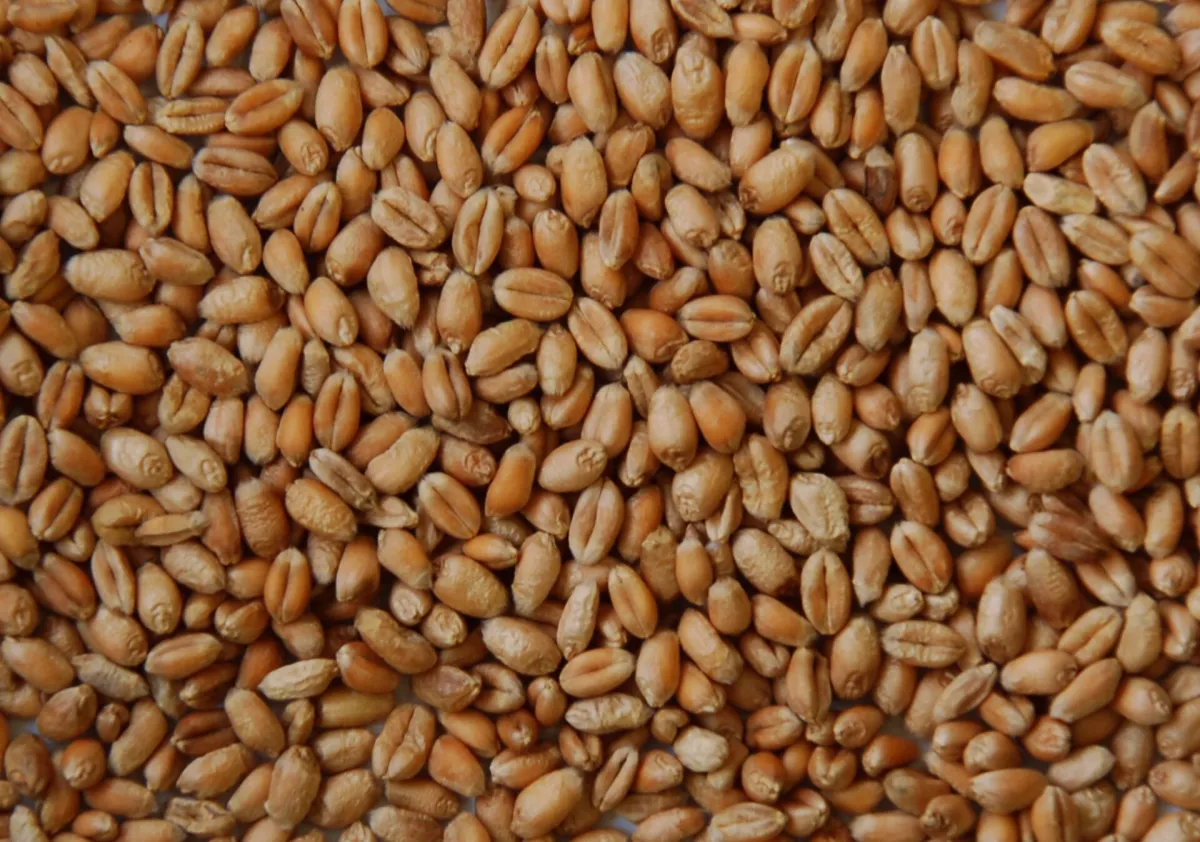 Photo: Denis Bastianelli, CIRAD, CC BY 3.0, via Wikimedia Commons
Body oil for dry skin (25%)
- 25 ml wheat germ oil
- 75 ml sweet almond oil or cold-pressed sunflower oil
Shake and apply after a shower to damp skin. It lasts about 3-4 weeks with daily use.
Pregnancy belly oil (no essential oils)
- 20 ml wheat germ oil
- 40 ml sweet almond oil
- 40 ml jojoba oil or liquid coconut oil
Massage gently onto the abdomen, hips and breasts once or twice a day from the second trimester. Essential oils are unnecessary and best left out.
Night serum for dry, mature skin (10%)
- 1 ml wheat germ oil
- 9 ml grapeseed or jojoba oil
- optional: 1 drop lavender essential oil (0.5% dilution)
2-3 drops on clean skin in the evening. If your skin is oily or acne-prone, do not use wheat germ oil on your face.
Mask for dry hair
1 tablespoon wheat germ oil + 2 tablespoons coconut or olive oil, gently warmed in a water bath. Apply to lengths and ends for 30-60 minutes under a shower cap. Shampoo twice.
Stabiliser for other oils
Add 5% wheat germ oil (1 teaspoon per 100 ml) to omega-3 or omega-6-rich oils (flaxseed, hemp) used on skin to slow oxidation.
Patch test
2-3 drops of the blend on the inside of your forearm, covered, for 48 hours. Mandatory for people with cereal allergies or atopic skin.
Usage table
| Goal | Proportion of wheat germ oil | Recommended base | Frequency |
|---|---|---|---|
| Dry/mature face | 10% | Jojoba, grapeseed | Evening |
| Body, dry skin | 25% | Almond, sunflower | Daily, after a shower |
| Belly in pregnancy | 20% | Almond + jojoba | 1-2 times a day |
| Hands, heels, cuticles | 50% or neat | Olive oil | Evening, with gloves/socks |
| Hair, ends | 30% | Coconut, olive | Once a week |
| Antioxidant in other oils | 5% | Any vegetable oil | When blending |
| Internal | 1 teaspoon (5 ml) | Raw, on salads or yogurt | Daily, in courses |
Choosing and storing it
- Cold-pressed, unrefined, in a dark glass bottle; buy small volumes (50-100 ml).
- A cereal smell is normal; a sour, sharp or paint-like smell means oxidation.
- Keep the bottle in the fridge after opening and use within 1-2 months.
- Paradoxically, despite all its vitamin E, the oil itself goes rancid quickly because of its polyunsaturated fats.
Contraindications and precautions
- Coeliac disease and gluten sensitivity: good-quality oil contains minimal traces of wheat protein, usually below relevant thresholds. Many people with coeliac disease tolerate it on skin, but internally it is wiser to avoid products not certified gluten-free.
- Wheat allergy (not just coeliac disease): real risk of reactions, including on skin. Avoid the oil or use it only after a patch test and with your allergist’s approval.
- Oily and acne-prone skin: the oil is considered comedogenic; do not apply it to your face.
- Anticoagulants: high doses of vitamin E (from supplements, not a teaspoon of oil) may raise bleeding risk. If you take warfarin, do not start courses without your doctor.
- Pregnancy: skin and culinary use is safe. Avoid concentrated vitamin E supplements without advice.
- Children: neat or blended on dry skin after a patch test; no essential oils for infants.
- Pets: do not apply blends to fur. Plain vegetable oil is not toxic, but dogs and cats lick it off, and large amounts can cause diarrhoea.
When to see a doctor
See a doctor if dry skin cracks and bleeds, becomes infected, itching wakes you at night or red, scaly plaques appear (it may be eczema or psoriasis). In pregnancy, intense itching on the palms and soles, especially at night, can signal obstetric cholestasis and must be reported to your doctor straight away. Emergency: swelling of the face or difficulty breathing after application.
Common mistakes
- Using it neat on the face. Too thick, strongly scented and likely to cause breakouts.
- Large bottles kept for months. Oxidised oil irritates skin instead of protecting it.
- Heating it for cooking. Vitamin E and fatty acids are destroyed; use it raw only.
- Confusing it with vitamin E supplements. A teaspoon of oil is a food, not a medicine.
- Anti-stretch-mark promises. Moisturising helps comfort, but no oil guarantees prevention.
Conclusion
Wheat germ oil is a valuable “working” oil: the richest in natural vitamin E, excellent for dry and mature skin, coarse hair and as an antioxidant in other blends. Use it diluted, fresh and kept cool, never heat it and keep it off oily skin. People with wheat allergy or coeliac disease should be cautious. With these rules, it is one of the best oils you can keep in your bathroom.
Frequently asked questions
Can I put wheat germ oil on my face every night? Yes, if your skin is dry or mature and you use it diluted (10%). On oily or acne-prone skin, avoid it.
Does wheat germ oil help wrinkles? It moisturises and adds radiance, and vitamin E acts as an antioxidant. It does not remove wrinkles; daily sunscreen has the biggest impact.
Can I take wheat germ oil in capsules? Capsules exist, but if you want vitamin E from a food source, a teaspoon of raw oil is enough. High-dose vitamin E supplements are not recommended without a medical reason.
Is it suitable for babies? On dry skin, after a patch test, blended with a gentle oil, yes. Check for a family history of wheat allergy, and use no essential oils.
Why does my oil smell so strongly of cereal? That is the normal smell of cold-pressed oil. If it turns sour or sharp, it has oxidised.
Can I use wheat germ oil on eyelashes and eyebrows? You can apply a tiny amount to eyebrows, but there is no evidence it thickens them. For lashes, avoid the risk of getting it in your eyes.
How quickly does it spoil? Once opened, 1-2 months in the fridge. Buy small bottles and note the opening date.
Sources and further reading
- USDA FoodData Central: nutrient composition of wheat germ oil (vitamin E).
- Baumann L.S., Spencer J., “The effects of topical vitamin E on the cosmetic appearance of scars”, Dermatologic Surgery, 1999.
- Brennan M. et al., “Topical preparations for preventing stretch marks in pregnancy”, Cochrane Database of Systematic Reviews, 2012.
- NIH Office of Dietary Supplements, “Vitamin E” health professional fact sheet.
Informational content: this article does not replace advice from your doctor or dermatologist. People with wheat allergy or coeliac disease should consult a specialist before use.