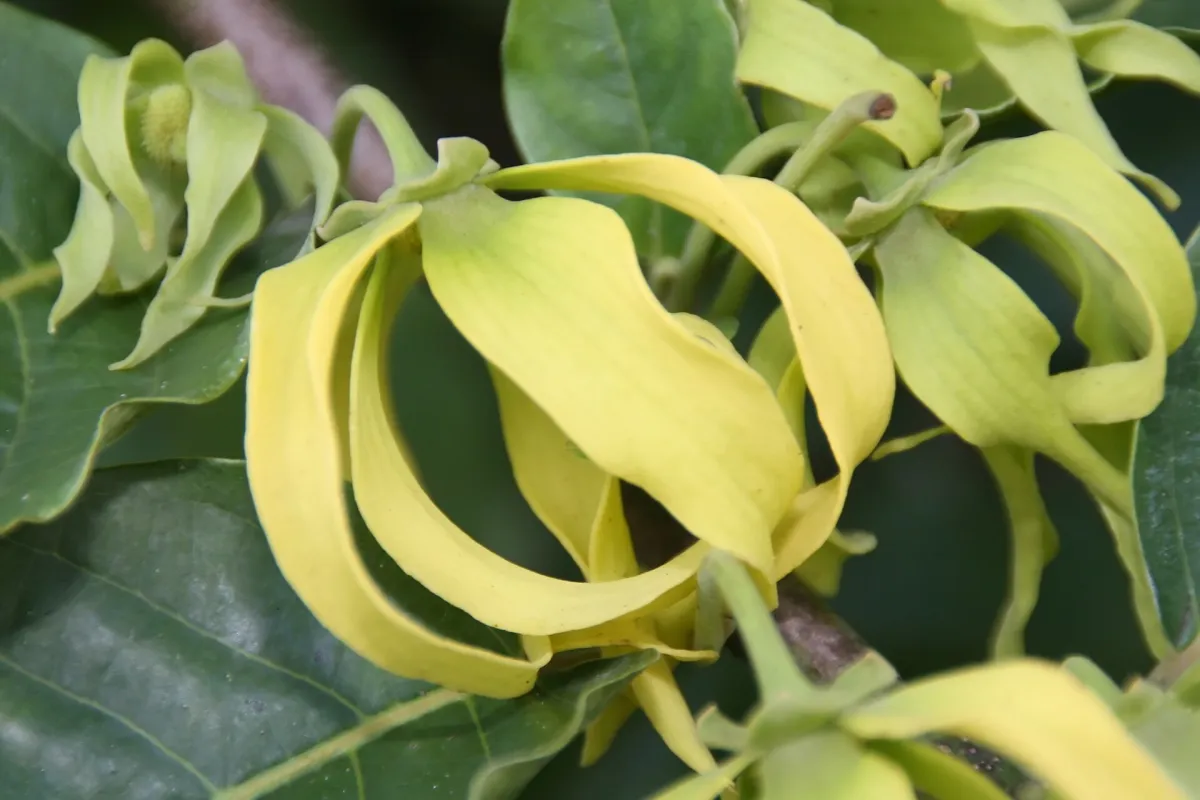
 Photo: David J. Stang, CC BY-SA 4.0, via Wikimedia Commons
Ylang-ylang essential oil is steam-distilled from the flowers of the Cananga odorata tree and is used mainly for relaxation by inhalation, as a natural perfume and in blends for dry scalp and hair. A few small studies show a slight drop in heart rate and blood pressure after inhalation. On the skin it must be used very diluted (0.8% maximum), because it can cause contact allergy.
The name comes from a Filipino phrase often translated as “flower of flowers”. The scent is sweet, creamy and exotic, and so intense that one drop fills a room. That intensity is exactly why some people love it and others find it overwhelming. Here is how to use it wisely.
Key takeaways
- Ylang-ylang is a floral essential oil from Cananga odorata flowers, grown mainly in the Comoros, Madagascar and Mayotte.
- Main uses: inhalation (diffuser, tissue), relaxing bath, perfume, scalp oil.
- On skin: 0.8% maximum (about 5 drops per 30 ml carrier oil), because of its isoeugenol content.
- Small studies suggest a calming effect and a slight fall in blood pressure; it is not a treatment for hypertension.
- Never swallow it; take care in pregnancy, with young children, cats and people prone to scent-triggered headaches.
What ylang-ylang is
Cananga odorata is a tropical tree of the Annonaceae family, native to Southeast Asia. Its flowers have long, slender petals that turn from green to golden yellow as they mature; only yellow flowers picked early in the morning give good-quality oil.
Ylang-ylang grades
A peculiarity of this oil is fractional distillation: the same batch of flowers is distilled for many hours, and the oil is collected in stages.
| Grade | When collected | Profile | Typical use |
|---|---|---|---|
| Extra | first 1-2 hours | finest, floral, sweet | fine perfumery |
| I | next fraction | floral, slightly heavier | perfumes, cosmetics |
| II | middle fraction | woodier | soaps, bath products |
| III | last fraction | heavy, herbaceous | soaps, detergents |
| Complete | continuous, unfractionated | balanced | aromatherapy |
For aromatherapy, “complete” or “extra” is usually recommended. A serious label lists the grade, the Latin name and the country of origin.
Main compounds
- Germacrene D and beta-caryophyllene (sesquiterpenes), giving the warm base note.
- Linalool: also found in lavender, associated with relaxation.
- Benzyl acetate, benzyl benzoate, benzyl salicylate: the sweet, floral notes.
- p-Cresyl methyl ether: the characteristic exotic note.
- Isoeugenol, eugenol, geraniol: small amounts, but important for safety because they are known allergens.
Composition varies a lot between grades and batches.
Benefits: evidence versus tradition
Relaxation and nervous tension
A Korean study in healthy volunteers found that inhaling ylang-ylang lowered blood pressure and heart rate and increased feelings of calm compared with a control group. Other small studies of blends containing ylang-ylang, lavender and bergamot reported reduced stress and salivary cortisol. The results are encouraging, but samples are small and the effect is modest. For a complete approach, see our articles on stress and anxiety.
Blood pressure
Some small studies suggest a slight, temporary drop in blood pressure after inhalation. It is not a treatment for high blood pressure and must not replace medication. People with low blood pressure may feel dizzy with prolonged inhalation.
Sleep
Diffused in the evening, it can help you unwind before bed, especially combined with lavender. Direct evidence for insomnia is weak. See also our guide to insomnia.
Hair and scalp
Traditionally, in Indonesia and the Philippines, ylang-ylang flowers were steeped in coconut oil to nourish hair and scent the scalp. The famous 19th-century “Macassar oil” contained ylang-ylang. No clinical studies show that it stimulates hair growth; the real effect is fragrance plus the moisturising action of the carrier oil.
Aphrodisiac
This is one of its best-known associations, and in Indonesia the petals are scattered on newlyweds’ beds. There is no scientific evidence of a direct aphrodisiac effect; the effect is about atmosphere and relaxation.
Skin
Diluted in a carrier oil, ylang-ylang is used in cosmetics for oily or combination skin. There is no solid evidence for acne; other oils are better suited there.
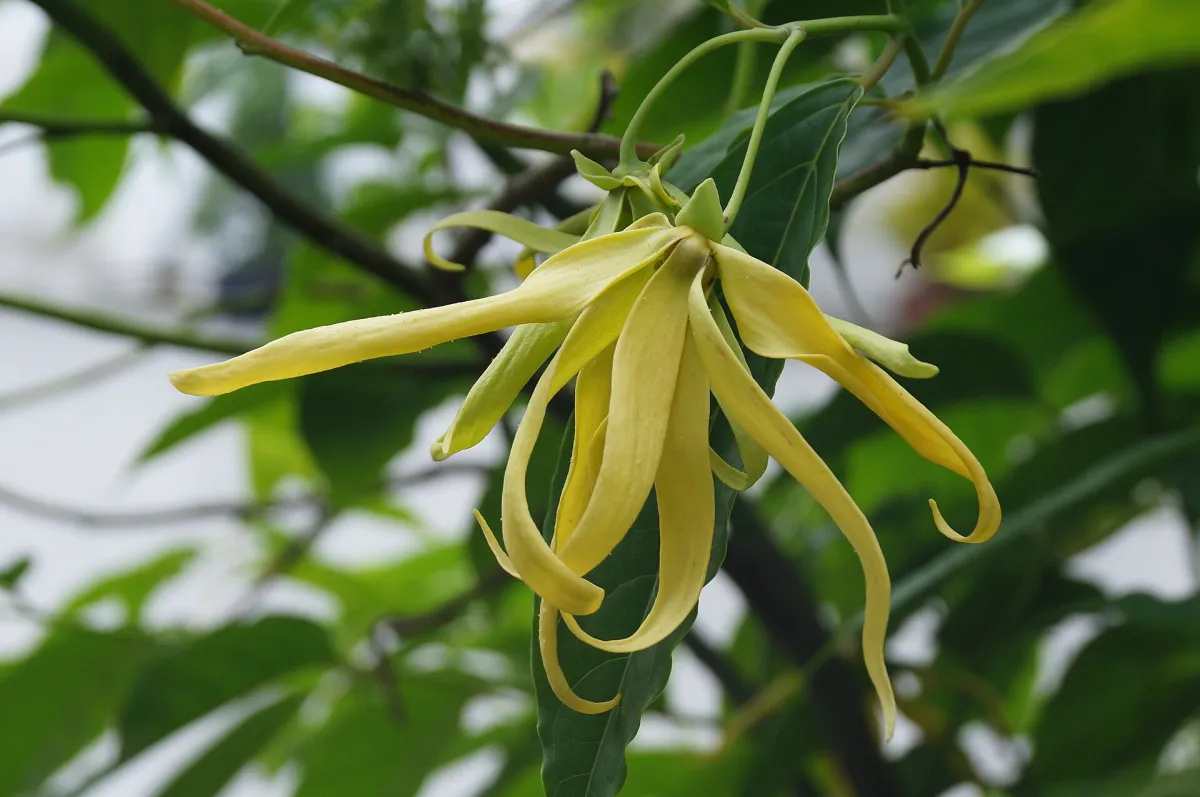 Photo: Prenn, CC BY-SA 3.0, via Wikimedia Commons
How to use it: practical recipes
Diffuser
- 2-3 drops ylang-ylang + 3 drops lavender or 3 drops sweet orange, in the diffuser water.
- Run for 30-45 minutes, then take a break. Air the room.
Ylang-ylang is powerful: start with less than you think.
Quick inhalation for stress
One drop on a tissue or a personal inhaler stick. Breathe slowly 3-4 times with your eyes closed. Do not put the oil directly under your nose.
Relaxing massage oil (0.8%)
- 30 ml sweet almond oil
- 5 drops ylang-ylang
- 5 drops lavender (optional)
Mix in a dark bottle. Massage shoulders, back and soles of the feet in the evening.
Relaxing bath
Essential oils do not dissolve in water. Mix 3 drops of ylang-ylang into a tablespoon of carrier oil or whole milk, then add to bath water at 37-38 °C. More ideas in our article on herbal baths for relaxation.
Oil for dry ends
- 30 ml jojoba or argan oil
- 4 drops ylang-ylang
Apply 2-3 drops to the ends of slightly damp hair. Not on an irritated scalp.
Natural oil perfume
- 10 ml jojoba oil
- 2 drops ylang-ylang + 4 drops sweet orange + 2 drops bergapten-free bergamot (FCF)
Apply to the wrists after a patch test.
Dilution table
| Use | Strength | Drops per 10 ml | Drops per 30 ml |
|---|---|---|---|
| Face | 0.2-0.4% | 0-1 | 1-2 |
| Body, massage | 0.5-0.8% | 1-2 | 3-5 |
| Perfume on wrists | max 0.8% | 2 | 5 |
| Hair ends | 0.5% | 1 | 3 |
| Bath (in an emulsifier) | - | - | 3 drops per bath |
| Diffuser | - | - | 2-4 drops |
Rule of thumb: 1 ml of essential oil is about 20 drops, so 1% in 10 ml of carrier is about 2 drops. The 0.8% skin limit is the one proposed by Tisserand and Young for ylang-ylang, because of its isoeugenol content.
Patch test
- Prepare the blend at your intended strength (for example, 1 drop in 5 ml of carrier oil).
- Apply to a 2 x 2 cm area on the inner forearm.
- Leave for 24-48 hours without washing.
- Redness, itching, swelling or small blisters mean you do not tolerate it. Wash with soap and water.
Fragrance allergy is common, and ylang-ylang is included in dermatology patch-test series for fragrance allergy. If you know you react to perfumes, keep it off your skin.
Contraindications and safety
Skin sensitisation
Ylang-ylang carries a moderate risk of sensitisation. The more concentrated and frequent the use, the higher the chance of developing a lifelong allergy. Stick to 0.8%.
Headache and nausea
The intense scent can trigger headaches or nausea in scent-sensitive people and migraine sufferers. Use small amounts and ventilate.
Pregnancy and breastfeeding
There is no evidence of toxicity from moderate inhalation, but standard caution applies: avoid in the first trimester, use only occasionally in a diffuser at low amounts, and with your doctor’s approval. Do not apply to the breasts while breastfeeding.
Children
Do not use with children under 2. From 2 to 10 years, only brief diffusion in a ventilated room, and no skin use without medical advice. Keep the bottle out of reach: accidental ingestion of essential oils can be serious.
Pets
Cats lack some of the liver enzymes needed to clear many essential oil compounds. Do not apply ylang-ylang to animals and do not diffuse it in a room where your cat stays; always leave a door open so the animal can leave. Dogs tolerate it better, but the strong smell may bother them. Never use it in closed rooms with birds.
Ingestion
Do not swallow it. Essential oils are not food supplements.
Low blood pressure and medication
If you have low blood pressure or take antihypertensives and feel dizzy when inhaling it, stop. Photosensitivity: ylang-ylang is not phototoxic.
When to see a doctor
- Anxiety, insomnia or stress lasts more than 2-3 weeks and affects your work or relationships.
- You have palpitations, chest pain or very high blood pressure: aromatherapy is not a solution, it is a delay.
- A spreading rash, facial swelling or difficulty breathing after use: this is an emergency.
- A child has swallowed essential oil: call emergency services.
Common mistakes
Too many drops in the diffuser. Ylang-ylang becomes overpowering fast. 2-3 drops are enough.
Applying it neat as perfume. Undiluted on the neck or wrists sharply raises the risk of allergy.
Buying “grade III” for aromatherapy. It is cheaper but heavier and less refined; the grade is a quality issue, not a safety one.
Confusing it with fragrance oils. “Ylang-ylang fragrance oil” is a synthetic perfume, not an essential oil.
Careless storage. Keep it tightly closed, dark and cool; use within 2-3 years.
Conclusion
Ylang-ylang is a beautiful, intense essential oil with a calming effect supported by a few small studies and a long tradition in hair care and perfumery. It works best by inhalation, in small amounts, and on the skin only when highly diluted. Respect the 0.8% limit, do a patch test and keep it away from cats and young children. For chronic stress, insomnia or high blood pressure, it is a support, not a treatment.
Frequently asked questions
Does ylang-ylang lower blood pressure? Some small studies showed a slight, temporary drop after inhalation. It does not replace treatment and must not be used to adjust medication.
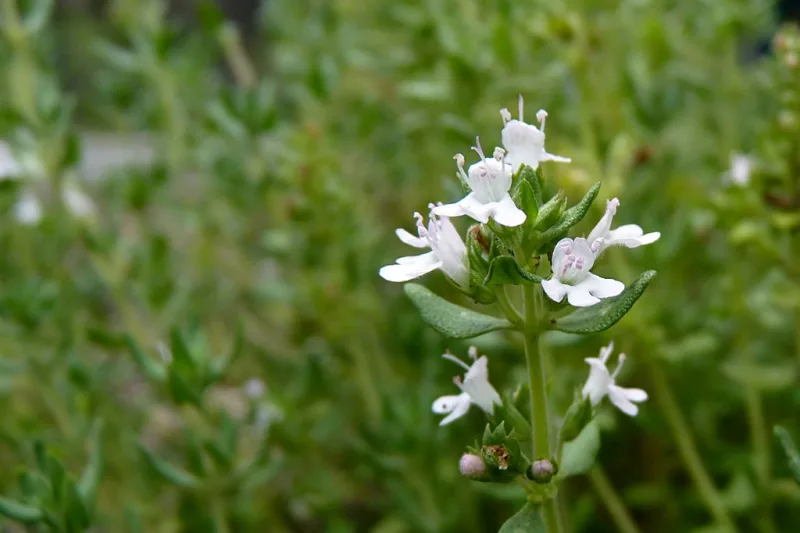
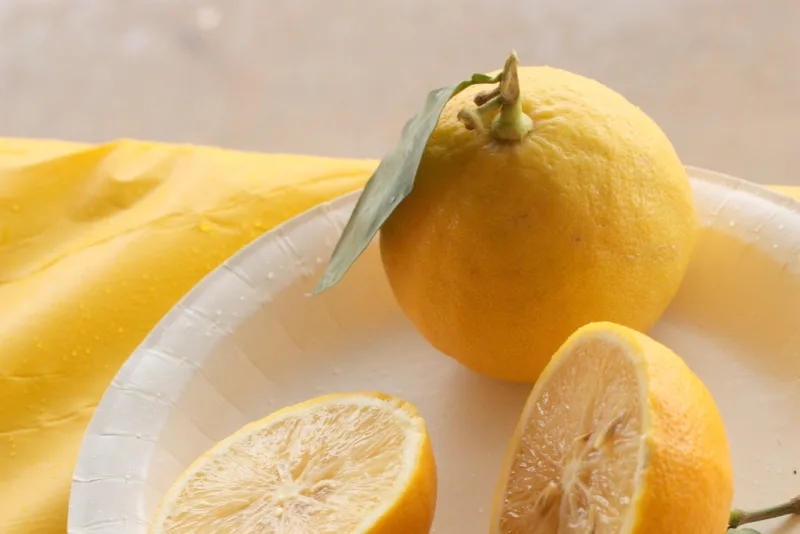
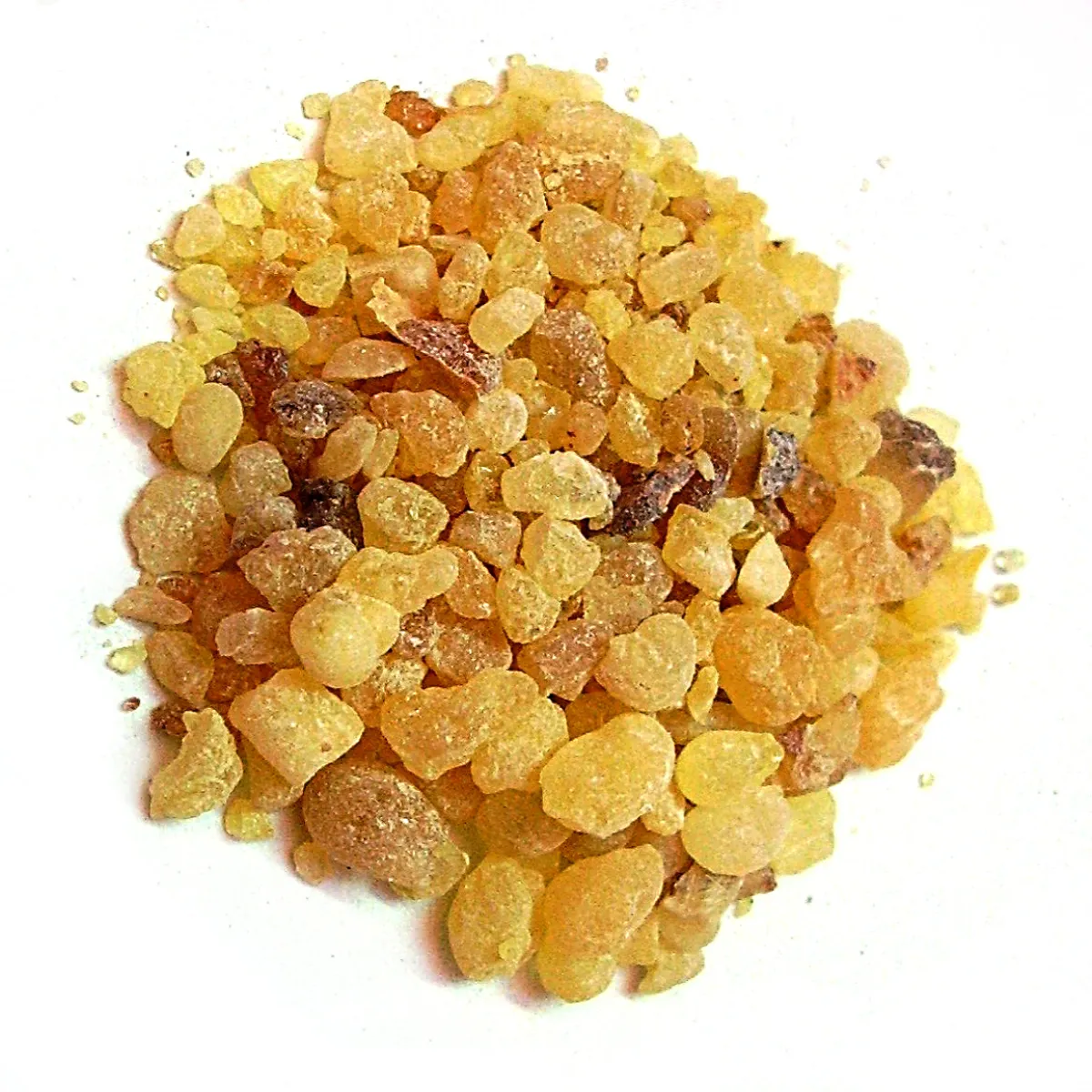
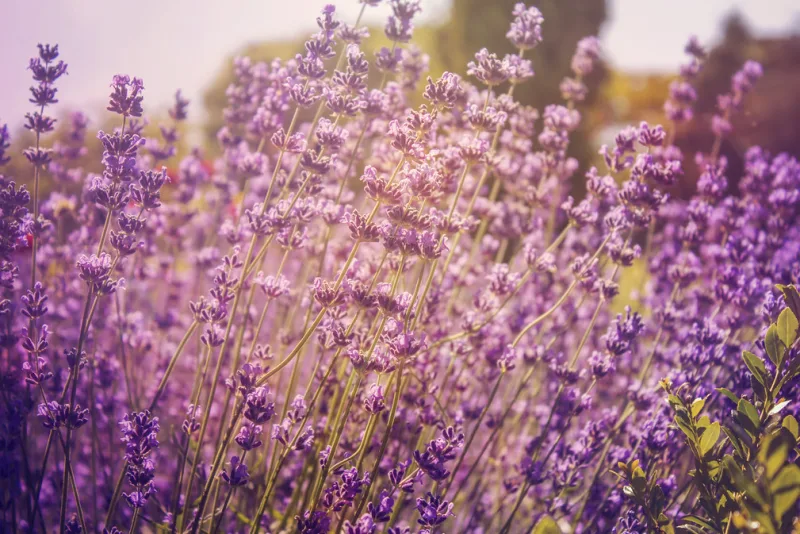
What blends well with ylang-ylang? Lavender, bergamot, sweet orange, lemon, frankincense and geranium. Citrus oils lighten its heavy scent.
Can I add ylang-ylang to my shampoo? Yes, 2-3 drops to a single dose of shampoo now and then. Do not add it to the whole bottle, and stop if your scalp stings.
What is the difference between ylang-ylang and cananga oil? Cananga oil comes from a related variety, Cananga odorata var. macrophylla, and smells harsher and woodier. It is cheaper and used mostly in soaps.
Is ylang-ylang good for oily skin? It is traditionally used in products for oily skin, but evidence is lacking. For spots, tea tree oil has more research behind it.
How long does ylang-ylang scent last on skin? It is a middle-to-base note and lasts a few hours, which is why natural perfumes use only small amounts.
Can I use ylang-ylang in pregnancy for relaxation? Only occasionally, a few drops in a diffuser, after the first trimester and with your doctor’s agreement.
Sources
- Tisserand R., Young R. Essential Oil Safety, 2nd edition, Churchill Livingstone, 2014 (ylang-ylang profile and dermal limit).
- NCCIH: “Aromatherapy” and fact sheets on essential oils.
- Studies indexed in PubMed on the effects of ylang-ylang inhalation on blood pressure and heart rate in healthy volunteers.
- European baseline patch-test series for fragrance allergy (dermatology guidelines), which include ylang-ylang.
Informational content. It does not replace advice from your doctor or pharmacist.