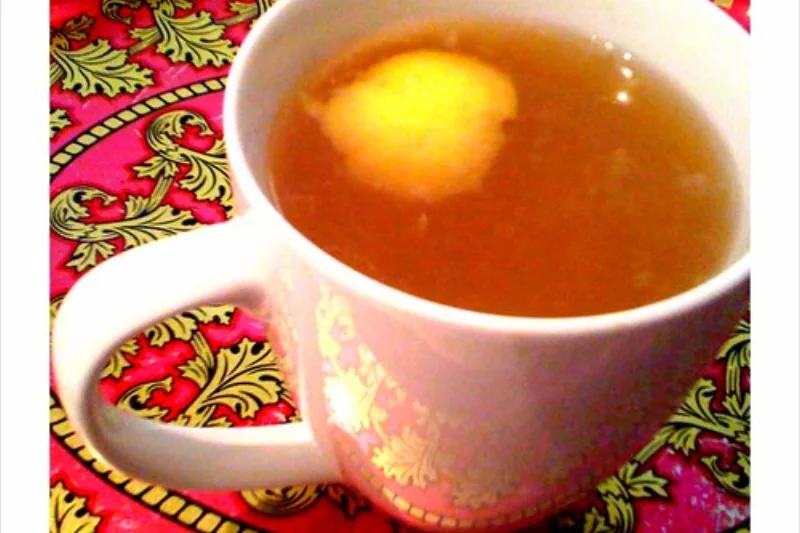

How to Boost Your Immunity in Winter: Natural Remedies That Actually Work
IMPORTANT: The natural remedies in this article support a healthy immune system, but they do not replace medical treatment and do not cure infections that are already established. If you have a high fever lasting more than two or three days, difficulty breathing, intense chest pain, severe weakness, or if you suffer from a chronic illness (diabetes, heart, kidney or autoimmune disease), consult your doctor. People taking anticoagulant or immunosuppressant medication, or undergoing treatment for chronic conditions, should talk to their doctor before using large amounts of garlic, ginger, echinacea or supplements. Pregnant and breastfeeding women, as well as young children, need special precautions: do not give honey to children under one year of age, and avoid high doses of medicinal herbs without medical advice.
Grandmother Maria, who lived in a village at the foot of the mountains, never took a pill for a cold until she was eighty. She always said, hand on her heart: “In winter, you don’t start treating yourself once you’re already sick — you prepare from autumn.” And that’s exactly what she did. From the end of September, her pantry filled up with jars of honey, pickled garlic, sea-buckthorn syrup, and dried elderflower, linden and chamomile teas. Every winter morning, before heading out to her chores, she took a teaspoon of honey with a clove of minced garlic and a splash of apple cider vinegar. “This is my shield,” she laughed, while her grandchildren made faces.
Years later, many of those grandchildren came to understand the simple wisdom behind that ritual. It wasn’t magic — it was consistency: a body that is properly nourished, kept warm, well rested and supported with protective plants stands up far better against seasonal viruses. This guide gathers exactly the kind of knowledge grandmother had at her fingertips, placing it alongside what research today suggests about how immunity really works.
The immune system is a complex network of cells, tissues and organs working together to recognize and neutralize the agents that make us sick — viruses, bacteria and fungi. In winter, this network is put to a hard test: we spend more time indoors in crowded spaces, the air is dried out by heating, sunlight is scarce, and the temptation to eat poorly and move less grows stronger. “Boosting immunity” doesn’t mean artificially overstimulating it, but giving it everything it needs to do its job: food, sleep, hydration, warmth and calm.
Table of Contents
- Why immunity weakens in winter
- The basic pillars: sleep, hydration, movement
- The diet that supports your immune system
- Key vitamins and minerals for winter
- Garlic — winter’s natural antibiotic
- Ginger and its warming effect
- Honey and propolis — the treasure of the hive
- Sea buckthorn, rosehips and vitamin C sources
- Teas and infusions for immunity
- Step-by-step recipes for winter remedies
- Adaptogenic plants and echinacea
- The lifestyle that makes the difference
- Practical tips and common mistakes
- Conclusion
- Frequently Asked Questions
Why immunity weakens in winter
There are several reasons why we catch colds more often in the cold season, and most of them come down to a combination of factors rather than “cold” itself. Contrary to popular belief, cold does not make you sick directly — viruses do. But cold and winter conditions create an environment that favors them.
First, in winter we spend far more time indoors, in closed, poorly ventilated and crowded rooms. Respiratory viruses spread easily in such conditions. Second, cold dry air combined with the dry heat of radiators dehydrates the mucous membranes of the nose and throat. These moist membranes are our first line of defense: when they dry out, viruses penetrate more easily.
Lack of sunlight is another important factor. Our skin produces vitamin D when exposed to sunlight, and in winter, with short days and heavy clothing, production drops dramatically. Studies suggest that vitamin D plays an essential role in regulating the immune response. Add to this the stress of the holidays, irregular sleep, heavy meals and increased sugar and alcohol consumption — all factors that, according to research, can diminish the efficiency of immune cells.
The basic pillars: sleep, hydration, movement
Before talking about teas and syrups, we need to lay the foundation. No remedy in the world makes up for an exhausted, dehydrated body.
Sleep is probably the most underrated “remedy” for immunity. During deep sleep, the body produces and releases substances that coordinate the immune response and repair tissues. Studies suggest that people who consistently sleep less than six or seven hours a night are more prone to colds. In winter, when darkness comes early, it’s the ideal time to go to bed earlier and keep a regular sleep schedule.
Hydration remains essential even if we don’t feel as thirsty as in summer. Well-hydrated membranes act as an effective barrier. Drink warm water, unsweetened teas, clear soups. A simple trick from grandmothers: a cup of warm water with a slice of lemon in the morning, on an empty stomach.
Moderate movement stimulates circulation and helps immune cells patrol the body. There’s no need for exhausting workouts — a daily thirty-minute walk in the fresh air, even in the cold, improves mood, exposes the skin to a little light and keeps the body active. Be careful, though: excessive, exhausting effort can have the opposite effect, temporarily weakening defenses.
The diet that supports your immune system
Traditional Romanian winter cuisine is surprisingly wise from an immune perspective. Pickles, sauerkraut, long bone soups, herbal teas, honey and dried fruit were not just seasonal food but genuine remedies.
Pickles and fermented vegetables are a natural source of beneficial bacteria. A large part of immune cells reside in the gut, and a healthy gut flora, fed with fermented foods (sauerkraut, naturally pickled cucumbers, fermented green tomatoes, sour soups), supports a balanced immune response. Drink the sauerkraut brine too — grandparents called it “winter medicine.”
Warm soups and broths hydrate, warm and provide minerals. Chicken soup in particular has been valued for generations for its soothing effect on colds; studies suggest it may have a mild anti-inflammatory effect and help thin secretions.
Include as many colorful vegetables as possible in your diet (carrots, beets, pumpkin, peppers), plus leafy greens, seasonal fruit and legumes. Intense colors indicate the presence of antioxidants that protect cells. Cut back as much as you can on refined sugar and ultra-processed products, since excessive sugar consumption may, according to research, temporarily impair the activity of defensive cells.
Key vitamins and minerals for winter
A few micronutrients play central roles in how the immune system functions. It’s best to get them from food, but in winter some supplementation may be needed — discussed with your doctor.
Vitamin C
Vitamin C supports several immune cell functions and acts as an antioxidant. It is abundant in rosehips, sea buckthorn, bell peppers, citrus, cabbage, parsley and kiwi. Important: vitamin C is sensitive to heat, so don’t boil juices rich in it and don’t pour boiling water directly over sea buckthorn or rosehips.
Vitamin D
Known as the “sunshine vitamin,” vitamin D is hard to obtain from food alone in winter (oily fish, egg yolk, liver). Many specialists believe supplementation during the cold season can be helpful, especially for people who stay indoors a lot, but the dose should be set by a doctor, ideally after a blood test.
Zinc
Zinc is directly involved in the development and function of immune cells. Studies suggest that an adequate zinc level may shorten the duration of colds. It is found in pumpkin seeds, nuts, meat, eggs, legumes and seafood.
Selenium and iron
Selenium (from Brazil nuts, eggs, fish) and iron (from red meat, legumes, leafy greens) round out the picture. An iron deficiency, common especially among women, can weaken the body’s resistance.
Garlic — winter’s natural antibiotic
If we had to choose a single star food of winter, garlic would be at the top of the list. For centuries, in Romanian villages, garlic has been used as a shield against illness. Tradition said that “a clove of garlic a day keeps illness away.”
Garlic contains sulfur compounds, especially allicin, which is released when the clove is crushed or chopped. These compounds have, according to research, antimicrobial and antiviral properties. To get the most benefit, crush the garlic and let it sit for ten minutes before consuming, so the allicin can form; excessive heat destroys it, so add it toward the end of cooking or eat it raw.
Grandmother’s classic method: a clove of minced garlic mixed with a teaspoon of honey, taken in the morning. For those who find the taste too strong, garlic can be added to soups, sauces, buttered bread, or pickled. Caution: garlic in large amounts can irritate the stomach, may have an anticoagulant effect (relevant for those on blood thinners), and is not recommended in excess before surgery.
Ginger and its warming effect
Ginger is the perfect root for winter: it warms the body from within, stimulates circulation and has a flavor that awakens the senses. In traditional Asian medicine it has been used for thousands of years, and here it has become an indispensable guest in seasonal teas.
Ginger contains gingerols, compounds with anti-inflammatory and antioxidant properties, according to studies. It helps soothe nausea, supports digestion and brings a pleasant feeling of warmth, very welcome on cold days. The simplest method is tea: a few slices of fresh root steeped in hot water, with a slice of lemon and honey added once the tea has cooled a little.
Ginger pairs beautifully with lemon, honey, cinnamon and turmeric. For those with a sensitive stomach, reflux or gallstones, large amounts of ginger can be unpleasant, so start with small amounts.
Honey and propolis — the treasure of the hive
Honey is perhaps the oldest winter remedy in the world. Beyond its sweet, pleasant taste, it provides enzymes and antioxidants and has, according to research, mild antibacterial properties and a soothing effect on an irritated throat. A teaspoon of honey before bed can calm a dry cough better than many syrups.
Choose honey that is as natural as possible, from trustworthy beekeepers, unheated and unpasteurized, to preserve the active enzymes. Linden honey is valued for its calming effect, acacia honey for its gentleness, and forest (honeydew) honey for its richness in minerals.
Propolis, the “glue” bees use to protect their hive, is one of nature’s most powerful substances. Propolis tincture, a few drops in a teaspoon of honey or in a cup of tea, is a traditional remedy for strengthening defenses and soothing sore throats. Caution: honey and propolis should not be given to children under one year, and people allergic to bee products must be careful.
Sea buckthorn, rosehips and vitamin C sources
Romanian winter has its own “fruits of the sun.” Sea buckthorn is a true vitamin C bomb, far richer than citrus, plus antioxidants and valuable fatty acids. It is consumed as juice, syrup, mixed with honey, or dried. Tradition recommends a teaspoon of sea buckthorn with honey in the morning as a winter tonic.
Rosehips, the red fruits of the wild rose, are an excellent source of vitamin C and are usually prepared as tea (cold-brewed or steeped, not boiled), jam or powder. Dried blackcurrants, bilberries and elderberry complete the arsenal of protective fruits. All these fruits are prepared from autumn, exactly the way grandmother did.
Teas and infusions for immunity
Warm teas are the soul of winter: they hydrate, warm and deliver the active principles of plants. Here are some of the most valued:
- Elderflower tea — traditionally used at the first signs of a cold, it helps with sweating and supports the body.
- Linden tea — soothing, mildly sedative, good in the evening.
- Chamomile tea — calming, anti-inflammatory, gentle.
- Wild thyme tea — valued for its effect on the respiratory tract.
- Echinacea tea — a classic of the cold season.
- Ginger and lemon tea — warming and tonifying.
To preserve the active principles, delicate plants (flowers, leaves) should be steeped, not boiled, and left covered for five to ten minutes. Roots and barks (ginger, cinnamon) can be briefly simmered. Honey and lemon are always added at the end, to tea that has cooled a little, so as not to destroy the vitamins and enzymes.
Step-by-step recipes for winter remedies
Onion and honey syrup (for cough and sore throat)
- Slice one large onion into thin rings.
- Place the slices in a jar, in layers alternating with honey (or brown sugar).
- Cover and leave at room temperature for six to eight hours or overnight.
- The onion will release a sweet, aromatic syrup.
- Strain and take a teaspoon several times a day.
This old remedy is gentle and suitable for soothing an irritated throat. (Not given to children under one year because of the honey.)
Garlic, honey and lemon paste
- Finely chop three or four cloves of garlic and let them sit for ten minutes.
- Mix them with three tablespoons of honey and the juice of half a lemon.
- Store in a jar in the refrigerator.
- Take a teaspoon in the morning on an empty stomach.
The “winter shield” tea
- Place a few slices of fresh ginger and a cinnamon stick in a pot.
- Pour in hot water and simmer briefly, for five minutes.
- Remove from heat, add a slice of lemon and let it infuse for another five minutes.
- Once it has cooled a little, add a teaspoon of honey.
- Drink warm, in the morning or at the first signs of weakness.
Four thieves vinegar (gentle version)
A European folk remedy: macerate garlic, thyme, rosemary, sage and mint in apple cider vinegar for two weeks, then strain. A teaspoon diluted in water was considered a protective tonic. Use it in moderation.
Adaptogenic plants and echinacea
Echinacea is probably the best-known plant for immunity. Tradition and some studies suggest it may support the body at the first signs of a cold. It is used as a tincture or tea, in short courses, not permanently. People with autoimmune diseases should avoid it without medical advice.
Adaptogenic plants — such as rosehip and sea buckthorn, or, from other traditions, ginseng and ashwagandha — are valued for their ability to help the body cope with stress, a factor that weakens immunity. Here too, moderation and the advice of a specialist are key, especially if you take medication.
The lifestyle that makes the difference
Beyond foods and plants, how you live in winter matters enormously. Air out your home daily, even in the cold, to refresh the air and reduce the concentration of viruses in closed spaces. Use a humidifier or place a bowl of water on the radiator to counter dry air.
Manage stress: chronic stress releases hormones that, according to research, can weaken defenses. Spend time in nature, listen to music, read, meditate, meet with loved ones. Wash your hands often — a simple gesture that significantly reduces virus transmission. And don’t forget the warm bath, the evening tea and the calming bedtime ritual: a rested, relaxed body defends itself better.
Practical tips and common mistakes
Mistake no. 1: Starting remedies only once you’re already sick. Immunity is built ahead of time, from autumn, through consistent daily habits.
Mistake no. 2: Pouring boiling water over honey, lemon or sea buckthorn. Extreme heat destroys vitamins and enzymes. Always add them at the end, to liquid that has cooled a little.
Mistake no. 3: Consuming huge amounts of vitamin C or supplements, thinking “more is better.” Excess does not boost immunity further and can upset the stomach. Balance is the key.
Mistake no. 4: Neglecting sleep in favor of remedies. No tea makes up for sleepless nights. Sleep is the foundation.
Mistake no. 5: Boiling garlic for a long time, destroying the allicin. Add it toward the end or eat it raw, after letting it sit chopped for a few minutes.
Mistake no. 6: Relying solely on remedies and delaying a doctor’s visit when symptoms are severe. Natural remedies support, not replace, medical care.
Mistake no. 7: Staying indoors all day in dry, stale air. Movement outdoors and ventilation are valuable allies.
Conclusion
Boosting immunity in winter doesn’t come down to a single “miracle cure,” but to a carefully arranged way of life, exactly as grandmother Maria practiced it: good warm food, enough sleep, hydration, movement, calm, and a handful of time-tested natural remedies — garlic, honey, ginger, sea buckthorn, herbal teas. These simple habits, practiced consistently from autumn, give the body everything it needs to do its own defensive work. Listen to your body, keep warm, enjoy a cup of fragrant tea, and remember that the best immunity is the one you build day by day, with patience and common sense. And when illness does come anyway, don’t hesitate to seek your doctor’s advice.
Frequently Asked Questions
Can I boost my immunity overnight? No. Immunity is the result of consistent habits. You can support the body quickly through rest, hydration and good nutrition, but true resilience is built over time, ideally starting in autumn.
What is the best food for immunity in winter? There is no single miracle food. Garlic, honey, sea buckthorn, ginger and fermented vegetables are among the most valued, but the effect comes from variety and balance, not from a single ingredient.
Does vitamin C really help against colds? Vitamin C supports the functioning of immune cells. Studies suggest it does not necessarily prevent colds, but it may slightly reduce their duration and the severity of symptoms. It is best obtained from food: rosehips, sea buckthorn, peppers, citrus.
Is it safe to take garlic every day? For most people, yes, in reasonable amounts. People taking anticoagulants, those with a sensitive stomach, or who are about to have surgery should talk to their doctor, since garlic has a mild blood-thinning effect.
Can I give natural remedies to children? With caution and adapted to their age. Honey must NOT be given to children under one year. Medicinal herbs and doses for children should be discussed with a pediatrician. Gentle teas, soups and healthy nutrition are the safest options.
Why do we catch colds more often in winter if cold itself doesn’t make us sick? Because in winter we spend more time in closed, crowded spaces where viruses spread easily, and dry air dehydrates our protective membranes. The lack of sunlight and vitamin D also contributes.
How much does sleep matter for immunity? Enormously. During deep sleep, the body produces and coordinates substances essential for defense and repair. Studies suggest that insufficient sleep increases the risk of catching a cold.
When should I see a doctor instead of using remedies? See a doctor if you have a persistent high fever, difficulty breathing, intense chest pain, severe weakness, or if symptoms worsen. Natural remedies support the body but do not replace medical diagnosis and treatment.