
Natural Remedies for Colon Cleansing: A Complete Guide to Gentle Detox
IMPORTANT: Cleansing the colon through natural methods is generally safe for most healthy people, but there are situations where it should be avoided or done only with a doctor’s approval. People with inflammatory bowel disease (ulcerative colitis, Crohn’s disease), severe irritable bowel syndrome, diverticulitis, bowel obstruction, kidney or heart disease, as well as pregnant or breastfeeding women, should consult a physician before beginning any “detox” program. Avoid aggressive enemas and harsh laxative products taken over long periods — these can upset the gut flora and lead to laxative dependence. If you notice blood in the stool, severe abdominal pain, unexplained weight loss, or persistent changes in your bowel habits, see a doctor rather than relying on home remedies. This article is for informational purposes only and does not replace medical advice.
A Story from the Countryside
Grandmother Veta, who lived to nearly a hundred in a village along the Olt Valley, always used to say that “a clean gut is half your health.” She had never heard the word “detox,” but she understood from experience what we are rediscovering today through studies: that regular bowel function and a diet rich in plants keep a person spry and free of many troubles. Every morning, before anything else, she drank a glass of warm water with the juice of half a lemon, and at lunch she never went without cabbage, beans, or a handful of prunes soaked overnight.
When a neighbor came complaining that they “couldn’t go” and felt heavy and bloated, Grandmother didn’t send them off for pills. She gave them a teaspoon of ground flaxseed stirred into yogurt and advised them to drink more water, walk, and eat less white bread. “The colon is like a mill,” she would say. “If you don’t give it water and grain, it clogs up.” A few days later, the neighbor would return relieved and cheerful. Her wisdom wasn’t magic — it was dietary common sense passed down through the generations.
What “Colon Cleansing” Really Means
The colon, or large intestine, is the final section of the digestive tract, about a meter and a half long. Here, water is absorbed from food residue, stool is formed, and a vast population of beneficial bacteria — the gut microbiota — lives and helps us digest fiber, produce certain vitamins, and support our immunity. A healthy colon “cleanses” itself continuously through the peristaltic movements that push contents toward elimination.
In popular and wellness language, “colon cleansing” does not mean a medical washout but a set of habits that support regular elimination, reduce bloating, feed the good bacteria, and help the body avoid retaining residue longer than necessary. It’s important to understand that the body already has highly efficient “detox” organs — the liver and kidneys. Natural remedies don’t miraculously “flush out toxins”; they create the ideal conditions for digestion and elimination to work naturally. That means more fiber, more water, more movement, and plants that support transit.
Table of Contents
- Why the colon gets “clogged”
- Dietary fiber — the heroes of cleansing
- Water and hydration
- The seeds that work wonders (flax, chia, psyllium)
- Herbs and teas that support transit
- Fermented foods and probiotics
- Practical recipes for gentle remedies
- A 7-day “cleanse” program
- Lifestyle: movement, rhythm, and relaxation
- Practical Tips and Common Mistakes
- Conclusion
- Frequently Asked Questions
Why the Colon Gets “Clogged”
Before discussing remedies, it’s worth understanding the causes. Constipation and the feeling of a “lazy gut” most often arise from a few simple, correctable reasons. The first and most common is a lack of fiber. The modern diet — built on white flour, meat, processed meats, sweets, and packaged foods — provides very little fiber. Without fiber, stool becomes hard, small, and difficult to pass.
The second reason is dehydration. The colon absorbs water from the stool; if we drink too little, the stool dries out and moves with difficulty. The third is a sedentary lifestyle — physical movement stimulates peristalsis, while prolonged sitting slows it down. Then there is stress, which disrupts the brain-gut communication; certain medications (opioid painkillers, iron supplements, some antidepressants); ignoring the urge to go; and a chaotic meal schedule. The good news is that nearly all of these causes respond very well to natural remedies and lifestyle changes.
Dietary Fiber — the Heroes of Cleansing
If there is one thing to take away from this whole article, it’s this: fiber is the key to a healthy colon. Fiber consists of plant parts that our bodies cannot digest but that play an essential role in transit. There are two types, both important.
Insoluble Fiber
This is found in the outer layers of whole grains, bran, the skins of fruits and vegetables, and leafy greens. It does not dissolve in water; instead, it adds bulk to the stool and acts as a “broom” that speeds passage through the intestine. Excellent sources: wheat bran, whole-grain bread, beans, peas, carrots, broccoli, and apple skins.
Soluble Fiber
This dissolves in water and forms a gel that softens the stool and feeds the good bacteria. We find it in oats, apples, citrus, flax and chia seeds, legumes, and beets. Soluble fiber ferments in the colon and produces short-chain fatty acids, which nourish the intestinal cells and have an anti-inflammatory effect, according to what studies suggest.
The recommended daily amount is roughly 25 to 35 grams of fiber, yet most people consume far less. Important: increase your fiber intake gradually, over one to two weeks, and drink more water — fiber without water can, paradoxically, worsen constipation and bloating.
Water and Hydration
Water is the inseparable partner of fiber. An adult should drink, on average, between 1.5 and 2.5 liters of fluids per day, more in hot weather or with exertion. For good transit, the most useful habit is a glass of warm water on an empty stomach in the morning. Warm water gently stimulates intestinal movement and “gets the machinery going.”
Adding the juice of half a lemon to this glass is a cherished traditional trick: the citric acid stimulates digestive secretions, and the gesture itself creates a healthy morning rhythm. Besides water, herbal teas, clear soups, and water-rich fruits (watermelon, citrus, cucumber) all contribute to hydration. On the other hand, limit alcohol and excess coffee, which have a dehydrating effect.
The Seeds That Work Wonders
A few humble seeds are among the most effective natural remedies for gentle colon cleansing, thanks to their content of soluble fiber and mucilage.
Flaxseed
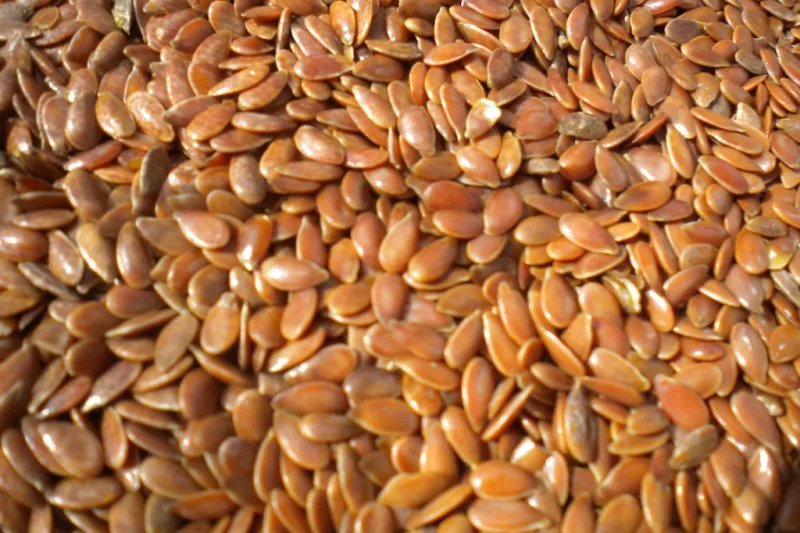
Flax is the star of Romanian folk tradition. Rich in fiber and omega-3 fatty acids, it forms a mucilaginous gel that lubricates the intestine and softens the stool. Use it ground (whole seeds often pass undigested). The usual dose: one to two teaspoons of ground seeds per day, stirred into yogurt, porridge, or water, followed by a large glass of water.
Chia Seeds
Chia absorbs several times its weight in water and forms a similar gel. One tablespoon of chia left to soak for 15 to 20 minutes in a glass of water, plant milk, or yogurt becomes a “pudding” that hydrates the intestine and gently adds bulk to the stool.
Psyllium Husk
Psyllium (the husk of Plantago seeds) is one of the most studied sources of soluble fiber for transit. One teaspoon in a large glass of water, drunk immediately (before it thickens) and followed by another glass of water, helps regulate the stool — in both constipation and diarrhea, because it balances consistency. Start with small doses.
Herbs and Teas That Support Transit
Folk tradition uses many plants to support elimination. We divide them into two categories: gentle ones for regular use, and those with a strong laxative effect, which should be used only occasionally.
Gentle Herbs
- Chamomile and mint calm spasms and bloating, making them ideal after heavy meals.
- Dandelion supports the liver and bile, promoting better fat digestion.
- Artichoke is valued for its effect on bile secretion.
- Ginger gently stimulates gastric motility and soothes nausea.
Herbs with a Laxative Effect — Use with Caution
- Buckthorn (Frangula) and senna contain compounds that strongly stimulate peristalsis. They are effective, but should NOT be used for more than a few days at a time, as they can create dependence and irritate the colon.
- Prunes are a gentle, natural laxative thanks to their fiber and sorbitol. Five or six prunes soaked overnight and eaten in the morning with their soaking water are a classic, safe remedy.
Fermented Foods and Probiotics
A healthy colon depends on a balanced microbiota. Fermented foods provide beneficial bacteria (probiotics) that improve digestion and transit. Romanian cuisine has treasures in this regard: fermented sauerkraut and its brine, naturally fermented pickles (not those in vinegar), yogurt, kefir, buttermilk, and fermented cheeses.
Equally important is prebiotic fiber — the “food” for the good bacteria. This is found in onions, garlic, leeks, artichoke, slightly underripe bananas, oats, and legumes. The combination of probiotics and prebiotics (called “synbiotic”) creates the best environment for a healthy gut.
Practical Recipes for Gentle Remedies
Here are a few simple, tradition-tested preparations you can make at home.
Morning Flax and Lemon Drink
In the evening, put a teaspoon of ground flaxseed into a glass of water and let it soak overnight. In the morning, squeeze in half a lemon, stir well, and drink on an empty stomach. Follow with another glass of plain water. This remedy hydrates the intestine and gently kick-starts transit.
Laxative Prune and Fig Compote
In the evening, soak six prunes and two or three dried figs in a mug of warm water. In the morning, eat the fruit and drink the liquid. Rich in fiber and sorbitol, it’s a gentle and very pleasant-tasting remedy.
Chia Pudding for the Gut
Mix two tablespoons of chia seeds with 200 ml of plant milk or yogurt, add some berries and a teaspoon of honey. Refrigerate overnight. In the morning you’ll have a breakfast rich in soluble fiber and omega-3, perfect for transit.
Green Smoothie for Gentle Detox
Blend a handful of spinach or parsley, half an apple with the skin on, a slice of cucumber, the juice of half a lemon, a teaspoon of flaxseed, and water. Drink immediately. It delivers fiber, water, and chlorophyll in a single glass.
A 7-Day “Cleanse” Program
This program is not a drastic cure but a gentle reset of habits. Each day adds a new, healthy element.
- Day 1: Start every morning with a glass of warm water with lemon. Drink at least eight glasses of water through the day.
- Day 2: Add a teaspoon of ground flaxseed to breakfast. Keep up the morning water.
- Day 3: Replace white bread with whole-grain bread and add a serving of oats at breakfast.
- Day 4: Include a serving of leafy greens and a serving of fruit with the skin on at each meal.
- Day 5: Add one fermented food daily (yogurt, kefir, sauerkraut).
- Day 6: Get at least 30 minutes of movement — walking, especially after meals.
- Day 7: Combine all the habits and add a prune compote. Notice how your body feels.
After the seven days, keep the habits that served you well. The goal is not a one-week cure but a lasting change.
Lifestyle: Movement, Rhythm, and Relaxation
No remedy works fully without a lifestyle that supports it. Physical movement is essential: a daily walk, especially after meals, stimulates peristalsis better than many teas. Abdominal exercises and even yoga poses involving a gentle twist help “massage” the intestine.
Rhythm matters enormously. Meals at relatively fixed times, eaten without rush and chewed well, aid digestion. Equally important is not to ignore the urge to use the toilet — repeated postponement “teaches” the colon to hold back. Many people find their transit improves if they set aside a few quiet minutes in the morning. And relaxation — managing stress through enough sleep, breathing, and breaks — has a surprisingly large effect, because the gut is closely linked to the nervous system.
Practical Tips and Common Mistakes
Mistake no. 1: Increasing fiber suddenly. Jumping overnight from zero to 35 grams of fiber leads to bloating, gas, and discomfort. Increase gradually, over one to two weeks.
Mistake no. 2: Eating fiber but not drinking water. Fiber needs water to form its gel and soften the stool. Without hydration, it can clog things up even more. Drink a glass of water with each serving of fiber.
Mistake no. 3: Relying on strong laxatives (senna, buckthorn) daily. These create dependence and weaken the colon’s muscles over time. Use them only exceptionally, for a few days.
Mistake no. 4: Doing frequent enemas or “colon irrigations.” These can upset the gut flora and cause dehydration. For most people, they are unnecessary and potentially harmful.
Mistake no. 5: Expecting immediate results. Changing transit takes a few days to a few weeks. Patience and consistency matter more than intensity.
Mistake no. 6: Ignoring warning signs. Blood in the stool, severe pain, or weight loss call for medical attention, not natural remedies.
Conclusion
Cleansing the colon through natural methods doesn’t mean shock cures or miracle products, but a return to a fiber-rich diet, good hydration, fermented foods, movement, and a calmer rhythm of life. As Grandmother Veta said, the gut is like a mill: it needs water and “grain” — that is, fiber — to work. Flax and chia seeds, prunes, gentle herbs, oats, and fermented pickles are safe and pleasant allies. Use strong laxatives only exceptionally, listen to your body, and don’t hesitate to see a doctor when something isn’t right. A colon cared for gently rewards you with energy, comfort, and a better overall sense of well-being.
Frequently Asked Questions
How often should I have a bowel movement for it to be “normal”? Normal varies widely: anywhere from three times a day to three times a week is considered healthy, as long as the stool passes easily and without discomfort. More important than frequency is regularity and ease of elimination.
Are commercial “colon detox” products dangerous? Many are useless, and some can be risky, especially those with strong laxatives taken over long periods. Before buying such products, first try natural remedies and dietary changes, which are far safer and cheaper.
Can I take flaxseed if I’m on medication? Fiber can slow the absorption of some medications. Take flaxseed at least one to two hours apart from your medicines, and consult your doctor or pharmacist if you are on a chronic treatment.
Does morning lemon water really help? It doesn’t “detox” in a medical sense, but warm water gently stimulates transit, and the habit itself encourages morning hydration. It’s a safe, pleasant ritual useful for most people.
How long until I feel the effects of a high-fiber diet? Usually, the first improvements appear within a few days. For stable, comfortable transit, two to three weeks of consistent habits are needed.
Is the probiotic content of yogurt enough, or do I need supplements? For most people, fermented foods (yogurt, kefir, sauerkraut) provide enough probiotics. Supplements can be useful in special situations, for example after a course of antibiotics, but it’s best to discuss this with your doctor.
Is it normal to feel bloated at first when I eat more fiber? Yes, mild bloating is common in the first few days as the bacteria adapt. Increase fiber gradually and drink enough water; the discomfort usually fades within one to two weeks.
Can children use these remedies? Many fiber-rich foods, fruits, and water are suitable for children, but doses and laxative herbs should be discussed with a pediatrician. Do not give children herbal laxatives without medical advice.