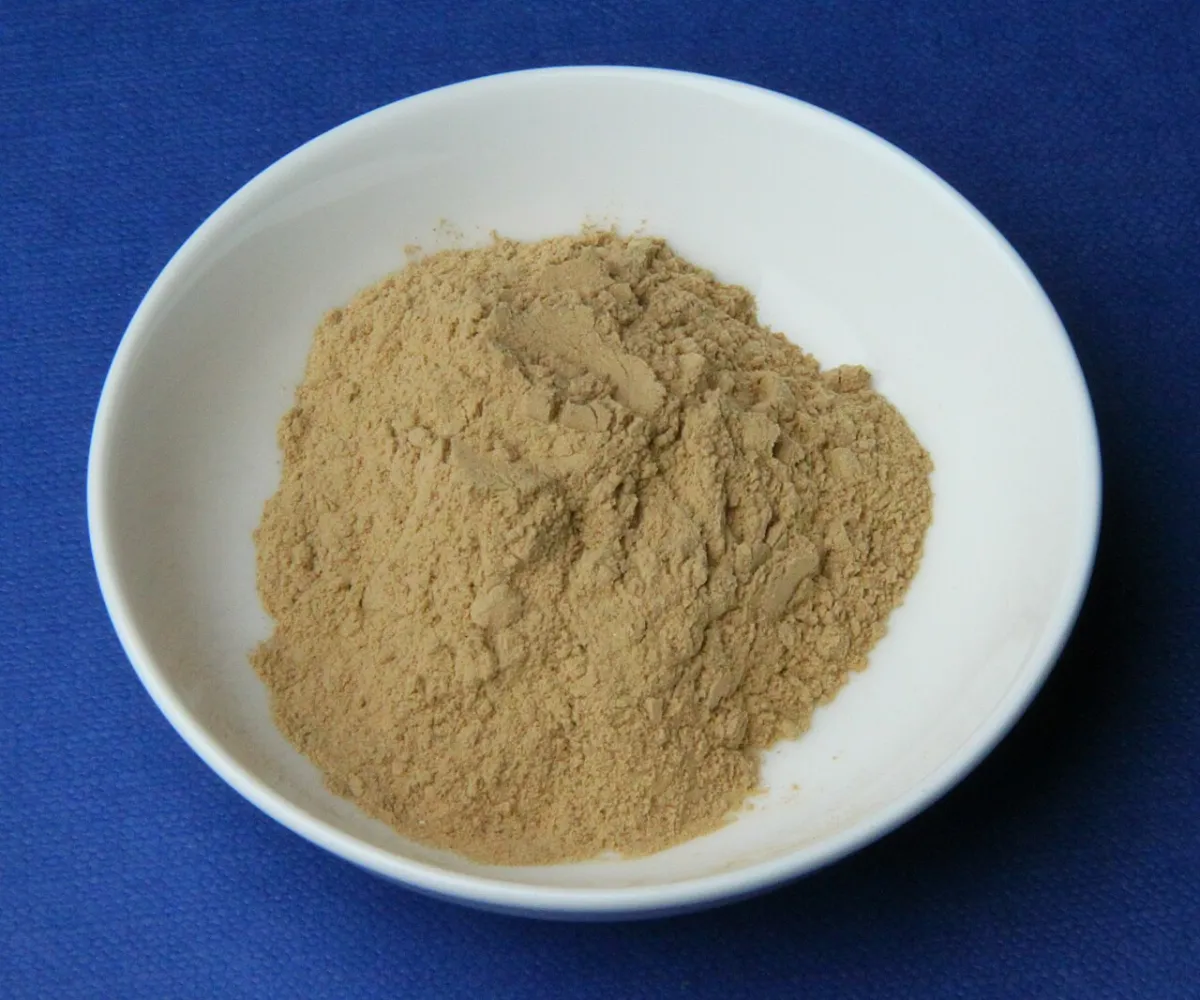
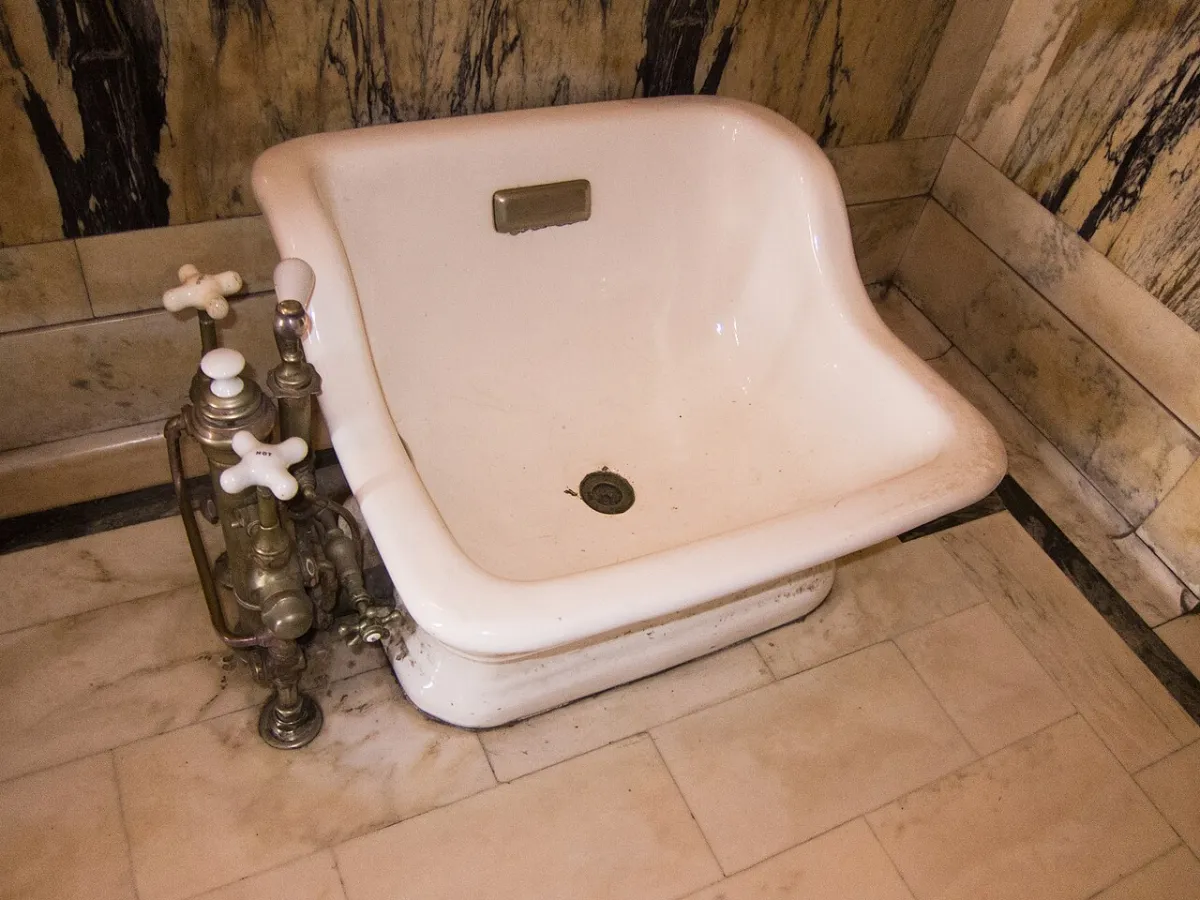
 Photo: Thomas Quine, CC BY 2.0, via Wikimedia Commons
A foot soak is made in a basin with 4-5 litres of water at 37-40°C (98-104°F), in which you dissolve, depending on the goal, 2-3 tablespoons of salt (tired feet), 2 tablespoons of mustard powder (feeling chilled, a cold coming on), 2-3 tablespoons of baking soda (calluses, thickened skin) or a herbal decoction. Soak for 10-20 minutes, then dry your feet thoroughly, including between the toes. Warm soaks relax and warm you up, but they do not “draw out a cold”; people with diabetes or varicose veins should avoid hot water.
An enamelled tin basin under the bed, hot water from the pot and “mustard for the feet” were the grandparents’ evening ritual whenever someone came in frozen from outside. Below are the exact recipes, what each can realistically do, and the mistakes that turn a pleasant remedy into a problem.
Key takeaways
- Correct temperature: 37-40°C (98-104°F) for warm soaks (check with your elbow or a thermometer), 15-18°C (59-64°F) for cold ones.
- Duration: 10-20 minutes; mustard only 10-15 minutes because of irritation.
- Salt relaxes tired feet, baking soda softens thick skin, oak bark temporarily reduces sweating.
- People with diabetes, varicose veins, neuropathy or peripheral artery disease should avoid hot soaks and mustard.
- A warm soak does not treat a cold or fever; with a high fever, hot foot baths are not advised.
Why a foot soak works
The feet have many superficial blood vessels and a large number of sweat glands. Warm water dilates the vessels, warms the tissues and relaxes the muscles. The feeling of warmth spreads through the whole body, and many people fall asleep more easily after a warm foot soak, partly because peripheral vasodilation helps the body lower its core temperature before sleep.
The added ingredients have different roles:
- Salt (table salt, sea salt or Epsom salt, i.e. magnesium sulphate) makes the water feel “denser” and refreshing. The idea that magnesium from Epsom salt passes through the skin in meaningful amounts has not been proven.
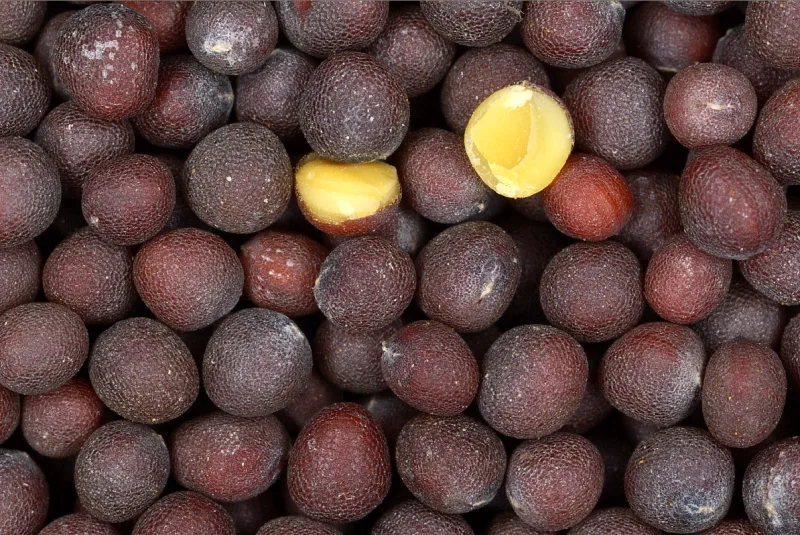
- Mustard contains sinigrin, which in warm water releases allyl isothiocyanate, an irritant that reddens the skin and produces a strong sensation of heat.
- Baking soda (sodium bicarbonate) softens the horny layer of the skin and neutralises odour.
- Tannins in oak bark and black tea tighten the pores and temporarily reduce sweating.
Step-by-step recipes
Basic soak (the universal recipe)
- Fill a basin with 4-5 litres of water at 37-40°C: pleasantly warm, not hot. Check with a thermometer or your elbow, not your toes.
- Add your chosen ingredient and stir until dissolved.
- Keep your feet in the water for 10-20 minutes, just above the ankles.
- Keep a kettle of warm water nearby to top up as the water cools (pour along the edge, with your feet out).
- Dry your feet well, including between the toes, then put on cotton or wool socks.
Mustard foot bath (for chills and a cold coming on)
- 2 tablespoons of mustard powder (or 3 tablespoons of ground mustard seeds) in 4-5 litres of water at 38-40°C.
- First dissolve the mustard in a mug of lukewarm water to avoid lumps, then pour it into the basin.
- Soak for 10-15 minutes, no longer. If the skin stings strongly, take your feet out and rinse.
- Rinse with clean water at the end, dry and put on wool socks. Ideally, go straight to bed.
This is the “classic” soak for the evening when you have come in frozen and feel a cold “coming on”. It warms you and helps you rest, which is useful, but it does not shorten a viral infection. Do not use mustard on children under 6, on broken skin or on people with sensitive skin. You can read more about the seeds in the article on mustard seeds.
Salt soak for tired, swollen feet
- 3 tablespoons of coarse or sea salt (about 60 g) or ½ cup of Epsom salt in 4-5 litres of water at 35-37°C.
- 15-20 minutes, then raise your feet on a pillow for 15 minutes.
For feet that swell in the evening, a more effective option is contrast bathing: 3 minutes in warm water (37°C), 30 seconds in cool water (15-18°C), repeated 3 times, finishing with cool. This is the principle of Kneipp hydrotherapy, which stimulates venous tone.
Baking soda soak for calluses and rough heels
- 3 tablespoons of baking soda in 4-5 litres of water at 37-38°C.
- 15 minutes, then gently rub thickened areas with a wet pumice stone, stopping before you reach pink skin.
- Dry and apply a 10% urea cream or petroleum jelly.
For more solutions, see the articles on corns and calluses and cracked heels.
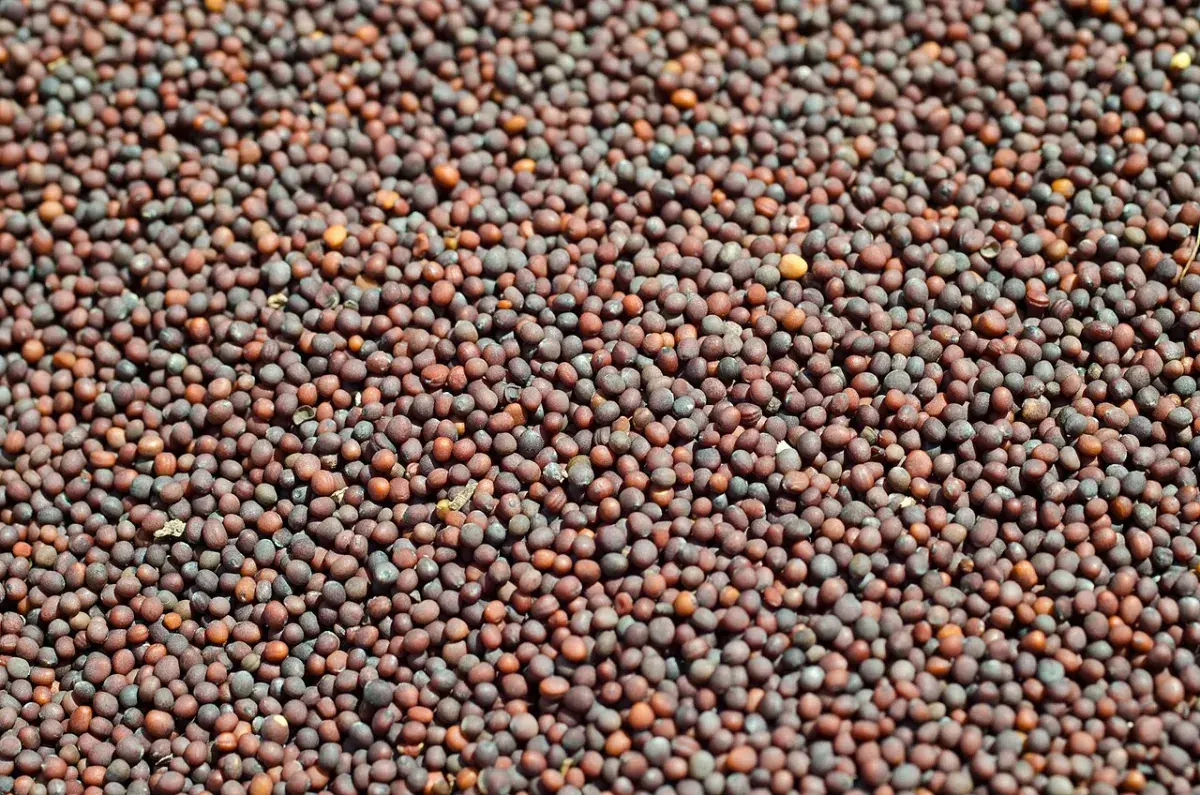 Photo: Theredgiant, CC BY-SA 4.0, via Wikimedia Commons
Oak bark soak for sweating and odour
- Simmer 2 tablespoons (about 10 g) of oak bark in 500 ml of water for 15 minutes (a decoction), strain and add to 3-4 litres of lukewarm water (32-35°C).
- 15 minutes, once a day for 7-10 days, then 2-3 times a week.
- Alternative: 4-5 black tea bags in 1 litre of boiling water, steeped for 15 minutes, then diluted.
Tannins can temporarily stain skin and nails brownish. The EMA monograph on oak bark lists traditional external use in baths for minor skin inflammation and sweating. For a full approach, see the article on excessive sweating.
Vinegar soak for odour and fungus-prone skin
- 250 ml of apple cider or wine vinegar in 2 litres of lukewarm water (roughly 1:8).
- 15 minutes, 2-3 times a week.
The mildly acidic environment is unfriendly to odour-causing bacteria. It does not, however, cure established athlete’s foot: that needs antifungals. Do not use vinegar on cracked skin or splits between the toes, where it stings and irritates.
Chamomile soak for irritated skin
- 3 tablespoons of chamomile flowers steeped in 1 litre of boiling water, covered for 15 minutes, strained and diluted with 2-3 litres of lukewarm water.
- 15 minutes. It soothes skin irritated by shoes or sweat. You will find other herb combinations in the article on herbal baths for relaxation.
Quick table: which soak to choose
| Goal | Ingredient and amount (4-5 l water) | Temperature | Duration | Frequency |
|---|---|---|---|---|
| Warming up, feeling chilled | 2 tbsp mustard powder | 38-40°C | 10-15 min | evenings, occasionally |
| Tired feet | 3 tbsp salt / ½ cup Epsom salt | 35-37°C | 15-20 min | as needed |
| Evening swelling | water only, warm-cool contrast | 37°C / 15-18°C | 3 min / 30 s × 3 | daily |
| Calluses, rough heels | 3 tbsp baking soda | 37-38°C | 15 min | twice a week |
| Sweating, odour | decoction of 10 g oak bark | 32-35°C | 15 min | daily for 7-10 days |
| Odour, fungus prevention | 250 ml vinegar in 2 l water | 35°C | 15 min | 2-3 times a week |
| Irritated skin | infusion of 3 tbsp chamomile | 35-37°C | 15 min | as needed |
Contraindications and precautions
- Diabetes, neuropathy, peripheral artery disease: reduced sensation means burns can go unnoticed. Only lukewarm water (below 37°C), checked with a thermometer, 10 minutes at most, no mustard and no long soaks. Many diabetes specialists actually recommend daily washing and careful drying instead of prolonged soaking.
- Varicose veins, venous insufficiency, previous thrombosis: avoid hot water, which dilates veins and worsens swelling. Choose lukewarm or cool water.
- High fever: a hot foot bath can increase discomfort and heart rate. See the article on cooling compresses for fever for the correct methods.
- Low blood pressure: you may feel dizzy when standing up after a warm soak. Get up slowly.
- Wounds, cracks, infections, leg ulcers: no soaks until healed.
- Pregnancy: lukewarm soaks are generally safe; avoid hot water and mustard.
- Children: only short, lukewarm, supervised soaks; no mustard under age 6.
When to see a doctor
- the foot is red, warm, swollen and painful (infection or thrombosis);
- you have a foot wound that does not heal within 1-2 weeks, especially if you have diabetes;
- your nails are thickened, yellowish or crumbling (possible fungal nail infection);
- excessive sweating affects your daily life;
- leg swelling appears suddenly, in one leg only, or comes with shortness of breath.
Common mistakes
Water that is too hot. Above 40-42°C (104-108°F) the risk of burns and dizziness rises. Grandmothers said “as hot as you can bear”, but your pain threshold is not a thermometer.
Soaking too long. After 20-30 minutes the skin macerates and becomes more vulnerable to fungus and cracks.
Careless drying. Moisture left between the toes encourages athlete’s foot. Dry every gap between the toes.
Too much mustard. More mustard means irritation and even chemical burns, not more useful warmth.
A hot soak instead of a check-up. If fever, cough or pain persist, the basin does not replace a doctor.
Conclusion
A foot soak is one of the most pleasant folk remedies: it warms you, relaxes the muscles, softens the skin and prepares you for sleep. Choose the ingredient by goal (mustard for warming, salt for tired feet, baking soda for calluses, oak bark for sweating), keep the water at 37-40°C and do not exceed 20 minutes. If you have diabetes or varicose veins, adapt the recipe or talk to your doctor.
Frequently asked questions
How long should I soak my feet? Between 10 and 20 minutes. A mustard soak, only 10-15 minutes.
Does a mustard foot bath help a cold? It warms and relaxes you, which can make the evening more comfortable, but it does not shorten a cold. Rest and fluids matter more.
Can I soak my feet if I have a fever? Not in hot water. Lukewarm water is acceptable for comfort, but it does not bring the fever down.
Does Epsom salt pass through the skin and supply magnesium? There is no convincing evidence. An Epsom salt soak is relaxing, but it does not correct a magnesium deficiency.
How often can I do vinegar soaks? 2-3 times a week. Daily, vinegar can dry and irritate the skin.
Can I have a foot soak during pregnancy? Yes, in lukewarm, not hot, water and without mustard. If your feet suddenly swell a lot, tell your doctor.
What should I do after a soak? Dry well, including between the toes, apply a moisturiser (not between the toes) and put on clean cotton or wool socks.
Sources
- EMA/HMPC: Community herbal monograph on Quercus robur (oak bark), traditional external use.
- American Diabetes Association and IWGDF (International Working Group on the Diabetic Foot) guidance on diabetic foot care.
- Studies on Kneipp hydrotherapy and warm foot baths and sleep quality, indexed in PubMed.
This content is for information only and does not replace medical advice. If you have diabetes, vascular disease or a foot wound, talk to your doctor before using foot soaks.