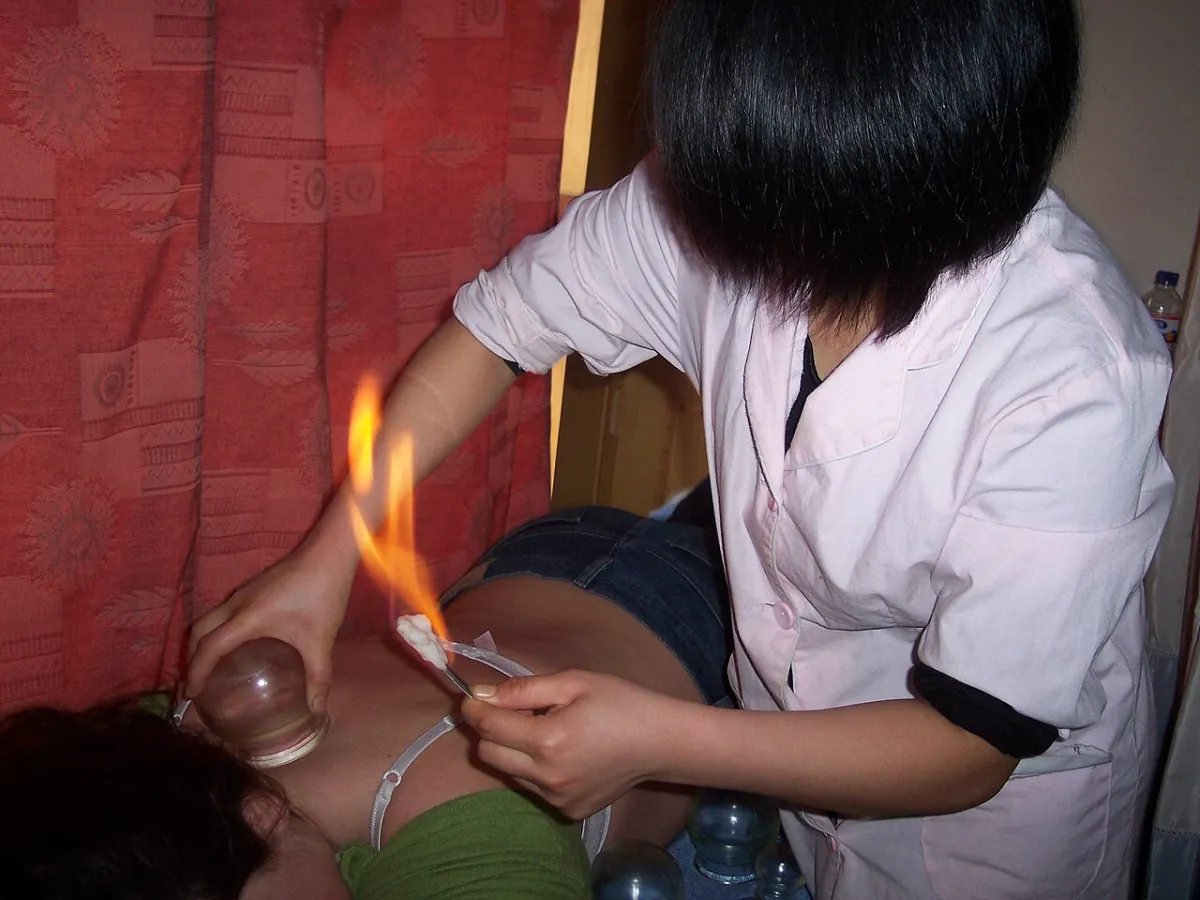
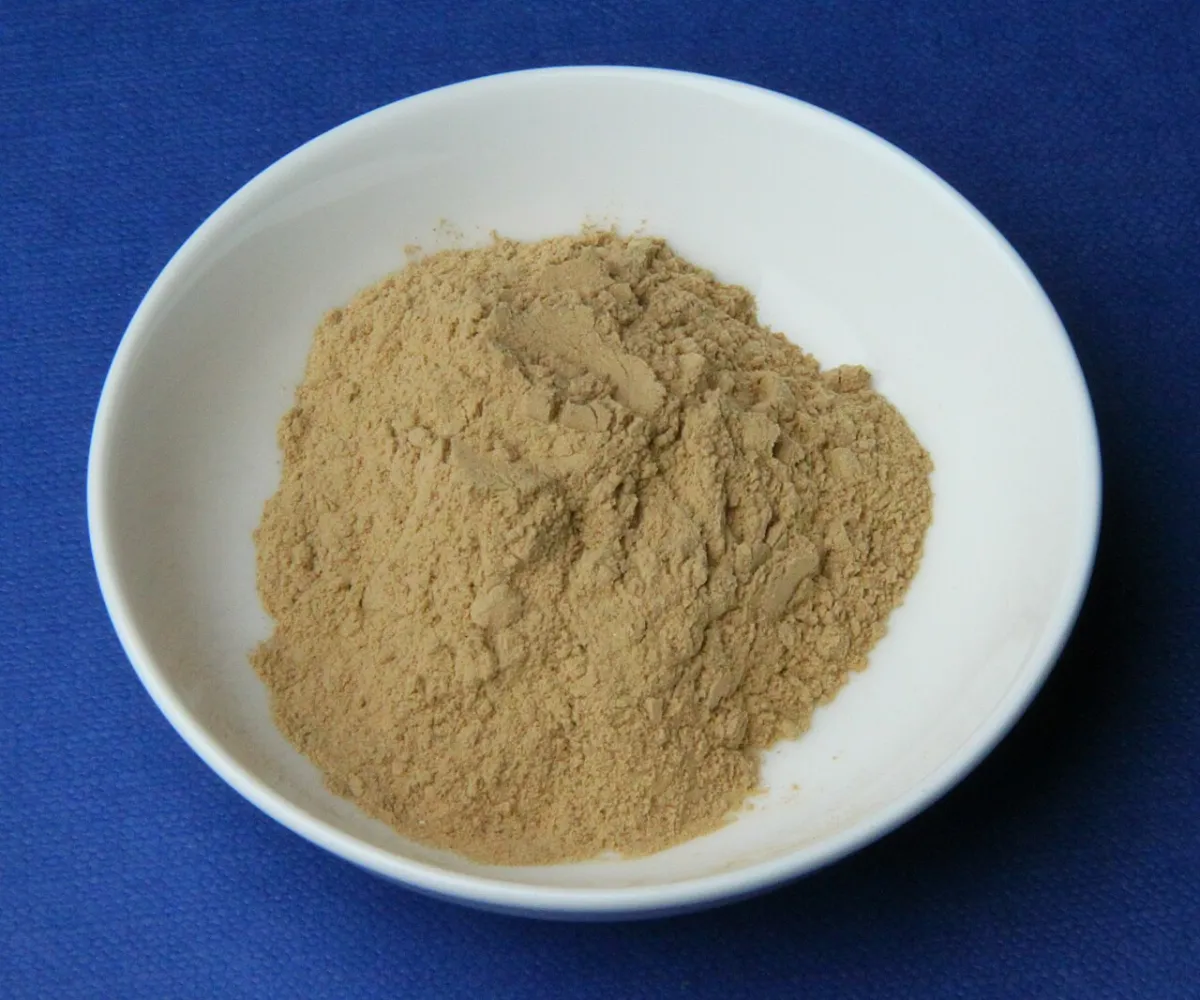
 Photo: Morn the Gorn, Public domain, via Wikimedia Commons
Green clay is a fine mineral earth (usually illite or montmorillonite, rich in iron and magnesium) used externally as a paste: in poultices 1-2 cm thick on painful joints for 1-2 hours, and in thin face masks for about 10 minutes, once or twice a week. It absorbs oil and moisture, cools and soothes. Internal use, although popular, is not recommended: clays can contain lead and arsenic, and long-term effects have not been studied.
In Romanian spa towns with healing mud, from Techirghiol to Ocna Sibiului, people grew up believing that “the earth draws out the pain”. Green clay from the shop is the convenient, jar-sized version of that custom. Below you will learn how to prepare it, how long to keep it on, and what it can and cannot do.
Key takeaways
- Clay is used externally: poultices on joints and muscles, masks for oily skin, spot treatments for insect bites.
- Mix it with cold water in a glass, wooden or ceramic bowl, without whisking, and let it hydrate for 15-30 minutes.
- Poultice: a 1-2 cm layer for 1-2 hours. Mask: a thin layer for 8-10 minutes, removed before it cracks completely.
- The scientific evidence concerns mainly oil absorption and spa pelotherapy (mud therapy) studies, not home clay.
- Do not swallow it without medical advice: risk of heavy-metal contamination and interactions with medicines.
What green clay is
Clays are sedimentary rocks made of extremely fine aluminium silicate particles. Their colour comes from accompanying minerals: green from reduced iron oxides and magnesium, red from oxidised iron, and white (kaolin) when iron is almost absent.
Green clay sold for cosmetic use is usually illite or montmorillonite (a smectite, related to bentonite). Montmorillonite swells a lot in water and can hold many molecules on its surface, which explains its “absorbing” effect.
Types of clay and what they suit
| Type | Key feature | Best for | Time on the face |
|---|---|---|---|
| Green clay (illite/montmorillonite) | highly absorbent | oily, acne-prone skin, body poultices | 8-10 min |
| White clay (kaolin) | gentle, low absorption | dry, sensitive skin, children (external) | 10-15 min |
| Red clay | rich in oxidised iron | dull skin, mild redness (with caution) | 10 min |
| Bentonite | swells strongly | cleansing masks, poultices | 5-10 min |
| Sapropelic mud (Techirghiol type) | rich in organic matter | spa therapy, under supervision | applied at the spa only |
How clay might work
- Absorption. Electrically charged particles bind oil, water and some small molecules. Hence the mattifying effect on skin.
- Thermal effect. A cold poultice cools a warm, swollen joint. A gently warmed one holds heat for a long time, like a soft heat pad.
- Mechanical effect. As it dries, clay contracts and pulls slightly on the skin, giving the feeling of tightened pores (the effect is temporary).
- Antibacterial (in the lab). Some natural clays, especially those rich in reduced iron, have killed bacteria in laboratory studies. That does not mean any shop-bought clay disinfects a wound.
What the research says
Serious research comes mostly from pelotherapy, the use of muds and clays in spa treatment. Several randomised trials and meta-analyses suggest that warm mud applications, combined with thermal baths, reduce pain and improve mobility in knee osteoarthritis for a few months. These results, however, concern specific muds applied at 40-45°C (104-113°F) in courses of 10-12 sessions, not a spoonful of clay from a sachet.
For the skin, clay is a classic cosmetic ingredient in products for oily skin. Small studies show that clay masks reduce surface oil, but their effect on acne itself is uncertain.
Internal use (clay stirred into water “to detox”) has no good-quality clinical evidence in healthy people. There are, however, warnings from health authorities (for example the US FDA) about bentonite products contaminated with lead. For this reason we do not recommend it.
How to prepare clay, step by step
Basic rules
- Use a glass, ceramic or wooden bowl and a wooden or plastic spoon. Tradition says metal “spoils the clay”; in practice what matters most is a clean bowl.
- Add water first, then clay, sprinkling it on top until it covers the surface. Do not stir vigorously.
- Leave it to hydrate for 15-30 minutes, then stir briefly into a smooth paste.
- Use the paste the same day. Used clay goes in the bin (not the sink, as it can block the drain).
Clay poultice for joints and muscles
Ingredients: 4-6 tablespoons green clay, 60-100 ml cold water (enough for a paste like thick sour cream), gauze or a cotton cloth, cling film, a towel.
- Make the paste following the rules above.
- Spread a 1-2 cm thick layer on the gauze, slightly larger than the painful area.
- Apply the clay directly to the skin (the gauze stays on the outside), cover with cling film and wrap loosely with a towel.
- Leave for 1-2 hours. If you feel unpleasantly cold or itchy, remove it earlier.
- Take it off and rinse with lukewarm water.
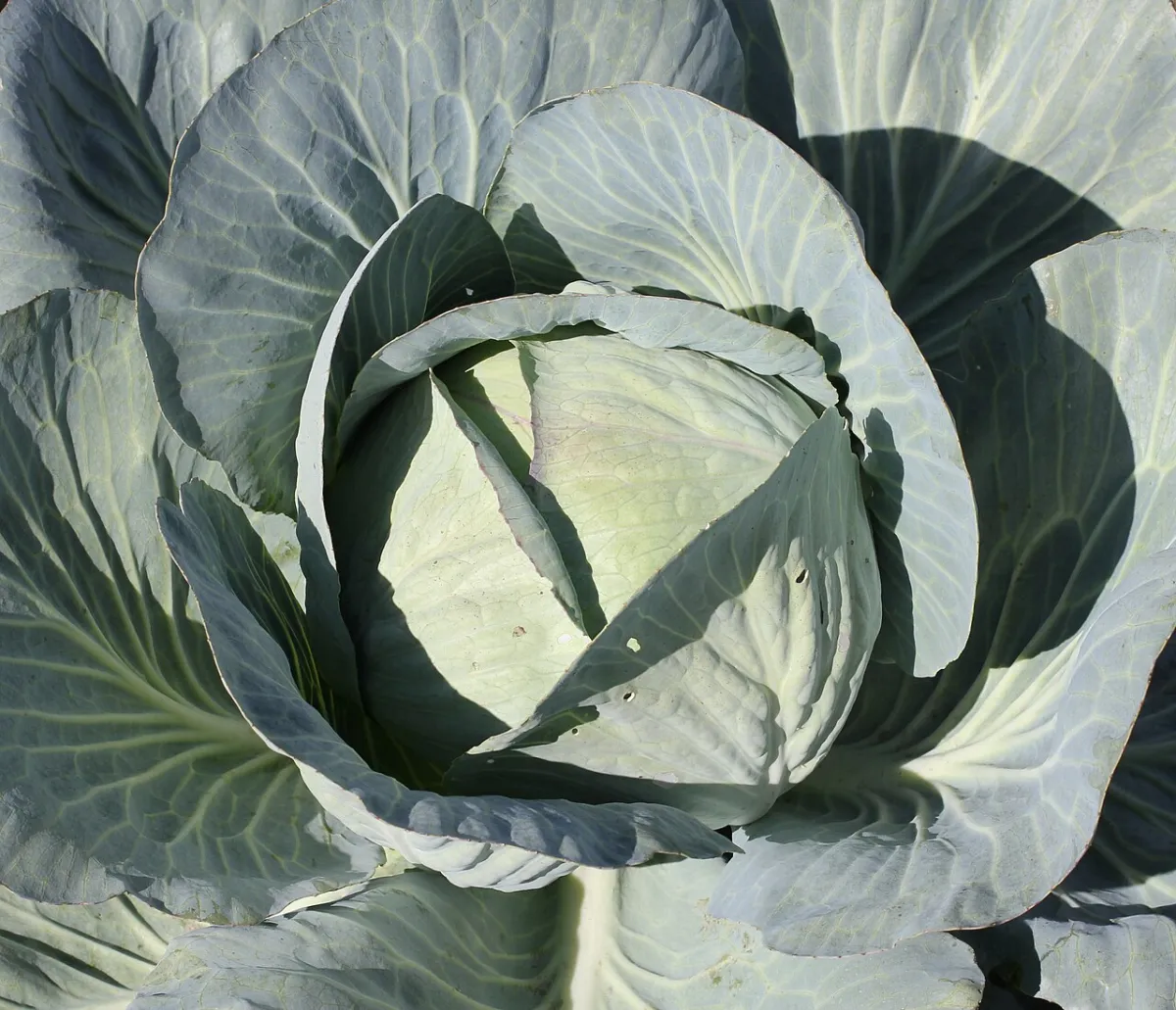
Frequency: once a day for 7-10 days, then a break. For a warm, swollen joint use cold paste. For stiffness and “bad weather” aches, warm the bowl over a water bath to body temperature (test on your wrist). You can also spread the paste on a cabbage leaf, which keeps it moist for longer.
Green clay face mask (oily skin)
Ingredients: 1 tablespoon green clay, 1-1.5 tablespoons water or floral water (chamomile, rose), optionally ½ teaspoon honey.
- Cleanse your face and leave it slightly damp.
- Apply a thin layer (just enough so the skin does not show through), avoiding the eyes and lips.
- Leave for 8-10 minutes. Remove it when the edges start to lighten, before it cracks and pulls on the skin.
- Rinse with lukewarm water and apply a moisturiser.
Frequency: once a week for combination skin, twice for very oily skin. For more ideas, see the article on natural face masks.
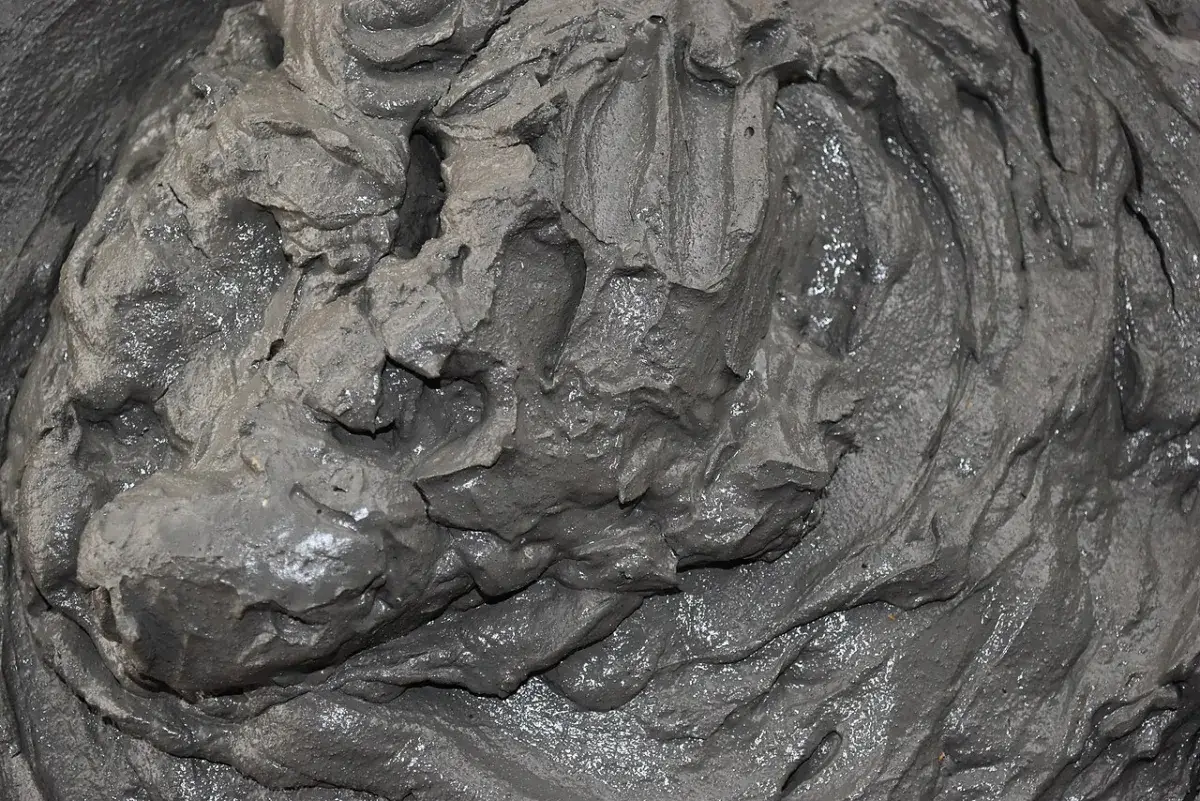 Photo: Adoscam, CC BY-SA 4.0, via Wikimedia Commons
Spot treatment for insect bites and pimples
A dab of thick clay paste on a mosquito bite or an inflamed pimple, left for 15-20 minutes, cools and calms the itching. Do not apply it on popped pimples or scratched skin.
Mask for an oily scalp
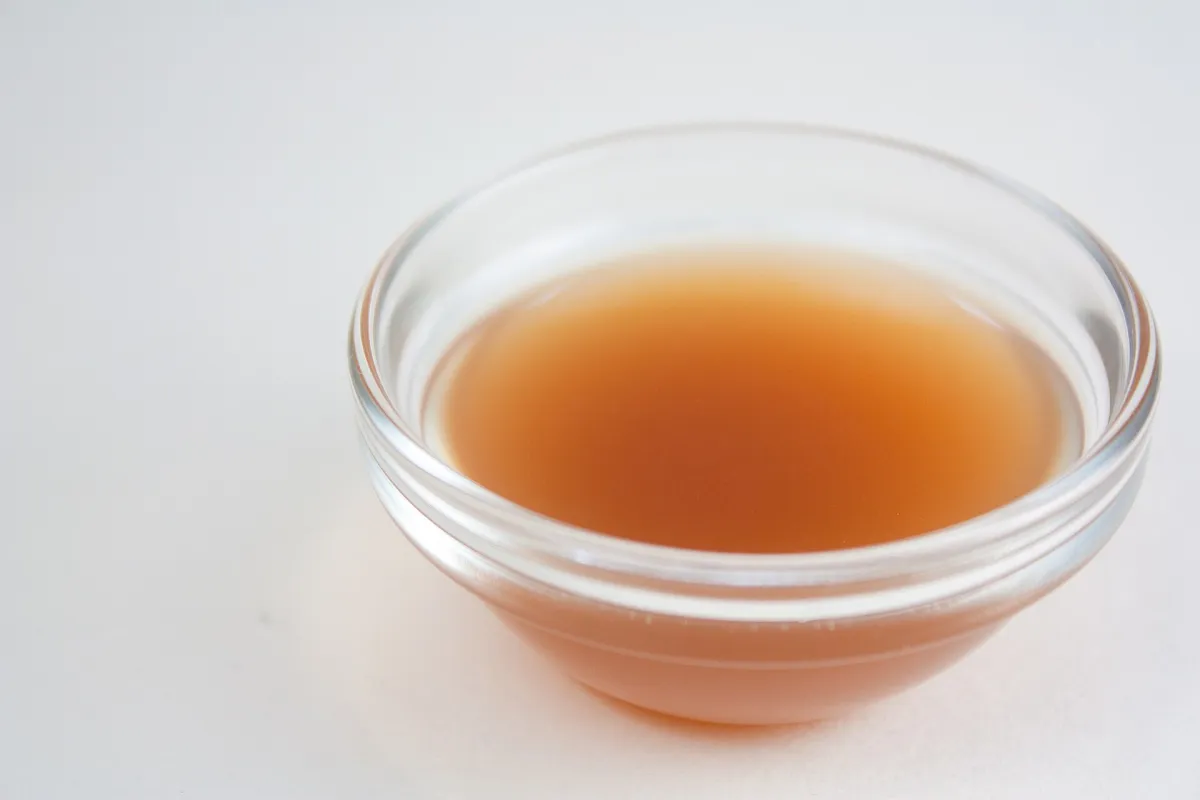
2 tablespoons clay, 3-4 tablespoons water or diluted apple cider vinegar (1 tablespoon in 100 ml water). Apply to the damp scalp along partings for 10 minutes, then wash with a mild shampoo. Once a week.
How much clay and how often
| Application | Amount of clay | Layer thickness | Duration | Frequency |
|---|---|---|---|---|
| Knee poultice | 5-6 tbsp | 1-2 cm | 1-2 hours | daily, 7-10 days |
| Lower back poultice | 8-10 tbsp | 1-2 cm | 1-2 hours | daily, 7-10 days |
| Oily skin mask | 1 tbsp | 1-2 mm | 8-10 min | 1-2 times a week |
| Sensitive skin mask (kaolin) | 1 tbsp | 1-2 mm | 10 min | once a week |
| Bite / pimple | tip of a teaspoon | a dot | 15-20 min | 2-3 times a day |
Contraindications and precautions
- Do not swallow clay without a doctor’s advice. It can cause constipation, bind medicines in the gut and reduce their effect, and products may be contaminated with heavy metals.
- Do not apply on open wounds, burns, weeping eczema or infected skin. Clay is not sterile.
- Dry, sensitive or rosacea-prone skin tolerates green clay poorly: choose kaolin and shorten the time.
- Do not inhale the powder. Sprinkle it gently without shaking it into the air, especially near children.
- Warm poultices are not suitable for red, hot joints, varicose veins or people with reduced skin sensation (diabetes).
- Buy cosmetic-grade clay with a manufacturer and batch number, not “grandma’s garden soil”: soil can contain bacteria, parasite eggs and pesticides.
When to see a doctor
- a joint that is suddenly swollen, red, very painful, with fever;
- lower back pain with numbness in the legs, weakness or problems passing urine;
- acne with painful nodules, scarring, or no improvement after 2-3 months of proper care;
- irritation, blisters or swelling after applying clay.
Common mistakes
Leaving the mask until it cracks. Fully dried clay absorbs the skin’s moisture, not just oil, leaving it tight and irritated.
Using it too often. Daily masks “to dry out spots” dehydrate the skin, which responds with even more oil.
A poultice layer that is too thin. A 2-3 mm layer dries in 15 minutes and loses its thermal effect.
Drinking clay “to detox”. Your liver and kidneys handle detoxification. Clay has no proven role here and brings risks.
Reusing clay. Once applied, clay contains oil, sweat and bacteria. Throw it away.
Conclusion
Green clay is a simple, inexpensive and pleasant external remedy with two clear roles: it absorbs excess oil on the skin and acts as a thermal carrier for poultices on joints and muscles. Studies on therapeutic muds give it partial support but do not make it a medicine. Used correctly, on the skin and not in a glass, it is a good addition to a care routine.
Frequently asked questions
How long should a green clay mask stay on? Between 8 and 10 minutes. Remove it when it starts to lighten, before it cracks completely.
Can I drink green clay? We do not recommend it. There is no evidence that it detoxifies, and some products have been found contaminated with lead. It may also reduce the absorption of medicines.
Why avoid metal bowls? Tradition says metal “spoils” clay. This is not proven, but glass, wood and ceramic are easy to clean and do not react with the paste, so it is a convenient rule.
Can I use green clay on dry skin? Better not. White clay (kaolin) mixed with a little honey or yogurt is gentler.
Does green clay help acne? It temporarily reduces shine and may calm inflamed spots, but it does not treat the causes of acne. For persistent acne, see a dermatologist.
Can I use clay poultices during pregnancy? Short, cool applications on healthy skin are generally considered safe. Avoid warm poultices on the abdomen and talk to your doctor.
How long does clay keep? Dry powder in a closed jar, kept in a dry place, lasts for years. Prepared paste should be used the same day.
Sources
- Carretero M. I., review papers on clay minerals and their therapeutic uses (Applied Clay Science).
- Meta-analyses and randomised trials on pelotherapy (mud therapy) in knee osteoarthritis, indexed in PubMed.
- FDA (U.S. Food and Drug Administration): warnings about bentonite clay products contaminated with lead.
This content is for information only and does not replace medical advice. For skin or joint problems that persist, talk to your doctor.