
Herbal Baths for Relaxation: Traditional Recipes and Real Benefits
IMPORTANT: Herbal baths are a gentle relaxation ritual, but they are not suitable for everyone in every condition. People with heart problems, uncontrolled high blood pressure, severe varicose veins or diabetes should avoid very hot, long baths and talk to a doctor first. Pregnant women should be cautious: some herbs (rosemary, sage, juniper) are contraindicated in pregnancy, and water that is too hot can be risky. If you have very sensitive skin, eczema or allergies to plants in the Asteraceae family (chamomile, calendula), do a patch test on a small area of skin first. Never get into a hot bath after drinking alcohol, and never leave children or elderly people unsupervised in the tub. A herbal bath soothes, but it does not replace treatment for a genuine medical condition.
Grandma Veta, from the village at the foot of the hill, had a habit no one in the family ever forgot. On long winter evenings, when the tiredness of the day and the cold settled into her bones, she would put a big pot of water on the stove and throw in whole handfuls of dried linden flowers, chamomile and a few sprigs of wild thyme gathered in summer from the hillside. She let it all simmer gently until the whole kitchen smelled of warm hay and summertime. Then she would strain that golden liquid into a wooden tub, mix it with warm water, and sit in it with her eyes closed, letting the steam unclench her tense shoulders.
“There is nothing better than a herbal bath when your soul feels heavy,” she used to say, wiping her work-worn hands. Her grandchildren watched how, after that bath, she became a different woman: softer, calmer, ready to fall asleep without worrying. Back then, no one talked about “cortisol,” “aromatherapy” or the “parasympathetic nervous system.” It was simply known, passed down from generation to generation, that plants steeped in warm water do good to a tired body and a restless mind. That simple ritual is, in essence, exactly what we are rediscovering today under the name of the relaxing herbal bath.
A herbal bath for relaxation is, in its simplest form, a warm bath to which a concentrated infusion of medicinal plants, essential oils or aromatic salts is added. The combination of the heat of the water, the steam carrying volatile plant compounds, and the very act of stopping the rush of daily life creates a soothing experience for the whole body. Romanian folk tradition, like that of many other cultures, has always used water and plants as a remedy for fatigue, insomnia, muscle aches and stress. Today this practice blends naturally with what we call aromatherapy and gentle hydrotherapy.
Table of Contents
- Why herbal baths work
- The best plants for relaxation
- How to prepare a herbal bath correctly (the basic method)
- Step-by-step recipes for different purposes
- Variations: pouches, salts and essential oils
- Herbal baths for feet and hands
- The perfect relaxing bath ritual
- Practical tips and common mistakes
- Conclusion
- Frequently asked questions
Why herbal baths work
The calming effect of a herbal bath is not just a subjective impression. Several factors act together, and studies suggest that each one contributes to the state of relaxation.
The heat of the water dilates blood vessels, improves peripheral circulation and relaxes tense muscles. When muscles loosen, the tension built up in the neck, shoulders and back diminishes, and the feeling of physical heaviness noticeably eases. The warmth also helps slightly lower nervous tone, signalling to the body that it is time to shift out of “fight or flight” mode and into rest mode.
The aromatic steam carries the volatile compounds of the plants to the nose — linalool from lavender, azulenes from chamomile, menthol from mint. The olfactory system is directly linked to the brain regions that regulate emotion and memory, which is why a particular scent can calm us almost instantly. This is the basis of aromatherapy, and the warm bath amplifies it, because the steam releases the aromas more intensely.
Absorption through the skin is a third mechanism. Skin soaked in warm water becomes more permeable, and some of the plants’ active substances penetrate at a superficial level, contributing to local soothing and anti-inflammatory effects, especially in irritated skin.
The ritual itself is perhaps the most important. Setting aside 20 to 30 minutes just for yourself, away from the phone and from worries, is an act of deep self-care. The mind receives the signal that it can stop, and breathing naturally deepens. Folk tradition intuited this perfectly: the herbal bath was not just hygiene but a moment of peace that was almost sacred.
The best plants for relaxation
Not every plant is good for a calming bath. Here are the most valued ones, each with its own character.
Lavender
The queen of relaxation. Lavender flowers contain linalool and linalyl acetate, compounds known for their soothing effect on the nervous system. A lavender bath before bed is probably the best-known natural remedy for mild insomnia and evening restlessness. Its floral, herbaceous scent is calming without being heavy.
Chamomile
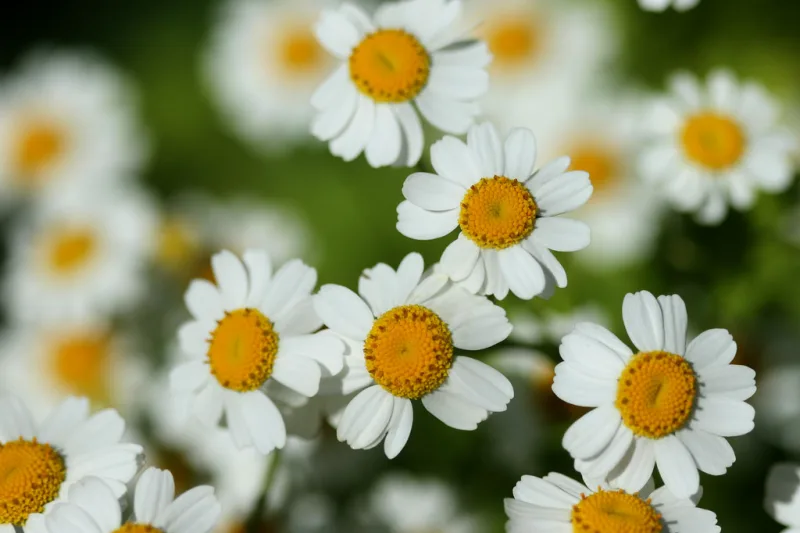
Gentle, sweet and kind to the skin. Chamomile is the star of baths for irritated skin, for children (in more diluted baths) and for evenings when you need a warm embrace. It contains azulenes and bisabolol, with anti-inflammatory and calming effects. It is a staple of traditional Romanian baths.
Linden
Linden flowers are a symbol of calm in our tradition. Usually used as a tea for sleep, they also work beautifully in the bath, where their honeyed, mildly sedative aroma induces a state of deep relaxation. Linden combines excellently with chamomile.
Lemon balm (melissa)
With its delicate lemon fragrance, lemon balm is an anti-stress plant par excellence. Tradition used it for a “strong heart” and calm nerves. In a bath, lemon balm brings freshness and an easing of mental tension.
Valerian
Stronger than the others, valerian root is prized for its sedative effect. Its smell is not to everyone’s liking (it can be pungent), but in an evening bath, combined with lavender, it can significantly help sleep.
Thyme and rosemary
These aromatic plants are more invigorating than purely sedative, but they have their place in baths for muscle aches and physical fatigue. Note: rosemary is stimulating, so it is not recommended in an evening bath meant for sleep, and it is contraindicated in pregnancy.
Calendula flowers
Soothing for the skin, calendula is often added to baths for irritation and dry skin. It has an emollient, calming effect.
How to prepare a herbal bath correctly (the basic method)
Many people make the mistake of throwing the flowers straight into the tub — the result is a tub full of debris and a weak effect. The correct method involves first preparing a concentrated infusion.
You will need:
- 4 to 6 tablespoons of dried herbs (or 2 to 3 handfuls of fresh herbs)
- 2 litres of water
- a large pot
- a fine sieve or a muslin bag
Steps:
Prepare the infusion. Put the 2 litres of water in a pot and bring it close to boiling. Turn off the heat, add the herbs and cover the pot with a lid. The lid is essential — without it, the aromatic steam (and with it part of the benefits) escapes into the air.
Let it steep for 20 to 30 minutes. The longer the infusion sits, the more concentrated it becomes. For roots (valerian), it is better to simmer them gently for 10 minutes (a decoction), then leave them covered.
Strain. Use a fine sieve to separate the aromatic liquid from the plant debris. You will get a coloured, fragrant liquid.
Prepare the tub. Fill the bath with water at a pleasant temperature, not hot — ideally between 37 and 39°C. Water that is too hot tires the heart and dries the skin.
Add the infusion. Pour the strained liquid into the tub and stir gently. The water will take on a gentle tint and a subtle fragrance.
Get in and relax. Stay for 15 to 25 minutes, breathe deeply and enjoy the aromas. No more is needed; baths that are too long can dehydrate the skin.
After the bath, do not rinse with cold water right away. Gently pat the skin with a soft towel and keep warm. Head straight to bed if it is an evening bath.
Step-by-step recipes for different purposes
The peaceful sleep bath (evening, before bed)
- 3 tablespoons lavender flowers
- 3 tablespoons linden flowers
- 2 tablespoons chamomile
- optional: 1 tablespoon valerian root (simmered separately for 10 min)
Prepare the infusion as above, let it steep for 30 minutes, strain and add to the tub. This combination is ideal for restless evenings. Take the bath an hour before sleep, in dim light, and go straight to bed.
The anti-stress bath after a hard day
- 4 tablespoons lemon balm (melissa)
- 2 tablespoons lavender
- 2 tablespoons orange blossom (if you can find it) or dried orange peel
- 1 handful of rose petals (optional, for fragrance)
A bright, fragrant bath that drives away mental tension without putting you straight to sleep. Also good for a weekend afternoon.
The bath for tired, aching muscles
- 3 tablespoons thyme
- 2 tablespoons rosemary (avoid in the evening and in pregnancy)
- 2 tablespoons chamomile
- 1 cup of coarse salt or Epsom salt
Epsom salt (magnesium sulphate) is traditionally valued for easing muscle pain. This bath is suitable after physical exertion, long hikes or a day on your feet.
The bath for irritated and sensitive skin
- 4 tablespoons chamomile
- 3 tablespoons calendula
- 2 tablespoons linden flowers
- optional: a handful of colloidal oats tied in muslin
Chamomile and calendula soothe the skin, while the oats make it velvety. Excellent for skin that is dry from winter or mildly irritated.
Variations: pouches, salts and essential oils
If you do not have time to prepare an infusion every time, there are practical alternatives.
The herb pouch is the simplest variation. Put the dried herb mixture in a muslin or thin cloth bag, tie it well and hang it from the tap so that the hot water flows through it as the tub fills. The pouch works like a giant tea bag and leaves no debris in the water. It can be reused 2 to 3 times if you dry it between uses.
Aromatic bath salts can be made at home by mixing Epsom salt or coarse sea salt with finely crushed dried herbs and a few drops of essential oil. Keep it in a jar and add a cup per bath. The salt helps with muscle relaxation and prolongs the fragrance.
Essential oils are a quick route to aromatherapy. Be careful, though: essential oils do not dissolve in water and can irritate the skin if added directly. Always mix 5 to 8 drops into a tablespoon of carrier oil (almond or jojoba oil) or a cup of whole milk, then pour into the tub. Lavender, Roman chamomile, sandalwood and bergamot are among the most relaxing essential oils.
Herbal baths for feet and hands
You do not always need a whole tub. A herbal foot bath is a quick, accessible and surprisingly effective remedy for fatigue.
For a relaxing foot bath, prepare a concentrated infusion of lavender, chamomile and a tablespoon of salt, pour it into a basin of warm water and keep your feet submerged for 15 to 20 minutes. Folk tradition said that “the whole body rests through the soles,” and a warm evening foot bath really does help induce sleep, because it relaxes and redirects circulation.
Hand baths with chamomile and calendula are wonderful for tired, dry hands or hands tense from working at a computer. They are also a little pampering ritual that is easy to fit into an evening routine.
The perfect relaxing bath ritual
For a herbal bath to reach its full potential, the surrounding atmosphere matters too. Turn off the bright lights and light a candle or two. Put on some quiet music or let silence reign. Have a soft towel ready and a glass of water or a herbal tea to enjoy afterwards. Leave the phone in another room — true relaxation requires the absence of notifications.
Breathe consciously while you sit in the water: inhale slowly through the nose, counting to four, hold the breath briefly and exhale long through the mouth. A few minutes of deep breathing, combined with the aromatic steam, can turn a simple bath into a genuine session of deep relaxation. At the end, move slowly, hydrate well with water and head towards calm activities.
Practical tips and common mistakes
Mistake no. 1: Water that is too hot. Many people think the hotter the bath, the better the relaxation. In reality, water above 40°C overworks the heart, dries the skin and can cause dizziness. The ideal temperature for relaxation is 37 to 39°C, pleasantly warm, not scalding.
Mistake no. 2: Throwing the herbs straight into the tub. Loose flowers and leaves stick to the skin, clog the drain and create a messy effect. Use a strained infusion or a muslin pouch.
Mistake no. 3: Baths that are too long. Beyond 30 minutes, the skin dehydrates, and you may feel excessive tiredness and dizziness. Fifteen to twenty-five minutes is enough.
Mistake no. 4: Adding essential oils directly to the water. Undiluted, they can irritate the skin and mucous membranes. Always dissolve them first in a carrier oil, milk or salt.
Mistake no. 5: The wrong plants at the wrong time. Rosemary and mint are stimulating — an evening bath with them can drive away your sleep instead of bringing it. For night-time relaxation choose lavender, linden, chamomile and lemon balm.
Mistake no. 6: Ignoring contraindications. Plants seem harmless, but some are contraindicated in pregnancy or for certain conditions. Inform yourself before improvising mixtures.
Mistake no. 7: Bathing right after a meal or alcohol. Let at least an hour pass after a heavy meal, and never get into a hot bath after drinking alcohol.
Conclusion
Herbal baths for relaxation are one of the gentlest, most pleasant and most accessible remedies of folk tradition. They combine the heat of the water, the aroma of the plants and the quiet of a moment dedicated solely to you — a simple yet deeply restful combination for body and mind. With plants as common as lavender, chamomile, linden and lemon balm, anyone can prepare a ritual at home in just a few minutes that drives away fatigue and restlessness. The key lies in preparing the infusion correctly, in the right water temperature and in the patience to set aside that quarter of an hour of peace. As Grandma Veta used to say, there is nothing better than a herbal bath when your soul feels heavy — a simple truth that modern science is only beginning to confirm.
Frequently asked questions
How often can I take herbal baths for relaxation? Two to three times a week is perfect for most people. Daily baths that are too hot can dry the skin. Foot baths, being gentler, can be taken even daily.
Can I use fresh plants from the garden? Yes, absolutely. Fresh plants are wonderful — use about double the amount compared with dried ones, since they contain more water. Make sure they have not been treated with pesticides.
Which is the best plant for sleep? Lavender is the most valued for sleep, closely followed by linden and valerian. A combination of all three, made an hour before bed, gives very good results.
Do herbal baths help with anxiety? Tradition and aromatherapy suggest that baths with lavender and lemon balm can reduce the feeling of tension and restlessness. They are a pleasant support, but they do not replace professional advice in the case of persistent anxiety.
Can I take a herbal bath if I am pregnant? With caution and after talking to your doctor. Avoid hot water and contraindicated plants (rosemary, sage, juniper, wormwood). Chamomile and linden, in warm, short baths, are generally considered gentler, but safety should be confirmed by a doctor.
Can I prepare a larger quantity of mixed herbs in advance? Yes. You can make a dry mixture (for example lavender, linden and chamomile in equal parts) and keep it in an airtight jar in a dark place. Use 4 to 6 tablespoons of the mixture per bath.
Does Epsom salt really help muscles? Epsom salt (magnesium sulphate) is traditionally used to relax the muscles and ease pain after exertion. Many people feel relief, although the exact mechanism is still being studied. Add a cup to a warm bath.
What if I do not have a bathtub? Foot and hand baths with herbs provide a good part of the benefits. Also, a warm shower followed by a massage with diluted lavender oil can be a pleasant substitute for a relaxing bath.