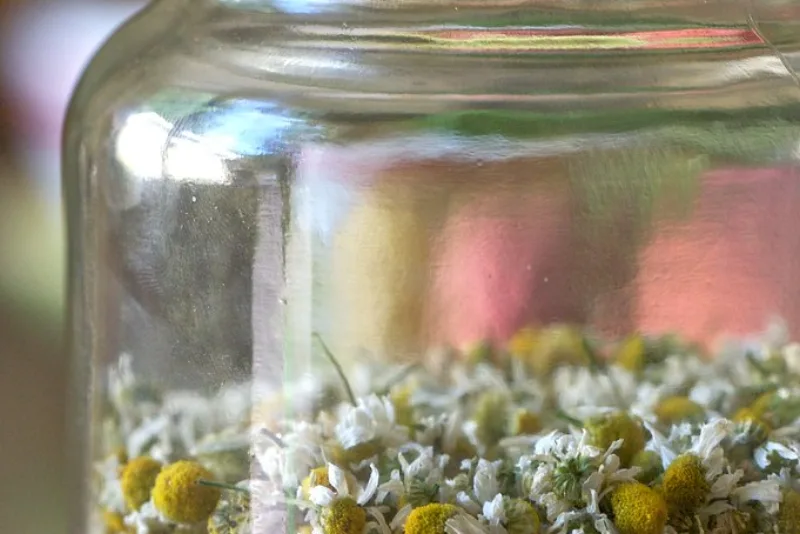

Herbal Compresses: How to Make Them and What They Help
IMPORTANT: Herbal compresses are a gentle external aid, suited to minor discomforts and everyday care. They do NOT replace medical advice. Do not apply compresses to open bleeding wounds, severe burns, skin that is infected with pus, or rashes of unknown origin without asking a doctor. Always test a small amount of the infusion on the skin of your inner forearm before first use, especially if you are prone to allergies. Hot compresses are contraindicated on acute inflammation during the first 48 hours (when the area is red, hot, and swollen) and on thrombophlebitis; cold compresses are preferred there. People with diabetes, sensory disorders (neuropathy), or poor peripheral circulation must be very careful with the temperature so they do not get burned without feeling it. For small children, pregnant women, and the elderly, use moderate temperatures and gentle herbs (chamomile, calendula), and ask a doctor if symptoms persist more than a few days or worsen.
Aunt Veta, in my grandparents’ village, kept a wicker basket near the stove full of old linen cloths, washed a hundred times and soft as silk. “These are for the obloji,” she would say, using the old country word for compresses. When someone came in with a sprained ankle, a throbbing ear, or legs tired from a day in the fields, Aunt Veta would put the pot on the fire, toss in a handful of dried flowers, and within minutes the house smelled of chamomile and cut hay. She soaked the cloth in the warm liquid, wrung it well, laid it over the sore spot, then covered it with a dry towel and a blanket “to hold the heat, because that’s what works.”
Aunt Veta did not know words like “vasodilation” or “anti-inflammatory,” but she understood perfectly what her eyes told her: the swelling went down, the pain eased, the person went home relieved. The herbal compress is one of the oldest and simplest remedies in the world — a way of bringing the heat and the active compounds of a plant directly to the spot that hurts, through the skin. In this guide you will learn exactly what a compress is, how it differs from a poultice, how to make it correctly (hot and cold), which herbs suit each need, and which mistakes to avoid, so that at home you can get the same gentle, safe relief the old woman drew from her basket of cloths.
Table of Contents
- What a herbal compress is and how it differs from a poultice
- Why it works: heat, cold, and active compounds
- The hot compress: step by step
- The cold compress: step by step
- The most-used herbs and what for
- Compresses on different parts of the body
- What herbal compresses help with
- How to choose between hot and cold
- Materials, hygiene, and storage
- Compresses for children, pregnant women, and the elderly
- Lifestyle: when the compress is only one piece of the puzzle
- Practical tips and common mistakes
- Conclusion
- Frequently Asked Questions
What a herbal compress is and how it differs from a poultice
A compress is a piece of clean cloth (usually linen, cotton, or gauze) soaked in a liquid — most often an infusion or decoction of medicinal herbs — applied to an area of the body to deliver heat, cold, and the plant’s active substances to that area. The compress works through the liquid it carries; the skin gradually takes up the heat or cold and some of the plant’s soluble compounds.
The poultice (sometimes called a “plaster” in folk usage) is related but not identical. With a poultice, you apply the plant’s paste or pulp directly (crushed leaves, ground boiled seeds, flaxseed meal, mashed cabbage) wrapped in a thin cloth — not just the liquid. The poultice has a more concentrated, “moist-warm” effect, suited to boils, abscesses, and deep joint aches. The compress, by contrast, is cleaner, easier to apply, and better for eyes, forehead, throat, or anywhere you don’t want plant matter on the skin.
In folk practice you will also meet terms like “cold plaster” (a cold compress to bring down fever or inflammation) and “warm wrap” (the relaxing hot compress). Whatever the name, the principle is the same: textile + plant liquid + temperature = a gentle external remedy.
Why it works: heat, cold, and active compounds
A compress relies on three mechanisms that work together.
Temperature. Heat applied locally widens the superficial blood vessels (vasodilation), increases blood flow to the area, relaxes tense muscles, and helps “dissolve” the feeling of stiffness. That is why a hot compress feels so good on a stiff neck, a cramping belly, or a dully aching ear. Cold, on the contrary, contracts the vessels (vasoconstriction), reduces blood and lymph flow to the area, lessens swelling, and slightly numbs the nerve endings that carry pain. That is why the cold compress is the first choice right after a knock, a sprain, or for tired, puffy morning eyes.
Hydration and softening. The moist compress softens skin and crusts, soothes dryness and itching, and prepares the area to absorb the plant’s compounds. On irritated skin, simply laying on a cool, damp cloth brings almost immediate relief.
The plant’s active compounds. The infusion soaking the cloth is not plain water. It carries some of the plant’s soluble substances: flavonoids, tannins, volatile oils, mucilage, acids. Chamomile contributes calming, anti-inflammatory azulenes and bisabolol; calendula contributes compounds that support skin recovery; yarrow and oak bring astringent tannins; mint brings cooling menthol. Through prolonged contact with the warm, moist skin, some of these compounds reach the superficial layers and act locally.
In short, the compress does not heal by magic — it creates favorable conditions: it improves or calms circulation, relaxes, hydrates, and delivers gentle plant substances locally. That is exactly why it is so useful for the small everyday discomforts.
The hot compress: step by step
The hot compress is the choice for muscle tension, cramps, dull aches, stiffness, congestion, and for a relaxing effect.
You will need:
- 2 tablespoons of dried herbs (or 3-4 fresh) — for example chamomile, for calming
- 500 ml water
- a piece of clean linen or cotton cloth (sized to the area)
- a dry, thick towel
- optionally a hot-water bag or bottle to keep the heat in
Steps:
- Make the infusion. Bring the water to a boil. When it boils, remove from heat, add the herbs, cover, and steep for 10 minutes. For roots or barks (e.g. oak bark) make a decoction: simmer 10 minutes on low heat, then leave covered another 10 minutes.
- Strain the liquid through a fine sieve or a piece of gauze. You want only the liquid, no plant matter.
- Adjust the temperature. The liquid should be pleasantly warm, not scalding. Test on the inside of your wrist: you should be able to keep your hand in it comfortably. A too-hot compress burns the skin without any extra benefit.
- Soak the cloth in the infusion, then wring it gently so it does not drip but stays well-moistened and warm.
- Apply the cloth to the area, smoothing it so it lies flush against the skin.
- Insulate the heat. Place the dry towel on top and, if you like, a hot-water bag or a blanket. This keeps the compress warm longer.
- Leave on for 15-20 minutes. As it cools, you can re-soak the cloth in the warm infusion (reheat it gently if needed) and repeat.
- Afterwards, gently dry the area and keep it covered and warm for a while. Avoid a cold draft right after.
You can repeat 1-2 times a day for several days, as needed.
The cold compress: step by step
The cold compress is used for fresh knocks, sprains (within the first 24-48 hours), swelling, insect bites, tired and puffy eyes, congestive headaches, and for soothing sun-irritated skin.
You will need:
- 2 tablespoons of herbs (chamomile, mint, yarrow, linden blossom) or 2 tea bags
- 500 ml water
- thin cotton cloth or gauze
- a bowl of cold water and, optionally, a few ice cubes
Steps:
- Make the infusion as above (steep 10 minutes) and strain it.
- Chill the liquid completely: put it in the fridge for 30-40 minutes, or sit the container in a larger bowl of cold water with ice to cool it quickly.
- Soak the cloth in the cold infusion and wring it gently.
- Apply to the area. For eyes, use two small pieces of gauze, one on each closed eye, while lying down.
- Leave on for 10-15 minutes. Re-soak the cloth as soon as it warms from your body so it stays cold.
- Repeat several times a day, especially in the first hours after a knock.
Caution: do not put ice directly on the skin and do not apply a frozen cloth. Cold that is too intense and prolonged can cause superficial frostbite. Pleasantly cool is enough.
The most-used herbs and what for
Chamomile (Matricaria chamomilla)
The king of calming compresses. It soothes inflammation, calms irritated skin, helps with tired-eye discomfort and sensitive skin. Good both hot and cold. Safe and gentle, including for children (with caution in those allergic to the Asteraceae family).
Calendula / marigold (Calendula officinalis)
Supports skin recovery and soothes irritation, healing superficial scratches, and dry, cracked skin. Excellent as a hot compress on skin that needs “calming.”
Yarrow (Achillea millefolium)
Astringent and soothing, traditionally used on bruises and on skin with superficial vessels. Rich in bitter compounds and volatile oils.
Mint (Mentha piperita)
Cooling thanks to menthol. Excellent as a cold compress for tension-type headaches (on the forehead and temples) and for the heavy feeling in tired legs.
Linden blossom (Tilia)
Gentle and mildly calming, pleasant for cold compresses on eyes and the sensitive skin of the face.
Oak bark (Quercus)
Very rich in tannins, strongly astringent. Traditionally used in cold compresses for “weeping” skin, excessive foot sweating, and hemorrhoids (as local compresses/baths). Prepared as a decoction, not an infusion.
Plantain (Plantago)
Soothing, traditionally used on insect bites and mild irritation.
Mallow / marshmallow (Malva, Althaea)
Rich in mucilage, ideal for compresses that soften and soothe dry, irritated skin.
Compresses on different parts of the body
On the forehead and temples (headaches, mild fever): a cold compress with mint or linden, changed often.
On the eyes (tired, puffy in the morning, after long screen work): two cold gauze pads with chamomile or linden, 10 minutes, lying down. Never a hot infusion near the eyes.
On the neck and nape (stiff neck, tension): a hot chamomile compress, insulated with a scarf, 20 minutes.
On the ear (dull discomfort, a chill-induced ache — no discharge, no high fever): a hot chamomile compress around the ear. If discharge, high fever, or strong pain appears, see a doctor; never put liquid into the ear canal.
On the abdomen (cramps, bloating, menstrual discomfort): a hot compress with chamomile or yarrow, plus a hot-water bag on top.
On joints and muscles (stiffness, chronic dull aches): a hot compress; for a fresh sprain, a cold compress in the first 48 hours, then hot.
On tired, evening-swollen legs: a cold mint compress, with the legs raised.
What herbal compresses help with
Based on folk tradition and basic physiological sense, herbal compresses can help with:
- relaxing tense muscles and easing dull, chronic aches (hot);
- reducing swelling and pain after knocks and mild sprains (cold);
- soothing tired, puffy eyes (cold);
- easing abdominal cramps and menstrual discomfort (hot);
- calming irritated, mildly inflamed, insect-bitten skin (cold, chamomile/plantain);
- supporting recovery of dry skin and minor irritations (hot, calendula);
- easing the heavy, swollen feeling in the legs (cold, mint);
- relieving the discomfort of a tension headache (cold on the forehead, mint/linden).
These are gentle first-aid and care remedies, not treatments for serious conditions.
How to choose between hot and cold
The simple rule the old folk used too: cold for what is new, hot, and swollen; heat for what is old, stiff, and dull.
- Cold = acute inflammation, today’s knock, a red and hot swelling, puffy eyes, a fresh bite, sunburned skin.
- Hot = muscle tension, cramps, chronic aches, stiffness, congestion, menstrual discomfort, the need to relax.
If unsure, choose moderate heat for old discomforts and cold for fresh, swollen ones. For a sprain, start cold (the first 1-2 days), then switch to heat for relaxation and circulation.
Materials, hygiene, and storage
- Use clean natural cloth: linen, cotton, or gauze. Linen is traditional because it holds heat well and is durable.
- Wash the cloths after each use, at a high temperature, and dry them completely. A damp cloth kept closed up will grow mold.
- Make the infusion fresh for each session. Herbal infusions spoil quickly; do not reuse yesterday’s infusion left at room temperature.
- If you make extra infusion, keep it in the fridge for no more than 24 hours and heat only the portion you need.
- For delicate areas (eyes, healing wounds) use single-use or well-sterilized gauze.
- Store dried herbs in closed jars, away from light; herbs older than a year lose much of their potency.
Compresses for children, pregnant women, and the elderly
For children, gentle compresses (chamomile, linden) are among the safest external remedies. Use moderate temperatures — never hot — and short applications (10 minutes). A cold forehead compress helps comfort during fever, but does not replace caring for the fever on a doctor’s advice. Do not apply strong herbs or intense volatile oils (concentrated mint) to a baby’s skin.
For pregnant and breastfeeding women, gentle external compresses are generally well tolerated, but avoid strongly acting herbs and ask a doctor if anything is unclear. Swollen legs, very common in pregnancy, respond pleasantly to cold chamomile compresses with the legs raised.
For the elderly and people with diabetes, neuropathy, or poor circulation, temperature care is essential: the skin may be thinner and sensation reduced, so the risk of burns rises. Always check the temperature with your own wrist and prefer moderate heat.
Lifestyle: when the compress is only one piece of the puzzle
The herbal compress truly delivers when it is part of a healthy habit, not an isolated gesture after which you return to the cause of the problem. A few ideas:
- For a stiff neck and tense nape from desk work, an evening hot compress helps a lot, but breaks, stretches, and correct screen position matter just as much.
- For tired eyes, the cold compress is real relief, but the 20-20-20 rule (every 20 minutes, look 20 seconds at something 20 feet / 6 meters away) prevents the strain in the first place.
- For evening-swollen legs, a cold compress with the legs raised feels good, but movement during the day and hydration matter just as much.
- For menstrual cramps, a hot compress on the abdomen, warm tea, and rest together form a gentle, effective ritual.
In other words: the compress treats the discomfort, and you treat the cause through how you organize your day.
Practical tips and common mistakes
Mistake no. 1: A too-hot compress. “The hotter the better” is false and dangerous. Excess heat burns the skin and adds no benefit. Always adjust to pleasantly warm, testing on your wrist.
Mistake no. 2: Ice directly on the skin. Applying a frozen cloth or ice directly can cause superficial frostbite. The cold compress should be cool, not icy.
Mistake no. 3: A hot compress on acute inflammation. On a freshly sprained ankle, red and swollen, heat worsens the swelling. Here cold is the rule for the first 48 hours.
Mistake no. 4: Reusing old infusion. An infusion left overnight at room temperature becomes contaminated. Make it fresh every time.
Mistake no. 5: A dirty or damp cloth kept closed up. An unwashed or moldy cloth brings more problems than it solves. Wash and dry well after each use.
Mistake no. 6: Applying to open wounds, pus-filled infections, or unknown rashes. The compress is not for these; here a doctor is needed.
Mistake no. 7: Skipping the allergy test. Sensitive skin can react even to gentle herbs. First test a drop of infusion on the inner forearm.
Mistake no. 8: Expecting miracles. The compress eases discomfort; if a problem persists more than a few days, worsens, or fever appears, see a doctor.
Conclusion
The herbal compress is one of those old remedies that endure precisely because they work within their limits: a clean cloth, a fragrant infusion, and the right temperature can relax a tense muscle, ease a fresh swelling, rest tired eyes, or calm irritated skin. The secret is not in any magic but in a few simple rules — cold for what is new and swollen, heat for what is old and stiff, gentle herbs, good hygiene, and patience. Used correctly, compresses bring home exactly the relief Aunt Veta drew from her basket of linen cloths. And when discomfort outgrows the power of a compress, the wisest remedy remains a visit to the doctor.
Frequently Asked Questions
What is the difference between a compress and a poultice? A compress uses a cloth soaked in plant liquid (infusion/decoction) and works through that liquid and through temperature. A poultice applies the plant’s paste or pulp directly (crushed leaves, boiled seeds, mashed cabbage) wrapped in cloth, with a more concentrated effect. The compress is cleaner and better suited to eyes, forehead, and throat.
Hot or cold — how do I decide? The old rule: cold for what is new, hot, and swollen (knocks, fresh sprains, puffy eyes); heat for what is old, stiff, and dull (muscle tension, cramps, chronic aches, menstrual discomfort).
How long do I keep the compress on the skin? Usually 15-20 minutes for a hot one and 10-15 for a cold one, re-soaking the cloth when it loses its temperature. You can repeat 1-2 times a day for several days.
Can I use tea bags instead of loose herbs? Yes, chamomile, linden, or mint bags are a quick, practical option, especially for eye compresses (one chilled bag per eye). Make sure they are pure herbs without artificial flavorings.
Can I put a compress on an open wound? Not on open bleeding wounds, severe burns, or pus-filled infections. Such injuries need medical care. The compress is for intact skin or mild irritations.
Are compresses safe for children? Yes, gentle chamomile or linden compresses at a moderate temperature and with short applications are among the safest external remedies for children. Avoid strong herbs and intense heat, and consult a doctor if symptoms persist.
How often can I make compresses? For a discomfort, 1-2 times a day for several days in a row. If you need daily compresses for a long time without relief, the problem should be evaluated by a doctor.
Which herbs should I always keep at home for compresses? A basic set: chamomile (universal soother), calendula (for skin), mint (cooling, for headaches), linden (gentle, for eyes and face), and optionally oak bark (a strong astringent, for decoctions). With these five you cover most everyday needs.