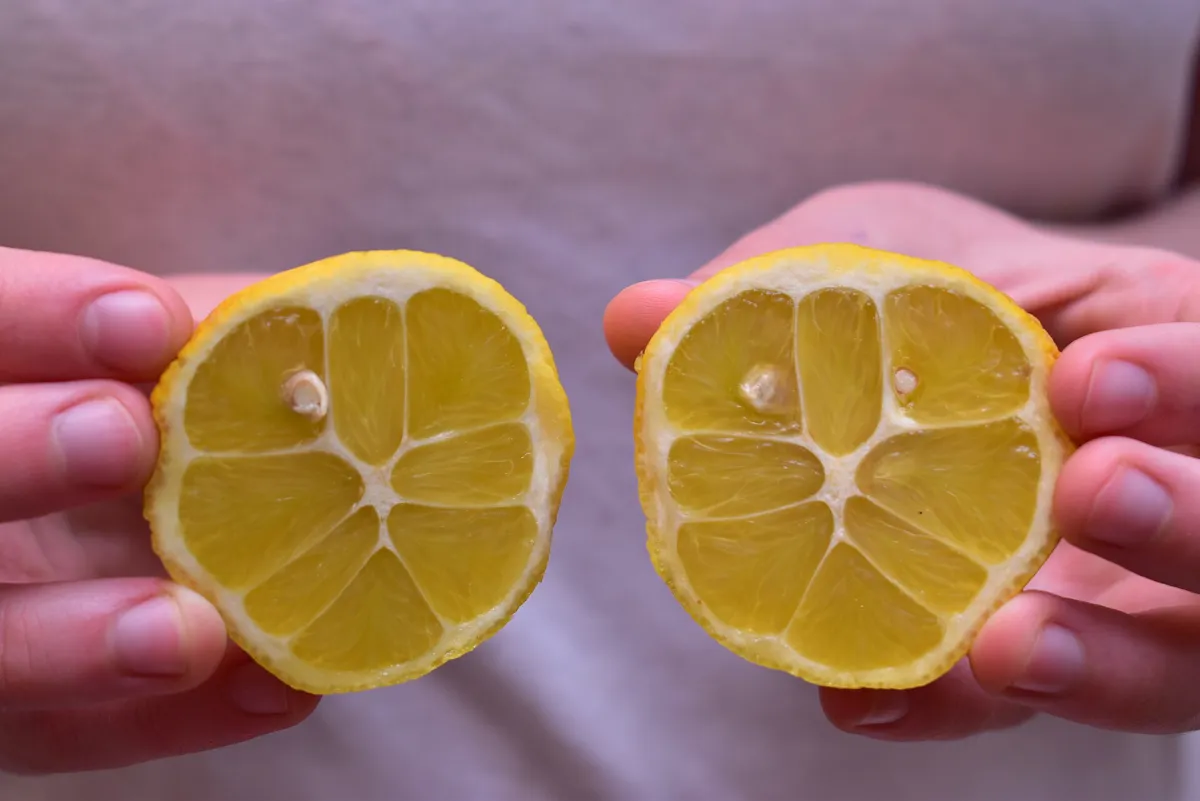
 Photo: Tirza van Dijk tirzavandijk, CC0, via Wikimedia Commons
Lemon water in the morning is, above all, a pleasant way to drink a glass of water after sleep, with a small dose of vitamin C and citrate. It does not detox your liver, burn fat or ‘alkalize’ your blood. Taken regularly and in large enough amounts it may help prevent certain kidney stones, but it is acidic: it can erode tooth enamel and worsen acid reflux, gastritis or ulcers.
Key takeaways:
- The real, reliable benefit is hydration: the tangy taste gets you drinking water right after waking, sometimes instead of a sugary drink.
- The juice of half a lemon provides only about 5-10 mg of vitamin C, a small share of your daily needs.
- Lemon citrate may help prevent calcium oxalate stones, but the amounts used in studies are far larger than a slice in a glass.
- ‘Detox’, effortless weight loss and body alkalizing are myths.
- Protect your teeth: dilute well, drink it quickly (don’t sip for an hour), rinse with plain water and don’t brush straight away.
- Skip it or weaken it a lot if you have reflux, active gastritis, an ulcer, mouth sores or sensitive teeth.
What is actually in a glass of lemon water
Lemon juice is mostly water. The rest is mainly citric acid (hence the sharp sour taste), vitamin C, small amounts of potassium and flavonoids such as hesperidin and eriocitrin. Calories are negligible: a tablespoon of juice has just a few.
Diluted in a glass of water, the juice tastes milder but stays clearly acidic, with a pH well below the threshold (around 5.5) at which tooth enamel starts to demineralize. That single fact explains almost every risk of lemon water.
The peel holds essential oils (mainly limonene) and more flavonoids than the juice, but very little of them passes into the water if you just drop in a slice.
What it really does
It gets you drinking water after sleep
After 7-8 hours without fluids, many people wake up mildly dehydrated: dry mouth, dark urine, sometimes a dull headache. A glass of water fixes exactly that, and lemon simply makes it more appealing. If you tend to drink too little or start the day with juice or sweetened coffee, the habit has a real effect on your total fluid and sugar intake. That is where most of the benefit lies.
A small amount of vitamin C
The juice of a whole lemon provides roughly 12-18 mg of vitamin C, and half a lemon about half that. EFSA puts adult needs at 95-110 mg a day, so lemon water covers only a fraction. A bell pepper, a kiwi or an orange gives you far more.
Don’t expect an immune boost either. The Cochrane review on vitamin C and the common cold found that, in the general population, regular supplements don’t prevent colds, though they may shorten them slightly. A few milligrams in a glass of water certainly won’t. Vitamin C does improve iron absorption from plant foods, but only when taken with a meal.
Citrate for kidney stone prevention
This is the benefit with the best science behind it. Citrate in urine binds calcium and stops calcium oxalate crystals, the most common type of kidney stone, from forming and growing. Many people with recurrent stones have low urinary citrate (hypocitraturia).
Lemons are the richest natural source of citric acid among citrus fruits. In so-called ’lemonade therapy’, small clinical studies used about 120 ml (half a cup) of lemon juice a day, the juice of 3-4 lemons, diluted in roughly 2 liters of water sipped through the day. Some showed higher urinary citrate and fewer recurrences; others found a modest effect, weaker than prescription potassium citrate. Urology guidelines put generous fluid intake first and mention citrus as a helpful option, not a treatment. A single morning glass helps mostly through the water it adds. For the full picture, see our guide to kidney stone prevention.
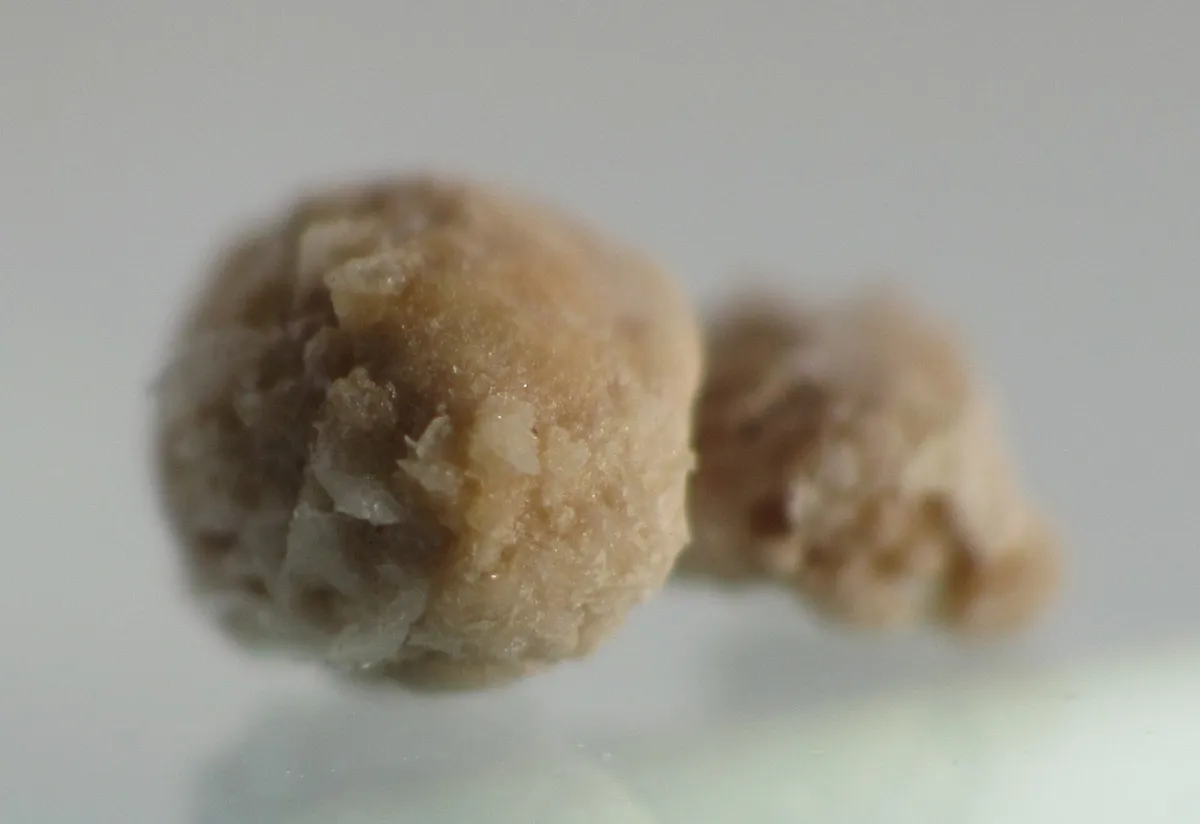
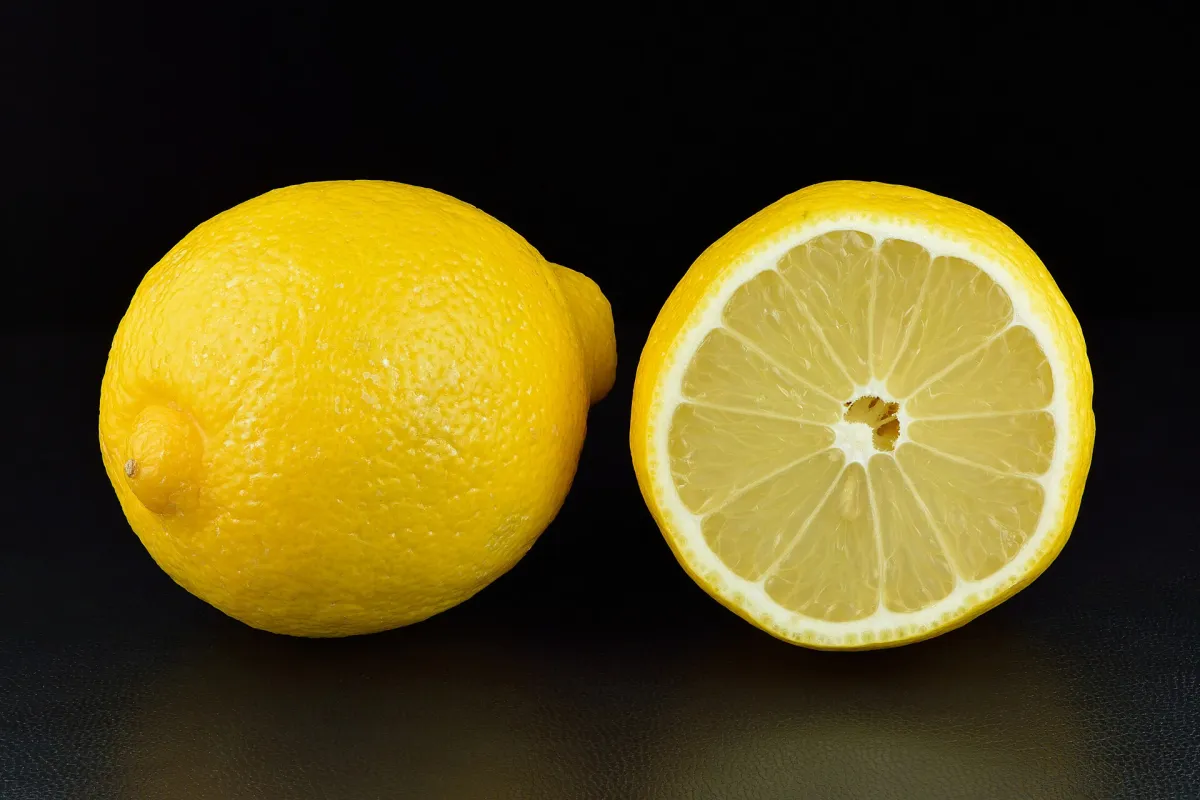 Photo: Ivar Leidus, CC BY-SA 4.0, via Wikimedia Commons
Digestion and regularity
Traditionally, lemon water on an empty stomach is said to ‘wake up’ the stomach and bowels. There is no solid research showing a lemon-specific effect. What plausibly works is the general mechanism: a drink first thing in the morning, especially a warm one, followed by breakfast, triggers the gastrocolic reflex and can ease bowel movements in people prone to constipation. Plain water does the same.
What it doesn’t do: the most common myths
| Claim | What the evidence says |
|---|---|
| ‘It detoxes the liver and cleanses the body’ | Your liver and kidneys clear waste on their own. No studies show lemon speeds this up. |
| ‘It melts fat and helps you lose weight’ | Lemon burns no fat. Water before meals may increase fullness and swapping sugary drinks cuts calories, but that is down to the water and the habit. |
| ‘It alkalizes your body’ | Blood pH is tightly regulated whatever you eat. Citrate metabolism can slightly raise urine pH, not blood pH. |
| ‘It boosts immunity’ | One glass has too little vitamin C to change anything in a well-fed person. |
| ‘Warm is better than cold’ | It’s a matter of preference. Very hot water only degrades the vitamin C. |
| ‘It clears your skin’ | Hydration supports skin in general, but there is no proven effect on acne or dark spots. |
If weight is your goal, read our honest look at tea for weight loss: the same rules apply to ‘miracle’ lemon drinks.
How to make lemon water properly
- Rinse the lemon under warm running water and scrub it if you plan to add slices with the peel (peel may carry wax and pesticide residues).
- Warm 250-300 ml (about 1 cup) of water to a comfortable 40-50°C (about 104-122°F), or use room-temperature water. Avoid boiling water.
- Squeeze in the juice of half a lemon (about 15-20 ml, a little over a tablespoon). Don’t go beyond one whole lemon per glass.
- Stir and drink it within 5-10 minutes, ideally through a straw so it touches your teeth as little as possible.
- Rinse your mouth with plain water right after.
- Wait at least 30-60 minutes before brushing. Have breakfast in the meantime.
Good variations: a few slices of fresh ginger, mint leaves or a teaspoon of honey (never give honey to babies under 1). Keep in mind that sweet plus acidic is the worst combination for teeth, so honey stays optional.
How much to use
| Goal | Amount | When and how often | Notes |
|---|---|---|---|
| Hydration and taste | Juice of 1/2 lemon in 250-300 ml water | Daily, in the morning | Suitable for most healthy adults |
| Sensitive stomach or teeth | 1 teaspoon of juice in 300 ml water | Occasionally, after breakfast | Stop if you get heartburn or tooth sensitivity |
| Kidney stone support (with your doctor’s approval) | About 120 ml juice a day in roughly 2 liters of water | Spread across the day | Needs urine tests and urology follow-up |
| Children over 1 year | A few drops in a glass of water | Occasionally, not as a daily habit | Plain water remains the main drink |
How to protect your tooth enamel
Dental erosion doesn’t hurt at first. It creeps in: teeth more sensitive to cold, see-through edges on the front teeth, a slightly yellow tone as enamel thins. Once lost, enamel does not grow back. Risk rises with how often and how long acid touches your teeth, not just how much, so a glass drunk quickly is far gentler than a bottle sipped all morning.
- Dilute well; skip concentrated lemon ‘shots’.
- Use a straw and don’t swish or hold it in your mouth.
- Rinse with plain water or chew sugar-free gum afterwards.
- Don’t brush right away; acid-softened enamel wears off more easily.
- Use a fluoride toothpaste and a soft brush.
- Don’t suck on lemon wedges.
If your teeth are already sensitive, read our guide to tooth sensitivity and talk to your dentist before making lemon water a daily routine.
 Photo: Eyluleyel, CC BY-SA 4.0, via Wikimedia Commons
Who should avoid or limit it
- People with GERD or frequent heartburn. Citrus is a common symptom trigger, and on an empty stomach it hits harder. The idea that lemon ’neutralizes’ stomach acid has no support. See our guide to acid reflux.
- Anyone with active gastritis or a stomach or duodenal ulcer. Acid can irritate an already inflamed lining and worsen pain. During a flare, stop completely; our gastritis guide explains what to drink instead.
- People with a hiatal hernia, for the same reasons as reflux.
- Those with dental erosion, sensitive teeth or recent dental work.
- People with mouth ulcers or other sores, where acid stings and slows healing.
- Anyone allergic to citrus, rare but possible.
- People with chronic kidney disease or heart failure on a fluid restriction: your doctor sets your total fluid intake.
Interactions worth knowing
Lemon is not grapefruit: at normal food amounts it has no known significant interactions with drugs processed by the liver. A few situations still matter:
- Aluminium-containing antacids: citrate increases aluminium absorption from the gut. Space them a few hours apart, especially if you have kidney disease.
- Hemochromatosis: vitamin C boosts iron absorption from food, so avoid lemon drinks with meals.
- Potassium citrate treatment for stones: don’t add large amounts of lemon juice without checking with your urologist.
Careful with lemon on your skin
Lemon juice left on skin in the sun can cause phytophotodermatitis: burns, blisters and brown marks that last for months. Wash your hands after squeezing lemons in summer and don’t use the juice as a face toner.
When to see a doctor
- heartburn more than twice a week or waking you at night;
- chest pain, trouble swallowing or unexplained weight loss;
- black stools or vomiting blood or coffee-ground material;
- teeth that suddenly become sensitive, or persistent tooth pain;
- cramping flank pain, blood in your urine, fever with chills (possible blocked stone or infection);
- a history of kidney stones: get assessed and have urine tests before any lemon ‘cure’.
Common mistakes
Sipping lemon water all morning. Your teeth sit in acid for hours. Drink the glass quickly.
Brushing immediately afterwards. You’re scrubbing temporarily softened enamel.
Using it instead of breakfast. A lemon ‘cleanse’ on an empty stomach detoxes nothing and can trigger heartburn.
Pouring boiling water over lemon. The vitamin C breaks down and you’re left with warm water.
Sweetening it heavily with honey or sugar. You turn a calorie-free drink into a sweet, acidic one.
Treating kidney stones with lemon on your own. Lemonade can support prevention, not replace tests and treatment.
The bottom line
Morning lemon water is a good habit if it gets you drinking more water and fewer sugary drinks. It adds a little vitamin C and kidney-friendly citrate, but it doesn’t detox, slim or alkalize. Drink it diluted, quickly and with your teeth in mind, and if you have reflux, gastritis or an ulcer, plain water is the better choice.
Frequently asked questions
Is warm or cold lemon water better? It comes down to taste and how your stomach tolerates it. Many people prefer lukewarm water at around 40-50°C in the morning; just avoid boiling water, which degrades vitamin C.
Can I drink lemon water on an empty stomach if I have gastritis? It isn’t recommended. The acid can irritate the inflamed lining and make pain worse. If you still want it, use just a teaspoon of juice in a large glass and drink it after a meal.
Does lemon water help with weight loss? Not directly. It can help indirectly if it replaces soft drinks, sweetened coffee or a snack, and water before meals may make you feel fuller.
How much lemon water can I drink a day? For a healthy adult, 1-2 glasses, each with the juice of half a lemon, are reasonable. Larger amounts used for stone prevention should be agreed with your doctor.
Does lemon water damage your teeth? It can erode enamel if it’s concentrated, frequent or sipped over a long time. Diluted, drunk quickly through a straw and followed by a water rinse, the risk drops considerably.
Does lemon water prevent kidney stones? Lemon citrate may lower the risk of calcium oxalate stones, and water itself is the most important preventive factor. One glass a day, though, is too little for a therapeutic effect.
Can I use bottled lemon juice? Yes, it has similar citric acid but usually less vitamin C and sometimes preservatives such as sulfites. Read the label and avoid sweetened versions.
Can children drink lemon water? Occasionally and well diluted, for children over 1 year. It isn’t needed as a daily habit, and baby teeth are more vulnerable to acid.
Sources and further reading
- NIH Office of Dietary Supplements, ‘Vitamin C: Fact Sheet for Health Professionals’.
- EFSA Panel on Dietetic Products, Nutrition and Allergies, ‘Scientific Opinion on Dietary Reference Values for vitamin C’, EFSA Journal, 2013.
- Hemilä H., Chalker E., ‘Vitamin C for preventing and treating the common cold’, Cochrane Database of Systematic Reviews, 2013.
- American Urological Association, ‘Medical Management of Kidney Stones: AUA Guideline’ (2014, amended 2019).
- European Association of Urology, Guidelines on Urolithiasis.
- NHS, ‘Heartburn and acid reflux’.
Informational content only; it does not replace a consultation with a doctor or pharmacist.