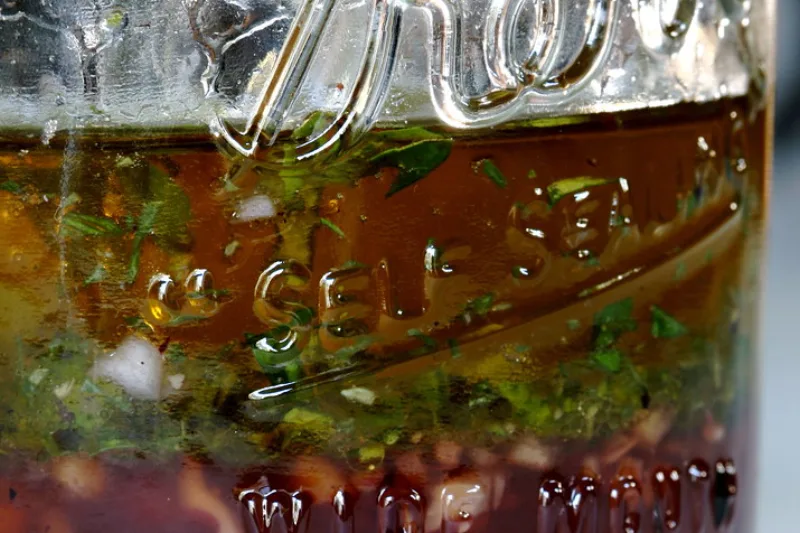

Medicinal Herbal Vinegars: Recipes, Benefits and Traditional Uses
IMPORTANT: Medicinal vinegars are home remedies, not medicines. Vinegar is acidic and may irritate the stomach or erode tooth enamel if taken undiluted; always dilute it. People with ulcers, gastritis, acid reflux, a hiatal hernia, or those taking medication for diabetes, diuretics, or heart drugs (such as digoxin) should ask their doctor before using vinegar internally. On the skin, undiluted vinegar can cause burns, especially on open wounds. Pregnant or breastfeeding women and small children should not use concentrated medicinal vinegars without medical advice. This article is for information only and does not replace professional medical care.
Grandma Maria from the foothills kept a row of dusty jars on her kitchen windowsill, each with a handwritten label: “basil vinegar,” “mint vinegar,” “garlic vinegar.” Whenever someone arrived with a cold, a stomach cramp, or a bee sting, she would open one of the jars, pour a few drops into a glass of warm water with her acacia honey, and say: “Drink this, dear, the vinegar draws the bad out.” She knew no chemical formulas, but she knew, passed down through the generations, that herbs left to rest in vinegar give their power to the liquid.
Aunt Elena, her neighbor, swore by rose vinegar for sunburned skin and by “four thieves vinegar” to keep illness away during harsh winters. These recipes were no invention—they were inheritances centuries old, handed down by word of mouth and in yellowed notebooks, in which vinegar served as both preservative and remedy. Today we are rediscovering these medicinal vinegars as a gentle, cheap, and natural way to use the plants from the garden and the fields.
A medicinal herbal vinegar (also called an “aromatic vinegar” or “acetic macerate”) is a preparation made by steeping herbs, flowers, roots, fruit, or spices in a good-quality vinegar for an extended time. The acetic acid in the vinegar extracts and preserves the plants’ active principles—volatile oils, organic acids, flavonoids, minerals—resulting in an aromatic liquid with tonic, digestive, antiseptic, and cosmetic properties. Unlike alcohol-based tinctures, vinegars suit those who avoid alcohol, and they have the advantage of being usable in the kitchen too.
Table of Contents
- What a medicinal vinegar is and where it comes from
- Choosing a base vinegar
- Active principles and why it “works”
- Health benefits
- Traditional herbs and combinations
- Step-by-step preparation (recipes)
- Dosage and how to take it
- External uses: hair, skin, baths
- Lifestyle and practical tips
- Practical Tips and Common Mistakes
- Conclusion
- Frequently Asked Questions
What a medicinal vinegar is and where it comes from
Vinegar itself is an ancient product, the result of the acetic fermentation of an alcoholic liquid—wine, apple cider, grape must, beer, or whey. Ancient civilizations used it equally as food, preservative, and medicine. Hippocrates recommended vinegar mixed with honey (a preparation called “oxymel”) for coughs and respiratory complaints, while the famous legend of “four thieves vinegar” tells of robbers during plague times who anointed themselves with a vinegar enriched with aromatic herbs and so escaped the pestilence.
In folk tradition, the homemade barrel vinegar or “apple vinegar” was ever-present. Homemakers steeped in it plants gathered at the right moment: basil flowering at midsummer, mint from the streamside, elderflowers, horseradish root. The aromatic vinegar was both a seasoning for soups and salads and a remedy taken from the pantry when needed. In essence, a medicinal vinegar is a clever way of preserving the virtues of fresh herbs all year round, turning a fleeting bunch of greenery into a lasting remedy.
Choosing a base vinegar
The quality of the base vinegar determines the quality of the remedy. Here are the most suitable options:
- Raw apple cider vinegar (unfiltered, with the “mother”) is the preferred choice for remedies. It has a milder taste, contains enzymes, organic acids, and trace minerals, and is traditionally linked with supporting digestion. The cloudy “mother” at the bottom of the bottle is a sign of a live, unpasteurized vinegar.
- Wine vinegar (red or white) is excellent for aromatic vinegars with Mediterranean herbs (rosemary, thyme, basil) and for culinary-medicinal use.
- Pear cider vinegar or other fruit vinegars can be used much like apple vinegar.
Avoid cheap “spirit” vinegar (diluted acetic acid), which lacks aroma and valuable substances. The ideal acetic acid concentration is around 5–6%, enough to extract and preserve without being too harsh.
Active principles and why it “works”
A medicinal vinegar owes its action both to the components of the vinegar and to those extracted from the plants. Acetic acid has mild antiseptic properties and helps dissolve and extract certain plant compounds that do not release well in water. As the plant macerates, the vinegar “draws in”:
- volatile (essential) oils from basil, mint, thyme, lavender—responsible for the aroma and for the tonic, calming, or antiseptic effects;
- flavonoids and polyphenols with antioxidant roles, from flowers and leaves;
- organic acids and tannins, which give the sense of “freshness” and astringency, useful on the skin;
- minerals (potassium, calcium, magnesium) released from plants and fruit.
Tradition says the vinegar “draws the bad out”—in modern terms, we would say it supports digestion, tones the skin, and helps the body’s balance. Studies suggest that apple cider vinegar taken before meals may contribute to a feeling of fullness and to moderating appetite, but the effects should not be overstated, and vinegar does not cure disease.
Health benefits
Digestive support
The most cherished role of medicinal vinegars in folk tradition is the digestive one. A teaspoon of herbal vinegar (wormwood, basil, or mint) diluted in a glass of water, drunk before a meal, was regarded as an “aperitif” that wakes the stomach, eases bloating, and relieves the heaviness after rich meals. Bitter herbs added to it (wormwood, artichoke, dandelion) strengthen this tonic effect on the liver and gallbladder.
General and “autumn-winter” tonic
Vinegars with garlic, horseradish, onion, hot pepper, or “four thieves” types were taken in the cold season as a tonic and support for the body. The compounds in garlic and horseradish have, according to tradition and some modern observations, antiseptic and warming properties.
Calm and sleep
Vinegars of lavender, lemon balm (melissa), or linden, a few drops in warm water in the evening, were used popularly to soothe the nerves and encourage restful sleep. The aroma of the relaxing herbs is beautifully preserved in vinegar.
A refresher on hot days
The so-called “shrub”—a tart syrup made from vinegar, fruit, and honey—diluted with cold or sparkling water, is a traditional refreshing drink, pleasant and gently tonic, far healthier than store-bought fizzy drinks.
Skin and hair care
Diluted herbal vinegars are mild astringents: they tone the skin, balance its pH, and leave the hair silky. You will find the detailed external recipes below.
Traditional herbs and combinations
Here are a few classic combinations you can adapt:
- Digestive vinegar: basil, mint, fennel, orange peel.
- Winter tonic vinegar (“four thieves”): garlic, rosemary, thyme, sage, lavender, cloves, cinnamon.
- Calming vinegar: lavender, lemon balm, linden flowers, chamomile.
- Hair vinegar: rosemary, nettle, horsetail, birch leaves.
- Skin vinegar: rose petals, calendula, lavender.
- Fruit vinegar (shrub): raspberries, blackberries, sour cherries, ginger.
Step-by-step preparation (recipes)
Basic herbal medicinal vinegar (cold maceration)
You will need:
- a clean glass jar with a lid (preferably plastic or glass, since vinegar corrodes metal);
- fresh herbs (a jar loosely filled, not packed) or dried herbs (fill one third of the jar);
- raw apple cider vinegar or wine vinegar, enough to cover the plant completely.
Steps:
- Wash and thoroughly dry fresh herbs (moisture encourages mold). If using roots or peels, chop them small.
- Place the herbs in the jar without packing them down.
- Pour the vinegar over them until they are covered by at least two or three centimeters.
- If the jar has a metal lid, place a sheet of waxed paper or plastic film between lid and vinegar so it does not rust.
- Label with the herb’s name and the date.
- Leave to macerate for 2–4 weeks in a cool place out of direct sunlight. Shake the jar gently every few days.
- Strain through cheesecloth, squeeze the plant well, and keep the clear vinegar in a clean bottle in the dark.
The vinegar made this way keeps for 6–12 months in a cool place.
Quick aromatic vinegar (warm method)
When you are in a hurry, warm (without boiling) the vinegar to about 50–60°C, pour it over the herbs, and macerate for only 4–7 days. The warm method speeds extraction, but the aroma is usually less refined than with cold maceration.
Oxymel (vinegar with honey)
The old remedy for cough and sore throat: mix one part herbal vinegar (for example thyme or sage) with two parts honey until smooth. Take a teaspoon as needed, plain or in warm tea (not hot, so as not to destroy the honey).
Shrub (tart fruit syrup)
Mix crushed fruit (raspberries, sour cherries) with sugar or honey in equal parts, leave for 1–2 days in the fridge, then add as much apple cider vinegar as fruit. Strain after a few days. Dilute 1–2 tablespoons in cold water for a tonic lemonade.
Dosage and how to take it
For internal use, the golden rule is dilution:
- 1 teaspoon up to 1 tablespoon of medicinal vinegar in a glass (200–250 ml) of water;
- once or twice a day, usually before the main meals;
- drink through a straw or rinse the mouth with plain water afterward to protect the teeth.
Oxymel is taken a teaspoon at a time, 2–3 times a day as needed. Shrub is enjoyed as a refresher, in moderation. Always begin with small amounts to see how your stomach reacts.
External uses: hair, skin, baths
A rinse for shiny hair
Dilute 2–3 tablespoons of herbal vinegar (rosemary, nettle) in a liter of water. After shampooing, pour the mixture over the hair as a final rinse. It balances the pH, removes product residue, and leaves the hair glossy. No need to rinse again—the vinegar smell evaporates as the hair dries.
Astringent facial toner
Rose-petal or calendula vinegar, strongly diluted (1 tablespoon to 100 ml water, optionally with rosewater), applied with a cotton pad, tones oily and combination skin. Test first on a small patch of skin and do not apply to irritated skin.
Compresses and rubs
Tradition used compresses of diluted vinegar on the forehead for fever, on tired ankles, or aromatic vinegar rubs on the back and chest for colds. Always use diluted vinegar and stop if the skin reddens or stings.
Relaxing baths
A cup of lavender vinegar poured into a lukewarm bath soothes the skin and relaxes after a hard day.
Lifestyle and practical tips
Medicinal vinegars give the best results when they are part of a balanced lifestyle: home-cooked food, plenty of greens, daily movement, and good hydration. Use aromatic vinegar in the kitchen too—in dressings, marinades, and soups—so you benefit from the herbs every day without effort. Gather plants in the morning once the dew has lifted, from clean places far from roads and chemically treated crops. Dry the surplus herbs for winter and prepare a small labeled “vinegar cupboard” in good time.
Practical Tips and Common Mistakes
Mistake no. 1: Taking vinegar undiluted internally. Concentrated vinegar irritates the stomach, throat, and tooth enamel. Always dilute it and, ideally, drink through a straw.
Mistake no. 2: A metal lid in contact with the vinegar. Vinegar corrodes metal, spoils the taste, and “dresses” the remedy in rust. Use plastic lids or insert a film barrier.
Mistake no. 3: Wet or dirty herbs. Water left on the plants and dust encourage mold. Wash and thoroughly dry fresh herbs.
Mistake no. 4: Macerating in strong sun. Direct light and excessive heat degrade the aromas and colors. Keep the jar cool and dark.
Mistake no. 5: No label. A month later you will no longer know what is in the jar or how old it is. Note the herb and the date.
Mistake no. 6: Huge batches “for the whole family.” Make small, fresh quantities; herbal vinegars lose their aroma over time.
Mistake no. 7: Expecting miracles. Vinegar is a gentle support, not a medicine. For real illness, see a doctor.
Conclusion
Medicinal herbal vinegars are one of the loveliest inheritances of the old kitchen and pantry: cheap, easy to make, tasty, and useful alike for the table, for digestion, for the hair, and for the skin. With a clean jar, a quality vinegar, and a bunch of carefully chosen herbs, anyone can prepare aromatic remedies at home that preserve the power of seasonal greens throughout the year. Use them in moderation, diluted, and with common sense, as an extra help toward healthy living—and leave the real medicines to the doctor.
Frequently Asked Questions
How long does a homemade medicinal vinegar last? Generally 6–12 months, kept dark and cool in a well-sealed bottle. If an off smell, foam, or mold appears, discard the preparation.
Can I use dried herbs instead of fresh? Yes. Dried herbs are more concentrated, so fill only about one third of the jar, no more, otherwise the vinegar cannot cover them properly.
Does apple cider vinegar really help with weight loss? Studies suggest a possible effect on fullness and appetite, but it is not a standalone weight-loss solution. Diet and exercise matter most.
Is it safe for children? Concentrated medicinal vinegars are not recommended for small children without medical advice. For older children, only highly diluted and occasionally.
Can I take medicinal vinegar if I have gastritis or reflux? Not without your doctor’s advice. Vinegar is acidic and can worsen these conditions.
Why should I avoid a metal lid? Vinegar corrodes metal, which spoils the taste, contaminates the remedy, and rusts the lid. Use plastic or a protective film.
Do I need to rinse my hair after a vinegar rinse? No. When correctly diluted, the vinegar smell fades as the hair dries, leaving it glossy.
Can I combine several herbs in one vinegar? Yes, combinations are a whole tradition (see “four thieves vinegar”). Balance the aromas and write down the recipe so you can repeat it.