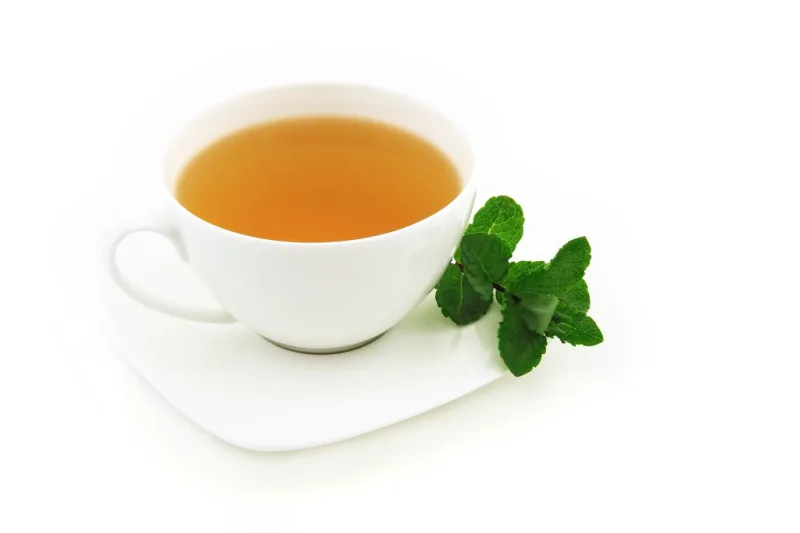

Teas and Natural Remedies for Good Digestion
IMPORTANT: Teas and natural remedies for digestion are a wonderful support for occasional discomfort, but they never replace medical care. If you have severe and persistent abdominal pain, repeated vomiting, blood in your stool, unexplained weight loss, difficulty swallowing, or heartburn that won’t go away, see a doctor right away. Pregnant and breastfeeding women should be cautious with certain herbs (for example mint in large amounts, anise, or wormwood) and should ask their doctor for advice. People with acid reflux may find that mint worsens their symptoms, and those taking medication (blood thinners, diabetes or blood-pressure drugs) should discuss possible interactions with ginger or other herbs with their doctor.
Aunt Veronica from my grandmother’s village kept an entire shelf of jars filled with dried herbs, each one labeled in her small, neat handwriting. Whenever a child in the yard complained of a tummy ache, or someone came home from a feast with a “heaviness in the stomach,” she never reached for pills. She would put the kettle on, take a handful of mint and a few fennel seeds, and say with her calming smile: “The stomach doesn’t want miracles, it wants patience and a cup of warm tea.” Within minutes, the house smelled of fresh mint, and the sufferer, wrapped in a blanket, would slowly sip from the steaming cup. More often than not, within half an hour the bloating eased and life returned to normal.
This scene, repeated in countless Romanian households, hides a wisdom that is centuries old: good digestion begins with simple things. Teas made from carminative herbs (which chase away gas), bitter herbs (which stimulate digestive secretions), and herbs that relax the muscles of the digestive tract have been used in folk medicine everywhere. In this article I will tell you in detail about the most effective teas and natural remedies for healthy digestion, how to prepare them correctly, when and how much to drink, what mistakes people commonly make, and how to combine these remedies with a lifestyle that supports the stomach and intestines.
Table of Contents
- What good digestion actually means
- Why teas work for digestion
- The best herbs for digestion
- Peppermint tea
- Fennel tea
- Chamomile tea
- Ginger tea
- Anise and caraway tea
- Lemon balm tea
- How to properly prepare a digestive tea
- Herb combinations for digestion
- Other natural remedies for digestion
- The lifestyle that supports digestion
- Practical tips and common mistakes
- Conclusion
- Frequently Asked Questions
What good digestion actually means
Digestion is an astonishingly complex process that begins the moment we smell food and ends more than twenty-four hours later. In the mouth, saliva starts breaking down starches; in the stomach, gastric juices and churning movements turn the food into a paste; in the small intestine, pancreatic enzymes and bile break down fats, proteins, and carbohydrates, and nutrients are absorbed; in the large intestine, the microbiota ferments what is left and stool is formed. Good digestion means all these stages flow smoothly, without bloating, without heartburn, without cramps, and with regular transit.
When something goes wrong, the familiar symptoms appear: a feeling of heaviness after a meal, bloating, gas, belching, heartburn, nausea, constipation, or, on the contrary, loose stools. Very often these troubles have no serious cause but stem from meals that are too rich, from eating in a hurry, from stress, or from an unbalanced microbiota. This is where teas and natural remedies come in, gently calming, relaxing, and supporting the digestive system.
Why teas work for digestion
The herbs traditionally used for digestion act in several ways, and folk tradition, partly confirmed by modern research, divides them into a few broad categories. Carminative herbs, such as mint, fennel, anise, and caraway, contain volatile oils that relax the smooth muscle of the digestive tract and help expel gas, thereby reducing bloating and cramping. Bitter herbs, such as gentian, dandelion, or wormwood, stimulate the secretion of saliva, gastric juices, and bile through their bitter taste, preparing the body for more efficient digestion. Anti-inflammatory and soothing herbs, such as chamomile and lemon balm, calm the irritated lining and reduce spasms.
Beyond the active compounds, the gesture itself matters. A cup of warm tea sipped slowly after a meal slows the pace, warms the stomach, and offers a moment of relaxation. Studies suggest that a state of calm and the activation of the parasympathetic nervous system (the “rest and digest” mode) favor digestive processes, whereas stress and haste hinder them. So digestive tea works both through the chemistry of the herbs and through the soothing ritual it creates.
The best herbs for digestion
Before going into detail about each herb, it is worth remembering that the most valued stomach remedies are usually ordinary, accessible plants that you can find in any herbal shop or even in your own garden. You don’t need exotic, expensive ingredients. Below I present the undisputed stars of digestive teas, each with its own personality.
Peppermint tea
Peppermint (Mentha piperita) is probably the best-known herb for digestion. Its leaves contain menthol, a volatile oil with a cooling, relaxing effect on the smooth muscle of the digestive tract. Folk tradition uses peppermint tea for bloating, cramps, nausea, and the heavy feeling after large meals. Studies suggest that peppermint oil can help relax intestinal spasms, which explains its popularity for irritable bowel syndrome.
Peppermint tea has a pleasant, refreshing taste and is enjoyable both warm and lukewarm. To prepare it, put a teaspoon of dried leaves (or a few fresh leaves) in a cup of boiled water, cover, and let it steep for seven to ten minutes, then strain. Important to know: people with acid reflux should be cautious, because mint also relaxes the sphincter between the stomach and the esophagus, which can worsen heartburn in some individuals.
Fennel tea
Fennel (Foeniculum vulgare) is a true treasure for digestion. Its seeds, with their sweet, anise-like aroma, are among the best carminative remedies. Tradition has used them for centuries for bloating, gas, and colic, including in infants (in the form of a very diluted tea and only on a doctor’s recommendation). Fennel relaxes the intestinal muscles and helps release trapped gas, which causes discomfort and cramps.
To obtain an aromatic and effective tea, the seeds should be lightly crushed in a mortar before steeping, so they release their volatile oils. Put a teaspoon of crushed seeds in a cup of boiled water, cover, and let it steep for ten minutes. Fennel tea has a sweetish, pleasant taste and can be drunk without sweetener. It is often recommended after heavy meals or in the evening, to soothe bloating.
Chamomile tea
Chamomile (Matricaria chamomilla) is the herb of calm par excellence. Besides its relaxing effect on the nervous system, chamomile has anti-inflammatory and antispasmodic properties that make it valuable for an irritated stomach, for mild gastritis, and for cramps caused by stress or unsuitable food. Folk tradition recommends it for the “nervous stomach,” that dull ache that appears when we are tense.
Chamomile flowers steep easily: one to two teaspoons in a cup of boiled water, covered, for five to ten minutes. The tea has a fine, slightly bitter aroma. Drunk in the evening, chamomile soothes both the stomach and the mind, preparing the way for a peaceful sleep. It is one of the gentlest herbs and can be given, with caution and medical advice, to children as well.
Ginger tea
Ginger (Zingiber officinale) is the spicy, fragrant root used since ancient times in Asian medicine for digestion and nausea. Studies suggest that ginger may help with nausea, including motion sickness or pregnancy nausea (in small doses and with a doctor’s approval). Ginger stimulates stomach emptying and has a carminative effect, making it suitable for the feeling of heaviness and for slow digestion.
Ginger tea is made from fresh root: slice two or three thin rounds and simmer them in water for five to ten minutes, then strain. You can add a little honey and a slice of lemon. The taste is spicy and warming, ideal on cold days or after a heavy meal. Be careful with the quantity, though: in excess, ginger can irritate a sensitive stomach.
Anise and caraway tea
Anise (Pimpinella anisum) and caraway (Carum carvi) are two classic carminative herbs with strong aromas and effects similar to fennel. They are especially useful for intestinal gas and the feeling of bloating. In traditional cooking, caraway seeds are often added to hard-to-digest dishes, such as cabbage or beans, precisely to prevent bloating.
As a tea, use a teaspoon of crushed seeds in a cup of boiled water, steeped for ten minutes. Anise has a sweet, aromatic taste, while caraway is more earthy and slightly pungent. Both blend beautifully with fennel, forming a very effective carminative trio.
Lemon balm tea
Lemon balm (Melissa officinalis) has a delicate lemony fragrance and a dual effect, on the stomach and on the nerves. It is the ideal herb for digestion disturbed by stress and emotions, for that “knot in the stomach” that appears during tense periods. Lemon balm relaxes spasms, calms nervous nausea, and induces a state of serenity.
Lemon balm leaves steep like mint: one to two teaspoons in a cup of boiled water, covered, for seven to ten minutes. The tea has a fine, lemony aroma and can be drunk in the evening, before bed, to calm both digestion and the mind.
How to properly prepare a digestive tea
Many people prepare tea incorrectly and wonder why they don’t feel the expected effect. Here is the correct method, step by step, so the herbs can fully release their active compounds.
Step 1 — Choose the right water. Use clean water, preferably filtered or spring water. For leaves and flowers (mint, chamomile, lemon balm), the water should not be at a violent boil but boiled and left a few seconds to settle.
Step 2 — Measure correctly. The general rule is one level teaspoon of dried herb (or two of fresh herb) per cup of about 200-250 ml of water.
Step 3 — Prepare the seeds. If you use seeds (fennel, anise, caraway), crush them lightly in a mortar before steeping. This releases the volatile oils responsible for the carminative effect.
Step 4 — Cover the vessel. This is the most frequently overlooked secret. Always cover the cup or teapot during steeping, so the precious volatile oils don’t evaporate with the steam. Without a lid, you lose the very part that heals.
Step 5 — Respect the steeping time. For leaves and flowers, five to ten minutes is enough. For roots (ginger), a short simmer, called a decoction, of five to ten minutes is needed.
Step 6 — Strain and drink warm or lukewarm. Digestive tea is usually drunk unsweetened or with very little honey added after the tea has cooled a bit (honey added to boiling liquid loses some of its properties).
Herb combinations for digestion
Herbs often work better together, complementing each other’s effects. Here are a few traditional, well-regarded blends.
The classic carminative blend: equal parts fennel, anise, and caraway. This trio is excellent against bloating and gas, especially after meals rich in legumes or cabbage.
The soothing blend: chamomile, lemon balm, and a pinch of mint. Suitable for digestion disturbed by stress, drunk in the evening.
The blend for an irritated stomach: chamomile, calendula, and a little lemon balm. Soothing for a sensitive gastric lining.
The warming winter blend: ginger, a slice of lemon, and a little cinnamon. Invigorating and pleasant on cold days.
For any blend, use a total of one to two teaspoons of herbs per cup of water and follow the preparation rules described above.
Other natural remedies for digestion
Besides teas, folk tradition and culinary common sense offer plenty of simple remedies for better digestion.
Diluted apple cider vinegar. A teaspoon of natural apple cider vinegar in a glass of water, drunk before a meal, is a popular remedy to stimulate digestive secretions in those with low stomach acid. Caution: people with heartburn and high acidity should avoid it.
Warm lemon water in the morning. Drunk on an empty stomach in the morning, it helps “start up” the transit and hydrates after a night’s sleep.
Chewing caraway or fennel seeds. In many cultures, at the end of a meal people chew half a teaspoon of fennel or anise seeds, both for digestion and for fresh breath.
A warm compress on the abdomen. A bottle of warm water or a cherry-pit pillow heated and placed on the belly relaxes cramps and brings quick relief.
Gentle movement after a meal. A leisurely ten- to fifteen-minute walk after the main meal aids digestion far more than lying on the couch.
The lifestyle that supports digestion
No tea, however good, can compensate for a lifestyle that abuses the stomach. Good digestion is built daily, through simple, consistent choices.
Eat slowly and chew well. Digestion begins in the mouth, and thorough chewing greatly eases the stomach’s work. Sit down at the table, put the phone aside, and savor each bite. Avoid heavy meals late in the evening, because the stomach needs time to empty before sleep; ideally, the last meal should be two to three hours before bed.
Hydrate properly, but don’t drink large amounts of liquid right during the meal, so as not to dilute the gastric juices. Include fiber from vegetables, fruit, and whole grains in your diet, which nourishes the microbiota and keeps transit regular. Add fermented foods such as natural pickles, sauerkraut, or yogurt, which bring gut-friendly bacteria. And, not least, manage stress: deep breathing, walks, and restful sleep are unexpected allies of smooth digestion.
Practical tips and common mistakes
Mistake no. 1: Steeping without a lid. The most common mistake. If you don’t cover the cup, the precious volatile oils in mint, fennel, or chamomile evaporate with the steam, and the tea is left without most of its carminative power.
Mistake no. 2: Water that is too hot for leaves and flowers. Violently boiling water can destroy some of the delicate compounds of fragile herbs. Let the water settle for a few seconds after it has boiled.
Mistake no. 3: Using mint in people with reflux. Mint relaxes the esophageal sphincter and can worsen heartburn. Those who suffer from reflux should rather choose chamomile, fennel, or lemon balm.
Mistake no. 4: Over-sweetening. Too much sugar can promote fermentation and bloating. Drink digestive tea unsweetened or with very little honey.
Mistake no. 5: Expecting miracles from a single cup. Natural remedies work gently and steadily. For chronic discomfort, they must be integrated into a routine, not used just once.
Mistake no. 6: Ignoring warning signs. Teas are for occasional discomfort. Persistent pain, bleeding, weight loss, or difficulty swallowing call for medical care, not tea.
Mistake no. 7: Drinking the tea too hot. Very hot liquids can irritate the lining of the esophagus and stomach. Let the tea reach a pleasant, lukewarm temperature.
Conclusion
Teas and natural remedies for digestion represent one of the finest legacies of folk medicine: simple, accessible, and surprisingly effective for everyday discomfort. Mint cools and relaxes, fennel and anise chase away gas, chamomile soothes an irritated stomach, ginger fights nausea, and lemon balm calms digestion disturbed by stress. Beyond the chemistry of the herbs, however, lies a lesson that Aunt Veronica knew all too well: the stomach wants patience, calm meals, and a warm cup of tea drunk without haste. Combine these remedies with a balanced diet, gentle movement, and stress management, and your digestion will thank you. And don’t forget: when discomfort exceeds the usual limits, the best remedy remains a visit to the doctor.
Frequently Asked Questions
Which is the best tea for bloating? For bloating and gas, the most effective are carminative herbs: fennel, anise, and caraway. A blend of these three crushed seeds, steeped for ten minutes, gives very good results. Mint is also useful, except for people with reflux.
Can I drink digestive tea every day? Yes, most gentle digestive teas, such as chamomile, fennel, or lemon balm, can be consumed daily in reasonable amounts (one or two cups). It is good, however, to rotate the herbs and take breaks, especially with stronger herbs like ginger.
When is the best time to drink tea for digestion? The most suitable moment is after a meal, when the stomach needs support, or in the evening, to calm digestion disturbed by stress. Ginger and lemon water are usually drunk in the morning, to “start up” the system.
Is peppermint tea good for reflux? No, on the contrary. Mint relaxes the sphincter between the stomach and the esophagus and can worsen heartburn in people with acid reflux. They should choose chamomile, fennel, or lemon balm.
Can I give digestive tea to children? Chamomile and very diluted fennel are considered gentle, but for children, especially infants, any tea should be given only after consulting a pediatrician. Do not use strong herbs such as ginger or concentrated mint in children without medical advice.
Why must the cup be covered during steeping? Because the volatile oils, which are precisely the substances that chase away gas and relax the stomach, are very easily evaporated. The lid keeps them in the tea instead of letting them escape with the steam.
Does tea help with constipation? Some herbs can support transit, but for constipation, hydration, fiber, and movement matter more. Carminative teas help with bloating, not necessarily with constipation. For chronic constipation, consult a doctor.
Is fennel tea safe during pregnancy? Fennel in large amounts is not recommended during pregnancy. Pregnant women should avoid the regular consumption of fennel, anise, and other concentrated carminative herbs and should always ask their doctor before using any medicinal tea.