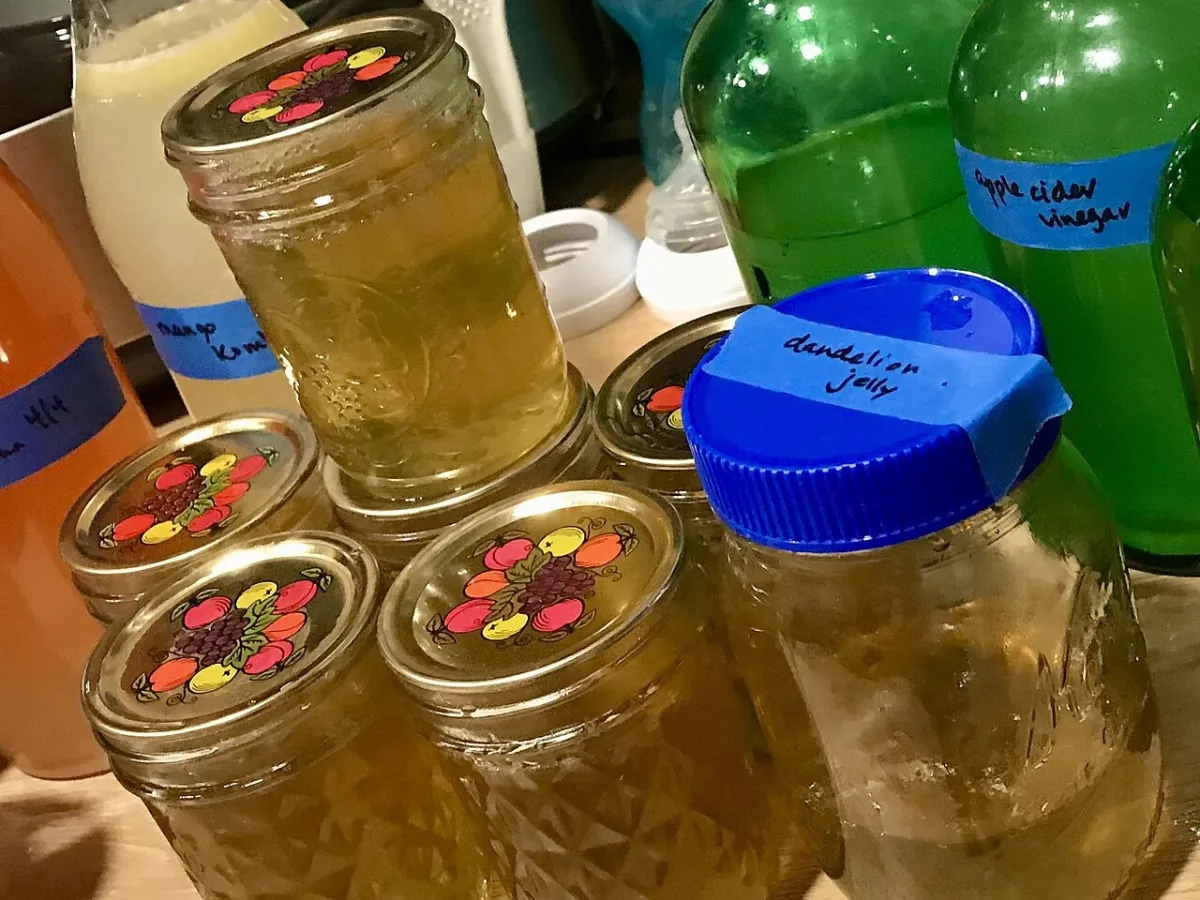
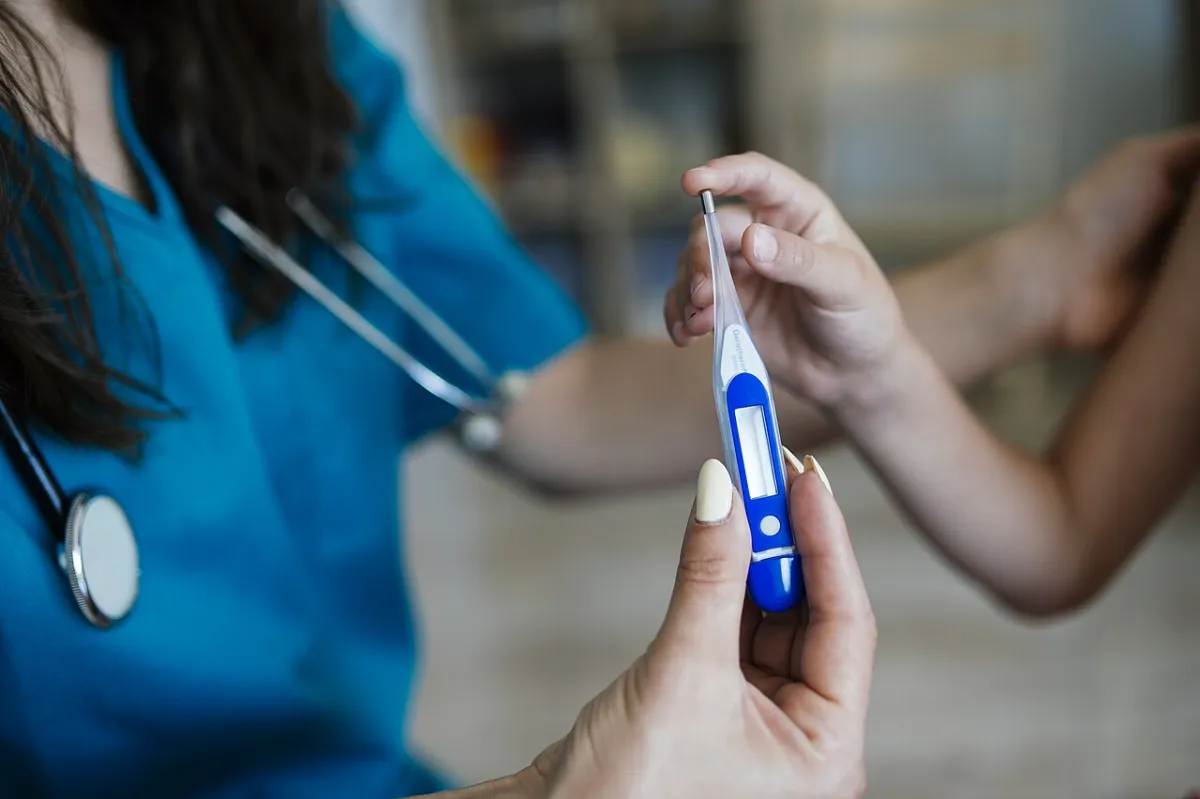
 Photo: Shixart1985, CC BY 2.0, via Wikimedia Commons
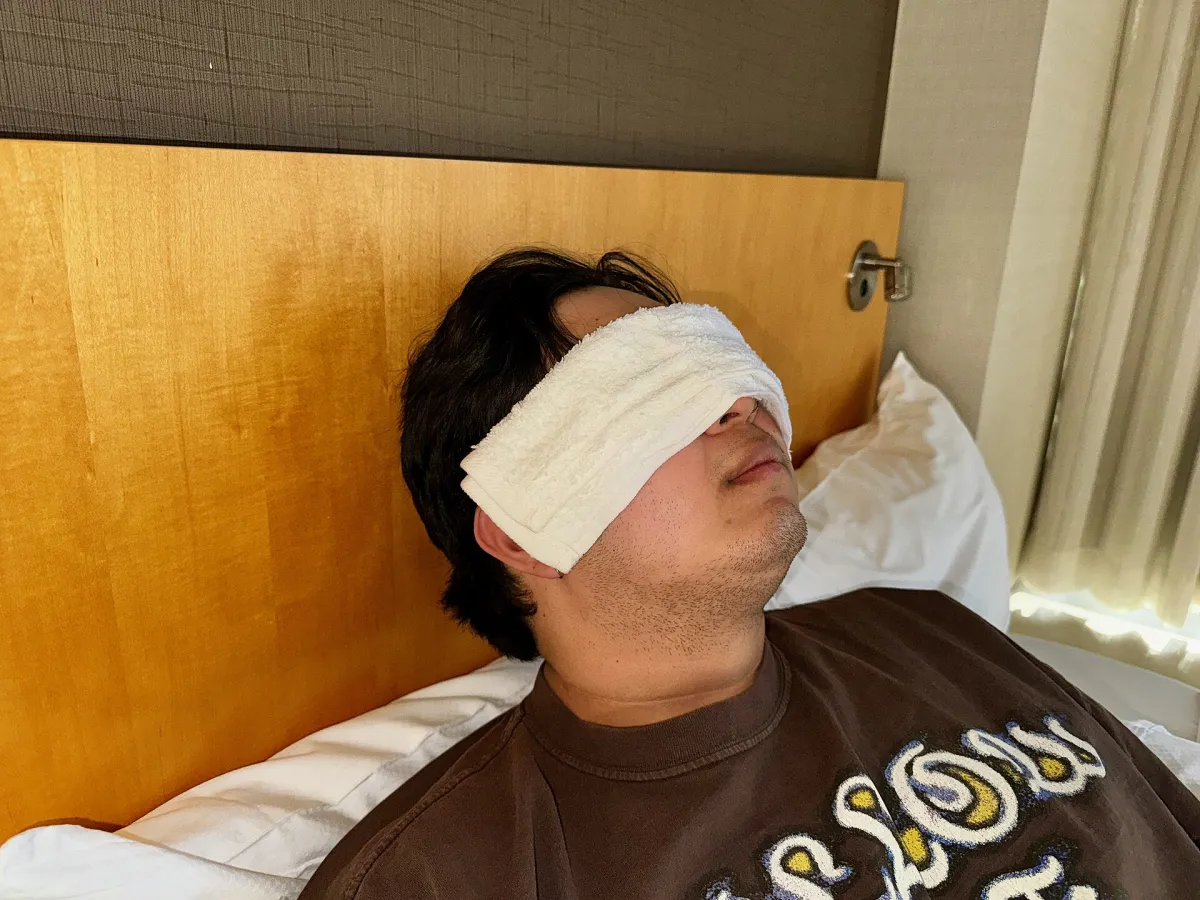
Vinegar compresses for fever are made with a solution of one part vinegar to 3-4 parts lukewarm water (28-32°C / 82-90°F), in which you soak a small towel or a pair of cotton socks, wring them out and place them on the forehead, wrists or calves for 10-15 minutes. They cool the skin and bring comfort, but do not meaningfully lower core temperature, and vinegar adds nothing proven over plain water. Current paediatric guidelines do not recommend them as treatment: fever is treated, when needed, with paracetamol (acetaminophen) or ibuprofen, fluids and rest. Never rub alcohol on the skin, especially in children.
“Put vinegar socks on him and a compress on his forehead” is probably the best-known piece of grandmotherly advice for fever in Romania. The gesture has a logic (cooling the skin by evaporation) and it brings relief, but it also has limits worth knowing. Here is how to do it properly, what is safe and what is not.
Key takeaways
- Safe dilution: 1 part vinegar (5-6%) to 3-4 parts water, for example 100 ml vinegar to 300-400 ml water.
- The water should be lukewarm (28-32°C), not ice cold: cold water causes shivering, which raises temperature.
- Compresses cool the skin and bring comfort, but they do not treat the cause or lower fever lastingly.
- Do not use surgical spirit, rubbing alcohol or brandy on the skin: alcohol is absorbed, and in children it can cause poisoning.
- Babies under 3 months with a fever, a temperature above 40°C (104°F), lethargy, a rash that does not fade under pressure and breathing difficulties need a doctor straight away.
What fever is and why it need not be “knocked down” at all costs
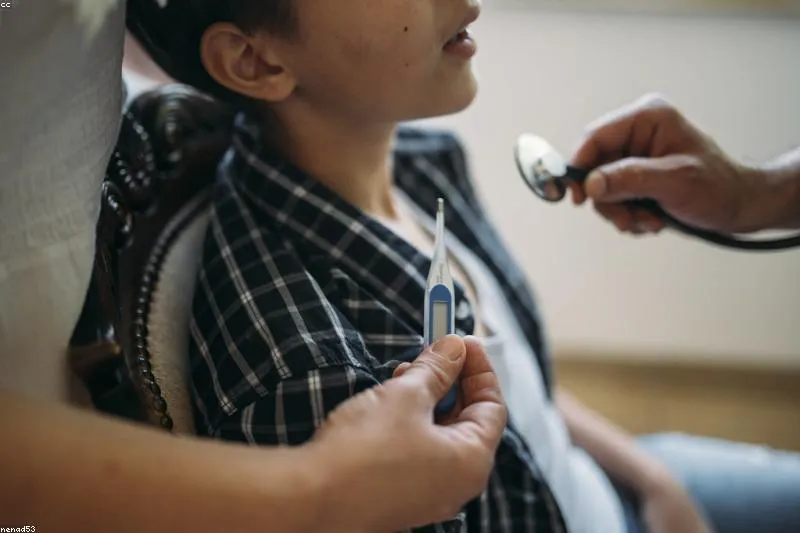
Fever is a controlled rise in body temperature, regulated by the brain (hypothalamus) in response to infection or inflammation. A temperature above 38°C (100.4°F) (measured rectally, in the ear or under the arm with a digital thermometer) counts as fever. Fever itself is not a disease but a defence mechanism: many viruses and bacteria multiply less easily at higher temperatures, and some immune cells work more efficiently.
Doctors treat fever mainly for comfort: when a child or adult is restless, cannot sleep or will not drink. The goal is not a “normal” number on the thermometer, but feeling better. For more detail, see the articles on fever and fever in children.
Where the vinegar compress habit comes from
Before paracetamol and ibuprofen, the only tools at hand were water, vinegar and patience. Every home had vinegar; it smelled “clean” and had a reputation as a disinfectant. People used:
- forehead compresses with water and vinegar;
- vinegar socks: cotton socks soaked in the solution, put on the feet and covered with a pair of wool socks;
- calf wraps (damp towels wrapped around the calves);
- full-body rubs with vinegar, surgical spirit or plum brandy, a practice that has proved dangerous.
What the evidence says
Damp compresses cool the skin through evaporation: water evaporating takes heat from the surface of the body. Studies of tepid sponging in children show that:
- temperature drops a little and only briefly (usually for less than an hour), less than with a fever reducer;
- many children feel uncomfortable, cry or shiver, especially with cold water;
- combining it with a fever reducer may speed the drop slightly in the first minutes, at the cost of more discomfort.
For these reasons, the UK NICE guideline on fever in children under 5 does not recommend tepid sponging to treat fever. No studies show that vinegar adds any benefit over plain water. Alcohol rubs are discouraged by all paediatric guidelines because of the risk of poisoning through the skin and by inhalation.
| Method | Effect on temperature | Comfort | Safety | Recommendation |
|---|---|---|---|---|
| Paracetamol or ibuprofen, weight-based dose | real drop, 4-8 hours | good | safe at correct doses | first option, when needed |
| Fluids, light clothing, room at 20-22°C | indirect | good | very safe | always |
| Lukewarm compress with water (or diluted vinegar) | small drop, under an hour | variable | safe if lukewarm | optional, for comfort |
| Cold or ice compress | brief drop, shivering | poor | risk of shivering | no |
| Rubbing with surgical spirit, alcohol, brandy | negligible | poor | dangerous | never |
| Bundling up “to sweat it out” | raises temperature | poor | risk of overheating | no |
How to make vinegar compresses properly (if you choose to)
The solution
- 100 ml apple cider or wine vinegar (5-6% acidity)
- 300-400 ml water at 28-32°C (lukewarm on the wrist, like a baby’s bath water)
Do not use vinegar essence (concentrated, 25-80%), which causes chemical burns, or undiluted vinegar, which irritates the skin, especially in children.
Forehead and wrist compress
- Soak a small cotton towel in the solution and wring it out well so it does not drip.
- Place it on the forehead, the back of the neck or the wrists.
- Change it when it warms up, every 5-10 minutes. Continue for 15-20 minutes in total.
- Stop at once if the person shivers or says they feel cold.
Vinegar socks
- Soak a pair of thin cotton socks in the lukewarm solution and wring them out well.
- Put them on and cover them with a pair of dry wool or thick cotton socks.
- Leave for 15-20 minutes, then remove them and dry the feet.
The feet should be warm to begin with. If the person has cold hands and feet and is shivering (the “rising” phase of a fever), do not use damp socks: the body is still trying to heat up, and cooling the skin only adds to the discomfort.
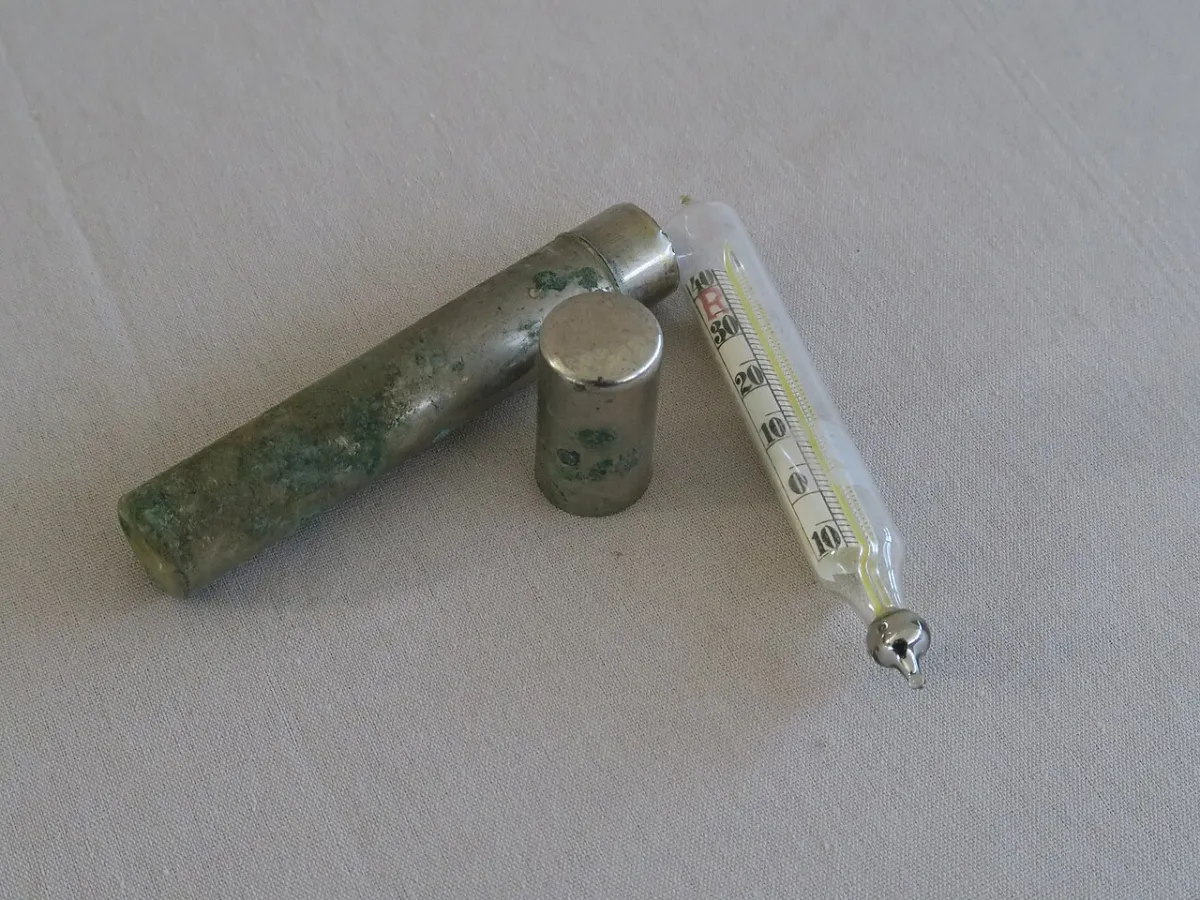 Photo: Iswoar, CC BY-SA 4.0, via Wikimedia Commons
Calf wrap (for adults)
A towel soaked in lukewarm water (with or without vinegar), wrung out and wrapped around the calves from ankle to knee, covered with a dry towel. 10-15 minutes, 2-3 times. Use it only when the skin is hot and the person is not shivering.
What really helps on a feverish day
- Plenty of fluids: water, warm tea (linden, elderflower), soup. Fever increases water loss through sweat and breathing. An elderflower tea or linden tea is a pleasant traditional option.
- Light clothing, a thin blanket, a ventilated room at 20-22°C (68-72°F).
- Rest, without pressure to eat if there is no appetite.
- A fever reducer when needed, at the right dose: in children, the dose is calculated by weight, not age, according to the leaflet or your doctor. Do not alternate paracetamol and ibuprofen “every hour” without medical advice. Do not give aspirin to children and teenagers under 16 (risk of Reye’s syndrome).
- Keep track: write down the temperature, time and medicines given, so you do not double doses.
Contraindications and precautions
- Babies under 3 months: any fever of 38°C or more means an immediate medical check, not compresses.
- Irritated skin, eczema, wounds: vinegar stings and irritates; use water only.
- Shivering, cold hands and feet: do not cool the skin.
- Surgical spirit, rubbing alcohol, brandy, vodka: never on a child’s skin. Alcohol is absorbed through the skin and by inhalation and can lower blood sugar, causing drowsiness and seizures.
- Cold water or ice: causes vasoconstriction and shivering, exactly the mechanism by which the body raises its temperature.
When to see a doctor or call emergency services
- a baby under 3 months with a temperature of 38°C (100.4°F) or more;
- a child 3-6 months with 39°C (102.2°F) or more;
- fever above 40°C (104°F) at any age, or fever lasting more than 3 days (more than 2 days in young children);
- the child is listless, hard to wake, cries weakly or cannot be comforted;
- a rash of red-purple spots that does not fade when you press a glass against it;
- stiff neck, severe headache, sensitivity to light;
- fast, laboured breathing, bluish lips;
- signs of dehydration: dry mouth, no urine for 8-12 hours, sunken eyes, a sunken soft spot in a baby;
- seizures, even if they pass quickly.
Common mistakes
Rubbing a child with alcohol. This is the most dangerous traditional mistake. However often you have heard it recommended, do not do it.
Cold water “to bring it down fast”. The child shivers and cries, and the temperature comes back or even rises.
Bundling up so the fever “sweats out”. Thick blankets and an overheated room can raise temperature and cause dehydration.
Undiluted vinegar or vinegar essence. Skin irritation and chemical burns.
Waking a child to give a fever reducer. If they are sleeping peacefully, sleep helps them more.
Conclusion
Vinegar compresses and damp socks are a caring gesture handed down from grandparents: they can cool and calm someone with hot skin, as long as they are lukewarm, the vinegar is well diluted and you stop at the first shiver. They are not, however, a treatment for fever. Fluids, rest, light clothing and, when needed, a correctly dosed fever reducer remain the foundation. And rubbing with alcohol should be left in the past for good.
Frequently asked questions
How much vinegar should I add to the water? One part regular vinegar (5-6%) to 3-4 parts lukewarm water, for example 100 ml vinegar to 300-400 ml water.
Do vinegar socks bring down a fever? They cool the skin and can bring comfort, but the drop in temperature is small and short-lived.
Can I rub alcohol or brandy on someone with a fever? No, especially not a child. Alcohol is absorbed through the skin and by inhalation and can cause poisoning.
What temperature should the water be? Lukewarm, about 28-32°C (82-90°F). Cold water triggers shivering.
At what temperature should I give a fever reducer? There is no fixed number. A fever reducer is given when the person is uncomfortable, usually above 38.5°C (101.3°F), at a weight-based dose.
Can I use compresses on a baby? In babies under 3 months, fever needs an immediate check-up. In older children, use only lukewarm water compresses, without vinegar on sensitive skin.
Does a hot foot soak help with fever? No. Hot water can increase discomfort. See also the guidance in the article on foot soaks.
Sources
- NICE (National Institute for Health and Care Excellence), guideline NG143: Fever in under 5s: assessment and initial management.
- American Academy of Pediatrics: clinical report on fever and antipyretic use in children.
- Cochrane reviews and studies on tepid sponging for fever in children, indexed in PubMed.
This content is for information only and does not replace medical advice. For babies, high or persistent fever and any warning sign, contact a doctor.