 Photo: Tournasol7, CC BY 4.0, via Wikimedia Commons
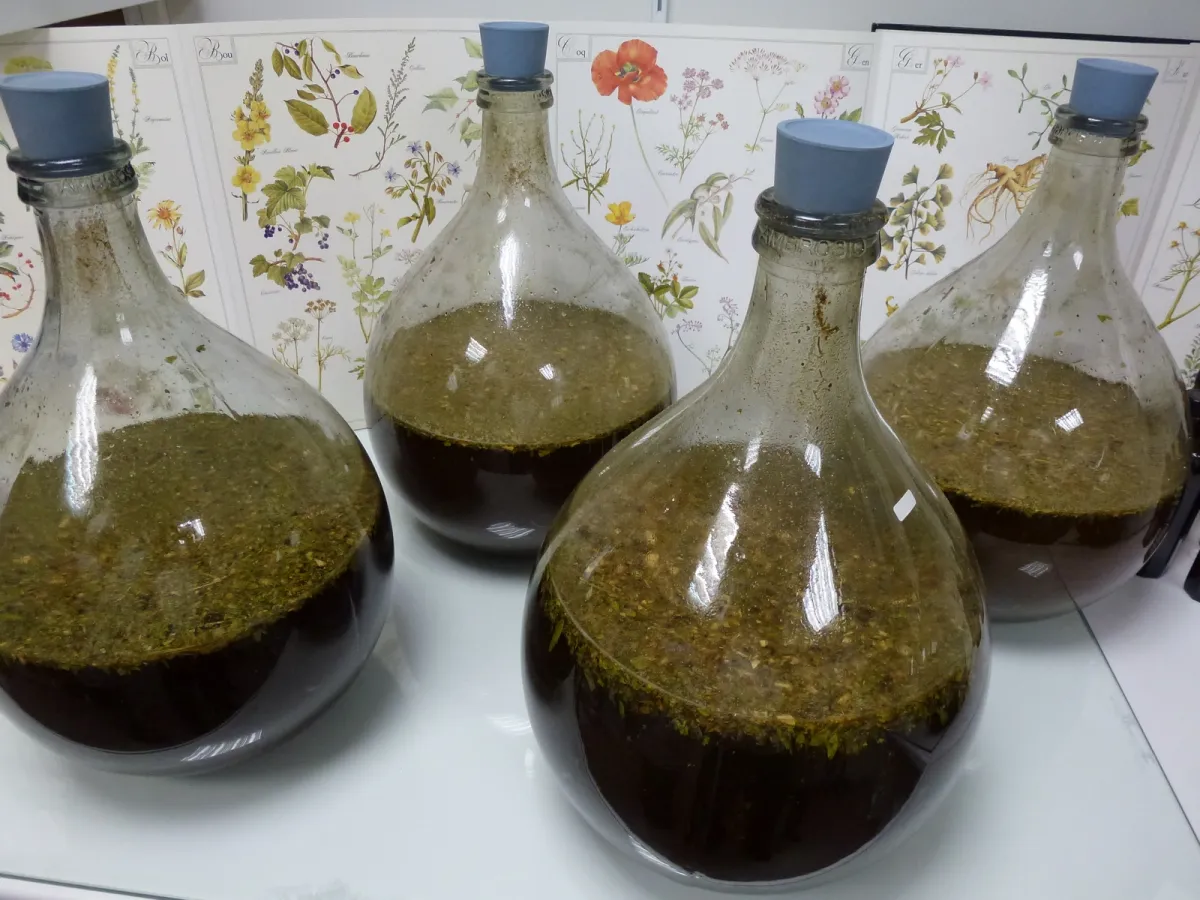
Wormwood wine is made by putting 5-10 g of dried wormwood (or 15-20 g of fresh tops, i.e. 3-4 sprigs) into a litre of dry white wine, steeping it for 24-72 hours somewhere cool, then straining. Orange peel, cinnamon, a few raisins or a spoonful of honey can be added. Romanian tradition drinks it on 1 May (Armindeni) and throughout May “to renew the blood”, a small glass (50-100 ml) before a meal. Wormwood is a bitter herb that stimulates digestion, but it contains thujone, a compound that is toxic in high doses, so the steeping should not stretch to weeks, and pregnant women, children and people with epilepsy must not drink it.
“Whoever drinks wormwood on May Day is safe from illness all year,” the old people say. In many Romanian villages, the morning of Armindeni began with a glass of wine in which a few sprigs of wormwood had steeped overnight, while gates were decorated with green branches. Below is the exact recipe, the variations and the things tradition did not mention.
Key takeaways
- Basic recipe: 1 litre dry white wine + 5-10 g dried wormwood (or 3-4 fresh sprigs, 15-20 cm long), steeped for 1-3 days.
- The taste becomes very bitter if left longer; short steeping gives a pleasant wine and less thujone.
- Serving: a small glass (50-100 ml), 15-30 minutes before the main meal, 1-2 times a day, for 1-2 weeks at most.
- Wormwood has an EMA monograph for loss of appetite and mild indigestion, as traditional use.
- Not for pregnancy, breastfeeding, under-18s, epilepsy, anyone who must avoid alcohol, or people allergic to the Asteraceae family.
What wormwood wine is
Wormwood wine belongs to the family of herb-flavoured wines, alongside vermouth (whose name comes from the German Wermut, “wormwood”) and the bermet of Croatia and Serbia. In Romanian tradition, “May wormwood” has an almost ritual role: it is drunk at the start of summer for “cleansing the blood”, for appetite and as protection against illness.
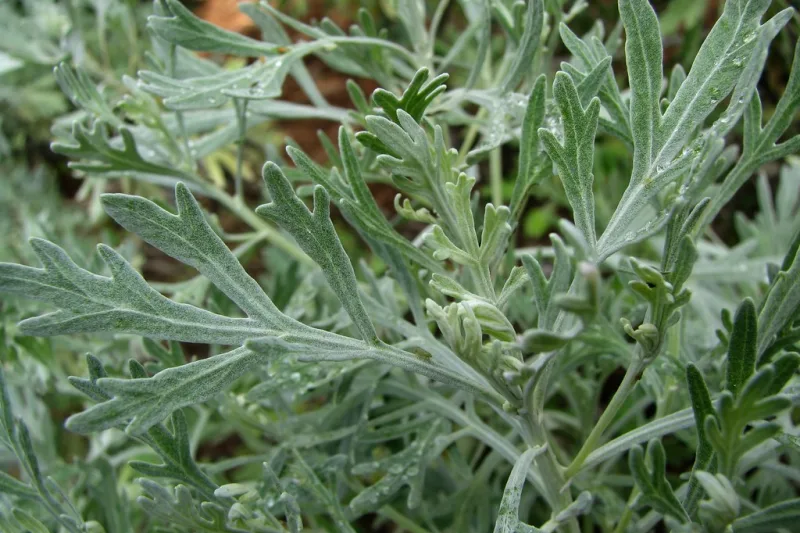
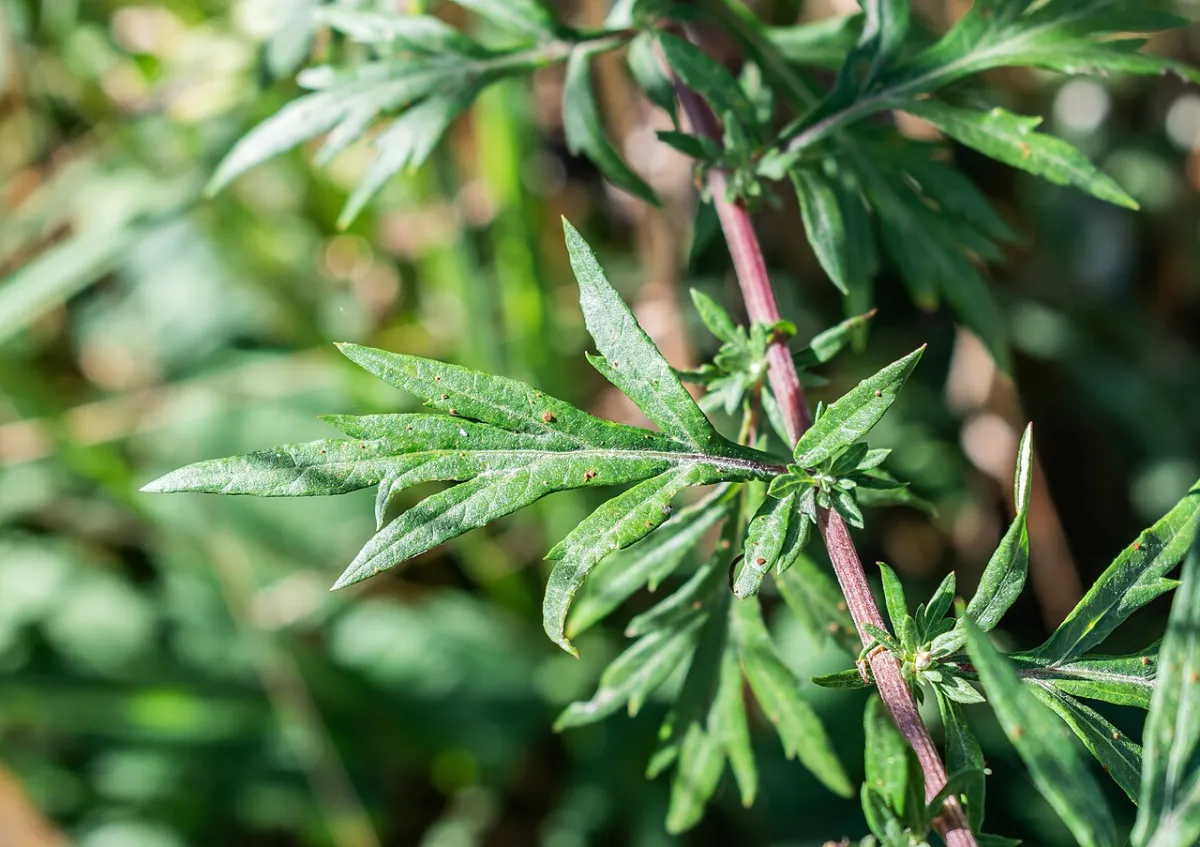
The plant used is wormwood (Artemisia absinthium), with silvery, hairy, intensely aromatic and extremely bitter leaves. Sometimes the milder Austrian wormwood (Artemisia austriaca) is used. For more on the plant, its composition and other uses, see the article on wormwood.
What wormwood contains
- Bitter sesquiterpene lactones, mainly absinthin and artabsin. Wormwood is one of the bitterest European plants.
- Volatile oil (0.2-1.5%), with alpha- and beta-thujone in highly variable proportions, from traces to more than half of the oil, depending on the strain and location.
- Flavonoids and phenolic acids.
The bitter compounds reflexively stimulate the flow of gastric juice and bile. Thujone, on the other hand, is neurotoxic in high doses: it can cause agitation, seizures and kidney damage. In the small amounts extracted by short steeping, the risk is low but not zero, which is why wormwood is used in moderation.
What the evidence says
- The European Medicines Agency (EMA) has a monograph on wormwood herb (Absinthii herba) recognising traditional use for temporary loss of appetite and mild digestive complaints (bloating, fullness). The monograph excludes use in children, adolescents and pregnancy.
- Not proven: “cleansing the blood”, “renewing the blood” in spring, getting rid of parasites with wormwood wine, preventing illness all year round.
- The alcohol in wine carries its own risks, regardless of the herb.
| Traditional claim | What we know |
|---|---|
| “Opens the appetite” | plausible, traditional use recognised by EMA |
| Helps digestion after heavy meals | plausible, effect of the bitter compounds |
| “Cleanses the blood”, “renews the blood” | no evidence |
| Kills intestinal parasites | unproven in humans; effective doses would be toxic |
| Protects from illness all year | no evidence |
The classic recipe, step by step
Ingredients (for 1 litre)
- 1 litre of good dry white wine (Fetească Albă, Riesling, Aligoté or a clean homemade wine);
- 5-10 g dried wormwood (2-3 tablespoons of chopped tops) or 3-4 fresh sprigs 15-20 cm long (15-20 g), picked before flowering;
- optional: 1 tablespoon honey or 1-2 tablespoons sugar, the peel of an orange (without the white pith), 1 cinnamon stick, 2-3 cloves, a handful of raisins.
Method
- Rinse fresh sprigs and shake off the water. If using dried wormwood, put it in a gauze bag so it is easy to remove.
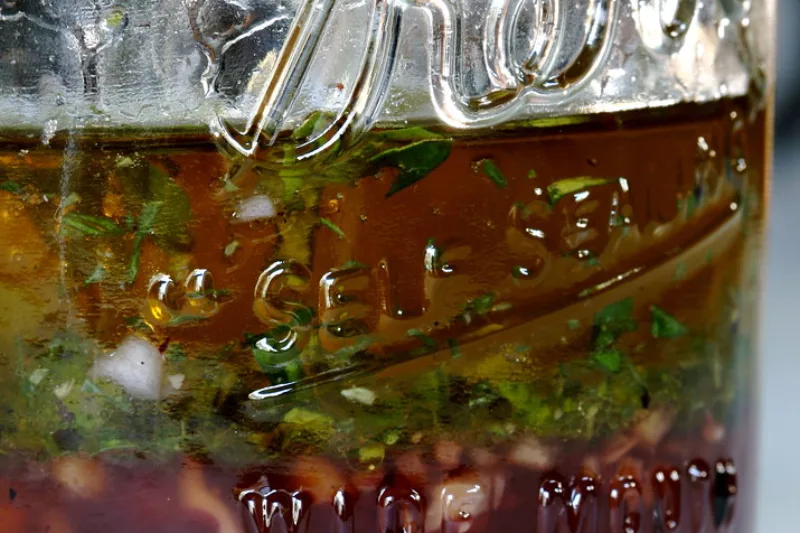
- Place the wormwood in a glass jar or carafe and pour the wine over it. Add spices if you like.
- Cover and leave somewhere cool (pantry or fridge): 24 hours for a mildly bitter taste, 48-72 hours for a clearly bitter one. Taste after the first day.
- Remove the wormwood and strain the wine. If it is too bitter, dilute it with plain wine.
- Sweeten to taste with honey dissolved in a glass of gently warmed wine.
- Pour into clean bottles, seal and keep in the fridge or a cellar. Drink within 1-2 weeks.
Commercial wines labelled “wormwood” are made with controlled extracts and respect legal thujone limits. Homemade wine has no such control: that is why the amount of herb and the steeping time matter.
 Photo: Robert Majetic, CC BY-SA 2.0, via Wikimedia Commons
Variations
| Variation | What changes | Taste | Notes |
|---|---|---|---|
| Classic May Day | wormwood only, 24 h | bitter, dry | the simplest |
| With fruit | + orange peel, raisins, 1-2 apple slices | bittersweet | friendlier |
| Warm winter version | wine heated to 60-70°C (140-158°F) with wormwood for 10 min, then strained | aromatic | do not boil: the alcohol evaporates and the taste spoils |
| Red wine | Fetească Neagră or Merlot | rounder | tannins emphasise the bitterness |
| Alcohol-free | wormwood steeped in grape must or apple juice, 2-4 h, in the fridge | bittersweet | drink within 2-3 days |
How much and how to drink it
| Situation | Amount | When | How long |
|---|---|---|---|
| May Day tradition | 1 small glass (50-100 ml) | morning or lunch | on Armindeni |
| Poor appetite | 50 ml | 15-30 min before the main meal | 1-2 weeks |
| Sluggish digestion after heavy meals | 50 ml | after the meal | occasionally |
No more than 100-150 ml a day, and not as an everyday drink. If you want a bitter digestive effect without alcohol, an artichoke tea or dandelion tea is a good alternative. For another bitter preparation, see also Swedish bitters.
 Photo: Jon Sullivan, Public domain, via Wikimedia Commons
Contraindications and precautions
- Pregnancy and breastfeeding: wormwood is off-limits (thujone and its effect on the uterus), as is alcohol.
- Children and teenagers under 18: no.
- Epilepsy and other neurological disorders: thujone can lower the seizure threshold.
- Gastric and duodenal ulcers, hyperacid gastritis: bitterness increases acid secretion.
- Liver disease, pancreatitis, alcohol dependence, treatment with disulfiram or metronidazole: no.
- Medicines that interact with alcohol (sedatives, sleeping pills, antidepressants, diabetes drugs, blood thinners): talk to your doctor.
- Allergy to Asteraceae (chamomile, ragweed, calendula).
- Drivers: even a small glass of wine counts.
When to see a doctor
- loss of appetite lasting more than 2 weeks or accompanied by weight loss;
- stomach pain, frequent heartburn, vomiting or black stools;
- after drinking it you experience dizziness, tremor, agitation, confusion or seizures;
- symptoms of indigestion return every week.
Common mistakes
Leaving the wormwood in the wine all month. The wine becomes undrinkably bitter and loaded with more thujone.
Too much herb. A big bunch of wormwood per litre does not “cleanse better”, it just raises the risk.
Wormwood picked by the roadside. Plants along roads accumulate lead and other pollutants.
Adding wormwood essential oil to wine. It is extremely concentrated in thujone and can cause poisoning. It must never be swallowed.
Giving wormwood wine to children “for appetite” or “for worms”. This is dangerous.
Conclusion
Wormwood wine is a lovely May tradition with an unmistakable bitter taste and a grain of truth: bitter herbs really do stimulate appetite and digestion. Made with a little wormwood, steeped briefly and drunk in small glasses for a limited time, it is a reasonable seasonal custom for healthy adults. It does not “renew the blood” and it does not replace a check-up for persistent digestive problems.
Frequently asked questions
How much wormwood per litre of wine? 5-10 g of dried wormwood or 3-4 fresh sprigs (15-20 g).
How long should wormwood steep in wine? Between 24 and 72 hours. Beyond 3 days the wine becomes very bitter.
Which wine works best? A clean, faultless dry white wine. Sweet wines mask the bitterness but are harder to dose.
Why do Romanians drink wormwood wine on 1 May? It is a custom tied to Armindeni, the day that marked the start of summer and of work in the fields. Wormwood was believed to “renew the blood” and ward off illness.
Can I use dried wormwood? Yes, it is actually easier to dose. Use 5-10 g per litre.
How long does it keep? In the fridge or a cellar, 1-2 weeks. Homemade flavoured wine is not meant to be kept for months.
Does wormwood help with intestinal parasites? There is no human evidence for wormwood wine. For parasites, see a doctor for tests and treatment.
Sources
- EMA/HMPC: Community herbal monograph on Absinthii herba (wormwood herb), traditional use.
- Regulation (EC) No 1334/2008 on flavourings, which sets maximum thujone levels in alcoholic beverages.
- Reviews on thujone toxicology and the history of absinthe, indexed in PubMed.
This content is for information only and does not replace medical advice. Alcohol is not recommended for people with medical conditions or those taking medication without their doctor’s approval.