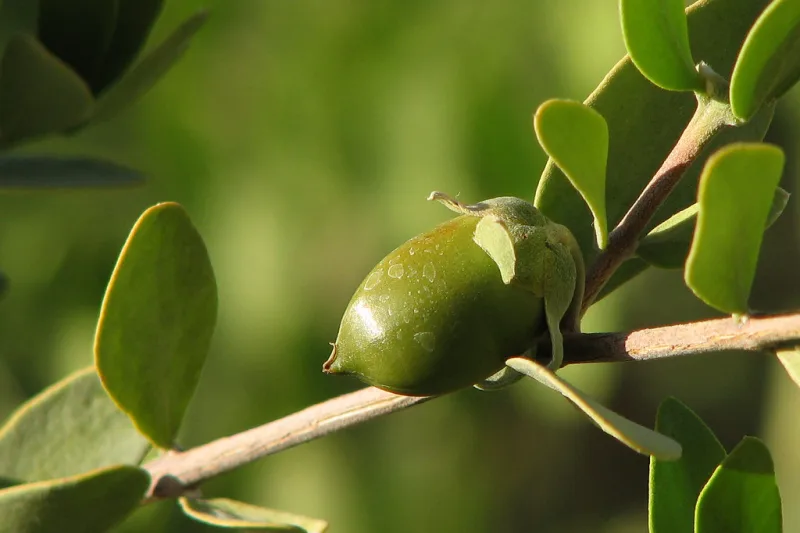
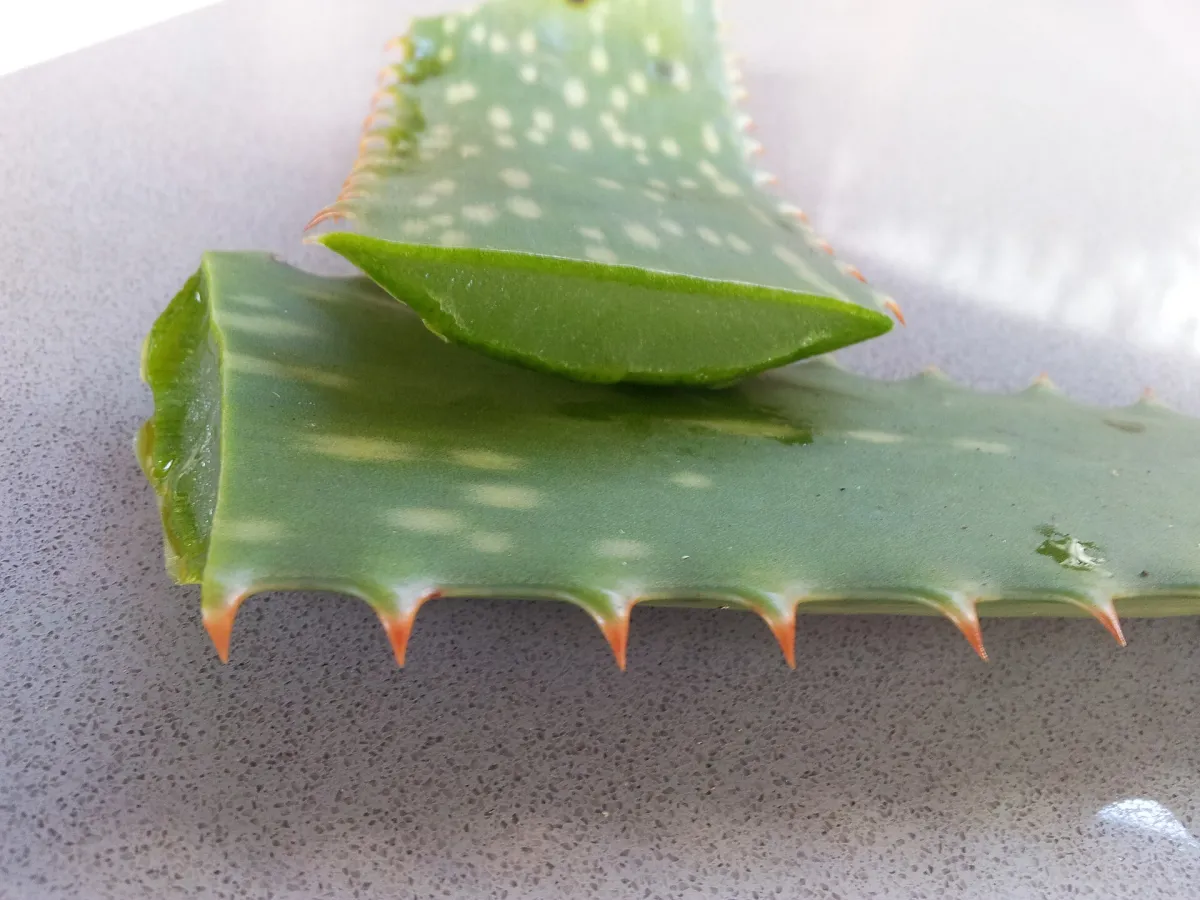
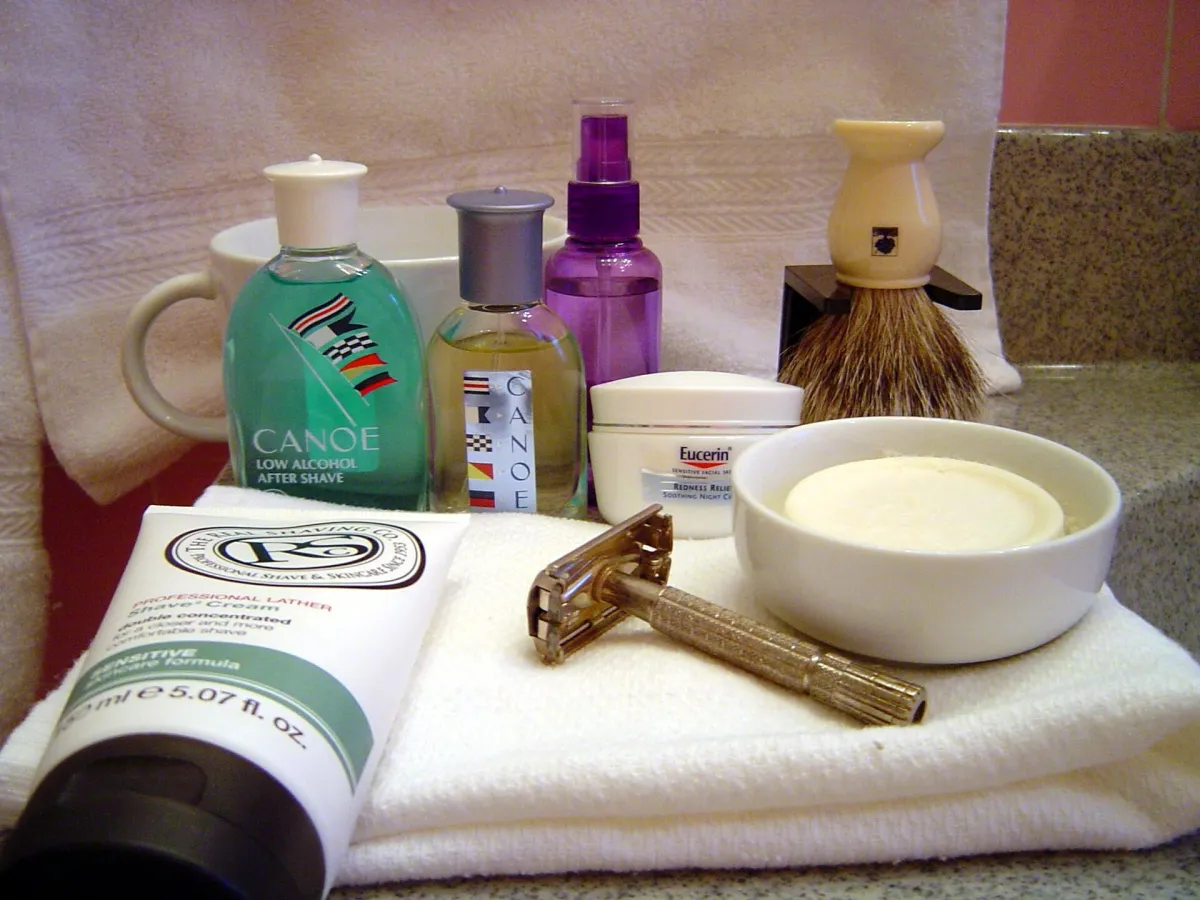
 Photo: Isabell Winter, CC0, via Wikimedia Commons
To get rid of blackheads naturally you need three things: gentle cleansing twice a day, mild chemical exfoliation (for example salicylic acid, originally derived from willow) and clay masks once or twice a week. Results show after 6-8 weeks, not overnight. Squeezing, nose strips and recipes with baking soda or lemon give a momentary effect but irritate the skin and make pores look worse.
Blackheads are the most ordinary skin complaint and, paradoxically, one of the hardest to “wipe away”. That is because they are not dirt that washes off, but a plug of sebum and dead cells sitting in the pore and oxidising on contact with air. Once you understand the mechanism, it becomes clear why aggressive scrubbing does not help and why patience pays off.
Key takeaways
- Blackheads are open comedones: sebum plus dead cells, oxidised at the surface, not dirt.
- Salicylic acid (BHA) penetrates the pore and has the best evidence for exfoliating from within.
- Kaolin or bentonite masks absorb excess oil but do not empty pores on their own.
- Topical green tea may reduce oil production, according to small studies.
- Baking soda, lemon, toothpaste and sugar scrubs irritate and make things worse.
What blackheads are
A blackhead (open comedone) forms when the opening of a hair follicle gets blocked with a mix of sebum and dead skin cells (keratinocytes). Because the pore stays open, the surface of the plug meets the air, and the melanin and lipids in it oxidise and darken. That is where the black colour comes from, and it has nothing to do with hygiene.
If the pore closes over the plug, you get a closed comedone, the small “whitehead” under the skin. Both are forms of comedonal acne, the mildest stage of acne. When bacteria multiply in the pore and inflammation sets in, the comedone becomes a red spot. Inflammatory forms are covered in our article on acne.
Blackheads or sebaceous filaments?
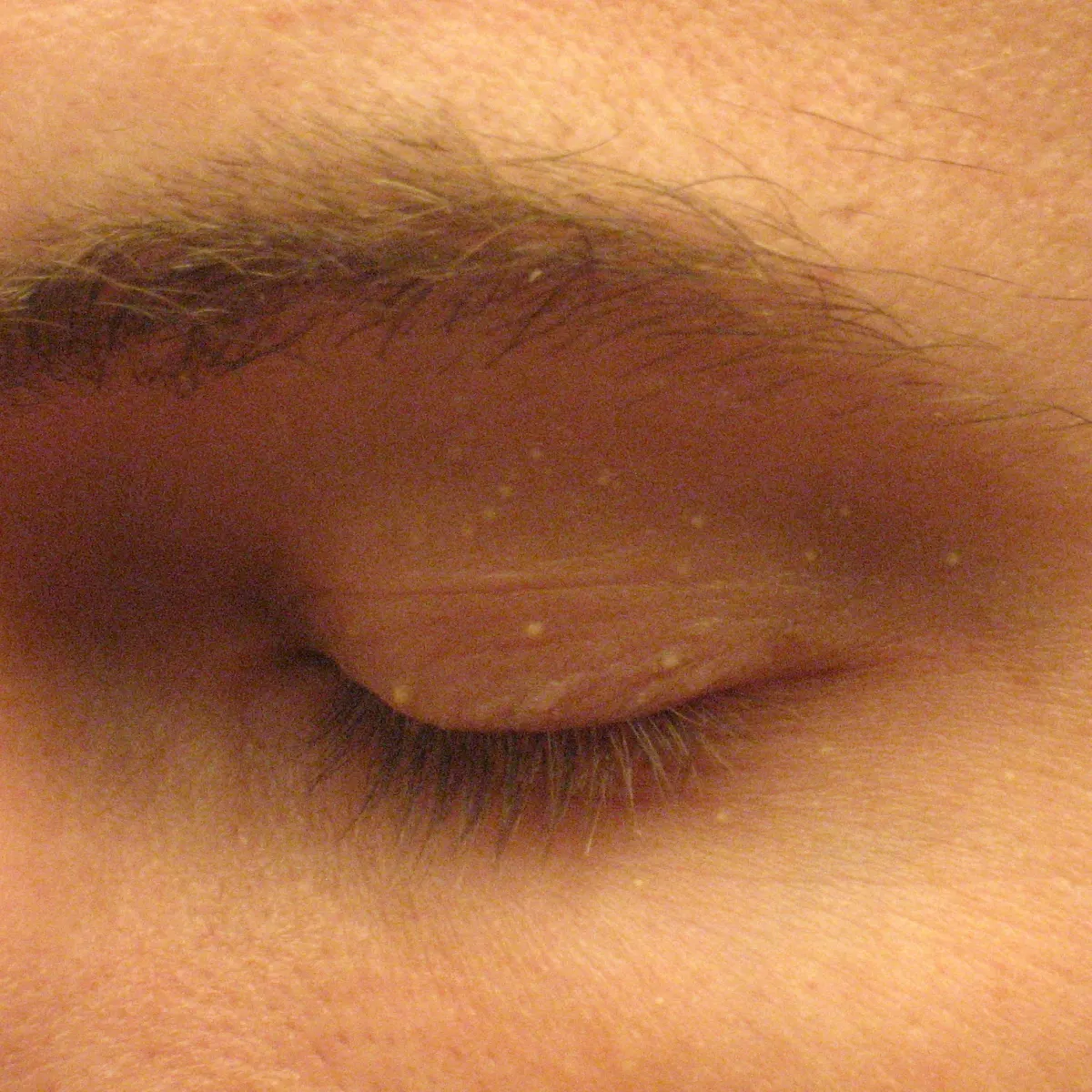
Many people are actually battling sebaceous filaments: small, greyish, uniform dots on the nose and cheeks that refill a few days after you squeeze them. These are normal, part of how skin works, and cannot be removed permanently, only made less visible. True blackheads are larger, darker and come out as a solid plug.
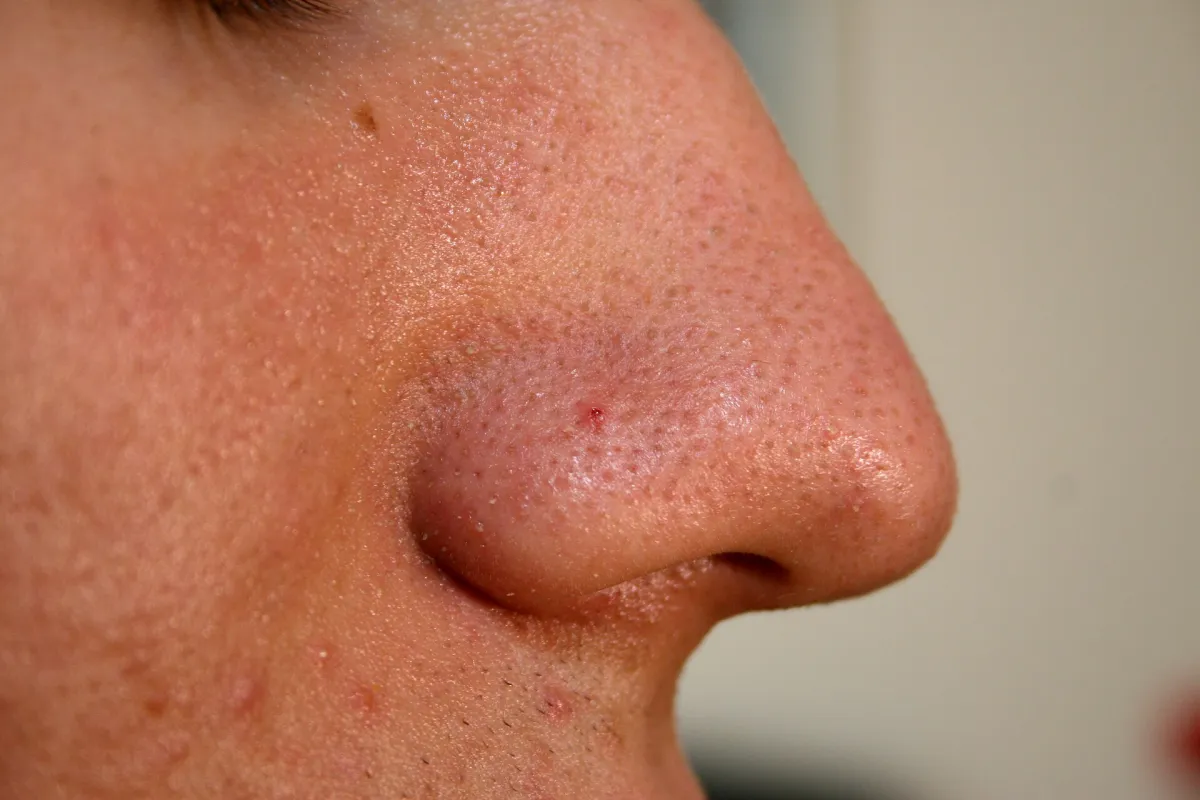 Photo: LBPics, CC BY-SA 3.0, via Wikimedia Commons
Causes and contributing factors
- High sebum production, driven by hormones (puberty, menstrual cycle, polycystic ovary syndrome).
- Excess cornification of the pore, meaning dead cells that do not shed normally.
- Comedogenic cosmetics: very rich creams, heavy foundation, some oils (coconut, cocoa butter) on acne-prone skin.
- Friction and pressure: headphones, face masks, a phone held against the cheek.
- Lifestyle factors: some studies link high-glycaemic diets and high dairy intake with acne, although the link is not equally strong for everyone.
- Smoking, associated with comedonal acne in adults.
If your skin is oily overall, read our guide to oily skin as well.
Natural remedies and ingredients: what the evidence says
Salicylic acid (BHA)
Salicylic acid is an oil-soluble beta hydroxy acid that gets into the pore and dissolves the bonds between dead cells. Historically it comes from willow bark, and willow bark extract appears in many “natural” products, although with far less active substance. Products with 0.5-2% salicylic acid are the best studied for comedones. Apply in the evening, at first 2-3 times a week, then daily if your skin tolerates it.
Clay (kaolin and bentonite)
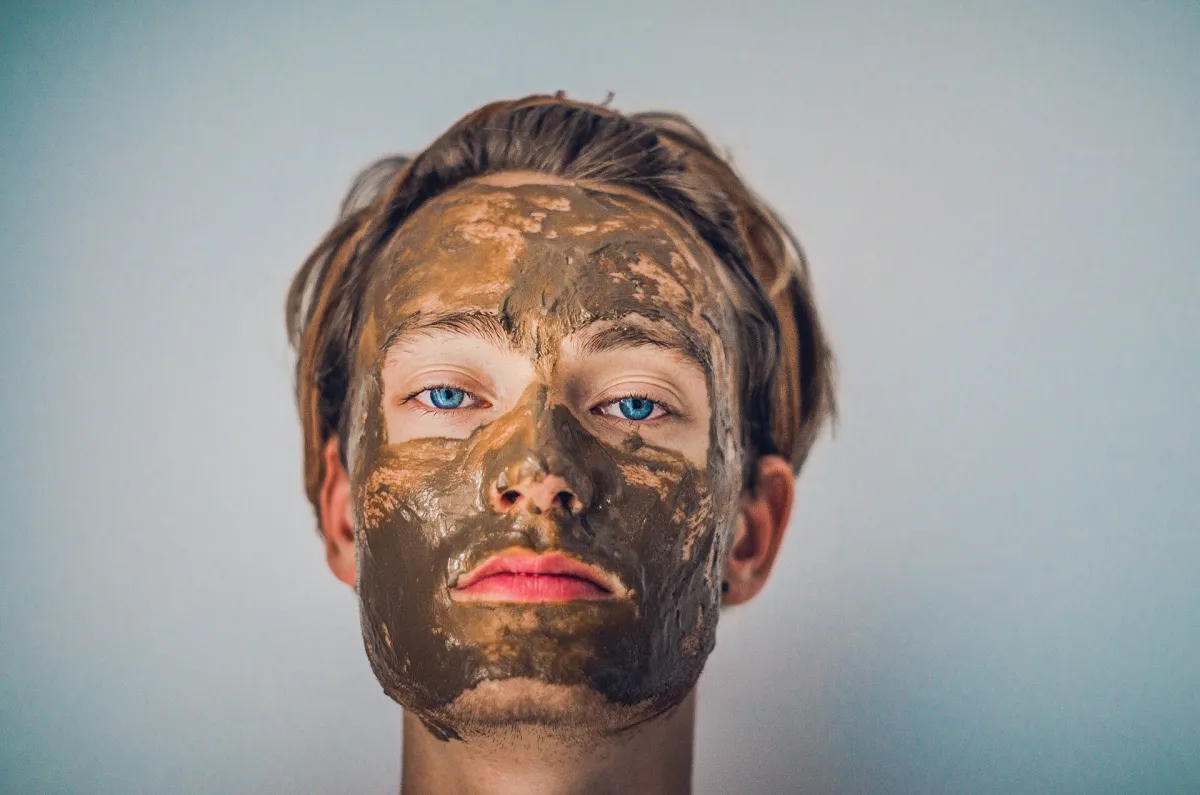
Clays absorb surface oil and leave skin matte. They do not “pull” the plug out of the pore, as adverts promise, but they reduce shine and make skin less prone to clogging. Kaolin (white clay) is the gentlest; bentonite and green clay absorb more and suit very oily skin.
Green tea
Green tea polyphenols (especially EGCG) have been tested topically in several small studies, with results showing less sebum and fewer mild acne lesions. It is not a first-line treatment, but a green tea compress or toner is a safe add-on for most people.
Tea tree oil
An older clinical trial compared a 5% tea tree oil gel with benzoyl peroxide in mild to moderate acne: it worked more slowly but with fewer side effects. For uncomplicated blackheads the effect is modest; it is more useful for inflamed spots. Always use it diluted.
Niacinamide
Not an herbal remedy, but a well-tolerated vitamin (B3) that can reduce the look of pores and oil production. It combines well with all the ingredients above.
Practical recipes
Clay and green tea mask
- 1 tablespoon of white (kaolin) or green clay
- 1-1.5 tablespoons of cooled green tea (steeped 3 minutes at 80 °C)
- optional: 1 teaspoon of plain yoghurt for sensitive skin
Mix with a wooden or plastic spoon into a paste. Apply to the T-zone, avoiding the eyes, and leave for 8-10 minutes, not until it cracks completely: over-dried clay irritates. Rinse with lukewarm water and apply a light moisturiser. Use 1-2 times a week. For more combinations, see our guide to natural face masks.
Green tea toner
Steep 2 teaspoons of green tea in 200 ml of water at 80 °C for 5 minutes. Strain, cool and keep in the fridge for up to 3 days. Apply morning and evening with a cotton pad after cleansing.
Oil cleansing (double cleanse)
Oil dissolves oil. In the evening, massage dry skin for 1 minute with a light, non-comedogenic oil (for example jojoba oil), then remove it with a warm cloth and follow with a gentle gel cleanser. This helps especially if you wear make-up or sunscreen.
Steam, in moderation
A few minutes (3-5) over a bowl of hot, not boiling, water can soften plugs before a mask. Skip steam if you have rosacea or broken capillaries, and do not do it more than once a week.
Comparison: what to choose
| Option | Evidence | How often | Best for |
|---|---|---|---|
| Salicylic acid 0.5-2% | Good for comedones | Evenings, building up to daily | Oily and combination skin |
| Clay mask | Oil absorption, temporary effect | 1-2 times a week | Oily skin |
| Topical green tea | Small, promising studies | Daily | All skin types |
| Tea tree oil 5% | Moderate in inflammatory acne | Spot use, evenings | Skin with spots |
| Niacinamide 4-5% | Good for oil and pores | Daily | Sensitive and oily skin |
| Nose strips | Momentary effect | Occasionally | Not a treatment |
The 8-week routine
Morning: gentle cleanser, green tea toner or niacinamide serum, non-comedogenic moisturiser, sunscreen.
Evening: double cleanse (oil, then gel), salicylic acid on alternate evenings for the first 2 weeks, then daily if there is no irritation, moisturiser.
Weekly: 1-2 clay masks, on evenings without acid.
Do not add all the new products at once. Introduce one every 1-2 weeks so you know what helps and what irritates.
Contraindications and precautions
- Aspirin (salicylate) allergy: avoid salicylic acid and willow extracts.
- Pregnancy: low-strength topical salicylic acid is usually considered acceptable, but ask your doctor; strong peels are not done in pregnancy.
- Sensitive skin, rosacea, eczema: start with kaolin and green tea, avoid steam and frequent exfoliation.
- Tea tree oil must not be applied undiluted or swallowed.
- Combining with prescription retinoids: talk to your dermatologist, irritation adds up.
When to see a dermatologist
- You have many comedones plus inflamed spots, painful nodules or cysts.
- Scars or dark marks appear after lesions.
- Acne started suddenly in adulthood, along with irregular periods, excess hair or weight gain (possible hormonal signs).
- After 3 months of a correct routine you see no improvement.
A dermatologist can recommend topical retinoids, sterile professional extraction or treatments you cannot do at home.
Common mistakes
Squeezing with your nails. It pushes the contents deeper, ruptures the pore wall and leaves marks and scars.
Coarse scrubs. Sugar, salt or ground kernels cause micro-tears and never reach inside the pore.
Baking soda, lemon and toothpaste. Their pH is wrong and they contain irritants. Lemon can also cause dark patches in the sun.
Over-drying the skin. Dehydrated skin may produce more oil. Moisturising is part of the treatment.
Switching products after a week. Skin renewal takes about a month; you need 6-8 weeks to judge a product.
Conclusion
Blackheads do not disappear by scrubbing, but through regular exfoliation inside the pore, oil control and patience. Salicylic acid, clay masks, green tea and a consistent routine give real results in about two months. Avoid harsh recipes that promise overnight miracles. If you also struggle with irritation after shaving or waxing, you may find our guide to ingrown hairs useful.
Frequently asked questions
Are blackheads dirt? No. The black colour comes from sebum and melanin oxidising on contact with air. Over-washing does not remove them and can irritate the skin.
Should I squeeze blackheads? It is not recommended. You risk inflammation, marks and scars. If you want extraction, go to a beautician or dermatologist who works in sterile conditions.
Do nose strips work? They remove the top of the plugs and the effect lasts a few days. Used often, they can irritate the skin. They do not address the cause.
How long does it take for blackheads to go away? With a consistent routine, first improvements show after about 4 weeks, and a clear result after 6-8 weeks.
Which clay is best for blackheads? Green clay and bentonite for very oily skin, kaolin (white clay) for combination or sensitive skin.
Can I use oil on blackhead-prone skin? Yes, if it is a light oil used for cleansing and then thoroughly removed. Heavy oils such as coconut can clog pores in some people.
Does diet affect blackheads? Some studies associate diets high in sugar and refined carbohydrates, and high milk intake, with acne. It is worth noticing whether there is a link for you.
Sources
- American Academy of Dermatology (AAD): guidance on treating blackheads and acne.
- AAD guidelines of care for the management of acne vulgaris (Journal of the American Academy of Dermatology).
- NHS (UK): Acne, information on causes and treatments.
- Bassett et al. clinical trial (Medical Journal of Australia, 1990) comparing 5% tea tree oil gel with benzoyl peroxide.
Informative content only. It does not replace medical or dermatological advice.