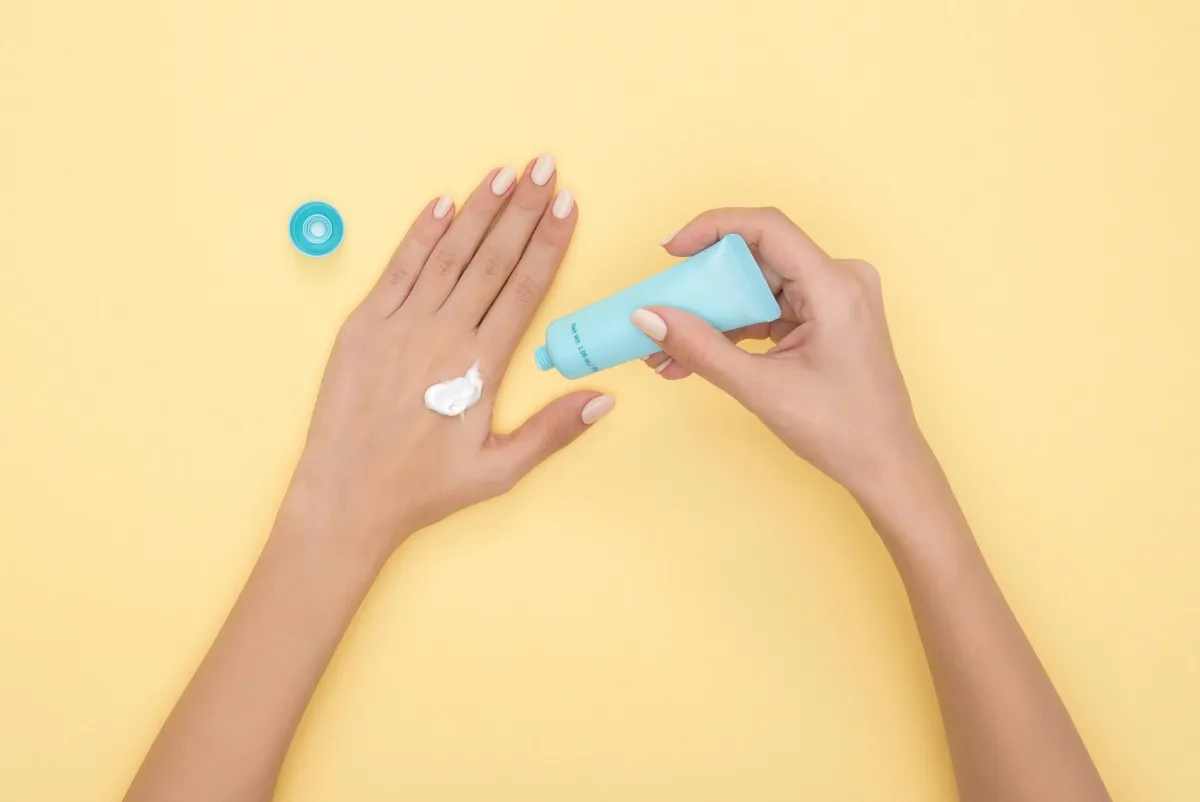
 Photo: Moose Photos, CC0, via Wikimedia Commons
Cracked hands heal fastest with the “soak and seal” method: hydrate the skin briefly with lukewarm water, then, while it is still slightly damp, cover it with a thick emollient (petroleum jelly, beeswax, shea butter), and wear cotton gloves overnight. With this routine and protective gloves for household chores, surface cracks usually close within 5-10 days. If tiny blisters, thickened patches or bleeding appear, or you see no improvement in two weeks, it may be eczema that needs a dermatologist.
The skin on your hands has few oil glands and is exposed to everything: water, soap, detergents, sanitisers, wind and cold. In winter, when the air outside is cold and the air indoors is dried by radiators, the protective lipid layer thins, the skin loses water and, at the fingertips or knuckles, it splits into fine, painful cracks.
Key takeaways
- Cracks form when the skin’s lipid barrier is lost faster than it is rebuilt.
- Frequent washing with hot water and harsh soap are the main culprits, especially in winter.
- Occlusives (petroleum jelly, beeswax, shea butter) seal water in; humectants (glycerin, urea) draw it in.
- A homemade beeswax and oil balm plus overnight gloves speeds healing considerably.
- Small blisters, intense itching or thickened patches suggest eczema or contact dermatitis.
Why the skin on your hands cracks
The outer layer of skin (the stratum corneum) works like a wall: dead cells are the bricks and lipids (ceramides, cholesterol, fatty acids) are the mortar. Hot water and soaps dissolve the mortar. Without it, water evaporates from the skin, cells dry out, the skin stiffens and, where it bends or stretches (fingertips, knuckles, the skin around the nails), it splits.
Common causes
- Very frequent hand washing, especially with hot water.
- Alcohol-based sanitisers, used without moisturiser afterwards.
- Washing-up and cleaning detergents, used without gloves.
- Cold and wind, plus dry indoor air.
- Work with water, cement, solvents, soil: decorators, hairdressers, cooks, healthcare staff, gardeners.
- Eczema and contact dermatitis (allergic or irritant).
- Other skin conditions: palmar psoriasis, fungal infections, and less often thyroid disease or diabetes, which dry the skin.
Natural remedies and ingredients that work
Occlusives: seal water in
- Petroleum jelly is the most effective occlusive, cheap and very unlikely to cause allergy. It is not “natural” in the strict sense, but it is extremely well tolerated.
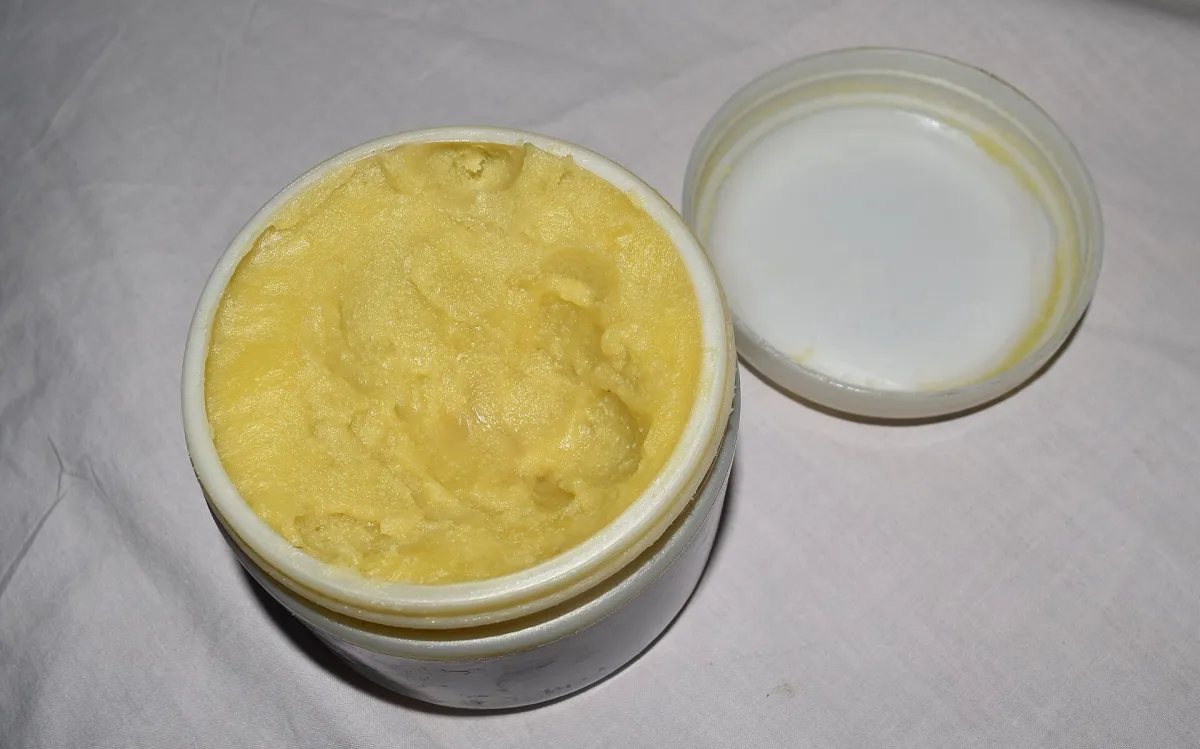
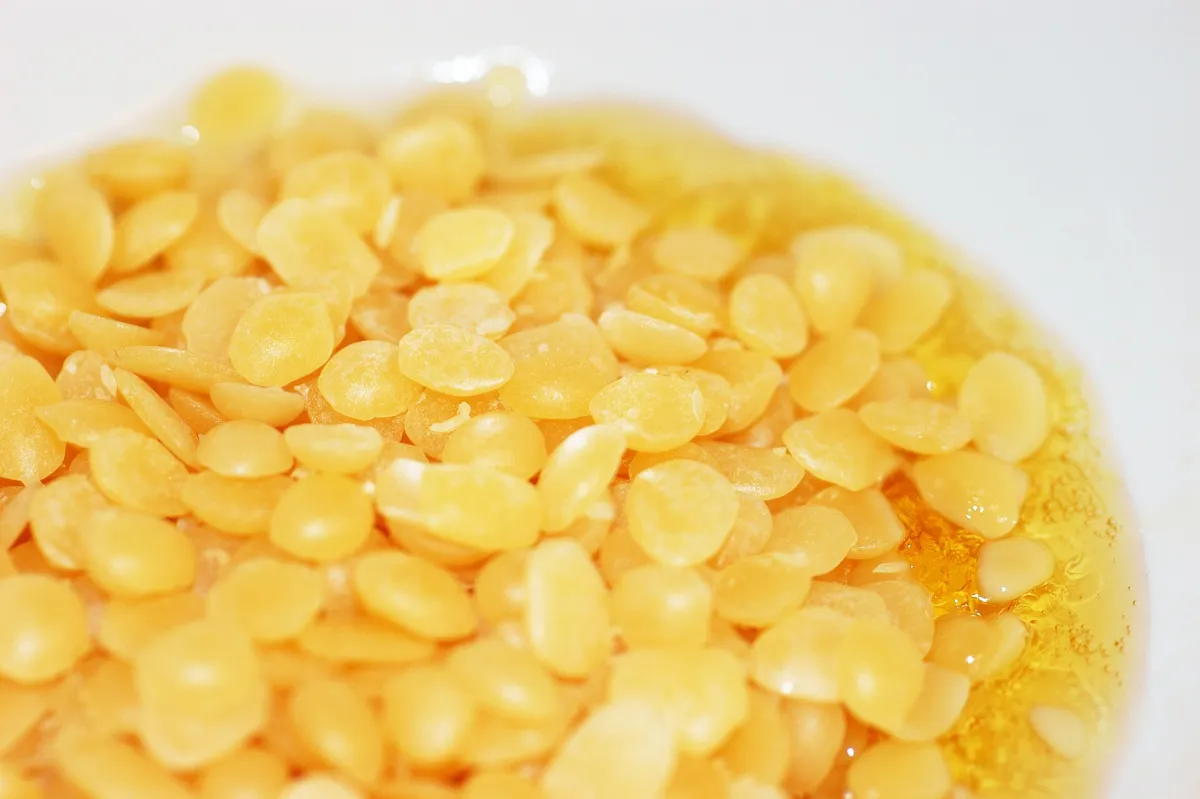
- Beeswax forms a protective film, lets skin breathe better than petroleum jelly and has a long tradition in home-made salves.
- Shea butter and cocoa butter are rich in fatty acids and melt at skin temperature.
- Lanolin (from sheep’s wool) is very effective but can cause allergy in some people.
Vegetable oils: soften and replenish lipids
Almond oil, sunflower oil and olive oil soften the skin. Sunflower oil, rich in linoleic acid, has been shown in studies to support the skin barrier, whereas olive oil used alone and repeatedly may be less suitable for atopic skin. Plain oils do not seal as well as petroleum jelly or wax, so they work best in combination.
Humectants: draw water in
Glycerin (vegetable) and urea at 5-10% attract water into the stratum corneum. Urea also has a mild exfoliating effect, useful on thickened, cracked skin. Honey is a traditional humectant with wound-healing properties, but it is sticky; it is best used in short masks.
Colloidal oatmeal
Finely ground oatmeal soothes irritated, itchy skin and forms a protective film. An oatmeal hand soak before your cream is a simple, effective step.
Home recipes
Beeswax and shea butter hand balm
- 15 g beeswax (pellets or grated)
- 30 g shea butter
- 45 ml sweet almond or sunflower oil
- optional: 1 teaspoon vitamin E oil, as an antioxidant for the balm
Melt the wax and shea butter in a bain-marie over low heat. Remove from the heat, add the oil and vitamin E and stir well. Pour into clean, dry jars and let them cool uncovered. Keeps 3-6 months in a cool place. For a softer balm, add 10 ml more oil; for a firmer one, add 5 g of wax. More base recipes are in our guide to herbal salves.
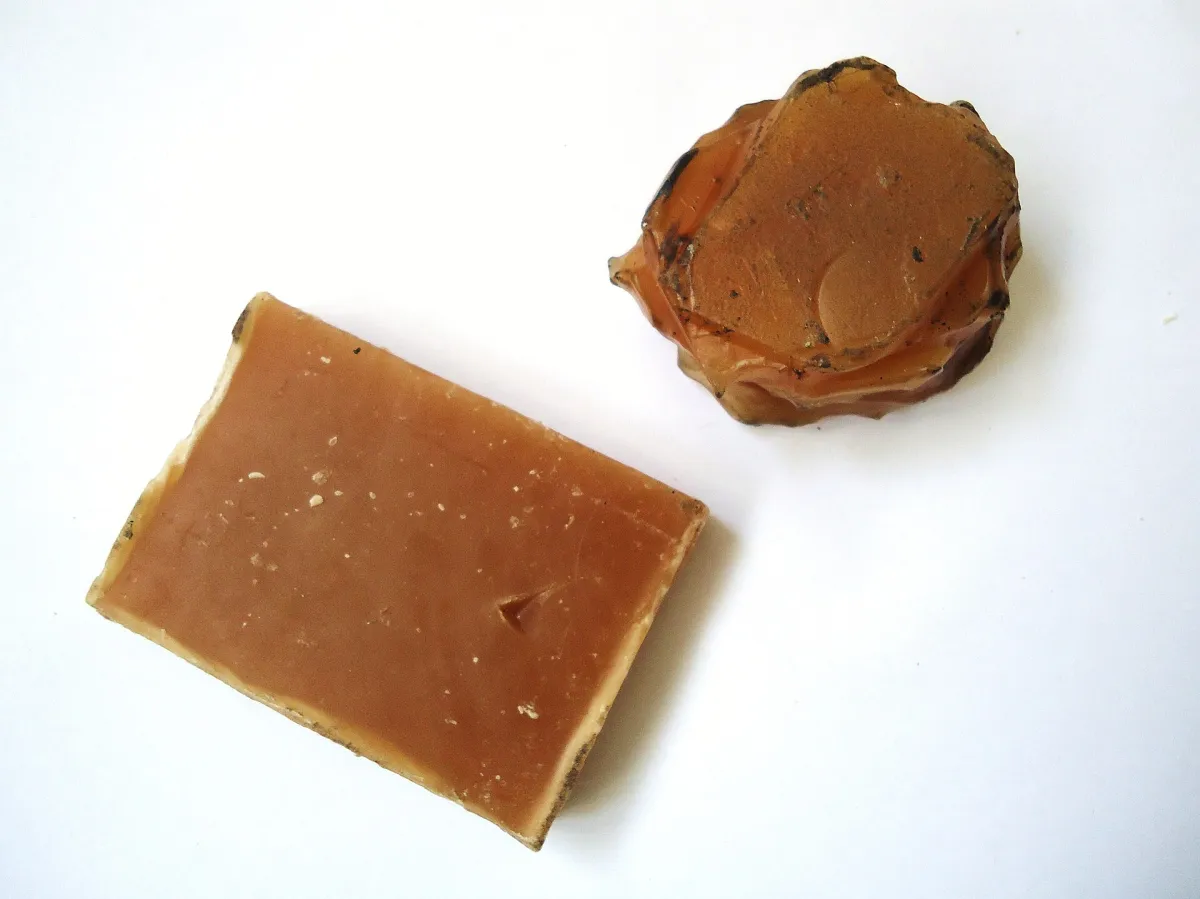 Photo: Mauro Cateb, CC BY-SA 3.0, via Wikimedia Commons
Oatmeal hand soak
Put 2 tablespoons of finely ground oats in a muslin bag, soak it for 5 minutes in 1 litre of lukewarm water (35-37 °C), then hold your hands in the water for 10 minutes. Pat lightly and apply the balm straight away.
Overnight treatment
In the evening, wash your hands with lukewarm water and a gentle cleanser, pat them until slightly damp, apply a generous layer of balm or petroleum jelly, then put on thin cotton gloves. In the morning the skin is noticeably softer. Repeat every evening until the cracks close.
Comparing treatments
| Product | Type | When to use it | Notes |
|---|---|---|---|
| Petroleum jelly | Occlusive | At night, on cracks | Most effective, greasy |
| Beeswax balm | Occlusive + emollient | 3-4 times a day | Natural, pleasant |
| 5-10% urea cream | Humectant + exfoliant | On thickened skin | May sting on cracks |
| Glycerin cream | Humectant | Daytime, after washing | Absorbs quickly |
| Vegetable oil | Emollient | In combination | Does not seal alone |
| Oatmeal soak | Soothing | Evening, before balm | Good for itching |
A daily protection routine
- Lukewarm, not hot water, and a fragrance-free soap or cleanser with a pH close to the skin’s.
- Cream after every wash and after every use of sanitiser.
- Cotton-lined rubber gloves for dishes and cleaning.
- Warm gloves outdoors, from November to March.
- A humidifier in the bedroom if the air is very dry (ideal humidity 40-60%).
- Carry a small tube of cream: the “after every wash” rule only works if the cream is at hand.
If your feet are affected too, read our guide to cracked heels, and for dryness all over the body, the article on dry skin.
Contraindications and precautions
- Allergy to bee products (wax, propolis, honey): use petroleum jelly or shea butter.
- Nut allergy: avoid almond oil and shea butter if your doctor has advised so.
- Essential oils in hand creams can cause contact dermatitis, especially on cracked skin. If you use them, keep to 0.5-1%.
- Urea stings on open cracks; apply it once they have closed.
- Lemon, vinegar and baking soda have no place on split skin.
When to see a doctor
- The cracks bleed, are deep or very painful.
- Spreading redness, warmth or pus appear (secondary infection).
- You have small, intensely itchy blisters on the fingers or palms (possible dyshidrotic eczema).
- The skin is thickened, with silvery plaques or sharply defined patches (possible psoriasis).
- Symptoms appear after contact with certain substances or gloves (possible contact dermatitis).
- You see no improvement after 2 weeks of proper care.
A dermatologist can do allergy patch tests, recommend short-term steroid creams and help identify a work-related cause.
Common mistakes
Applying cream rarely. Once a day is not enough. Skin needs cream after every contact with water.
Hot water to “warm up” your hands. It melts protective lipids. Lukewarm water is enough.
Very runny lotions. They contain a lot of water and evaporate quickly. On cracks, choose ointments or thick creams.
Fragranced products. Fragrance is one of the most common causes of contact dermatitis.
Tearing the skin around the nails. It opens the door to infection. Trim it with clean scissors or soften it with balm.
Conclusion
Cracked hands do not need expensive products, they need consistency: lukewarm water, cream after every wash, gloves for chores and outdoors, and a thick layer of beeswax balm or petroleum jelly under cotton gloves at night. Simple natural ingredients like shea butter, vegetable oils and oatmeal rebuild the skin barrier effectively. And if the cold is part of the problem, see our guide to chilblains.
Frequently asked questions
How long do cracked hands take to heal? Surface cracks usually close within 5-10 days with proper care. Deep cracks or those caused by eczema can take longer.
Petroleum jelly or natural cream? Petroleum jelly is the most effective occlusive and rarely causes allergy. A beeswax and shea butter balm is a very good natural alternative and nicer to use during the day.
Does hand sanitiser dry skin more than soap? Modern sanitisers often contain emollients and can be gentler than repeated washing. The problem arises when you do not apply cream afterwards.
Can I put honey on cracks? Honey has wound-healing properties but is sticky. You can do a 15-minute honey hand mask, then rinse and apply balm.
Why do my fingertips always crack? The skin there is thick, bends often and has no oil glands. Low-strength urea and a balm applied in the evening help most.
Will drinking more water help? General hydration matters, but it does not make up for lipid loss at the surface. Cracked hands are treated from the outside.
Do overnight cotton gloves really make a difference? Yes. They keep the cream on the skin, stop it rubbing off on the bedding and create a moist environment that speeds repair.
Sources
- American Academy of Dermatology (AAD): tips for healing dry, cracked hands.
- NHS (UK): Hand eczema and Contact dermatitis.
- PubMed reviews on emollients, occlusives and urea in the treatment of dry skin.
- Studies on the effect of plant oils (sunflower, olive) on the skin barrier, indexed in PubMed.
Informative content only. It does not replace medical or dermatological advice.