 Photo: Stephanie Pratt, CC0, via Wikimedia Commons
Cradle cap is yellowish, greasy scales stuck to a baby’s scalp, a form of infant seborrhoeic dermatitis. It is not dangerous, usually does not itch and clears up on its own, generally by 6-12 months. If you want to remove it sooner, the gentle method is: soften the crusts with a little vegetable oil or baby emollient, wait a few hours or overnight, then wash with a mild baby shampoo and brush lightly with a soft brush. Do not pick or scratch the crusts off.
Almost half of babies have some degree of cradle cap in their first months. To many parents it looks worrying, especially when the crusts cover the whole head or appear in the eyebrows and behind the ears. Despite its old-fashioned names, it has nothing to do with feeding or poor hygiene.
Key takeaways
- Cradle cap is infant seborrhoeic dermatitis, benign, most common between 2 weeks and 3 months.
- It is not caused by milk, allergies or poor hygiene, and it is not contagious.
- A gentle vegetable oil or baby emollient softens crusts; a soft brush loosens them.
- Do not use essential oils, peanut oil or adult shampoos.
- See a paediatrician if the rash itches, spreads over the body, weeps or bleeds.
What cradle cap is
Cradle cap is the common name for infant seborrhoeic dermatitis. The scalp produces more oil in the first months, possibly influenced by hormones passed from the mother before birth. Excess oil, dead skin cells and probably Malassezia, a yeast that normally lives on the skin, form the yellowish or brownish greasy crusts that stick to the scalp.
The crusts can also appear:
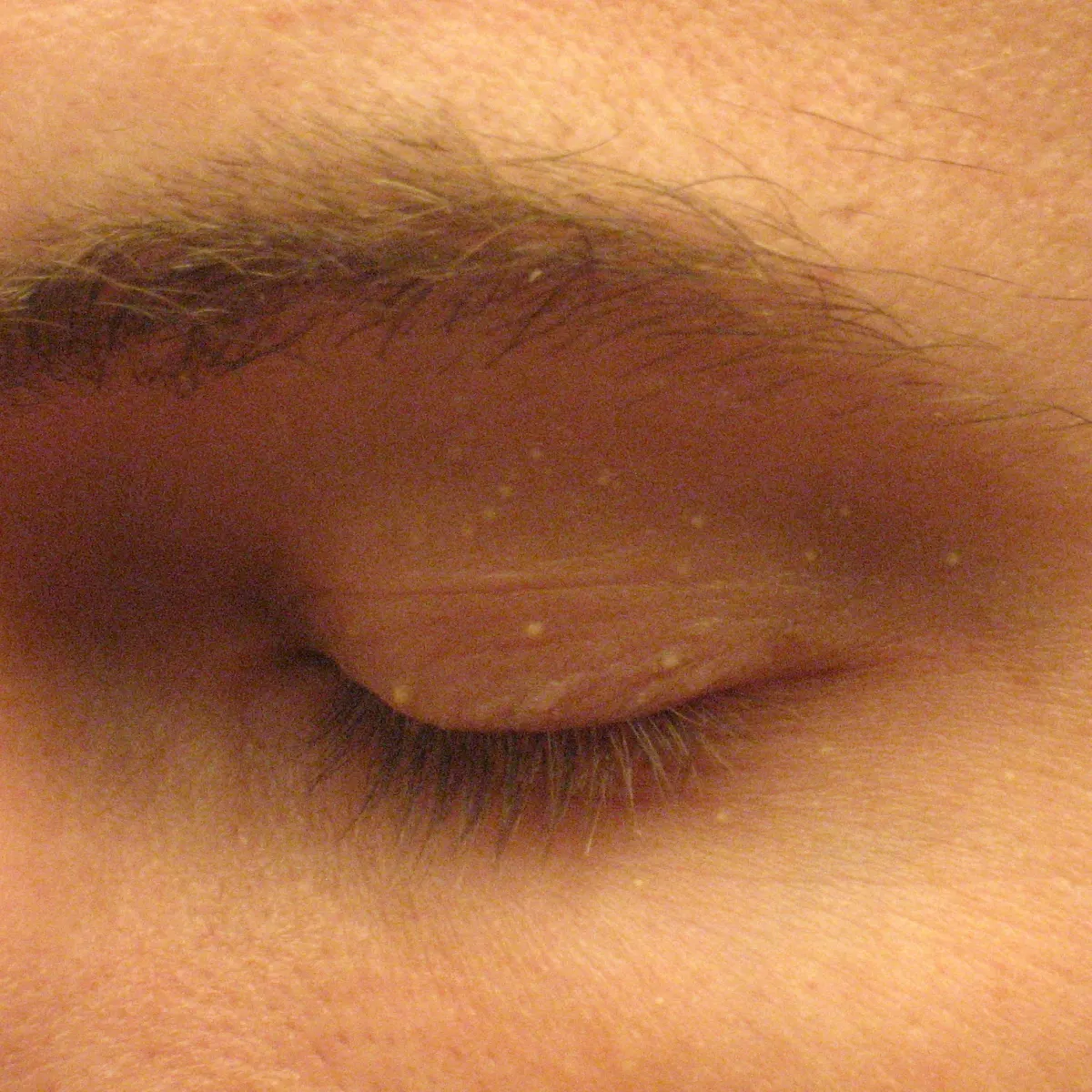
- in the eyebrows and on the eyelids;
- behind and on the ears;
- on the forehead and around the nose;
- in the folds of the neck, armpits and the diaper area.
In adults the same condition is called seborrhoeic dermatitis and shows up mainly as dandruff and redness around the nose.
Cradle cap or eczema?
This distinction matters, because care is different:
| Feature | Cradle cap | Atopic dermatitis (eczema) |
|---|---|---|
| Age of onset | First weeks, up to 3 months | Usually after 2-3 months |
| Itching | Rare, mild | Intense, baby rubs |
| Appearance | Yellowish, greasy crusts | Dry, red, rough skin |
| Location | Scalp, eyebrows, folds | Cheeks, outer limbs |
| Course | Usually gone by age 1 | Can persist, with flares |
If your baby scratches, is restless and has dry red patches on the cheeks and arms, read our guide to atopic dermatitis and talk to your paediatrician.
How to remove cradle cap, step by step
- In the evening, apply a little oil to the crusted areas: a few drops, massaged very gently with your fingertips. Choose a gentle vegetable oil, for example cold-pressed sunflower oil or sweet almond oil, or a baby emollient cream.
- Let the oil work for at least 15-30 minutes or overnight. You can put on a thin cotton cap so it does not soil the bedding.
- In the morning, wash the scalp with lukewarm water (37 °C) and a mild baby shampoo. Rinse well, because leftover oil can keep the crusts going.
- Brush gently with a very soft baby brush or a fine comb, using circular movements. Softened crusts lift off by themselves.
- Pat dry with a soft towel.
- Repeat 2-3 times a week. For maintenance, washing the hair 2-3 times a week with a mild shampoo and light daily brushing are enough.
There is no need for all the crusts to come off at once. Those that do not lift easily can wait for the next session.
Which oil to choose
| Oil or product | Advantages | Notes |
|---|---|---|
| Fragrance-free baby emollient | Made for infant skin | First choice in many guidelines |
| Sunflower oil | Rich in linoleic acid, gentle | Choose plain, cold-pressed |
| Sweet almond oil | Fine, spreads easily | Avoid with a family history of nut allergy |
| Olive oil | Traditional | Some studies suggest it may weaken newborn skin barrier; prefer other options |
| Peanut oil | No | Risk of allergic sensitisation |
| Essential oils | No | Irritating and toxic for babies |
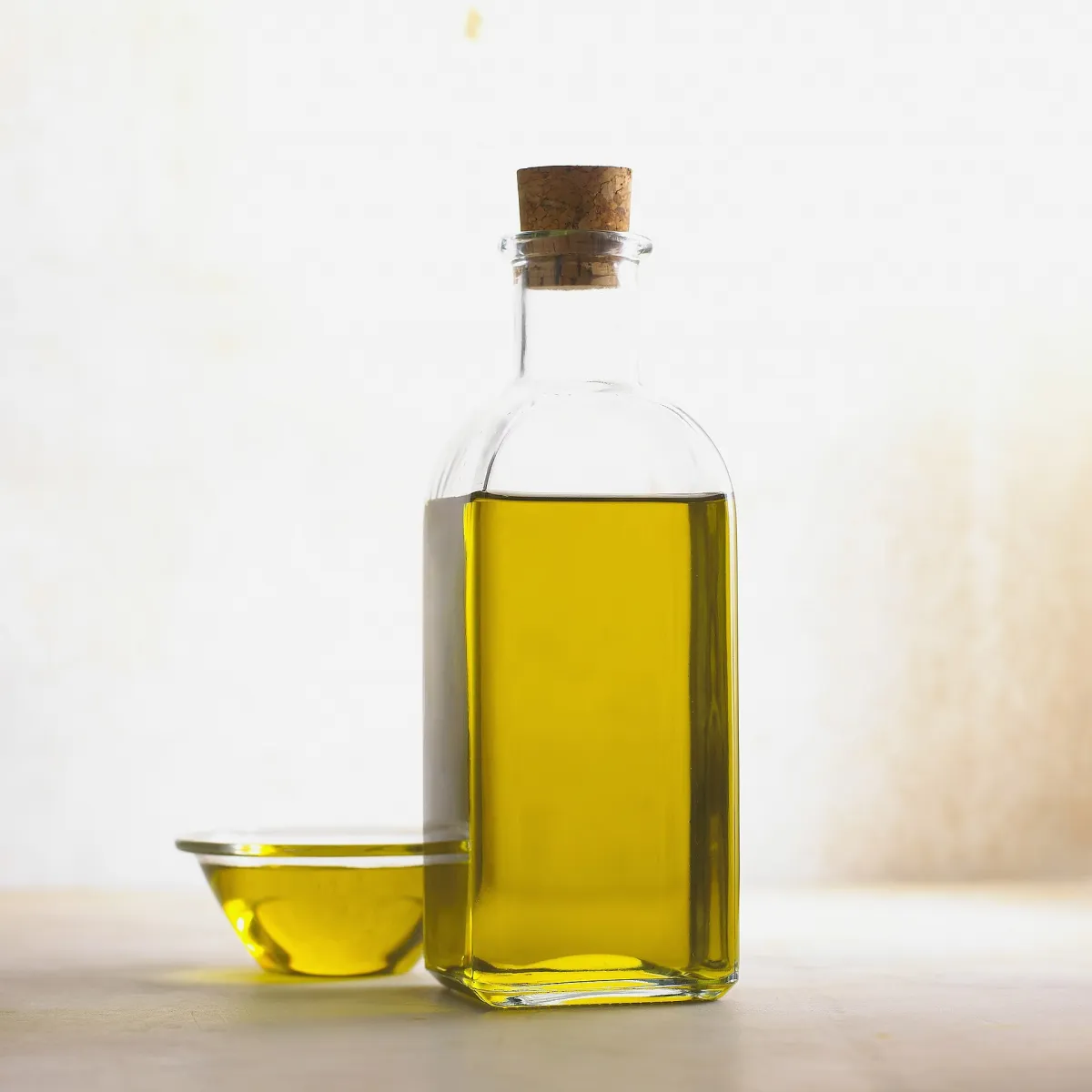 Photo: margenauer, CC0, via Wikimedia Commons
Natural remedies: what helps and what does not
Helps:
- A gentle vegetable oil or emollient, to soften before washing.
- Regular washing with a mild shampoo, because built-up oil encourages crusts.
- Light daily brushing, which removes small scales before they accumulate.
- A weak, cooled chamomile infusion, used by some parents as a scalp rinse. The evidence is traditional; test on a small area first, as it can cause allergy. More about the plant in our article on chamomile.
Does not help or can harm:
- Picking crusts off with your nails: it injures the skin and invites infection.
- Essential oils (tea tree, lavender, eucalyptus): risk of irritation and toxicity in babies.
- Adult anti-dandruff shampoos: they can irritate a baby’s eyes and skin; use only on medical advice.
- Vinegar, baking soda, lemon: they change the pH and irritate.
- Steroid creams without a doctor’s recommendation.
Contraindications and precautions
- Family history of food allergy: avoid nut and peanut oils.
- Cracked, weeping skin: do not apply oils or infusions; see a doctor.
- The fontanelle (soft spot): gentle washing and brushing are safe, just without pressure.
- Eyes: keep oil and shampoo away from the eyes; rinse with clean water if they get in.
- Premature babies or those with chronic conditions: discuss the routine with your doctor.
When to see a paediatrician
- The crusts spread to the face, neck, trunk or diaper area as a widespread red rash.
- The skin weeps, bleeds, has honey-yellow crusts or pus (possible secondary infection).
- Your baby scratches, is fussy or sleeps badly because of itching.
- There is hair loss over large areas or sores on the scalp.
- The crusts do not improve at all after a few weeks of care, or persist past age 1.
- Your baby has a fever, is not feeding well or is not gaining weight.
A doctor may recommend a mild antifungal shampoo or cream or, very short term, an anti-inflammatory treatment. If your baby also has irritation in the diaper area, see our guide to diaper rash.
Common mistakes
Thinking it is a hygiene problem. Cradle cap is not caused by too little washing. Excessive washing with soap can irritate.
Leaving oil on the head for days. Oil that is not rinsed out builds up with sebum and keeps crusts going. Always wash after softening.
Shaving or cutting the hair to reach the crusts. Not necessary and it can injure the scalp.
Using a sharp comb or an adult brush. A baby’s skin is fragile; the brush must be very soft.
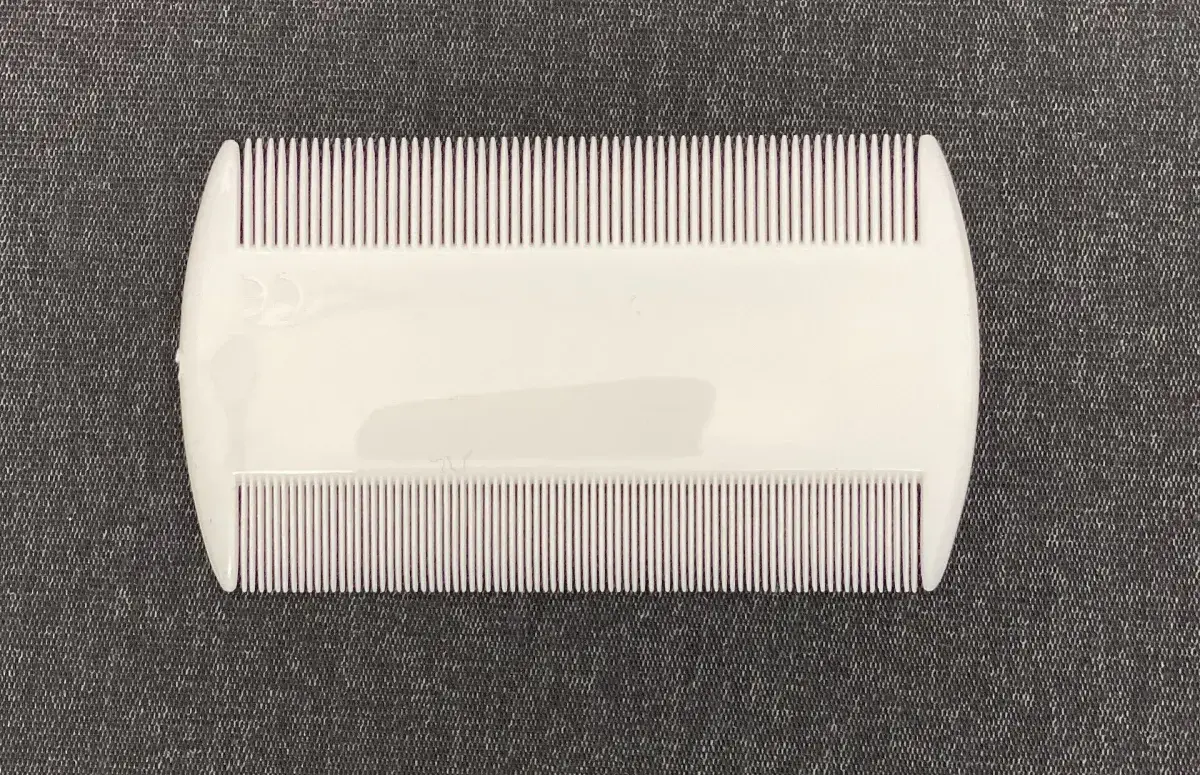
Mistaking crusts for other problems. Small white flakes that fall off easily in an older child may be dryness; eggs glued to the hair in nursery-age children may be nits (see our guide to head lice).
Conclusion
Cradle cap is a common, passing stage for many babies. It does not need harsh treatments, just patience and a gentle routine: a little oil or emollient to soften, washing with baby shampoo and light brushing with a soft brush. Avoid essential oils, peanut oil and picking at the crusts. If the rash spreads, itches or shows signs of infection, your paediatrician will help choose the right treatment.
Frequently asked questions
At what age does cradle cap go away? In most babies it improves within weeks or months and clears by 6-12 months. Rarely, it lasts longer.
Is cradle cap caused by milk? No. It has nothing to do with breastfeeding, formula or food allergies.
Should I pick off the crusts? No. You risk injuring the skin and encouraging infection. Soften them with oil and lift them with a soft brush.
Can I use olive oil for cradle cap? It is a traditional remedy, but some studies suggest olive oil may weaken the skin barrier of newborns. A baby emollient or sunflower oil are more suitable choices.
How often should I wash a baby’s scalp with cradle cap? 2-3 times a week with a mild shampoo is usually enough, with light brushing every day.
Does cradle cap cause bald patches? No. Sometimes hairs come away with the crusts, but hair grows back normally.
Is cradle cap contagious? No. It does not spread to other children or adults.
Sources
- NHS (UK): Cradle cap, home care and when to see a GP.
- American Academy of Pediatrics, HealthyChildren.org: Cradle Cap.
- American Academy of Dermatology (AAD): Seborrheic dermatitis in babies.
- Cooke A et al.: study on the effect of olive oil and sunflower oil on the skin barrier of newborns (Acta Dermato-Venereologica, 2016).
Informative content only. It does not replace advice from your paediatrician.