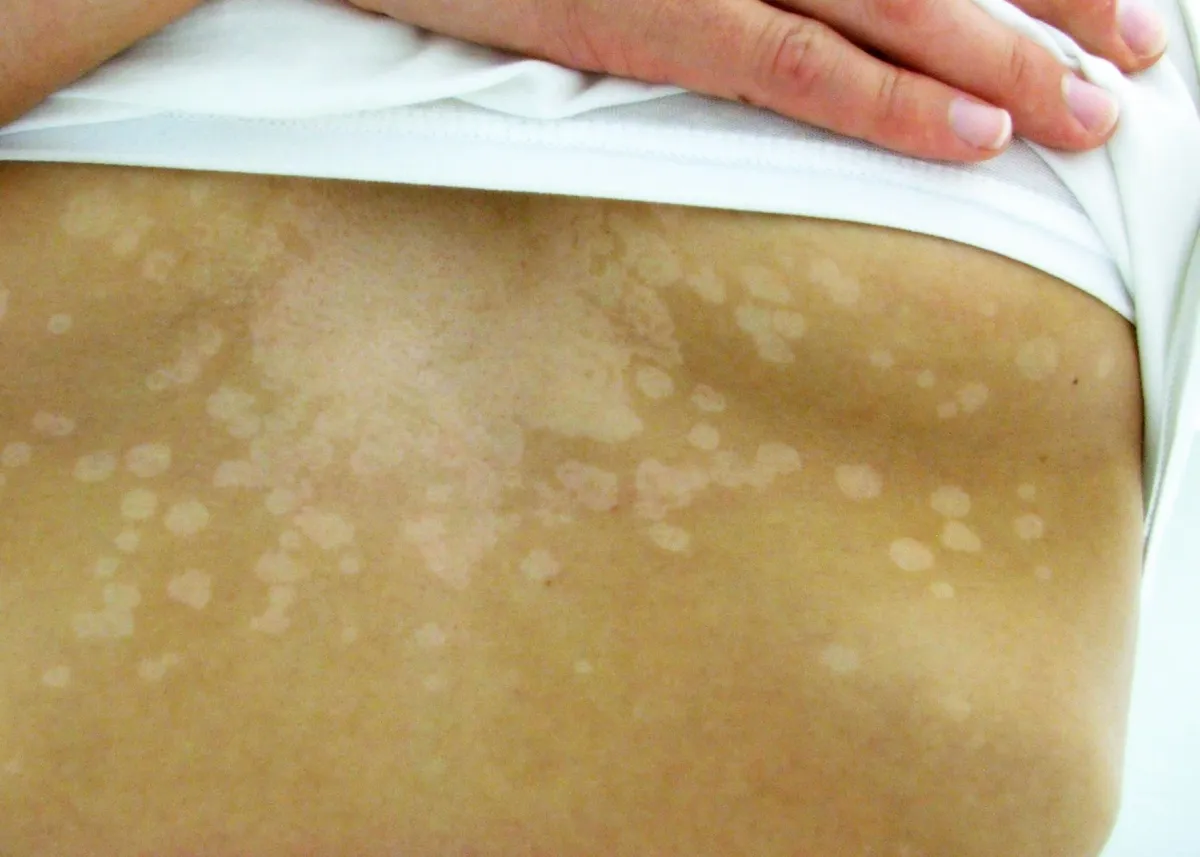
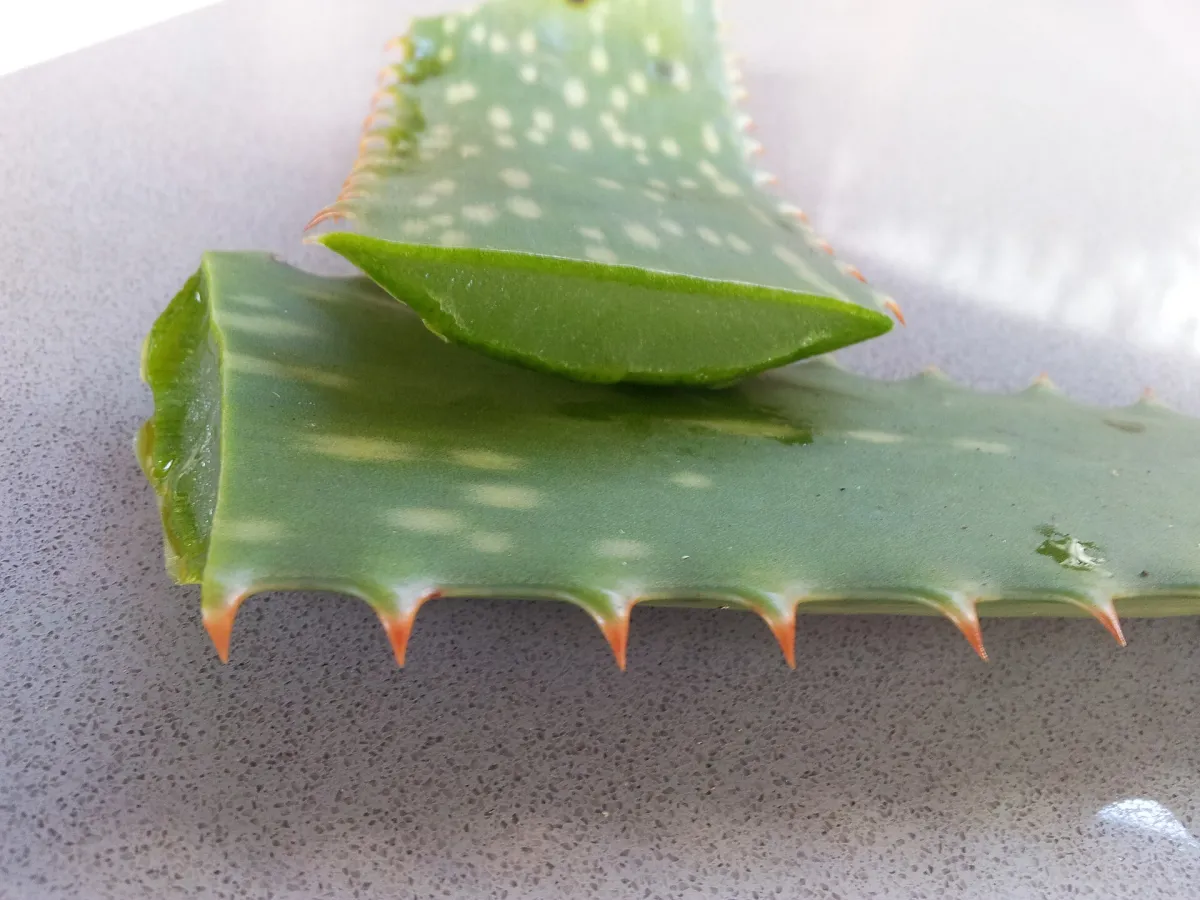
 Photo: Rae Allen, CC BY 2.0, via Wikimedia Commons
Underarms most often darken because of repeated irritation: shaving, waxing, friction and fragranced deodorants. The skin responds to each small inflammation by producing more melanin. To even them out naturally, the first step is stopping the irritation (a trimmer instead of a blade, an alcohol-free and fragrance-free deodorant), followed by gentle exfoliation and mild lightening ingredients such as licorice extract, niacinamide or aloe vera for at least 8-12 weeks. If the skin is not just dark but also thickened and velvety, with a “dirty” look that does not wash off, it may be acanthosis nigricans, a common sign of insulin resistance that deserves blood tests.
It is a very common cosmetic concern, especially for people with medium or darker skin tones, who are more prone to marks after inflammation. The internet is full of recipes with lemon, baking soda and hydrogen peroxide promising “white armpits in 3 days”. In reality they irritate the skin and can make it even darker. Below is what actually works and why it takes time.
Key takeaways
- Most dark underarms are post-inflammatory hyperpigmentation after shaving, friction or irritation.
- Without removing the irritation, no remedy gives lasting results.
- Licorice (glabridin), niacinamide, lactic acid and aloe vera have evidence for fading dark marks.
- Lemon, baking soda and hydrogen peroxide irritate and can darken the skin further.
- Dark, velvety skin on the neck, armpits or groin can signal insulin resistance.
Causes
Post-inflammatory hyperpigmentation
Every pass of a razor, every wax strip, every irritation from deodorant causes a small inflammation. Melanocytes, the pigment-producing cells, respond by making more melanin. Repeated week after week, this reaction leaves the skin visibly darker. Shaved hairs under the skin add a greyish “shadow” too. Ingrown hairs and razor irritation are covered in detail in our guide to ingrown hairs.
Friction
Tight clothing, skin rubbing on skin, sport and sweat cause chronic irritation. That is why armpits, inner thighs and the back of the neck darken easily.
Deodorants and antiperspirants
Fragrance, alcohol and some preservatives can cause contact dermatitis, and repeated inflammation leaves marks. Many people notice an improvement simply by switching products.
Acanthosis nigricans
This is a thickening and darkening of the skin, with a velvety feel, in skin folds (armpits, back of the neck, neck, groin). It is most often associated with insulin resistance, excess weight, polycystic ovary syndrome or prediabetes. Less often it is caused by medicines or other conditions. Cosmetic remedies help little here; treating the cause (diet, exercise, weight loss, medical treatment) fades the skin over time.
Other causes
- Erythrasma, a superficial bacterial infection that causes reddish-brown, sometimes slightly scaly patches.
- Build-up of dead skin cells, which gives a dull look.
- Hormonal changes: pregnancy, contraceptive pills.
- Genetic predisposition and darker skin type.
Natural remedies and ingredients with evidence
Licorice extract
Licorice root contains glabridin, a compound studied for inhibiting tyrosinase, the key enzyme in melanin production, and for anti-inflammatory effects. It appears in many creams for dark spots. Use it as a cream or serum with standardised extract, not as tea on the skin (the concentration is too low).
Niacinamide
Vitamin B3 reduces the transfer of pigment to skin cells and strengthens the skin barrier. It is gentle and suits the sensitive underarm skin at 4-5%.
Lactic acid
A mild alpha hydroxy acid (found naturally in fermented milk) that exfoliates gently and moisturises. A 5-10% lactic acid lotion applied in the evening 2-3 times a week speeds the shedding of pigmented cells.
Aloe vera
Aloe vera gel soothes skin after shaving and contains aloesin, studied for a mild pigment-reducing effect. As a daily add-on after hair removal, it is a good choice.
Oats and yoghurt
The traditional mask of plain yoghurt and finely ground oats exfoliates very gently (lactic acid from the yoghurt) and soothes. The effect is modest but safe.
Practical recipes
Gentle yoghurt and oat paste
- 1 tablespoon of very finely ground oats
- 1.5 tablespoons of plain natural yoghurt
- optional: ½ teaspoon of honey
Apply to clean, dry underarms, leave for 10 minutes, then remove with lukewarm water using very light circular movements. Twice a week, never right after shaving.
Soothing after-shave gel
Pure aloe vera gel without alcohol, applied immediately after waxing or shaving, on dry skin. Kept in the fridge, it is also cooling.
The 12-week routine
- Morning: gentle wash, fragrance-free and alcohol-free deodorant on completely dry skin.
- Evening (alternating): niacinamide serum or licorice cream on most evenings; lactic acid lotion 2-3 times a week.
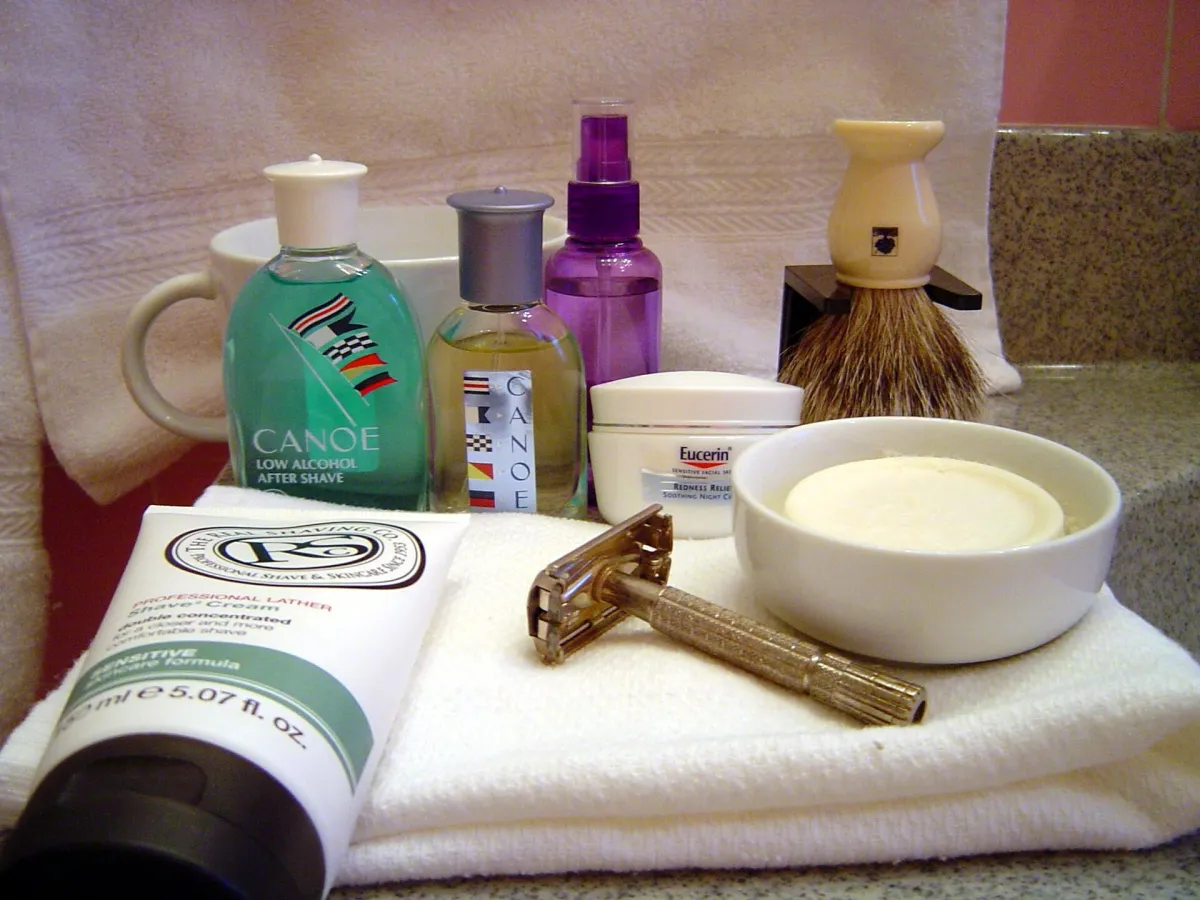
- Hair removal: an electric trimmer or, longer term, laser hair removal; if you stick with a razor, shave with the grain, with foam, and only when needed.
- Clothing: cotton, loose cuts under the arms.
Post-inflammatory marks fade slowly: first changes appear after 6-8 weeks, and a clear result after 3-6 months.
Comparing ingredients
| Ingredient | How it works | Evidence | Underarm tolerance |
|---|---|---|---|
| Licorice extract | Tyrosinase inhibitor, anti-inflammatory | Moderate | Good |
| Niacinamide 4-5% | Reduces pigment transfer | Good | Very good |
| Lactic acid 5-10% | Gentle exfoliation | Good | Good, every 2-3 days |
| Aloe vera | Soothing, aloesin | Preliminary | Very good |
| Azelaic acid | Anti-inflammatory, lightening | Good | Good (ask your doctor) |
| Lemon, baking soda | Irritants | No useful evidence | Poor, risk of marks |
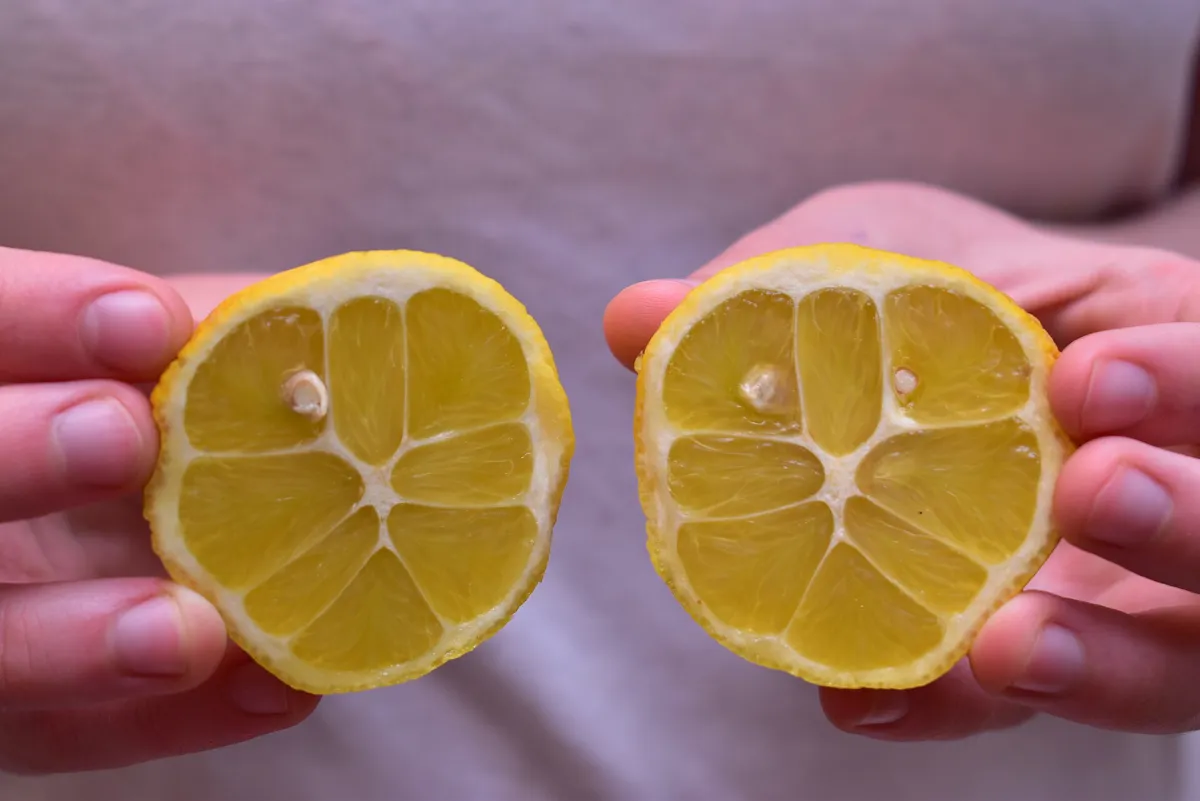 Photo: Annatsach, CC BY-SA 4.0, via Wikimedia Commons
Myths and recipes to avoid
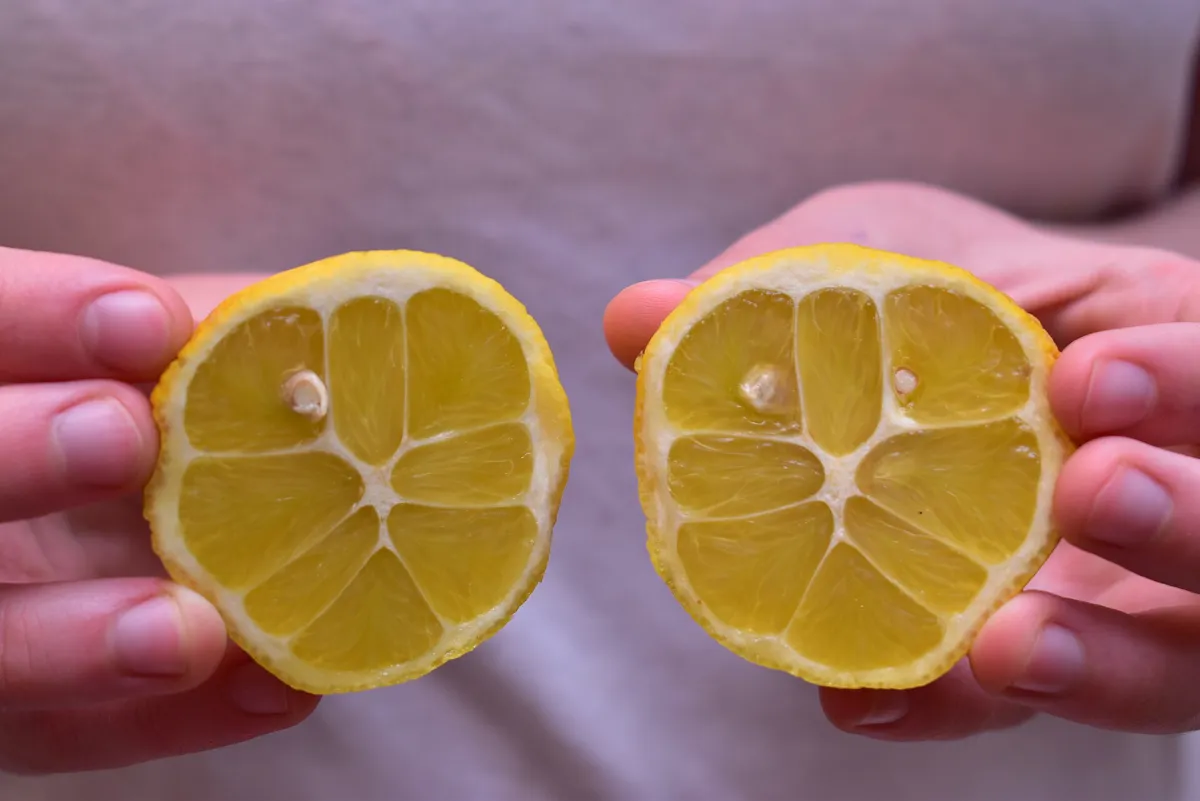
Lemon. Citric acid irritates, and photosensitising compounds in the peel can cause marks in sunlight. It stings badly on freshly shaved skin.
Baking soda. It is alkaline (pH around 8-9), which breaks down the skin’s acid barrier. The result: irritation and, paradoxically, more pigment.
Hydrogen peroxide. It temporarily bleaches hair, not skin, and it irritates.
Potato and cucumber. Harmless, but there is no evidence they lighten skin. A cooling gesture, not a treatment.
“Miracle” whitening creams bought online. Some illegally contain mercury or high concentrations of hydroquinone or steroids. They can seriously harm the skin and the body.
Contraindications and precautions
- Pregnancy and breastfeeding: no hydroquinone or retinoid products; aloe vera, niacinamide and low-strength lactic acid are generally considered suitable, but ask your doctor.
- Irritated or broken skin, or just after shaving: postpone exfoliants for 24-48 hours.
- Plant allergies: patch test any new product on the inner forearm for 48 hours.
- Excessive sweating encourages irritation; if it is a problem, read our guide to excessive sweating.
When to see a doctor
- The skin is thickened and velvety, with a dirty look that does not wash off, especially if it also appears on the neck or groin (possible acanthosis nigricans).
- The marks appeared suddenly, spread quickly or appear in several places on the body.
- You also have increased thirst, frequent urination, fatigue, weight gain or irregular periods.
- The patch is reddish-brown, slightly scaly and does not improve (possible erythrasma or fungal infection).
- Itching, pain, blisters or lumps appear.
Your GP can order blood sugar and insulin tests. A dermatologist can confirm the diagnosis, sometimes with a Wood’s lamp, and prescribe stronger treatments.
Common mistakes
Vigorous scrubbing. Harsh exfoliation causes exactly the inflammation that darkens the skin.
Daily dry shaving. More irritation, more pigment.
Too many products at once. Combining acids and essential oils on thin underarm skin leads to dermatitis.
Giving up after 2 weeks. Pigment clears over months, not days.
Ignoring a metabolic cause. If it is acanthosis nigricans, no cream replaces treating insulin resistance.
Conclusion
Dark underarms are usually the trace of repeated irritation, not poor hygiene. Stopping the irritation (gentle hair removal, fragrance-free deodorant, loose clothing) is the step that matters most. Ingredients with evidence such as licorice extract, niacinamide, lactic acid and aloe vera gradually fade the skin over a few months. Avoid lemon and baking soda, and ask for tests if the skin is also thickened and velvety. For other dark marks on the face and body, see our article on age spots and pigmentation.
Frequently asked questions
How long does it take to lighten underarms? With a proper routine, first changes appear after 6-8 weeks. A clear result can take 3-6 months, because pigment is cleared as the skin renews.
Can deodorant darken underarms? Yes, if it irritates your skin. Fragrance and alcohol are the most common irritants. Try a fragrance-free deodorant on completely dry skin.
Does lemon lighten underarms? Not reliably or safely. It irritates the skin and can cause marks in sunlight. The risk of making the skin darker is real.
Does laser hair removal help? Yes, indirectly: it removes the shadow of hairs under the skin and reduces shaving irritation. On darker skin a suitable type of laser must be used by a specialist.
What is acanthosis nigricans? A thickening and darkening of the skin in folds, with a velvety texture, most often linked to insulin resistance and excess weight. It is worth discussing with your doctor.
Can I use baking soda as a natural deodorant? Many people develop irritation from baking soda precisely because of its alkaline pH. If the skin turns red or stings, stop using it.
Do men get dark underarms too? Yes, for the same reasons: friction, sweat, irritating deodorants and sometimes acanthosis nigricans.
Sources
- American Academy of Dermatology (AAD): Acanthosis nigricans and Hyperpigmentation.
- NHS (UK): Acanthosis nigricans.
- PubMed reviews on topical ingredients for hyperpigmentation (niacinamide, licorice extract, azelaic acid, aloesin).
- PubMed reviews on post-inflammatory hyperpigmentation in darker skin types.
Informative content only. It does not replace medical or dermatological advice.