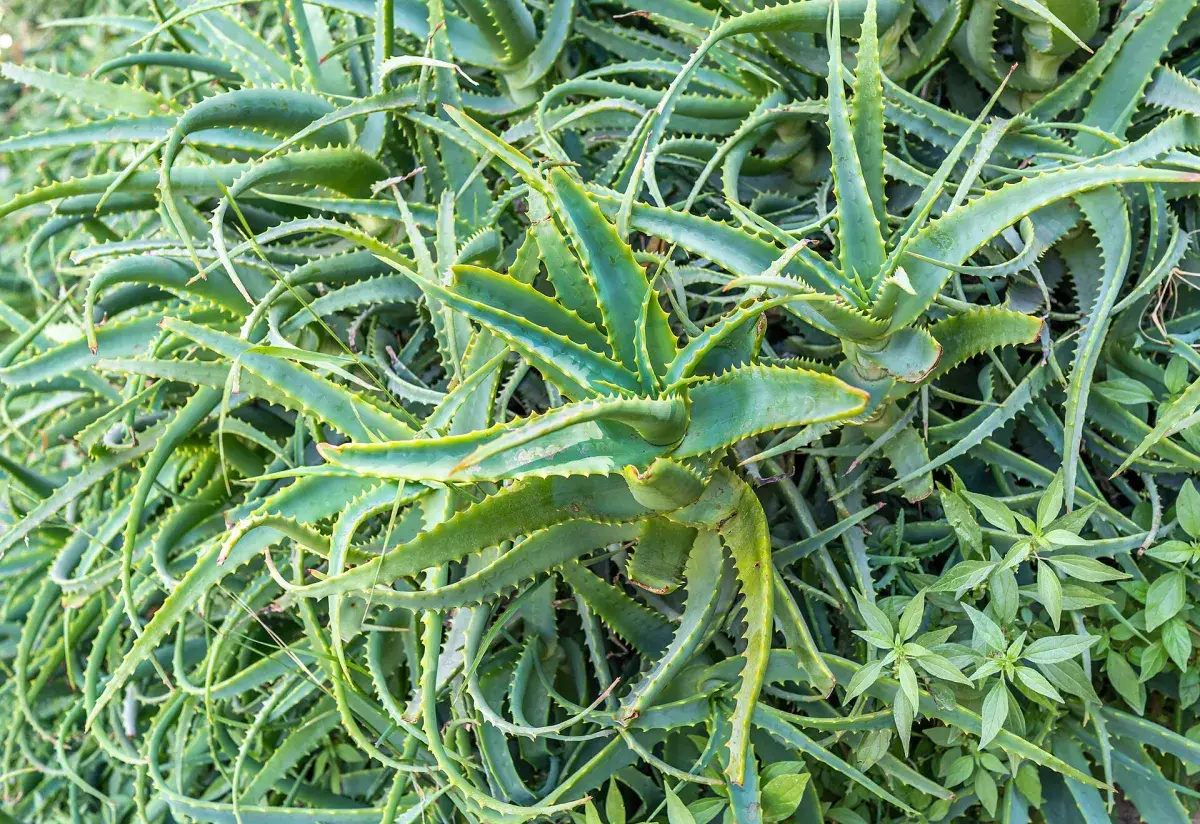
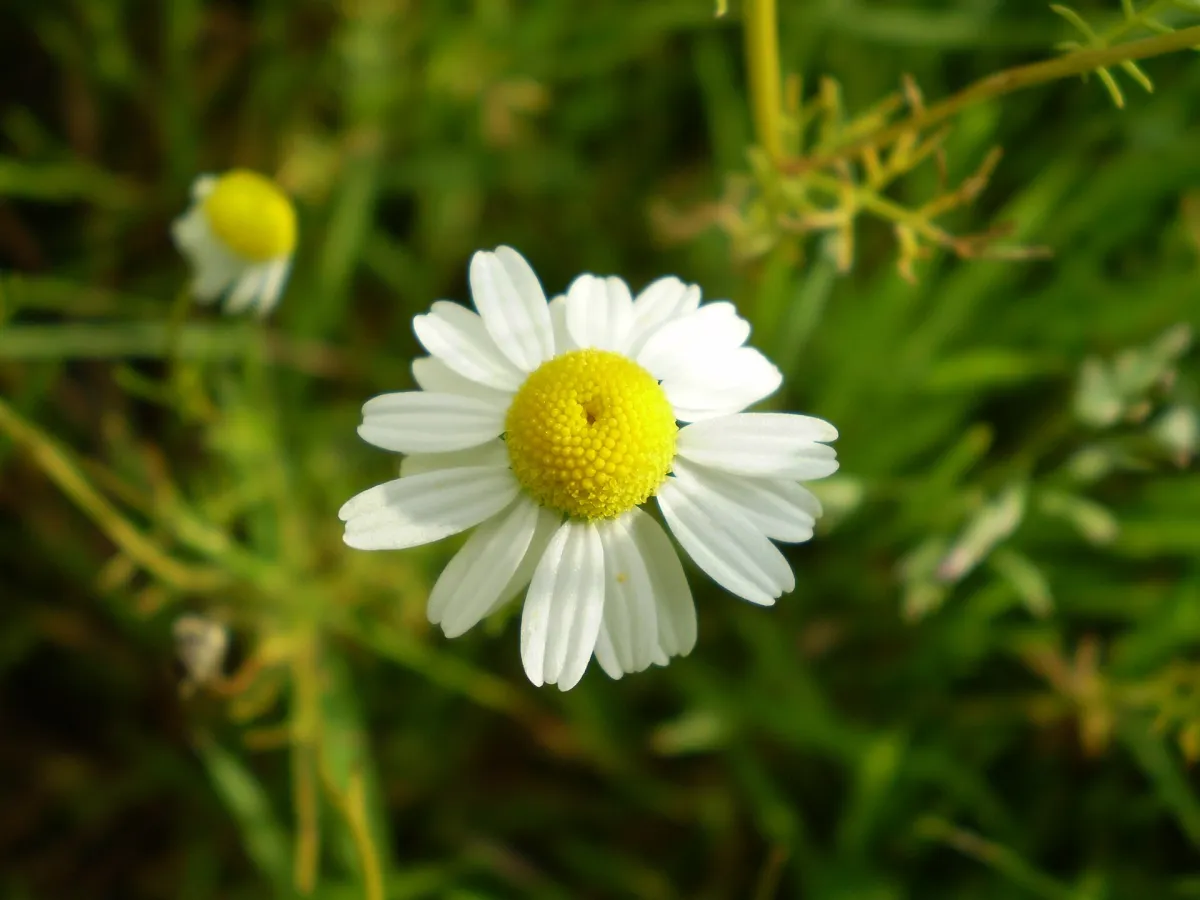
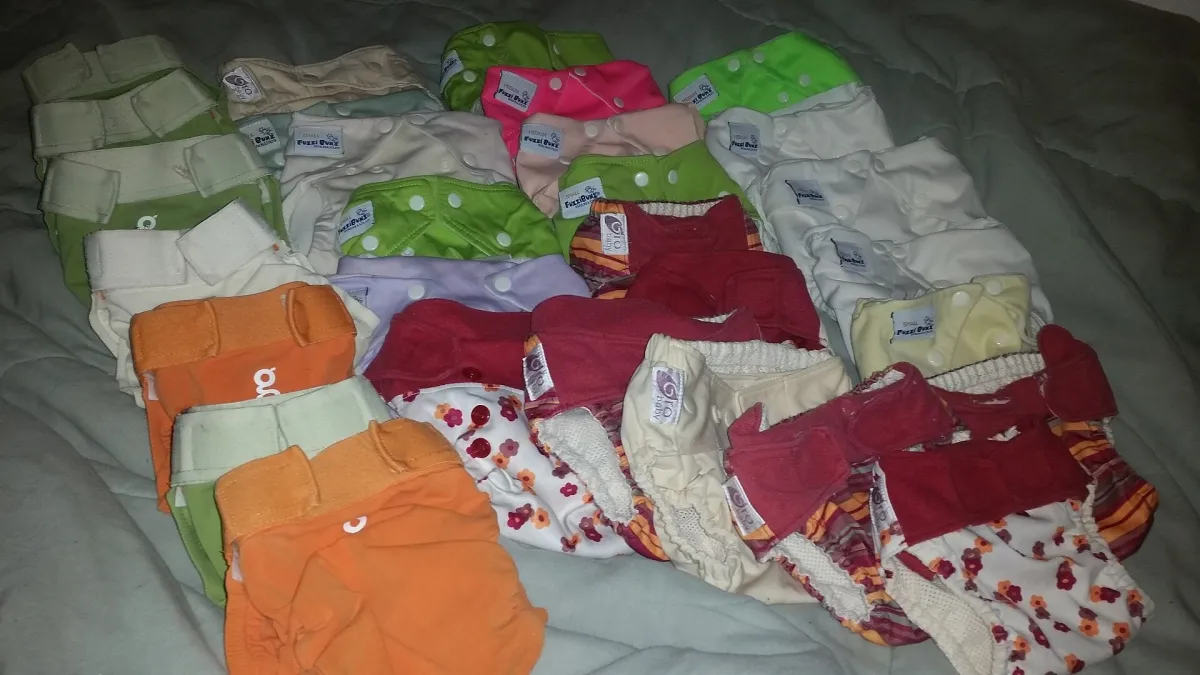
 Photo: Lyn Lomasi, CC BY 2.0, via Wikimedia Commons
Diaper rash (diaper dermatitis) is best treated with frequent diaper changes, gentle cleaning with water, diaper-free time and a thick layer of zinc oxide barrier cream at every change. With this routine, most rashes improve within 2-3 days. If the redness does not settle, has red “satellite” spots at the edges, or blisters, pus or fever appear, it is time to see the paediatrician.
Almost every baby gets a red bottom at some point. The skin under the diaper spends hours in a warm, damp environment, in contact with urine and stool, and digestive enzymes in stool plus ammonia from urine irritate it quickly. The good news is that mild rash can be treated at home with simple remedies, many of them used for generations and backed by modern paediatrics.
Key takeaways
- The main cause is prolonged moisture plus contact with urine and stool, not poor hygiene.
- Fresh air and a thick zinc oxide cream are the safest and most effective “natural remedies”.
- Calendula ointment and colloidal oatmeal baths can soothe irritated skin.
- Talcum powder, baking soda, essential oils and scented wipes should be avoided.
- A rash lasting more than 3 days with red spots at the edges may be yeast and needs treatment.
What diaper rash is
Diaper dermatitis is inflammation of the skin covered by the diaper: buttocks, genitals, groin folds and upper thighs. The common form (irritant dermatitis) looks like shiny redness on the rounded areas in direct contact with the diaper, while the deep folds usually stay clear.
It is most common between 6 and 15 months, when babies start solid foods, stool changes in composition, and sometimes when the child is on antibiotics or has diarrhoea.
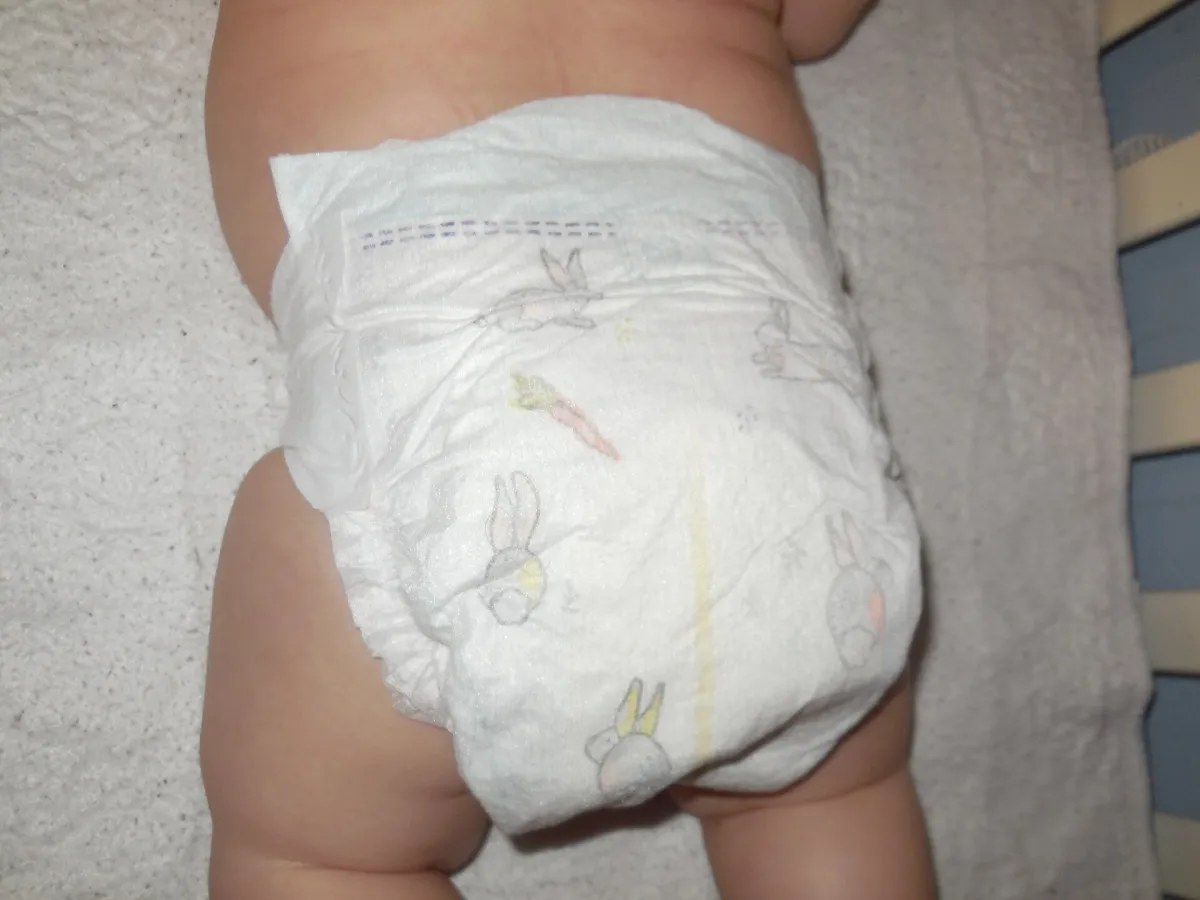 Photo: ParentingPatch, CC BY-SA 4.0, via Wikimedia Commons
Causes and contributing factors
- Prolonged moisture: infrequent changes, especially at night.
- Stool: digestive enzymes irritate the skin, and diarrhoea makes rash worse very quickly.
- Friction from a diaper or elastic that is too tight.
- Starting solids: new foods, especially acidic ones (citrus, tomatoes, strawberries), change the stool.
- Antibiotics, which encourage Candida yeast to multiply.
- Irritating products: wipes with fragrance or alcohol, soaps, harsh detergents for cloth diapers.
- Atopic skin: babies with atopic dermatitis have a more fragile skin barrier.
How to recognise yeast
A rash that becomes infected with Candida has some typical signs: bright, intense red that also covers the skin folds, well-defined edges and small red “satellite” spots or pustules around the main area. Sometimes the baby also has thrush (white patches in the mouth). In this case natural remedies are not enough: you need an antifungal cream recommended by a doctor.
Natural remedies and home care
1. Fresh air, the first remedy
Leave your baby diaper-free a few times a day, for 10-15 minutes, on a towel or waterproof mat. Skin dried by air recovers much faster. It is the simplest and most effective thing you can do.
2. Frequent changes and gentle cleaning
Change the diaper immediately after a bowel movement and at least every 2-3 hours during the day. Clean with lukewarm water and a cotton pad or soft cloth, then pat (do not rub) until completely dry. If you use wipes, choose fragrance-free and alcohol-free ones. On very sore skin, pouring lukewarm water from a bottle over the area is gentler than any wiping.
3. Zinc oxide barrier cream
Zinc oxide is a mineral that forms a protective layer between the skin and moisture. Apply a thick layer, “like icing on a cake”, at every change. There is no need to wipe off all the old layer each time; just remove the soiling, so you do not irritate the skin further. Plain petroleum jelly is a good barrier alternative.
4. Calendula ointment
Calendula (Calendula officinalis) has a long tradition in caring for irritated skin, and the EMA monograph recognises its traditional use for minor skin inflammation. A small clinical study in babies with diaper dermatitis found calendula ointment gave better results than aloe gel. Use a calendula ointment made for babies, or calendula oil as a thin layer under the zinc cream. More about the plant in our article on calendula.
5. Colloidal oatmeal bath
Very finely ground (colloidal) oatmeal soothes itching and inflamed skin. Put 2 tablespoons of finely ground oats in a muslin bag, let it soak in the bath water (36-37 °C) and bathe your baby for 5-10 minutes. Pat dry and apply barrier cream straight away.
6. Breast milk
Some small clinical studies have shown that applying breast milk to mild diaper rash had effects comparable to a weak hydrocortisone cream. The evidence is limited, but the method is safe: a few drops on the irritated area, left to air-dry, then the barrier cream.
Which product for which situation
| Situation | What to use | How often |
|---|---|---|
| Daily prevention | Petroleum jelly or a thin zinc cream | Every change |
| Mild redness | Air + thick zinc oxide cream | Every change |
| Sore, stinging skin | Oatmeal bath + calendula ointment under zinc | 1 bath a day |
| Bright red with spots at the edges | Doctor: possible yeast | Prescribed antifungal cream |
| Blisters, yellow crusts, pus | Doctor: possible bacterial infection | Prescribed treatment |
Contraindications and what to avoid
- Talcum powder: it can be inhaled and irritate the baby’s lungs.
- Cornstarch on yeast rash: it does not help and may feed the yeast.
- Baking soda, vinegar and salt on the skin: they change the pH and irritate.
- Essential oils (tea tree, lavender and others): not for babies’ skin, especially on irritated areas.
- Cortisone creams without medical advice: skin under the diaper absorbs them easily.
- Old remedies with boric acid or unidentified “herbal powders”: risk of toxicity.
- Allergy to the daisy family (Asteraceae) such as chamomile or calendula: rare but possible; test on a small area.
When to see a paediatrician
- Your baby is under 6 weeks old.
- The rash does not improve after 2-3 days of proper care.
- Blisters, open sores, yellow crusts, pus or bleeding appear.
- The redness spreads beyond the diaper area (tummy, back, legs).
- Your baby has a fever, is unusually sleepy or cries inconsolably.
- You notice the yeast signs described above.
Common mistakes
Rubbing the skin with wipes. Every harsh wipe adds irritation. Pat or rinse instead.
Cream on damp skin. The barrier traps moisture under it. Dry completely first.
A tight diaper “so it doesn’t leak”. Leave some room, especially at night; you can go up a size.
Constantly switching creams. More ingredients mean more chances of a reaction. Choose a simple cream and stick with it.
Treating yeast with natural remedies only. The fungus does not go away with zinc or calendula; you need an antifungal.
Conclusion
Diaper rash is common but easy to control with simple rules: fresh air, frequent changes, gentle cleaning with water and a thick zinc oxide barrier. Calendula, oatmeal baths and even breast milk can soothe the skin, but essential oils, talc and improvised recipes have no place on a baby’s bottom. If the redness persists or signs of infection appear, the paediatrician will decide on treatment. For your baby’s scalp, see also our guide to cradle cap.
Frequently asked questions
How long does diaper rash take to clear? Mild rash improves visibly in 2-3 days and usually clears within a week with proper care.
Can I put coconut oil on my baby’s bottom? Coconut oil can moisturise unbroken skin, but it is not as good a barrier as zinc oxide or petroleum jelly. On active rash, choose zinc.
Is it OK to use cornstarch or powder? No. Talc can be inhaled and cornstarch does not help yeast rash. Barrier cream is the safer choice.
Do cloth or disposable diapers cause less rash? Modern disposables absorb moisture well and can be gentler. Cloth diapers work well if changed often and rinsed without harsh detergents.
Does teething cause diaper rash? Many parents notice a link, possibly through more saliva and looser stools. The evidence is weak; the treatment stays the same.
Can I use chamomile tea on the rash? A cooled chamomile infusion can be used as a rinse for some babies, but it can rarely cause allergy. Test on a small area first.
How do I prevent rash at night? Apply a thicker layer of zinc cream before bed, choose a more absorbent diaper and change it if your baby has a bowel movement.
Sources
- NHS (UK): Nappy rash, home care and when to see a GP.
- American Academy of Pediatrics, HealthyChildren.org: Diaper Rash.
- EMA/HMPC: Community herbal monograph on Calendula officinalis L., flos.
- Clinical studies indexed in PubMed on calendula ointment and on breast milk in diaper dermatitis.
Informative content only. It does not replace advice from your paediatrician.